1. ArchDaily
  2. Brittany

Brittany: The Latest Architecture and News

Lacaton & Vassal and Emmanuelle Delage to Transform Administrative Center into Mixed-Use Housing and Offices in Vannes, France

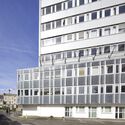
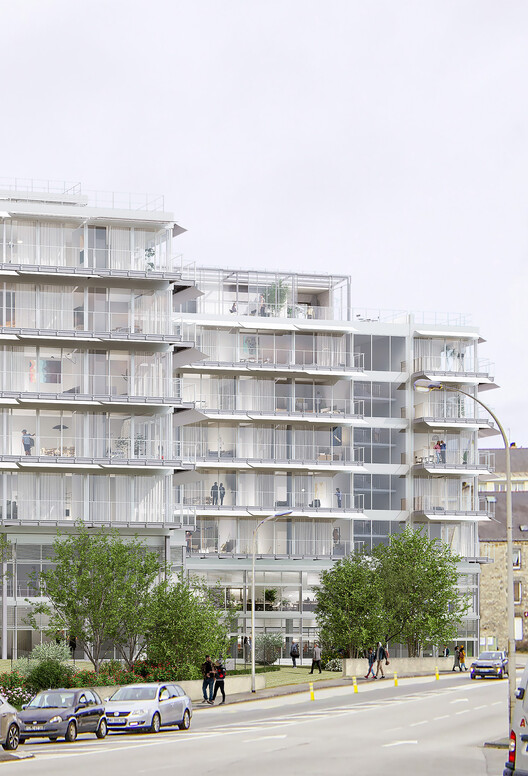
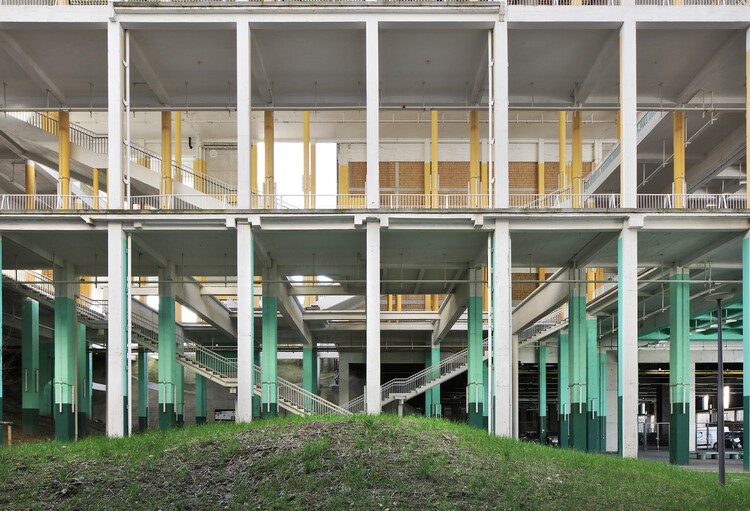
Lacaton & Vassal have announced the transformation of a former administrative center into a mixed-use residential and office building in Vannes, a medieval town in Brittany, northwest France. The project is part of a State policy to mobilize state-owned land for housing. In 2023, the French State launched a call for expressions of interest for a project on the former administrative complex, which housed several State services, in consultation with the City of Vannes. The winning proposal is a partnership between GReeStone Immobilier and Grand Ouest Immobilier, with an architectural team formed by the office of Anne Lacaton and Jean-Philippe Vassal, winners of the 2021 Pritzker Prize, in partnership with Emmanuelle Delage Architecte. According to the city government, the proposal was chosen with the aim of promoting resilience and limiting the carbon footprint by renovating rather than demolishing.
Lacaton & Vassal and Emmanuelle Delage to Transform Administrative Center into Mixed-Use Housing and Offices in Vannes, France - Image 1 of 4Lacaton & Vassal and Emmanuelle Delage to Transform Administrative Center into Mixed-Use Housing and Offices in Vannes, France - Image 2 of 4Lacaton & Vassal and Emmanuelle Delage to Transform Administrative Center into Mixed-Use Housing and Offices in Vannes, France - Image 3 of 4Lacaton & Vassal and Emmanuelle Delage to Transform Administrative Center into Mixed-Use Housing and Offices in Vannes, France - Image 4 of 4Lacaton & Vassal and Emmanuelle Delage to Transform Administrative Center into Mixed-Use Housing and Offices in Vannes, France - More Images+ 16

Seven Finalists Announced for the 2026 EU Mies Awards for Contemporary European Architecture

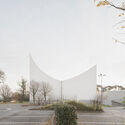
The European Commission and the Fundació Mies van der Rohe have announced the seven finalist projects for the 2026 European Union Prize for Contemporary Architecture - Mies van der Rohe Awards, supported by the European Union's Creative Europe programme. The selection follows the announcement of 410 nominated works in November and a shortlist of 40 projects revealed in early January. Of the seven finalists, five have been selected in the Architecture category and two in the Emerging category. According to the jury chaired by Smiljan Radić, the finalist projects are exemplary contributions to the future of European architecture, demonstrating how the discipline can respond simultaneously to specific local conditions and broader social, cultural, and environmental challenges. The selected works range from interventions in former industrial sites, small villages, and peripheral urban areas to carefully calibrated projects within larger cities. Across these varied contexts, the projects show how architecture can transform overlooked or ordinary settings into inclusive, high-quality spaces for living, learning, and social exchange.

Seven Finalists Announced for the 2026 EU Mies Awards for Contemporary European Architecture - 1 的图像 4Seven Finalists Announced for the 2026 EU Mies Awards for Contemporary European Architecture - 2 的图像 4Seven Finalists Announced for the 2026 EU Mies Awards for Contemporary European Architecture - 3 的图像 4Seven Finalists Announced for the 2026 EU Mies Awards for Contemporary European Architecture - 4 的图像 4Seven Finalists Announced for the 2026 EU Mies Awards for Contemporary European Architecture - More Images+ 113

This Medieval Walled Town with a Storied History Shows How Traditional Urbanism Can Support High Density

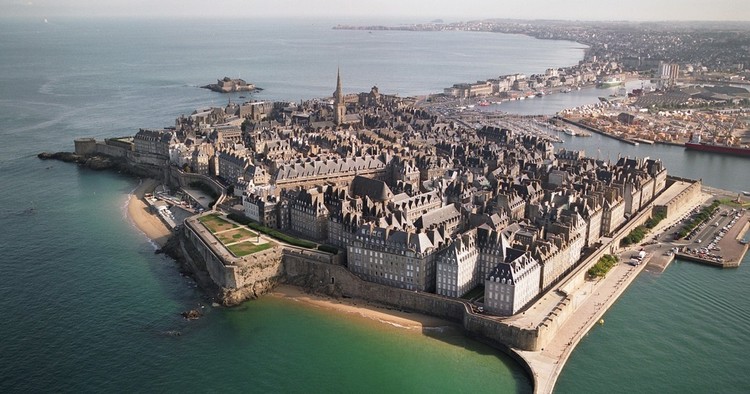
This Medieval Walled Town with a Storied History Shows How Traditional Urbanism Can Support High Density - Image 1 of 4
© Sabine de Villeroy

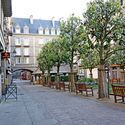
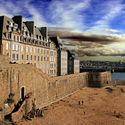
The protective fortress, winding cobblestone streets, and medieval urban layout are all characteristics of many coastal European towns. But when exploring the French town of Saint-Malo, it is difficult to believe that this is hardly the original city. What separates Saint-Malo from many other European towns located by the sea—aside from its striking location jutting out from the coastline—is the complex history of how it was heavily destroyed in World War II, but rebuilt to its original aesthetic.

This Medieval Walled Town with a Storied History Shows How Traditional Urbanism Can Support High Density - Image 2 of 4This Medieval Walled Town with a Storied History Shows How Traditional Urbanism Can Support High Density - Image 3 of 4This Medieval Walled Town with a Storied History Shows How Traditional Urbanism Can Support High Density - Image 5 of 4This Medieval Walled Town with a Storied History Shows How Traditional Urbanism Can Support High Density - Image 4 of 4This Medieval Walled Town with a Storied History Shows How Traditional Urbanism Can Support High Density - More Images+ 2