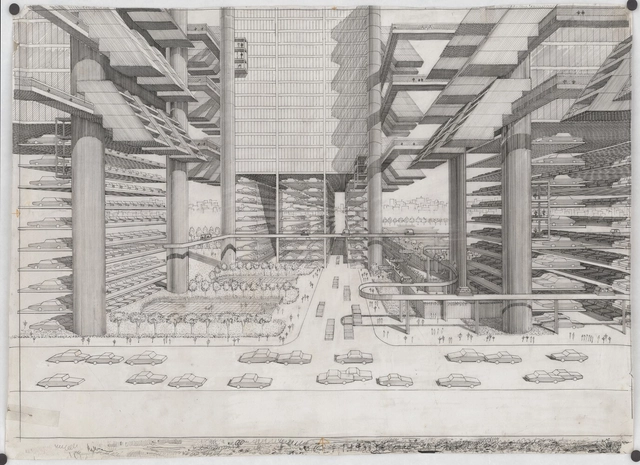
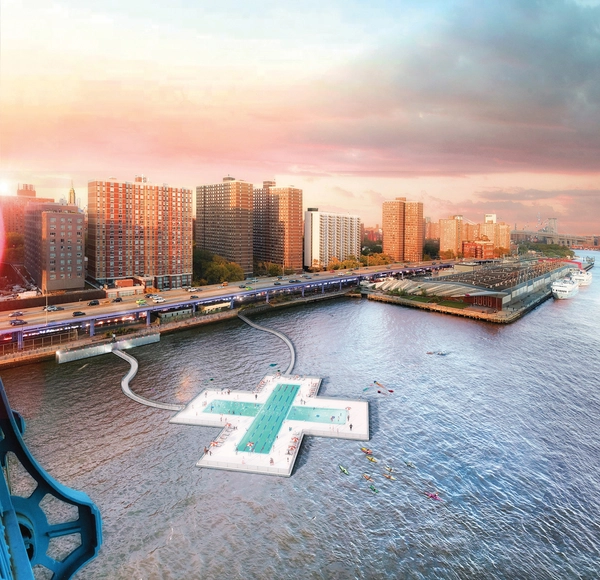
Perspective drawing of the Lower Manhattan Expressway / City Corridor project (unbuilt), New York ca. 1967–72. The Museum of Modern Art, New York, Gift of the Howard Gilman Foundation (1290.2000). Image Courtesy of The Met
The Metropolitan Museum of Art has opened a major exhibition focused on the diverse and innovative career of Paul Rudolph, a second-generation Modernist architect whose work stands alongside luminaries such as Eero Saarinen and I.M. Pei. Titled "Materialized Space: The Architecture of Paul Rudolph," the exhibition is on display from September 30, 2024, to March 16, 2025, covering a wide spectrum of Rudolph's architectural contributions, from his experimental houses in Florida, through civic projects, to visionary urban megastructures and mixed-use skyscrapers.
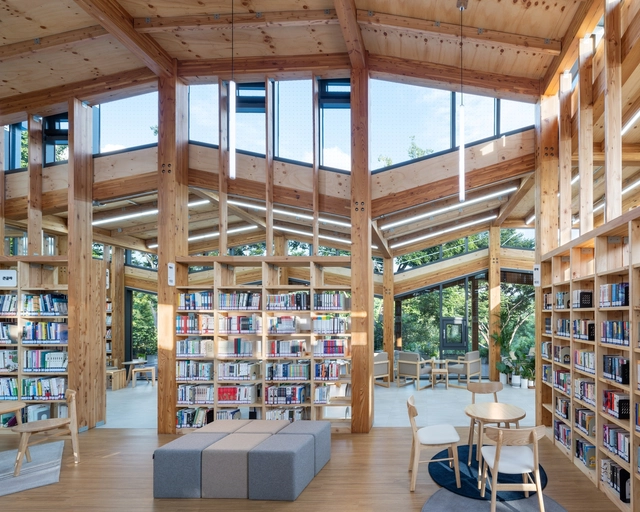
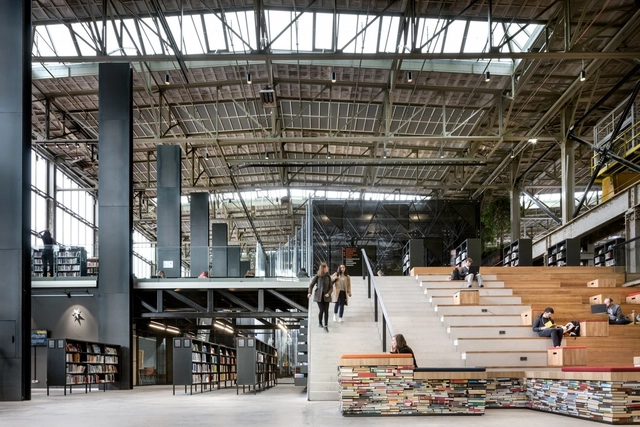
In the year 2000, the Royal Institute of British Architects (RIBA) awarded its prestigious Stirling Prize to Peckham Library, by architects Alsop and Stormer. Although it wasn't the first time for a library to win the prize, it was the first time a local library won it. It was an illustration of the times when public finances could conjure briefs with the intention to "create a building of architectural merit that will bring prestige to the borough." The library was commended for the public open space it created, its fun and colorful design, and its environmental credentials. It sits proudly in the heart of the community and it is interesting that its sign, projecting above the roof line, simply spells 'Library', an indication of the importance of this building's function to the area.
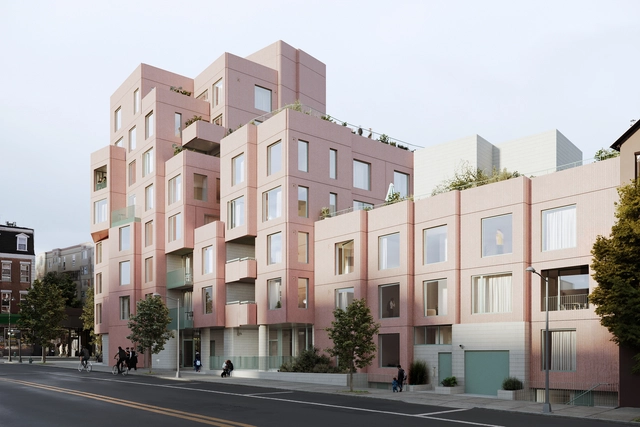
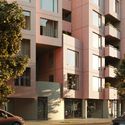
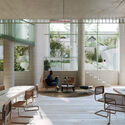
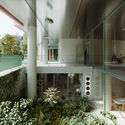
Architecture firm SO – IL has revealed plans for a new residential condominium project planned for Brooklyn's Fort Greene neighborhood. Named 144 Vanderbilt, the development offers 26 condominiums and amenities spanning almost 90,000 square feet. According to SO – IL, the architecture takes cues from Brooklyn's historical heritage, while incorporating a modern twist, as the staggered building prioritizes community interactions and comfortable urban living.
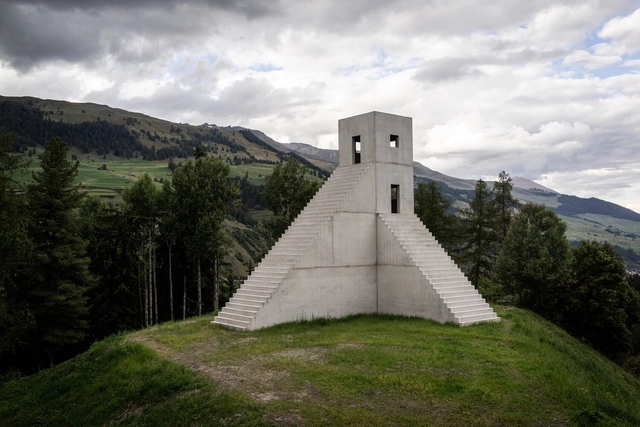
House to Watch the Sunset, concrete. Image Courtesy of Alma Zevi
Alma Zevi has developed a book offering an intimate and definitive account following the career of Swiss sculptor, painter, and architect Not Vital. This comprehensive book delves into Vital's pomading life, seeking and building homes in various cities, from Paris, New York, Beijing, and Rio de Janeiro. The book explores the artist's seminal sculpture practice and architectural projects, featuring a catalog of over 450 sculptures and related works. Drawing on archival material and personal interviews with the artist, Zevi seeks to provide a portrait of his career to date.
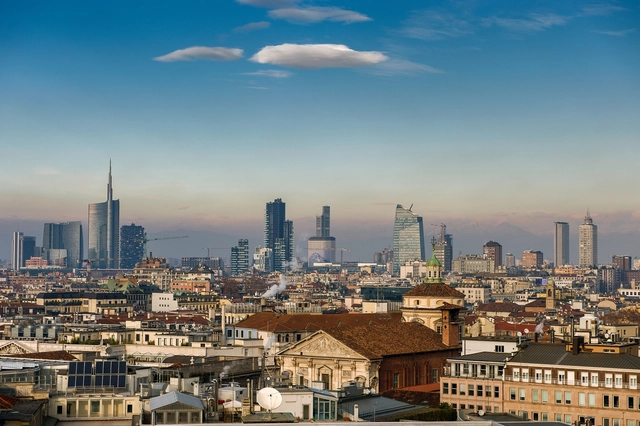
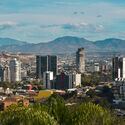
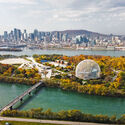
Tourism, as an urban and architectural phenomenon, has grown to encompass more than just sightseeing; it engages visitors with the social, cultural, and economic narratives that cities tell through their built environments. In celebration of World Tourism Day 2024, this collection of city guides highlights the role of architecture in shaping the urban tourism experience. Today, cities around the world stand as testaments to human ingenuity, historical preservation, and modern innovation. In fact, each city's versatile architecture offers a window into a city's identity, drawing millions of visitors each year who seek to understand how these spaces shape everyday life and collective memory.
In 2024, many cities have seized the world's collective imagination, each with its unique narrative waiting to be uncovered. Whether one finds themselves meandering through London, admiring Paris, or immersing in the cultural treasures of Sharjah, the story is always there to be unraveled. From Amsterdam's canals to Cairo's rich historical layers, Barcelona's avant-garde architecture, the liveliness of Santiago to the ancient marvels of Rome, and the diverse Istanbul to the bustling Bangkok – each city serves as a testament to the enduring spirit of human civilization.
As the architectural landscape continues to evolve in response to pressing global challenges, events such as biennales, design weeks, and fairs play an instrumental role in shaping the profession's future. These gatherings facilitate the exchange of innovative ideas, the exploration of sustainable practices, and the fostering of collaboration among architects, designers, and urban planners. They serve not only as platforms for showcasing cutting-edge designs but also as forums for critical dialogue about the built environment's impact on society and the planet.
Happening worldwide from September to December 2024, a variety of significant events hope to engage the architectural community. The World Urban Forum in Cairo focuses on local sustainable actions, while Dubai Design Week showcases innovative design in the Middle East. The World Architecture Festival in Singapore features live project presentations, and the Architecture & Design Film Festival in New York offers compelling narratives critical to contemporary discourse.
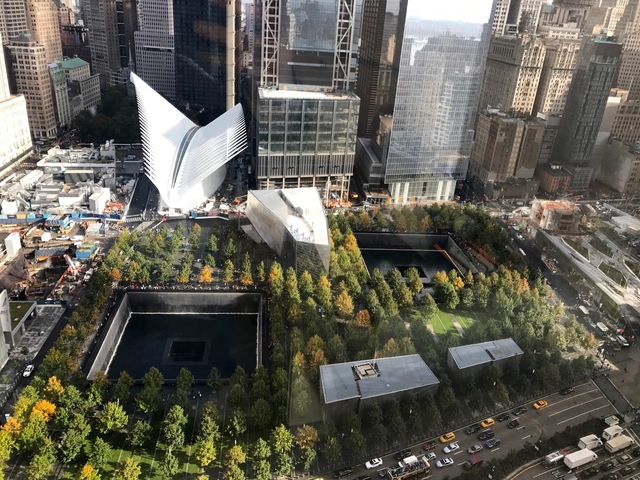
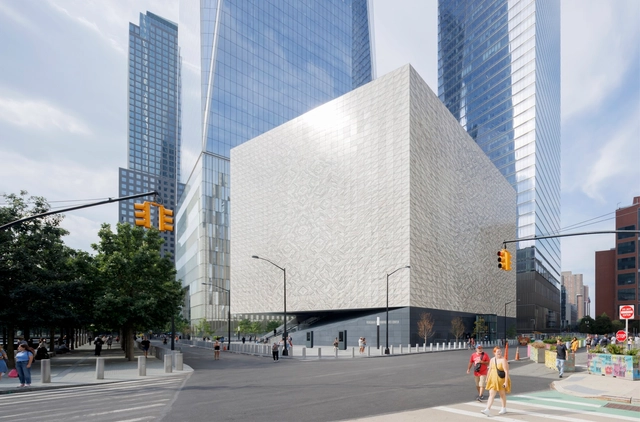
On the morning of September 11, 2001, two hijacked commercial jetliners struck the Twin Towers in Lower Manhattan, a third plane struck the Pentagon, and a fourth crashed in rural Pennsylvania. A total of 2.977 people were killed in the terrorist attacks. In the face of this unprecedented loss, the city of New York promised to rebuild Lower Manhattan as a lively neighborhood while honoring and maintaining the memory of this day. Thus began one of the largest reconstruction projects in New York City, a process that is still ongoing now, 23 years after the tragedy.
In 1853, at the New YorkWorld Expo, a man climbed onto a suspended platform and ordered the rope supporting it to be cut. He dropped a few inches, but the safety system activated, and the platform remained stable, to the delight of the watching crowd. At that moment, perhaps not even Elisha Graves Otis realized how his invention would permanently change the course of architecture.
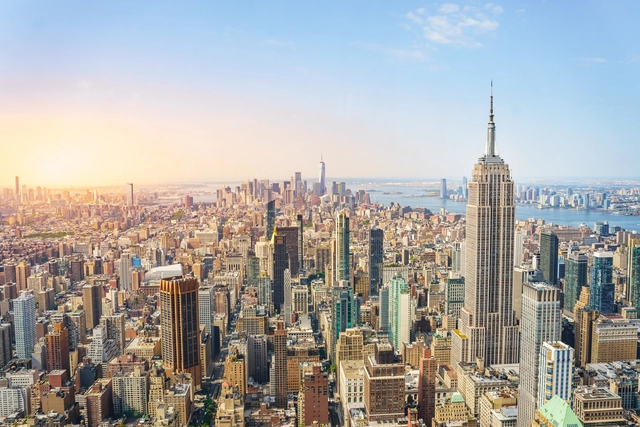
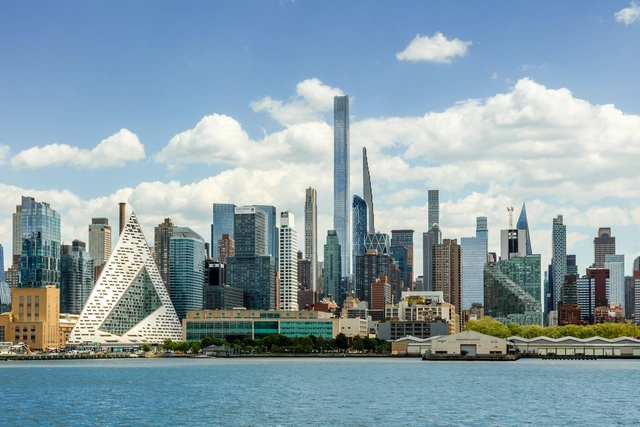
Skyscrapers are iconic symbols of modern urbanization and technological advancements all over North America. These structures are a sign of economic prosperity, urban density, and the capabilities of humanity’s ambition. In major cities across the continent, they shape the skyline and give identity to these metropolises. Cities like New York City, Toronto, and Florida utilize these cutting-edge designs to showcase power beyond their physical stature.
In general, skyscrapers are characterized by their remarkable height and pioneering engineering capabilities. They use advanced materials such as steel, glass, and concrete and serve as multifunctional spaces, ranging from housing to hotels and offices. Architects all around the world continually push the boundaries of architectural creativity, design, sustainability, and functionality while crafting these buildings. The structures allow architects to maximize land use in new ways, tackling densely populated urban areas.
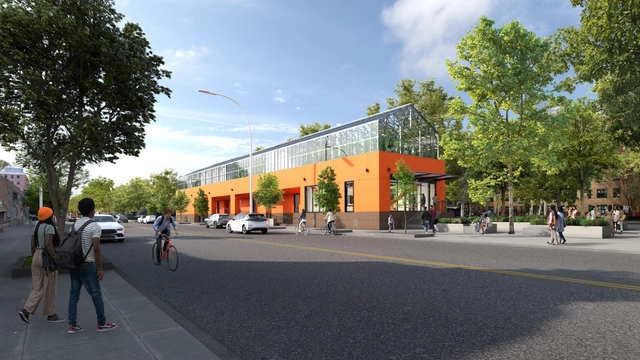
Courtesy of Studio Gang | Marlboro Agricultural Education Center in Gravesend, Brooklyn
Studio Gang has just released the design for the new Marlboro Agricultural Education Center in Brooklyn, New York. Reimagining a more equitable and inclusive food system, the design transforms a New York City Housing Authority (NYCHA) campus into a hub for multigenerational education, job training, and community leadership in urban agriculture. Operated by the nonprofit organization The Campaign Against Hunger (TCAH), the Center seeks to leverage longstanding efforts across the city to enhance food autonomy and security in underserved neighborhoods.
In January this year, Romanian architect, designer, and educator Oana Stănescu has been named the curator of Beta 2024 - Timișoara Architecture Biennial, now in its fifth edition. Based in New York and Berlin, Oana Stănescu is internationally recognized for her diverse portfolio of interventions around the world, challenging the confines of the profession and addressing significant societal issues. Recently, Stănescu, along with the team behind Beta, announced the theme of the main exhibition, taking place in Timițoara, Romania, between September 13th and October 27th.
There's something quite exciting about imagining how a particular space within an existing built form can dictate its use and vice-versa, how the function of a determined space can shape the space's appearance, and the endless possibilities that this entails. This reciprocal process is a concept we often find in the works of the experimental architecture duo Davidson Rafailidis, whose projects evidence a thorough understanding of the existing form that results in a careful and thoughtful ensemble of dynamic architecture.
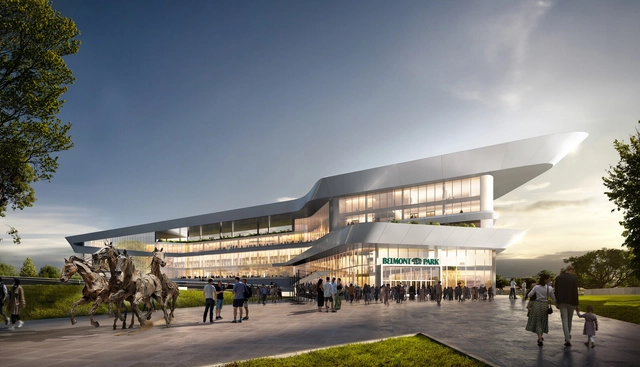
Populous has just unveiled a comprehensive design for the new Belmont Parkmodernization project. Situated in the iconic venue in Nassau County known for hosting the Belmont Stakes, the project seeks to usher in significant economic benefits, including the creation of thousands of jobs. Under the oversight of the New York Racing Association (NYRA), the project is set to be completed in the fall of 2026.