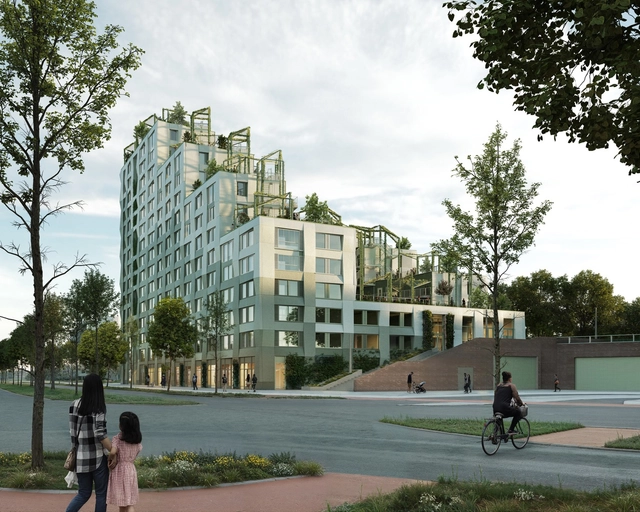
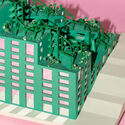
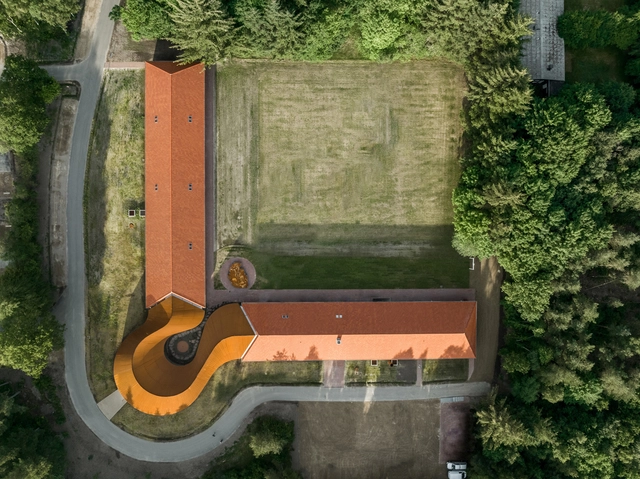
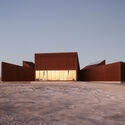
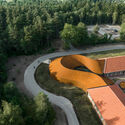
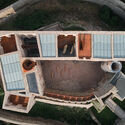
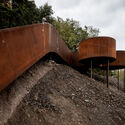
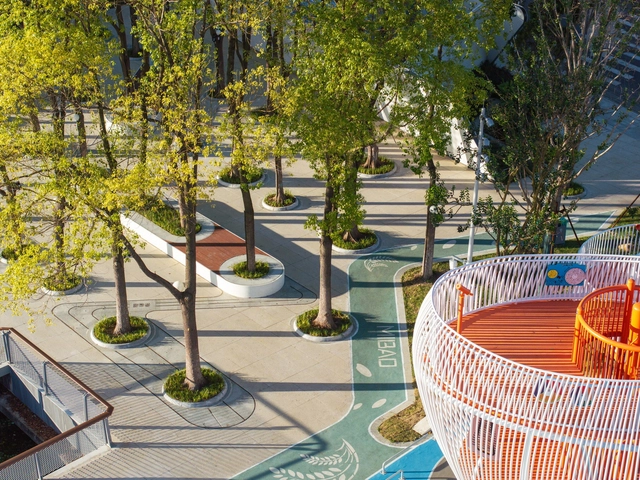
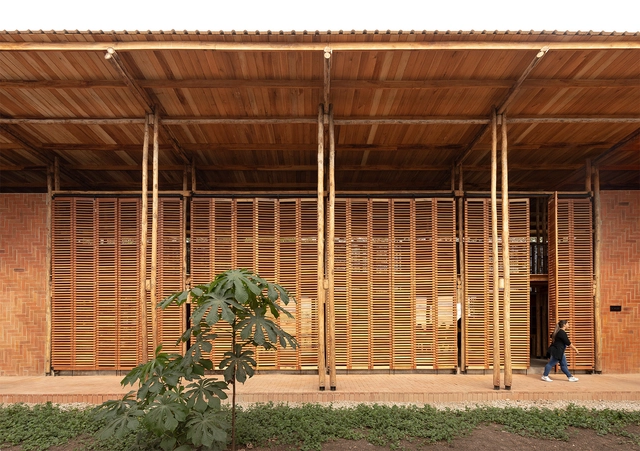
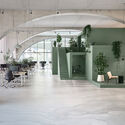
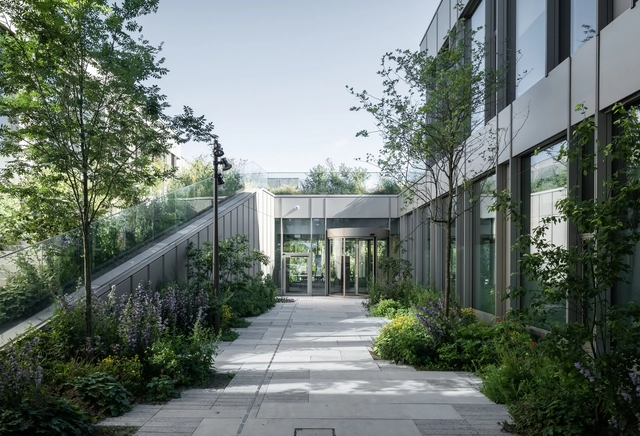
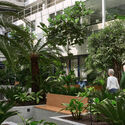
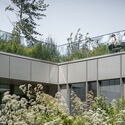
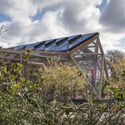
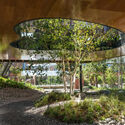
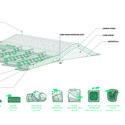
Located at the edge of Rotterdam's iconic Dakpark, the new Kop Dakpark project, designed by the architectural firms INBO and h3o, stands as an innovative model of sustainable and inclusive housing. Developed by Woonstad Rotterdam, this residential complex includes 153 affordable homes —63 social and 90 middle-income— that not only address the need for housing but also integrate nature and community to enhance both the urban and ecological landscape.
After two weeks of open voting in the16th edition of the Building of the Year Awards, our readers have meticulously narrowed down a pool of almost 4,000 projects to a select group of 75 finalists spanning 15 categories. This year's awards honor the pinnacle of design, innovation, and sustainability on a global scale, showcasing an exceptional range of projects within the shortlist. As a crowdsourced award, we take pride in affirming that your selections authentically mirror the current state of architecture, and the caliber of this year's finalists further underscores the excellence and diversity prevalent in the field.
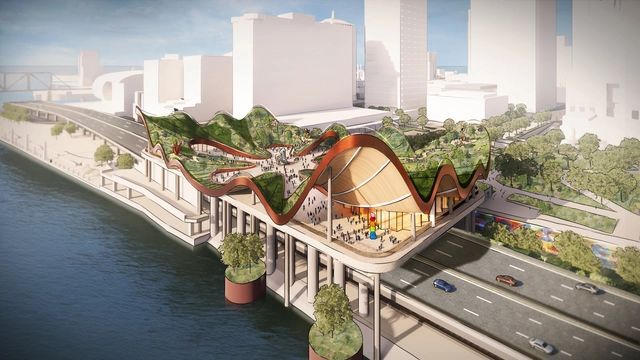
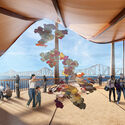
Heatherwick Studio has unveiled an ambitious vision to transform the Belvedere, a historic elevated riverfront space in downtown Louisville, Kentucky, into a reimagined public park in the United States. The project aims to breathe new life into the site, enhancing its connection to the Ohio River and creating a welcoming environment for both residents and visitors.
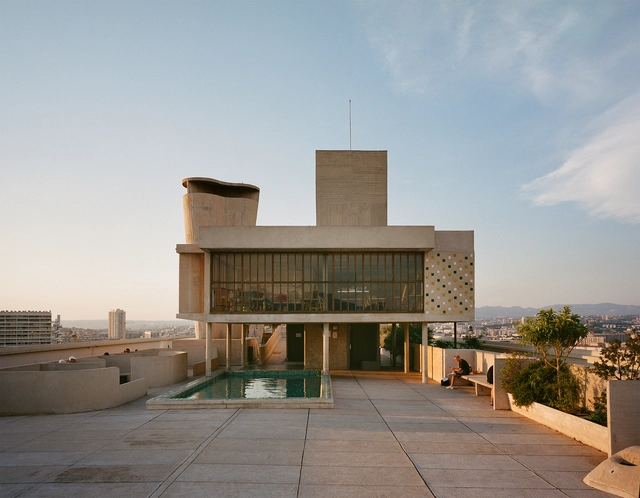
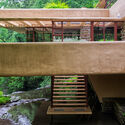
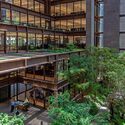
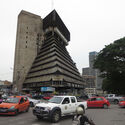
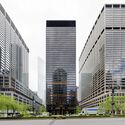
Modernism emerged in the early 20th century as a revolutionary movement that rejected historical styles, prioritizing functionality, innovation, and rationality. Grounded in the promise of industrial progress, architects like Walter Gropius, Le Corbusier, and Ludwig Mies van der Rohe championed using new materials and construction methods, striving for a universal architectural language. Their work introduced radical ideas: open floor plans, expansive glazing for natural light, and pilotis that elevated structures, symbolizing a new architectural era. However, alongside its groundbreaking ideas, modernism's relationship with sustainability has sparked ongoing debates.
While modernist architects sought to address social and economic challenges through affordable housing and efficient design, their reliance on energy-intensive materials like concrete and steel created unintended environmental consequences. The large-scale industrialization celebrated by modernists often disregarded local climates and ecological systems, leading to inefficiencies. Yet, the principles of functionality and adaptability embedded in modernist architecture laid the groundwork for what we now recognize as sustainable practices. From Le Corbusier's rooftop gardens to Frank Lloyd Wright's integration of nature, the seeds of environmentally conscious design were undeniably present, albeit limited in their execution.
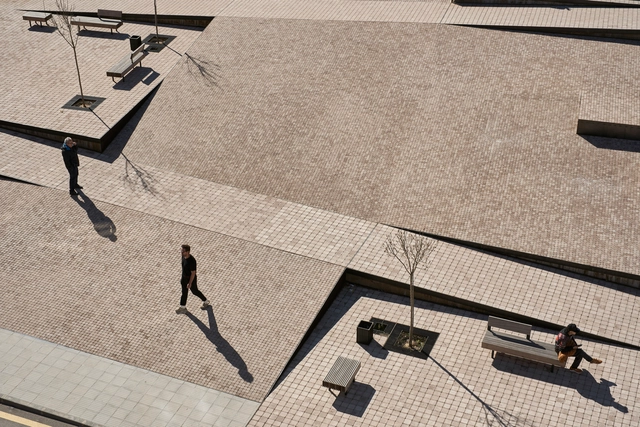
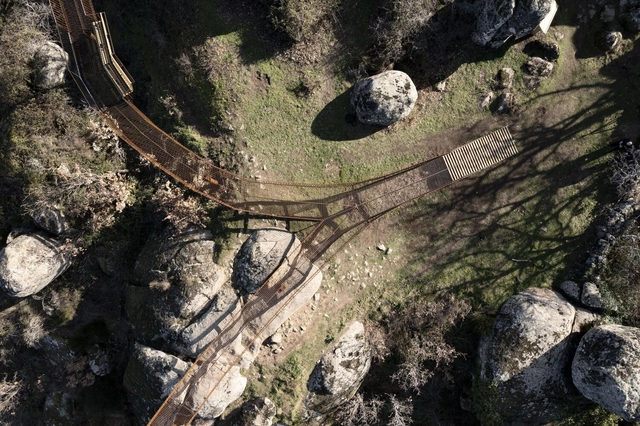
Spain boasts a vast diversity of natural and urban landscapes, where public space plays a leading role. Its relevance has grown in recent years, solidifying it as a key axis for interaction. Beyond its architectural and landscape qualities, public space offers visitors and citizens high-quality environments that contribute to improving living conditions, whether, in an urban park, a pedestrian axis within the city, or a space simply meant for being in a natural setting and connecting with the territory.
In architectural design, materials convey narratives, shaping how spaces are perceived and experienced. Weathering steel, often known by its genericized trademark name, Corten steel, stands out for its ability to evolve, transforming into a medium that tells its own story. It represents a group of steel alloys that form a stable external layer of rust that replaces the need for paint to protect the steel while allowing it to develop in time. Its weathered patina serves as more than a functional shield; it becomes an aesthetic language, a testament to the interplay between architecture and nature. This ever-changing surface bridges the ephemeral and the enduring, offering architects a material that grows richer with age.
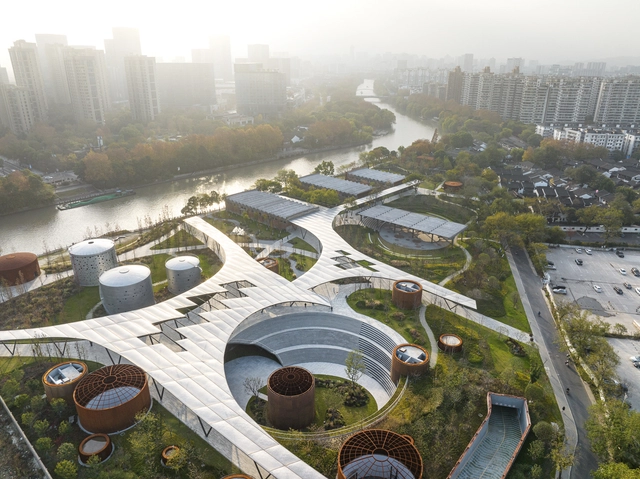
In a quest to enhance and attract new natural experiences to city centers, the design, planning, and revitalization of certain urban spaces align with strategies aimed at improving the quality of life for residents while maintaining a connection with nature rooted in the local landscape. Through technical solutions for wastewater treatment and stormwater drainage, improved accessibility, incorporation of recreational activities, introduction of native vegetation, and more, numerous parks, plazas, and gardens are integrated into urban and rural fabrics. These efforts seek to filter pollution, purify the air, address social issues, and promote experiences that foster connections between nature, biodiversity, and society.
The year 2024, following a period of global uncertainty, saw a complex interplay of challenges and advancements. While geopolitical tensions and the lingering effects of past crises remained prominent, a focus shifted towards rebuilding, with communities worldwide seeking local solutions and ways to advance despite the turmoil. The architectural landscape of 2024 saw a growing exploration of new building systems and technologies, often inspired by vernacular solutions. At an urban scale, spaces are reconsidered for their potential to shift towards more pedestrian-friendly activities, more natural areas, and opportunities for community gathering and event organizing.
Discussions around decolonization, the preservation of traditional building techniques, and the integration of local narratives into design continued to gain momentum. The focus was less on singular, iconic structures and more on environmentally responsible and socially conscious projects that addressed the specific needs of communities. Concurrently, new technologies such as AI systems have continued to impact the profession, but are understood more and more not as replacements, but as tools available for architects and designers to improve their processes.
The world has lost 60 percent of animal populations since 1970. This staggering decline reflects the growing pressures on ecosystems, from habitat destruction to climate change. And 1 million species now face threats of extinction. As these problems continue to escalate, the importance of preserving biodiversity and restoring ecosystems becomes clearer.
Over the past two decades, the Holcim Foundation Awards has committed USD 20M to spotlight transformative projects by architects, designers, and engineers who pioneer sustainable design and construction practices. To capture these stories, the Foundation launched a short film series titled Words withWinners.
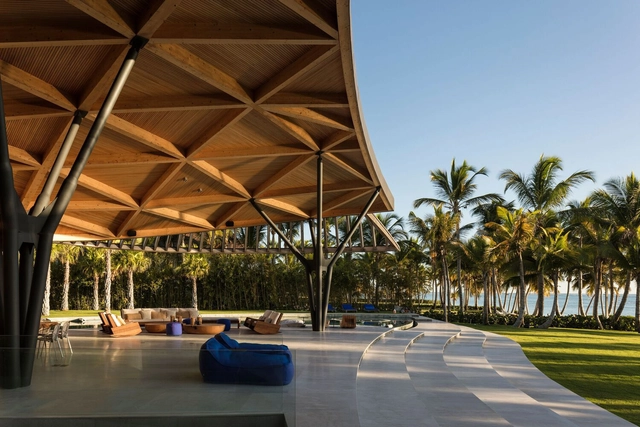
Beach houses along the Caribbean coast perfectly blend comfort, nature, and tranquility. With landscapes of white sands and crystal-clear waters, the Caribbean is home to some of the world’s most enchanting seaside retreats. Whether situated on popular islands like the Dominican Republic and Cozumel in Mexico or secluded spots like the untouched beaches of Costa Rica, these homes are designed to fully immerse guests in the lush natural surroundings, providing a uniquely serene experience.
Spain, with its vast territory and notable diversity of landscapes, has been a reference point in the development of external infrastructures, both in urban and rural areas. Tourism has played a key role in this process, focusing on creating spaces that maximize the enjoyment of the natural environment and integrating local landscapes into urbanized areas. The construction of these infrastructures has had two main aspects: the adaptation of cities for both their residents and tourists and the development of rural or coastal areas, where nature is the main attraction. This has led to interventions ranging from creating waterfront promenades, viewpoints, and natural parks, to urbanization projects in previously untouched areas. Furthermore, urban growth has driven the creation of green infrastructures such as botanical gardens, ecological trails, and reserves that aim to protect the environment while being sustainably open to the public.
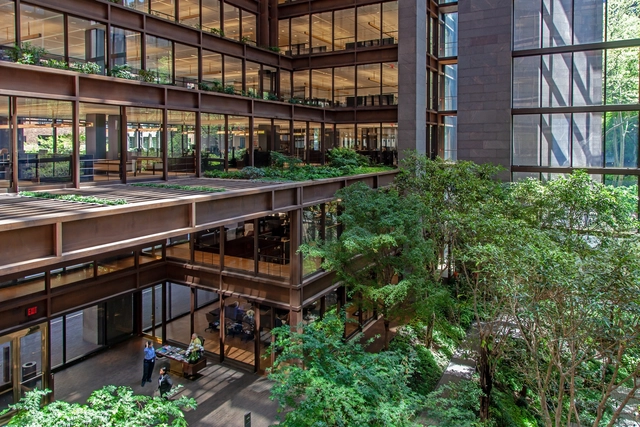
Modernistlandscape architecture marked a radical shift from traditional garden designs, emphasizing simplicity, functionality, and a stronger connection between people and their environments. From the 1930s through the 1960s, this movement saw the emergence of visionary landscape architects who integrated form and function in ways that redefined outdoor spaces. Their designs responded to the rapidly evolving urban landscapes of the time, prioritizing usability and creating environments that could accommodate modern life. The enduring influence of these principles continues to shape contemporary practices, while also presenting unique challenges in preservation as these landscapes age.
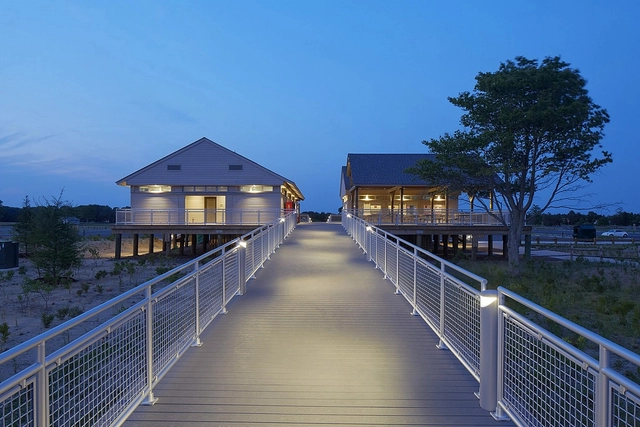
Hammonasset State Park . Image Courtesy of Hollaender Manufacturing Co – Cincinnati, OH
Regardless of the region, parks and public spaces offer a refreshing escape from bustling urban environments, providing a momentary pause from the fast pace of life. Designed for collective benefit, they serve as dynamic ecosystems where recreation and relaxation seamlessly integrate into the visitor experience. But what is the challenge in designing these spaces? Being perceptive enough to find the balance that meets diverse demands while ensuring accessibility, comfort, and safety. As Austrian-American architect Richard Neutra once said, "If you have to design for people, you have to observe them, understand them, and sympathize with them."
Within these environments, the dynamics within the 'interior' are particularly intriguing. Various activities unfold, and users exhibit diverse characteristics. Given the scale or dense vegetation of these spaces, winding paths and slopes are often used to connect different areas, creating complex routes. In this context, railing systems enhance continuity and provide guidance and safety along the intricate paths. Railings direct movement flow, ensuring users navigate the space comfortably, thereby significantly enriching their overall interaction with the built environment. This influence also shapes how these design elements affect the overall outdoor experience, which we will explore further.
https://www.archdaily.com/1021048/how-do-railings-elevate-landscape-designEnrique Tovar
It's that time of year again: students and their families are busy preparing for the start of school, while some of us are gearing up to step in front of the classroom. While preparing to teach an intro course on climate, I'm reminded of why we use the term climate change and not global warming.
Yes, the Earth is warming from a thickening layer of greenhouse gases in the atmosphere caused by us. But climate changes range from sea level rise to increasing storms, floods, fires, and drought, which are all negatively impacting biodiversity as well. So, not just warming. Recent storms that battered the eastern U.S. coast and Bermuda remind us of this difference. While some communities face extreme heat, others brace for storms and rising waters, and many face multiple impacts.
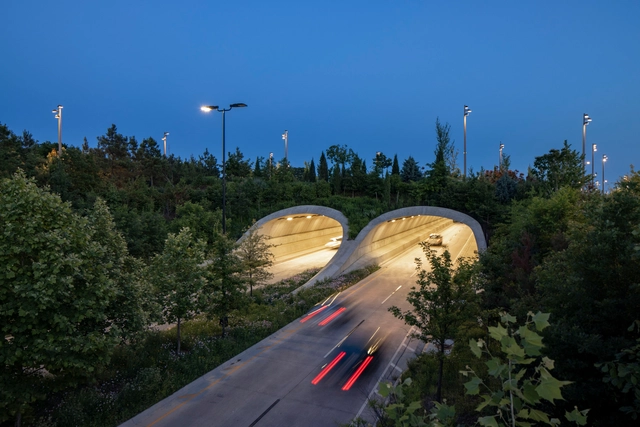
Large-scale infrastructure projects often aim to connect distant locations within urban areas, facilitating quicker transportation, logistics, and commercial activities along their routes. However, while these projects link distant destinations, their substantial physical presence can significantly affect local communities. This may result in the disconnection and disengagement of previously connected neighborhoods, the disruption of public spaces, and generally negative outdoor experiences caused by noise, pollution, and lack of attention and maintenance to these infrastructures.
Nevertheless, several successful built environment projects have re-integrated contentious infrastructure into the community through thoughtful design of outdoor spaces, with Paris' Coulée verte René-Dumont being one of the first examples and New York's High Line being one of the most prominent examples. The High Line demonstrates how well-conceived outdoor projects can address the alienation caused by extensive infrastructure, foster community reconnection, serve as cultural and economic hubs, and even spur further economic redevelopment, as in Hudson Yards.