The Seoul Metropolitan Government is hosting the 'Show Garden Competition for Seoul International Garden Show 2026' to discover creative garden designs as a way to promote urban garden culture as everyday art. We look forward to receiving submissions by garden designers of great caliber.
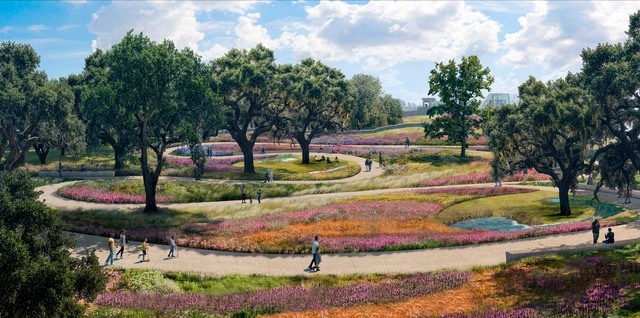
Pollinator Garden and Meadow. Image Courtesy of San Antonio Botanical Garden and Reed Hilderbrand
Reed Hilderbrand Landscape Architecture firm has unveiled images of its strategic master plan for Texas' San Antonio Botanical Garden, in the United States. The plan is designed to guide the future of this public landscape, reflecting long-term objectives focused on accessibility, conservation, and horticultural education. The vision includes a new horticultural campus and a public greenhouse for the site, designed by SO-IL, an architectural design firm based in New York whose 450 Warren housing project in Brooklyn was selected by ArchDaily's audience as the Building of the Year 2024 in the Housing category. The master plan aims at a more ecologically sustainable environment while enhancing the visitor experience across the garden's 38-acre landscape.
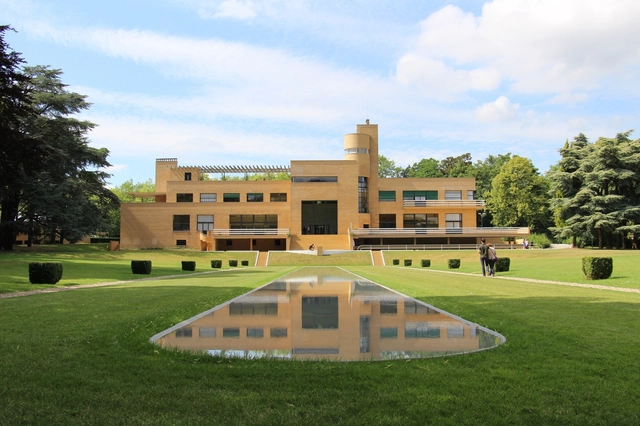
The Villa Cavrois stands as a powerful testament to early modernist architecture and the vision of architect Robert Mallet-Stevens. Built between 1929 and 1932 in Croix, France, this landmark residence was commissioned by Paul Cavrois, a prominent textile industrialist, to embody modern values and house his growing family. Mallet-Stevens' design merges Modernist ideals with a luxurious, functional aesthetic that breaks sharply from traditional styles, creating a space defined by clean lines, balanced proportions, and innovative materials.
More than just a family home, Villa Cavrois was designed as an architectural manifesto, presenting bold new ideas in residential design that would inspire generations. Its meticulously crafted layout, advanced technological features, and harmonious connection to the surrounding landscape positioned it as a symbol of modern living.
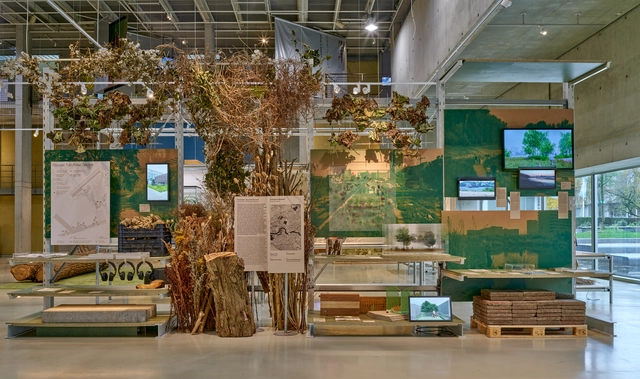
The "Garden Futures" exhibition, currently showing at the Nieuwe Instituut in Rotterdam until April 13, 2025, explores the multifaceted history and future of the modern garden. Curated by Maria Heinrich and spatially designed by Frank Bruggeman, the exhibition presents the garden not only as a personal refuge, but also as a site reflecting broader political and commercial forces. The show's structure, divided into four thematic chapters, allows for a comprehensive exploration of the garden's evolution and its potential for future development.
Women have played a pivotal role in the evolution of landscape architecture, overcoming the constraints of a male-dominated profession to introduce groundbreaking ideas and fresh perspectives. From early pioneers to contemporary leaders, their work has reshaped how we interact with public and private spaces, intertwining aesthetics, functionality, and sustainability in innovative ways.
In the late 19th and early 20th centuries, female landscape architects carved out their place in the profession, emphasizing harmony between built structures and natural landscapes. Their projects showcased a deep commitment to community and ecological balance, setting the stage for an inclusive and thoughtful approach to design that continues to inspire the field today.
Modernistlandscape architecture marked a radical shift from traditional garden designs, emphasizing simplicity, functionality, and a stronger connection between people and their environments. From the 1930s through the 1960s, this movement saw the emergence of visionary landscape architects who integrated form and function in ways that redefined outdoor spaces. Their designs responded to the rapidly evolving urban landscapes of the time, prioritizing usability and creating environments that could accommodate modern life. The enduring influence of these principles continues to shape contemporary practices, while also presenting unique challenges in preservation as these landscapes age.
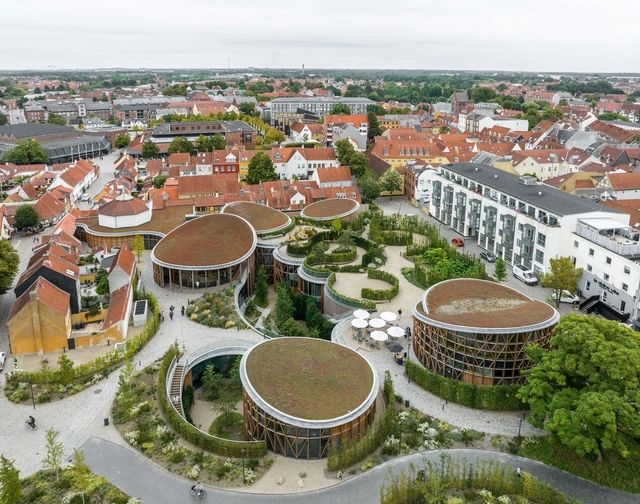
Courtesy of Danish Landscape Award | H.C. Andersen Garden
The Danish Landscape Award 2023 has been awarded to the H.C. Andersen Garden, designed by MASU Planning. The award focuses on honoring landscape architectural works with character, serving as “inspiration” for the industry. Situated in Odense in Denmark, this year’s winner was praised for reviving urban renewal in the city center by creating an escape that blends with the existing context.
A healthy environment that is also visually appealing in our homes has become increasingly sought when it comes to designing houses and residential spaces, especially during the world’s current context. One of the most successful ways of achieving this is through a thoughtful design of the landscape that complements the built project. The art of landscaping is the arrangement of nature’s raw material elements, like vegetation and planting, combined with nonliving elements, such as exterior structures, paving, and decking, in order to create site-specific solutions that enhance the exterior spaces of a project.
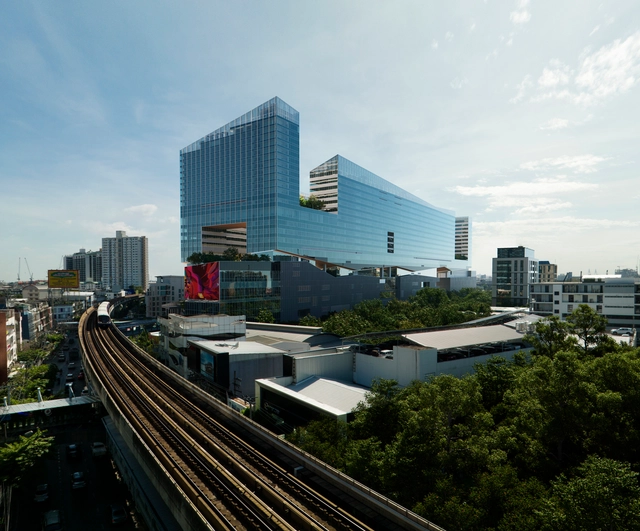
Snøhetta, in collaboration with MQDC, has released the design for Cloud 11, a large-scale mixed-use complex in the South Sukhumvit district in Bangkok, Thailand. The new development addresses the pressing need for urban green spaces in the densely built neighborhood. The project, measuring a total of 250.000 square meters, also aims to help transform the Sukhumvit into a hub for innovation and tech companies in the city while providing the area with a large, green public space and spaces for artists, makers, and tech entrepreneurs. Construction has already started, and the project is expected to be completed by the end of 2024.
















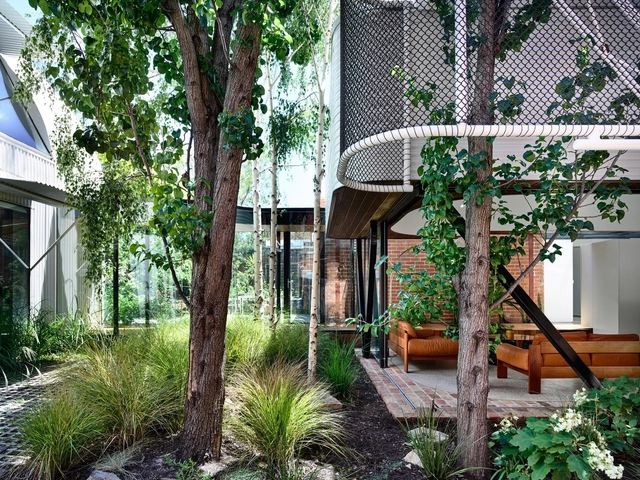
_Frans_Parthesius__-_02_Villa_Fifty-Fifty_Design_Studioninedots_Photography_Frans_Parthesius.jpg?1620679031 "© Frans Parthesius")
_Jeremias_Thomas_MeMo_House_IMG_2037_01.jpg?1620678960 "© Jeremias Thomas")

_Peter_Eckert_01_-_04_Hood_River_Residence.jpg?1620679227 "© Peter Eckert")






.jpg?1521479020&format=webp&width=640&height=580)
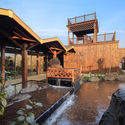
.jpg?1521478464 "B Garden becomes alive with padding pool and provides a place for summer children's games.. Image © Weiqi Jin")
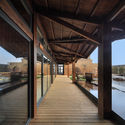
.jpg?1521478544 "The arcade of entrance to Teahouse. Image © Weiqi Jin")
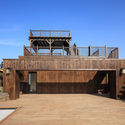
.jpg?1521478298 "The entrance of the Teahouse. Image © Weiqi Jin")
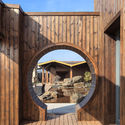
.jpg?1521478914 "The entrance of the Teahouse. Image © Weiqi Jin")
.jpg?1521479020)