1. ArchDaily
  2. Architecture Exhibitions

Architecture Exhibitions: The Latest Architecture and News

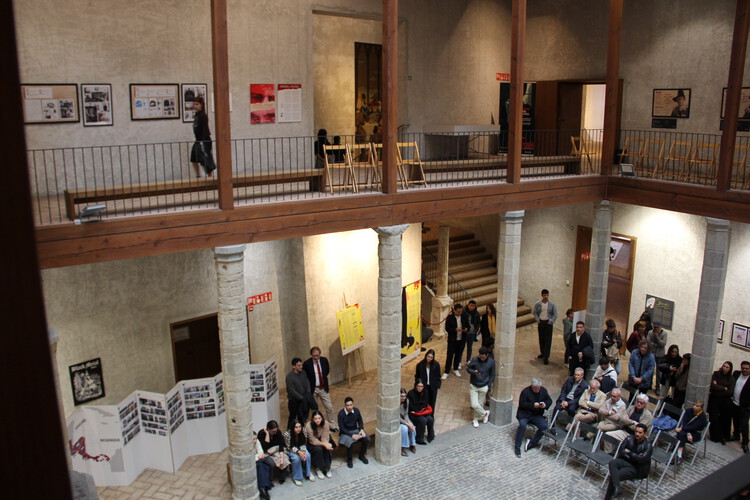
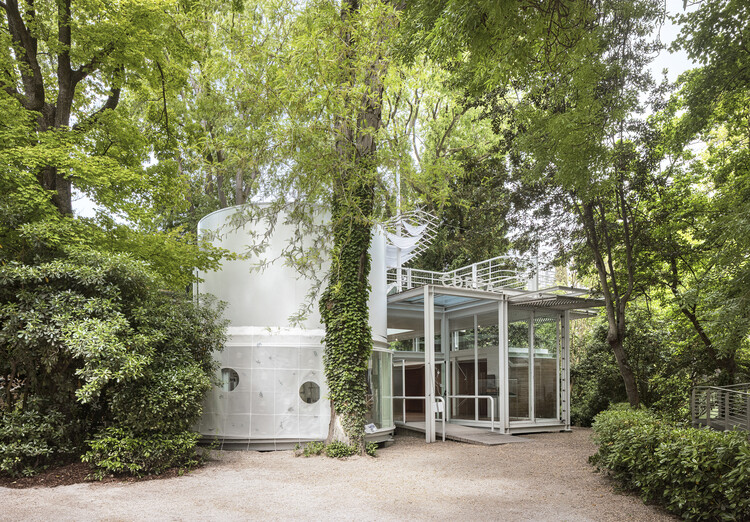
Croatian Pavilion at the 2025 Venice Architecture Biennale Explores the "Intelligence of Errors"

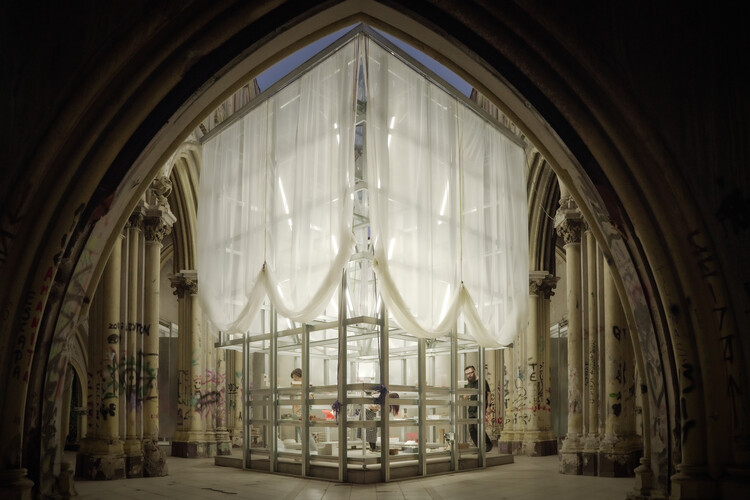
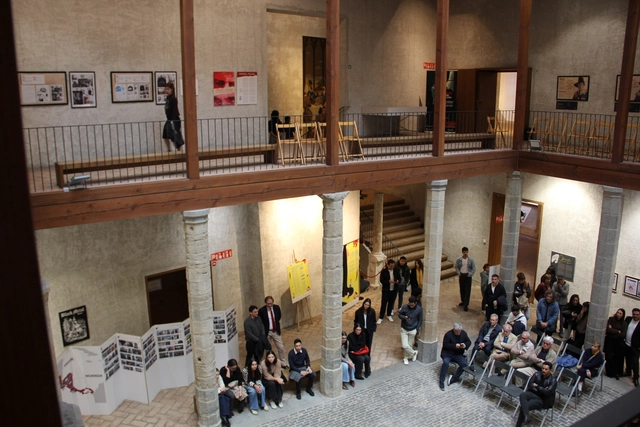
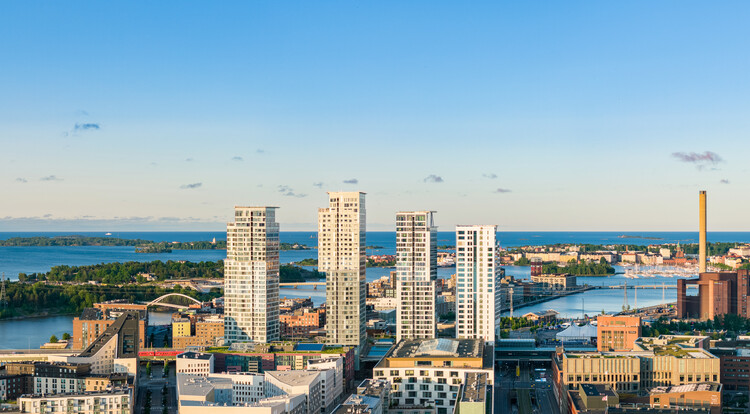
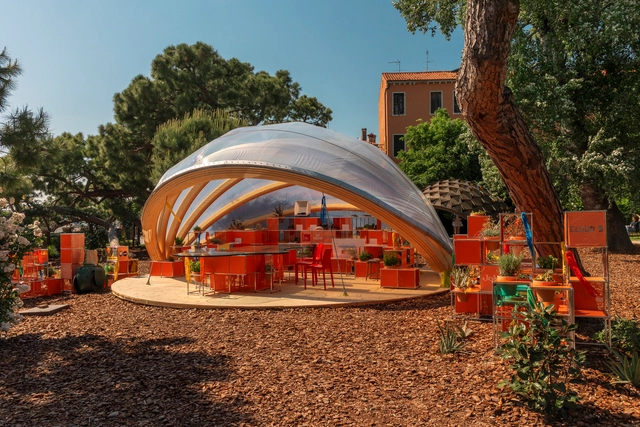
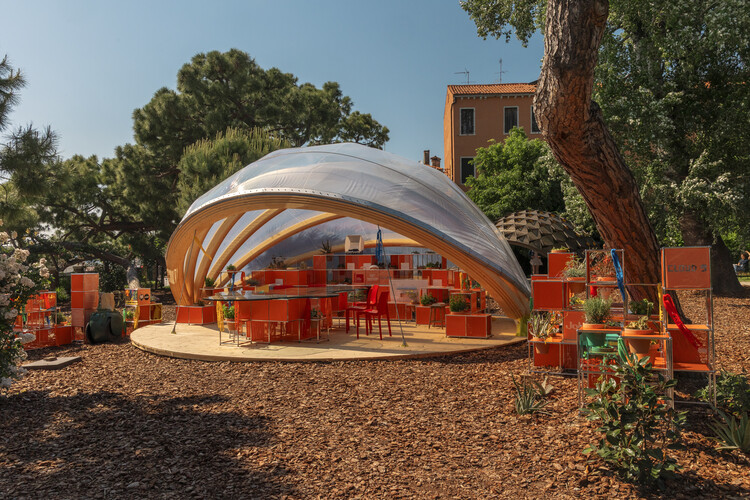
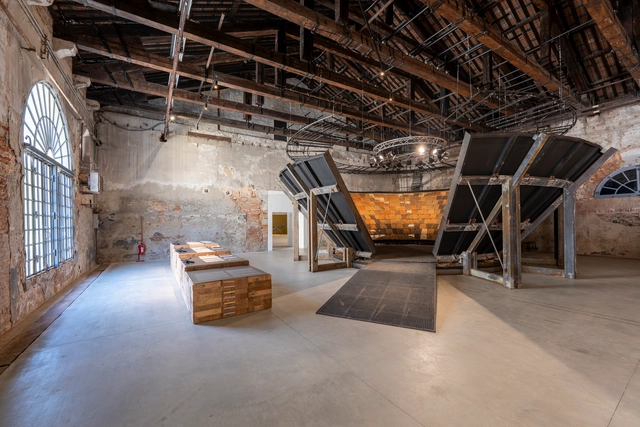
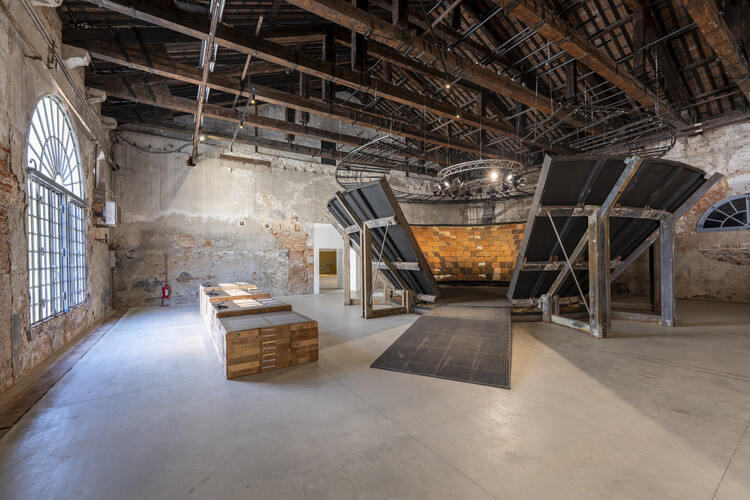
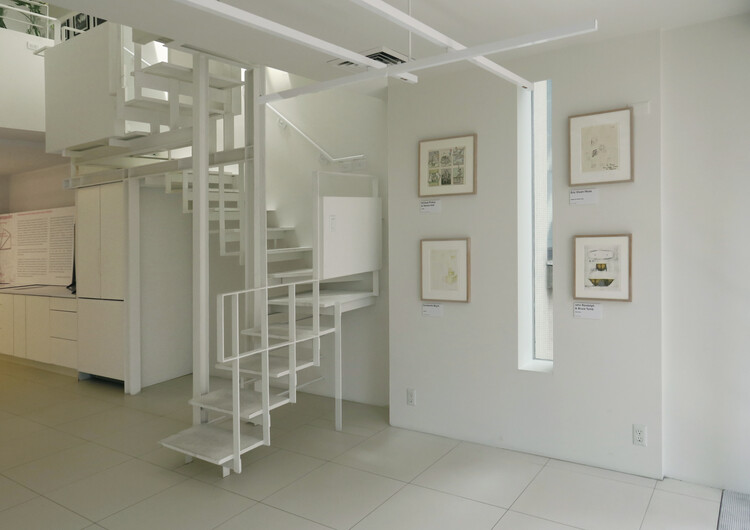
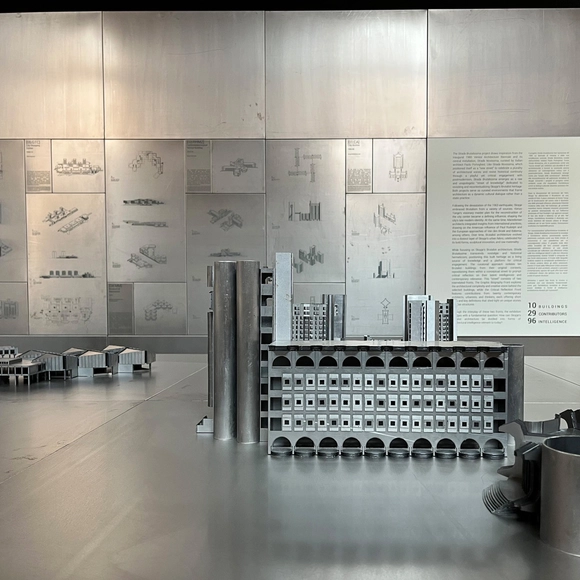
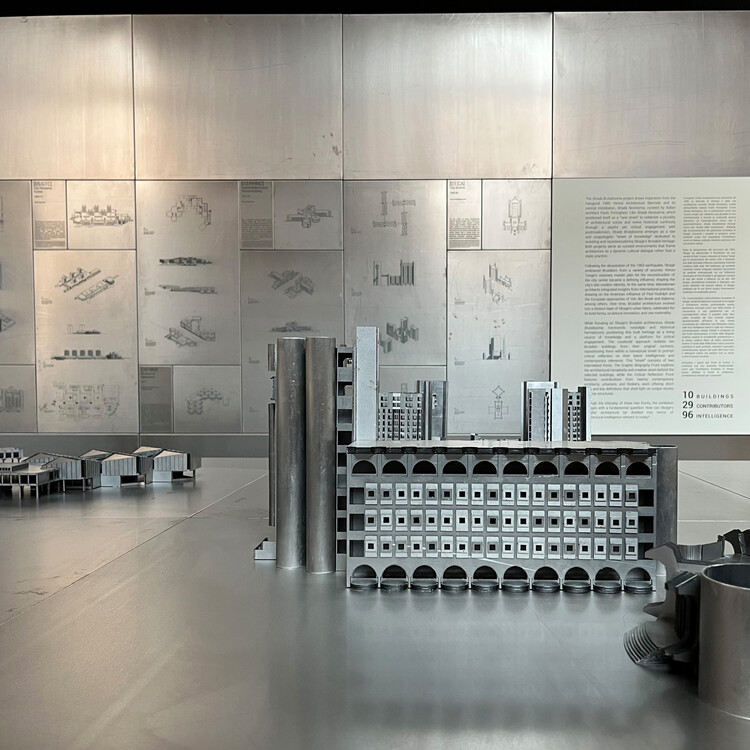
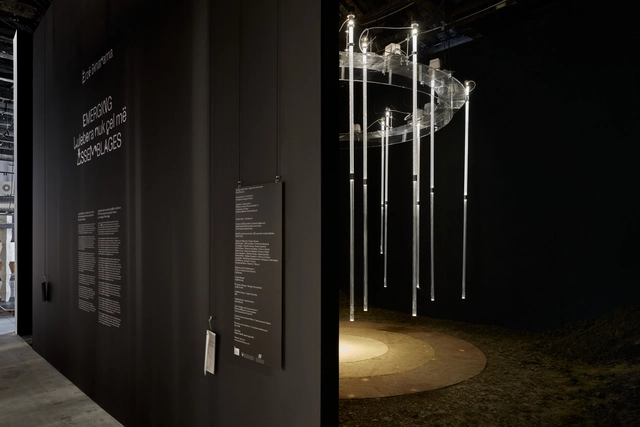
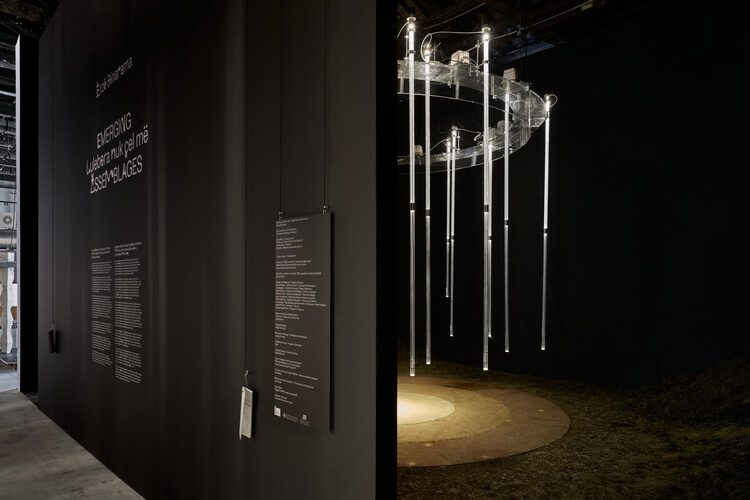
The Croatian Pavilion presents "Intelligence of Errors" at the 19th International Architecture Exhibition – La Biennale di Venezia, an artistic and research-driven project that repositions spatial and policy-related errors as generative tools for design. Commissioned by the Ministry of Culture and Media of the Republic of Croatia, the exhibition is curated by Ida Križaj Leko, a practicing architect and head of the interdisciplinary university specialist program Urban Studies at the University of Rijeka. In dialogue with the central Biennale theme, Intelligens. Natural. Artificial. Collective., the pavilion investigates how recognizing and analyzing errors can contribute to the development of collective intelligence under non-ideal conditions.

Croatian Pavilion at the 2025 Venice Architecture Biennale Explores the "Intelligence of Errors" - Image 1 of 4Croatian Pavilion at the 2025 Venice Architecture Biennale Explores the "Intelligence of Errors" - Image 2 of 4Croatian Pavilion at the 2025 Venice Architecture Biennale Explores the "Intelligence of Errors" - Image 3 of 4Croatian Pavilion at the 2025 Venice Architecture Biennale Explores the "Intelligence of Errors" - Image 4 of 4Croatian Pavilion at the 2025 Venice Architecture Biennale Explores the Intelligence of Errors - More Images+ 21

The World’s Largest Wooden Architectural Structure: Explore Sou Fujimoto’s Grand Ring at Expo 2025 Osaka Through the Lens of Stephane Aboudaram

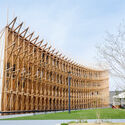
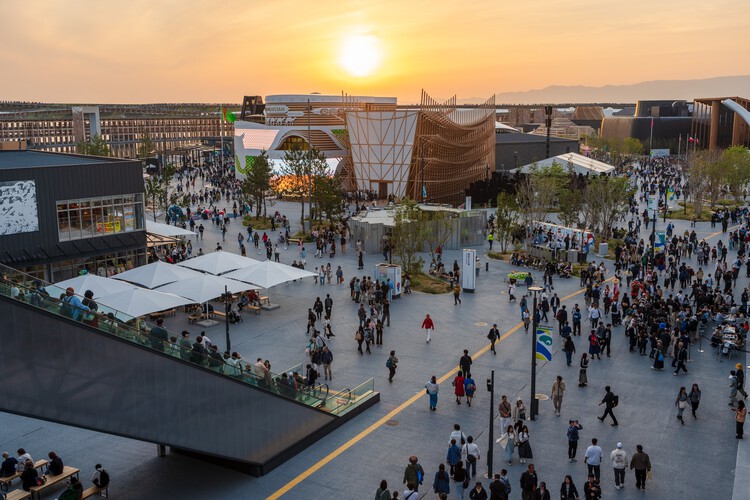
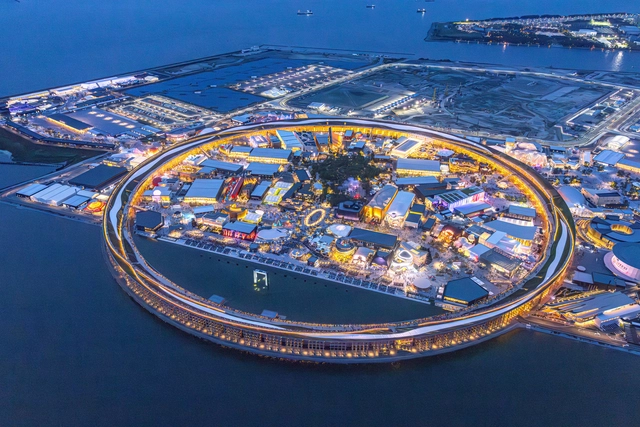
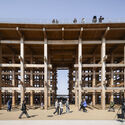
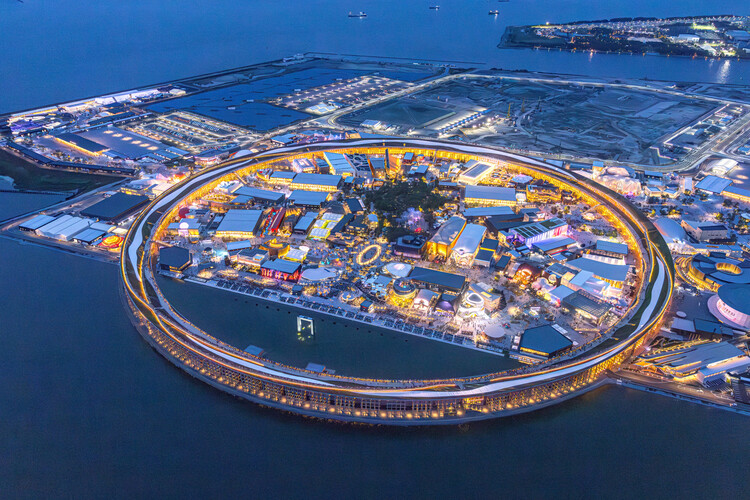
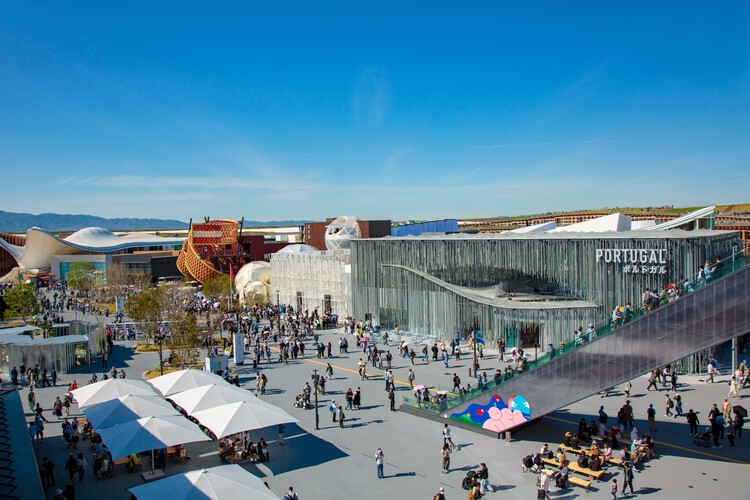
Expo 2025 officially opened its doors on April 13, 2025, on Yumeshima, a reclaimed island in Osaka Bay. Held under the theme "Designing Future Society for Our Lives," the event brings together over 150 countries and international organizations to address pressing global challenges through architecture, technology, and design. At the center of the Expo grounds stands the Grand Ring, a monumental circular structure designed by Japanese architect Sou Fujimoto. Spanning approximately 2 kilometers in circumference and rising to 20 meters in height, the timber structure encircles the main exhibition area and was recognised by Guinness World Records as "The largest wooden architectural structure".

Titled "The People of the Ring," this photo series by Stéphane Aboudaram documents the Grand Ring at Expo 2025 Osaka from a user's perspective, capturing both the structure and the visitors engaging with it.

The World’s Largest Wooden Architectural Structure: Explore Sou Fujimoto’s Grand Ring at Expo 2025 Osaka Through the Lens of Stephane Aboudaram - 1 的图像 4The World’s Largest Wooden Architectural Structure: Explore Sou Fujimoto’s Grand Ring at Expo 2025 Osaka Through the Lens of Stephane Aboudaram - 2 的图像 4The World’s Largest Wooden Architectural Structure: Explore Sou Fujimoto’s Grand Ring at Expo 2025 Osaka Through the Lens of Stephane Aboudaram - 3 的图像 4The World’s Largest Wooden Architectural Structure: Explore Sou Fujimoto’s Grand Ring at Expo 2025 Osaka Through the Lens of Stephane Aboudaram - 4 的图像 4The World’s Largest Wooden Architectural Structure: Explore Sou Fujimoto’s Grand Ring at Expo 2025 Osaka Through the Lens of Stephane Aboudaram - More Images+ 21

“It’s All About Human, Nature, and Emotion”: In Conversation With Ma Yansong, Curator of the Chinese Pavilion

At the 19th Venice Architecture Biennale, the Chinese Pavilion presents Coexist, an exhibition curated by Ma Yansong, founder of MAD Architects. The pavilion assembles ten interdisciplinary teams, spanning architects, scholars, students, scientists, and even social media participants, to collectively investigate the potential of architecture to reconcile contradictions between tradition and futurity, artificial and nature, technology and emotion. Rather than presenting a singular vision, Coexist aims to open space for responses to the diverse realities shaping contemporary architecture. While on site in Venice, ArchDaily's editors had the opportunity to discuss the ideas that shaped the Chinese Pavilion with the curator.
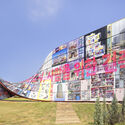
“It’s All About Human, Nature, and Emotion”: In Conversation With Ma Yansong, Curator of the Chinese Pavilion - Image 1 of 4“It’s All About Human, Nature, and Emotion”: In Conversation With Ma Yansong, Curator of the Chinese Pavilion - Image 2 of 4“It’s All About Human, Nature, and Emotion”: In Conversation With Ma Yansong, Curator of the Chinese Pavilion - Image 3 of 4“It’s All About Human, Nature, and Emotion”: In Conversation With Ma Yansong, Curator of the Chinese Pavilion - Image 4 of 4“It’s All About Human, Nature, and Emotion”: In Conversation With Ma Yansong, Curator of the Chinese Pavilion - More Images

The Holy See Pavilion Presents a Living Practice of Restoration at the Venice Architecture Biennale 2025

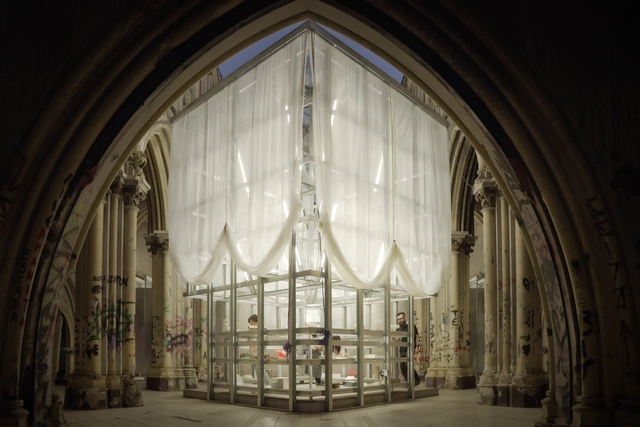
At the 19th International Architecture Exhibition, La Biennale di Venezia, the Dicastery for Culture and Education presents "Opera Aperta", a project that positions architecture as a practice of collective care and responsibility. Curated by Marina Otero Verzier and Giovanna Zabotti, Opera Aperta is set within the Santa Maria Ausiliatrice Complex in Venice's Castello district. Designed by Tatiana Bilbao ESTUDIO and MAIO Architects, the project transforms the 500-square-meter site into a space for collaborative restoration and public engagement. Conceived as a work in progress rather than a finished installation, Opera Aperta functions as a platform for ongoing exchange, participation, and engagement rooted in the local context. This open and process-oriented approach was recognized during the opening events, where the Holy See Pavilion received the Golden Lion's Special Mention for National Participation.

The Holy See Pavilion Presents a Living Practice of Restoration at the Venice Architecture Biennale 2025 - Image 1 of 4The Holy See Pavilion Presents a Living Practice of Restoration at the Venice Architecture Biennale 2025 - Image 2 of 4The Holy See Pavilion Presents a Living Practice of Restoration at the Venice Architecture Biennale 2025 - Image 3 of 4The Holy See Pavilion Presents a Living Practice of Restoration at the Venice Architecture Biennale 2025 - Image 4 of 4The Holy See Pavilion Presents a Living Practice of Restoration at the Venice Architecture Biennale 2025 - More Images+ 6

“A Site of Destruction, a Site of Opportunity”: In Conversation With Kabage Karanja and Kathryn Yusoff, Curators of the British Pavilion

Kabage Karanja, co-founder and director of Cave_bureau based in Nairobi, Kenya, and Kathyrn Yusoff, professor of Inhuman Geography at the University of London, are the curators of the British Pavilion at the 19th Venice Architecture Biennale. Together, they form the UK-Kenya curatorial team behind GBR – Geology of Britannic Repair, an exhibition that rethinks the Pavilion as both a symbolic and material site. Their approach reflects on Britain's architectural legacy and its entanglement with histories of colonialism, geological extraction, and the urgency of the climate crisis. In recognition of their exploration of the relationship between Great Britain and Kenya, focusing on themes of reparation and renewal, the Pavilion curators and commissioner were awarded a Special Mention for National Participation by the Biennale jury. While on site in Venice, ArchDaily's editors had a chance to discuss with the curators about the ideas that shaped the British Pavilion.
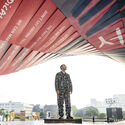
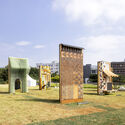
“A Site of Destruction, a Site of Opportunity”: In Conversation With Kabage Karanja and Kathryn Yusoff, Curators of the British Pavilion - Image 1 of 4“A Site of Destruction, a Site of Opportunity”: In Conversation With Kabage Karanja and Kathryn Yusoff, Curators of the British Pavilion - Image 2 of 4“A Site of Destruction, a Site of Opportunity”: In Conversation With Kabage Karanja and Kathryn Yusoff, Curators of the British Pavilion - Image 3 of 4“A Site of Destruction, a Site of Opportunity”: In Conversation With Kabage Karanja and Kathryn Yusoff, Curators of the British Pavilion - Image 4 of 4“A Site of Destruction, a Site of Opportunity”: In Conversation With Kabage Karanja and Kathryn Yusoff, Curators of the British Pavilion - More Images+ 3

Canada Pavilion Presents Picoplanktonics, a Living Experiment in Regenerative Architecture at the 2025 Venice Biennale

The Canada Council for the Arts presents Picoplanktonics at the Canada Pavilion as part of the 19th International Architecture Exhibition – La Biennale di Venezia, which will run until November 23, 2025. Developed by the Living Room Collective, the installation engages with ongoing global ecological challenges through a speculative, research-driven approach to design, featuring 3D-printed architectural structures embedded with living cyanobacteria capable of carbon sequestration. Developed through a four-year collaboration led by Andrea Shin Ling and a group of interdisciplinary contributors, the project investigates the potential of co-constructing built environments with living systems.

Canada Pavilion Presents Picoplanktonics, a Living Experiment in Regenerative Architecture at the 2025 Venice Biennale - Imagen 1 de 4Canada Pavilion Presents Picoplanktonics, a Living Experiment in Regenerative Architecture at the 2025 Venice Biennale - Imagen 2 de 4Canada Pavilion Presents Picoplanktonics, a Living Experiment in Regenerative Architecture at the 2025 Venice Biennale - Imagen 3 de 4Canada Pavilion Presents Picoplanktonics, a Living Experiment in Regenerative Architecture at the 2025 Venice Biennale - Imagen 4 de 4Canada Pavilion Presents Picoplanktonics, a Living Experiment in Regenerative Architecture at the 2025 Venice Biennale - More Images+ 9

“Recycle!” Exhibition at the Danish Architecture Center Explores Creative Approaches to Material Reuse

A new architecture and design exhibition opened on April 11, 2025, at the Danish Architecture Center in Copenhagen. Titled Recycle!, it explores recycling and reuse as a new way of creating, living, and building within the urgent context of the current climate crisis. The exhibition goes beyond presenting recycling and reuse as necessities; instead, it frames them as positive cultural shifts taking root in the construction industry and society at large. One of the exhibition's goals is to highlight the importance of resource awareness by posing the question: How can we increase the conservation, reuse, and transformation of what we already have?
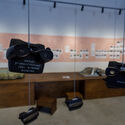
“Recycle!” Exhibition at the Danish Architecture Center Explores Creative Approaches to Material Reuse - Image 1 of 4“Recycle!” Exhibition at the Danish Architecture Center Explores Creative Approaches to Material Reuse - Image 2 of 4“Recycle!” Exhibition at the Danish Architecture Center Explores Creative Approaches to Material Reuse - Image 3 of 4“Recycle!” Exhibition at the Danish Architecture Center Explores Creative Approaches to Material Reuse - Image 4 of 4“Recycle!” Exhibition at the Danish Architecture Center Explores Creative Approaches to Material Reuse - More Images+ 18

Portugal Pavilion at the 2025 Venice Architecture Biennale Presents an Immersive Allegory of Paradise

Titled Paraíso, hoje. [Paradise, today.], the exhibition representing Portugal at the 19th International Architecture Exhibition – La Biennale di Venezia addresses architecture as a cultural construction of landscape. Curated by architects Paula Melâneo, Pedro Bandeira, and Luca Martinucci, landscape architect Catarina Raposo, and video artist Nuno Cera, it offers an immersive installation featuring videos created using new digital technologies and artificial intelligence, along with an Atlas of images. Together, they construct a critical exploration of the proposed theme, the allegory of a "Paradise." This year, the Portuguese exhibition changed location, moving from Palazzo Franchetti to the Fondaco Marcello building, next to Venice's Grand Canal. It will remain open to visitors and host a series of debates until 23 November 2025.

Portugal Pavilion at the 2025 Venice Architecture Biennale Presents an Immersive Allegory of Paradise - Image 1 of 4Portugal Pavilion at the 2025 Venice Architecture Biennale Presents an Immersive Allegory of Paradise - Image 2 of 4Portugal Pavilion at the 2025 Venice Architecture Biennale Presents an Immersive Allegory of Paradise - Image 3 of 4Portugal Pavilion at the 2025 Venice Architecture Biennale Presents an Immersive Allegory of Paradise - Image 4 of 4Portugal Pavilion at the 2025 Venice Architecture Biennale Presents an Immersive Allegory of Paradise - More Images+ 50

The Intelligence of What Remains: On Archiving and Architectural Knowledge

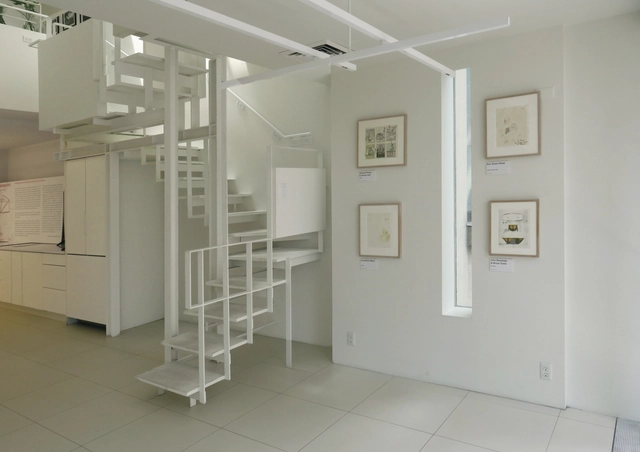
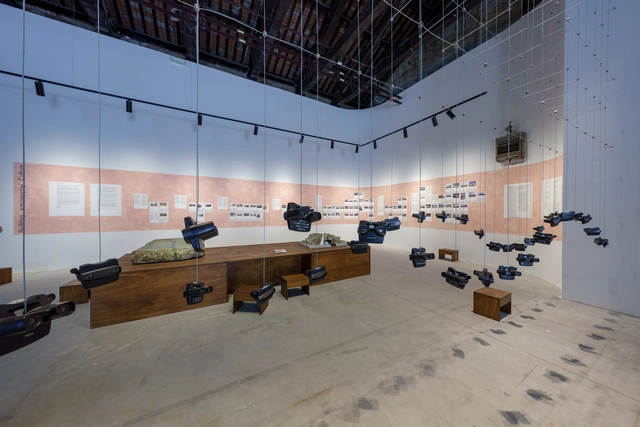
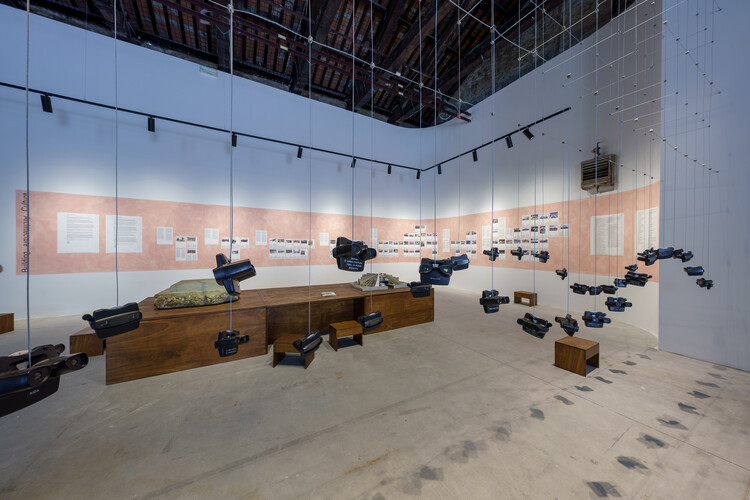
When we speak of intelligence at the 2025 Venice Biennale, the main exhibition broadly categorizes it into three domains: natural, artificial, and collective. While much attention has been drawn to robotic performances, future-forward material experiments—such as Boonserm Premthada's elephant dung bricks, or Canada's display of mesmerizing picoplankton, one often overlooked yet critical form of collective intelligence lies in the act of archiving.

Several national pavilions showcase this collective intelligence through beautifully curated exhibitions—the Spanish Pavilion's witty play on scale, for instance, features meticulously crafted models that invite close reading and delight. These curated collections offer a snapshot of the present, and in some cases, gestures toward the future. But without critically engaging with the past, without documenting and making sense of our shared spatial and architectural knowledge, the potential of collective intelligence remains incomplete. Archiving is not simply an act of preservation; it is a generative tool for projecting new futures.

The Intelligence of What Remains: On Archiving and Architectural Knowledge - Imagem 1 de 4The Intelligence of What Remains: On Archiving and Architectural Knowledge - Imagem 2 de 4The Intelligence of What Remains: On Archiving and Architectural Knowledge - Imagem 3 de 4The Intelligence of What Remains: On Archiving and Architectural Knowledge - Imagem 4 de 4The Intelligence of What Remains: On Archiving and Architectural Knowledge - More Images+ 10