Architect, urbanist, and Content Editor at ArchDaily, covering news and developments in architecture and the built environment. Editorial work focuses on the Gulf region and the Middle East, exploring contemporary regional architectural languages and their relationship to local contexts.
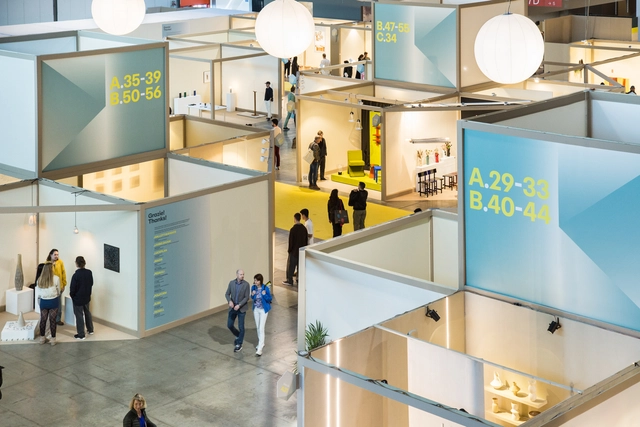
The 2025 edition of Salone del Mobile.Milano has just announced its opening dates and events program. The 63rd edition is set to take place from April 8 to 13 at Fiera Milano, Rho. This year's event will bring together over 2,000 exhibitors from 37 countries, reinforcing its role as a strategic platform for the design industry. The fair will highlight industrial manufacturing, sustainable innovation, and emotional intelligence as key themes, aiming to shape the future of design.
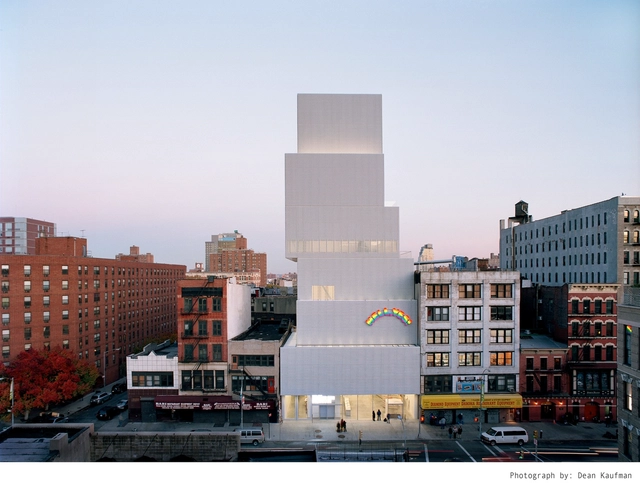
The Royal Institute of British Architects (RIBA) has announced that Japanese architects Kazuyo Sejima and Ryue Nishizawa, founders of the practice SANAA, will receive the 2025 Royal Gold Medal for architecture. Awarded on behalf of His Majesty the King, the medal is one of the highest honors in the field, recognizing what RIBA describes as SANAA's contribution to shaping contemporary architecture through simplicity, light, and refined design.
Saudi Arabia has just announced its participation in the 19th International Architecture Exhibition-La Biennale di Venezia with the National Pavilion presenting The Um Slaim School: An Architecture of Connection. Designed by Syn Architects, the Riyadh-based practice, and curated by Beatrice Leanza, the pavilion offers an exploration of contemporary urban conditions in Saudi Arabia through spatial practice and alternative architectural pedagogy. Syn Architects was selected as one of ArchDaily's Best New Practices of 2024, recognized for its engagement with local architectural heritage and contemporary spatial practices.
In a recent interview with Louisiana Channel,ecoLogic Studio discusses a new approach to architecture that explores the relationship between nature and urban design. Claudia Pasquero and Marco Poletto, the studio's lead architects, explain that modern architecture should be rethought to adapt to the changing environment and to serve as a connection between urban life and natural systems. The architects compare the current transformation in the field to the period of the Renaissance, when architecture evolved in response to the needs of society. Today, they argue, there is an opportunity for architects to learn from nature and design urban spaces that are both sustainable and functional.
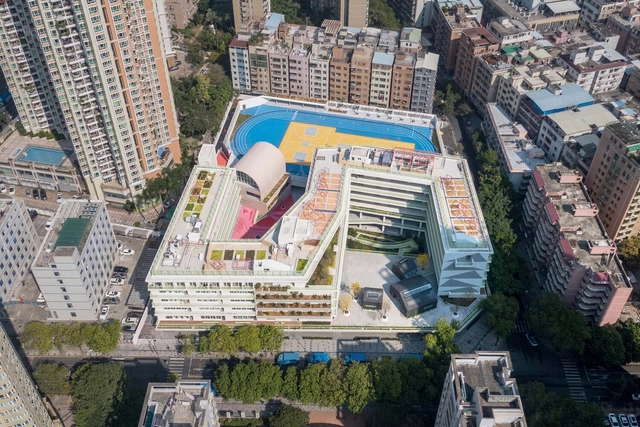
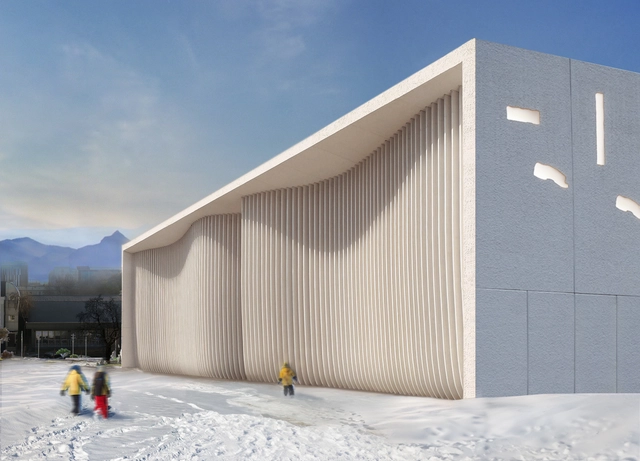
Educational architecture globally is undergoing a significant transformation, moving away from static, rigid designs toward more dynamic, interactive, and nature-driven environments. As cities become denser and land availability diminishes, architects are reimagining schools not just as places for learning but as ecosystems where children can grow holistically. A key element in this shift is the integration of landscape and topographical design, which allows schools to transcend traditional boundaries, combining education with play, exploration, and connection to nature. These designs aim to create engaging spaces that challenge children to interact with their environment physically and emotionally, fostering creativity, independence, and well-being. By layering natural elements such as mounds, gardens, terraces, and play structures into architectural plans, educational spaces are being reshaped into vibrant, multi-dimensional landscapes that encourage movement, imagination, and discovery.
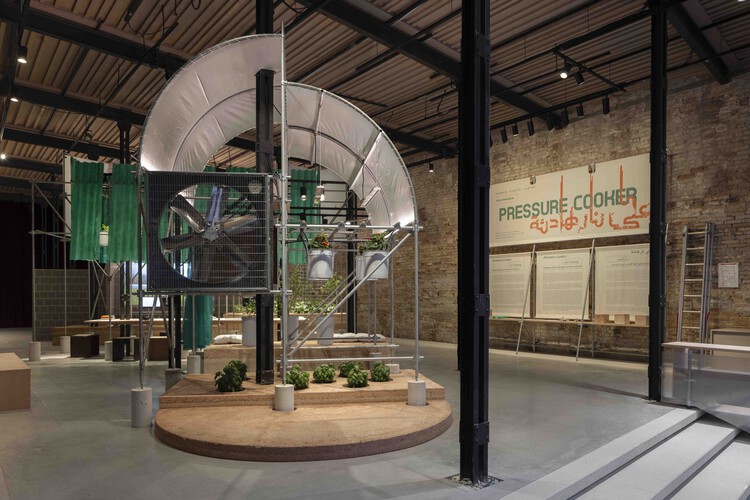
The National Pavilion UAE has opened at the 19th International Architecture Exhibition - La Biennale di Venezia with the exhibition titled Pressure Cooker. Curated by Emirati architect Azza Aboualam, assistant Professor at Zayed University and Co-founder of Holesum Studio, the exhibition explores the evolving relationship between architecture and food production in the UAE, proposing innovative solutions for sustainable and self-sufficient food systems. Positioning the built environment as a catalyst for ecological resilience, it asks: In the face of climate and resource challenges, how can design shape more secure and sustainable food systems?
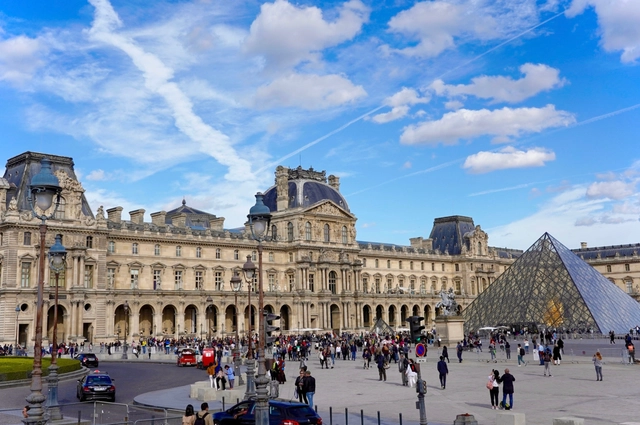
French President Emmanuel Macron has announced a significant renovation plan for the Louvre, following concerns from the museum's director about the building's deteriorating condition. The project includes the creation of a new grand entrance and broader refurbishments across the historic site.
The renovation comes after a letter from Louvre director Laurence des Cars to the French Cultural Ministry highlighted serious maintenance issues affecting both visitors and staff. According to the letter, first published in Le Parisien, conditions inside the museum have become increasingly difficult, with visitors lacking space to rest, insufficient food and restroom facilities, and outdated signage in need of a complete redesign. The letter also pointed to climate control issues, describing a greenhouse effect inside the 36-year-old glass Pyramid designed by I.M. Pei, as well as hazardous temperature fluctuations and leaks in other parts of the building.
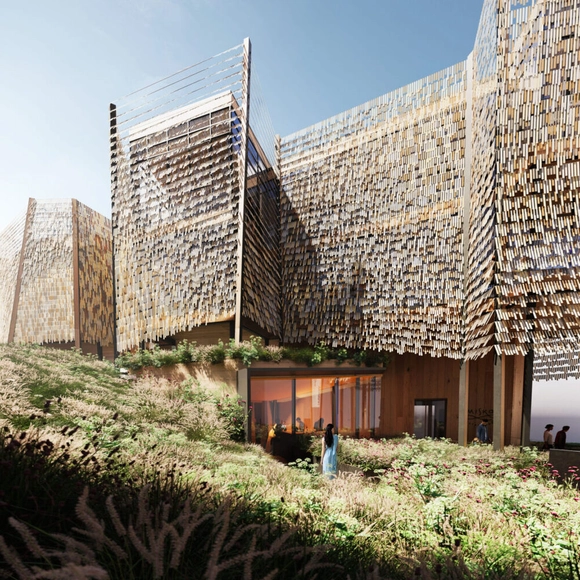
The Hungarian Pavilion at Expo 2025 in Osaka is designed to reflect the event's central theme, "Designing Future Society for Our Lives." It explores the relationship between humans and nature, emphasizing cultural heritage and sustainability through its architecture and exhibition. The pavilion will offer an immersive experience centered around music, heritage, and the connection between people and their environment.
British architect Asif Khan has just unveiled the transformation of a Soviet-era cinema in Almaty, Kazakhstan, into the Tselinny Center of Contemporary Culture, a multifunctional venue designed to support the growth of Kazakh and Central Asian creatives. The project, which began in 2018, is set to open in April and will feature spaces for art exhibitions, performances, film screenings, workshops, and more. Once complete, the Tselinny Center will mark Kazakhstan's first independent cultural institution.
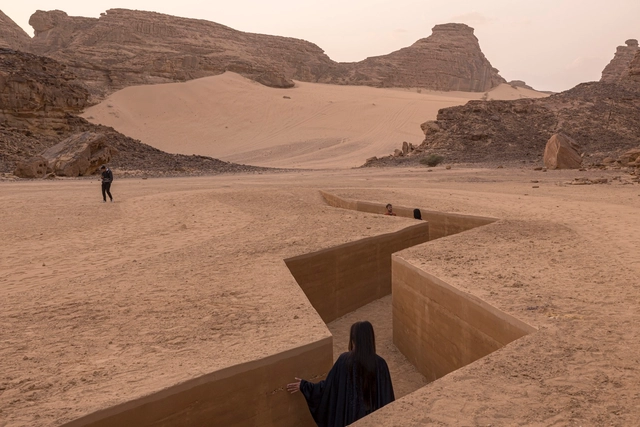
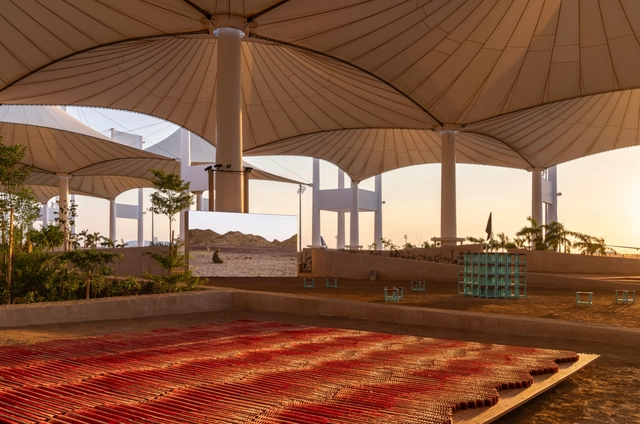
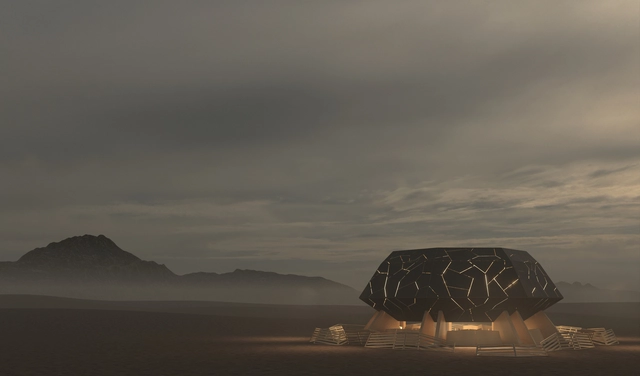
Spanish architect Miguel Arraiz has introduced the design for the 2025 Burning Man Temple, titled Temple of the Deep. Drawing inspiration from the natural landscape of the Black Rock Desert, the Temple aims to provide a space for reflection, healing, and connection. The Temple of the Deep explores the concept of radical acceptance, emphasizing the importance of fully experiencing emotions as part of the healing process.
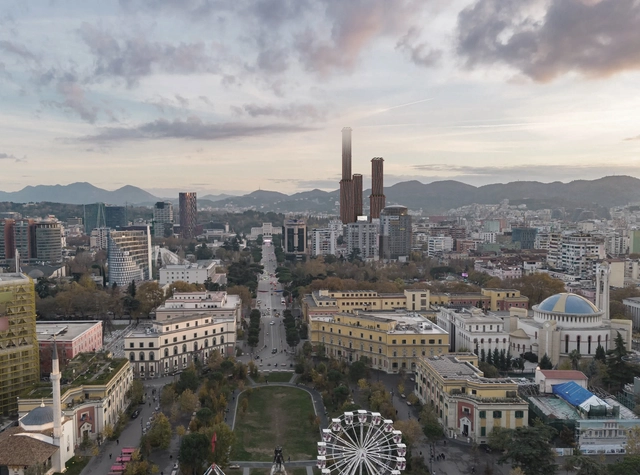
Swiss architect Valerio Olgiati has unveiled plans for Rruga Adem Jashari, a mixed-use development in Tirana, Albania, that seeks to blend urban living with the surrounding natural landscape. Positioned at the boundary between the city grid and an adjacent park, the project features three distinctive red concrete towers and a central white ziggurat. Combining residential, hospitality, and retail spaces, the development aims to create a seamless connection between the built environment and nature.
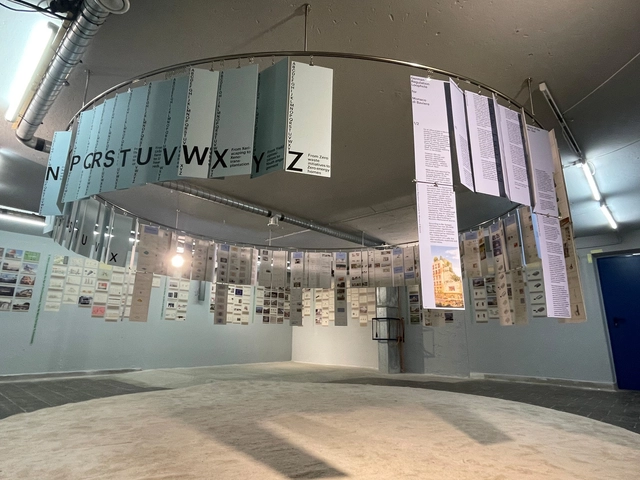
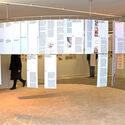
As the global climate crisis intensifies, the construction industry faces increasing pressure to reduce carbon emissions, prompting a fundamental reassessment of building practices. Dutch architecture firm MVRDV, known for its commitment to sustainability, presents an honest exploration of this challenge in "Carbon Confessions," an exhibition at Munich's Architekturgalerie. The exhibition provides insight into the firm's ongoing efforts, highlighting both its achievements and the obstacles encountered in the pursuit of carbon reduction.
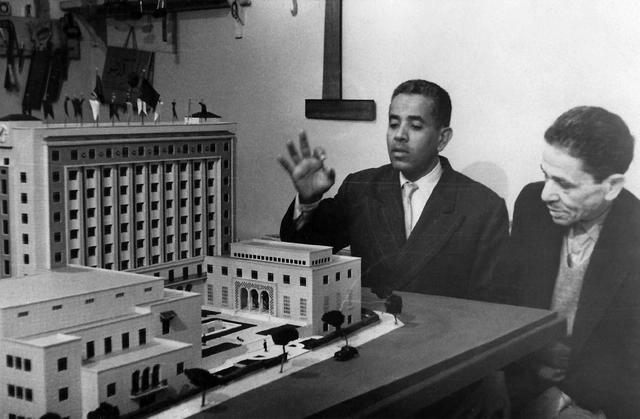
In the heart of Cairo, amid its historic landmarks and evolving urban fabric, a distinct modernist architectural movement took shape in the 1950s and 60s. It reflected the city's response to rapid political, economic, and social changes. When it arrived, modernism in Cairo was not just an imported style but a "pragmatic response to the needs of a growing city." Architects focused on functionality, efficiency, and adapting designs to the local climate and cultural context. Following the 1952 revolution, Egypt underwent significant transformations under President Gamal Abdel Nasser's leadership. In fact, the government sought to build a new national identity that reflected progress and the nation's self-sufficiency. Architecture played a crucial role in this effort, with a strong focus on modernization and development. The state invested in large-scale projects to accommodate the needs of a rapidly growing population and expanding industries. This period marked a shift from colonial-era influences toward a search for a distinct architectural identity that aligned with the political and social aspirations of the time.
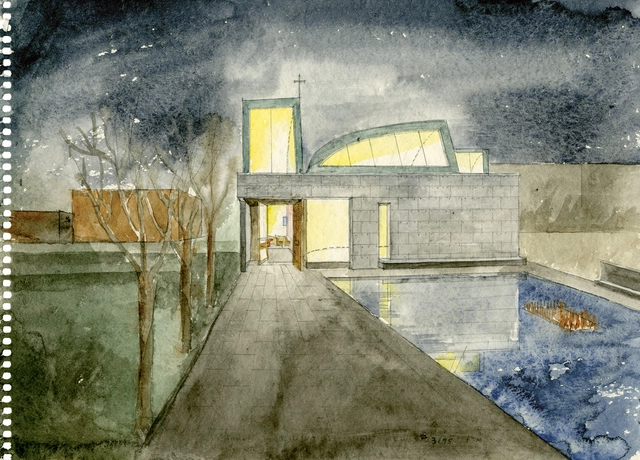
The Museum for Architectural Drawing in Berlin, Germany, will host a new exhibition titled "Steven Holl – Drawing as Thought," curated by Kristin Feireiss. The exhibition explores the creative process of internationally renowned architect Steven Holl with a focus on his use of drawing as a fundamental tool in architectural design. Furthermore, the exhibition highlights Holl's extensive artistic practice, which includes over 50,000 sketches, black-and-white drawings, and watercolors, offering insight into his approach to architecture through visual exploration.
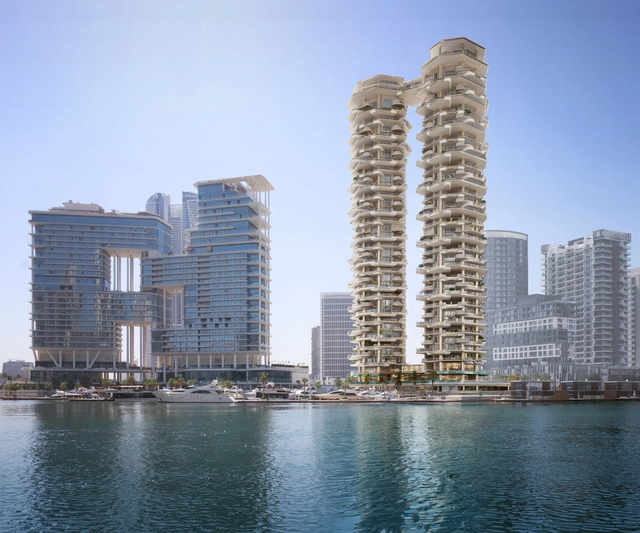
Dubai’s Marasi Marina. Image Courtesy of Foster + Partners
In recent weeks, a series of significant architectural developments have been unveiled, highlighting the work of diverse architecture studios across the globe. These projects, announced between late September 2024 and early 2025, focus on transformative masterplans, housing solutions, and public spaces. Prominent firms such as Foster + Partners, ACPV ARCHITECTS Antonio Citterio Patricia Viel, and fjcstudio are at the forefront of these initiatives. In Dubai, Foster + Partners revealed the Regent Residences, a pair of residential waterfront towers. Meanwhile, ACPV ARCHITECTS announced three projects in Taichung, Taiwan, combining Italian design with Eastern philosophies to create green, community-focused urban spaces. In Sydney, fjcstudio's masterplan for Midtown aims to reshape the city's urban core with two 80-storey mixed-use towers, enhancing connectivity and public engagement. These projects demonstrate the diverse scales and contexts in which architects continue to innovate, shaping cities and communities worldwide.
In a recent interview with Louisiana Channel, acclaimed Japanese architect Shigeru Ban shared his perspectives on architecture, his journey in the field, and his dedication to socially responsible design. Known for his innovative use of materials such as paper and timber, Ban has spent much of his career creating solutions for disaster-stricken communities and displaced populations around the world.
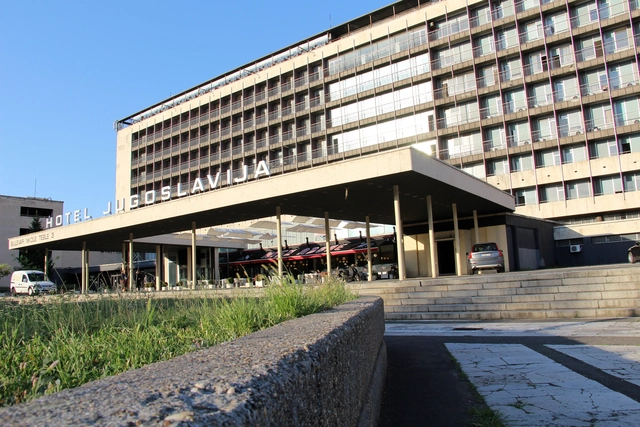
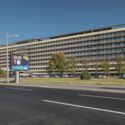
The demolition of Hotel Jugoslavija, a notable example of modernist architecture in Belgrade, has begun, making way for new development in the city's rapidly changing urban landscape. Constructed in 1969 in New Belgrade, the hotel was once among the largest and most prominent in Europe, reflecting the aspirations of the Socialist Federal Republic of Yugoslavia (SFRY) during its peak. Designed by Zagreb architect Lavoslav Horvat, the eight-story hotel was a key project under the leadership of Josip Broz Tito. It showcased the modernist principles of the time, combining functionality with imposing architectural forms. Its interiors featured luxurious details, including a Swarovski chandelier comprised of 40,000 crystals, which underscored the building's significance as a flagship of Yugoslavia's international presence.