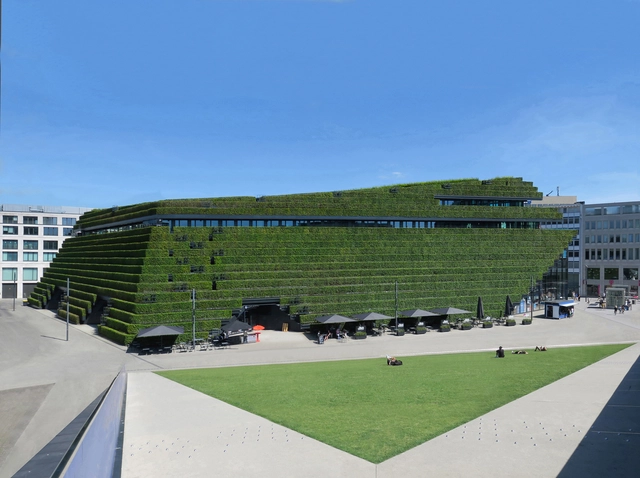
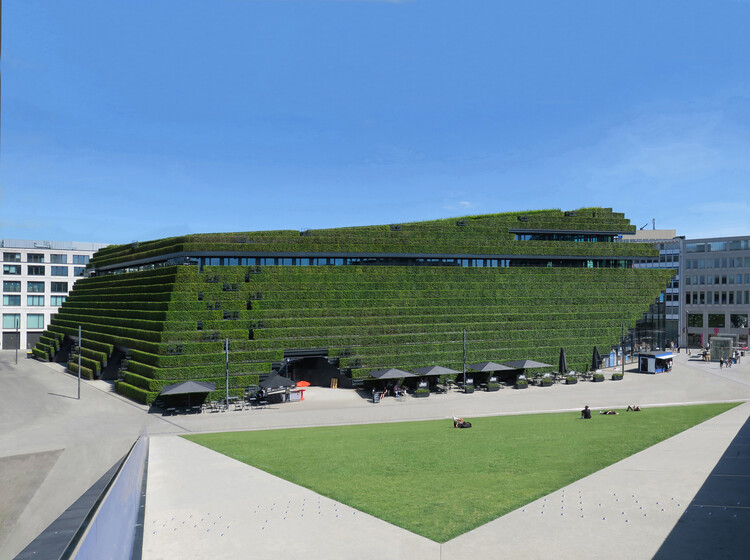
In early 2025, photographer Paul Clemence documented Kö-Bogen II, a commercial and office complex designed by ingenhoven architects in Düsseldorf, Germany. The photo series focuses on the building's signature feature: its vast green façade, considered one of the largest in Europe. Referred to as a "green heart" and an "urban mountain," the building has become a landmark in the city due to its sloping surfaces wrapped in over 30,000 hornbeam plants. For Clemence, this was an unforeseen encounter during his first visit to Düsseldorf, which he describes as an unexpected meeting with a "stunning green pyramid."
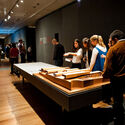
'Architecture of Possibility: Zaha Hadid Architects' at MOCAUP Shenzhen. December 2025 - April 2026. Image Courtesy of MOCAUP
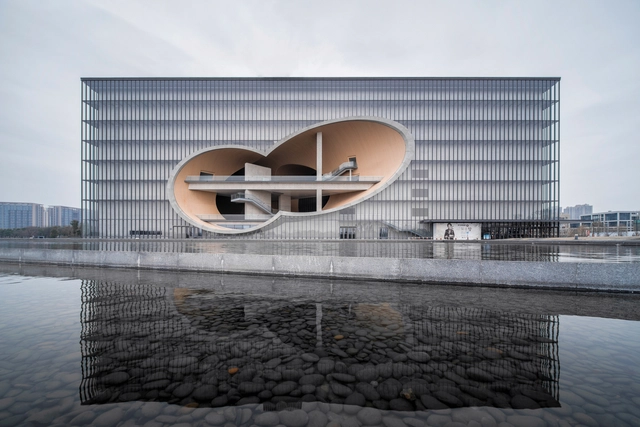
"Architecture of Possibility: Zaha Hadid Architects" at the Museum of Contemporary Art and Urban Planning (MOCAUP) in Shenzhen, China, presents a comprehensive overview of the evolution of Zaha Hadid Architects' work over recent decades. On view until April 10, 2026, the exhibition is structured through chronological and thematic narratives that highlight the studio's multidisciplinary research and design methodologies. The exhibition, now open to the public, showcases the office's work in the Shenzhen area and its involvement with new Artificial Intelligence technologies. Particular emphasis is placed on the integration of artificial intelligence (AI), immersive and interactive design tools, and virtual environments, which together form an expanding digital design ecosystem.
Taschen's new book, published in October 2025, Tadao Ando. Sketches, Drawings, and Architecturepresents an in-depth exploration of the Japanese architect Tadao Ando's creative process, bringing together over 750 sketches, drawings, models, and technical plans developed over nearly five decades. Created in close collaboration with Ando himself, the book provides a rare view into how his ideas take shape, from the immediacy of the first pencil lines to the precision of architectural drawings that define his built works. Through these materials, the publication highlights Ando's enduring focus on the relationship between hand, thought, and space.
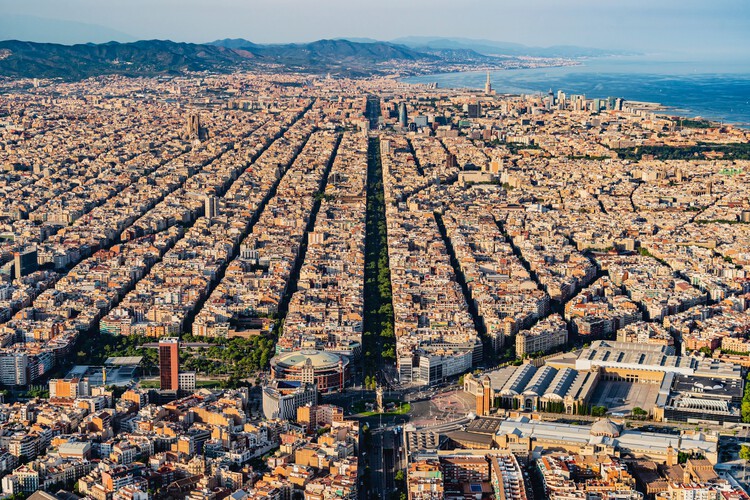
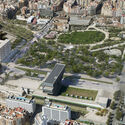
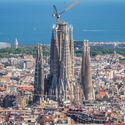
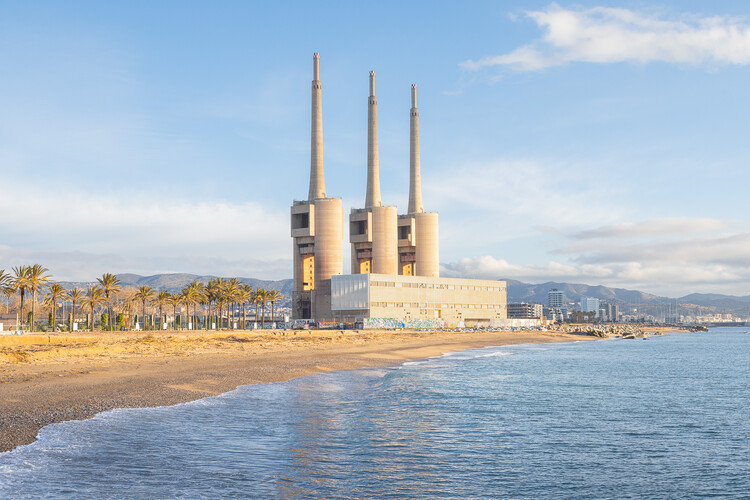
This week's review focuses on concrete responses to shared urban challenges, including housing affordability, long-term resilience, and the role of cultural and material innovation in shaping cities. The selection spans regulatory measures affecting housing markets in European cities, high-density residential and mixed-income proposals in New York, and major renewal and planning efforts in London, Barcelona, Ulaanbaatar, and Drammen. It also highlights research-driven and built projects in Chicago, Buenos Aires, Las Vegas, and Riyadh that explore circular construction, adaptive reuse, and new models for cultural and public infrastructure. Together, these worldwide projects offer a snapshot of how architecture and urban planning are addressing immediate pressures while laying the groundwork for more resilient and inclusive urban futures across diverse geographic and cultural contexts.
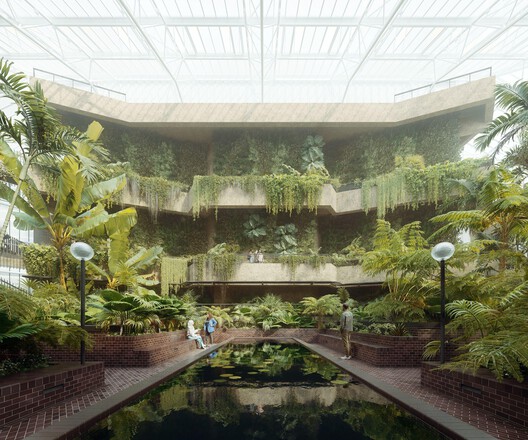
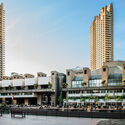
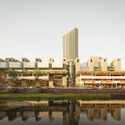
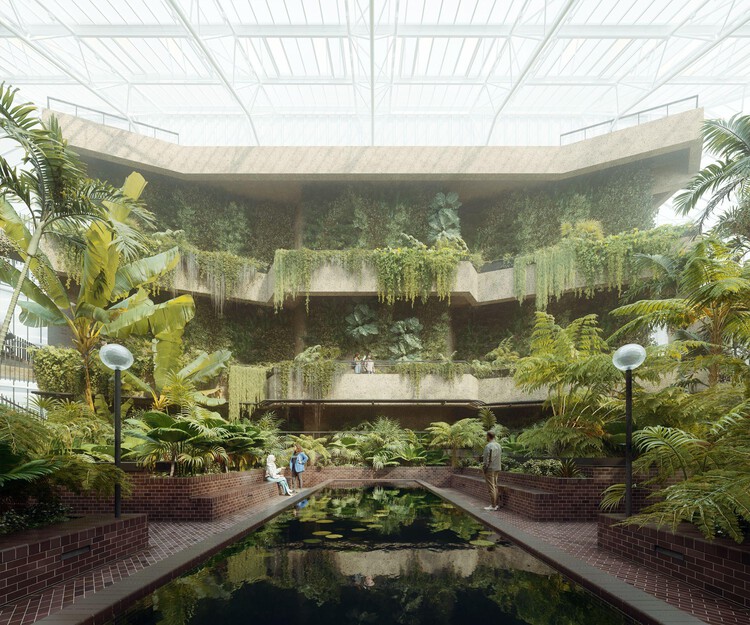
The City of London Corporation has formally approved the delivery plan for the renewal of the Barbican Centre, confirming a £191 million investment to support the first five-year phase of a long-term transformation programme. Approved in December 2025, the decision secures funding for major repairs, infrastructure upgrades, and public space improvements across the Grade II-listed complex. Subject to planning permission, major construction is scheduled to begin in 2027, with completion of this phase targeted for 2030, ahead of the Barbican's 50th anniversary. To facilitate the works, most programmes within the Centre will pause for approximately one year between June 2028 and June 2029, while preparatory upgrades, including essential works to the Barbican Theatre, are set to begin in early 2026.
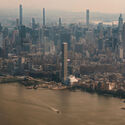
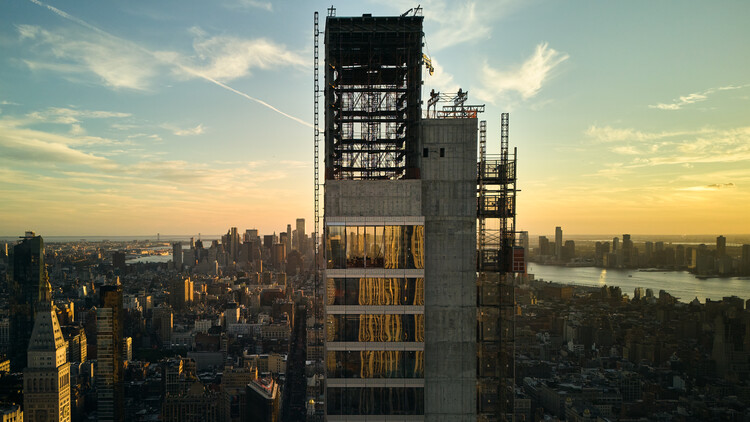
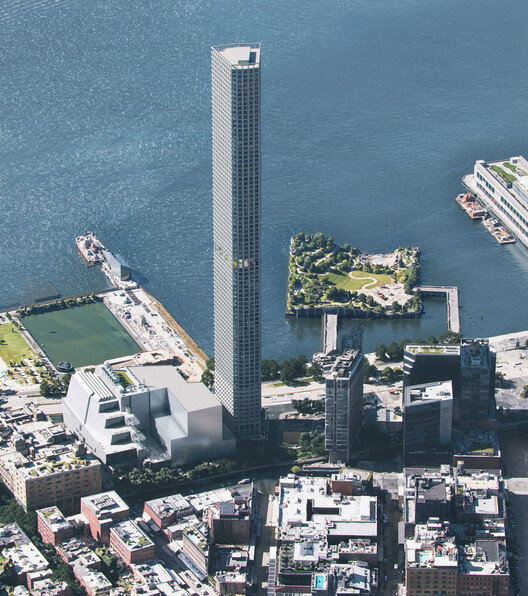
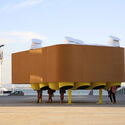
Moscow-based architecture, urban design, and research practice Meganom is nearing completion of its residential skyscraper at 262 Fifth Avenue in Manhattan, New York City. Designed for client Five Points Development, the project dates back to 2015 and brings together an international team that includes Norm Architects as interior architect, SLCE Architects as architect of record, and untitled architecture overseeing architectural supervision and project management. Rising 860 feet over 52 stories, the tower contains 26 residential units within approximately 140,000 square feet and draws conceptual inspiration from aeronautics, envisioning apartments as elevated "shelves" that frame expansive views of the city.
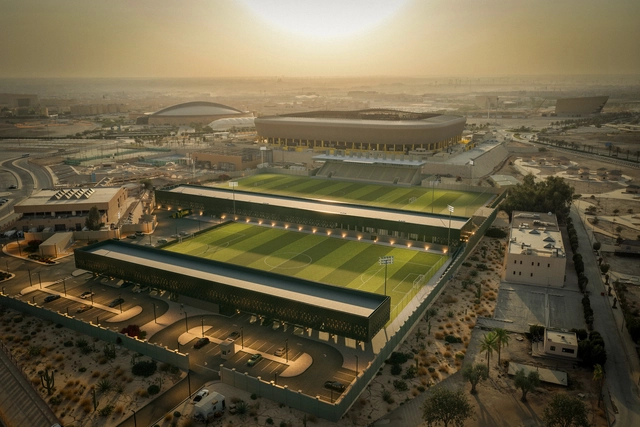
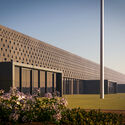
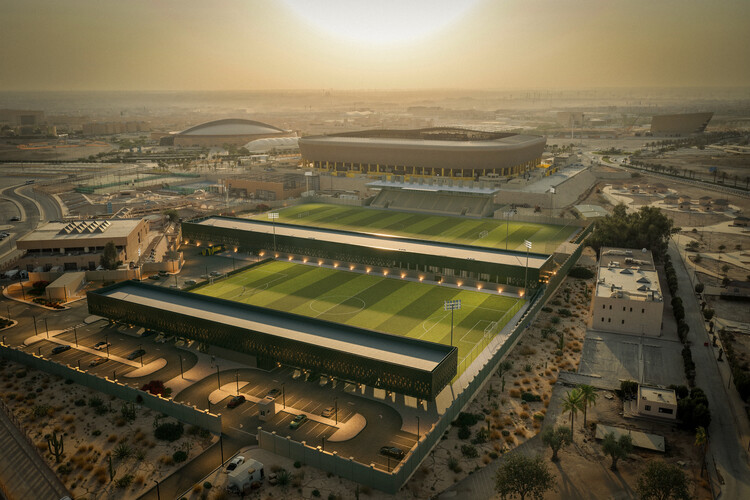
OODA announces the House of Nassr, a new integrated sports complex designed for Al Nassr FC in Riyadh, Saudi Arabia. Planned as a comprehensive facility supporting both athletic performance and club operations, the project brings together a high-performance training centre, administrative and media spaces, athlete support facilities, and social areas, with a hotel scheduled for a second phase of development. The complex occupies an area of approximately 4,000 square meters. While the overall project remains ongoing, the first phase has been completed in 2025, marking OODA's first realized project in Saudi Arabia.
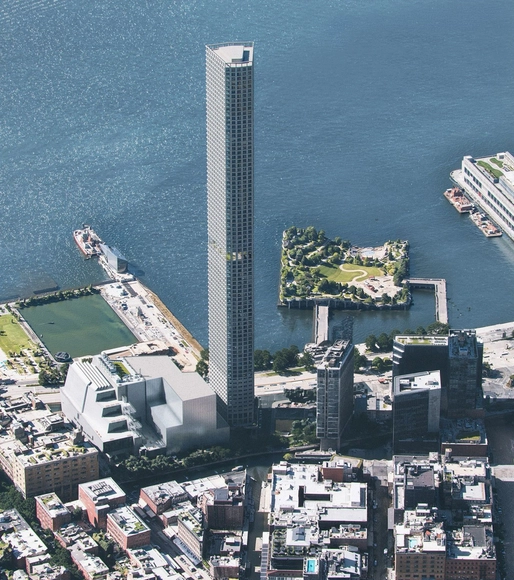
5050 Gansevoort mixed use building. Project render. Image Courtesy of Powerhouse Company
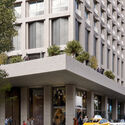
In January 2025, New York City Mayor and the New York City Economic Development Corporation (NYCEDC) announced new steps in the reimagining of Gansevoort Square, a 66,000-square-foot site located on Little West 12th Street between Washington Street and 10th Avenue in Manhattan's Meatpacking District. The redevelopment of the site aims to integrate a mix of affordable housing for New Yorkers, new retail space for residents and visitors, and opportunities to expand the Whitney Museum of American Art and the High Line. The Request for Proposals outlined a vision for up to 600 units of mixed-income housing, with a goal of 50 percent of the total units being permanently affordable, along with ground-floor commercial space. International architectural practice Powerhouse Company recently revealed its competition proposal, exceeding these demands with 1,000 rental homes in a supertall tower, half affordable and half market-rate, mixed equally throughout the building's full height.
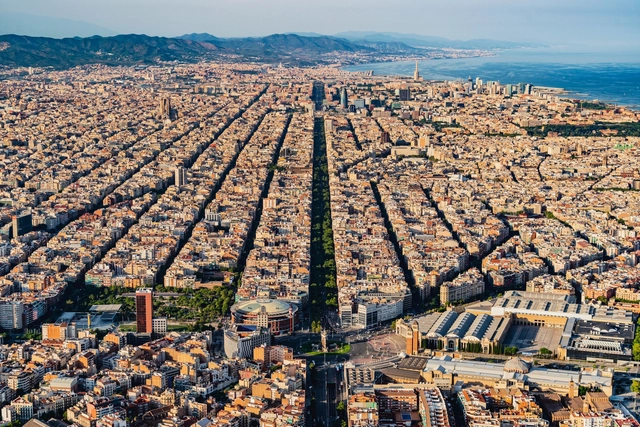
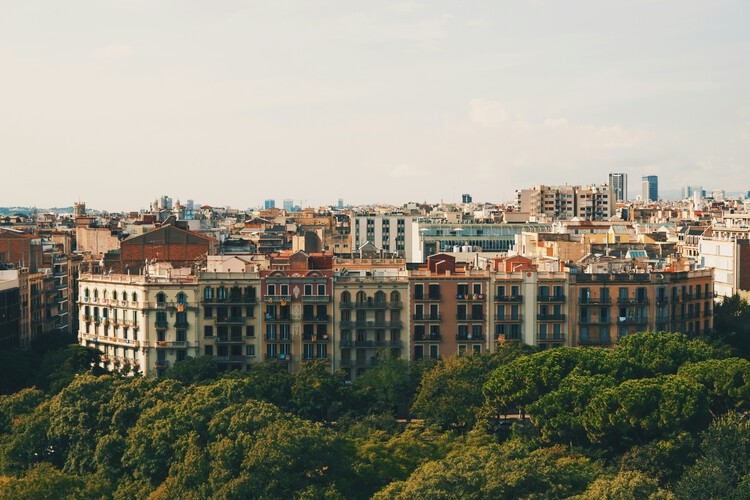
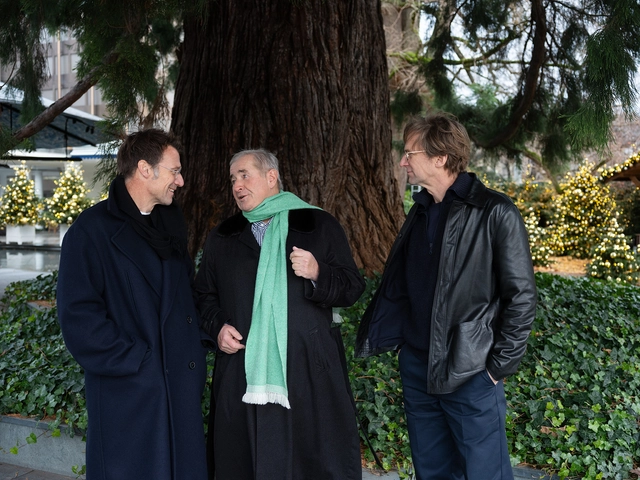
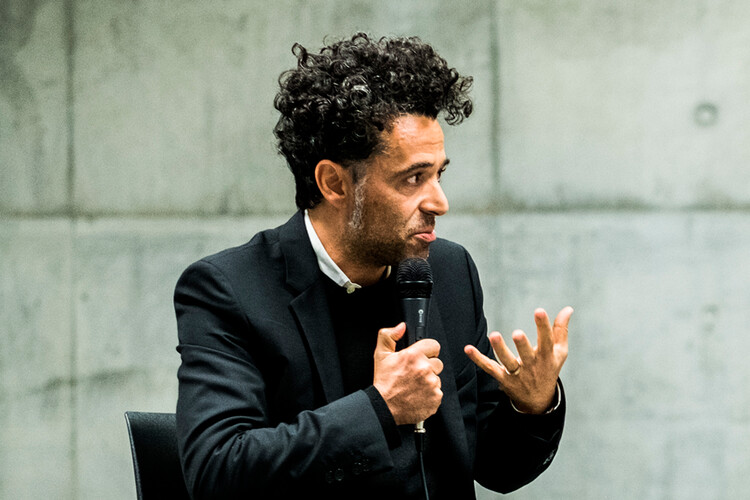
The UIA World Congress of Architects is an international event for architectural dialogue organised by the International Union of Architects (UIA, by its French acronym), a non-governmental organisation that unites national associations of architects from over 100 countries, representing more than one million professionals. The first UIA Congress of Architects, which also marked the institution's founding, was held in Lausanne in 1948 during the post-war reconstruction period. Since then, UIA congresses have been held every three years in a different city within a member country, serving as the organisation's main recurring event. In 2026, the Congress will be held in Barcelona, and UNESCO has consequently designated the city as the World Capital of Architecture 2026. Each Congress focuses on a key topic relevant to the profession, articulated through a central theme. Recent themes include Copenhagen 2023: "Sustainable Futures. Leave no one behind." and Rio 2020–2021: "All the worlds. Just one World." The topic for 2026 is "Becoming. Architectures for a Planet in Transition," welcoming renowned figures in contemporary architectural thought and practice for a broad and critical overview of the possible futures of architecture.
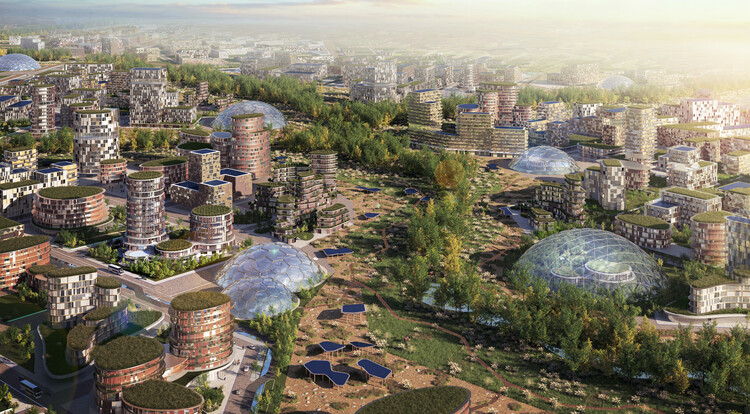
Hunnu City Ecological Corridor. Image Courtesy of Bechu & Associés
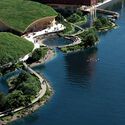
Bechu & Associés has been selected as the winner of the international open competition for the masterplan of Hunnu City, a new satellite city planned south of Ulaanbaatar, Mongolia. Announced in 2025, the winning proposal establishes a long-term urban framework for a 31,503-hectare site located near Chinggis Khaan International Airport, with phased development planned between 2025 and 2045. The project forms part of Mongolia's broader territorial strategy under the Ulaanbaatar 2040 Master Plan and the national Vision 2050 framework, positioning Hunnu City as a new emerging major city intended to support population decentralization, economic diversification, and long-term urban resilience.
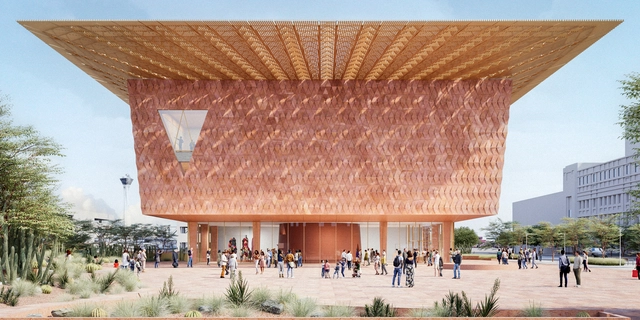
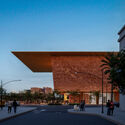
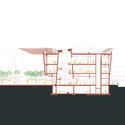
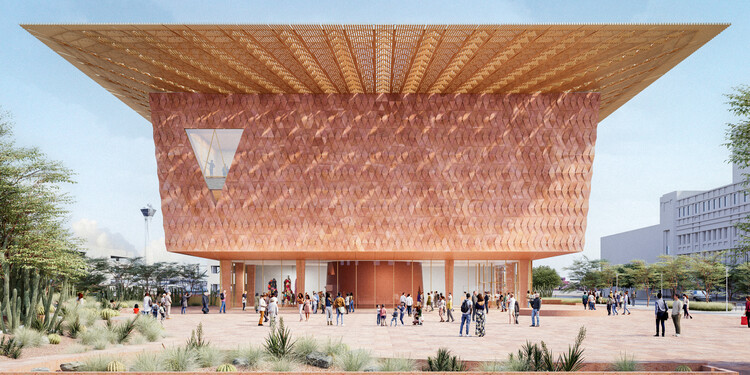
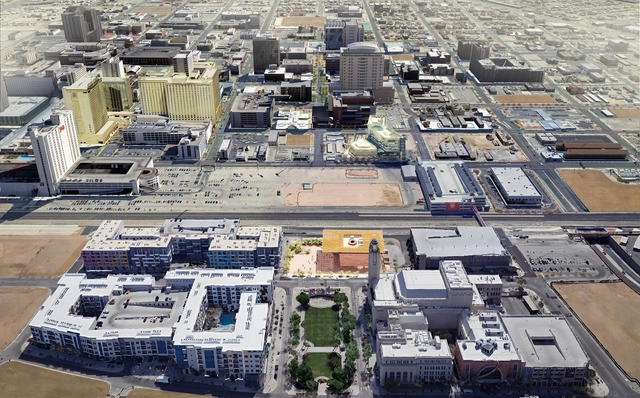
The future Las Vegas Museum of Art (LVMA) will be the city's first stand-alone museum, designed by Pritzker Prize-winning architect Francis Kéré. In fall 2024, the City of Las Vegas granted LVMA two acres of land in Symphony Park, neighboring the city's downtown arts district, as part of a public-private partnership. The project is intended to serve the city's more than 2.4 million year-round residents, including nearly 300,000 students living within a 10-mile radius of the park, as well as tens of millions of visitors from around the globe. The 60,000-square-foot building was designed by Kéré Architecture, which teamed up with Skidmore, Owings & Merrill (SOM) to provide Las Vegas with "a gathering place for community and a beacon for the cultural world," and is scheduled to open in 2029.
This week's architectural news reflects a broad engagement with how institutions, practitioners, and cultural platforms are positioning themselves in relation to both legacy and long-term change. Across museums, galleries, and major cultural events, architecture is being framed as an evolving public infrastructure, one that must respond to expanding collections, shifting curatorial models, and growing expectations around accessibility, sustainability, and civic presence. Alongside these institutional developments, professional recognitions and appointments have foregrounded practices rooted in site specificity, conservation, and critical research, highlighting architecture's role in mediating between historical contexts and contemporary needs.
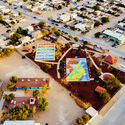
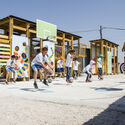
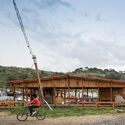
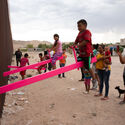
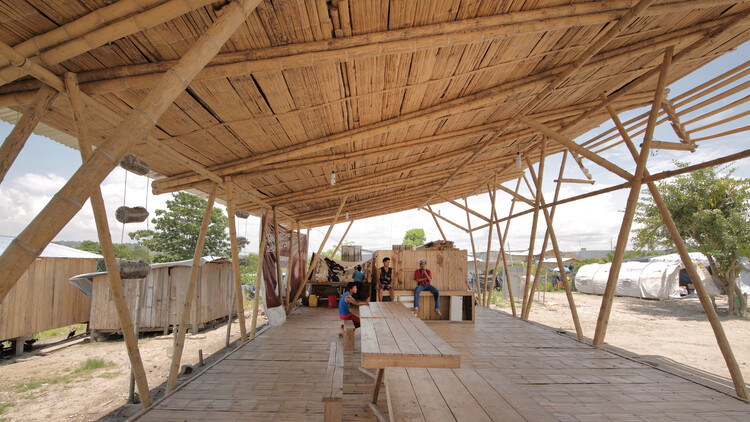
December 18 marks the United Nations' International Migrants Day, which aims to highlight the need for safer, fairer, and more inclusive migration systems. Proclaimed on December 4, 2000, the day seeks to recognize the multiple dimensions of migration beyond its economic and humanitarian aspects. According to the UN, mounting evidence indicates that international migration is beneficial for both countries of origin and destination. In this sense, International Migrants Day offers an opportunity to spotlight the value of the possibility to migrate and the contributions of millions of migrants worldwide to the cities and cultures in which they are integrated.
Aligned with this perspective, the UN's 2025 theme, "My Great Story: Cultures and Development," emphasizes how human mobility drives growth, enriches societies, and helps communities connect, adapt, and support one another. At the same time, International Migrants Day also acknowledges the increasingly complex environment in which migration occurs. Conflicts, climate-related disasters, and economic pressures continue to force millions of people from their homes in search of safety or opportunity. From both perspectives, it is essential to recognize the role of architecture in building integrated, multicultural communities and in responding to the conditions that lead people to migrate from their territories in the first place.
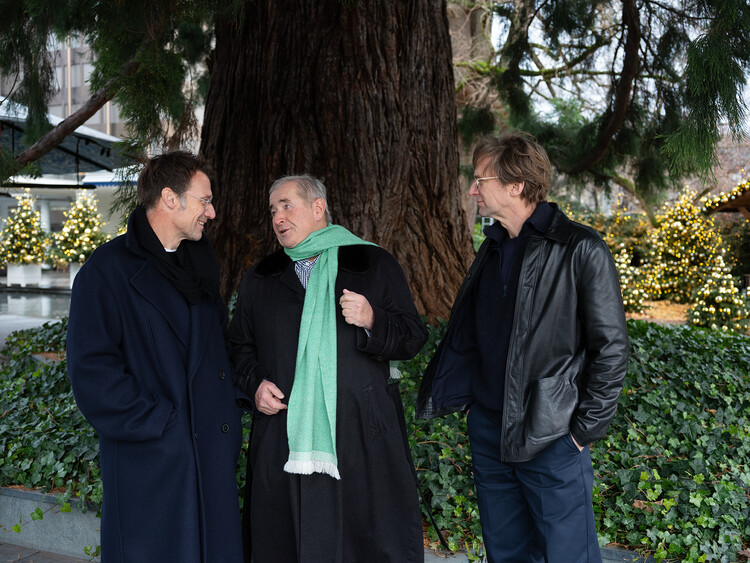
Kistefos Museum has announced Swiss architectural practice Christ & Gantenbein as the winner of its international design competition for a new museum building at the Kistefos site in Jevnaker, approximately one hour north of Oslo. Conceived as a significant new addition to one of Europe's leading sculpture parks and cultural destinations, the project is scheduled to open in 2031 and will house the art collection of Kistefos founder and collector Christen Sveaas through the Christen Sveaas Art Foundation. Following the announcement, Christ & Gantenbein will now work with Kistefos Museum to further develop the concept design toward realization.
The 8th edition of the Lisbon Architecture Triennale is scheduled to take place in the autumn of 2028. As in previous editions, the curatorial process begins three years in advance, allowing time to fully develop the project and build on the work of earlier Triennales. The 7th edition, curated by Ann-Sofi Rönnskog and John Palmesino, founders of Territorial Agency, ran from October 2 to December 8, 2025. It was structured around the question How heavy is a city?, proposing an understanding of cities not as fixed objects but as dynamic systems extending beyond urban boundaries into the atmosphere, oceans, and deep time. This approach was explored through three main exhibitions, Fluxes, Spectres, and Lighter, alongside a wider set of initiatives. With the 7th edition concluded, the Triennale has announced Portuguese architect and academic Joaquim Moreno as Chief Curator of the upcoming edition, responsible for developing a new curatorial project for the event.
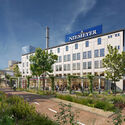
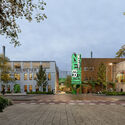
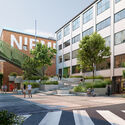
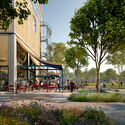
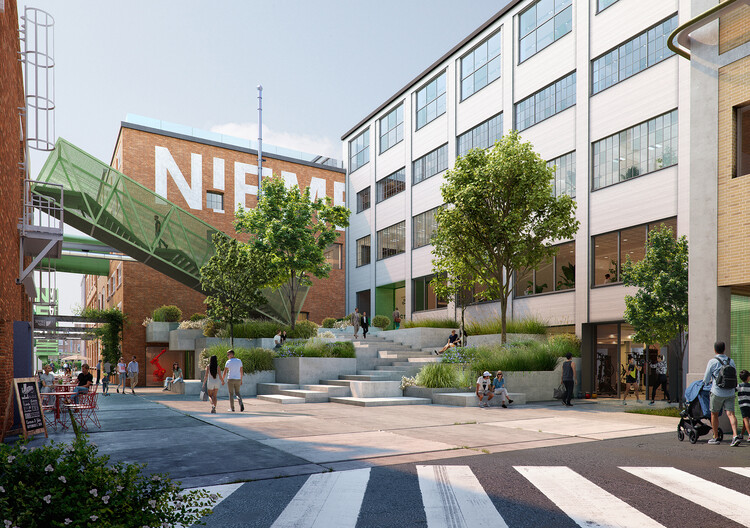
Studioninedots is leading the transformation of a 200-year-old tobacco factory site into Niemeyer, a mixed-use urban complex accommodating digital innovation, cultural venues, hospitality, education, and manufacturing within the existing industrial buildings. Located on Paterswoldseweg in Groningen, the Netherlands, the 38,000 m² project is commissioned by MWPO, with MWPO and Campus Groningen jointly acting as clients for the Shared Facilities. Currently in the design phase (2023–2025), the project's provisional timelines indicate a phased construction start beginning with the factory's southern section in 2026, followed by the northern section in 2027. The Amsterdam-based office's proposal opens the formerly closed industrial ensemble to the public, introducing cafés, galleries, workshops, and shared workspaces distributed across interior streets and adjacent park areas.