This week's architectural news reflects a broad engagement with how institutions, practitioners, and cultural platforms are positioning themselves in relation to both legacy and long-term change. Across museums, galleries, and major cultural events, architecture is being framed as an evolving public infrastructure, one that must respond to expanding collections, shifting curatorial models, and growing expectations around accessibility, sustainability, and civic presence. Alongside these institutional developments, professional recognitions and appointments have foregrounded practices rooted in site specificity, conservation, and critical research, highlighting architecture's role in mediating between historical contexts and contemporary needs.
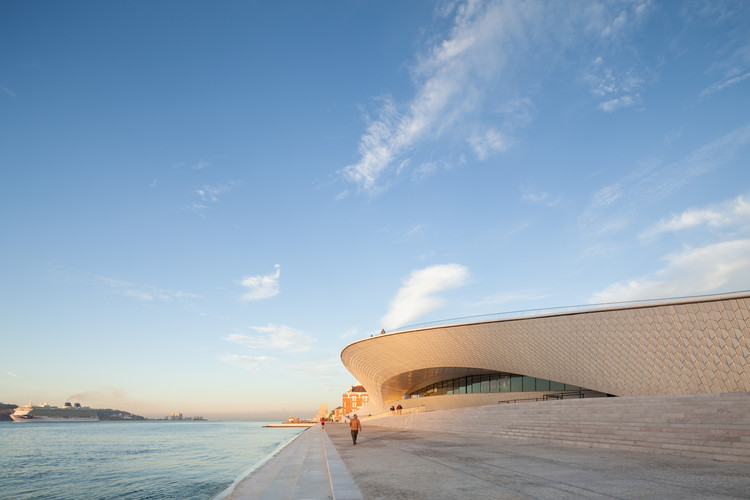
The 8th edition of the Lisbon Architecture Triennale is scheduled to take place in the autumn of 2028. As in previous editions, the curatorial process begins three years in advance, allowing time to fully develop the project and build on the work of earlier Triennales. The 7th edition, curated by Ann-Sofi Rönnskog and John Palmesino, founders of Territorial Agency, ran from October 2 to December 8, 2025. It was structured around the question How heavy is a city?, proposing an understanding of cities not as fixed objects but as dynamic systems extending beyond urban boundaries into the atmosphere, oceans, and deep time. This approach was explored through three main exhibitions, Fluxes, Spectres, and Lighter, alongside a wider set of initiatives. With the 7th edition concluded, the Triennale has announced Portuguese architect and academic Joaquim Moreno as Chief Curator of the upcoming edition, responsible for developing a new curatorial project for the event.
This past year marked a period of introspection for architecture. As 2025 unfolded, the discipline, confronted with evolving environmental and social realities, entered a broader turning point in how it understands its role and how users engage with it. Throughout the year, exhibitions shifted focus away from buildings as isolated objects toward a broader understanding of relationships between ecology, equity, everyday life, and collective imaginaries. Across institutions and cities, they operated less as showcases and more as discursive platforms: places where architecture was not only presented, but also imagined, questioned, and collectively redefined.
While exhibitions have long functioned as sites of discourse, politics, and community, this role became more explicit in 2025. As Carlo Ratti noted in an ArchDaily interview during the pre-opening of the Venice Architecture Biennale 2025, exhibitions today can "hybridize the way that people come together," an ambition that echoed across cities and institutions as exhibitions evolved into spaces for debate, experimentation, and collective reflection. Exhibitions are places where architects and designers meet, where conversations unfold openly with the public, and where ideas emerge through spontaneous exchanges among passersby. Exhibitions became spaces where architectural discourse extended beyond professional circles, opening conversations to broader publics through everyday encounters, shared experiences, and informal exchanges.
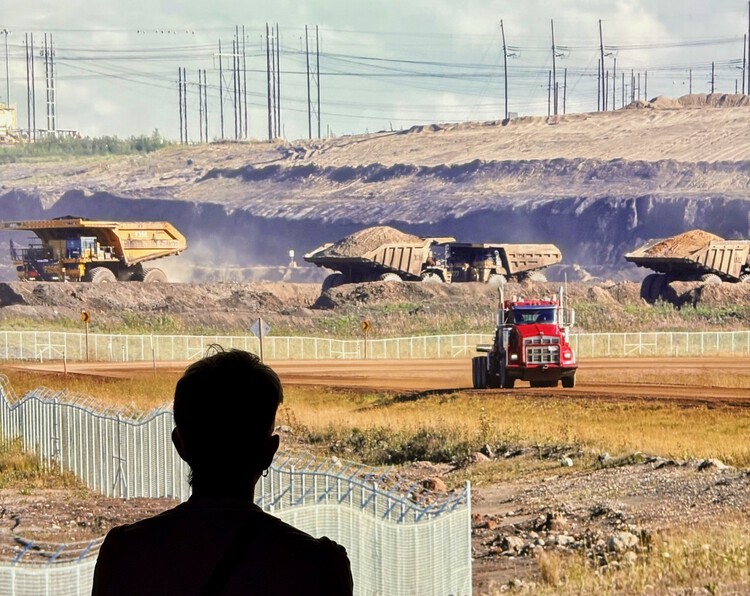
Thirty trillion tons. This is the estimated mass of all human-made matter on Earth, and the starting point for the 7th edition of the Lisbon Architecture Triennale. Curated by Ann-Sofi Rönnskog and John Palmesino, founders of Territorial Agency, the event asks a deceptively simple question: How heavy is a city? To answer it requires more than data. It demands a shift in perception: from the scale of the city to the planetary technosphere.
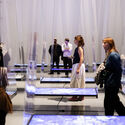
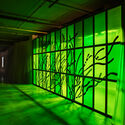
The technosphere, a term borrowed from Earth sciences, defines the vast system of infrastructures, technologies, and materials that sustain human life while reshaping the planet. Cities, in this view, are not only territories but dense nodes within this planetary metabolism. From October to December 2025, Lisbon becomes a lens to examine that magnitude, hosting three main exhibitions (Fluxes, Spectres, Lighter), a book of essays, a talks program, and more than twenty independent projects across the city.
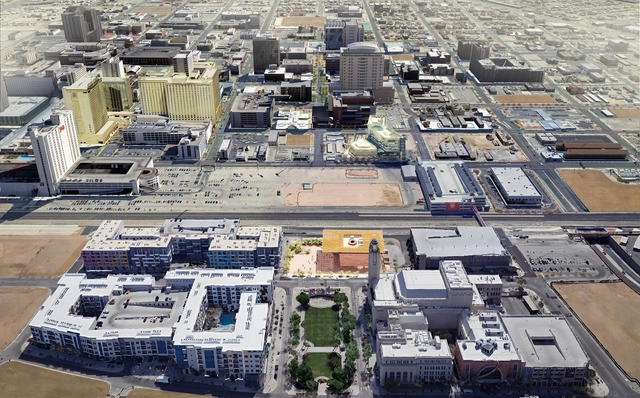
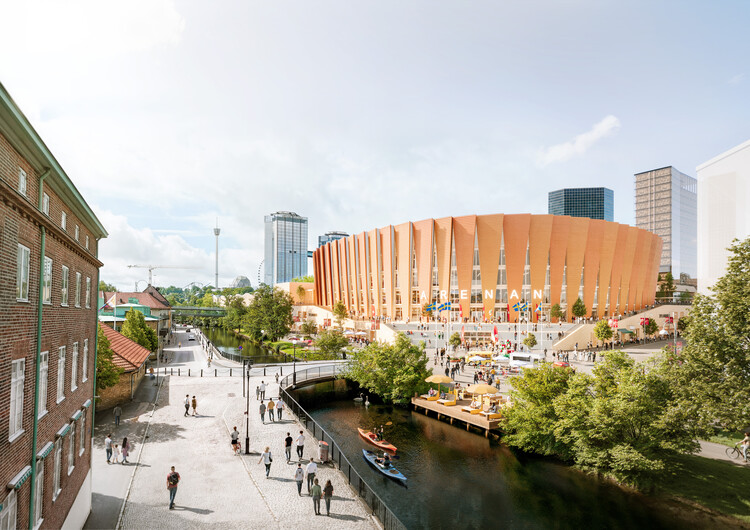
Gothenburg's New Arena Quarter. Image Courtesy of White Arkitekter
This week, architectural conversations were shaped by themes of resilience, equity, and cultural relevance, brought into focus by World Architecture Day. Across global contexts, the discipline continues to expand its understanding of strength, not only as structural endurance but as a framework for inclusive, adaptable, and environmentally conscious design. From strategies for gender-equitable public space to new commissions grounded in memory and reconciliation, recent developments reflect how architecture is increasingly positioned as a tool for social engagement and long-term stewardship in the face of ongoing global challenges.
ReSa Architects. Photo by Antonin Kanant and Revati Shah
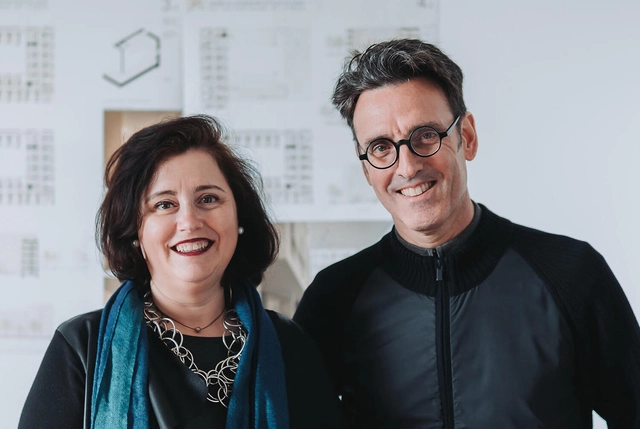
The Lisbon Architecture Triennale announced as the winner of the fifth edition of the Début Award the Indian office ReSa Architects. The office is known for its collective approach to spatial practice, treating architecture as a process of rewriting social and bodily relations. In previous editions, the award recognized the work Vão (Brazil, 2022), Bonell+Dòriga (Spain, 2019), Umwelt (Chile, 2016) and Jimenez Lai, from Bureau Spectacular (USA, 2013).
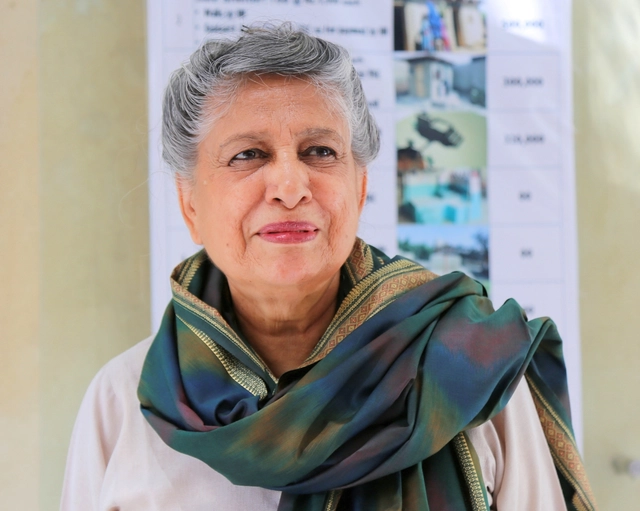
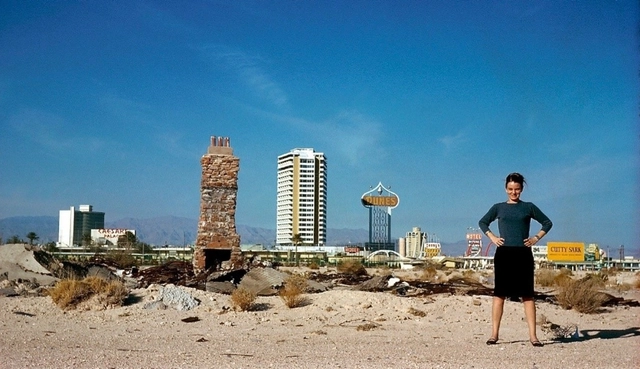
The announcement was made on October 4, during the opening festivities of the Triennale, which in this edition awarded the Lifetime Achievement Award to the architect, Yasmeen Lari from Pakistan, the first person from the global south to receive the honor. Lari joins Marina Tabassum (2022 award winner), Denise Scott-Brown (2019), the duo Lacaton & Vassal (2016), Kenneth Frampton (2013), Álvaro Siza (2010), and Vittorio Gregotti (2007).
The Nile Delta, in blue the rise of mean sea level with a 2°C increase above pre-industrial levels, Sentinel data. Territorial Agency: Oceans in Transformation, 2020
How heavy is a city, and what does that weight mean for our collective future? This provocative question guides the 7th edition of the Lisbon Architecture Triennale, which proposes an inquiry into the transformations of urban life and the material, social, and environmental consequences of inhabiting the planet today. From October 2 to December 8, Lisbon will once again host one of Europe's most significant architectural events.
Curated by Ann-Sofi Rönnskog and John Palmesino, founders of the practice Territorial Agency, the Triennale investigates the magnitude of contemporary cities and their planetary impact. Composed of nearly 30 trillion tons of materials, global cities form a dense and intricate web of continuously evolving structures. To unpack these complexities, the Triennale opens itself as a space of learning, curiosity, imagination, and debate — a meeting ground for architects, researchers, artists, and the wider public.
https://www.archdaily.com/1034626/how-heavy-is-a-city-exploring-the-lisbon-architecture-triennale-2025ArchDaily Team
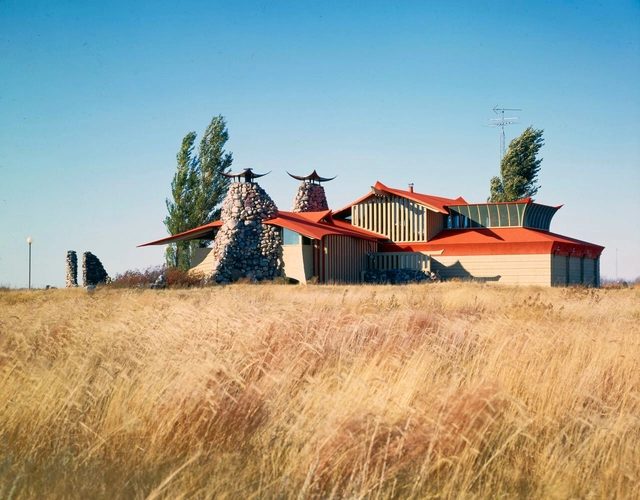
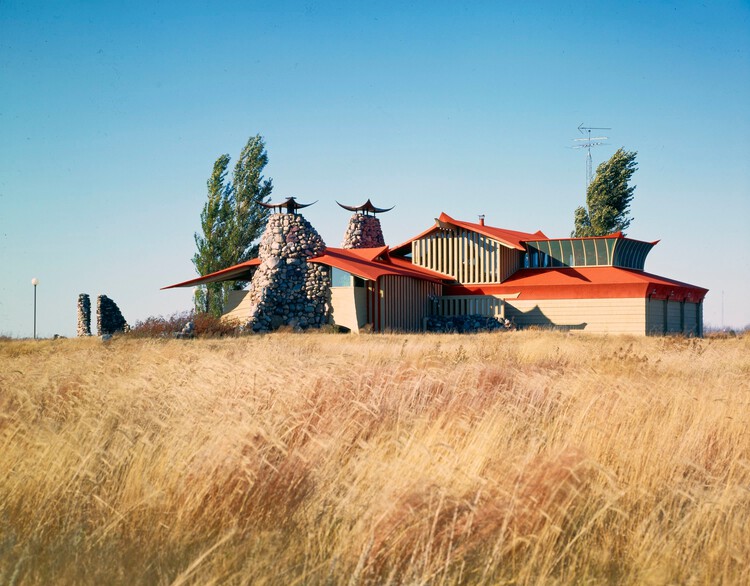
“Glen and Anna Harder House, Mountain Lake, Minnesota,” 1970. Color transparency, 4 x 5 in. Copyright J. Paul Getty Trust, Getty Research Institute, Los Angeles (2004.R.10). Photo: Julius Shulman. For the 2025 grant to the Art Institute of Chicago for the exhibition “Bruce Goff: Material Worlds”. Image Courtesy of Graham Foundation
The Graham Foundation for Advanced Studies in the Fine Arts has announced $573,300 in grants to 39 organizations worldwide. Chosen from more than 200 submissions, the 2025 awards support a broad range of initiatives, including exhibitions, installations, publications, podcasts, student-led journals, internationalarchitectureevents, and public programs that contribute to advancing architectural discourse and design experimentation. Over nearly seven decades, the Graham Foundation has provided more than $45 million in direct support to over 5,200 projects. With the addition of the 2025 grantees, the Foundation aims to continue to strengthen its international network of individuals and organizations advancing architectural ideas and public engagement around the world.
The Lisbon Architecture Triennale has announced Yasmeen Lari as the recipient of the 2025 Millennium bcp Lifetime Achievement Award. With a career spanning over six decades, the pioneering Pakistani architect has consistently demonstrated how architecture can serve as a tool for social justice, environmental resilience, and inclusive development.
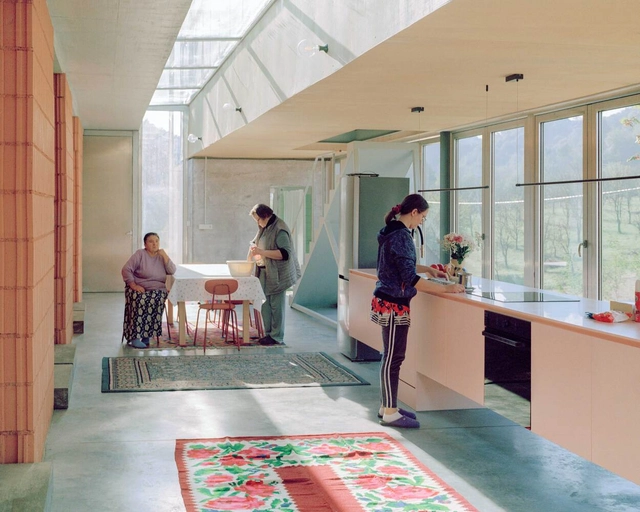
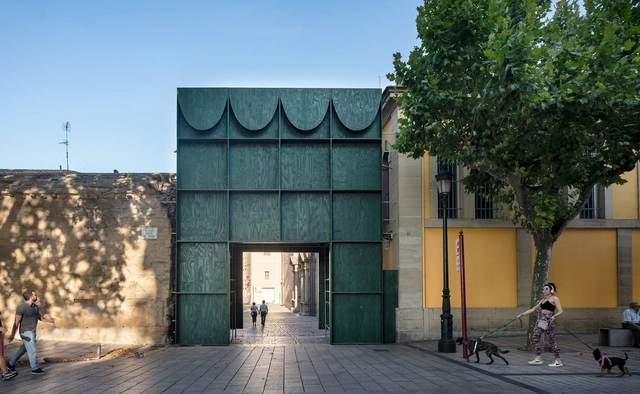
TEN. Image by Maxime Delvaux and Adrien de Hemptinne
The Lisbon Architecture Triennale has revealed the five finalists for the 2025 Millennium bcp Début Award, celebrating emerging practices that are redefining the role of architecture across diverse geographies and realities. Spanning three continents, these studios will present their work during the opening days of the Triennale (October 2–4, 2025), in a public event where the winner will be announced.
The 7th edition of the Triennale marks its first public moment in Venice during the Pavilion Days of Biennale Architettura 2023. Moderated by chief curators John Palmesino and Ann-Sofi Rönnskog from Territorial Agency, the clash of ideas brings together experts from art to architecture, science, technology and the humanities.
After two years of disrupted cycles of architecture events, due to the pandemic, 2022 has been witnessing a resurgence: biennials, triennials, design weeks, and festivals are back in the picture, with bigger interrogations and larger thematic approaches, aligned with the challenges of the world.
Relevant today more than ever, these happenings scattered around the globe are tackling climate-related issues, urban problems, as well as concerns engendered by covid-19 such as resilience, models of living, future of design, and the unknown.
Selected the European Capital of Culture in 1994 and Ibero-American Capital of Culture 2017, Lisbon has been the destiny of tourists from many parts of the world over the past years. With thriving cultural programming, the city hosts important events related to art, music, movies and architecture. The Lisbon Architecture Trienniale and the Open House – event that coordinates free guided tours to remarkable buildings in cities around the world – are some of these relevant events in the architectural field, responsible to disseminate, discuss and reflect on issues of the area.
Besides programs related to architecture, in recent years, Lisbon has seen the emergence of new facilities, like museums, cultural centers and theaters, besides the requalification of public spaces. The construction or regeneration of these structures, directly or indirectly related to the cultural city movement, can be controversial, raising issues such as gentrification and the increase of mass tourism.
The Lisbon Architecture Triennale has announced the appointed Chief Curators for their 6th edition, which will take place in 2022. The architects Cristina Veríssimo and Diogo Burnay were chosen given their great professional experience in the various aspects of the discipline that includes education, academic, and project activity in Portugal and abroad. The duo will be dedicating three years to preparing the Triennale 2022, beginning with an exploratory period for research, a team definition phase, a phase of structuring the programme design, ending with its implementation.
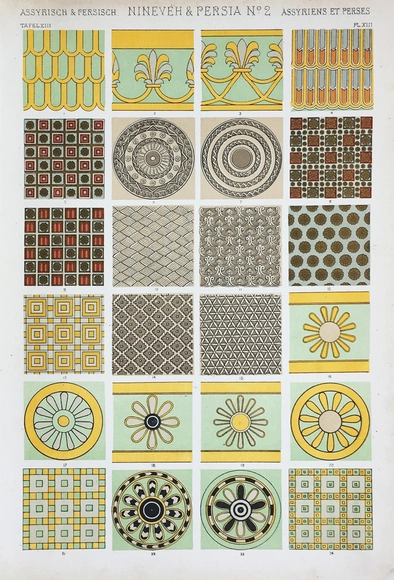
Owen Jones - Persian Pattern. Image Courtesy of Priya Khanchandani and Sam Jacob
In 1856б Owen Jones released the book The Grammar of Ornament in which he presented a compilation of visual languages adopted by the most diverse cultures - made from the author's explorations in places such as Greece, Egypt, Constantinople and India. The work reflects how Victorians examined international art and design by placing Britain at the center of the debate in order to establish "general principles" that promoted a certain system of different styles through their own perspectives. At the time, the publication was a major editorial success and influenced everything from William Morris (from the Arts and Crafts movement) to modernist architects Louis Sullivan and Frank Lloyd Wright. However, in 2019, Priya Khanchandani and Sam Jacob re-read Jones's work and demonstrated not only the colonizing aspects of his point of view, but also proposed a reinvention of these visual systems and patterns in accordance with contemporary times.
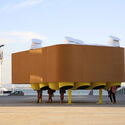
On October 5th, the Associated Project "Caixas de Boxe / Boxing Boxes" of the Lisbon Architecture Triennale will be inaugurated in the Portugal Novo District (Bairro Azul) in Olaias.
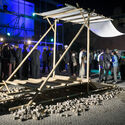
Boxing Boxes is an architectural installation that explores the different physical practices of boxing. The structure aims, in addition to encouraging the practice of sports in public space, to create a tool for spatial and civic activation.
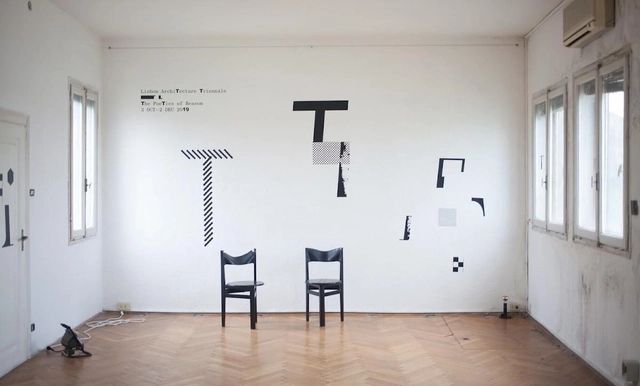
Just over two months after the start of the 2019 edition of "The Poetics of Reason", the Lisbon Architecture Triennale and the Millennium BCP Foundation are pleased to announce the winner of the 5th edition of the Lisbon Triennial Millennium BCP Award.
https://www.archdaily.com/922329/denise-scott-brown-receives-the-lisbon-triennial-millennium-bcp-awardPedro Vada
The Lisbon Architecture Triennale announced the long-awaited list of finalists for the third edition of the Début Prize, which aims to recognize offices and collectives whose artistic consolidation is still developing and whose thinking and approach are relevant to contemporary architectural scene.