

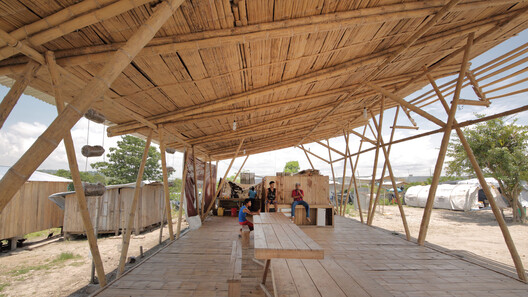
December 18 marks the United Nations' International Migrants Day, which aims to highlight the need for safer, fairer, and more inclusive migration systems. Proclaimed on December 4, 2000, the day seeks to recognize the multiple dimensions of migration beyond its economic and humanitarian aspects. According to the UN, mounting evidence indicates that international migration is beneficial for both countries of origin and destination. In this sense, International Migrants Day offers an opportunity to spotlight the value of the possibility to migrate and the contributions of millions of migrants worldwide to the cities and cultures in which they are integrated.
Aligned with this perspective, the UN's 2025 theme, "My Great Story: Cultures and Development," emphasizes how human mobility drives growth, enriches societies, and helps communities connect, adapt, and support one another. At the same time, International Migrants Day also acknowledges the increasingly complex environment in which migration occurs. Conflicts, climate-related disasters, and economic pressures continue to force millions of people from their homes in search of safety or opportunity. From both perspectives, it is essential to recognize the role of architecture in building integrated, multicultural communities and in responding to the conditions that lead people to migrate from their territories in the first place.
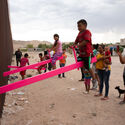
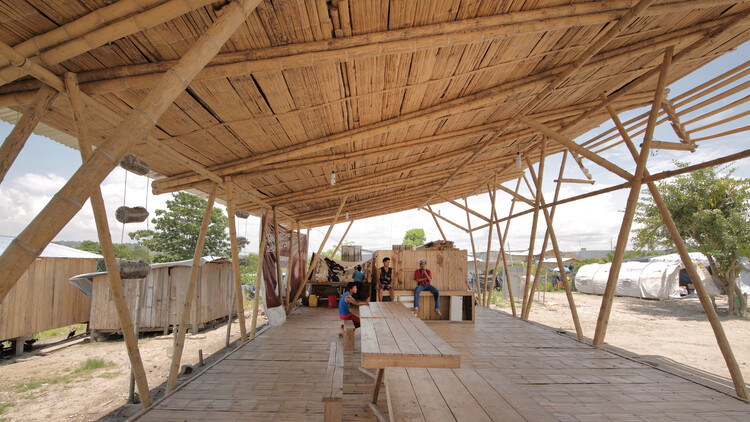
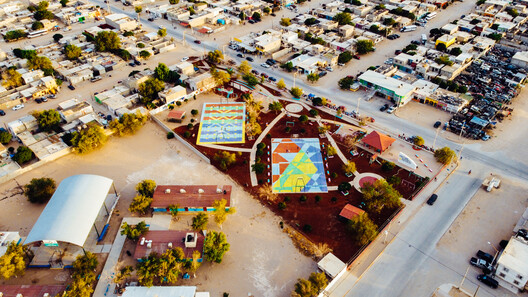
In 2025, the world recorded the highest-ever death toll of migrants in transit. In a global context marked by record levels of internal displacement and rising humanitarian needs across ongoing crises, it becomes necessary to look beyond the evident territorial and spatial dimensions of migration. Although the very definition of migration is rooted in spatial concepts, encompassing borders, territory, and nation, this year's theme calls for an examination of migration through its social and cultural contributions. Beyond the role migrants play in addressing labor shortages, driving innovation, and supporting demographic stability, as highlighted by the UN, some of their most profound impacts emerge in the realm of community interaction. Multiculturalism can strengthen resilience, foster innovative thinking, and support social cohesion in host territories.
Related Article
On Human Rights Day: Perspectives on Architecture, Equity, Housing Access, and Safety WorldwideJust as decent housing is a human right, safety in situations of displacement is closely tied to the quality of architectural infrastructure. This includes the design of borders and transitional spaces, accommodation solutions, and, most importantly, gathering and social spaces that support interaction and belonging. To improve these global conditions, on this International Migrants Day, the UN's International Organization for Migration calls for smarter policies, stronger cooperation, and a renewed commitment to making migration work for all. Below, we present a selection of articles that explore tangible solutions to migration-related challenges worldwide, alongside reflections on the issues posed by what the UN describes as "a defining force of our century."
Beyond Refugee Housing: 5 Examples of Social Infrastructure for Displaced People
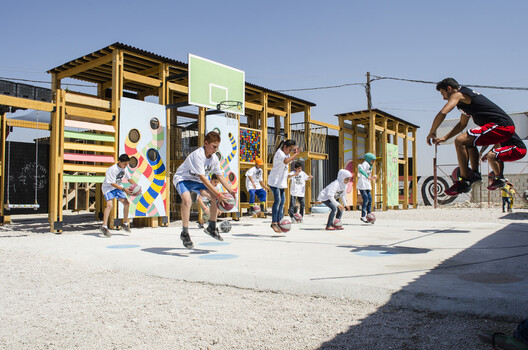
MVRDV Transforms Shipping Containers into Sports and Community Hubs for Refugees
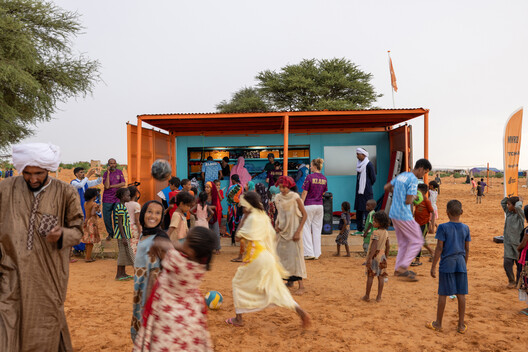
Zaha Hadid Architects Design 27 Tents to Serve as Schools, Clinics, and Emergency Shelters for Displaced Communities
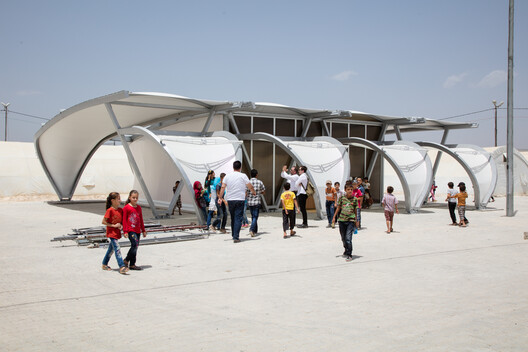
Nigerian Architect Blossom Eromosele Designs Refugee Shelter Inspired by Traditional African Huts
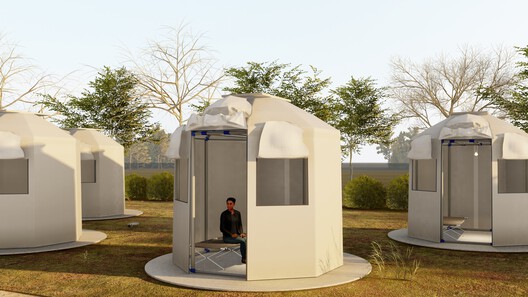
Shigeru Ban and VAN Install Paper Partition Systems in Emergency Shelters for Ukrainian Refugees
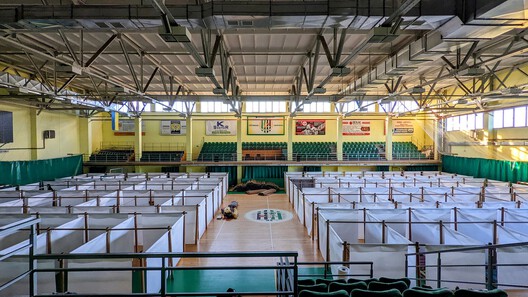
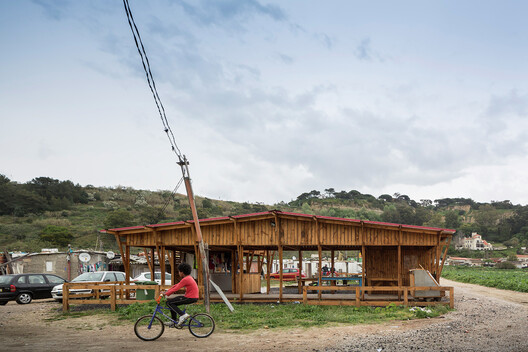
Community Kitchens: The Challenge of Generating Roots in Displaced Communities
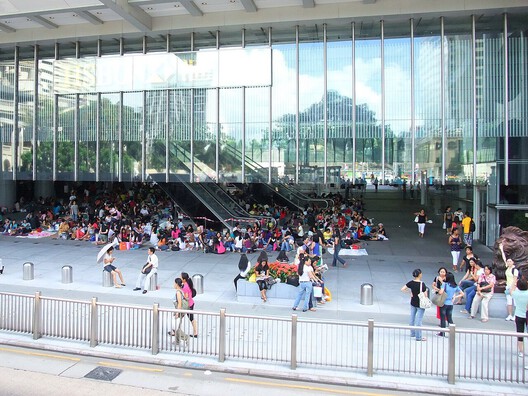
The Spatial Agency Gap: Rethinking Public Space through Co-Designing with Foreign Domestic Workers
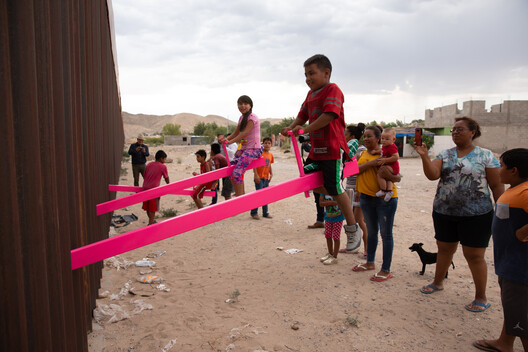
History, Public Space, and Urban Interventions Along the US-Mexican Border
Explore ArchDaily's input into recent United Nations International Days: Human Rights Day, World Architecture Day 2025, World Photography Day, and International Youth Day.


