1. ArchDaily
  2. Border

Border: The Latest Architecture and News

On International Migrants Day: A Look at Architectural Responses to Displacement

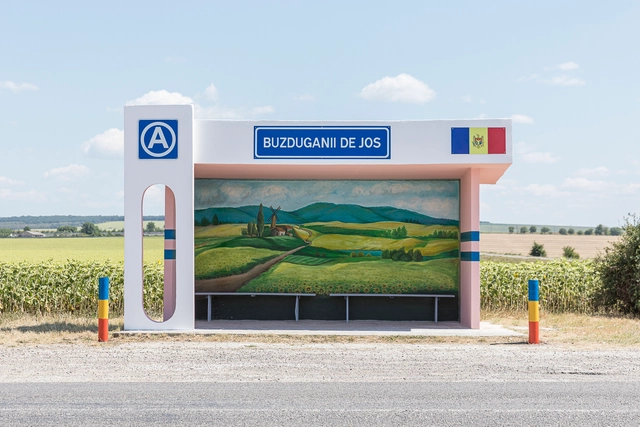
December 18 marks the United Nations' International Migrants Day, which aims to highlight the need for safer, fairer, and more inclusive migration systems. Proclaimed on December 4, 2000, the day seeks to recognize the multiple dimensions of migration beyond its economic and humanitarian aspects. According to the UN, mounting evidence indicates that international migration is beneficial for both countries of origin and destination. In this sense, International Migrants Day offers an opportunity to spotlight the value of the possibility to migrate and the contributions of millions of migrants worldwide to the cities and cultures in which they are integrated.

Aligned with this perspective, the UN's 2025 theme, "My Great Story: Cultures and Development," emphasizes how human mobility drives growth, enriches societies, and helps communities connect, adapt, and support one another. At the same time, International Migrants Day also acknowledges the increasingly complex environment in which migration occurs. Conflicts, climate-related disasters, and economic pressures continue to force millions of people from their homes in search of safety or opportunity. From both perspectives, it is essential to recognize the role of architecture in building integrated, multicultural communities and in responding to the conditions that lead people to migrate from their territories in the first place.

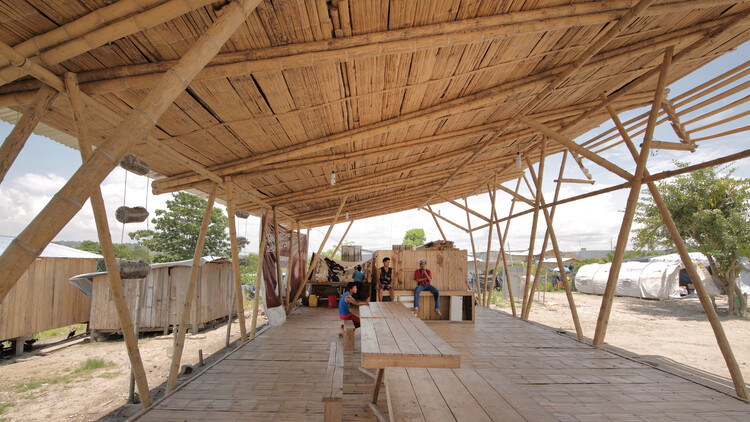
On International Migrants Day: A Look at Architectural Responses to Displacement - Imagen 1 de 4On International Migrants Day: A Look at Architectural Responses to Displacement - Imagen 2 de 4On International Migrants Day: A Look at Architectural Responses to Displacement - Imagen 3 de 4On International Migrants Day: A Look at Architectural Responses to Displacement - Imagen 4 de 4On International Migrants Day: A Look at Architectural Responses to Displacement - More Images+ 6

"A Wall is A Political Statement": Karin Sander on Co-Curating the Swiss Pavilion at the 2023 Venice Biennale

At the 18th International Architecture Exhibition – La Biennale di Venezia, Karin Sander, and Philip Ursprung curated the Swiss Pavilion “Neighbors”. In her interview with Louisiana Channel, Karin Sander talks about expanding the understanding of the pavilion, reimagining the connected role of architecture and art, and explaining her artistic process. “Neighbors” was focused on spatial proximity between the Swiss Pavilion and its Venezuelan neighbor. Sander highlights also the conversation between the two structures, that became possible after the removal of a separating wall.

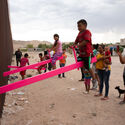
"A Wall is A Political Statement": Karin Sander on Co-Curating the Swiss Pavilion at the 2023 Venice Biennale - Image 1 of 4"A Wall is A Political Statement": Karin Sander on Co-Curating the Swiss Pavilion at the 2023 Venice Biennale - Image 2 of 4"A Wall is A Political Statement": Karin Sander on Co-Curating the Swiss Pavilion at the 2023 Venice Biennale - Image 3 of 4"A Wall is A Political Statement": Karin Sander on Co-Curating the Swiss Pavilion at the 2023 Venice Biennale - Image 4 of 4A Wall is A Political Statement: Karin Sander on Co-Curating the Swiss Pavilion at the 2023 Venice Biennale - More Images+ 1

Exploring Territorial Relations: The Swiss Pavilion at the 2023 Venice Biennale is Curated by Karin Sander and Philip Ursprung

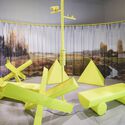
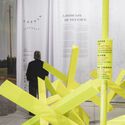
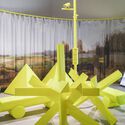
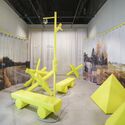
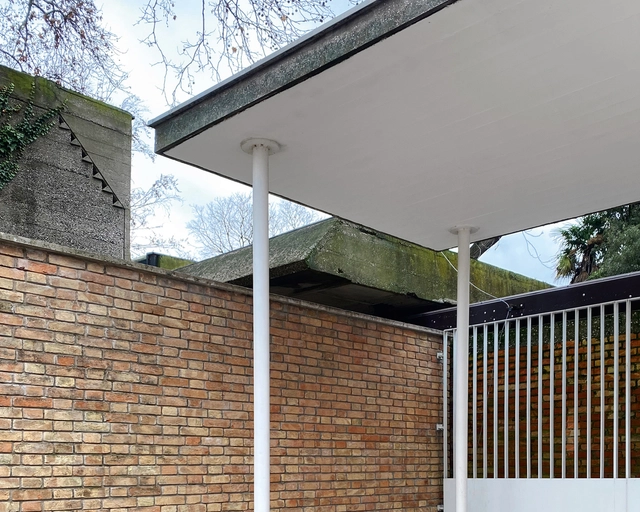
Switzerland’s project for its national pavilion at the 18th International Architecture Exhibition–La Biennale di Venezia will be curated by Karin Sander and Philip Ursprung to explore territorial relationships within the Giardini of La Biennale. Titled “Neighbours,” their project is focused on the spatial and structural proximity between the Swiss Pavilion and its Venezuelan neighbor. By turning architecture itself into the exhibit, the project also highlights the bond between the architects of the two structures: the Swiss Bruno Giacometti (1907 - 2012) and the Italian Carlo Scarpa (1906 - 1978). The exhibition will be on display from May 20 to November 26, 2023.

Exploring Territorial Relations: The Swiss Pavilion at the 2023 Venice Biennale is Curated by Karin Sander and Philip Ursprung - Image 1 of 4Exploring Territorial Relations: The Swiss Pavilion at the 2023 Venice Biennale is Curated by Karin Sander and Philip Ursprung - Image 2 of 4Exploring Territorial Relations: The Swiss Pavilion at the 2023 Venice Biennale is Curated by Karin Sander and Philip Ursprung - Image 3 of 4Exploring Territorial Relations: The Swiss Pavilion at the 2023 Venice Biennale is Curated by Karin Sander and Philip Ursprung - Image 4 of 4Exploring Territorial Relations: The Swiss Pavilion at the 2023 Venice Biennale is Curated by Karin Sander and Philip Ursprung - More Images+ 1

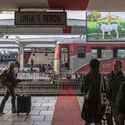
LINIA, a New Photographic Installation Looks at the Communities Living near Borders and the Lines that Separate Them

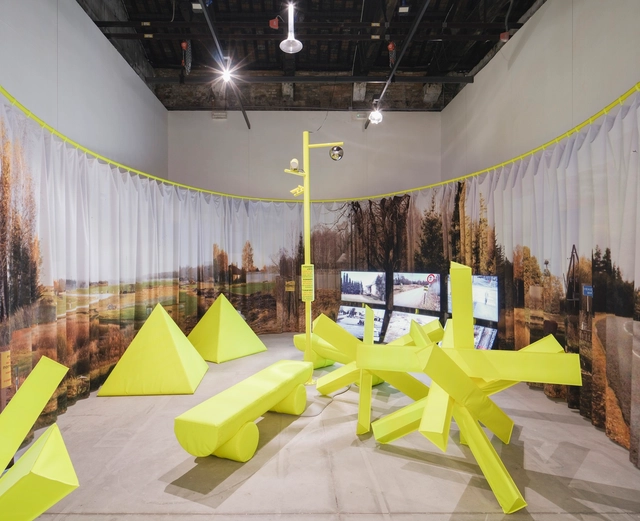
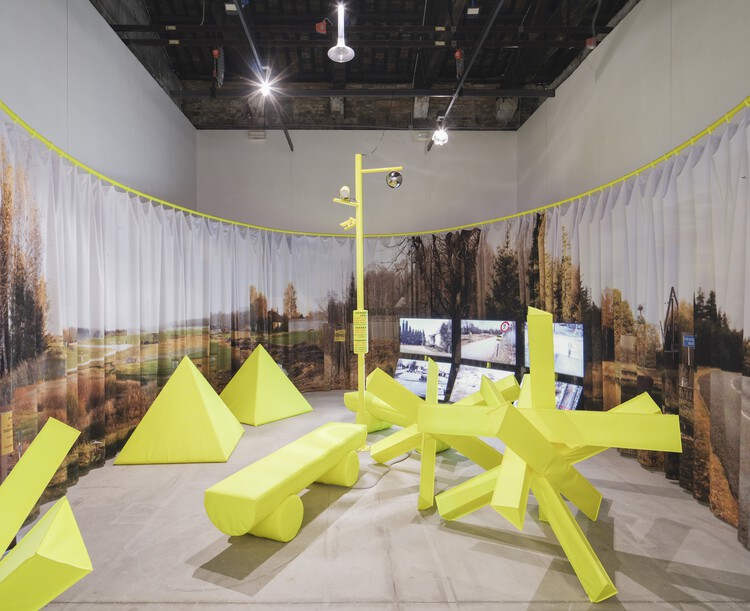
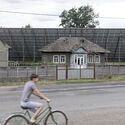
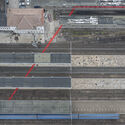
LINIA, a project signed by VICE VERSA Association, is a photographic installation exploring and documenting the stories, and the collective mindset of the territories near one of the most fragile, yet rigid lines in today’s context: the line separating NATO from non-NATO nations. The project, initiated by Dorin Ștefan Adam and Laurian Ghinițoiu, is on display at the Timișoara train station, in Romania, and it represents one of the main exhibitions of the Timișoara 2022 Architecture Biennale, which ran from 23 September to 23 October 2022. The schedule of LINIA has been extended however to remain open to the public until April 23.

LINIA, a New Photographic Installation Looks at the Communities Living near Borders and the Lines that Separate Them - Image 1 of 4LINIA, a New Photographic Installation Looks at the Communities Living near Borders and the Lines that Separate Them - Image 2 of 4LINIA, a New Photographic Installation Looks at the Communities Living near Borders and the Lines that Separate Them - Image 3 of 4LINIA, a New Photographic Installation Looks at the Communities Living near Borders and the Lines that Separate Them - Image 4 of 4LINIA, a New Photographic Installation Looks at the Communities Living near Borders and the Lines that Separate Them - More Images+ 6

Architecture as a Reflection of Migration Between Mexico and the United States

Subscriber Access | 

Architecture as a Reflection of Migration Between Mexico and the United States - Image 1 of 4Architecture as a Reflection of Migration Between Mexico and the United States - Image 2 of 4Architecture as a Reflection of Migration Between Mexico and the United States - Image 3 of 4Architecture as a Reflection of Migration Between Mexico and the United States - Image 4 of 4Architecture as a Reflection of Migration Between Mexico and the United States - More Images+ 14

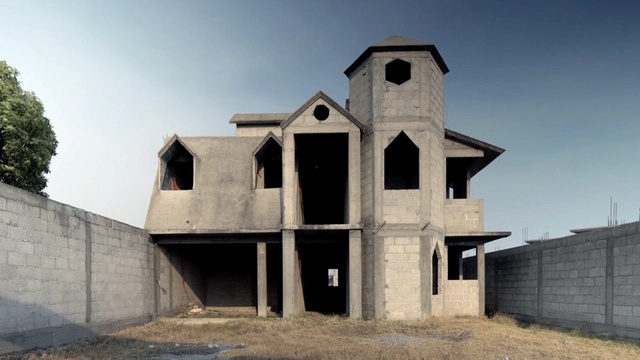
“Abandonment Copies” is a research project created between 2016 and 2018 by artist Sandra Calvo consisting of a film, archives, drawings, interviews, and a video display which was exhibited in the Mexican pavilion during the 2021 Biennial of Venice. The project highlights architecture as a reflection of the migration process between Mexico and the United States, comparing and contrasting the houses where migrants work in the US and the ones they build in Mexico with the remittances they send.