1. ArchDaily
  2. Shelter Architecture

Shelter Architecture: The Latest Architecture and News

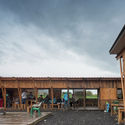
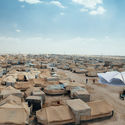
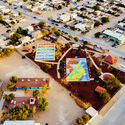
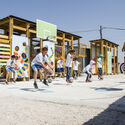
On International Migrants Day: A Look at Architectural Responses to Displacement

December 18 marks the United Nations' International Migrants Day, which aims to highlight the need for safer, fairer, and more inclusive migration systems. Proclaimed on December 4, 2000, the day seeks to recognize the multiple dimensions of migration beyond its economic and humanitarian aspects. According to the UN, mounting evidence indicates that international migration is beneficial for both countries of origin and destination. In this sense, International Migrants Day offers an opportunity to spotlight the value of the possibility to migrate and the contributions of millions of migrants worldwide to the cities and cultures in which they are integrated.

Aligned with this perspective, the UN's 2025 theme, "My Great Story: Cultures and Development," emphasizes how human mobility drives growth, enriches societies, and helps communities connect, adapt, and support one another. At the same time, International Migrants Day also acknowledges the increasingly complex environment in which migration occurs. Conflicts, climate-related disasters, and economic pressures continue to force millions of people from their homes in search of safety or opportunity. From both perspectives, it is essential to recognize the role of architecture in building integrated, multicultural communities and in responding to the conditions that lead people to migrate from their territories in the first place.
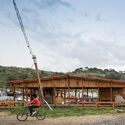
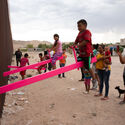
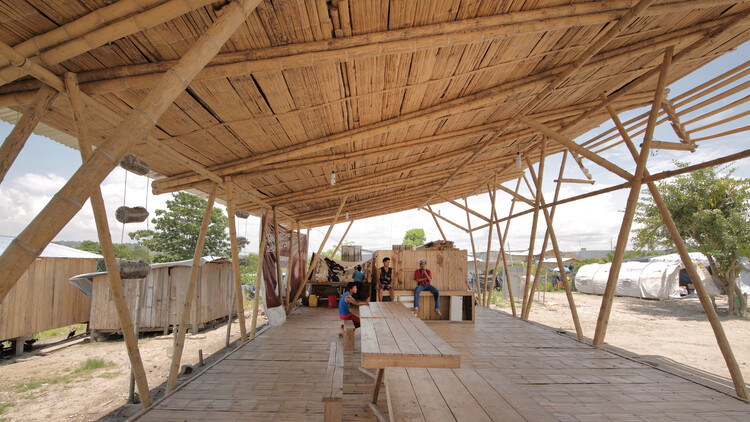
On International Migrants Day: A Look at Architectural Responses to Displacement - Imagen 1 de 4On International Migrants Day: A Look at Architectural Responses to Displacement - Imagen 2 de 4On International Migrants Day: A Look at Architectural Responses to Displacement - Imagen 3 de 4On International Migrants Day: A Look at Architectural Responses to Displacement - Imagen 4 de 4On International Migrants Day: A Look at Architectural Responses to Displacement - More Images+ 6

CRA–Carlo Ratti Associati Designs Self-Sufficient Bivouac Pavilion for the 2026 Milano Cortina Winter Olympics

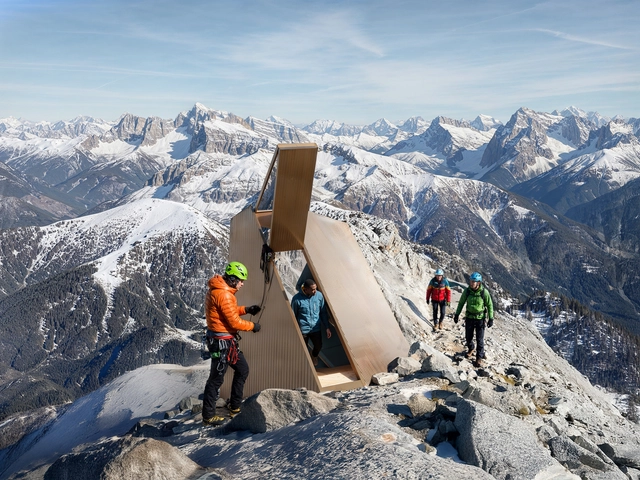
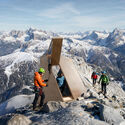
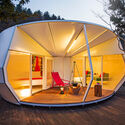
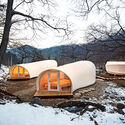
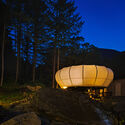
CRA–Carlo Ratti Associati, in collaboration with Salone del Mobile.Milano, recently unveiled the design of a digitally fabricated bivouac set to debut as an urban pavilion during the 2026 Winter Olympics in Milan. The digitally fabricated wooden structure is designed to be self-sufficient, incorporating systems for energy production and storage, as well as water harvesting through air condensation. After its debut at Milano Cortina 2026, the structure is planned to be airlifted by helicopter to its permanent high-altitude location in the Italian Alps, where it will serve as a refuge for mountaineers.

CRA–Carlo Ratti Associati Designs Self-Sufficient Bivouac Pavilion for the 2026 Milano Cortina Winter Olympics - Image 1 of 4CRA–Carlo Ratti Associati Designs Self-Sufficient Bivouac Pavilion for the 2026 Milano Cortina Winter Olympics - Image 2 of 4CRA–Carlo Ratti Associati Designs Self-Sufficient Bivouac Pavilion for the 2026 Milano Cortina Winter Olympics - Image 3 of 4CRA–Carlo Ratti Associati Designs Self-Sufficient Bivouac Pavilion for the 2026 Milano Cortina Winter Olympics - Featured ImageCRA–Carlo Ratti Associati Designs Self-Sufficient Bivouac Pavilion for the 2026 Milano Cortina Winter Olympics - More Images+ 1

Zaha Hadid Architects Design 27 Tents to Serve as Schools, Clinics, and Emergency Shelters for Displaced Communities

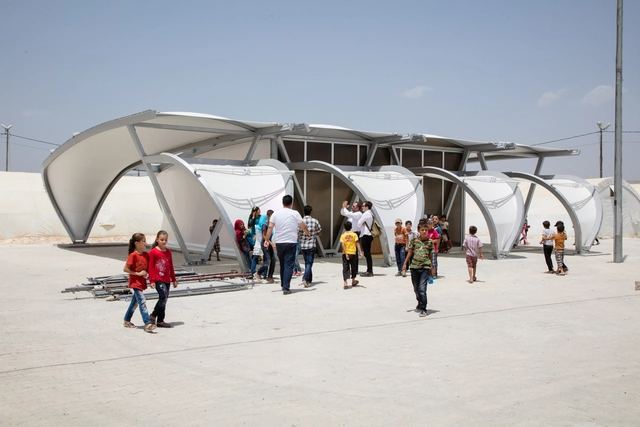
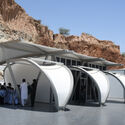
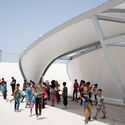
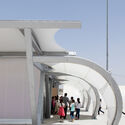
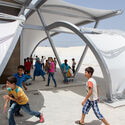
The International Organization of Migration (IOM) and the Qatar Red Crescent are set to receive 27 tents designed by Zaha Hadid Architects (ZHA) to serve and support displaced populations. The donation is made by the Education Above All (EAA) Foundation, the Supreme Committee for Delivery & Legacy, and its human and social legacy program, Generation Amazing Foundation. The news was announced during the opening of a ZHA-EAA tent inside the FIFA Fan Festival in Doha, and it represents part of the country’s effort to ensure that the World Cup has a positive lasting effect after the closing of the tournament.

Zaha Hadid Architects Design 27 Tents to Serve as Schools, Clinics, and Emergency Shelters for Displaced Communities - Image 1 of 4Zaha Hadid Architects Design 27 Tents to Serve as Schools, Clinics, and Emergency Shelters for Displaced Communities - Image 2 of 4Zaha Hadid Architects Design 27 Tents to Serve as Schools, Clinics, and Emergency Shelters for Displaced Communities - Image 3 of 4Zaha Hadid Architects Design 27 Tents to Serve as Schools, Clinics, and Emergency Shelters for Displaced Communities - Image 4 of 4Zaha Hadid Architects Design 27 Tents to Serve as Schools, Clinics, and Emergency Shelters for Displaced Communities - More Images+ 11

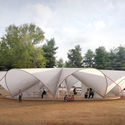
Shigeru Ban Architects and Philippe Monteil Design Refugee Shelters in Kenya with the Support of UN-Habitat

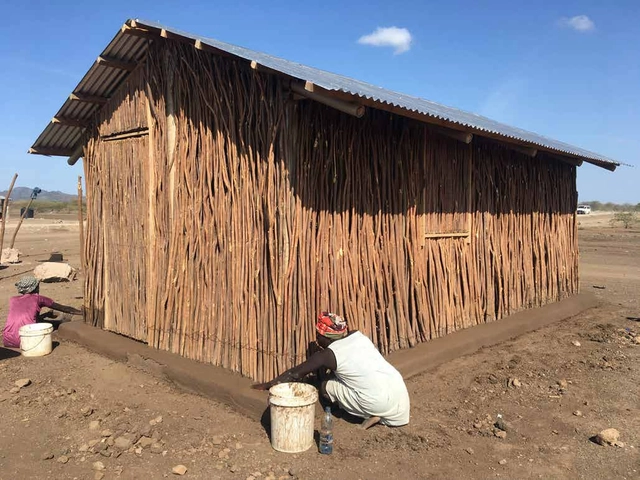
Since 2017, UN-Habitat, together with Shigeru Ban Architects, Philippe Monteil and the NGO Voluntary Architects' Network, developed several shelter typologies for a pilot neighborhood in Kalobeyei Settlement in Kenya. The Turkana Houses are meant to house South Sudanese and other refugees living in Northern Kenya who could not return to their original villages due to endless civil wars and conflicts. Unlike typical refugee shelters, these structures were meant to provide a home for long periods of displacement and the four typologies developed are informed by the extensive experience of Shigeru Ban Architects with disaster relief projects and the local building techniques of local people.
Shigeru Ban Architects and Philippe Monteil Design Refugee Shelters in Kenya with the Support of UN-Habitat - Image 1 of 4Shigeru Ban Architects and Philippe Monteil Design Refugee Shelters in Kenya with the Support of UN-Habitat - Image 2 of 4Shigeru Ban Architects and Philippe Monteil Design Refugee Shelters in Kenya with the Support of UN-Habitat - Image 3 of 4Shigeru Ban Architects and Philippe Monteil Design Refugee Shelters in Kenya with the Support of UN-Habitat - Image 4 of 4Shigeru Ban Architects and Philippe Monteil Design Refugee Shelters in Kenya with the Support of UN-Habitat - More Images+ 7