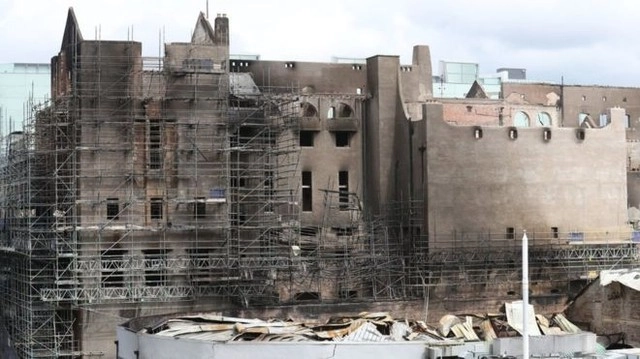
To keep you up to date on the situation, we have compiled the latest information arranged in three stages: the condition of the building before the latest fire, the current status of the building, and some views on the building’s fate.
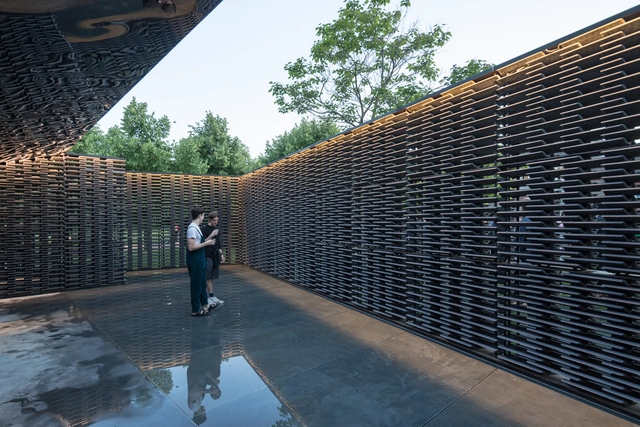
Similar to previous productions of BIG’s 2016 Pavilion, and SelgasCano’s 2015 Pavilion, Haval 360-degree virtual tour explores Escobedo’s pavilion to capture aesthetic delights such as the Mexican celosias façade, shallow water pool, and curving, mirrored roof element. When inside the courtyard, don’t forget to look up!
https://www.archdaily.com/897002/step-inside-frida-escobedos-serpentine-pavilion-with-this-360-degrees-virtual-tourNiall Patrick Walsh
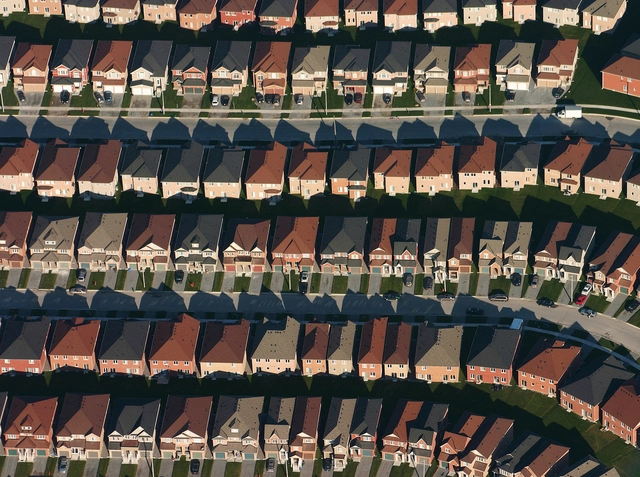
A recent survey done by Chicago-based digital marketing firm Digital Third Coast asked 2,000 current or prospective homeowners for their feedback on their realistic dream house, along with their opinions on homeownership in general. Commissioned by an Illinois fireplace company, Northshore Fireplace, the survey presented respondents with a list of multiple choice questions, as well as open response questions to come up with an in-depth analysis of the 'American Dream Home of 2018.' The survey was done via the Amazon Mechanical Turk platform and included people from all across the country and different age groups. The main qualifying criteria for respondents was that they either owned a home currently or were looking to purchase a new home within the next 5 years.
Findings from the survey include ideal exterior and interior styles, most desired luxury, most popular words used to describe a dream home, average square footage, and much more. Based on the survey data, you can even compare design and finance ideas of GenX and Millenial homeowners to that of the Baby Boomers generation.
Read on for the detailed infographic that displays the resulting criteria for the 'American Dream Home of 2018.'
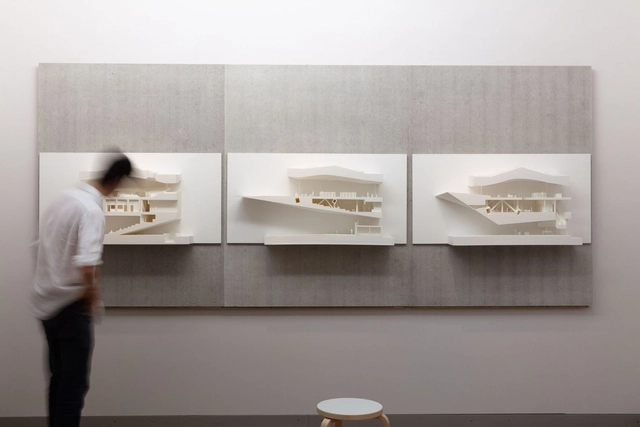
Conceived by Commissioner Hanna Harris, Director of Archinfo Finland, and Curator Dr Anni Vartola, the Finnish Pavilion presents Mind-Building at the 2018 Venice Biennale, an exhibition that explores the importance of the public library in Finnish culture. With exhibition design by Tuomas Siitonen and graphic design by Johannes Nieminen, it showcases Finnish libraries through a thematic selection of architectural designs, objects and specially commissioned sound and video work.
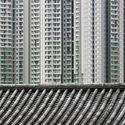
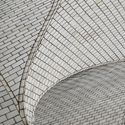
In his ongoing study, Nikola Olic - a Serbian photographer based in Dallas, Texas - focuses on “architectural photography and abstract structural quotes that reimagine their subjects in playful, dimensionless and disorienting ways.” Often isolating elements of a facade, which obscures the viewer's sense of scale and perspective, Olic provides short descriptions of each image, acting as a “demystifying tool” and reminding us of the everyday nature of his subject matter. In the third collection shared with ArchDaily, the photographs are taken in Dallas, Fort Worth, Las Vegas, New York, Los Angeles, Long Beach, and Hong Kong.
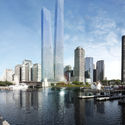
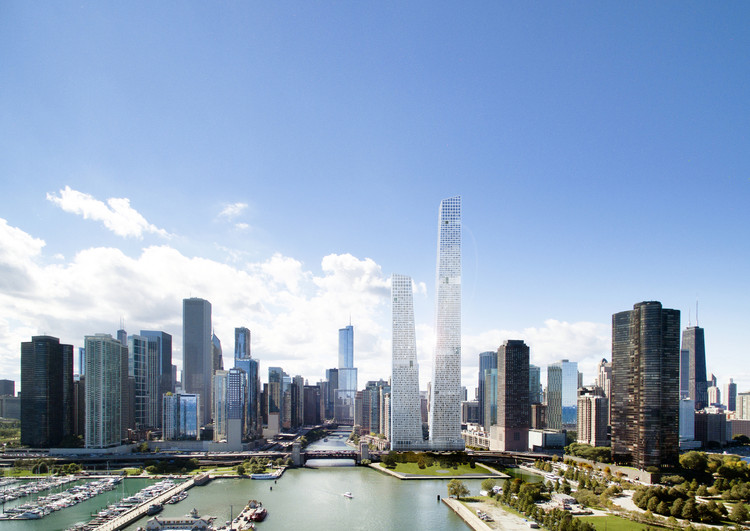
Chicago-based STLarchitects revealed their design for the former Chicago Spire site. The competition brief called for two towers: one supporting a mixture of apartments and condominiums and the other strictly for condominium use. Their design focused on "Chicago’s architectural character and essential virtues... thus iconic, innovative, and flexible.
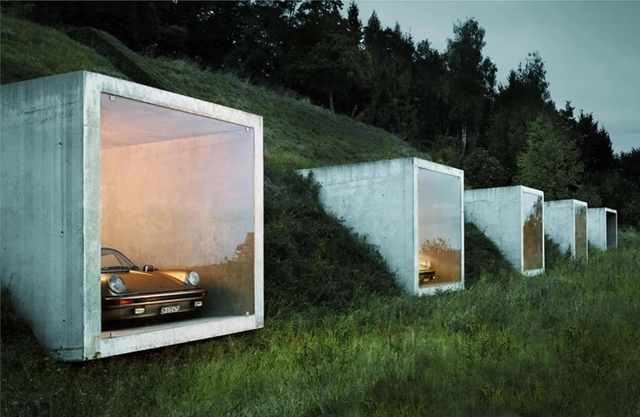
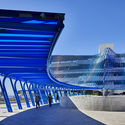
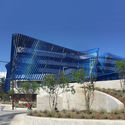
The parking garage: a loveless structure as necessary as it is unpopular. It can be easy for the architecture to reflect the unfancied nature, but sometimes, amidst all the mediocrity, beautiful design shines through.
Airport parking site Looking4.com has relaunched their award for the World’s Coolest Car Park, first published in 2013, that showcases some of the most innovative parking structures from around the world. Below is the 10 building shortlist—which one do you think deserves to take home the award?
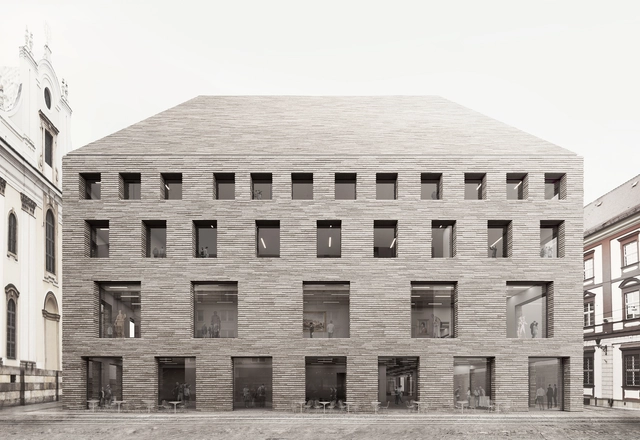
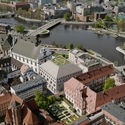
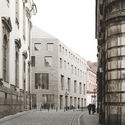
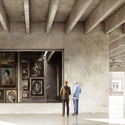
WXCA Architects’ proposed building has been chosen as the winning design of the Muzeum Książąt Lubomirskich in Wroclaw, Poland. Over 100 designs from all over the world were submitted for the project. However, the winning firm’s proposal provided a homogeneous balance of contemporary design with classical elements, a concept that led to their first-place prize.
Why do we remember buildings, locations, and experiences? Even a place visited in our childhood can conjure emotions that make an impact on us through the memories they create. Angela Brooks and Larry Scarpa explain that the work of Brooks + Scarpa Architects aspires to make a lasting impression out of even a brief encounter. “We try to leave something behind,” says Scarpa, “something ingrained in people’s memory that sticks with them.”
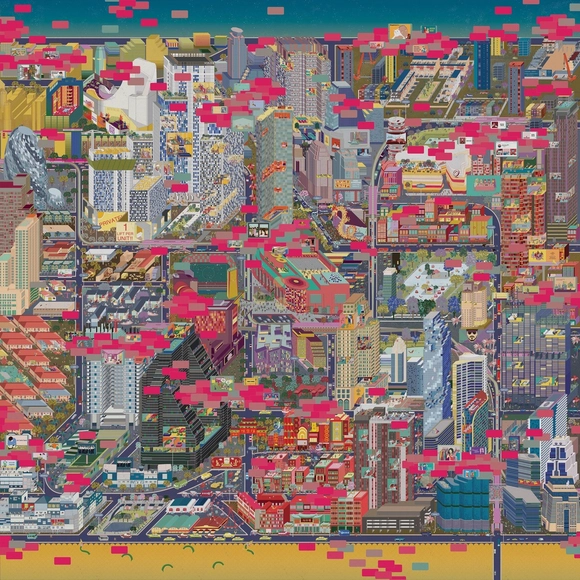
The Donghua Chen & Partners proposal named the “Science Loop” sees a series of systems, including social, skyline, circulation, devolution, and recycling loops, organized as an integrated network.
The entries were judged by a jury of figures from Library and Desplans, with one winner and 12 honorable mentions selected. The winning entries were chosen with attention given to the relevance of the theme, dialogue between text and image, graphic research, and quality of reflection.
Snøhetta has released images of its proposed sustainable data center concept, named “The Spark.” The project seeks to address the typical high-energy-consuming typology of the data center, transforming it into an “energy-producing resource for communities to generate their own power.”
The proposal is adaptable for a wide range of contexts and can be scaled for any location around the world, fueling connected cities with energy from the center’s excess heat.
https://www.archdaily.com/896905/snohetta-designs-sustainable-data-center-as-the-body-and-brain-of-future-citiesNiall Patrick Walsh
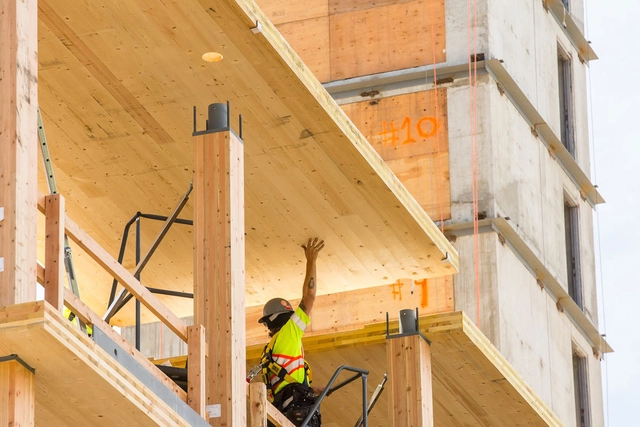
Brock Commons Tallwood House | Photo: KKLaw; Prefabricated panels aid in a project’s efficiency.
Wood as a building material is experiencing a bit of a renaissance. Though elemental and deceivingly simple, applied technology has transformed the building material. If you have questions about how to choose and use wood, Think Wood's mission is to provide access to the expanding pool of research and information.
In support of this year’s AIA theme, Blueprint for Better Cities, Think Wood is at the AIA Conference on Architecture to share research and resources on the benefits of wood and how it offers better solutions for the communities where we work, live and play. If you're at the conference be sure to stop by the Wood Pavilion at booth 757. If you can't make but are interested in learning more, read on to see the benefits of wood.
https://www.archdaily.com/896903/the-benefits-of-mass-timber-building-on-show-at-aia-conference-on-architecture-2018AD Editorial Team
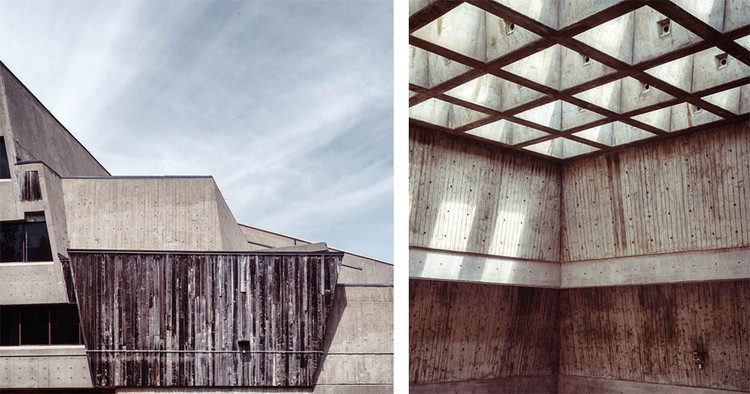
Toronto-based photographer Ruta Krau has captured stunning photographs of the Andrews Building, one of Canada’s most noted brutalist buildings, and a celebrated part of Toronto's concrete architecture. Designed by John Andrews, architect of Toronto’s iconic CN Tower, the Andrews Building embodies the Modernist ethos of connecting with the surrounding environment, balanced above a ravine and emerging as a stepped pyramid from a natural ridge.
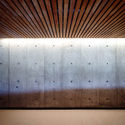
Krau’s photographs capture the rough, natural aesthetic of the Modernist building, with béton brut concrete stamped with the patterns of the timber used to mold the poured-concrete structure. Visible on both the interior and exterior, this texture compliments terra-cotta-colored floor tiles and wood-paneled feature walls.
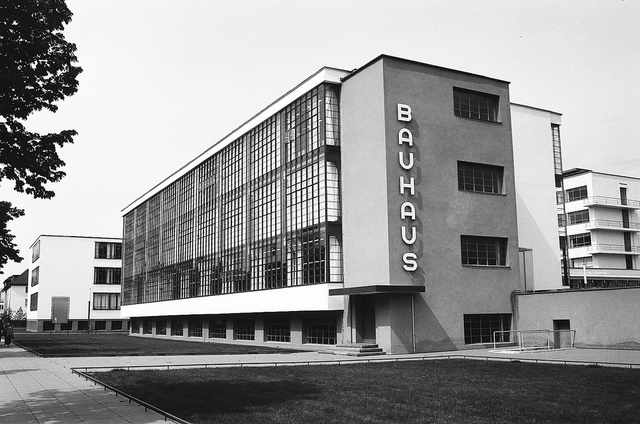
The idea of a total work of art - Gesamtkunstwerk - guided several schools and movements in the 19th century, including the Bauhaus, which brought the term into the modern era. With the school's unstructured architecture and avant-garde furniture design came new ways of designing clothing, graphics and painting, etc. In the Bauhaus different fields influenced each other, diluting the border between art and industry as they evolved together. When the school was closed 1933 many projects were left unfinished.
In order to revive some of the work begun at the Bauhaus, Adobe launched the Hidden Treasures project to revive five fonts inspired by the original designs of five of the school's masters: Joost Schmidt, Xanti Schawinsky, Reinhold Rossig, Carl Marx and Alfred Arndt.
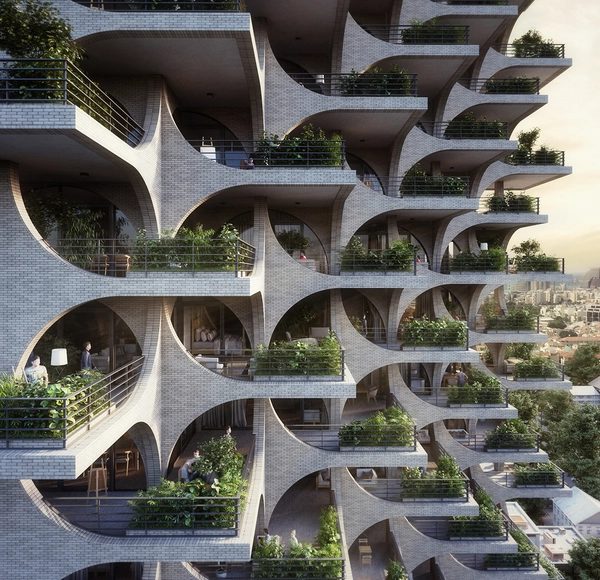
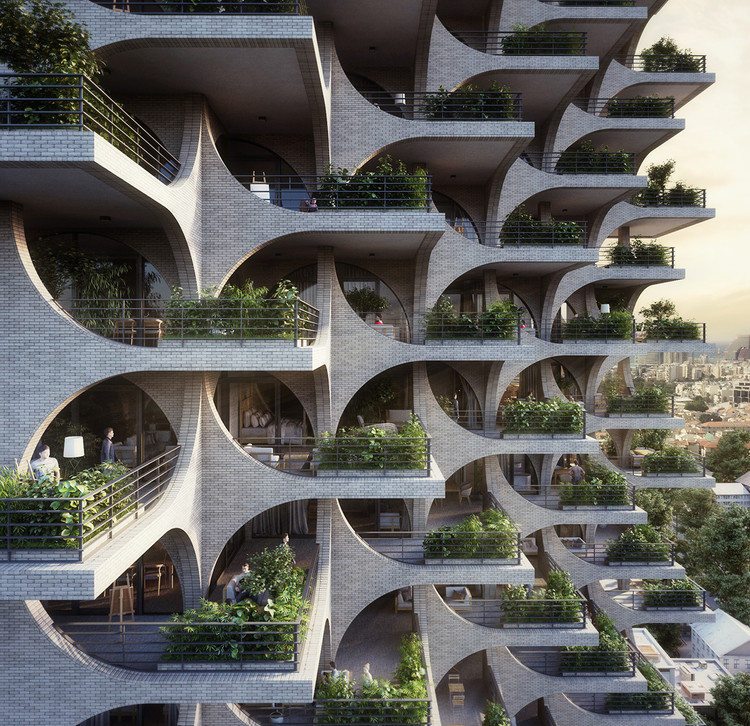
Penda has released images of its proposed high-rise residential tower in Tel Aviv, featuring brickarches and cascading terraces influenced by the city’s Bauhaus era and the materiality of its Old Town. The 380-foot-high (116-meter-high) scheme will house a range of one to four bedroom apartments, as well as double-height penthouses.
For the scheme’s design, Penda rejected the “generic glass tower” in favor of a form and materiality which responds to Tel Aviv’s sunny Mediterranean climate.
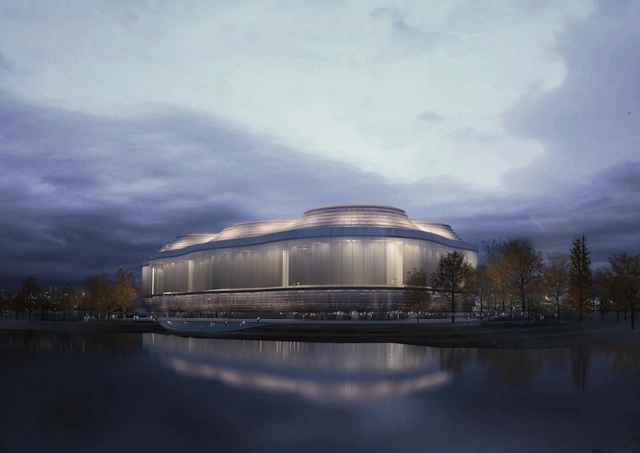
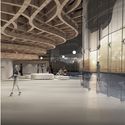
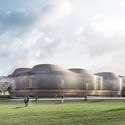
Benoy has released images of their competition-winning design for a waterfront development in Wenzhou, China. INCITY MEGA will form part of the Central Green Axis masterplan, a dramatic landscaped district cutting through the urban fabric of Wenzhou.
The 2.6 million square foot (250,000 square meter) INCITY MEGA scheme will occupy two of the eight plots on the Central Green Axis, with a mixed-use program including retail, movie theaters, plazas, and gyms. The scheme is in response to a rapidly-growing consumer population in Wenzhou and will join the ranks of previous schemes in the region by Hammer Schmidt Lassen, UNStudio, and HENN.
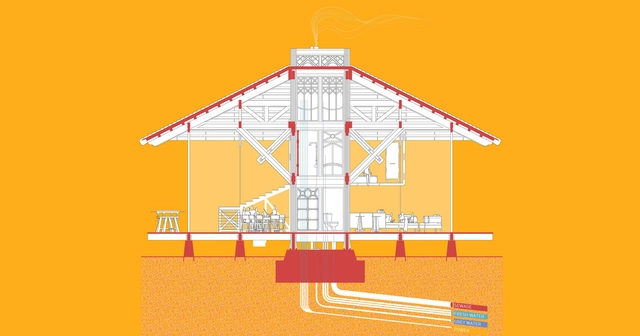
Solutions from the past can often provide practical answers for the problems of the future; as the London-based design and research firm, Space Popular demonstrate with their "Timber Hearth" concept. It is a building system that uses prefabrication to help DIY home-builders construct their own dwellings without needing to rely on professional or specialized labor. Presented as part of the ongoing 2018 Venice Biennale exhibition “Plots Prints Projections,” the concept takes inspiration from the ancient "hearth" tradition to explain how a system designed around a factory-built core can create new opportunities for the future of home construction.
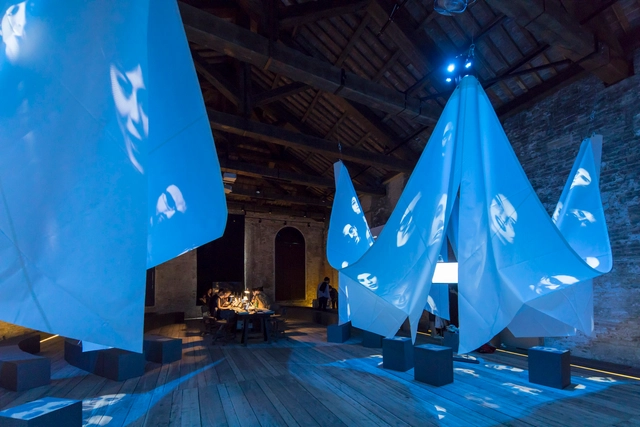
Kerem Piker of the firm Kerem Piker Mimarlık curated this year’s Pavilion of Turkey entitled Vardiya (the Shift), together with associate curators Cansu Cürgen, Yelta Köm, Nizam Onur Sönmez, Yağız Söylev and Erdem Tüzün. Coordinated by the Istanbul Foundation for Culture and Arts (İKSV) and installed at Sale d’Armi, Arsenale, the pavilion functions as a space for gathering, conversation and sharing ideas, with a series of video installations projected on draped fabric screens as well as a lecture and meeting space designed to host the 122 architecture students invited from around the world to participate in workshops, discussions and keynote lectures in the space.
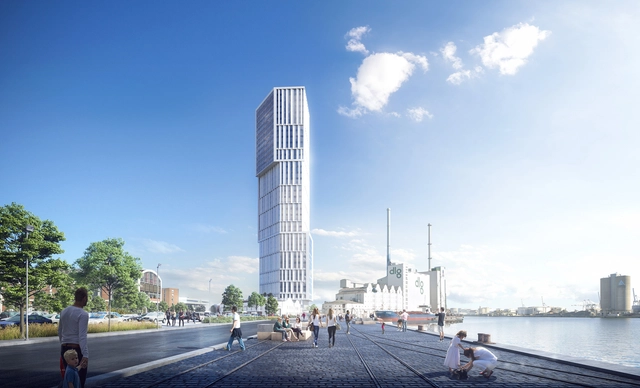
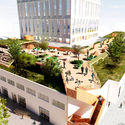
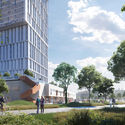
C.F. Møller Architects has released images its proposed 470-foot-high (144-meter-high) office tower at the Port of Aarhus in Denmark. Intended as a “bright sculptural landmark,” the scheme combines cultural, retail, and business functions to activate the public realm in a former industrial port area.
C.F. Møller’s plans will include the retention of an existing 60,000 square foot (5,600 square meter) industrial complex on the site, which will be opened up to establish a stronger connection between indoor and outdoor spaces. The new tower’s geometry originates from the existing building, forming a dialogue between old and new urban fabric.
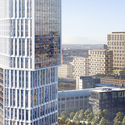
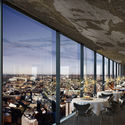
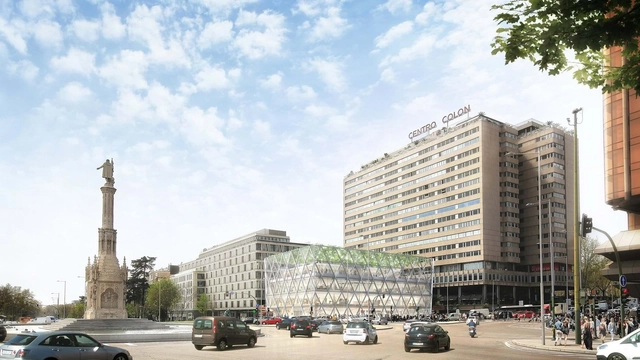
Foster + Partners has released details of their proposed comprehensive refurbishment of the Plaza Colón building in Madrid. Located at a historically significant site in Madrid, the scheme will see the transformation and revitalization of the existing structure to “create a new iconic landmark.”
Located at the junction of Madrid’s main north-south and east-west arteries, the building occupies one of the most important intersections in Madrid and forms a key part of the city’s long-term urban vision. The building also faces the bustling Plaza de Colón, one of the largest public spaces in Madrid, while linking three distinct districts containing luxury shopping, finance, art, and historic tradition.
https://www.archdaily.com/896786/foster-plus-partners-reveal-proposal-for-refurbished-axis-of-madridNiall Patrick Walsh
The “London Mastaba” has opened in Hyde Park. A temporary sculpture floating on the Serpentine Lake, the project is the first major public outdoor sculpture in the United Kingdom designed by the artist Christo. The opening comes as new photographs by Wolfgang Volz are released which chart the construction and completion of the striking art piece.
Featuring 7,506 horizontally-stacked barrels floating on the Serpentine Lake, the Mastaba coincides with an exhibition of Christo and Jeanne-Claude’s work at the Serpentine Galleries featuring sculptures, drawings, collages, and photographs spanning more than 60 years.
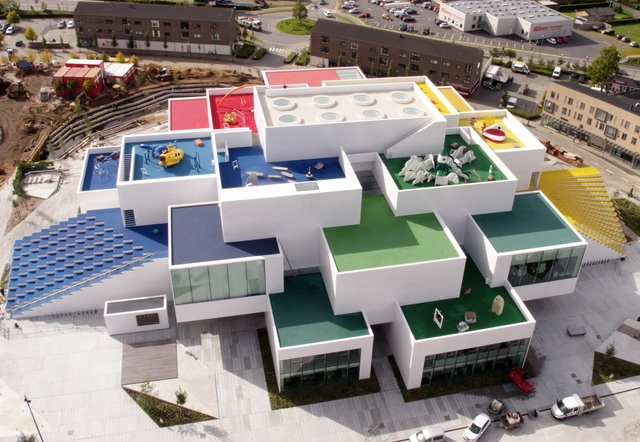
“LEGO House – Home of the Brick” offers the most thorough insight yet into the scheme’s creation, detailing major early construction issues, delays, and (spoiler alert!) the ultimate successful completion of one of the most iconic pieces of architecture created in recent years. The documentary dives into the history of the LEGO brand, the vision, and importance placed on the LEGO House by the company’s directors, and perhaps most interestingly, a series of interviews with Bjarke Ingels in which he reflects on the role of LEGO in the development of his own career.
https://www.archdaily.com/896653/bigs-lego-house-has-its-own-block-buster-netflix-documentaryNiall Patrick Walsh
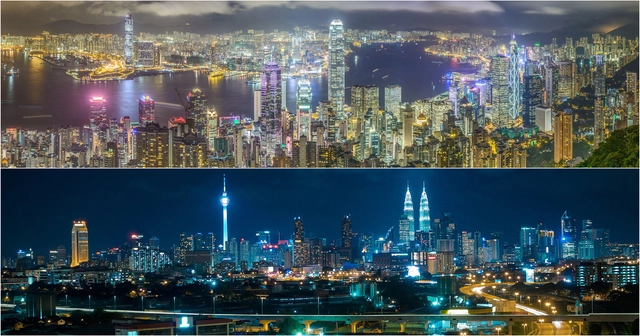
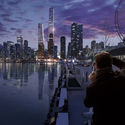
The downtown skyline of a city is perhaps its most symbolic feature. The iconic cityscapes that we know and love are typically formed by skyscrapers, but much of the surrounding context is made up of other high-rise buildings. Yes, there is a difference between a skyscraper and a high-rise. Research company Emporis defines a high-rise as a building at least 35 meters (115 feet) or 12 stories tall. These high-rise buildings play a major role in the more sprawled urban context of larger cities today.
Read on for Emporis' list of the 20 cities in the world with the most high-rises. You might be surprised by which cities made the cut.











_Jean_Yves_Raffort_(1).jpg?1529242420 "© jean yves raffort")

.jpg?1529242378 "Courtesy of looking4.com")












.jpg?1529596344 "Courtesy of Penda Austria")
.jpg?1529596300 "Courtesy of Penda Austria")
.jpg?1529596248 "Courtesy of Penda Austria")
.jpg?1529596380 "Courtesy of Penda Austria")
.jpg?1529586226&format=webp&width=640&height=580)
.jpg?1529586216 "Courtesy of Benoy")
.jpg?1529586203 "Courtesy of Benoy")
.jpg?1529586175 "Courtesy of Benoy")
.jpg?1529586250 "Courtesy of Benoy")
.jpg?1529586226)






.jpg?1529420235)


.jpg?1529424931)