1. ArchDaily
  2. OODA

OODA: The Latest Architecture and News

RIBA Stirling Prize Winner and Faith Park in Albania: This Week’s Review

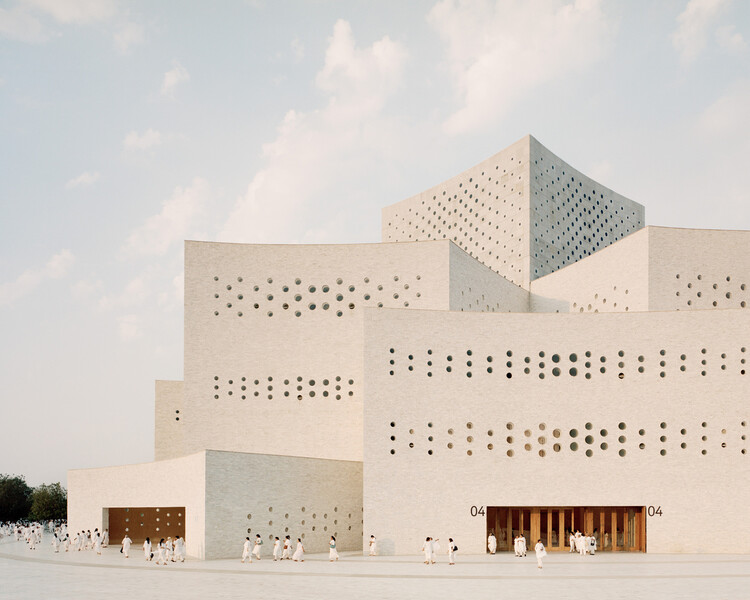
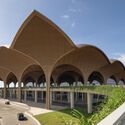
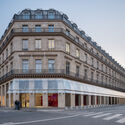
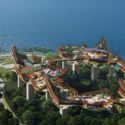
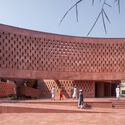
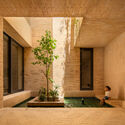
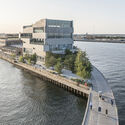
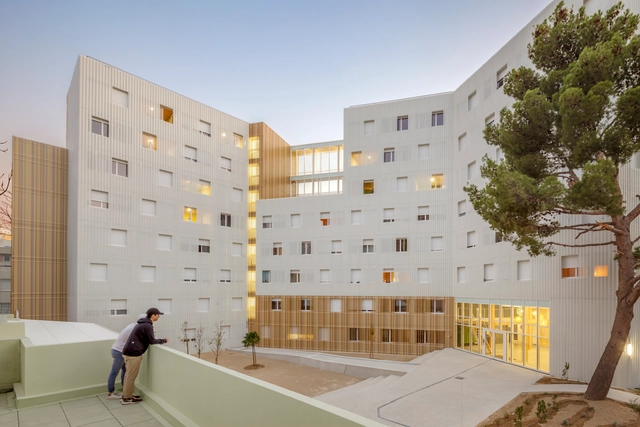
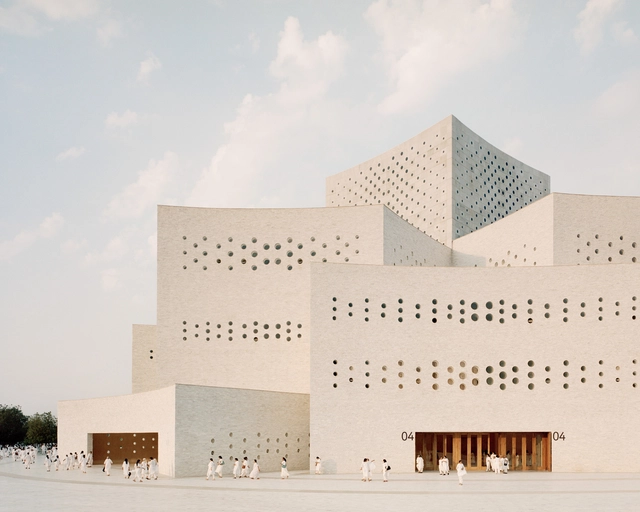
This week's architectural developments highlighted how design operates as a form of social and cultural infrastructure, linking care, community, and context across scales. From London's reinterpretation of the almshouse model to the transformation of urban gateways in Phnom Penh and Tirana, architecture reflected a shared interest in spaces that foster connection and adaptability. Parallel to these urban and infrastructural works, new cultural projects in Paris and Hanoi explored how museums and performance spaces can renew public institutions through material experimentation and spatial flexibility.
RIBA Stirling Prize Winner and Faith Park in Albania: This Week’s Review - Imagen 1 de 4RIBA Stirling Prize Winner and Faith Park in Albania: This Week’s Review - Imagen 2 de 4RIBA Stirling Prize Winner and Faith Park in Albania: This Week’s Review - Imagen 3 de 4RIBA Stirling Prize Winner and Faith Park in Albania: This Week’s Review - Imagen 4 de 4RIBA Stirling Prize Winner and Faith Park in Albania: This Week’s Review - More Images+ 3

Eduardo Souto de Moura and OODA Reveal Design for a New High-Rise Tower in Tirana, Albania

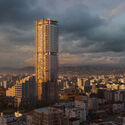
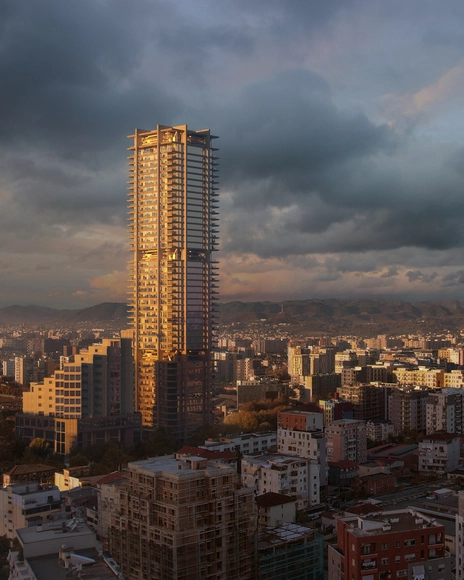
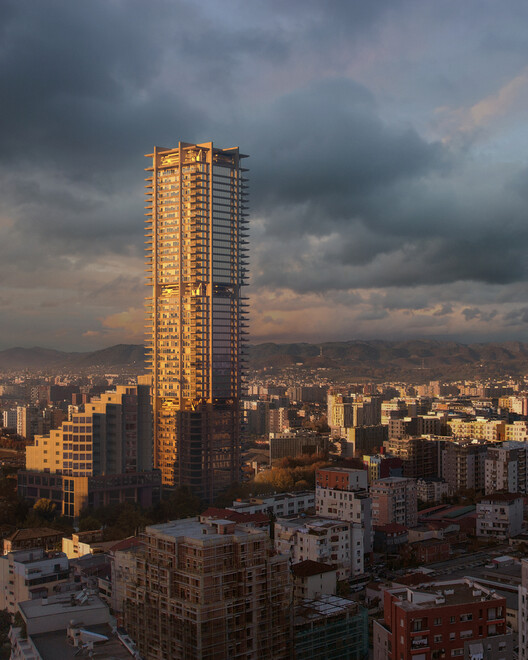
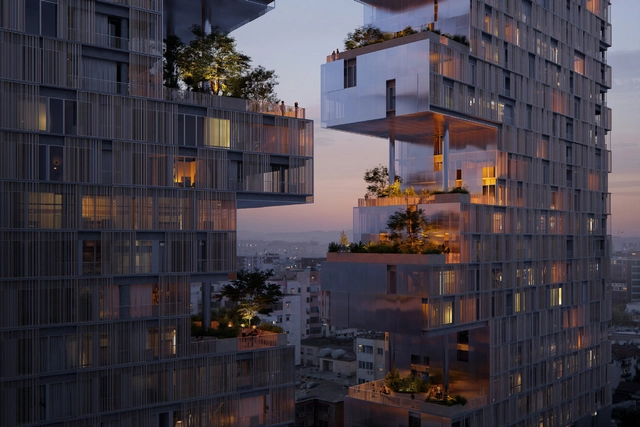
Eduardo Souto de Moura and OODA have unveiled the design of the Oricon Tower, a 180-meter mixed-use skyscraper planned for Tirana, Albania. Located near OODA's recently completed Bond Tower, the project is part of the city's ongoing transformation under the Tirana 2030 Masterplan, which envisions a denser and more connected urban core. The tower will house offices, residences, retail areas, and a hotel, contributing to the city's evolving skyline and serving as a new urban gateway between Tirana's historic center and its expanding western districts.

Eduardo Souto de Moura and OODA Reveal Design for a New High-Rise Tower in Tirana, Albania - Imagen 1 de 4Eduardo Souto de Moura and OODA Reveal Design for a New High-Rise Tower in Tirana, Albania - Imagen 2 de 4Eduardo Souto de Moura and OODA Reveal Design for a New High-Rise Tower in Tirana, Albania - Imagen 3 de 4Eduardo Souto de Moura and OODA Reveal Design for a New High-Rise Tower in Tirana, Albania - Imagen 4 de 4Eduardo Souto de Moura and OODA Reveal Design for a New High-Rise Tower in Tirana, Albania - More Images+ 14

Albania Pavilion Explores the Intersections of Architecture, History, and Identity at the 2025 Venice Biennale

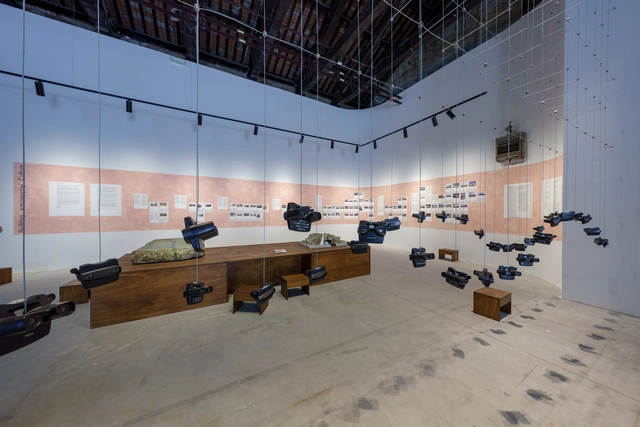
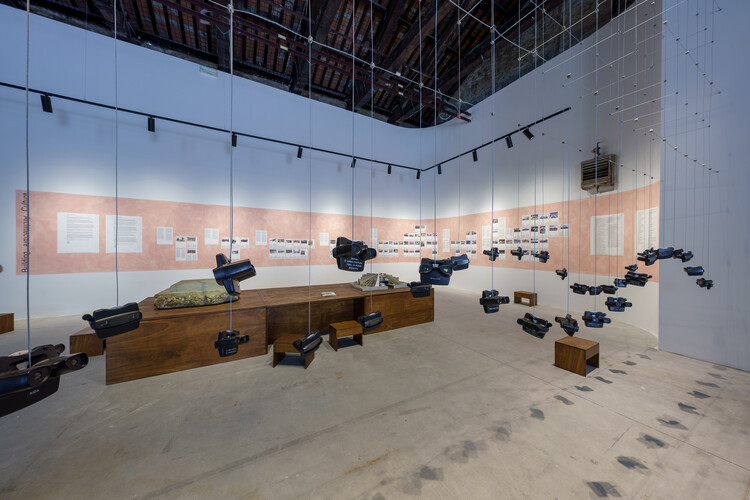
Curated by Anneke Abhelakh, the Albania Pavilion at the 2025 Venice Architecture Biennale, titled "Building Architecture Culture", explores how the country's architecture embodies its political, cultural, and social transformations. Albania's built environment reflects a layered history, from Ottoman and Italian rule to communist isolation and post-socialist transformation, each leaving visible marks on its cities and public spaces. The pavilion examines how architecture both responds to and shapes collective memory, public space, and civic engagement, framing these questions through past, present, and future perspectives.

Albania Pavilion Explores the Intersections of Architecture, History, and Identity at the 2025 Venice Biennale - Image 1 of 4Albania Pavilion Explores the Intersections of Architecture, History, and Identity at the 2025 Venice Biennale - Image 2 of 4Albania Pavilion Explores the Intersections of Architecture, History, and Identity at the 2025 Venice Biennale - Image 3 of 4Albania Pavilion Explores the Intersections of Architecture, History, and Identity at the 2025 Venice Biennale - Image 4 of 4Albania Pavilion Explores the Intersections of Architecture, History, and Identity at the 2025 Venice Biennale - More Images+ 25

From Helsinki’s Landmark Bridge to London’s Urban Regeneration: Recent Updates from Knight Architects, Foster + Partners, and More

In recent weeks, a series of notable architectural projects have been announced, reflecting a broad spectrum of design approaches aimed at enhancing urban life, infrastructure, and environmental sustainability. From cultural venues to large-scale masterplans and infrastructural advancements, these developments highlight how architecture continues to shape cities and communities. Among them, Knight Architects' Kruunusillat Bridge in Helsinki marks a milestone as Finland's tallest and longest bridge, designed to support sustainable mobility. Meanwhile, Unibail-Rodamco-Westfield's masterplan for Croydon sets out a vision for a vibrant mixed-use district, integrating historic preservation with contemporary urban renewal. At Kew Gardens, Mizzi Studio's Carbon Garden introduces a new permanent installation that explores carbon cycles through landscape design. This collection of recent announcements underscores the evolving priorities in architecture, from connectivity and urban regeneration to climate-conscious interventions.

Tirana Reimagined: Architectural Projects Transforming Albania's Capital through Public Engagement

Subscriber Access | 

Tirana, the capital of Albania, is undergoing a remarkable transformation fueled by an ambitious vision for the future outlined in the Tirana 2030 (TR030) Master Plan. This plan, devised by renowned Italian architect Stefano Boeri, aims to reshape the city into a sustainable, green, and inclusive urban hub, with a focus on increasing density while enhancing the quality of life for its residents. Central to this vision are projects such as the creation of an "orbital forest" with two million trees, the revitalization of rivers with green corridors, and the redesign of public spaces like Skanderbeg Square, which has become the largest pedestrian area in the Balkans. According to The Guardian, these initiatives aim to reverse the sprawling urban chaos that followed the fall of communism and accommodate a population that has quadrupled since 1992, while prioritizing quality of life and accessibility.

At the heart of Tirana's transformation is a renewed focus on architecture as a tool for connection, combining cultural identity with contemporary design to create spaces that invite public interaction and engagement. Recent projects announced by renowned architects and international firms including Coldefy, OODA, Oppenheim Architecture, and CHYBIK + KRISTOF showcase a common thread of reimagining the rejuvinated city for the public. These designs emphasize social sustainability, cultural references, and accessible public spaces, redefining how residents and visitors experience Tirana's urban fabric. From mixed-use vertical villages and pedestrian-friendly streets to eco-conscious campuses and civic hubs, these new developments collectively highlight the city's ambition to position itself as a progressive model for urban renewal in the Balkans.

Tirana Reimagined: Architectural Projects Transforming Albania's Capital through Public Engagement - Image 1 of 4Tirana Reimagined: Architectural Projects Transforming Albania's Capital through Public Engagement - Featured ImageTirana Reimagined: Architectural Projects Transforming Albania's Capital through Public Engagement - Image 2 of 4Tirana Reimagined: Architectural Projects Transforming Albania's Capital through Public Engagement - Image 3 of 4Tirana Reimagined: Architectural Projects Transforming Albania's Capital through Public Engagement - More Images+ 2

OODA Unveils Mixed-Use Fragmented Towers in Tirana, Albania

OODA has just revealed its design for a new mixed-use urban development in central Tirana, Albania. Located in the central district of Tirana on Myslym Street, the Ndarja building, represents a new approach to mixed-use urban development, incorporating residential, hospitality, office, and commercial functions within a single structure. The building comprises two distinct sections positioned along their narrow sides, creating a central square that serves as a gathering spot, contrasting the busy surroundings.

OODA Breaks Ground on Tetris-Like Mixed-Use Development in Tirana

Portuguese architecture studio OODA has commenced construction on the Hora Vertikale Towers in Tirana, a city renowned for its urban revitalization and architectural innovation. The project aims to contribute to this dynamic landscape as a multi-functional, 55,000-square-meter "vertical village" rising 140 meters tall. The project is designed to also integrate a large-scale green public space, also designed by OODA. The project was first announced earlier this year.

OODA Breaks Ground on Tetris-Like Mixed-Use Development in Tirana - Imagem 1 de 4OODA Breaks Ground on Tetris-Like Mixed-Use Development in Tirana - Imagem 2 de 4OODA Breaks Ground on Tetris-Like Mixed-Use Development in Tirana - Imagem 3 de 4OODA Breaks Ground on Tetris-Like Mixed-Use Development in Tirana - Imagem 4 de 4OODA Breaks Ground on Tetris-Like Mixed-Use Development in Tirana - More Images+ 7

OODA and MassLab Win Competition for a “Building without Devastating” Master Plan in Portugal

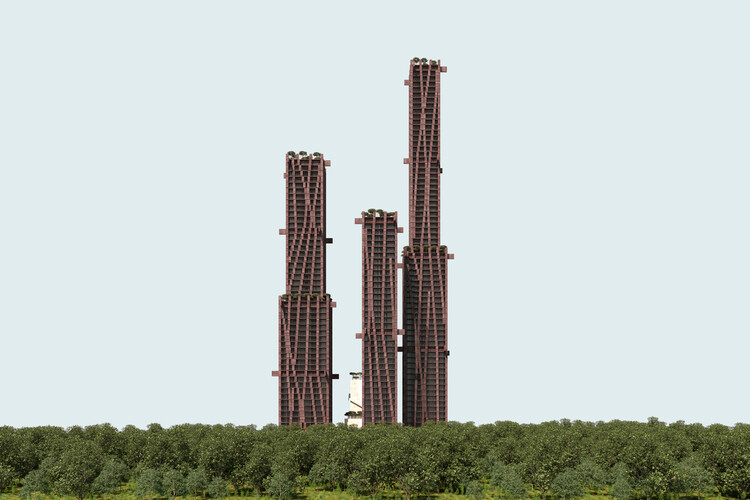
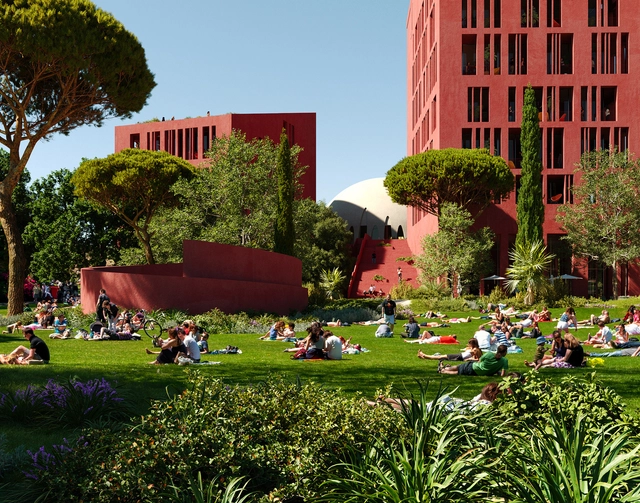
In collaboration with MassLab, OODA has been awarded first place in the Barrosinha Agricultural Company competition, aimed at creating a 2,000-hectare development seamlessly integrated into the agro-forestry heritage of Alcácer do Sal, Portugal. The master plan, covering a variety of functions for tourism, housing, commerce, and leisure, is designed in harmony with the United Nations Sustainable Development Goals, striving to transform Herdade da Barrosinha into a model of sustainable renewal.

OODA and MassLab Win Competition for a “Building without Devastating” Master Plan in Portugal - Image 1 of 4OODA and MassLab Win Competition for a “Building without Devastating” Master Plan in Portugal - Image 2 of 4OODA and MassLab Win Competition for a “Building without Devastating” Master Plan in Portugal - Image 3 of 4OODA and MassLab Win Competition for a “Building without Devastating” Master Plan in Portugal - Image 4 of 4OODA and MassLab Win Competition for a “Building without Devastating” Master Plan in Portugal - More Images+ 13

OODA Reveals Design for Mixed-Use Vertical Village in Tirana, Albania

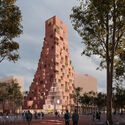
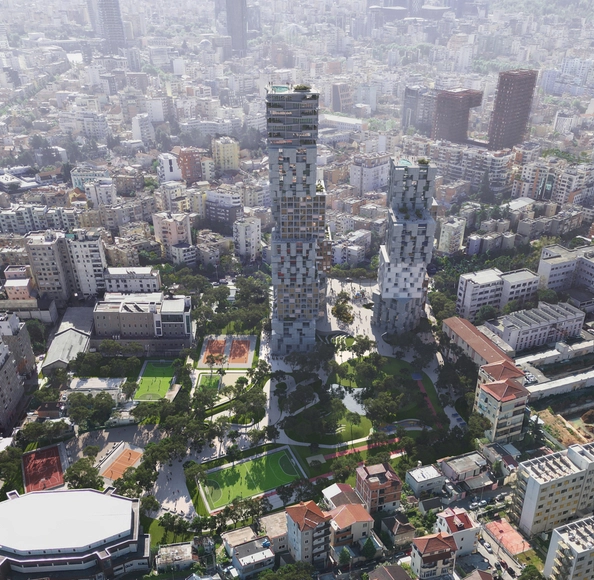
OODA has released images of Hora Vertikale, a new project planned for the Albanian capital city incorporating residential units arranged vertically surrounded by a new park and featuring a diverse range of amenities. The design stacks seven types of cubes, each measuring seven stories in height and defined by a distinct visual identity inspired by both urban and rural elements. The project, developed in collaboration with local architects Artech, has received planning permission, and construction is expected to begin in early spring.

OODA Reveals Design for Mixed-Use Vertical Village in Tirana, Albania - Image 1 of 4OODA Reveals Design for Mixed-Use Vertical Village in Tirana, Albania - Image 2 of 4OODA Reveals Design for Mixed-Use Vertical Village in Tirana, Albania - Image 3 of 4OODA Reveals Design for Mixed-Use Vertical Village in Tirana, Albania - Image 4 of 4OODA Reveals Design for Mixed-Use Vertical Village in Tirana, Albania - More Images+ 8

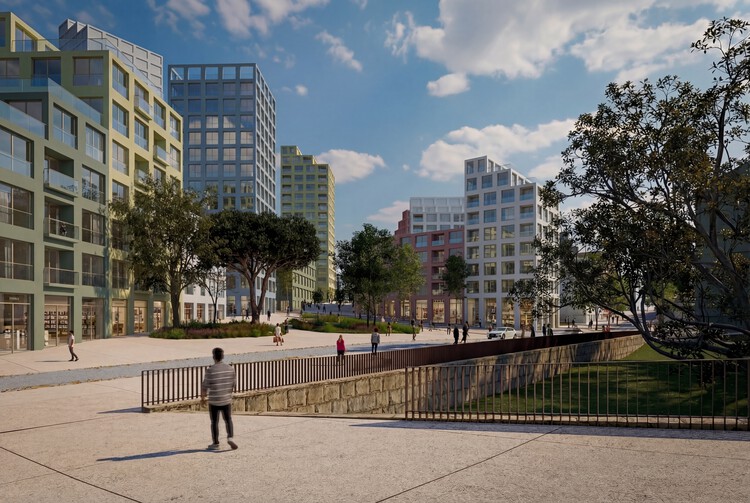
MVRDV and OODA Selected to Transform Historic Refinery into an Eco City in Portugal

An international consortium led by MVRDV and OODA, in close collaboration with LOLA, Thornton Tomasetti, A400, and LiveWork, was selected to design an eco-city within the city of Matosinhos, Portugal. The project aims to transform a large-scale urban project, turning the former Galp Energia’s refinery into a green and innovative district with housing, a university campus, and a large park, among various facilities. The transformation of Matosinhos will serve as a catalyst for a greener future. The refinery's heritage will promote a sustainable future with projects that attract investments in innovation and education, attracting a new population to the city.

MVRDV and OODA Selected to Transform Historic Refinery into an Eco City in Portugal - Image 1 of 4MVRDV and OODA Selected to Transform Historic Refinery into an Eco City in Portugal - Featured ImageMVRDV and OODA Selected to Transform Historic Refinery into an Eco City in Portugal - Image 2 of 4MVRDV and OODA Selected to Transform Historic Refinery into an Eco City in Portugal - Image 3 of 4MVRDV and OODA Selected to Transform Historic Refinery into an Eco City in Portugal - More Images

A Portuguese Botanical Space and a 19th Century Rehabilitated Water Reservoir: 8 Unbuilt Hospitality Facilities Submitted to ArchDaily

Subscriber Access | 

Offering short-term accommodation to travelers, hotels represent one of the main elements supporting the hospitality sector. They often aim to create a serene environment, isolated from the bustle of city life, yet representative of the local identity. Boutique hotels represent a rising sub-sector of hospitality design. These are small hotels typically between 10 and 100 rooms with carefully chosen interior design, providing a memorable experience to their guests. From historic renovations to contemporary ground-up hotels, hotel projects represent a great opportunity for architects to create unique environments centered around leisure and relaxation.

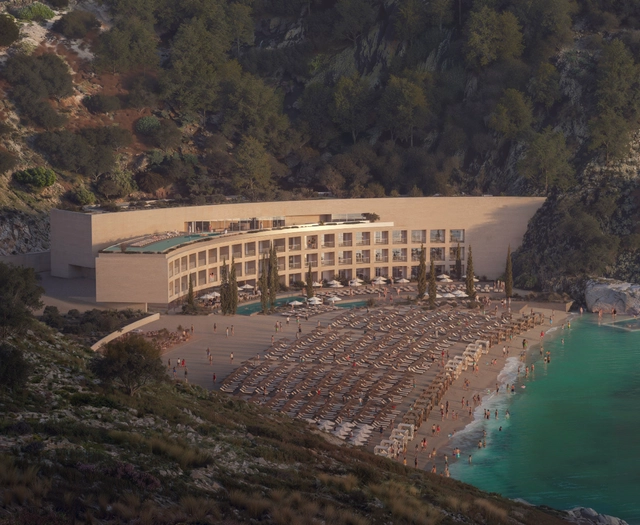
This week’s curated selection of Best Unbuilt Architecture highlights projects submitted by the ArchDaily community. Located in the forests of Portugal, on the shore of the Greek island of Crete, or in the deserts of Egypt, this round-up of unbuilt projects showcases how architects respond to local conditions in order to create designs that cater to the needs of tourists and travelers.

A Portuguese Botanical Space and a 19th Century Rehabilitated Water Reservoir: 8 Unbuilt Hospitality Facilities Submitted to ArchDaily - Image 4 of 4A Portuguese Botanical Space and a 19th Century Rehabilitated Water Reservoir: 8 Unbuilt Hospitality Facilities Submitted to ArchDaily - Image 34 of 4A Portuguese Botanical Space and a 19th Century Rehabilitated Water Reservoir: 8 Unbuilt Hospitality Facilities Submitted to ArchDaily - Image 44 of 4A Portuguese Botanical Space and a 19th Century Rehabilitated Water Reservoir: 8 Unbuilt Hospitality Facilities Submitted to ArchDaily - Image 48 of 4A Portuguese Botanical Space and a 19th Century Rehabilitated Water Reservoir: 8 Unbuilt Hospitality Facilities Submitted to ArchDaily - More Images+ 56

Ooda Reveals New HQ and Museum for Portuguese Football League ‘Liga Portugal’

Portugal-based OODA firm has revealed the design of the headquarters of the Portuguese Professional Football League in Oporto. Located in an area marked by discord and urban diversity, the building is a bold statement in this urban environment and will help to develop the adjacent neighborhoods.

Kengo Kuma and OODA Win Competition to Redevelop Porto Slaughterhouse

Kengo Kuma and Associates, in collaboration with OODA, have won a competition for the redevelopment of an old industrial slaughterhouse in Porto. The competition was launched in 2017 to transform the building, now abandoned for 20 years, into an anchor for social interaction, while maintaining the memory of the early 20th-century building.

The scheme seeks to reconnect the previously important structure with the city center, through interventions such as a bridge linking the site with a nearby metro station. Meanwhile, a vernacular roof stretching across the entire site unites old and new, under which sits a museum, library, performance space, art archive, and creative laboratory.