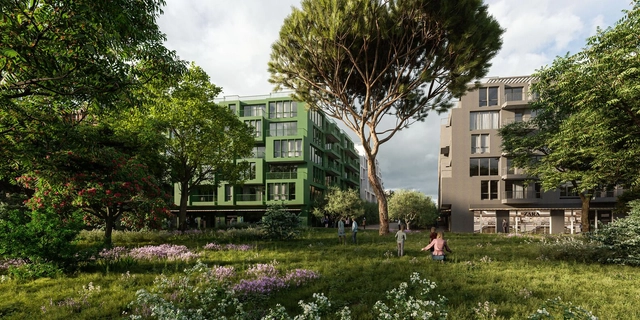
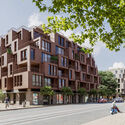
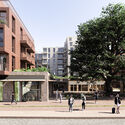
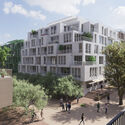
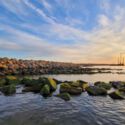
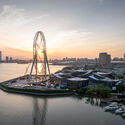
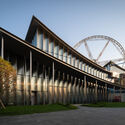
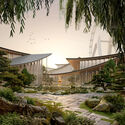
Following the devastating earthquake that hit central Turkiye and northwest Syria in February 2023, the province of Hatay, Türkiye, was left with large sections of its urban fabric destroyed and thousands of residents displaced. Türkiye Design Council has commissioned design studio SOUR to contribute to the regeneration initiative as part of a wider design-led revitalization process.
It's that time of year again: students and their families are busy preparing for the start of school, while some of us are gearing up to step in front of the classroom. While preparing to teach an intro course on climate, I'm reminded of why we use the term climate change and not global warming.
Yes, the Earth is warming from a thickening layer of greenhouse gases in the atmosphere caused by us. But climate changes range from sea level rise to increasing storms, floods, fires, and drought, which are all negatively impacting biodiversity as well. So, not just warming. Recent storms that battered the eastern U.S. coast and Bermuda remind us of this difference. While some communities face extreme heat, others brace for storms and rising waters, and many face multiple impacts.
Large-scale infrastructure projects often aim to connect distant locations within urban areas, facilitating quicker transportation, logistics, and commercial activities along their routes. However, while these projects link distant destinations, their substantial physical presence can significantly affect local communities. This may result in the disconnection and disengagement of previously connected neighborhoods, the disruption of public spaces, and generally negative outdoor experiences caused by noise, pollution, and lack of attention and maintenance to these infrastructures.
Nevertheless, several successful built environment projects have re-integrated contentious infrastructure into the community through thoughtful design of outdoor spaces, with Paris' Coulée verte René-Dumont being one of the first examples and New York's High Line being one of the most prominent examples. The High Line demonstrates how well-conceived outdoor projects can address the alienation caused by extensive infrastructure, foster community reconnection, serve as cultural and economic hubs, and even spur further economic redevelopment, as in Hudson Yards.
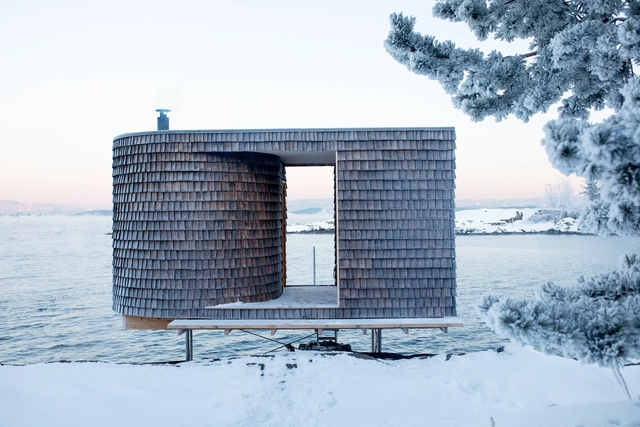
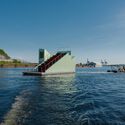
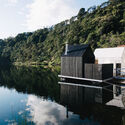
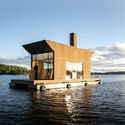
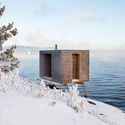
How does floating architecture relate to nature? How are wellness spaces connected to natural environments? Living in spaces around water continues to be one of the greatest interests and attractions for a large portion of the global population. Beyond the fact that designing on water requires consideration of various structural, economic, construction, material, and technological variables, understanding the region's climate aspects—such as rainfall, currents, winds, temperatures, and more—is essential for creating architectures that coexist with the natural world and do not cause severe damage to ecosystems.
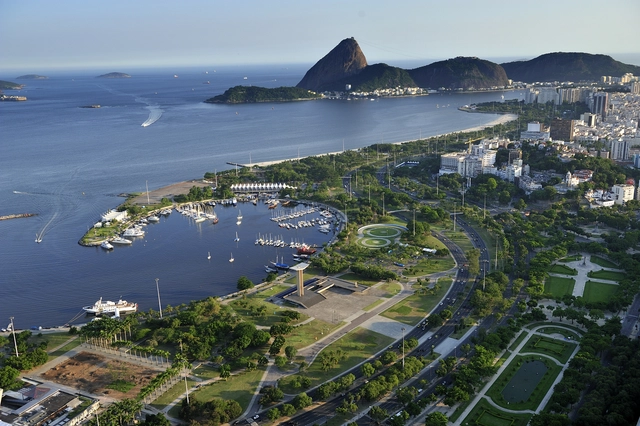
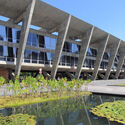
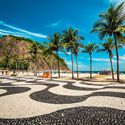
From the 1930s to the 1990s, Burle Marx's work anticipated many of today's concerns about sustainability and urban well-being. Long before terms like "sustainable design" or "green infrastructure" became commonplace, Burle Marx was already advocating for the use of native plants, recognizing their role in creating self-sustaining ecosystems that required minimal intervention. His projects often transformed neglected urban areas into vibrant, ecologically balanced spaces that not only improved the environment but also enhanced the quality of life for city dwellers.
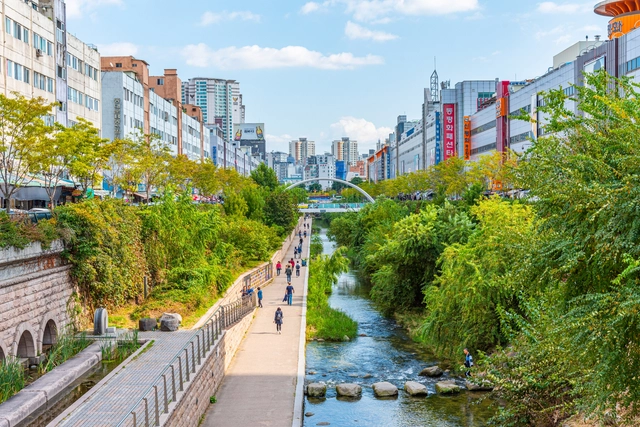
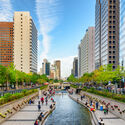
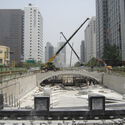
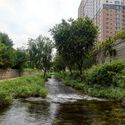
Cheongye Stream, known as Cheonggyecheon (청계천) in Korean, runs eastward through the heart of Seoul, passing through 13 neighborhoods in four districts of the capital of South Korea. Throughout its history, the stream played different roles in the city until it was covered by an elevated highway in the 1970s. For over 30 years, this natural artery remained hidden. It was not until 2003 that the city government launched a restoration project to reintegrate this urban waterway into the city fabric, revitalize the local economy, and revive the area's history and culture. The revitalization efforts were led by Mikyoung Kim Design. Since the project's completion in 2005, it quickly became one of Seoul's most visited tourist attractions. Moreover, it has become a focal point for ample urban research, with many studies offering positive assessments of the impact it had on Seoul's urban, economic, and ecological context.
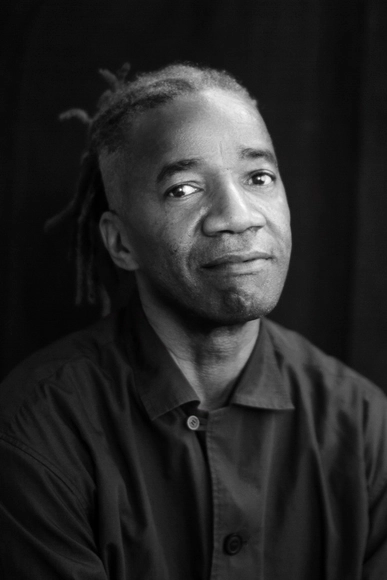
The National Building Museum in Washington, D.C. has just announced Walter Hood as the 26th recipient of the prestigious Vincent Scully Prize. Walter Hood is a celebrated landscape designer working in public spaces and urban environments. Established in 1999, this award honors outstanding contributions in architecture, historic preservation, and urban design through practice, scholarship, or criticism. Hood now joins the ranks of past notable winners like Theaster Gates, Dolores Hayden, and Mabel O. Wilson.
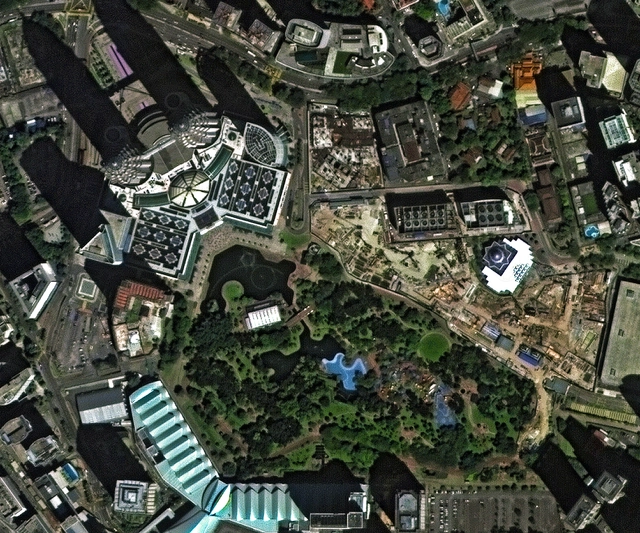
Kuala Lumpur City Centre Park. Courtesy of Deimos Imaging
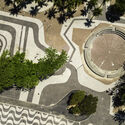
Architects often enjoy viewing projects through floor plans, and some landscape architecture works are so large that they’re hard to appreciate without this view fully. Seeing them from above lets you understand their full essence and admire the entire design. We’ve selected a series of aerial photographs of Roberto Burle Marx’s works, provided by the Spanish company Deimos Imaging, offering a rare perspective you may not have seen before.
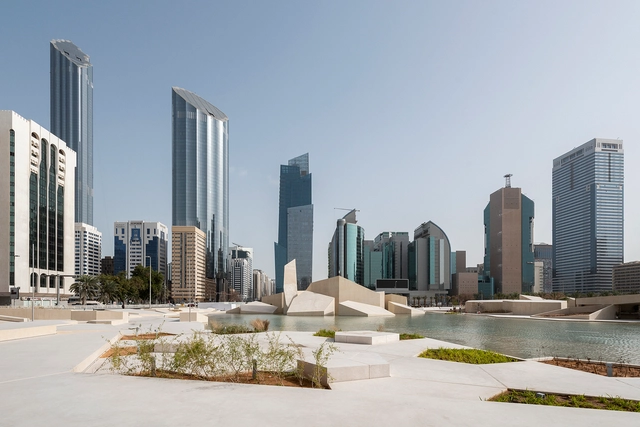
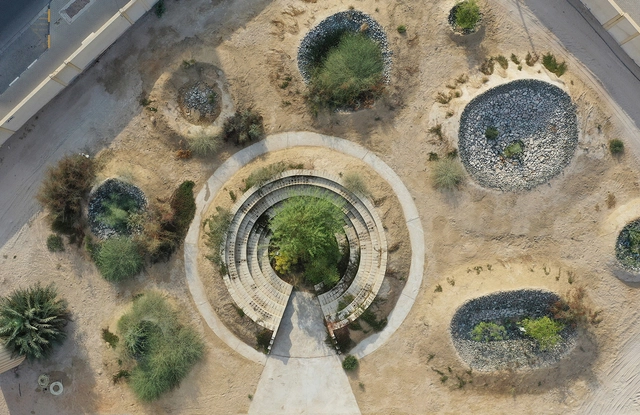
Landscape architecture has traditionally been associated with lush greenery, rooted in the historical development of gardens and parks as spaces that bring nature into urban areas. This connection to greenery is deeply ingrained in the origins of the field, where the creation of verdant retreats was seen as both aesthetically pleasing and beneficial to human well-being. However, in regions like the Middle East, where water scarcity and harsh climates are more prevalent, there is a growing trend toward using local materials such as sand, stone, minerals, and indigenous plants. This shift reflects a more sustainable approach, reimagining landscape architecture to align with the environmental and cultural contexts of the region.
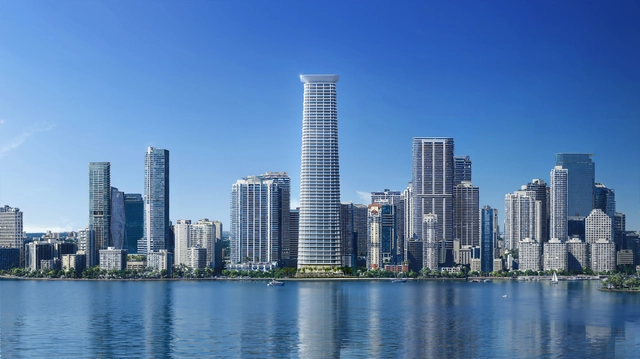
Foster + Partners has revealed the design of a new 54-story mixed-use tower to take shape in Miami. Set to become the new headquarters for the hedge fund Citadel, the tower is expected to feature 34 floors of office space and 212 hotel rooms on its upper levels, in addition to supporting retail spaces. In addition to Foster + Partners listed as the design architect, AAI Architects is the architect of record, and Field Operations is the landscape architect. The tower is expected to break ground in 2025, according to Citadel.
Anyone who walks during the summer in a city like Boston knows that a significant amount of time is spent charting routes with shade. But I can’t use that as my only excuse for being off-task. Honestly, I’m distracted. The swirling headlines of the U.S. presidential election, an unprecedented UN climate conference looming, and the phrase “decade of decisive action” weighs heavy on my shoulders. While it’s easy to get caught up in current events, those of us with solutions must stay focused.
A perhaps helpful Japanese phrase to call upon is “kotsu kotsu,” essentially meaning to slow down and focus on the task at hand, and do it well. Temperatures are soaring, people are suffering. As a recent UN COP letter stated, “time lost is lives, livelihoods, and the planet lost.” Cooling our cities and communities is more important than ever.
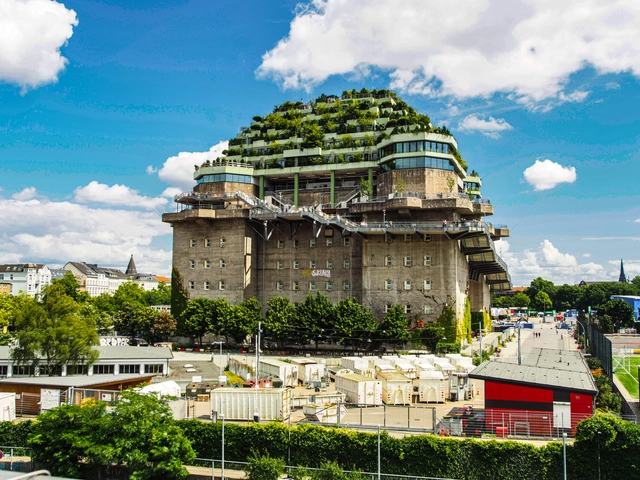
Dating from the1940s, the air raid shelter in Hamburg’s St. Pauli district has been reimagined as a „green mountain,” with expansive gardens covering the top of the wartime structure. Known as the Hochbunker, translated as ‘high bunker,’ the location has undergone a substantial restoration and refurbishment process introducing restaurants, event spaces, and a hotel, together with a rooftop urban park. The bunker has opened to the public on July 5, 2025, with the purpose of reconnecting the community with the iconic structure and its complex history.
Educational and cultural centers serve as pivotal spaces where communities engage with knowledge, creativity, and shared experiences. As architectural programs, they offer unique opportunities to explore how physical environments can foster learning, cultural expression, and social interaction. The significance of these projects lies not just in their function but in how they reflect the values and aspirations of society. When established architecture firms take on these projects, their design choices become a lens through which we can examine contemporary approaches to space, place, and community, offering a glimpse into the evolving role of architecture in shaping educational and cultural landscapes.
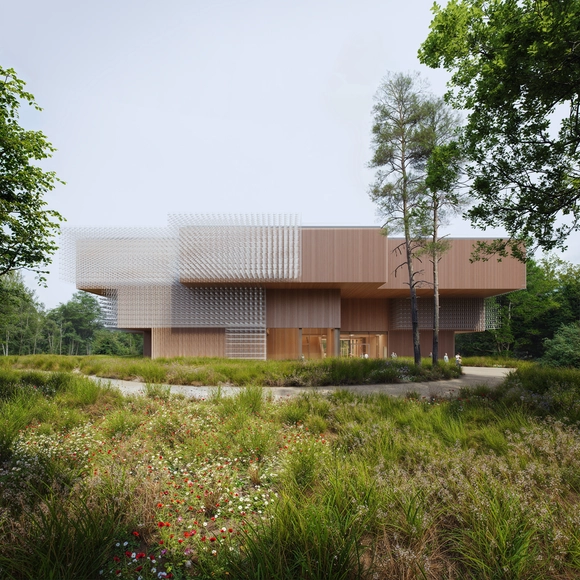
Among this week's curated list of unbuilt projects submitted by established architecture practices,fala atelier’s project for a school in Broc, Switzerland, stands out with its sensitive integration of Alpine architectural elements; WXCA’s Xylopolis Centre in Poland reflects a deep contemplation on humanity’s relationship with nature, while KPF’s life sciences building in London and Jones Studio’s WaterEducation Center in Arizona further exemplify how architecture can address contemporary societal needs, from fostering innovation ecosystems to educating the public on critical environmental issues.
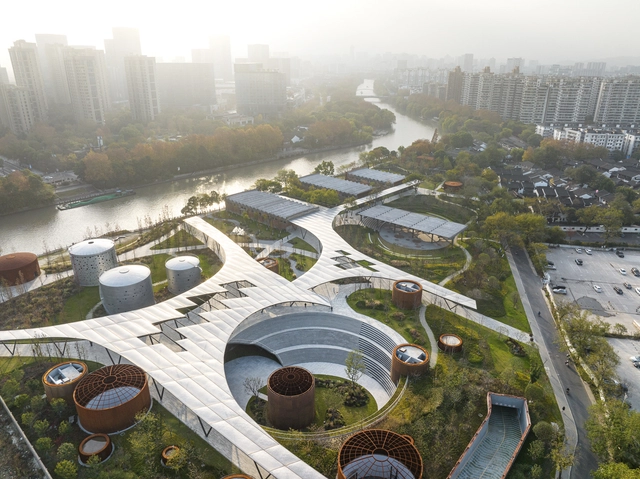
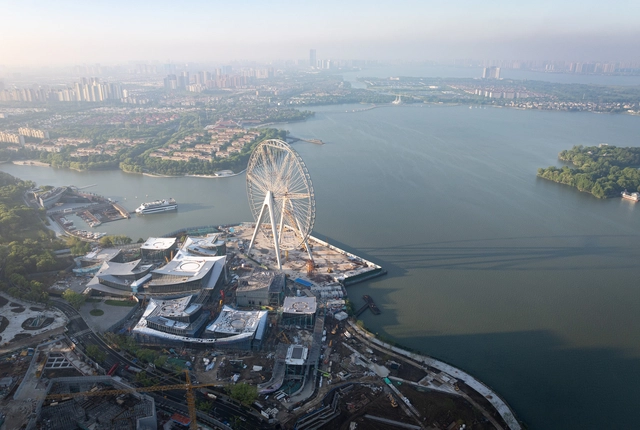
The Suzhou Museum of Contemporary Art, spanning 60,000 square meters, is envisioned as a village of 12 pavilions, presenting a contemporary take on the city's historic urbanism, architecture, and landscape. Designed by Bjarke Ingels Group - BIG, ARTS Group, and Front Inc., the project is part of Suzhou's development around Jinji Lake. It reimagines the classical garden 'lang,' or corridor, framing gardens with outdoor art installations. The pavilions' layout draws inspiration from Suzhou’s garden heritage, guiding visitors through an artistic, natural, and aquatic journey. The museum, which recently celebrated its topping out, is scheduled for completion in 2025.
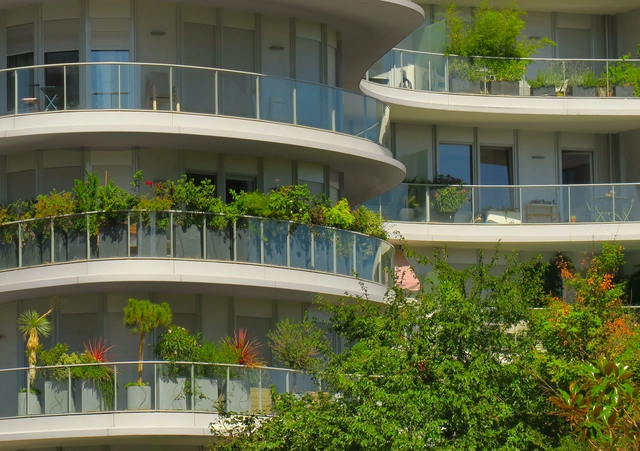
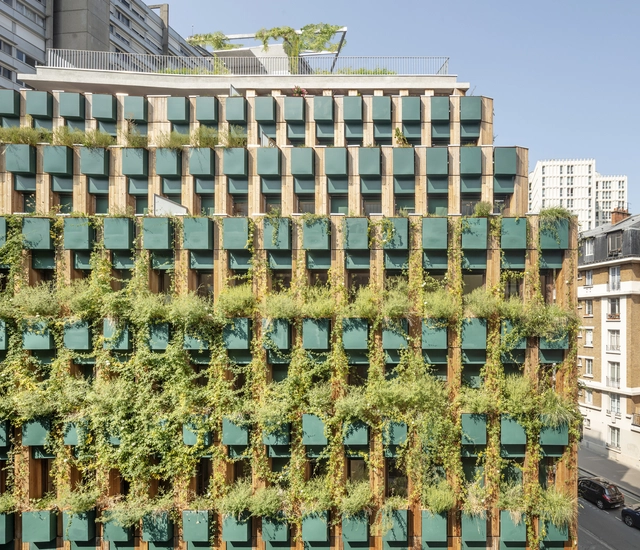
With the 2024 Olympic Games opening ceremony fast approaching, Paris has captured global attention. In addition to the venues being prepared for the Olympics, the city offers a wide range of architectural projects that showcase its efforts to improve the urban environment and promote a greener and more inclusive city. Among these, the new Clichy Batignolles Eco-District in the 17th arrondissement of Paris is a 54-hectare development that set out to transform the former SNCF rail yard into a new neighborhood. The initiative features contributions from internationally recognized architects including MAD Architects, Architect Périphériques, and RPBW, among others. Read on to discover the urban development through the lens of architecture photographer Paul Clemence.
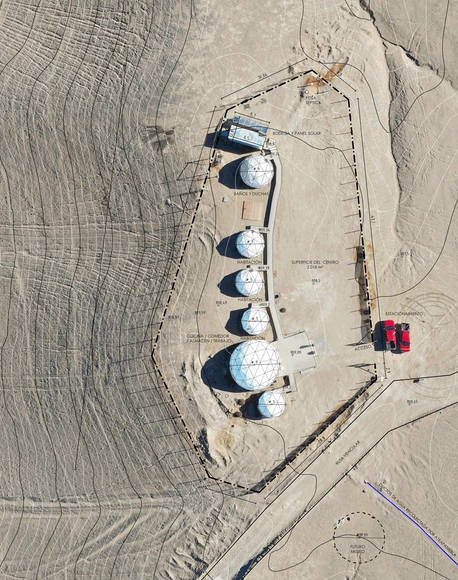
Tomás Bravo has been selected to be part of the ArchDaily's 2024 Best New Practices, highlighting his work about the dialogue between architecture and territory, and the use of advanced technologies to analyze nature and heritage through a process that involves a project in itself. Originating from Chile's diverse and complex geography, he proposes using classical architectural representation in combination with technological tools and measurement methodologies to bring the territory and heritage closer to architecture professionals and their clients.
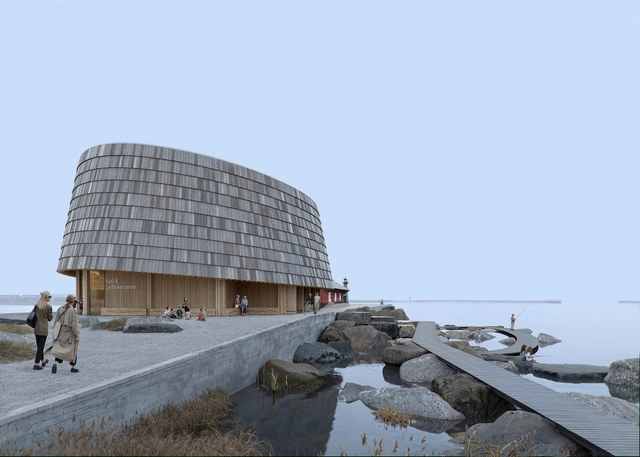
3XN GXN and landscape architect DETBLÅ have won the commissions for the design of a new Centre for Coastal Nature and Sport Fishing in Assens, Denmark. The proposal features a subtle oval structure to showcase local stories of the natural environment. The building aims to enhance public awareness and appreciation of the marine environment, reflecting a growing understanding of the need for better marine stewardship. It will also act as a hub for knowledge exchange about the impact of humans and climate change on the sea.
The concept of permaculture refers to a design system capable of creating sustainable human environments based on an ethic and a series of ecological, environmental, and resilience design principles. In contact with plants, animals, buildings, and infrastructures such as water, energy, and/or communications, permaculture analyzes the possible relationships between these elements based on their position in the landscape. Its 12 design principles can be applied in multiple architecture projects of varying scales and programs, contributing, for example, to the dissemination of new ways to reduce energy consumption in homes, save water through rainwater harvesting or the recycling of greywater for sanitary systems, gardens, and more, and participate in food production, among other matters.