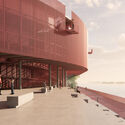
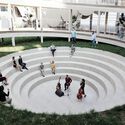
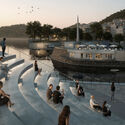
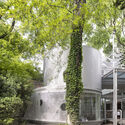
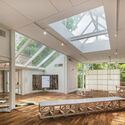
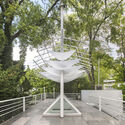
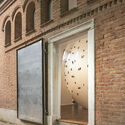
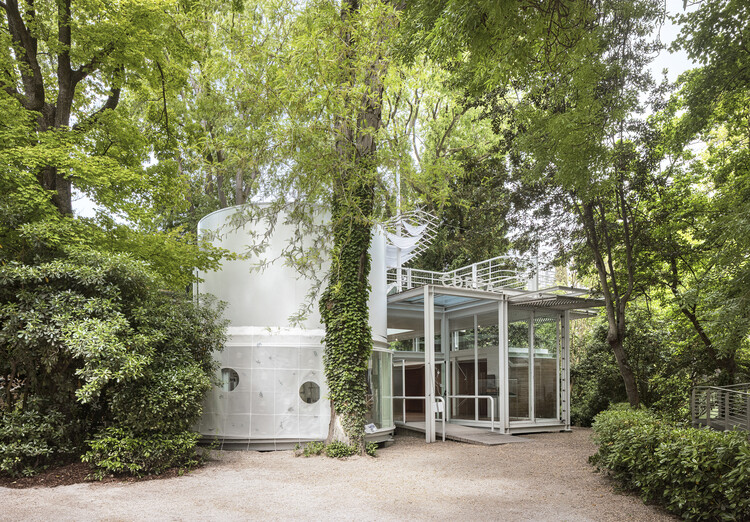
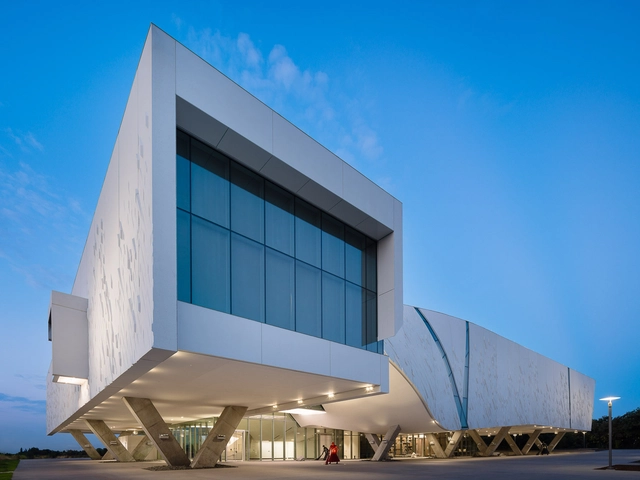
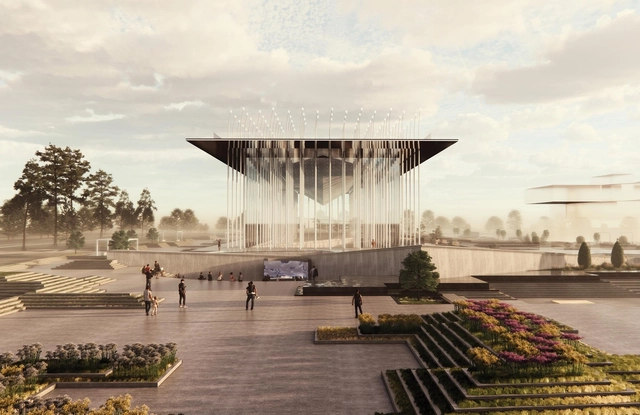
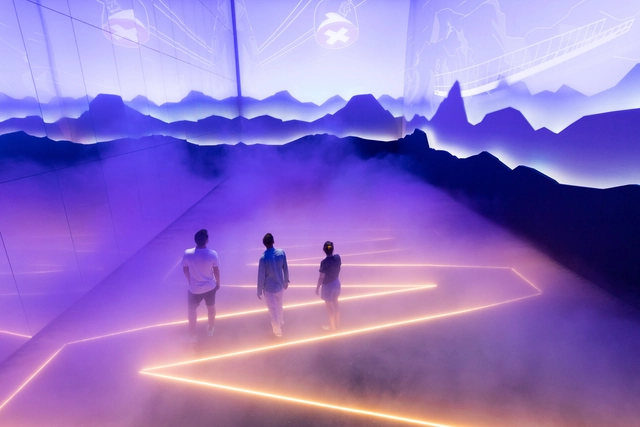
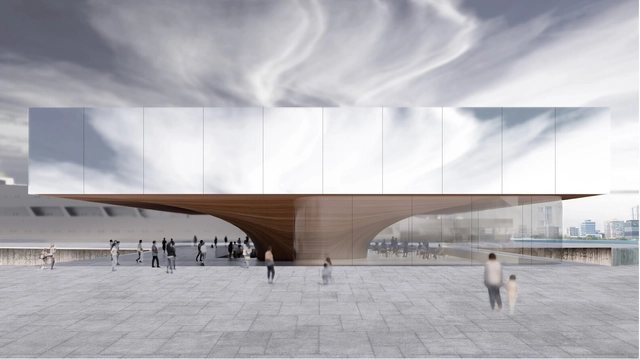
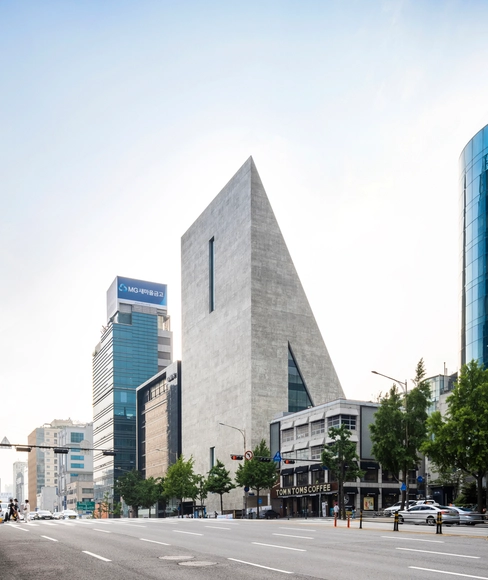
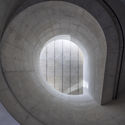
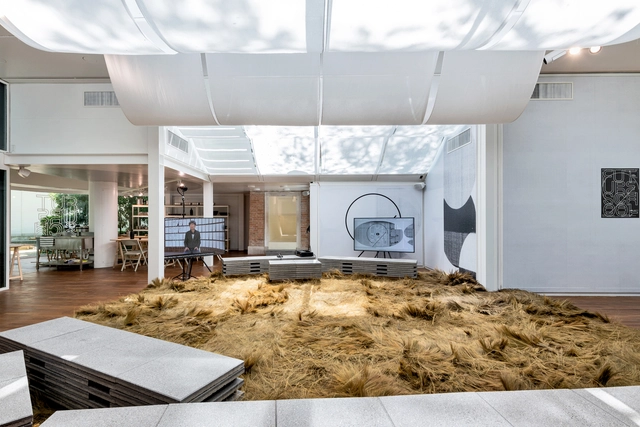
The KoreanPavilion at the 19th International Architecture Exhibition - La Biennale di Venezia marks its 30th anniversary with "Little Toad, Little Toad: Unbuilding Pavilion," an exhibition commissioned by Arts Council Korea (ARKO) and curated by Curating Architecture Collective (CAC), composed of Chung Dahyoung, Kim Heejung, and Jung Sungkyu. Bringing together architects and artists Kim Hyunjong, Heechan Park, Young Yena, and Lee Dammy, the exhibition critically revisits the pavilion as both a physical structure and a symbolic space, tracing its trajectory since its completion in 1995 while speculating on its possible futures.
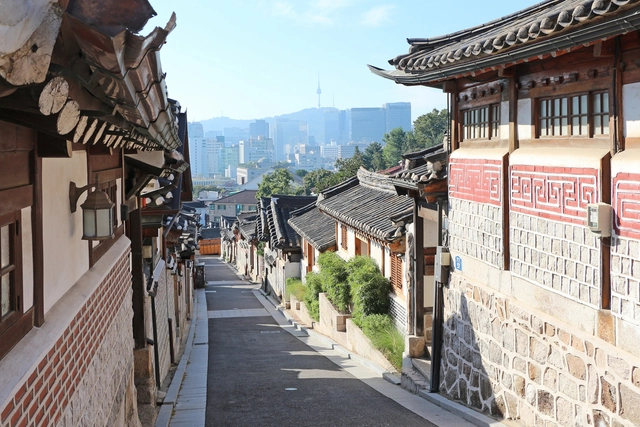
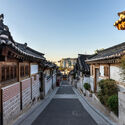
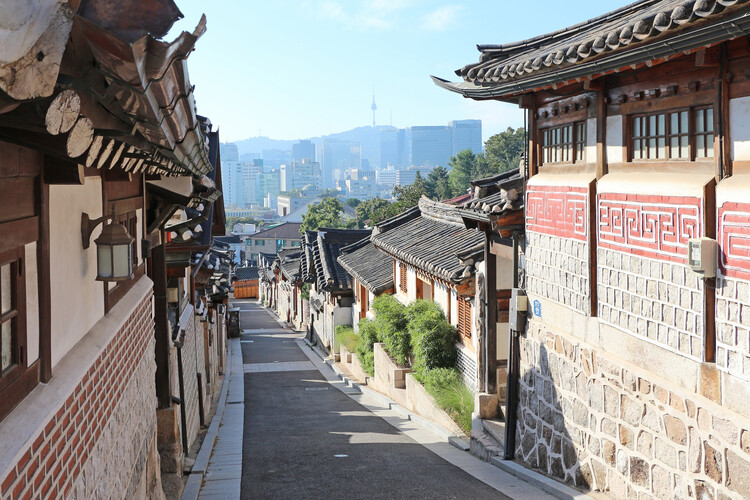
Vernacular architecture often utilizes locally sourced materials and construction practices honed over centuries. This approach raises questions about its potential relevance for contemporary design challenges. The prevalence of high-rise developments globally, often relying on sealed envelopes and mechanical climate control, contrasts with historical architectural practices. Traditionally, regional architectures emerged from local communities, fostering distinct cultural identities and integrating passive systems for ventilation, cooling, and heating, often utilizing natural elements. The Hanok, traditional Korean houses, serve as a case study. Beyond their current role in tourism, they are also an example of how vernacular knowledge can provide passive climate-response strategies that align with the current principles of creating environmentally friendly buildings.
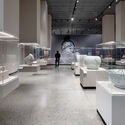
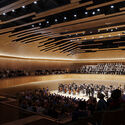
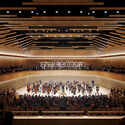
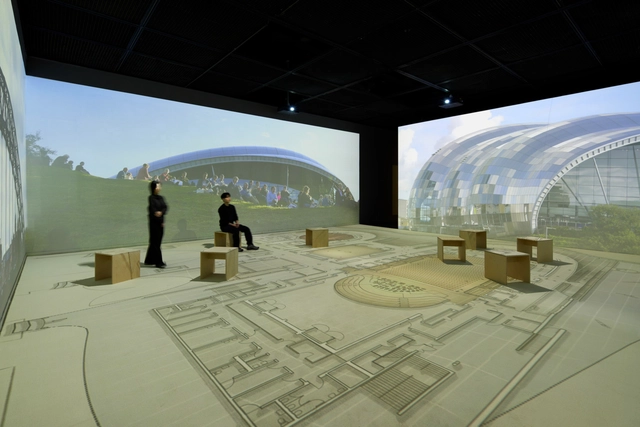
Foster + Partners has debuted their first-ever exhibition in Korea at the Seoul Museum of Art. Marking a significant moment for the studio and its relationship to South Korea, the exhibition “Future Positive” showcases the work of Norman Foster and Foster + Partners to Korean audiences for the first time. On display from April 25th until July 21st, 2024, visitors will have the opportunity to explore the comprehensive showcase of Foster’s architectural journey from 1967 to the present day.
The built environment of Far East Asia is challenging the paradigm through urban developments that are centered around principles of sustainability, community, and user-centric design. Following concerns of high-density neighborhoods and compromised landscapes, architects of that region became aware that building for the future means changing their outlook on financially-driven projects with unsustainable strategies, and replacing them with structures that put the user and the environment at the forefront.
From an all-around panoramic hotel on The Philippines's waterfront to an emotion-provoking memorial inspired by the rain in South Korea, this round up of unbuilt projects showcases how architects merged the Far East's culture, history, and unique geography with contemporary designs, creating state-of-the-art architecture. This round up also includes projects from China, Vietnam, Indonesia, and Hong Kong.
After a year delay due to the worldwide pandemic, October 1st saw the inauguration of one of the most anticipated events of the year; the Expo 2020 in Dubai. The event, which is being held for the first time in the Middle East, focuses on architecture, culture, and innovation, with over 191 national participants. The pavilions on display are divided into three districts: Mobility, Sustainability, and Opportunity, each showcasing how their country has contributed and will contribute to its respective theme. In addition to the national pavilions, each district has its own thematic pavilion: the Sustainability Pavilion “Terra” by Grimshaw, the Mobility Pavilion “Alif” by Foster + Partners, and the Opportunity Pavilion “Mission Possible” by AGi Architects.
Read on to discover 6 must-see national pavilions of each district that explored their designated theme in a unique and captivating way.
This week’s curated selection of Best Unbuilt Architecture highlights museum projects submitted by the ArchDaily community. Through examples from all around the world, the article explores how these spaces of knowledge and discovery are designed to inspire and inform.
Featuring a vertically developed art museum in Finland, a structure that merges with the landscape in China, or a maritime museum shaped by the conditions of the shoreline in Brazil, the round-up spans various kinds of museums and art spaces, as well as different attitudes towards the built or natural environment. The following projects reveal the ideas that shape museums in different contexts, illustrating diverse approaches towards what constitutes an institution of learning.
Herzog & de Meuron’s first realized project in Korea is completed and is set to open to the public in September 2021. Situated in the heart of Cheongdam Dong, one of the most commercial areas of Seoul, the ST International HQ and SongEun Art Space will offer non-commercial art spaces, a variety of new exhibition spaces, and offices for ST International both above and below ground, creating an inviting space for the public to engage with contemporary art. The first inaugural exhibition is expected to be on the 28th of September, and will be curated by the Swiss architecture firm in collaboration with SongEun Art and Cultural Foundation.
Titled "Future School", the Korean Pavilion at the 17th International Architecture Exhibition - La Biennale Di Venezia, transforms the structure into an explorative academic facility. Curated by Hae-Won Shin, the pavilion will be on display at the Giardini from May 22nd until November 21st, 2021.
Seoul is considered one of the most densely-populated and over-priced cities in the world, reaching a staggering $ 80,000 per square meter. The extreme conditions of the city have forced local architects to operate, design, and build framing the city's urban issues, traditions, and history. This approach by architects has created the theoretical basis of “The Condition of Seoul Architecture”, a publication by multidisciplinary practice TCA Think Tank which sees the point of view of 18 innovative South Korean architects.
In this interview, Pier Alessio Rizzardi, founder of the practice, talked to Cho Byoung-soo of BCHO Architects, discussing traditional Korean Architecture, the struggles of the contemporary Identity, and his sensitive approach to materiality, nature and time.
Seoul is considered one of the most densely-populated and over-priced cities in the world, reaching a staggering $ 80,000 per square meter. The extreme conditions of the city have forced local architects to operate, design, and build framing the city's urban issues, traditions, and history. This approach by architects has created the theoretical basis of "The Condition of Seoul Architecture", a publication by multidisciplinary practice TCA Think Tank exhibited in the last Seoul Biennale, which sees the point of view of 18 innovative South Korean architects.
In this interview, Pier Alessio Rizzardi, founder of the practice, interviewed Young Joon Kim of Yo2 Architects, City Architect of Seoul, professor at MIT and Seoul National University, and curator of the Seoul Biennale. The atelier focuses on the creation of new architectural solutions using an urbanistic approach to architecture based on the complexity of contemporary life in Seoul.
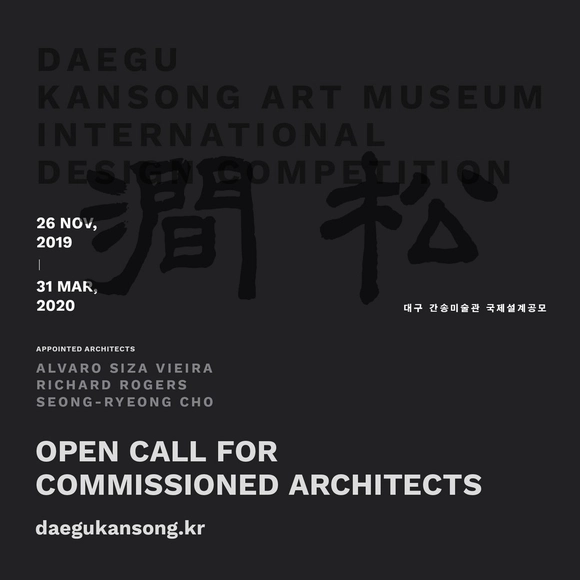
(1) Competition Title Daegu Kansong Art Museum International Design Competition
(2) Purpose As the first domestic permanent exhibition space of the Kansong Art Museum, the Daegu Kansong Art Museum is expected to serve not only as an archive of our national cultural heritage, but also as a national cultural landmark. Hence, it is the aim of this design competition to select an exceptional design for the museum.
(3) Competition Type In an open call for architects to be commissioned (commissioned architects) to participate in this project, local and overseas architects are eligible to apply. Three teams will be selected; they will join 3 other teams (1 local team; 2 overseas teams), composed
Changtteul Church, is an old place of worship in Gyeonggi-do, South Korea, that gets its name from the term "changtteul", meaning "a frame containing a window", in Korean. As its name suggests, the building's character lies in its series of windows, giving the visitors both outside and inside a unique experience of light and scenery.
Designers Hanyoung Jang and Hanjin Jang of studio minorormajor utilized the windows of Changtteul as a metaphorical motif for their design concept: the first being the 'window between man and God', and the second being ‘the window between man and nature’, immersing the abandoned religious facility with dramatic experiences.
Text provided by MasilWIDE. The Seoul Biennale of Architecture and Urbanism was held for about two months, came to an end in great success on November 10. First carried out in 2017 under the theme of 'Imminent Commons', the Seoul Biennale of Architecture and Urbanism (hereinafter Seoul Biennale) gathered 450,000 people in the first year and marked the beginning of the Seoul Biennale. This year, the much-expanded scale and interest of people were able to be seen as the attendance numbers of the first year was already exceeded in October, at the height of the Biennale.
After carefully deliberating in their annual session, UNESCO's World Heritage Committee selected 19 new sites to inscribe on the World Heritage List in the city of Manama in Bahrain. Featuring 13 cultural sites such as Buddhist mountain monasteries in Korea, the industrial city of Ivrea in Italy, and the Caliphate city of Medina Azahara in Spain, alongside three natural sites and three mixed sites (classified as both cultural and natural heritage), the list now aggregates to 1092 sites in 167 countries.
From the historical Sultan Ahmed Mosque in Istanbul to the contemporary city of Brasilia orchestrated by Oscar Niemeyer, the World Heritage List has continuously exhibited varied examples of architecture and urban planning from different eras and movements from around the world. Amongst the new additions, there are several sites of religious importance, city organization, and natural conservation.