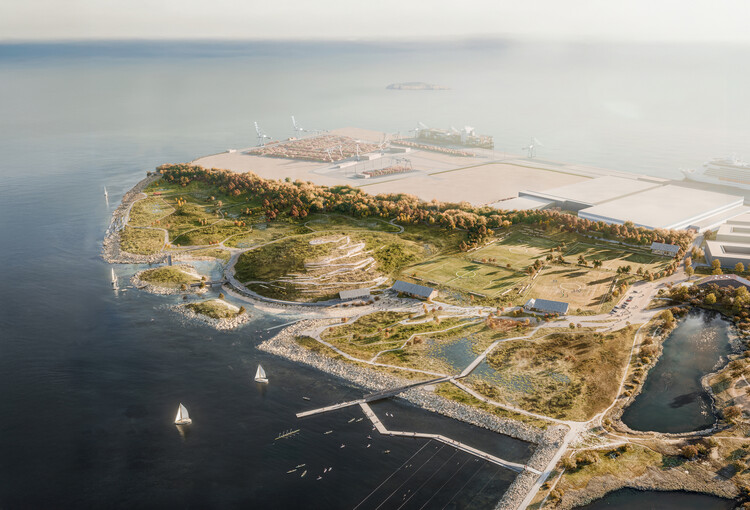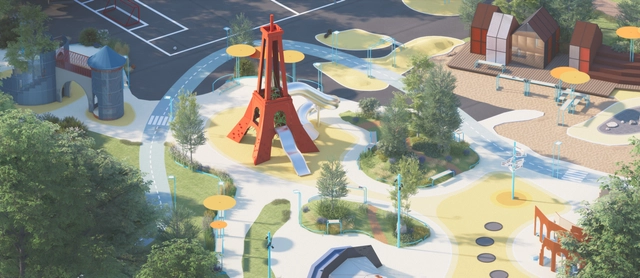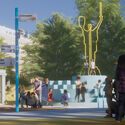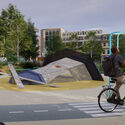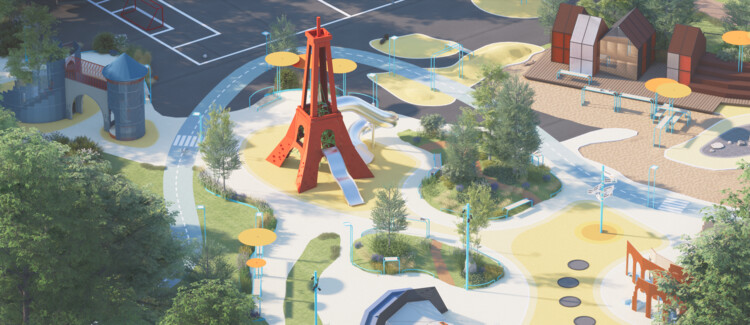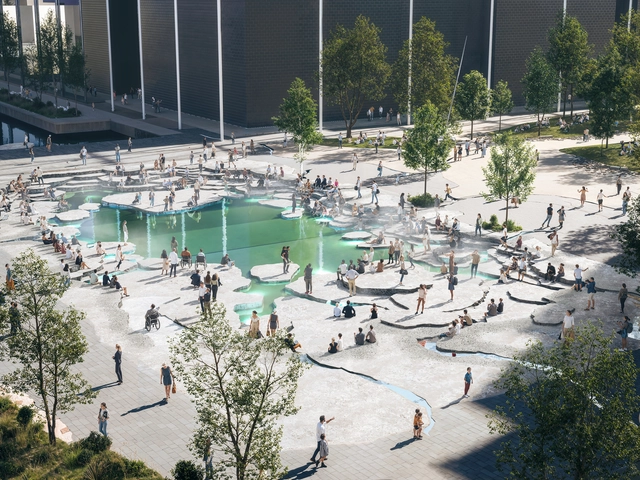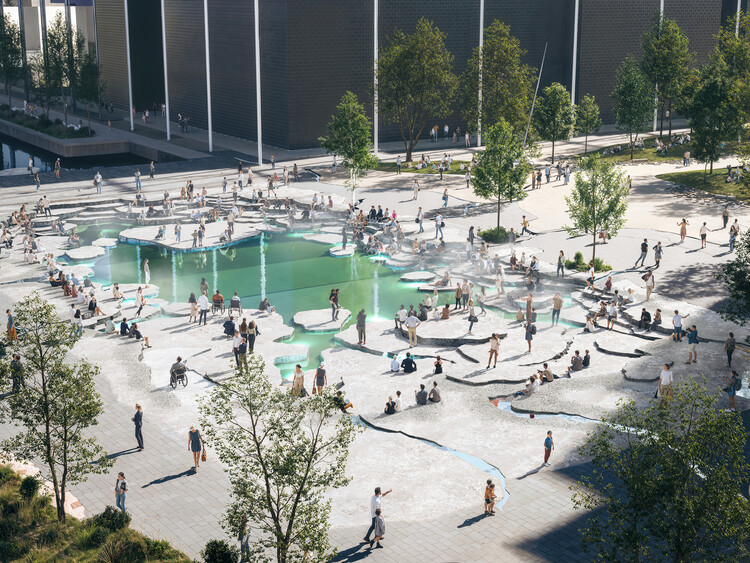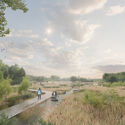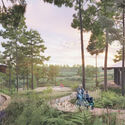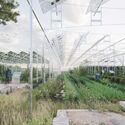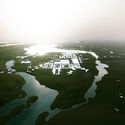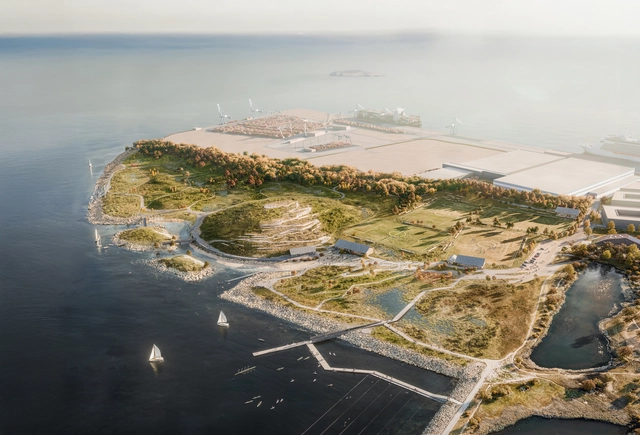
BIG, artist Doug Aitken Workshop, NIRAS, Volcano, and RWDI have won a competition to redesign three public spaces surrounding major music venues in Ørestad, Copenhagen. The initiative, titled Byens Scene ("The City's Stage"), aims to revitalize the areas around DR Koncerthuset, Bella Arena, and Royal Arena, transforming them into an interconnected landscape for everyday use and public performances.

The Economist Intelligence Unit (EIU) has released its Global Liveability Index for 2025, assessing 173 cities worldwide across five categories: stability, healthcare, culture and environment, education, and infrastructure. This year, Copenhagen has taken the top position, ending Vienna's three-year run as the world's most liveable city. The Danish capital earned high scores in stability, education, and infrastructure, narrowly surpassing Vienna, which saw a decline in its stability rating following recent security incidents. The average global liveability score for 2025 remains steady at 76.1 out of 100, unchanged from 2024. While year-on-year improvements were recorded in healthcare, education, and infrastructure, these were offset by a continued decline in stability, driven by rising geopolitical tensions, civil unrest, and increased security threats in several regions.
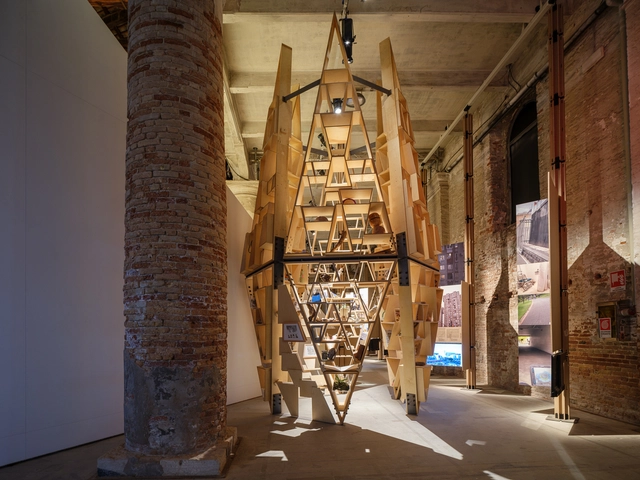
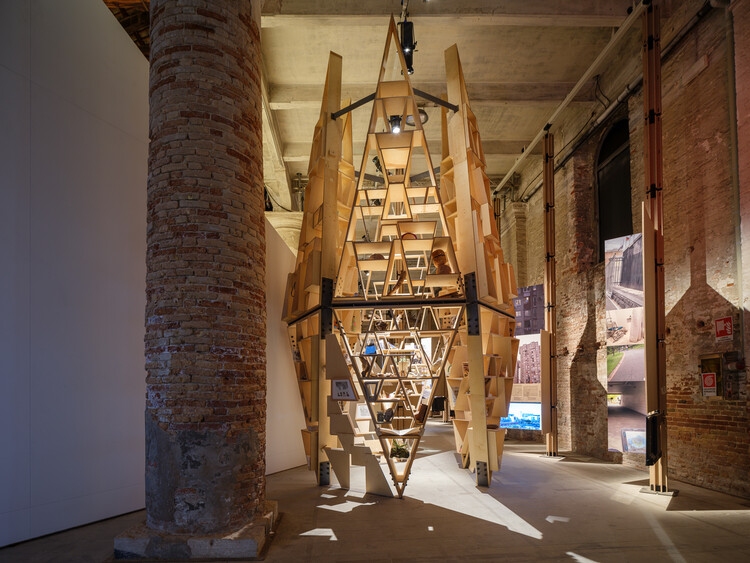
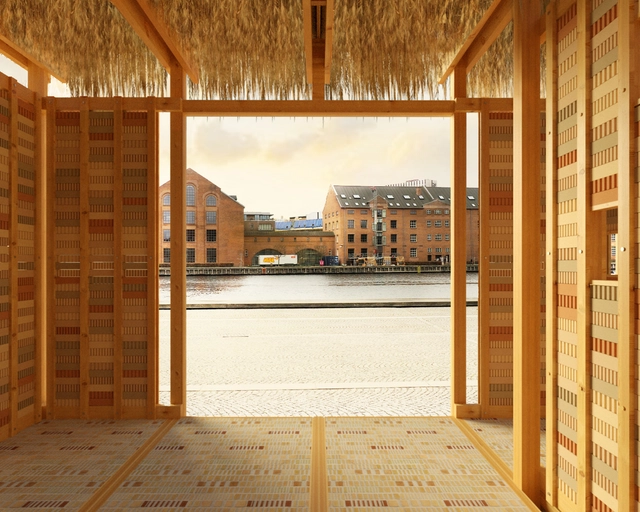
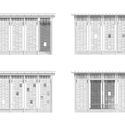
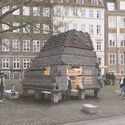
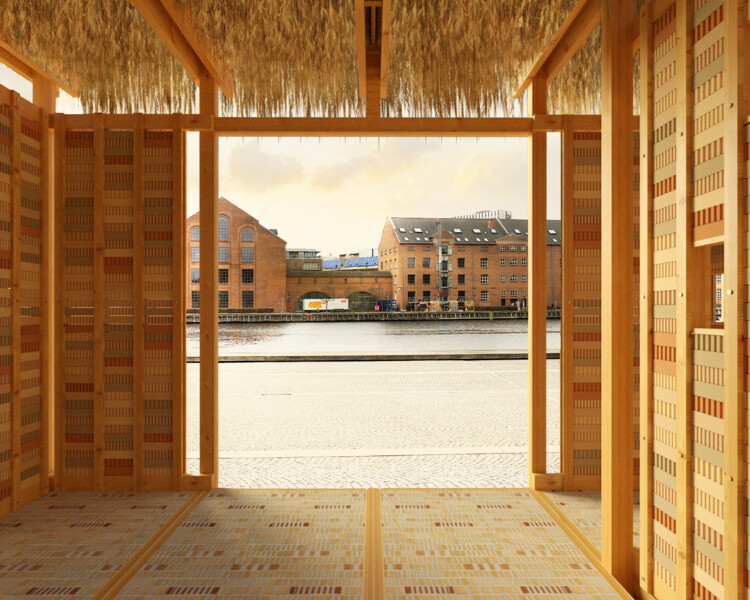
Inside Out, Downside Up Pavilion / Slaatto Morsbøl. Image Courtesy of Copenhagen Architecture Forum Copenhagen Architecture Forum (CAFx)
The first edition of the Copenhagen Architecture Biennial will take place from 18 September to 19 October 2025. Organized by CAFx (Copenhagen Architecture Forum), the event marks a transition from the previous annual Copenhagen Architecture Festival to a more expansive platform for architectural exploration. The theme of the inaugural edition, "Slow Down," invites participants to reflect on how the rapid pace of modern life affects the built environment. According to the organizers, this thematic shift encourages the envisioning of spaces that promote sustainability, longevity, and mindful engagement with our surroundings. In line with this vision, the organization launched an open call earlier this year for pavilion proposals that embody principles of circular design while serving as hubs for public programming during the event. Two winning proposals, modular structures by Slaatto Morsbøl and Tom Svilans x THISS Studio, were selected, each offering an approach to architectural deceleration.
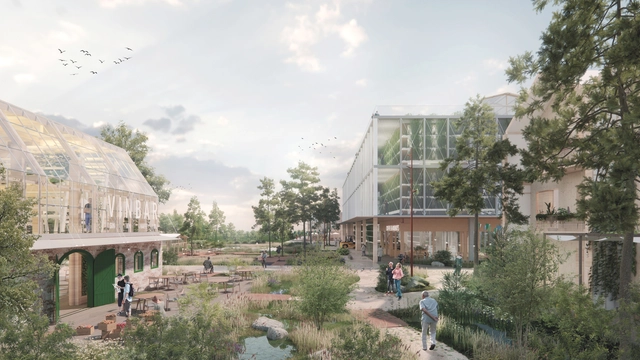
New settlement and production in Øm. Render. Image Courtesy of THIRD NATURE
Danish architecture firm Third Nature, together with Sophie Sahlqvist Landskab, Arkaia, ILC, and Artelia, recently shared images of Øhjem, their proposed strategic vision for the re-naturalization of Denmark's Greater Copenhagen region toward 2050. The regenerative plan is part of the Water's Ways program under the Agenda Earth initiative, an interdisciplinary project run by the Danish Association of Architects in collaboration with the Dreyers Foundation and the Danish Bar Association. Led by urbanist Boris Brorman Jensen, the program calls for long-term solutions to restore 15% of Danish agricultural land while also protecting 600,000 homes from water-related threats. Third Nature's Øhjem masterplan reimagines the 25 km Ramsø Dale as a step toward implementing the land management objectives outlined in the Danish Green Tripartite Agreement (Grøn Trepart), signed in June 2024.
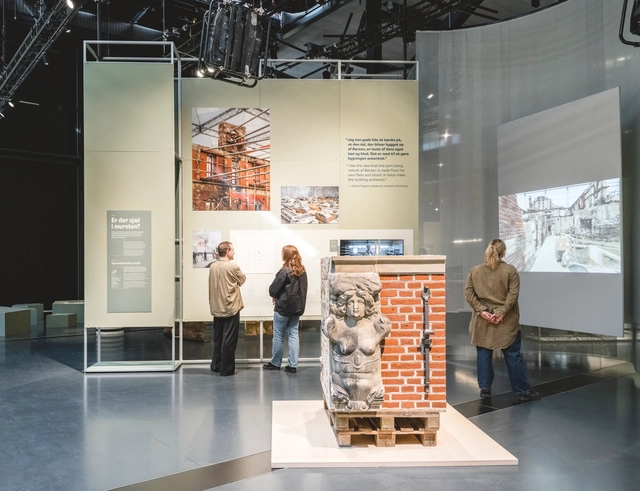
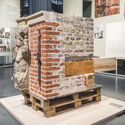
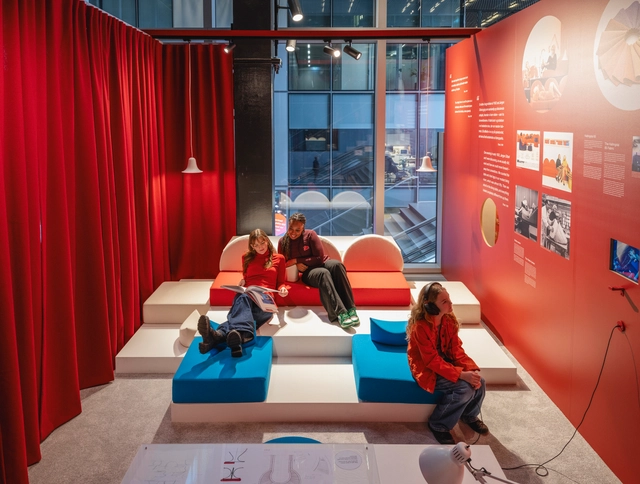
A new architecture and design exhibition opened on April 11, 2025, at the Danish Architecture Center in Copenhagen. Titled Recycle!, it explores recycling and reuse as a new way of creating, living, and building within the urgent context of the current climate crisis. The exhibition goes beyond presenting recycling and reuse as necessities; instead, it frames them as positive cultural shifts taking root in the construction industry and society at large. One of the exhibition's goals is to highlight the importance of resource awareness by posing the question: How can we increase the conservation, reuse, and transformation of what we already have?
From January 24 to May 11, 2025, the Danish Architecture Center (DAC) will host an exhibition dedicated to the work of designer Nanna Ditzel. Crowned "The Grand Dame of Danish Design," Ditzel remains a significant figure in the field, known for her iconic creations such as the Hanging Egg Chair, Hallingdal Fabric, and the Trinidad Chair. Born in 1923, she established herself as a pioneer in furniture design, experimenting with unconventional materials, including the then-untested foam rubber, polyester, and fiberglass. She also transformed traditional materials such as wicker, laminated wood, and silver into innovative furniture and jewelry pieces that became icons of modern design, many of which will be showcased in this retrospective exhibition.
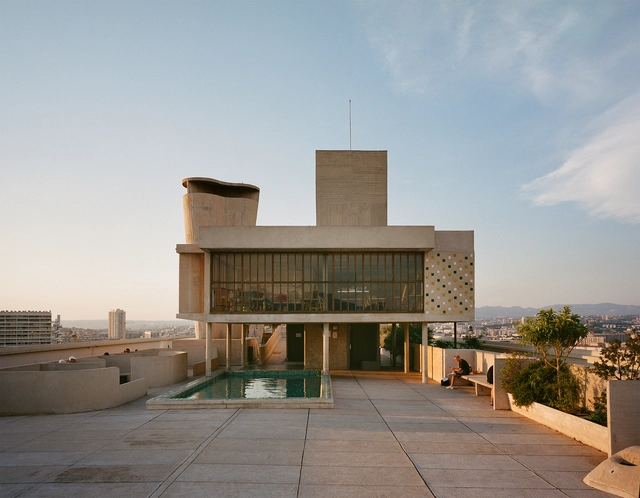
Modernism emerged in the early 20th century as a revolutionary movement that rejected historical styles, prioritizing functionality, innovation, and rationality. Grounded in the promise of industrial progress, architects like Walter Gropius, Le Corbusier, and Ludwig Mies van der Rohe championed using new materials and construction methods, striving for a universal architectural language. Their work introduced radical ideas: open floor plans, expansive glazing for natural light, and pilotis that elevated structures, symbolizing a new architectural era. However, alongside its groundbreaking ideas, modernism's relationship with sustainability has sparked ongoing debates.
While modernist architects sought to address social and economic challenges through affordable housing and efficient design, their reliance on energy-intensive materials like concrete and steel created unintended environmental consequences. The large-scale industrialization celebrated by modernists often disregarded local climates and ecological systems, leading to inefficiencies. Yet, the principles of functionality and adaptability embedded in modernist architecture laid the groundwork for what we now recognize as sustainable practices. From Le Corbusier's rooftop gardens to Frank Lloyd Wright's integration of nature, the seeds of environmentally conscious design were undeniably present, albeit limited in their execution.
2025 promises to be a landmark in architecture, heralding a vibrant renaissance of creativity and exploration. As societies confront challenges such as climate change, rapid urbanization, and technological evolution, architecture is both a mirror to these dynamics and a compass pointing toward a sustainable and inclusive future. This year's architectural calendar offers abundant opportunities to celebrate the discipline's transformative power — from boundary-pushing festivals to thought-provoking exhibitions that explore pressing cultural and environmental narratives.
From well-established biennials to inaugural gatherings, including the World Architecture Festival 2025, Desert X Al Ula, and the COP Climate Conference, the 2025 calendar highlights themes such as sustainability, heritage, and community. These events underscore architecture's unique ability to shape a better future, addressing global challenges while honoring cultural diversity and design ingenuity.
The Danish Architecture Center (DAC) will open its new exhibition, "Water is Coming" in October 2024, remaining open until March 12, 2025. The exhibition addresses the escalating global water crisis, prompted by melting polar ice, rising groundwater levels, and increasingly frequent and intense flooding. It acknowledges the reality of rising sea levels and extreme weather events, shifting the focus from mitigation to adaptation. The exhibition aims to foster a deeper understanding of our complex relationship with water, exploring its vital role as both a life-giving resource and a potential threat to human settlements.
The pursuit of an ideal city has long been a topic of debate among architects and urban planners. In addition to aesthetic identity and cultural heritage, the quality of life in every city represents perhaps the most important marker in this pursuit. This year, the Economist Intelligence Unit (EIU), a sister company of The Economist, has released its Global Liveability Index 2024, highlighting the cities that excel in this ongoing quest. For the third consecutive year, Vienna ranked as the most liveable city in the world. European cities Copenhagen, Zurich, and Geneva also rank high, attributed to their smaller populations, which contribute to lower crime rates and less congestion. In comparison with the 2023 ranking, the numbers for North American and Australian cities have been dragged down by the ongoing housing crisis.
The assessment ranks 173 cities from around the world. Each city is scored based on 30 qualitative and quantitative factors evaluating 5 categories: stability, healthcare, culture and environment, education, and infrastructure. The scores are based on external data points, in-house analysts, and in-city contributors. The category of stability has registered the biggest decline, as protests and armed conflicts increased in incidence. At the bottom of the cist, the city of Damascus, Syria, continues to be ranked as the least liveable city in the survey, followed by Tripoli, Libya, reflecting severe instability.
The inaugural Copenhagen Architecture Biennial, set to take place from September 18 to October 19, 2025, has announced its first curatorial theme, "Slow Down." Organized by CAFx, the biennial builds upon the foundation of the annual Copenhagen Architecture Festival, established in 2014, evolving into a larger international platform aimed at deepening engagement with architectural issues. This transition marks a shift in focus toward more comprehensive and long-term dialogue around the built environment's role in shaping society and addressing contemporary challenges.
"We think we are diverse, and we think we have equality, but is that really the case?"
Highlighting the stories of female architecture shaping the built environment, the documentary "Women in Architecture", by Boris Noir returns for a second chapter. Initiated by Sky-Frame, in collaboration with ArchDaily, this installment of the docu-series delves into the stories of Dorte Mandrup and Tosin Oshinowo, drawing a parallelism between both of their lives and focusing on their distinct paths and challenges. Stay tuned for the online screening on November 12th at 7:30 am EST, 12:30 pm CET on ArchDaily.
Tourism, as an urban and architectural phenomenon, has grown to encompass more than just sightseeing; it engages visitors with the social, cultural, and economic narratives that cities tell through their built environments. In celebration of World Tourism Day 2024, this collection of city guides highlights the role of architecture in shaping the urban tourism experience. Today, cities around the world stand as testaments to human ingenuity, historical preservation, and modern innovation. In fact, each city's versatile architecture offers a window into a city's identity, drawing millions of visitors each year who seek to understand how these spaces shape everyday life and collective memory.
In 2024, many cities have seized the world's collective imagination, each with its unique narrative waiting to be uncovered. Whether one finds themselves meandering through London, admiring Paris, or immersing in the cultural treasures of Sharjah, the story is always there to be unraveled. From Amsterdam's canals to Cairo's rich historical layers, Barcelona's avant-garde architecture, the liveliness of Santiago to the ancient marvels of Rome, and the diverse Istanbul to the bustling Bangkok – each city serves as a testament to the enduring spirit of human civilization.
In a recent interview with ArchDaily, Sigurd Larsen, renowned for his innovative architecture practice, reflects on his journey and the evolution of his office. A significant player in shaping contemporary European architecture, Larsen shares insights into his career development, the current profile of his practice, and his approach to various types of projects.
Currently, Larsen's office is known for its diverse range of projects, including residential homes,hotels, and public spaces across Europe. "Our focus is on combining conceptual creativity with practical considerations," Larsen explained. Projects such as landscape hotels and public schools in Germany exemplify this approach, showcasing a blend of innovation and context-sensitive design.
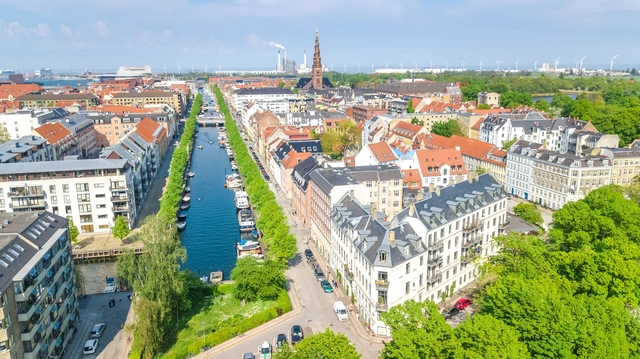
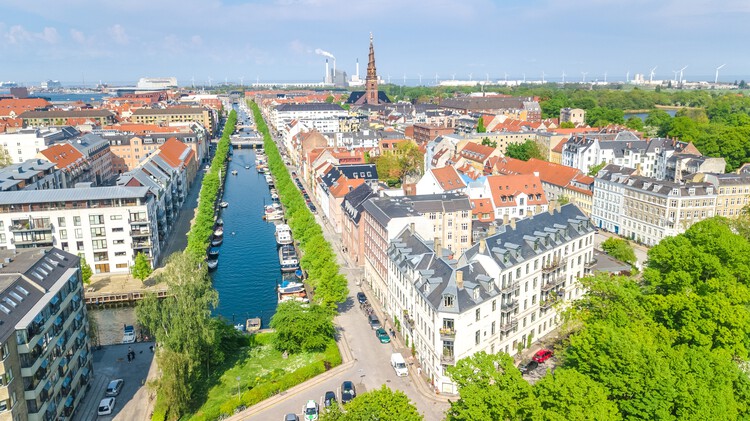
Copenhagen was founded around the 11th century, from a small fishing village called "Havn" (harbor), which served as a strategic point for trade and navigation. Over time, this settlement transformed into an industrial city and eventually became the capital of Denmark. Though small in size, Copenhagen exerts significant global influence as a model of urban living. Spread across two islands, it is recognized as one of the most livable cities in the world, compensating for its modest size with an imposing character, reflected in its vibrant urban life and a skyline punctuated by historic towers, low-rise buildings, and a mix of old and modern architecture.