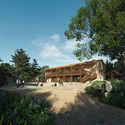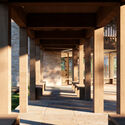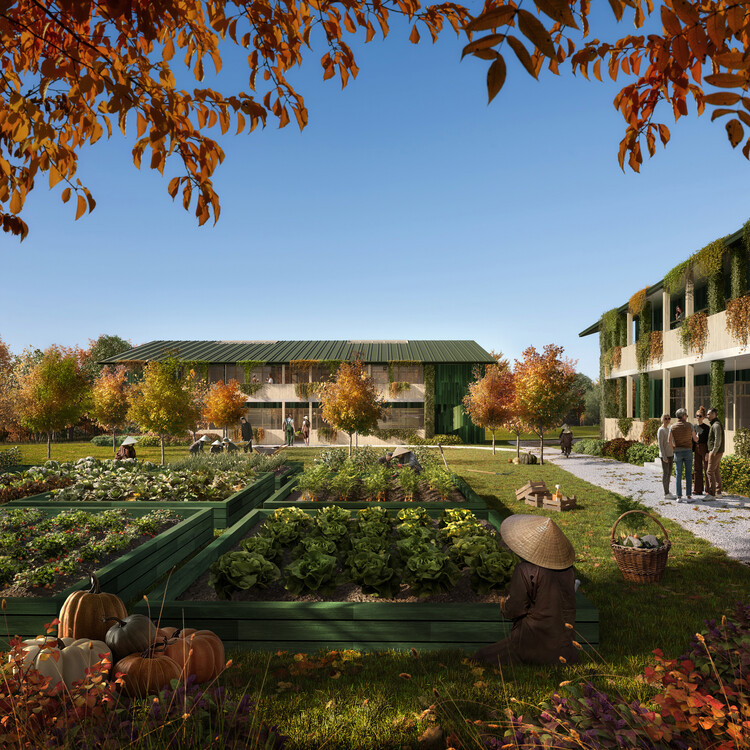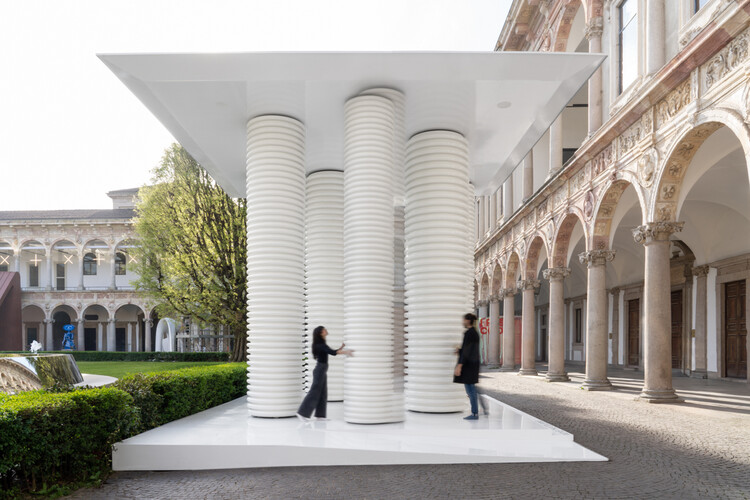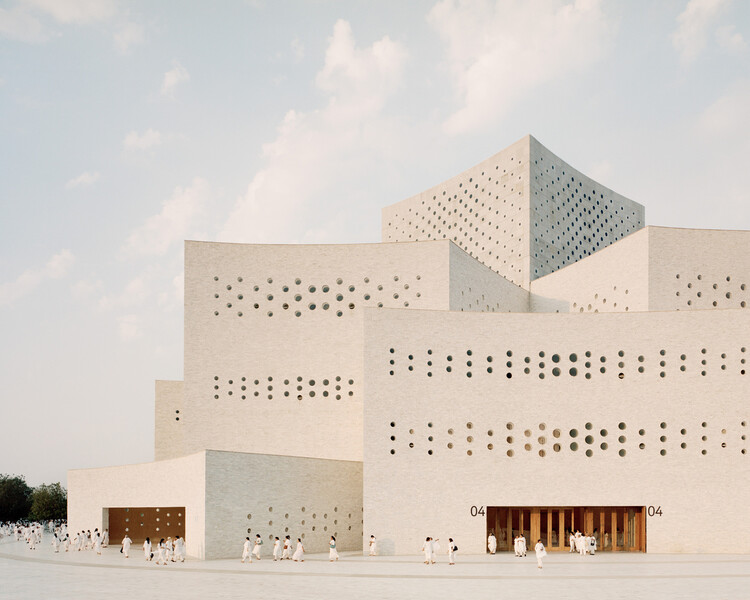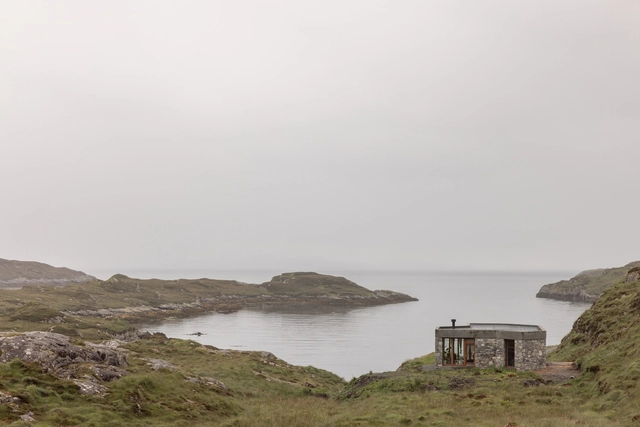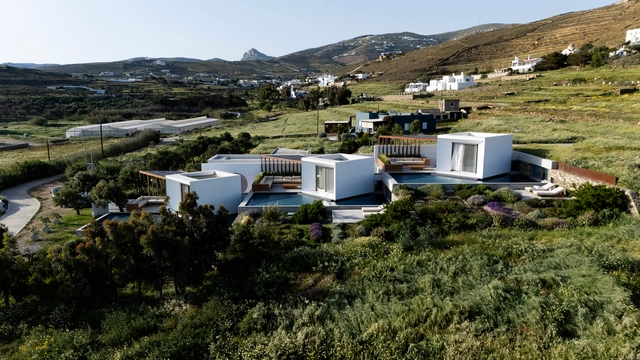
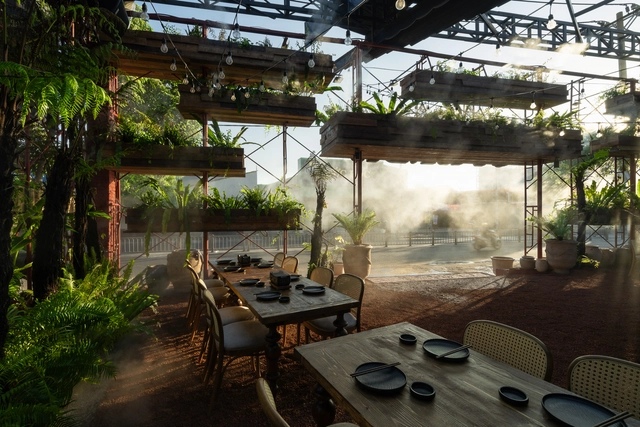
Amid countless questions, reflections, and debates about rethinking what a hotel can be, current hotel architecture faces growing complexities that span user experience, environmental responsibility, and the relationship with local context. Contemporary hotel design shows a clear—and increasingly prominent—intention to blend seamlessly and harmoniously with its surroundings, building a sense of identity that responds to local cultures, traditions, and character. The interconnection with nature, along with the reinterpretation of hotels as spaces for engaging with their surroundings, creates a direct relationship that expands their boundaries beyond the history and origins of the many practices that have shaped—and continue to define—their local characteristics and philosophy of life.
In a time when many hotels are designed to look like destinations, the real challenge is to design hotels that grow from their destination. But how can large-scale urban projects be integrated into sensitive landscapes without overpowering them? How is it possible to build with density while preserving a sense of intimacy and create identity in places that already carry strong local character?


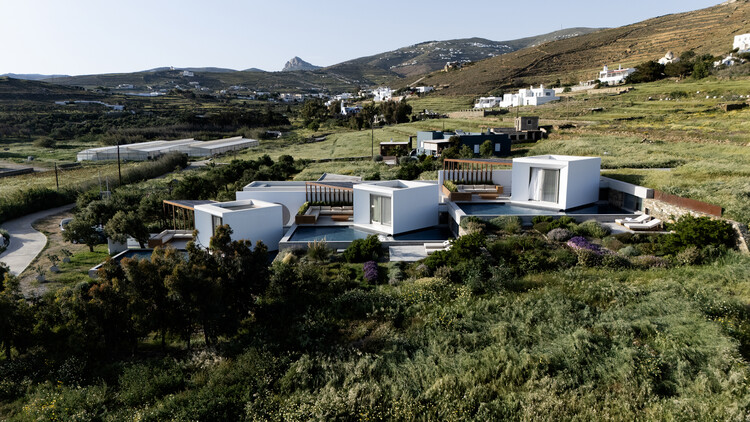


































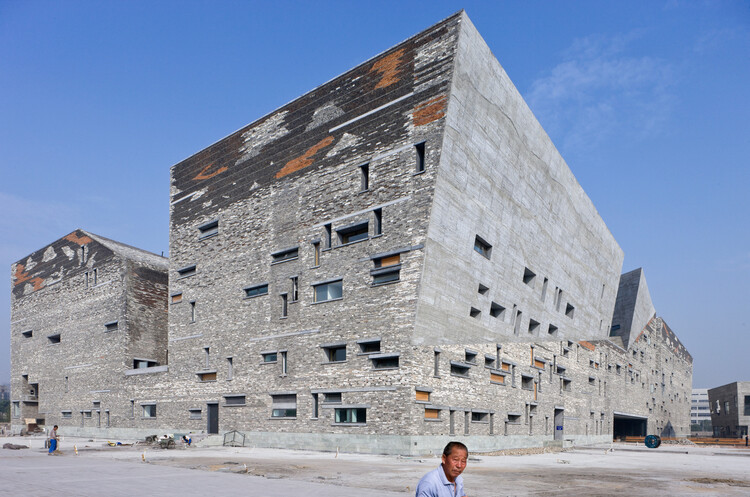
.jpg?1478078308 "Hangzhou Xiangshan Campus. Image © Iwan Baan")