1. ArchDaily
  2. Architecture

Architecture: The Latest Architecture and News

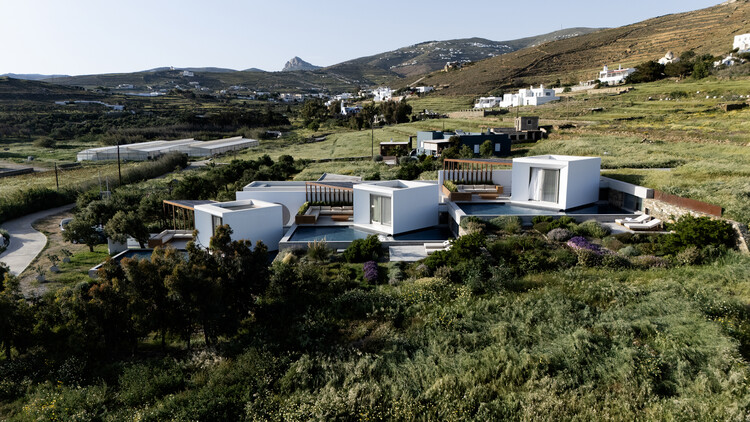
Hotels That Belong to Their Landscape: Contextual Architecture and the Future of Hospitality

 | In Collaboration

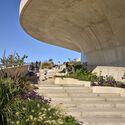
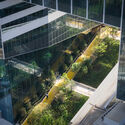
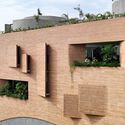
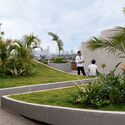
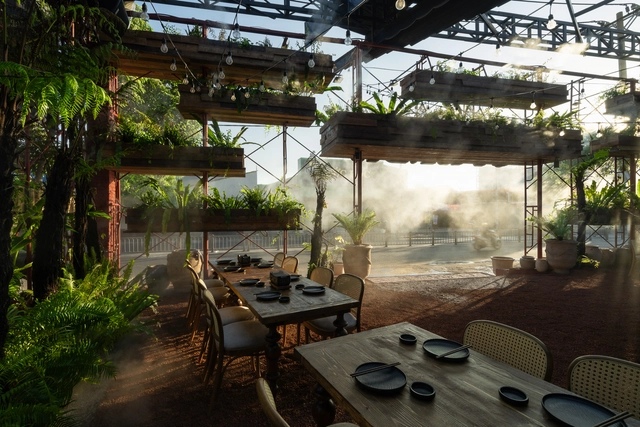
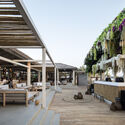
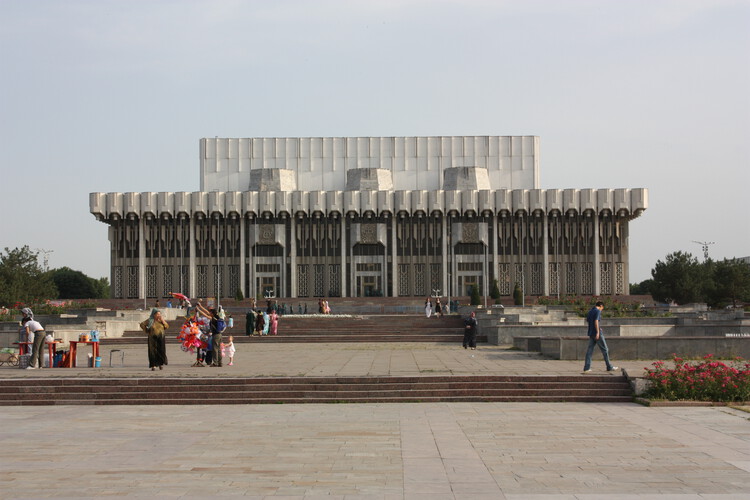
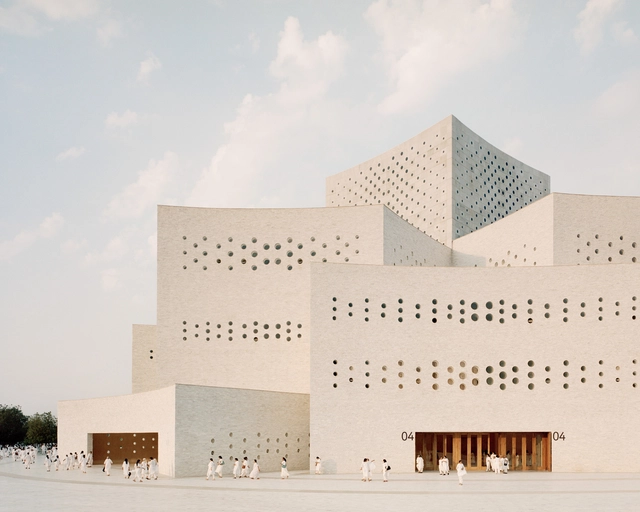
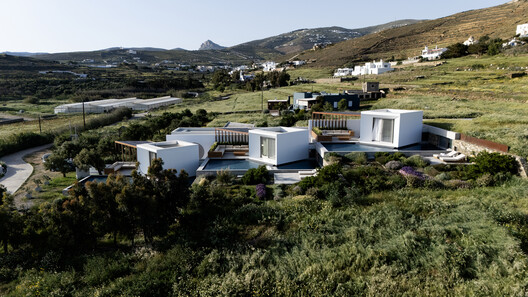
Amid countless questions, reflections, and debates about rethinking what a hotel can be, current hotel architecture faces growing complexities that span user experience, environmental responsibility, and the relationship with local context. Contemporary hotel design shows a clear—and increasingly prominent—intention to blend seamlessly and harmoniously with its surroundings, building a sense of identity that responds to local cultures, traditions, and character. The interconnection with nature, along with the reinterpretation of hotels as spaces for engaging with their surroundings, creates a direct relationship that expands their boundaries beyond the history and origins of the many practices that have shaped—and continue to define—their local characteristics and philosophy of life.

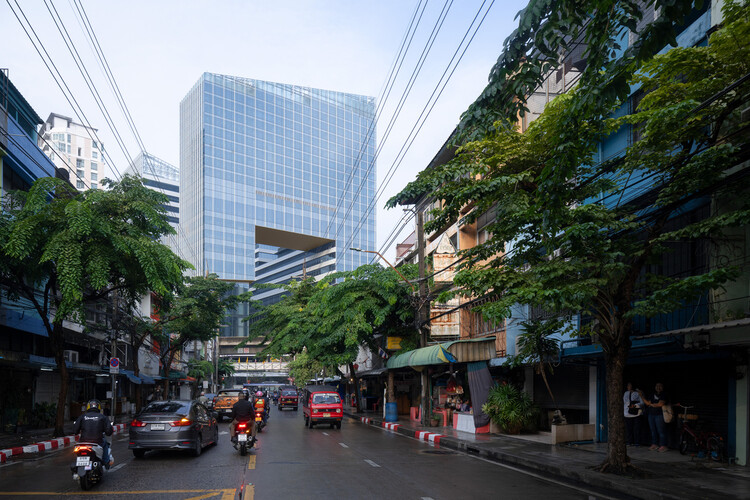
In a time when many hotels are designed to look like destinations, the real challenge is to design hotels that grow from their destination. But how can large-scale urban projects be integrated into sensitive landscapes without overpowering them? How is it possible to build with density while preserving a sense of intimacy and create identity in places that already carry strong local character?

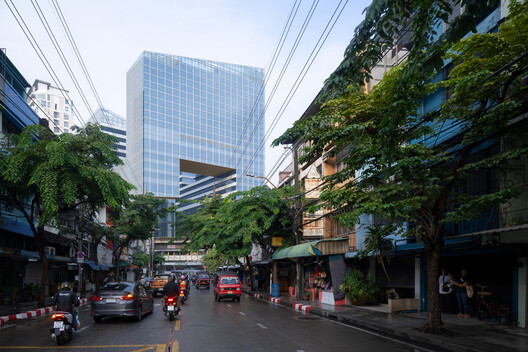
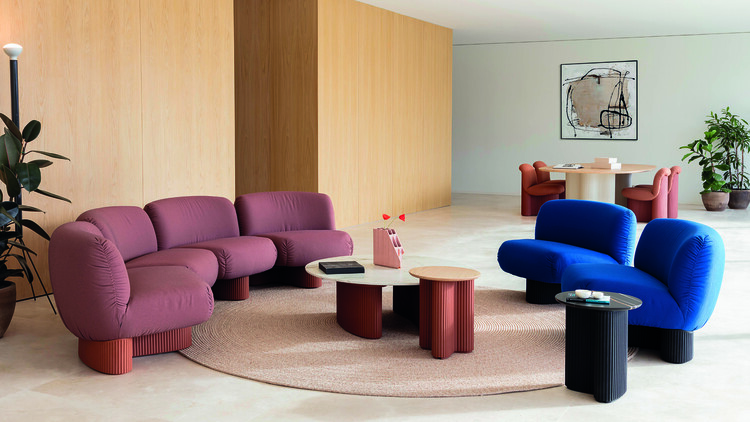
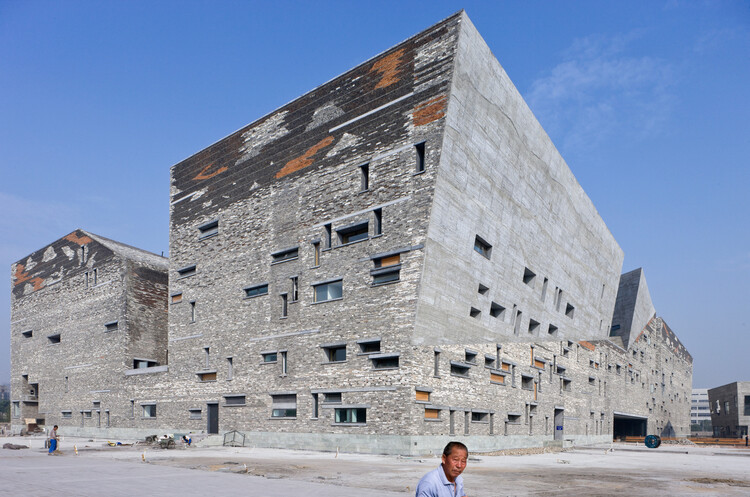
Hotels That Belong to Their Landscape: Contextual Architecture and the Future of Hospitality - Image 1 of 4Hotels That Belong to Their Landscape: Contextual Architecture and the Future of Hospitality - Image 2 of 4Hotels That Belong to Their Landscape: Contextual Architecture and the Future of Hospitality - Image 3 of 4Hotels That Belong to Their Landscape: Contextual Architecture and the Future of Hospitality - Image 4 of 4Hotels That Belong to Their Landscape: Contextual Architecture and the Future of Hospitality - More Images+ 7

London’s National Gallery Expansion and Lina Ghotmeh’s Mathaf Campus Project: This Week’s Review

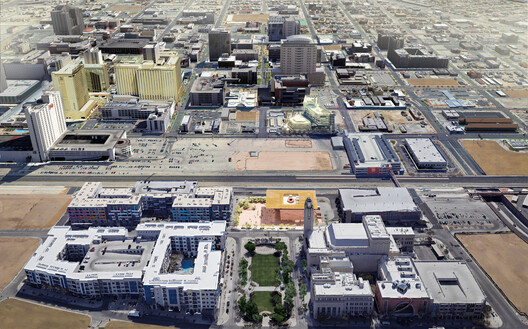
This week's architectural news reflects a broad engagement with how institutions, practitioners, and cultural platforms are positioning themselves in relation to both legacy and long-term change. Across museums, galleries, and major cultural events, architecture is being framed as an evolving public infrastructure, one that must respond to expanding collections, shifting curatorial models, and growing expectations around accessibility, sustainability, and civic presence. Alongside these institutional developments, professional recognitions and appointments have foregrounded practices rooted in site specificity, conservation, and critical research, highlighting architecture's role in mediating between historical contexts and contemporary needs.

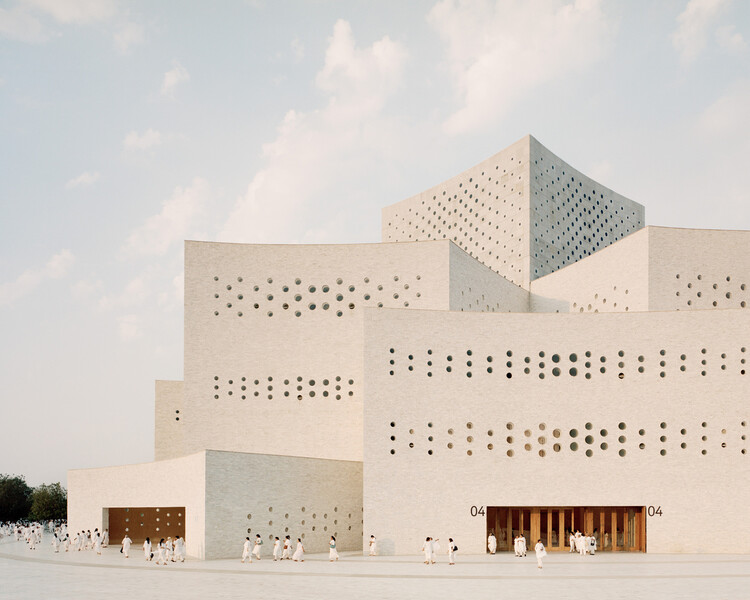
London’s National Gallery Expansion and Lina Ghotmeh’s Mathaf Campus Project: This Week’s Review - Image 1 of 4London’s National Gallery Expansion and Lina Ghotmeh’s Mathaf Campus Project: This Week’s Review - Image 2 of 4London’s National Gallery Expansion and Lina Ghotmeh’s Mathaf Campus Project: This Week’s Review - Image 3 of 4London’s National Gallery Expansion and Lina Ghotmeh’s Mathaf Campus Project: This Week’s Review - Image 4 of 4London’s National Gallery Expansion and Lina Ghotmeh’s Mathaf Campus Project: This Week’s Review - More Images+ 7

On International Migrants Day: A Look at Architectural Responses to Displacement

December 18 marks the United Nations' International Migrants Day, which aims to highlight the need for safer, fairer, and more inclusive migration systems. Proclaimed on December 4, 2000, the day seeks to recognize the multiple dimensions of migration beyond its economic and humanitarian aspects. According to the UN, mounting evidence indicates that international migration is beneficial for both countries of origin and destination. In this sense, International Migrants Day offers an opportunity to spotlight the invaluable contributions of millions of migrants worldwide.

Aligned with this perspective, the UN's 2025 theme, "My Great Story: Cultures and Development," emphasizes how human mobility drives growth, enriches societies, and helps communities connect, adapt, and support one another. At the same time, International Migrants Day also acknowledges the increasingly complex environment in which migration occurs. Conflicts, climate-related disasters, and economic pressures continue to force millions of people from their homes in search of safety or opportunity. From both perspectives, it is essential to recognize the role of architecture in building integrated, multicultural communities and in responding to the conditions that lead people to migrate from their territories in the first place.

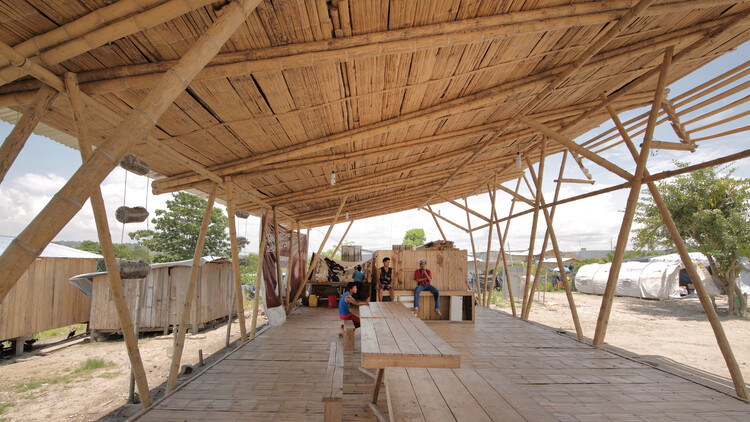
On International Migrants Day: A Look at Architectural Responses to Displacement - Image 1 of 4On International Migrants Day: A Look at Architectural Responses to Displacement - Image 2 of 4On International Migrants Day: A Look at Architectural Responses to Displacement - Image 3 of 4On International Migrants Day: A Look at Architectural Responses to Displacement - Image 4 of 4On International Migrants Day: A Look at Architectural Responses to Displacement - More Images+ 6

Christ & Gantenbein Win International Competition for New Museum at Kistefos, Norway

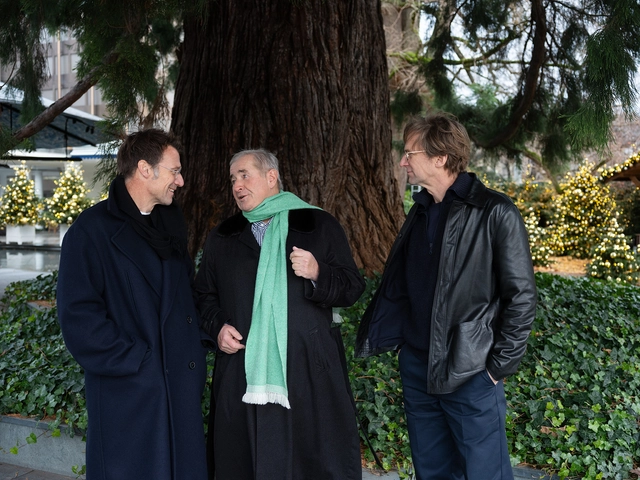
Kistefos Museum has announced Swiss architectural practice Christ & Gantenbein as the winner of its international design competition for a new museum building at the Kistefos site in Jevnaker, approximately one hour north of Oslo. Conceived as a significant new addition to one of Europe's leading sculpture parks and cultural destinations, the project is scheduled to open in 2031 and will house the art collection of Kistefos founder and collector Christen Sveaas through the Christen Sveaas Art Foundation. Following the announcement, Christ & Gantenbein will now work with Kistefos Museum to further develop the concept design toward realization.

Christ & Gantenbein Win International Competition for New Museum at Kistefos, Norway - Imagen 1 de 4Christ & Gantenbein Win International Competition for New Museum at Kistefos, Norway - Imagen 2 de 4Christ & Gantenbein Win International Competition for New Museum at Kistefos, Norway - Imagen 3 de 4Christ & Gantenbein Win International Competition for New Museum at Kistefos, Norway - Imagen 4 de 4Christ & Gantenbein Win International Competition for New Museum at Kistefos, Norway - More Images

Joaquim Moreno Appointed Chief Curator of the 8th Lisbon Architecture Triennale

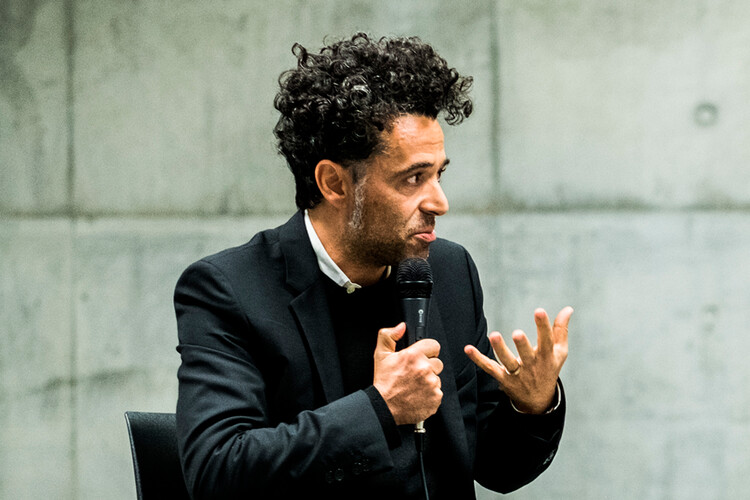
The 8th edition of the Lisbon Architecture Triennale is scheduled to take place in the autumn of 2028. As in previous editions, the curatorial process begins three years in advance, allowing time to fully develop the project and build on the work of earlier Triennales. The 7th edition, curated by Ann-Sofi Rönnskog and John Palmesino, founders of Territorial Agency, ran from October 2 to December 8, 2025. It was structured around the question How heavy is a city?, proposing an understanding of cities not as fixed objects but as dynamic systems extending beyond urban boundaries into the atmosphere, oceans, and deep time. This approach was explored through three main exhibitions, Fluxes, Spectres, and Lighter, alongside a wider set of initiatives. With the 7th edition concluded, the Triennale has announced Portuguese architect and academic Joaquim Moreno as Chief Curator of the upcoming edition, responsible for developing a new curatorial project for the event.

Joaquim Moreno Appointed Chief Curator of the 8th Lisbon Architecture Triennale - Imagen 1 de 4Joaquim Moreno Appointed Chief Curator of the 8th Lisbon Architecture Triennale - Imagen 2 de 4Joaquim Moreno Appointed Chief Curator of the 8th Lisbon Architecture Triennale - Imagen 3 de 4Joaquim Moreno Appointed Chief Curator of the 8th Lisbon Architecture Triennale - Imagen 4 de 4Joaquim Moreno Appointed Chief Curator of the 8th Lisbon Architecture Triennale - More Images+ 3

Extending the Lifespan of Materials: Circularity and Recyclability as Part of the Design

 | In Collaboration

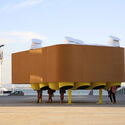
What is the current global outlook on the recyclability of materials used in architecture? To what extent are contemporary societies truly committed to reducing environmental impact? In the effort to live in balance with nature, replacing fossil fuels with renewable energy sources is one of the key strategies for cutting greenhouse gas emissions and addressing global warming. Looking to nature for inspiration as a way to protect it means creating designs that incorporate sustainability, circularity, and recyclability from the very first sketch. From building systems to surface finishes, the use of biomaterials in architecture reflects a mindset rooted in long-term responsibility for a material's full life cycle.
Extending the Lifespan of Materials: Circularity and Recyclability as Part of the Design - Imagen 1 de 4Extending the Lifespan of Materials: Circularity and Recyclability as Part of the Design - Imagen 2 de 4Extending the Lifespan of Materials: Circularity and Recyclability as Part of the Design - Imagen 3 de 4Extending the Lifespan of Materials: Circularity and Recyclability as Part of the Design - Imagen 15 de 4Extending the Lifespan of Materials: Circularity and Recyclability as Part of the Design - More Images+ 25

Palestinian Architect Suad Amiry Wins 2025 Great Arab Minds Award in Architecture and Design

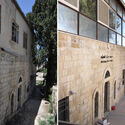
Palestinian architect Suad Amiry has been awarded the 2025 Great Arab Minds Award in the Architecture and Design category. Founder and director of the Riwaq - Centre for Architectural Conservation, Amiry was recognised for her long-standing work in documenting, preserving, and reusing Palestinian architectural heritage through conservation practices that link historic structures with contemporary community needs. Her approach positions architecture as both a repository of collective memory and an active social framework, emphasising the role of heritage in everyday urban and rural life.

Palestinian Architect Suad Amiry Wins 2025 Great Arab Minds Award in Architecture and Design - Imagem 1 de 4Palestinian Architect Suad Amiry Wins 2025 Great Arab Minds Award in Architecture and Design - Imagem 2 de 4Palestinian Architect Suad Amiry Wins 2025 Great Arab Minds Award in Architecture and Design - Imagem 3 de 4Palestinian Architect Suad Amiry Wins 2025 Great Arab Minds Award in Architecture and Design - Imagem 4 de 4Palestinian Architect Suad Amiry Wins 2025 Great Arab Minds Award in Architecture and Design - More Images+ 3

Studioninedots Transforms a Former Tobacco Factory into a Mixed-Use Urban Complex in Groningen, Netherlands

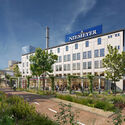
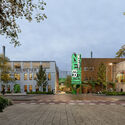
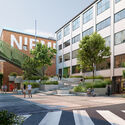
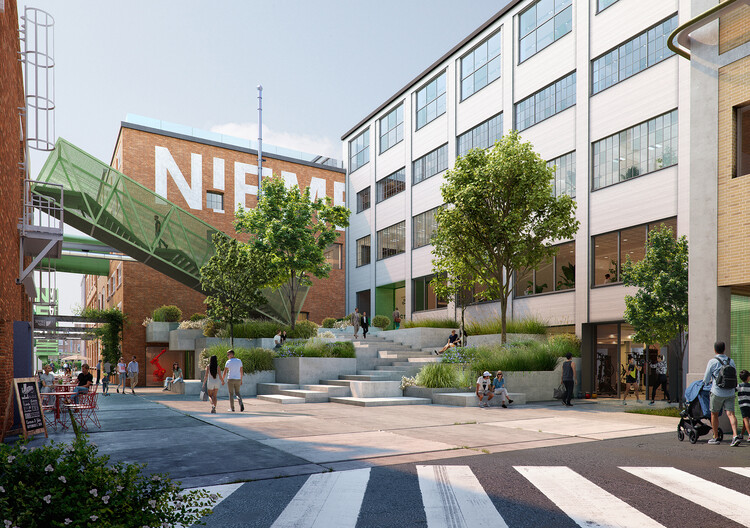
Studioninedots is leading the transformation of a 200-year-old tobacco factory site into Niemeyer, a mixed-use urban complex accommodating digital innovation, cultural venues, hospitality, education, and manufacturing within the existing industrial buildings. Located on Paterswoldseweg in Groningen, the Netherlands, the 38,000 m² project is commissioned by MWPO, with MWPO and Campus Groningen jointly acting as clients for the Shared Facilities. Currently in the design phase (2023–2025), the project's provisional timelines indicate a phased construction start beginning with the factory's southern section in 2026, followed by the northern section in 2027. The Amsterdam-based office's proposal opens the formerly closed industrial ensemble to the public, introducing cafés, galleries, workshops, and shared workspaces distributed across interior streets and adjacent park areas.

Studioninedots Transforms a Former Tobacco Factory into a Mixed-Use Urban Complex in Groningen, Netherlands - Imagen 1 de 4Studioninedots Transforms a Former Tobacco Factory into a Mixed-Use Urban Complex in Groningen, Netherlands - Imagen 2 de 4Studioninedots Transforms a Former Tobacco Factory into a Mixed-Use Urban Complex in Groningen, Netherlands - Featured ImageStudioninedots Transforms a Former Tobacco Factory into a Mixed-Use Urban Complex in Groningen, Netherlands - Imagen 3 de 4Studioninedots Transforms a Former Tobacco Factory into a Mixed-Use Urban Complex in Groningen, Netherlands - More Images+ 11

RINA-Led Team With Zaha Hadid Architects Wins Malpensa Hospital Competition in Italy

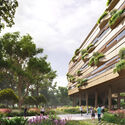
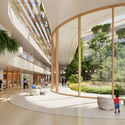
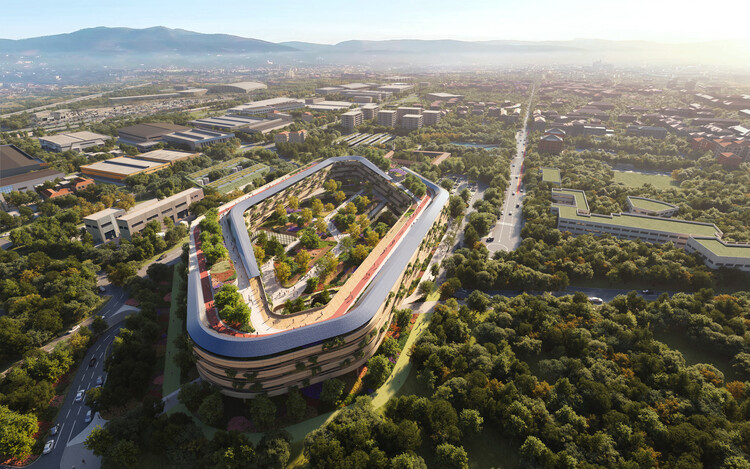
Zaha Hadid Architects, in collaboration with RINA as team leader, Studio Plicchi, WSP, STI Engineering, and BC Building Consulting, has won the international competition to design Malpensa Hospital (Grande Ospedale della Malpensa) in Italy. Commissioned by the Lombardy Regional Health Authority, the project will consolidate the existing Gallarate and Busto Arsizio hospitals into a single medical campus serving the area between Milan and Varese, with a catchment of nearly one million residents.

RINA-Led Team With Zaha Hadid Architects Wins Malpensa Hospital Competition in Italy - Imagen 1 de 4RINA-Led Team With Zaha Hadid Architects Wins Malpensa Hospital Competition in Italy - Imagen 2 de 4RINA-Led Team With Zaha Hadid Architects Wins Malpensa Hospital Competition in Italy - Imagen 3 de 4RINA-Led Team With Zaha Hadid Architects Wins Malpensa Hospital Competition in Italy - Imagen 4 de 4RINA-Led Team With Zaha Hadid Architects Wins Malpensa Hospital Competition in Italy - More Images+ 1

MVRDV Receives Approval for Plum Village Buddhist Monastery Renovations in France

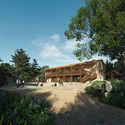
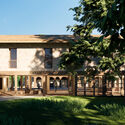
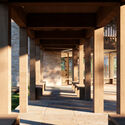
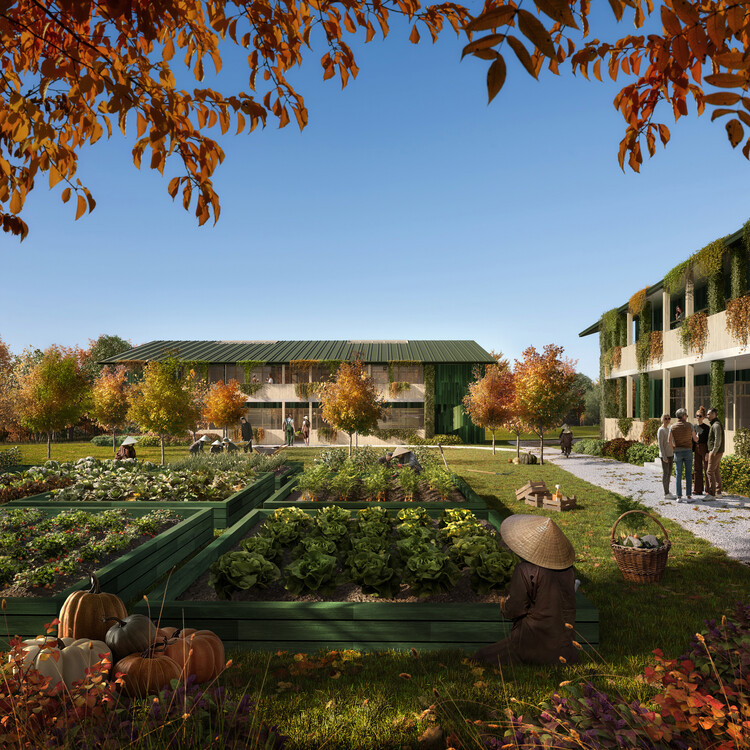
The Plum Village Buddhist Monastery in southern Dordogne, France, has received construction approval for the first phase of its ongoing collaboration with Dutch architecture studio MVRDV. The approvals cover the Upper Hamlet masterplan phase, including the construction of new guest houses and the renovation and expansion of the monastery's bookshop, as well as a new nunnery building at the Lower Hamlet. Developed in collaboration with co-architect MoonWalkLocal and consultants OTEIS, VPEAS, and Emacoustic, the wider project includes two masterplans for the Monastery's Upper and Lower Hamlets, four communal guest houses, a new nunnery, and the transformation of an existing bookshop. Working on a non-profit basis, the design team prioritises renovation alongside the use of circular and bio-based materials, aligning the architectural approach with the monastery's philosophical principles. The proposed additions aim to better accommodate the annual visitors who travel to Plum Village to engage with the teachings of Engaged Buddhism.

MVRDV Receives Approval for Plum Village Buddhist Monastery Renovations in France - 1 的图像 4MVRDV Receives Approval for Plum Village Buddhist Monastery Renovations in France - 2 的图像 4MVRDV Receives Approval for Plum Village Buddhist Monastery Renovations in France - 3 的图像 4MVRDV Receives Approval for Plum Village Buddhist Monastery Renovations in France - 4 的图像 4MVRDV Receives Approval for Plum Village Buddhist Monastery Renovations in France - More Images+ 45

Izat Arundell’s “Caochan na Creige” Wins RIBA House of the Year 2025 Award

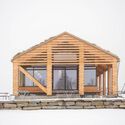
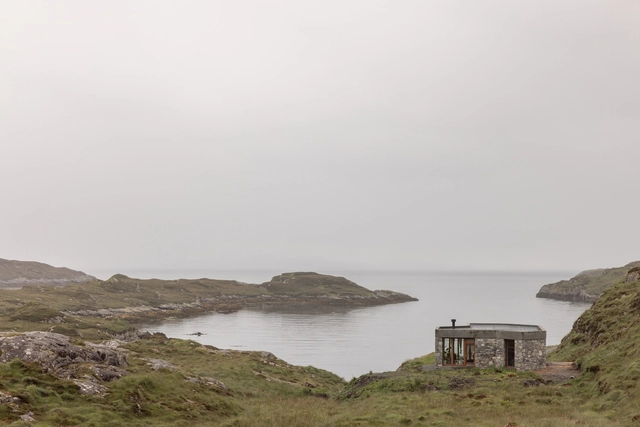
Caochan na Creige, designed by Izat Arundell, has been announced as the winner of the RIBA House of the Year 2025 award. The timber-framed, stone-clad self-build is located in Scotland's Outer Hebrides, occupying a compact rural plot defined by exposed weather conditions and a distinct geological setting. Built by and for its architect owners, the house was selected for its clear response to site constraints, its material strategy, and the consistency between design intent and construction.

Izat Arundell’s “Caochan na Creige” Wins RIBA House of the Year 2025 Award - Image 1 of 4Izat Arundell’s “Caochan na Creige” Wins RIBA House of the Year 2025 Award - Image 2 of 4Izat Arundell’s “Caochan na Creige” Wins RIBA House of the Year 2025 Award - Image 3 of 4Izat Arundell’s “Caochan na Creige” Wins RIBA House of the Year 2025 Award - Image 4 of 4Izat Arundell’s “Caochan na Creige” Wins RIBA House of the Year 2025 Award - More Images

In alliance with Architonic
Check the latest In ArchitectureCheck the latest In ArchitectureCheck the latest In Architecture

Check the latest In Architecture