In densely populated cities, the demand for more living space has led to a growing trend in home extensions. With limited opportunities for new construction and a desire to preserve historical urban fabric, homeowners are increasingly looking for innovative ways to expand their homes. Home extensions offer a practical solution to modern needs, allowing residents to stay in familiar neighborhoods and maintain their ties to the community.
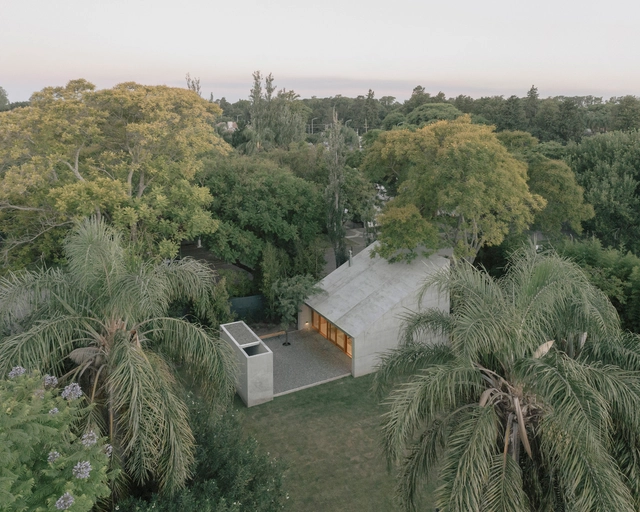
There are several approaches to these renovations. Home additions take various forms, ranging from isolated rooms with specific functions near the main house, to volumes directly attached to the original structure. These extensions can be built on the ground floor or take advantage of vertical space by constructing additional levels on the existing building.
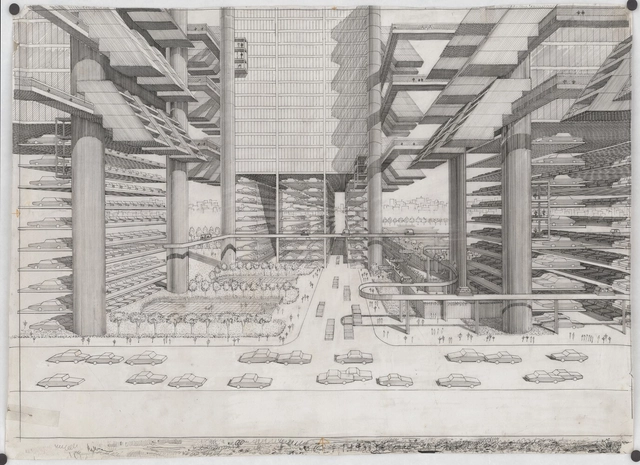
Perspective drawing of the Lower Manhattan Expressway / City Corridor project (unbuilt), New York ca. 1967–72. The Museum of Modern Art, New York, Gift of the Howard Gilman Foundation (1290.2000). Image Courtesy of The Met
The Metropolitan Museum of Art has opened a major exhibition focused on the diverse and innovative career of Paul Rudolph, a second-generation Modernist architect whose work stands alongside luminaries such as Eero Saarinen and I.M. Pei. Titled "Materialized Space: The Architecture of Paul Rudolph," the exhibition is on display from September 30, 2024, to March 16, 2025, covering a wide spectrum of Rudolph's architectural contributions, from his experimental houses in Florida, through civic projects, to visionary urban megastructures and mixed-use skyscrapers.
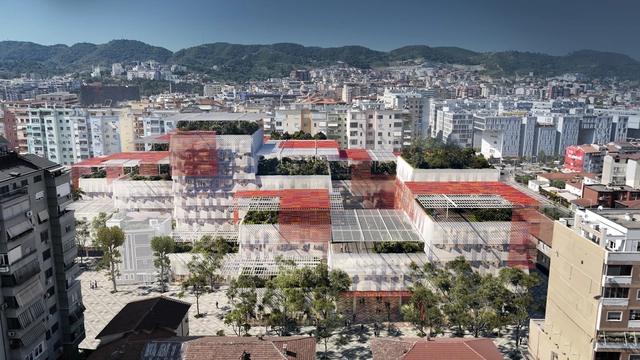
The consortium led by the French architecture firm Coldefy, in partnership with Albanian studio Atelier 4, Sempervirens, and Italian firm AEI Progetti, has just won the international competition to design Albania's new Public Administration Cluster in Tirana. This 31,000-square-meter project will bring together over 20 government institutions under one roof, aiming to improve administrative efficiency while fostering greater public accessibility and engagement.
For centuries, models have been central to architectural design, providing architects with a tangible way to explore ideas, test concepts, and communicate their vision. From the Renaissance to Modernism, models have been instrumental in the construction and reflection processes, offering insights into form, proportion, and spatial relationships. However, in today's digital age, where 3D modelsand Virtual Reality(VR) have become powerful and efficient tools, the question arises: Are physical models still relevant in contemporary architecture?
In celebration of Urban October, a month dedicated to recognizing the significance of innovative urban spaces, this curated selection presents 8 conceptual projects that demonstrate the transformative potential of public spaces. These projects, submitted by the ArchDaily community, showcase the myriad ways public spaces can enhance cultural identity, community interaction, and environmental quality. Conceptual projects and competition entries serve as a platform for architectural experimentation, challenging the norms and sparking discussions about the future of urban landscapes. From rural settings to layered historical squares or small-scale urban interventions, the designs engage with their contexts, aiming to improve the experience of residents and visitors, highlight the histories of the space, and ensure accessibility for all.
Each month, ArchDaily's editors select a collection of conceptual projects centered around a theme or program, submitted to ArchDaily. These projects are developed by small and large-scale architecture offices from around the world and submitted openly to the ArchDaily platform, thus forming a worldwide community of practitioners sharing their work, be it purely conceptual, a competition entry, or an early-stage design phase. Submissions are open to everybody. If you wish to contribute, send in your work by following the instructions here.
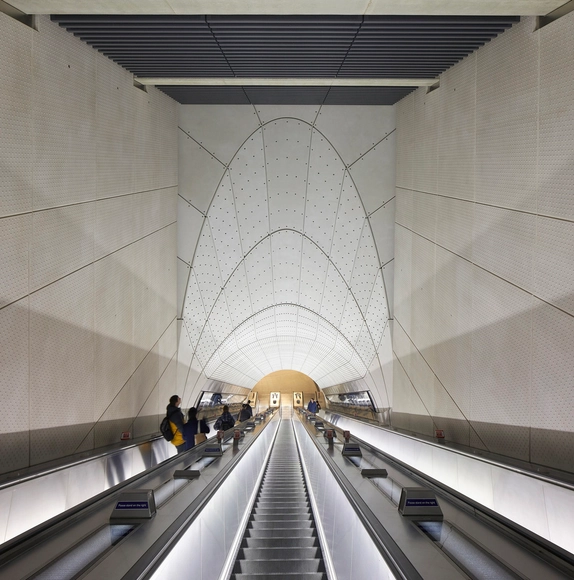
The Royal Institute of British Architects (RIBA) has announced the Elizabeth Line, designed by Grimshaw, Maynard, Equation, and AtkinsRéalis, as the winner of the 2024 RIBA Stirling Prize. Since its inception in 1996, the prestigious annual award sets out to recognize UK's best new architecture. Named in honor of Queen Elizabeth II, the Elizabeth Line represents an important development for London's transportation network. Connecting Reading and Heathrow to Essex and South East London, the development spans 62 miles of track and 26 miles of tunnels, a complex and expansive undertaking accommodating 700,000 passengers every weekday.
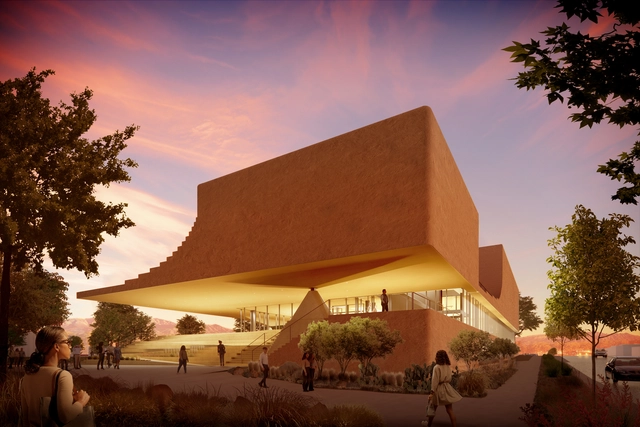
Diller Scofidio + Renfro has just revealed the design for the 60,000-square-foot Center for Collaborative Arts and Technology (CCAT) at the University of New Mexico (UNM). This ground-up facility will serve as a new gateway to the arts at UNM, located along the historic Route 66, where it bridges the campus and the city of Albuquerque. While many interior spaces are designed for performance, film, and technology, the building's prominent location fosters a visual connection between its activities and the surrounding environment.
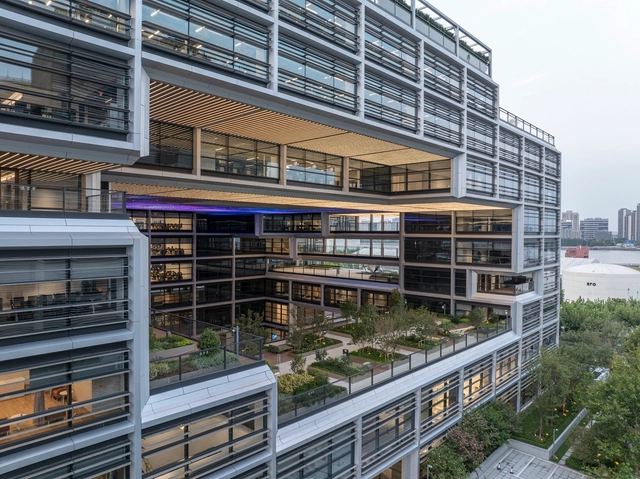
As humanity enters the AI-driven intelligent era, technology platform enterprises adopt more open and flexible modes of operation. Collaborative spaces such as creative incubators and informal exchange areas have become key places for practicing their operational philosophies. In the design of headquarters buildings, companies aim to engage with the public more deeply and convey their corporate culture and spirit, in addition to fulfilling daily office functions. Alibaba's new headquarters in Shanghai is located in the "Global Waterfront Lifestyle Demonstration Zone," at the heart of the West Bank Cultural Corridor. Positioned by the river and near the West Bank Media Port, Financial City, and other industrial hubs, the site integrates art with industrial heritage, bringing a unique historical and contemporary vibrancy to the area. The architecture around the park is "star-studded," with forward-thinking designs from renowned architectural firms worldwide. The three buildings of Alibaba Xuhui Riverside Campus, designed by SANAA, Foster + Partners, and SOM, are introducing new concepts and visions to Xuhui Riverside.
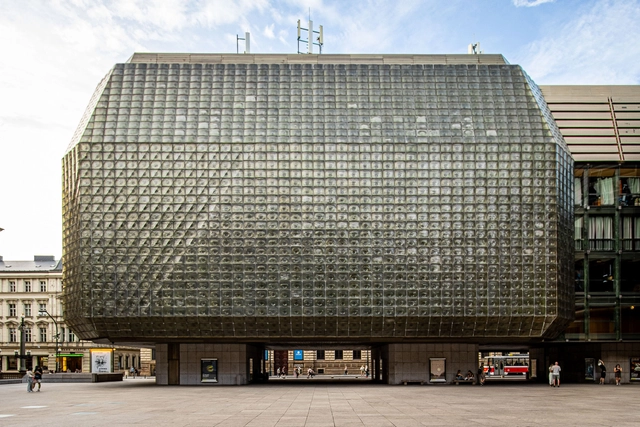
From 1977 to 1983, the National Theatre in Prague underwent a major transformation with the opening of Nová Scéna, a modern counterpart to the traditional Neo-Renaissance theatre. For many years, Nová Scéna hosted the renowned Laterna Magika, the world’s first multimedia theatre. This groundbreaking performance style combined classical theatre with computer-generated visual effects, creating a unique dramatic experience. The striking glass building, a symbol of the communist era, became an iconic representation of the political power of the time. In recognition of its significance, this building was part of the Open House Prague festival in 2024—an annual event that invites the public to explore and appreciate the value of architecture.
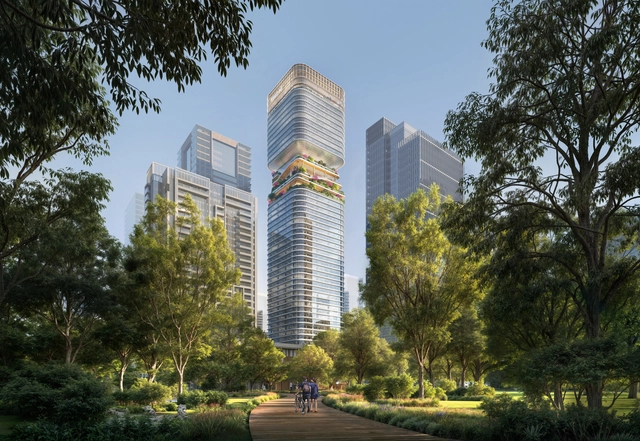
Skidmore, Owings & Merrill (SOM) has commenced construction on the global headquarters for China International Marine Containers Group (CIMC) in Shenzhen's Qianhai district. The 270-meter-tall structure, designed by SOM after winning an international competition, will stand as a 53-story tower. The project aims to serve as a corporate hub while also incorporating sustainable practices. The development is scheduled for completion by 2029.
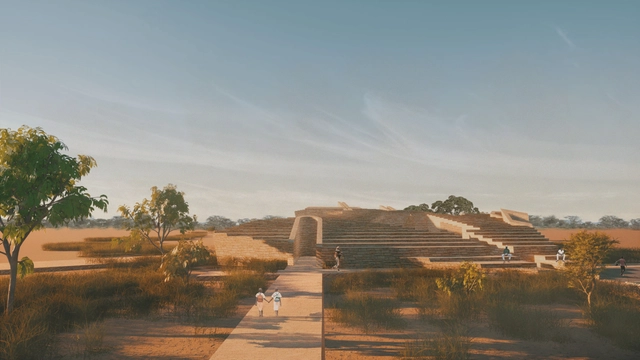
In collaboration with to.org, Counterspace, led by Sumayya Vally, has revealed its latest project, "Regenerate Kakuma," aimed at promoting holistic well-being in one of the world's largest refugee settlements in Kakuma, Kenya. This regenerative wellness and fitness hub blends fitness, agriculture, and cultural spaces for over 285,000 refugees. The settlement, known as one of the largest globally, primarily hosts individuals from 19 countries, including South Sudan and Somalia.
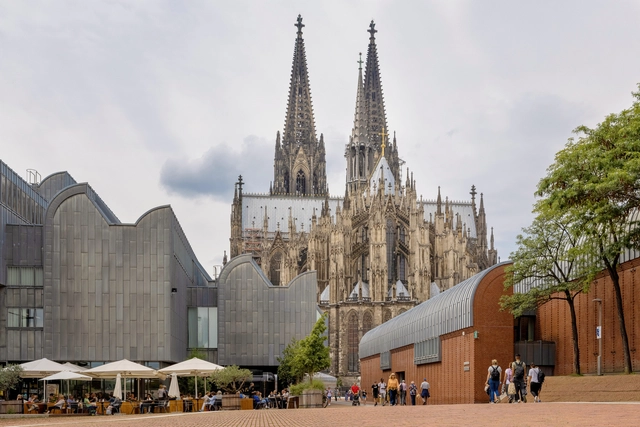
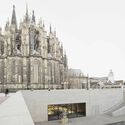
With its culturally and historically rich context, the city of Cologne, also called Köln by its locals, is considered one of the most important centers in West Germany. Nestled on the banks of the Rhine River, the city unfolds its architectural narrative through the interplay between historical landmarks, and contemporary interventions. In the old town, the medieval Cologne Cathedral, a UNESCO World Heritage Site and the tallest cathedral in the world, dominates the skyline. The cityscape is also shaped by the Twelve Romanesque churches of Cologne.
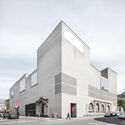
Beyond its historical core, Cologne embraces modernity with structures such as the Kranhaus buildings or Renzo Piano’s Weltstadthaus. The tapestry of architectural styles is further underlined by interventions such as Peter Zumthor’s Kolumba Museum, integrating the ruins of a late-Gothic church destroyed during World War II into a tranquil space dedicated to the contemplation of art and history.
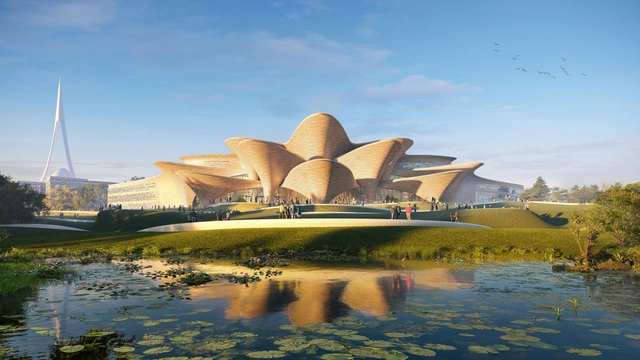
Zaha Hadid Architects (ZHA) has been announced as the architect of the Alisher Navoi International Scientific Research Centre, an expansive cultural and educational facility taking shape in New Tashkent, Uzbekistan. The center is set to incorporate the Navoi State Museum of Literature, along with a 400-seat auditorium and an International Research Center and residential school dedicated to training 200 students in the Uzbek language, literature, and music.
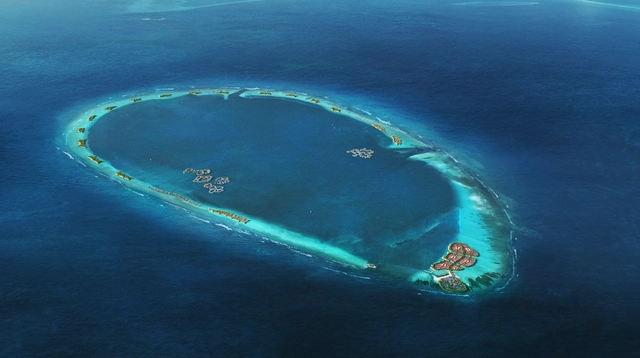
Foster + Partners, in collaboration with the Maldives Fund Management Corporation (MFMC), has unveiled the masterplan for Gaafaru, an inhabited island in the Kaafu Atoll of the Maldives. This project is designed to ensure a sustainable and resilient future for the island by addressing the critical challenges posed by climate change, rising sea levels, and social inequalities. At the heart of this plan are six guiding principles that aim to balance environmental protection with community prosperity, creating a model of future-proof island development.
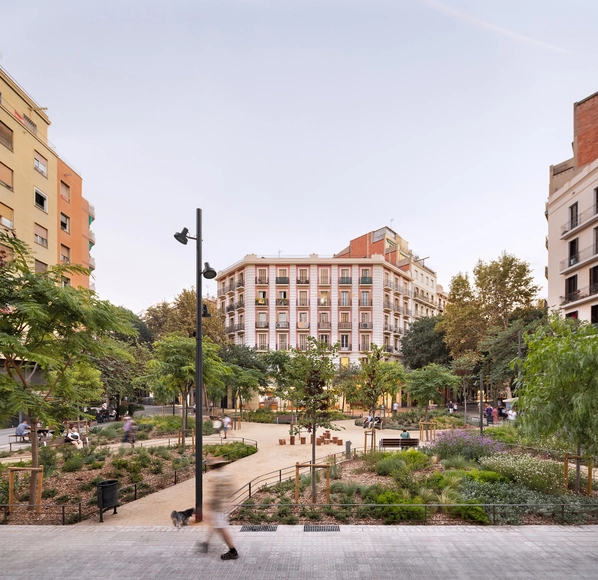
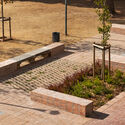
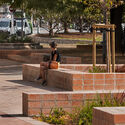
What is urban renaturalization? How is it possible to reintegrate nature into the urban environment? With increasingly limited access to nature for the population and growing exposure to environmental hazards such as noise or air pollution, resource scarcity, climate change, and more, the development of "renaturalized" spaces in cities is seen as a tool capable of improving the quality of life for citizens and designing spaces for gathering, resting, and leisure areas for the common good, while also balancing urban development with biodiversity and the benefits of ecosystems. One of the many architecture firms involved with this concept is 08014 arquitectura, based in Barcelona, which, through its Plaza-jardín Rocafort and Paseo Comte D'Ègara projects, aims to revitalize certain urban areas, paying particular attention to improving the quality of life for citizens and their connection to the natural environment.
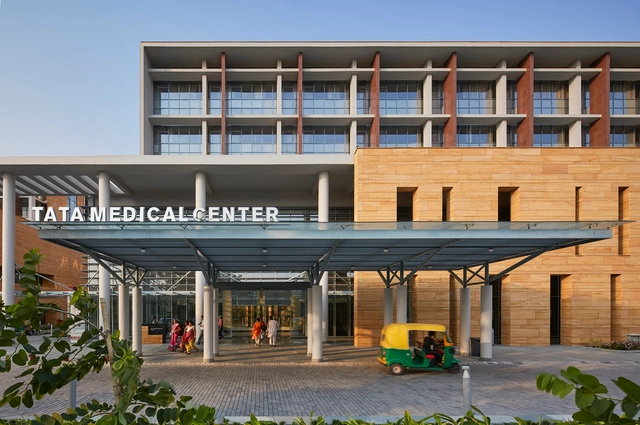
In a nation as diverse as India, the healthcare landscape presents wicked problems and plentiful opportunities. The country's hospital infrastructure has been increasingly strained in the areas of accessibility, quality, and equity, especially with a snowballing population growth. While urban development expands amidst these constraints, architects have been able to position innovative design solutions as mediators, also sealing the gap between urban and rural healthcare quality and accessibility in India.
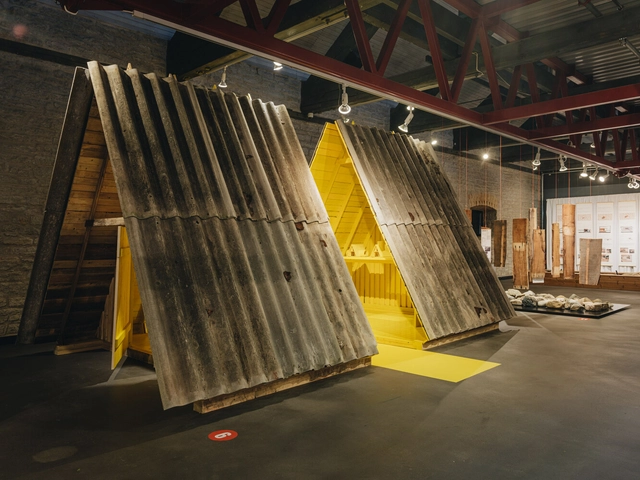
Tallinn Architecture Biennale 2024 has officially opened to the public. Hosted at the Museum of Estonian Architecture and across multiple venues in the center of the city, the event is centered around the theme "Resources For a Future." The head curator Anhelina L. Starkova along with co-curators Daniel A. Walser and Jaan Kuusemets hope to open up conversations about emerging approaches to designing and building architecture, including the potential of reused and repurposed materials. The event is held between October and November 2024, with free participation.
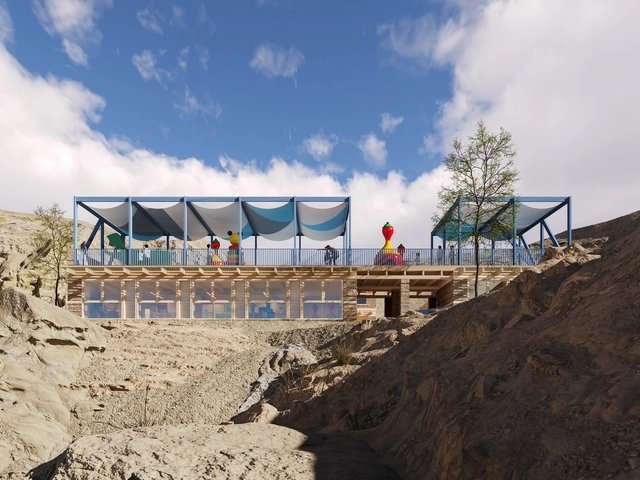
Czech-based architectural firm CHYBIK + KRISTOF has revealed its design for a new school in Mulbekh, North India, in collaboration with the Czech NGO Himalayan Patron and Spring Dales Public School. The project aims to provide quality education in the region while preserving local culture. This initiative is particularly significant as many children, especially girls, from remote ethnic minority communities, have faced limited access to education due to the area's harsh climate and challenging terrain.