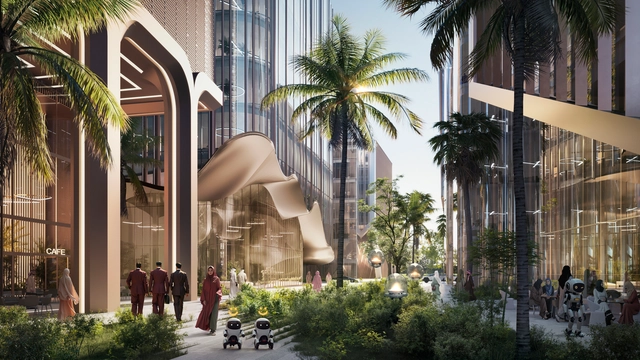
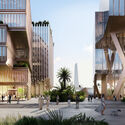
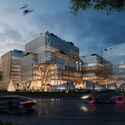
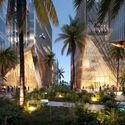
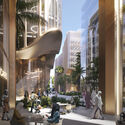
District 11 in Sharjah, UAE. Exterior render. Image Courtesy of HWKN
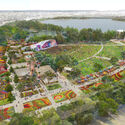
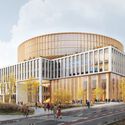
Architecture firm HWKN has been commissioned by Al Marwan Real Estate Development to design eleven distinct buildings for a new commercial neighborhood in central Sharjah, the third most populous city in the United Arab Emirates. The district, featuring offices, retail spaces, cafés, childcare and healthcare facilities, specialized institutes, and a mosque, has been fully researched, conceptualized, and planned using Artificial Intelligence (AI).
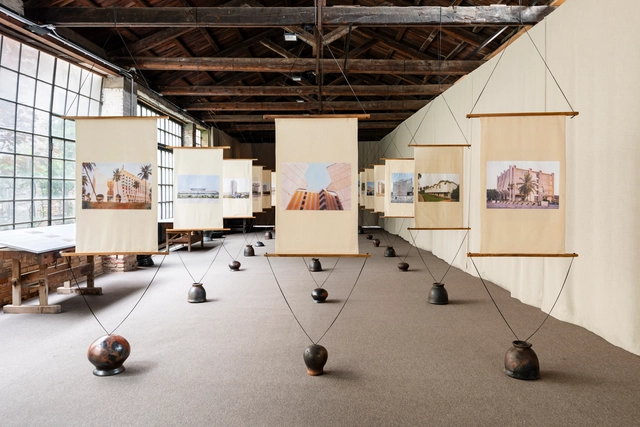
The Republic of Togo presents its first pavilion at the 19th International Architecture Exhibition – La Biennale di Venezia 2025 with a project titled Considering Togo's Architectural Heritage. The inaugural pavilion is curated by Studio NEiDA, an architecture and research practice co-founded by architect Jeanne Autran-Edorh and curator Fabiola Büchele. Based in Lomé and Berlin, the studio is dedicated to equitable design processes, applying an Afrocentric lens to contemporary architectural discourse. The exhibition, located at Venice's Squero Castello, explores Togo's architectural narratives from the early 20th century, focusing on themes of conservation and transformation.
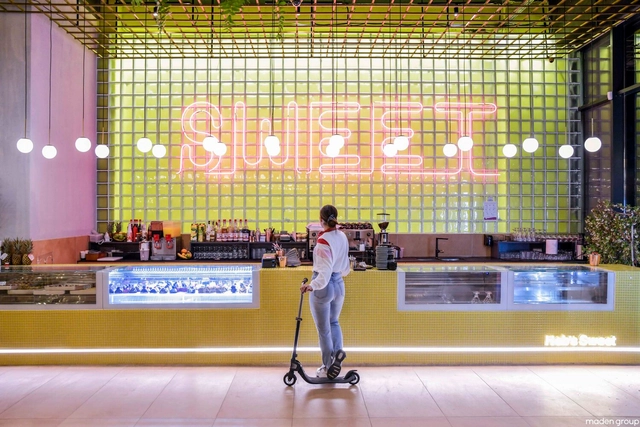
Glass bricks have been widely used in architecture, eventually becoming a staple of the 1980s architectural styles. Some examples of construction with this material could be the classic "Maison de Verre" by Pierre Chareau and Bernard Bijvoet in Paris or the more modern take of Hiroshi Nakamura & NAP with the Optical Glasshouse in Japan. In recent years, glass bricks are becoming increasingly popular, no longer relegated to older aesthetics. Instead, they have evolved into versatile design elements that bring light, texture, and character into contemporary interiors. Their ability to diffuse natural and artificial light while maintaining privacy has reignited interest among designers seeking innovative ways to enhance indoor spaces while taking advantage of natural light.
Finding the right job—or the right candidate—within the Architecture, Engineering, and Construction (AEC) industry can be a real challenge. As the sector evolves, professionals and companies alike are looking for more effective ways to connect, collaborate, and grow. AECO Space is a job and networking platform tailored specifically for AEC professionals. It offers a space for both employers and talent to engage in a more efficient, industry-specific hiring and networking process.
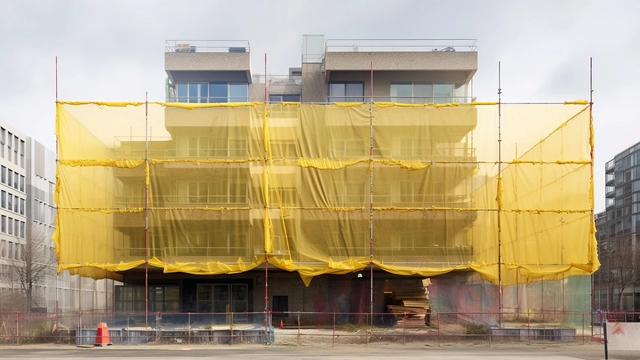
HouseEurope!, a registered non-profit organization focused on promoting the social and ecological transformation of Europe's built environment, has received the 2025 OBEL Award. Presented annually by the Henrik Frode Obel Foundation, the award recognizes architectural contributions with the potential to drive meaningful change. Aligned with this year's theme, "Ready Made," the OBEL Award Jury selected HouseEurope! for its efforts in raising awareness and fostering public engagement around the need for a shift in construction and housing practices across Europe.
Extreme heat is one of climate change's most urgent and rapidly growing consequences, especially in cities. Urban areas are particularly vulnerable because they trap heat in building materials and urban streets, creating dangerous conditions for residents. As temperatures continue to rise and heat waves lengthen, cities are grappling with how to remain livable in the face of this intensifying threat.
Located in the south of the "Land Down Under", Melbourne is a city that resists simplistic definitions. While refined Victorian façades confront graffiti-covered laneways, meticulously maintained public gardens coexist with former industrial warehouses transformed into cafés, studios, and cultural spaces. It is precisely in this contrast between deliberate planning and spontaneous appropriation that the architectural essence of the metropolis resides.
Its history begins with the Aboriginal Kulin people, who for millennia inhabited the banks of the Yarra River, developing complex systems of land management, spirituality, and social organization. With the arrival of British colonizers in 1835, the chapter of the modern city began, a process marked not only by urban growth and development but also by violence, forced displacement, and cultural erasure. The effects of this legacy are still felt today, even in the face of contemporary efforts toward recognition and reconciliation.
The future of the architecture industry holds countless possibilities, as research in the domain progresses. One innovation is the ability for structures to be rendered acoustically invisible, absorb earthquake energy, or harvest electricity from the sounds around them. Qualities of this nature can help redefine the functionality and sustainability of buildings. Architects and scientists are at the forefront of this creation. What makes this possible are metamaterials that could offer alternative methods of designing good buildings.
Buildner, in collaboration with building materials manufacturer Kingspan, has announced the winners of the MICROHOME Kingspan Edition with a 100,000 EUR prize fund.
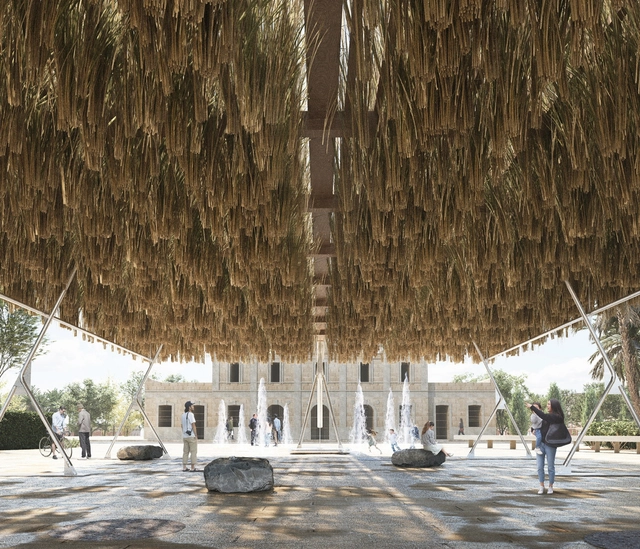
ESPARTAL Pavilion / ELE Arkitektura, GA Estudio, Florencia Galecio, and Juan Gubbins. Image Courtesy of TAC! Festival de Arquitectura Urbana
The TAC! Urban Architecture Festival is held annually in Spain with the aim of bringing contemporary architecture closer to the public through installations in various cities, including Granada, San Sebastián, Valencia, Vigo, and San Fernando. Organized by the Ministry of Housing and Urban Agenda in collaboration with Fundación Arquia, the festival seeks to promote experimentation in architecture by constructing temporary pavilions for cultural events and gatherings. The 2025 edition of the festival will take place in two locations: Casa Mediterráneo in Alicante and Plaza Stagno in Las Palmas de Gran Canaria. The pavilions are selected each year through an open call for young architects up to 45 years old. This year's winners have already been announced: the ESPARTAL project by ELE Arkitektura, GA Estudio, Florencia Galecio, and Juan Gubbins; and DE ROCA MADRE by Alejandro Carrasco Hidalgo, Eduardo Cilleruelo Terán, Alberto Martínez García, and Andrea Molina Cuadro.
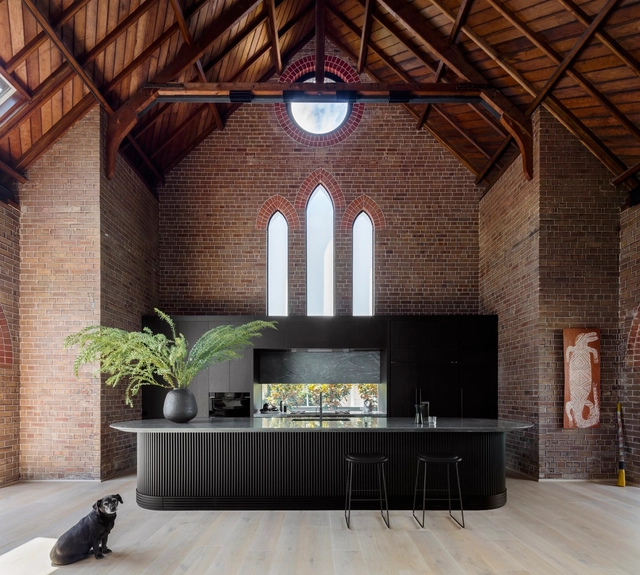
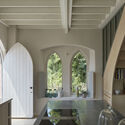
What does a change in use and/or scale in buildings imply? How can a church or chapel be transformed into a home? While the architecture of many contemporary sacred spaces shows a remarkable capacity for adaptation and evolution, the creative boundaries of many professionals extend beyond their conception as structures of spirituality or worship. Globally, the conversion of large churches and small chapels into private residences reveals a wide field for intervention and exploration, one that can preserve, restore, adapt, and/or renew the character of spaces originally conceived for other uses and scales, which for various reasons have been abandoned, become obsolete, or now require transformation.
Earth-based flooring materials comprise natural elements such as clay, sand, silt, lime, and organic fibres. They offer both structural performance and sensory engagement when used in both outdoor and interior spaces. Due to their thermal properties, durability, and sustainable qualities, these materials have evolved from vernacular construction techniques into high-value architectural elements that are always being reinvented and optimized. There are several types of earthen floorings, each offering unique benefits, and they are increasingly used in interior settings.
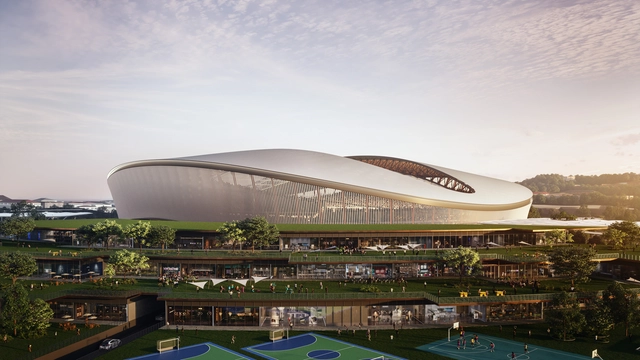
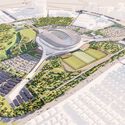
Shah Alam Sports Complex Render. Image Courtesy of Populous
Populous, in collaboration with Malaysian practice HIJJAS Architects + Planners, has released the design for the new Shah Alam Sports Complex in Selangor, Malaysia. Anchoring the Kompleks Sukan Shah Alam (KSSA) masterplan, the stadium sits at the heart of a 188-acre redevelopment led by Populous that aims to transform the site into a major public and civic destination. Originally opened over 25 years ago, the existing Shah Alam Stadium has been a significant venue in the country's sporting history. The new proposal retains the original stadium's silhouette while introducing contemporary architectural and technical upgrades to support current and future needs. Redevelopment works, including the demolition of the aging structure, are planned over 48 months, with completion targeted for 2029.
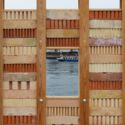
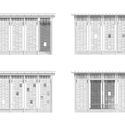
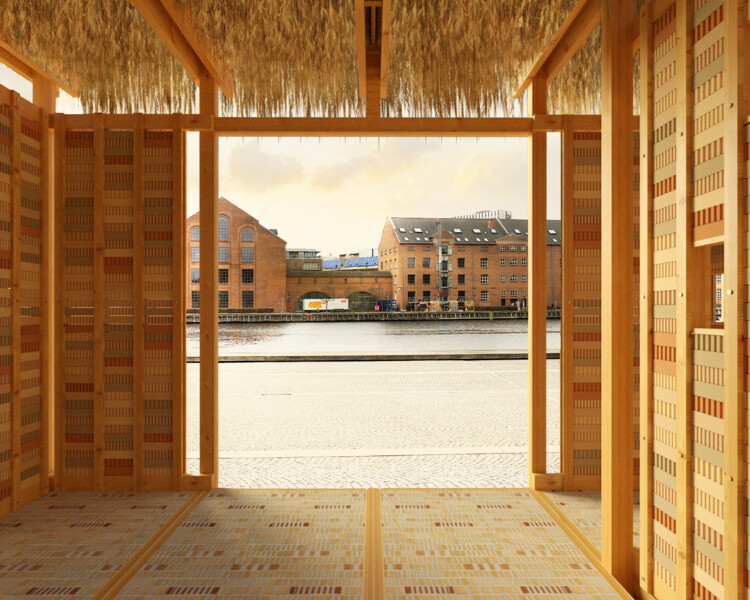
Inside Out, Downside Up Pavilion / Slaatto Morsbøl. Image Courtesy of Copenhagen Architecture Forum Copenhagen Architecture Forum (CAFx)
The first edition of the Copenhagen Architecture Biennial will take place from 18 September to 19 October 2025. Organized by CAFx (Copenhagen Architecture Forum), the event marks a transition from the previous annual Copenhagen Architecture Festival to a more expansive platform for architectural exploration. The theme of the inaugural edition, "Slow Down," invites participants to reflect on how the rapid pace of modern life affects the built environment. According to the organizers, this thematic shift encourages the envisioning of spaces that promote sustainability, longevity, and mindful engagement with our surroundings. In line with this vision, the organization launched an open call earlier this year for pavilion proposals that embody principles of circular design while serving as hubs for public programming during the event. Two winning proposals, modular structures by Slaatto Morsbøl and Tom Svilans x THISS Studio, were selected, each offering an approach to architectural deceleration.
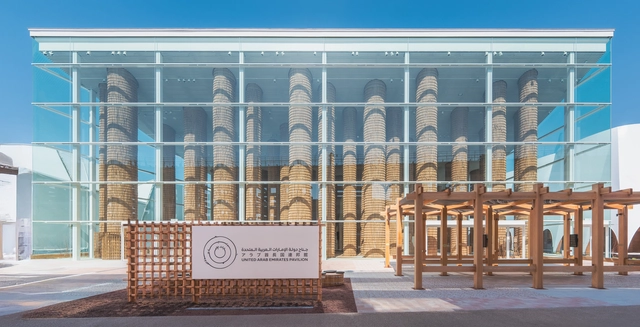
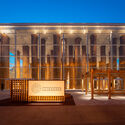
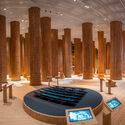
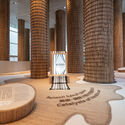
UAE Pavilion at the Expo Osaka 2025. Image Courtesy of UAE Expo Office
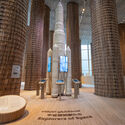
The UAEPavilion at Expo 2025 Osaka, titled "Earth to Ether," presents an immersive, multisensory experience that narrates the story of the United Arab Emirates, from its cultural heritage and core values to its forward-looking innovations. Inspired by the symbolic date palm, the pavilion reimagines areesh, a traditional form of Emirati vernacular architecture, by combining agricultural byproducts from date palms with refined Japanese woodworking techniques. Opened in April 2025, under the theme "Designing Future Society for Our Lives," the pavilion is located in the "Empowering Lives" zone. Designed to work under the broader theme, the UAE Pavilion offers diverse programming and interactive exhibits and serves as a collaborative platform for co-creating solutions that "drive collective progress."
Tampa International Airport. Image Courtesy of Hensel Phelps and HNTB, in association with Gensler
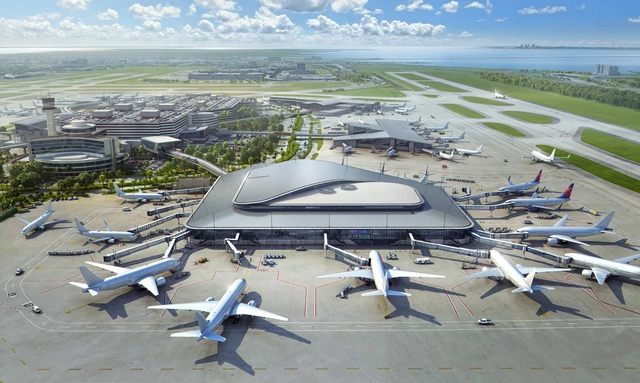
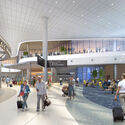
From Bangkok to Billund, a new wave of architectural project announcements is reshaping how spaces for work, culture, mobility, and public life are conceived. Across Norway, Thailand, the United States,Denmark, Australia, and Thailand, these projects reflect an increasing emphasis on technological integration, sustainable construction, and flexible, future-ready environments. Whether designing production hubs for digital creators, adaptable media campuses, or civic landscapes layered with history and ecological intent, each scheme offers insight into how architecture is evolving to support emerging industries, cultural programming, and new forms of public engagement. This edition of Architecture Now brings together a selection of recently announced projects that highlight the intersection of design, technology, and innovation in a global context.