There is a standard way of telling the history of architecture and food. It begins with the human decision to cultivate, to store, to distribute, to consume, and ends with the building that decision produced. In this version of events, food is the occasion and architecture is the response.
But what if the story runs differently? What if the tomato built Almería? What if the cod redesigned the North Atlantic? What if the soybean is, at this moment, constructing a port in Santos and demolishing a forest in the Cerrado simultaneously, and the architect has simply not been told? These are descriptions of processes already complete, or well underway, that have produced some of the most spatially consequential contemporary landscapes. Much of the built environment is shaped by the pressures, metabolisms, and territorial ambitions of what we eat. Architecture, in this, is often less a project than a consequence, and the discipline has been telling its own story from the wrong end.
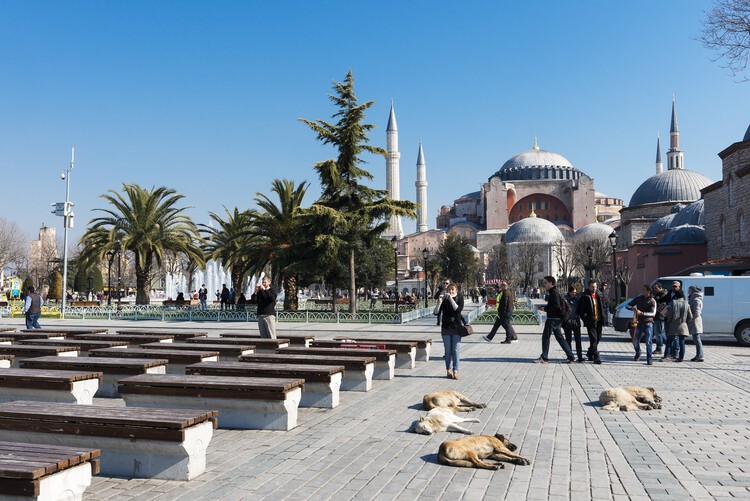
Stray dogs in Istanbul. Image by istanbulphotos, via Shutterstock
Architecture continues to draw cities as though humans occupy them alone. Plans trace circulation routes, zoning maps assign functions, and buildings are evaluated according to human comfort, safety, and efficiency. Walking through cities across India and Southwest Asia reveals something much more complex. Dogs sleep beneath market stalls, monkeys move across rooftops, birds nest in temple towers and mosque façades, and insects pollinate urban landscapes hidden in plain sight. These species are woven into daily urban life as consistently as human occupants. Streets, courtyards, roofs, drainage systems, markets, and vacant lots are already occupied by multiple species simultaneously. Architectural thinking has been slower to account for this reality.
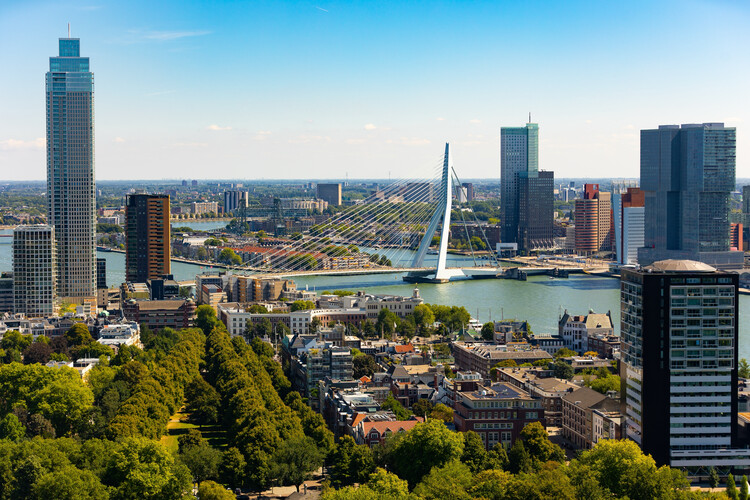
Who has the right to the city? Henri Lefebvre's writings question the structures that control urban space and, instead, put the citizens at the center of decision-making. His ideas have influenced the way architecture and urban design are practiced, bringing about community participation and co-design. These have been some of the most prominent themes at Utopian Hours 2026, the festival of city-making, the first part of which was held in the Dutch city of Rotterdam to mark its tenth anniversary edition.
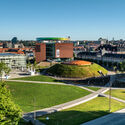
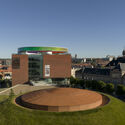
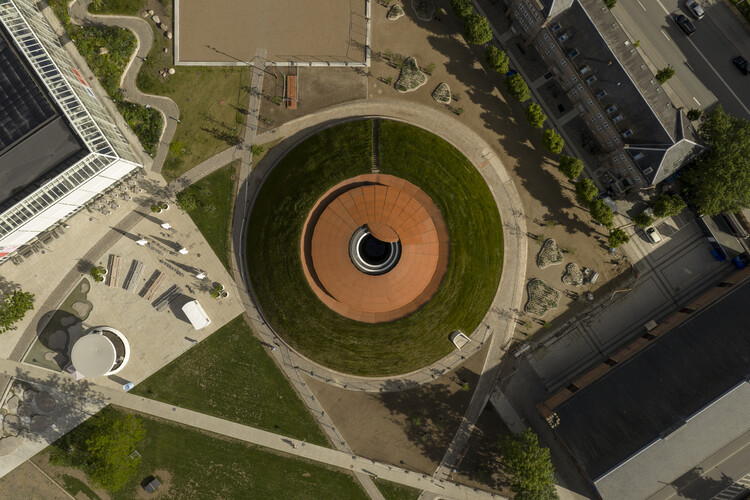
Denmark's ARoS AarhusArt Museum has unveiled As Seen Below – The Dome, a new Skyspace by American artist James Turrell that completes The Next Level, the museum's approximately 4,000-square-metre underground expansion designed by Schmidt Hammer Lassen. Opened to the public on 19 June 2026, the project marks the culmination of more than two decades of collaboration between the City of Aarhus, ARoS, and the Danish architecture practice, following the completion of the museum building in 2004 and the addition of Olafur Eliasson's Your Rainbow Panorama in 2011. Located beneath the redesigned Musikhusparken in central Aarhus, the installation forms the centerpiece of the museum's latest expansion and adds a new large-scale work by Turrell to its collection.
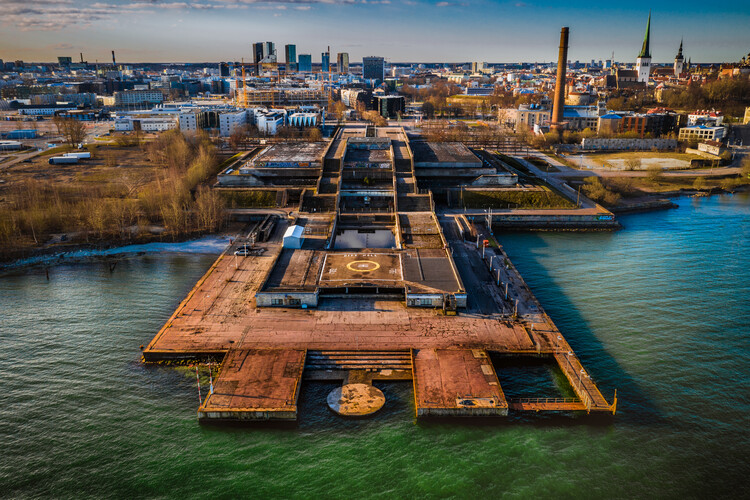
Following its 7th edition in 2024, an event centered around the theme "Resources For a Future," the Tallinn Architecture Biennale is coming back in 2026 with the question of "How Much?" Organised by the Estonian Centre for Architecture and curated by Stuudio TÄNA, Mark Aleksander Fischer, and Mira Samonig. From September 9 to November 30, 2026, the biennale will explore the relationship between constraint, cost, and architecture, often in the margins of the architectural discourse but inevitably shaping the built environment, to ultimately unlock new ways of understanding the meaning of value, affordability, and responsibility in architecture. The organization recently released the full program of exhibitions, workshops, concerts, family events, and films for TAB 2026, addressed to both architects and the general public.
There is growing awareness around sustainability—and the environmental cost of prematurely demolishing safe, structurally sound buildings only to replace them with new construction. In the broader race to reduce carbon emissions, corporations and institutions are placing greater emphasis on ESG performance (environmental impact, social responsibility, and governance). Many now require carbon accounting, set "carbon-neutral" targets, or purchase carbon credits to offset footprints.
This shift, together with a wave of exemplary adaptive-reuse projects worldwide—Herzog & de Meuron's Tai Kwun in Hong Kong, Powerhouse Arts in Brooklyn, David Chipperfield's The Ned Doha, and Xu Tiantian's transformations of factories, quarries, and rammed-earth fortresses in China—has accelerated serious reconsideration of reuse as a primary development strategy. Yet despite its many benefits, adaptive reuse is still not as prevalent as it could be. Why and what might be the main obstacles and tensions?
Building roofs are advancing through a multidimensional optimization process that encompasses technological innovations, new materials, energy-saving performance, and faster construction methods. From green roofs and rainwater harvesting systems to solar panels, contemporary architects are working to balance aesthetics, performance, durability, and environmental impact in their projects. Roof renovation not only extends the service life of buildings but also reflects an environmental commitment by improving efficiency and sustainability.
From acoustic and thermal cladding systems to masonry units and textiles made from agricultural waste, experimentation with bio-based materials continues to drive sustainable solutions for the construction industry. Faced with the urgent need to rethink how we conceive of and interact with the materials that shape the built environment, professionals, researchers, and educators are addressing different design scales and project phases, recognizing the importance of reducing carbon emissions and the industry's environmental impact. In partnership with Bagaceira Project, the Sugarcrete® acoustic and thermal panel prototype, developed by the University of East London (UEL), demonstrates how low-carbon design can transform agricultural waste into high-performance building materials.
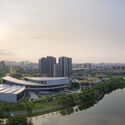
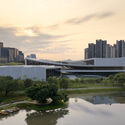
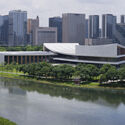
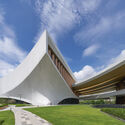
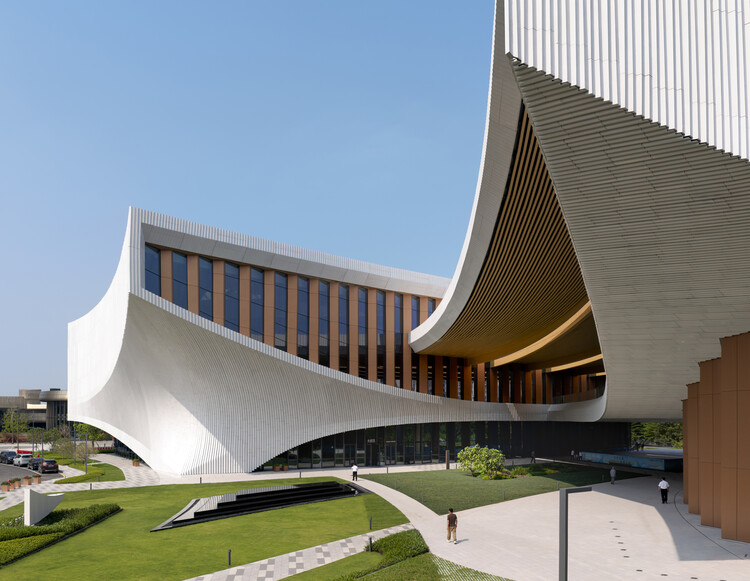
The Songshan Lake Exhibition and Performance Center, designed by ZHA in collaboration with the Beijing Institute of Architectural Design, is a new cultural and sports facility in Dongguan City, China. It's located in the city's High-Tech Industrial Development Zone, a technological innovation and science city established in 2001 as a hub for research, development, and high-tech manufacturing. Covering a total floor area of 45,000 square metres, the new cultural centre was designed to be a civic and cultural anchor for the Guangdong-Hong Kong-Macao Greater Bay Area (GBA). The construction of the riverside building started in 2021, and the complex was officially opened on March 30, 2026.
ArchDaily started inside a university, with two architecture students who believed that architectural knowledge should travel further than it did. Eighteen years later, that conviction hasn't changed — but the insights, the tools, and the opportunities have grown. We are launching the Student Ambassador Program to give the next generation of architects a direct role in bridging their university and the global architectural conversation.
The kitchen has evolved from a functional space into a shared environment and the heart of many households. Serving as the setting for daily rituals in countless families—and even collective practices in urban life—food brings people together, making the design of spaces that respond to these needs essential to everyday living. Beyond the various kitchen layouts, aesthetics, and configurations, the integration of appliances and equipment plays a key role supporting storage, preservation, and daily use that cooking demands. From innovative technologies to advanced materials, these elements shape contemporary kitchen spaces that bring together customs and cultures from diverse backgrounds.
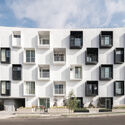
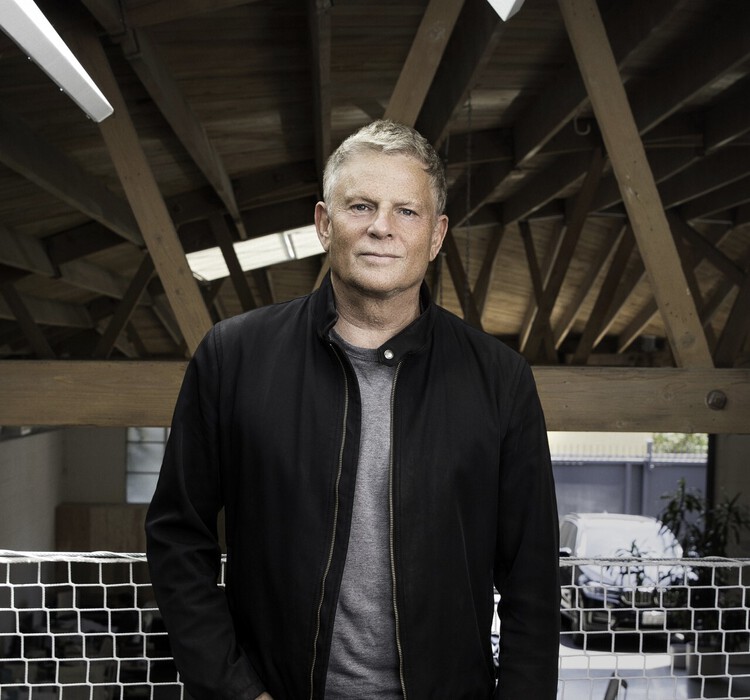
Lorcan O'Herlihy, the Irish-born architect, educator, and founder of Los Angeles-based Lorcan O'Herlihy Architects (LOHA), has died at the age of 66. His death was confirmed by the firm on June 14, 2026. Over a career spanning more than three decades, O'Herlihy became known for advancing an architectural practice centered on housing, urbanism, and social engagement, helping shape conversations around density, affordability, and the civic role of design in contemporary cities.
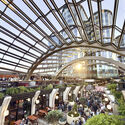
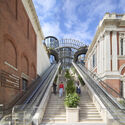
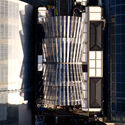
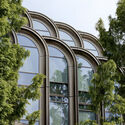
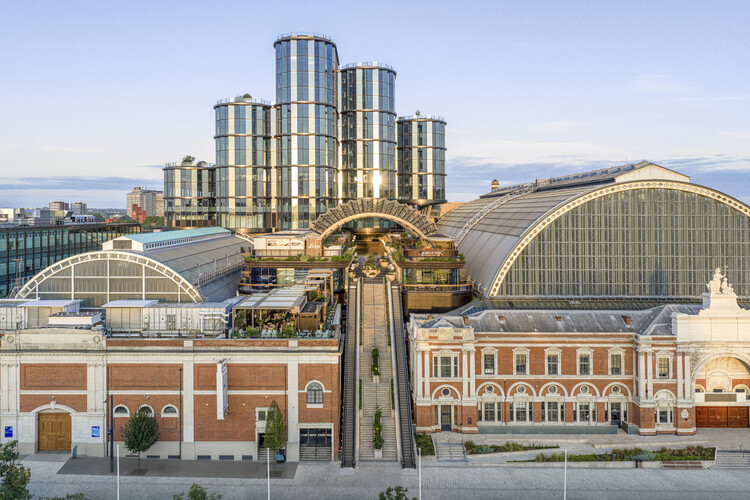
Heatherwick Studio and SPPARC have unveiled the first phase of the transformation of Olympia, a historic exhibition complex in West London, into a mixed-use cultural destination. Originally opened in 1886, the Victorian landmark is undergoing a large-scale redevelopment that aims to reconnect the 14-acre site with the surrounding city through new public spaces, cultural venues, hospitality programs, and commercial facilities. The opening is marked by the completion of a new public canopy, which introduces elevated pedestrian circulation and serves as a gateway into the broader master plan while framing new views across Olympia's historic roofscape. The intervention forms part of a broader master plan that will be implemented through 2026 and 2027.