What matters more: looking to the past or to the future? Recognizing established trajectories or fostering paths still under construction? Perhaps this is not a question with a single answer. Traditionally, architecture awards have operated as devices of consecration, recognizing completed works, established careers, and already tested solutions, most often through a retrospective lens. But what would happen if recognition ceased to be an end in itself and instead began to operate as a catalytic agent, investing less in what has already been done and more in what is still yet to unfold?
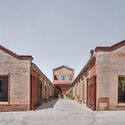
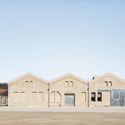
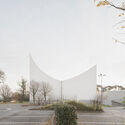
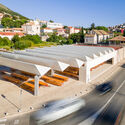
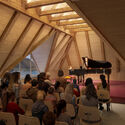
The European Commission and the Fundació Mies van der Rohe have announced the seven finalist projects for the 2026 European Union Prize for Contemporary Architecture - Mies van der Rohe Awards, supported by the European Union's Creative Europe programme. The selection follows the announcement of 410 nominated works in November and a shortlist of 40 projects revealed in early January. Of the seven finalists, five have been selected in the Architecture category and two in the Emerging category. According to the jury chaired by Smiljan Radić, the finalist projects are exemplary contributions to the future of European architecture, demonstrating how the discipline can respond simultaneously to specific local conditions and broader social, cultural, and environmental challenges. The selected works range from interventions in former industrial sites, small villages, and peripheral urban areas to carefully calibrated projects within larger cities. Across these varied contexts, the projects show how architecture can transform overlooked or ordinary settings into inclusive, high-quality spaces for living, learning, and social exchange.
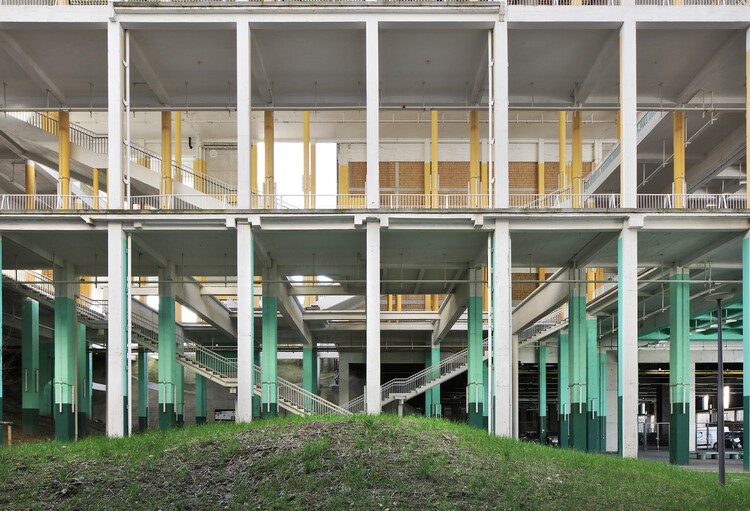
Architectural heritage is often described as what survives time. Yet survival does not explain why certain buildings are preserved while others disappear. Many works now protected as cultural heritage were once criticized, contested, or openly rejected; they were accused of being socially misguided, materially flawed, or symbolically excessive. Over time, however, these same shortcomings have become central to their meaning as heritage emerges as a slow and unstable process of interpretation.
Contemporary architecture operates under intense scrutiny, pressured by environmental responsibility, social equity, economic volatility, and accelerated technological change. Buildings are expected to perform ethically, efficiently, and symbolically, often simultaneously. As a result, architectural failure is no longer an exception but an increasingly common condition. Projects age faster, materials reveal limitations sooner, and urban strategies quickly fall out of sync with shifting political, social, and environmental realities.
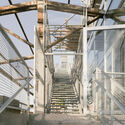
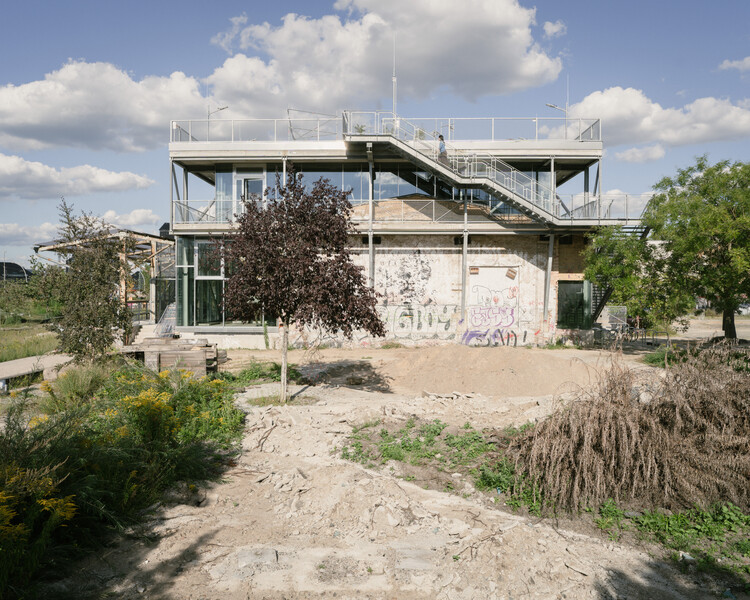
The 20th edition of the DAM Preis 2026 has been awarded to Peter Grundmann Architekten for the ZK/U Center for Art and Urbanistics, an adaptive reuse project in Berlin, Germany. The project transforms a former single-story warehouse at a freight station in Berlin-Moabit into a cultural meeting place. The jury recognized the practice's transformative approach, highlighting the use of an above-average amount of manual labor and a modest budget to encase the existing hall in a lightweight steel-and-glass structure and add an additional floor. Developed in close collaboration with the non-profit association KUNSTrePUBLIK e. V., the project supports a wide-ranging public program established at the former freight station since 2012, including exhibitions, performances, artist residencies, repair workshops, neighborhood markets, and public viewings. Peter Grundmann Architekten was selected through a Europe-wide tender process and commissioned to build the acclaimed extension in 2019.
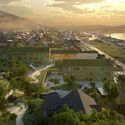
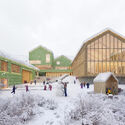
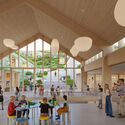
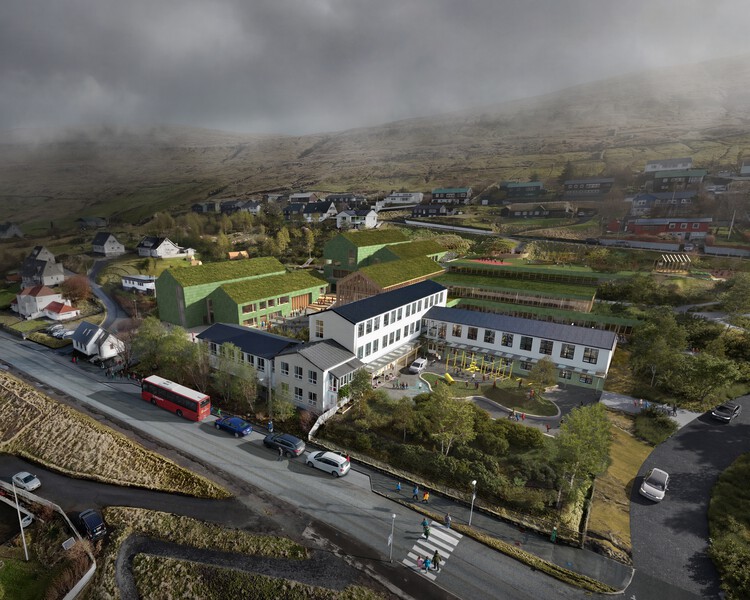
Danish architecture studio Henning Larsen has been selected to redesign and expand Glyvra School in the Faroe Islands, proposing a landscape-driven educational campus that responds directly to the region's topography and climate. Conceived as a "learning village," the project rethinks the role of the school in a small coastal community, positioning architecture and outdoor space as integral parts of everyday learning. Commissioned by Runavík Municipality and developed in collaboration with engineering firm Ramboll, the project will be delivered in multiple phases to ensure the school remains fully operational throughout construction, with new facilities completed and occupied before existing structures are renovated or removed.
The magic of Indian architecture lies in an invisible order amidst visceral chaos. When an uncertain future knocks on the doors of local practitioners, one might begin to look within the four walls they occupy to discover an opportunity for reinterpretation.
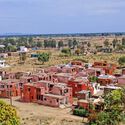
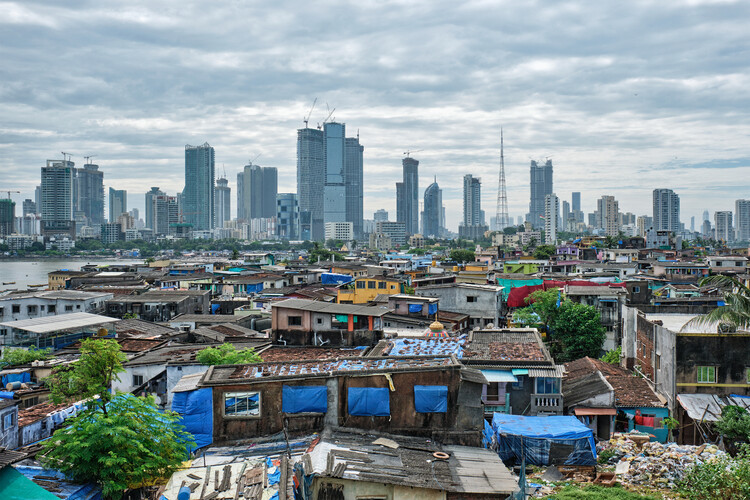
Mumbai, Delhi, Bengaluru, and other major metropolises are described as needing massive housing solutions for millions. The instinctive answer is predictable — masterplans, dense towers, and standardized units smeared over haphazard developments. The lexicon misses a deeper truth about how the people already live, work, and build in India. The shorthand used in policy and planning — slum, informal settlement, unauthorized colony — implies a temporary state to be corrected. A designer's eye views these places as layered urban histories, formed through necessity.
Spanning multiple geographies and scales, this week's architecture news reflects ongoing discussions around long-term planning, institutional frameworks, and the public role of architecture. National-scale urban initiatives and large civic developments point to how planning and infrastructure are being used to reorganize cities and territorial systems, while parallel attention to stadiums, cultural facilities, and mixed-use projects highlights the expanding civic ambitions of large-scale architecture. Alongside these, interviews and heritage-focused projects foreground participatory practices and the careful reuse of existing structures, highlighting architecture's capacity to operate within complex social and political conditions. Recognition platforms and professional programs further situate these practices within a broader architectural discourse, offering insight into how contemporary work is evaluated and shared across regions.
The potential of existing buildings to shape cities and communities in flux through reuse and adaptation is the key focus of HouseEurope! and their activism: addressing the pressing challenge across much of Europe, where it is often easier, cheaper, and faster to demolish buildings than to renovate. For decades, construction policies, industrial practices, and market systems have favored new development, often undervaluing the cultural, social, and environmental significance of existing structures. For their work advocating systemic change in architecture, HouseEurope! received the 2025 OBEL Award under the theme "Ready Made." In a conversation with ArchDaily, collective members of HouseEurope! Alina Kolar and Olaf Grawert discussed the organization's approach to architecture, policy, and collective action.
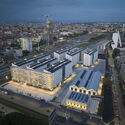
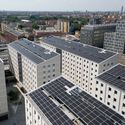
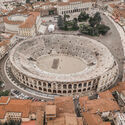
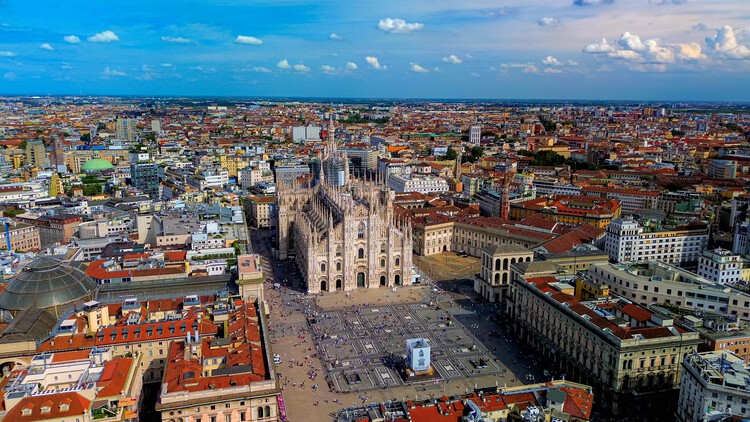
One month remains until the Opening Ceremony of the Olympic Winter Games Milano Cortina 2026, with competitions set to run from February 4 to 22, 2026. The Opening Ceremony will take place on February 6 at the Milano San Siro Olympic Stadium and will bring together approximately 2,900 athletes from around the world competing across 16 sports, with 116 gold medals to be awarded. The Olympic Winter Games return to Italy twenty years after Torino 2006 and seventy years after Cortina 1956. This edition, however, adopts a markedly different approach, proposing a shift away from the traditional high-cost, high-waste model toward adaptive reuse, renewable energy, and long-term regional development. The most geographically dispersed Winter Games in history plan to rely on 92% existing or temporary venues, build on regions with established tourism industries, avoid major environmental disruption, and implement circular design and recycling strategies, the results of which will become evident in the coming months. The Milano Cortina 2026 Winter Paralympics will follow, taking place from March 6 to 15, 2026.
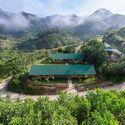
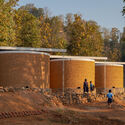
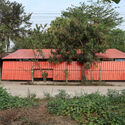
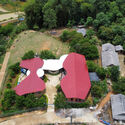
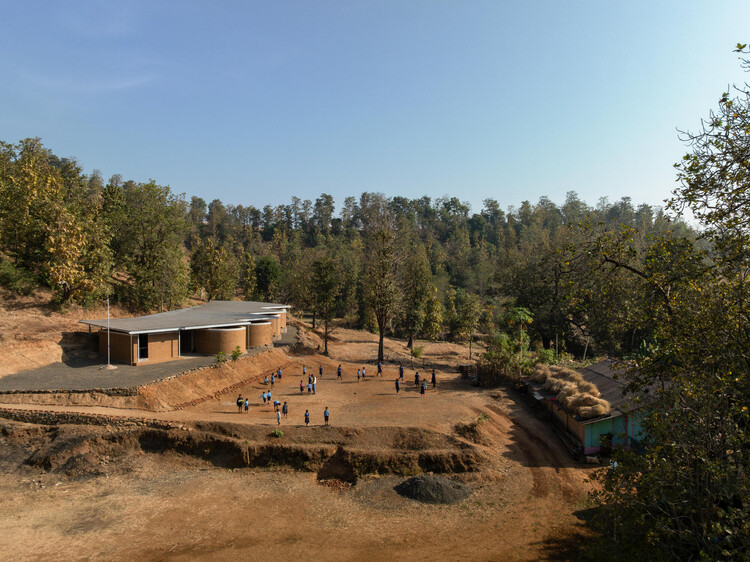
In the mountainous regions of Vietnam, the borderlands of Thailand, and the rugged Western Ghats of India, building school projects remains a challenge defined by logistics. In areas where infrastructure and industrial supply chains are limited or distant, transporting each kilogram of material can significantly increase costs and logistical complexity. During 2025, several school projects in rural contexts in Asia showed how the architect's role often shifted from a designer of form to a strategist of procurement. The primary challenge was not merely aesthetic but a matter of durability: using locally available materials and protecting them from monsoon rains, high-velocity winds, and sometimes seismic instability.
Across different geographies and scales, this week's architecture news reflects a sustained focus on how cities and buildings are being recalibrated in response to evolving patterns of movement, work, and collective life. Across multiple contexts, public space and mobility remain central concerns, with streets, downtowns, and large-scale developments serving as testing grounds for new approaches to accessibility, resilience, and everyday use. Pedestrianisation initiatives and community-led visions point to evolving governance models and long-term urban strategies, while cultural and research-driven platforms continue to frame these changes within broader public discourse. In parallel, progress on major mixed-use and corporate projects underscores the growing integration of digitalinfrastructure, environmental performance, and flexible spatial frameworks within contemporary architecture.
In much of China, concrete remains the dominant construction material. Despite growing concerns over its environmental impact, concrete continues to align with the priorities of many developers and clients—it is fast, cost-effective, and highly durable. As a result, most building types in China still rely heavily on concrete. This reliance is further reinforced by China's position as the world's largest producer of Portland cement. A deeply entrenched supply chain, rooted in raw material manufacturing and economic infrastructure, ensures that concrete remains the default choice in the construction industry.
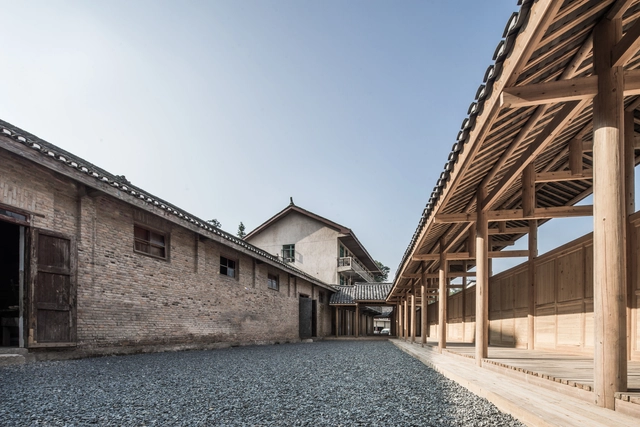
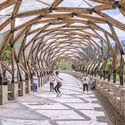
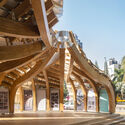
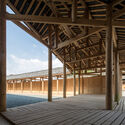
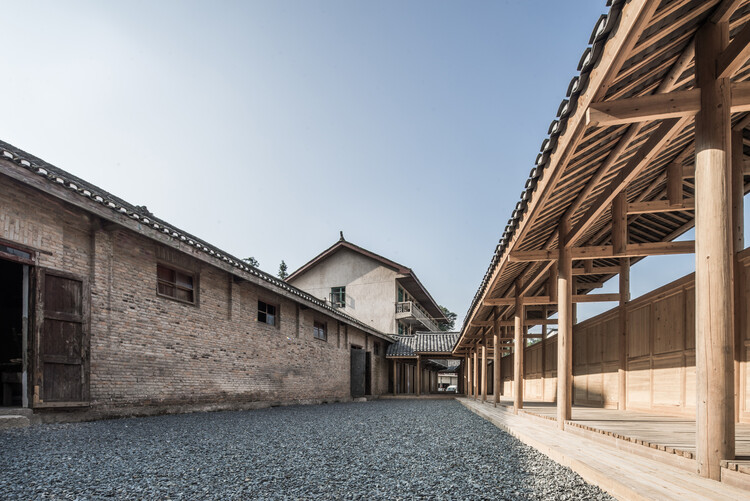
Yet historically, Chinese architecture was built upon a rich tradition of timber construction. The Forbidden City is a prime example: not only is it emblematic of China's architectural heritage, but it also remains one of the largest and best-preserved collections of ancient wooden structures in the world. This legacy prompts an important question: does timber construction have a meaningful future in China's contemporary building industry?
Videos
First Prize Winner: Edge of presence. Image Courtesy of Buildner
Buildner has announced the results of its Re-Form: New Life for Old Spaces, an international ideas competition examining the adaptive reuse of small-scale existing buildings. The competition invited architects and designers to propose transformations of used, abandoned, or overlooked structures with an approximate footprint of 250 square meters, located anywhere in the world. With no fixed site or program, participants were encouraged to explore alternatives to demolition and new construction through reuse strategies grounded in contemporary social and environmental concerns.
As an open-format competition, Re-Form foregrounded sustainability, feasibility, and community impact over formal or typological constraints. Submissions ranged from precise urban insertions to more speculative rural interventions, reflecting a broad range of approaches to working with existing fabric. Many projects focused on how limited, often marginal spaces could be reactivated to support new forms of collective use while responding to material, climatic, and ecological conditions.
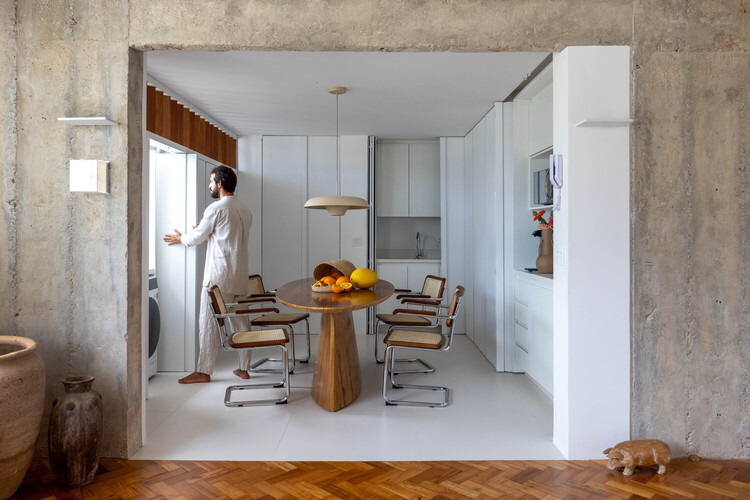
Across Latin America, renovation has become less about preservation alone and more about responding to changing ways of living. Rather than freezing buildings in time, many contemporary projects work with existing structures to adapt them to new domestic routines, social dynamics, and spatial needs. Through strategic changes in materials, composition, color, and light, these interventions reinterpret everyday spaces while maintaining a strong connection to their original context.
In this process, houses and apartments become sites of transformation where flow, continuity, and shared spaces are carefully reconsidered. Renovation operates as a precise architectural tool, one that prioritizes natural light, openness, and flexibility to support daily life as it evolves. Instead of imposing new forms, these projects repurpose what is already there, aligning spatial decisions with the habits and rituals of those who inhabit them.
In 2025, the architectural field has been marked by a dense calendar of exhibitions, a measured slowdown in construction across multiple regions, and a period of reflection that scrutinizes the impact of intelligence (artificial and natural)—both on professional practice and workplace culture, as well as its use as a pedagogical tool. Over this calendar year, ArchDaily has published more than 30 interviews in a range of formats—Q&As, in-person conversations, video features, and more. These exchanges have engaged themes of sustainability and nature, housing and urban development, AI and intelligence, adaptive reuse and public life, and have closely followed major exhibition platforms including the Venice Biennale, Expo 2025 Osaka, Milan Design Week, Concéntrico, and others.
The phenomenon known in biology as convergent evolution describes how distant species can develop similar structures when confronted with comparable challenges. Dolphins and ichthyosaurs, for example, are separated by millions of years of evolutionary history, yet both evolved nearly identical hydrodynamic bodies. Architecture has its own parallels: A-frame structures emerged independently in both the European Alps and Japan, even without direct cultural exchange, as spontaneous responses to snow, wind, and material scarcity.
https://www.archdaily.com/1037027/converging-trends-in-2025-architecture-circularity-biomaterials-and-carbon-conscious-designArchDaily Team
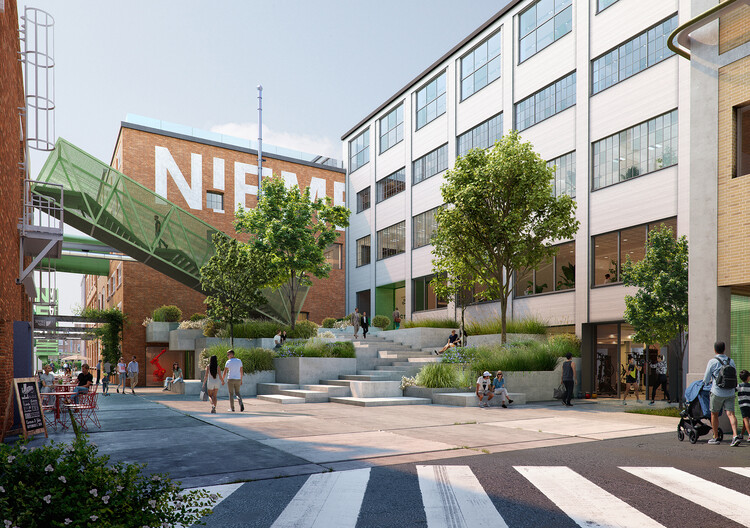
Studioninedots is leading the transformation of a 200-year-old tobacco factory site into Niemeyer, a mixed-use urban complex accommodating digital innovation, cultural venues, hospitality, education, and manufacturing within the existing industrial buildings. Located on Paterswoldseweg in Groningen, the Netherlands, the 38,000 m² project is commissioned by MWPO, with MWPO and Campus Groningen jointly acting as clients for the Shared Facilities. Currently in the design phase (2023–2025), the project's provisional timelines indicate a phased construction start beginning with the factory's southern section in 2026, followed by the northern section in 2027. The Amsterdam-based office's proposal opens the formerly closed industrial ensemble to the public, introducing cafés, galleries, workshops, and shared workspaces distributed across interior streets and adjacent park areas.