In a world facing ecological exhaustion and spatial saturation, the act of building has come to represent both creation and consumption. For decades, architectural progress was measured by the new: new materials, new technologies, new monuments of ambition. Yet today, the discipline is increasingly shaped by another form of intelligence, one that values what already exists. Architects are learning that doing less can mean designing more, and this shift marks the emergence of what might be called an architecture of restraint: a practice defined by care, maintenance, and the deliberate choice not to build.
The principle recognizes that the most sustainable building is often the one that already stands, and that transformation can occur through preservation, repair, or even absence. Choosing not to build becomes a political and creative act, a response to the material limits of the planet and to the ethical limits of endless growth. That Architecture moves beyond the production of new forms to embrace continuity, extending the life of structures, materials, and memories that already inhabit the world.
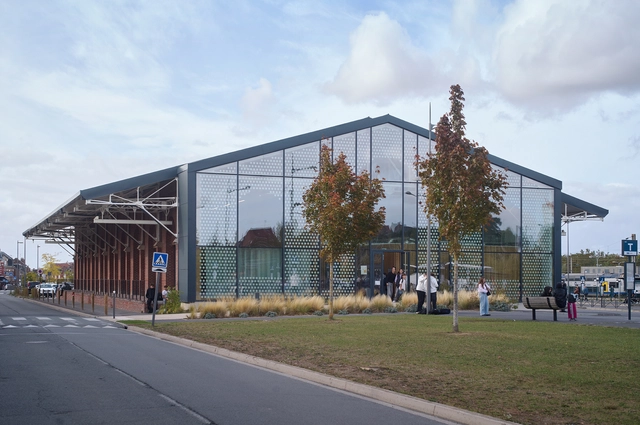
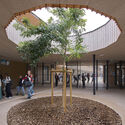
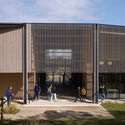
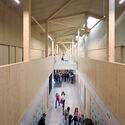
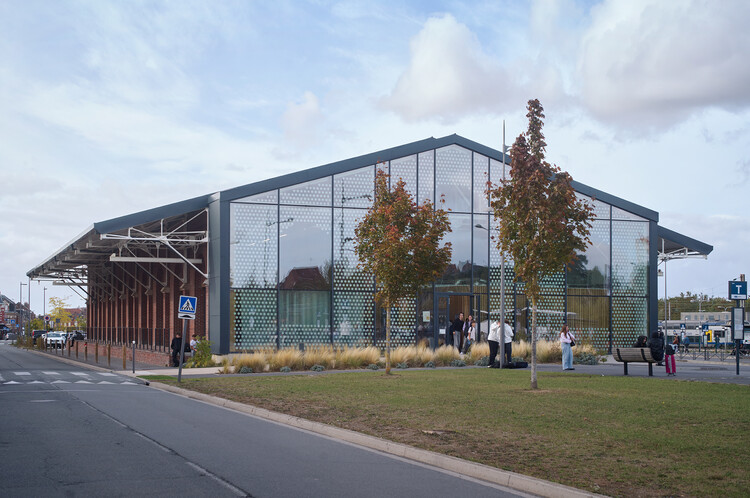
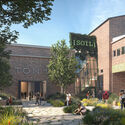
Coldefy, in collaboration with Relief Architecture, has completed the Robert Badinter Secondary School, the first timber-framed school in northern France. Designed to accommodate 650 students, the project is situated on a former railyard adjacent to the city's train station and within walking distance of the town center. The new school forms part of a wider urban renewal strategy aiming to consolidate transportation links and introduce new civic amenities to the area.
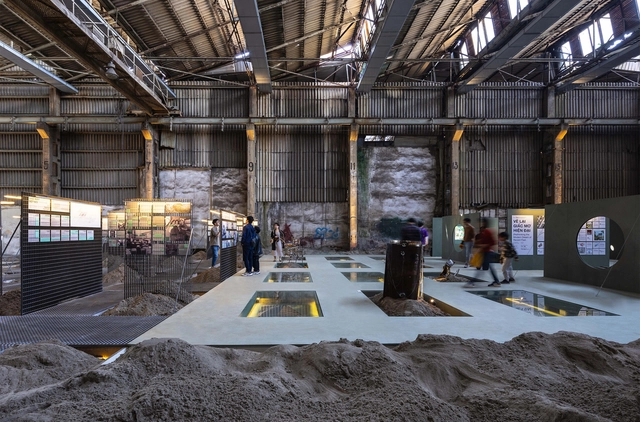
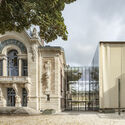
Adaptive reuse is shifting from simple preservation to active revitalization, a process of structurally rescuing and reprogramming architectural typologies whose original functions are no longer relevant. The obsolescence of architectural spaces occurs for varied reasons: sociological shifts, leaving spaces uninhabited; technological advances, phasing out specific machinery; and economic changes, making centralized functions necessary. The strategy of repurposingfocuses on achieving spatial and functional longevity through minimal interventions, allowing the original structure to serve as the memory anchor of the project.
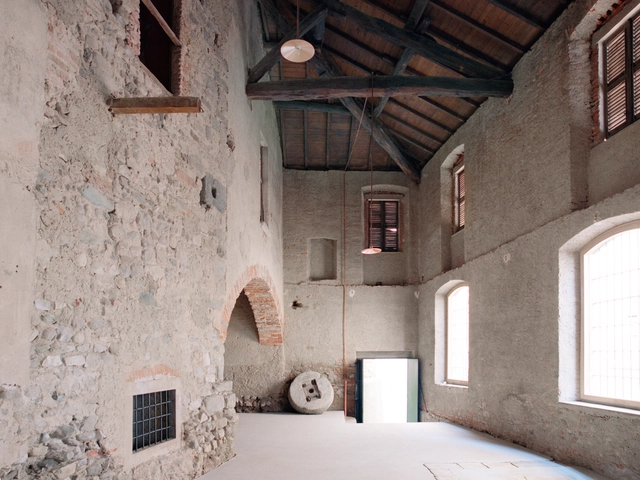
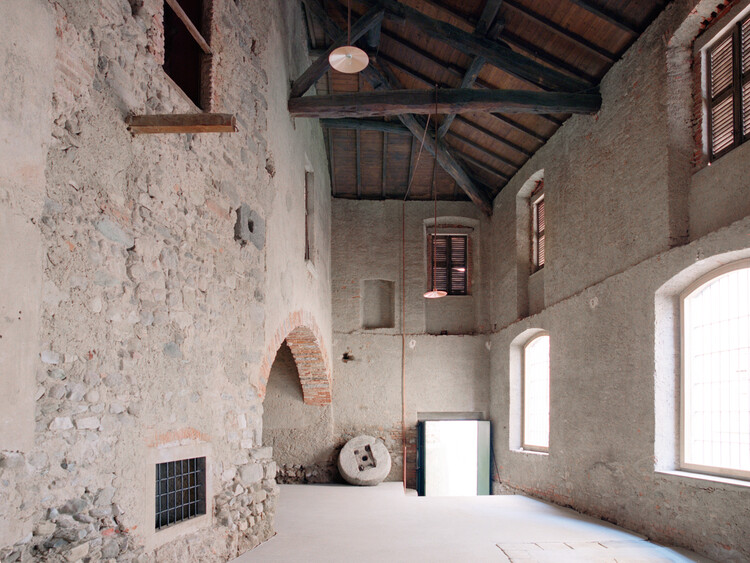
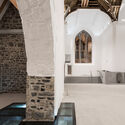
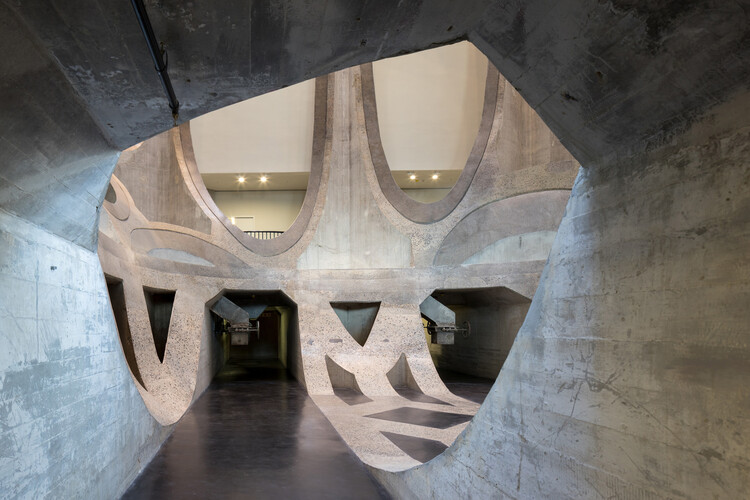
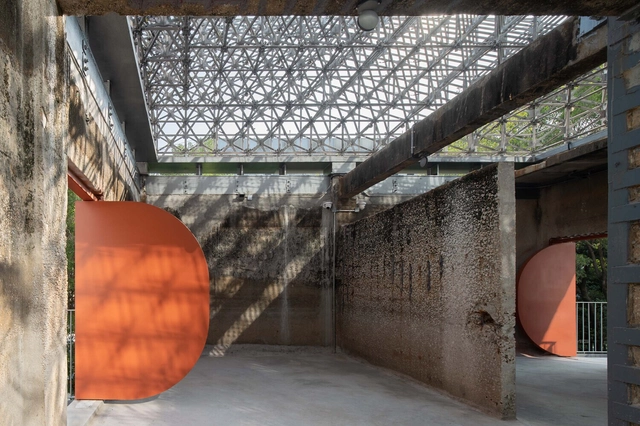
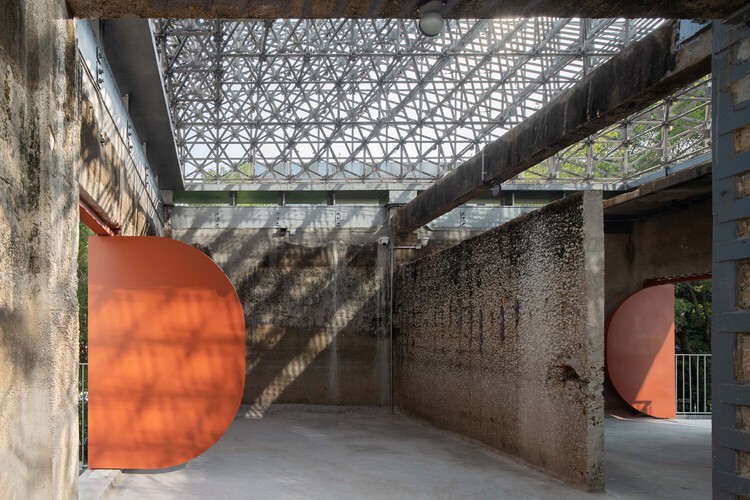
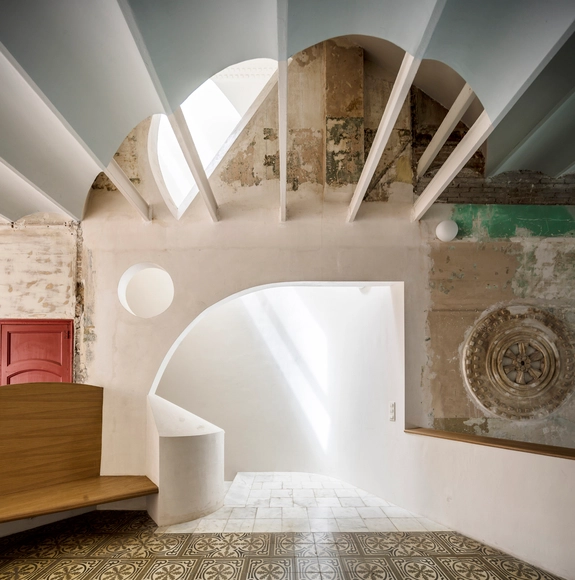
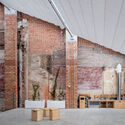
This wave of adaptive reuse treats the historic shell as a limited resource, prioritizing structural permanence over surface aesthetics. Designers are engaging in a sort of archaeological process by exposing the original structural essence: the heavy timber, raw concrete, or monumental masonry. Interventions are confined to meeting new programmatic needs, often appearing as an independent insertion within the ancient envelope. This contrast redefines the building's lifespan not as a singular narrative but as a layered story of continuous events.
Mehrangarh Fort, Jodhpur, Rajasthan India. Photo by Sanhitasinha. License Creative Commons Attribution-Share Alike 4.0 International
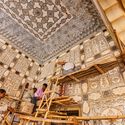
India's palaces and former colonial warehouses are witnessing a new kind of restoration, one that happens beneath the surface. From discreet steel supports tucked behind centuries-old masonry to digital sensors embedded in frescoed ceilings, technology is quietly reshaping how heritage buildings are protected for the future. These upgrades are more about subtle precision and less about spectacle; invisible engineering wonders.
As the world moves towards adaptive reuse, architects and engineers are confronted with an evolving challenge to make historic structures safe for public access while maintaining the authenticity of the architecture. Whether it's upgrading palaces to cool efficiently or seismic reinforcement of Victorian godowns, the goal is beyond preservation. It's about the intelligent coexistence of the old and the new.
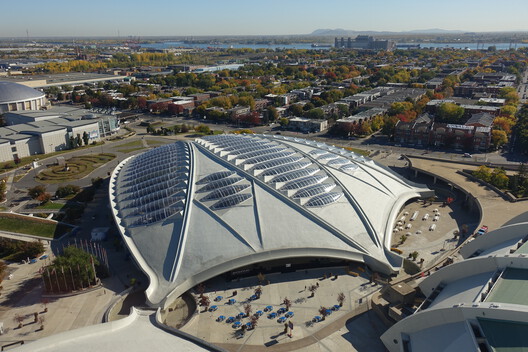
The history of the Olympic Games, while marked by athletic achievement, is consistently contrasted by infrastructure challenges. Across host cities, from Athens to Rio and Beijing, similar issues arise: significant cost overruns and the complex issue of legacy. The big question is: What is the best viable long-term use for purpose-built sport venues? Montreal's 1976 Games shared this fate after building an Olympic Park that faced heavy criticism for cost overruns and debt from specialized construction. Post-Games, venues like the Montreal Velodrome risked becoming a financial burden. However, the city demonstrated a proactive response by proposing the transformation of the building into a thriving civic asset that now stands as an internationally recognized example of successful Olympic venue repurposing.
Behind layers of plaster, paint, and finishes lies an intricate network of pipes, electrical conduits, beams, and other structural elements that make a building function and stand, yet remain invisible to the everyday eye. Within these layers, traces of different periods accumulate: replaced systems, improvised adaptations, and technical solutions that once responded to specific contexts and urgencies. In adaptive reuse, the greatest challenge often begins before construction even starts, which is understanding what lies within when little or no reliable documentation exists. During a renovation, pleasant or unpleasant surprises are inevitable. The unexpected is part of the process, but it also represents cost, delay, and risk factors that often discourage investors and professionals from engaging in this type of project.
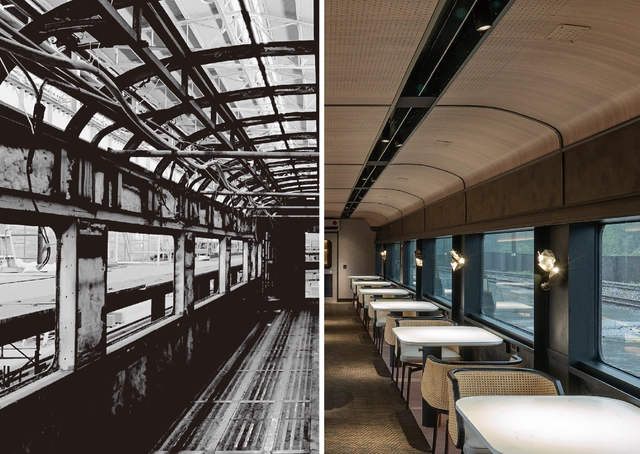
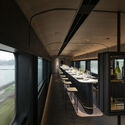
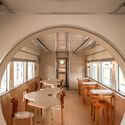
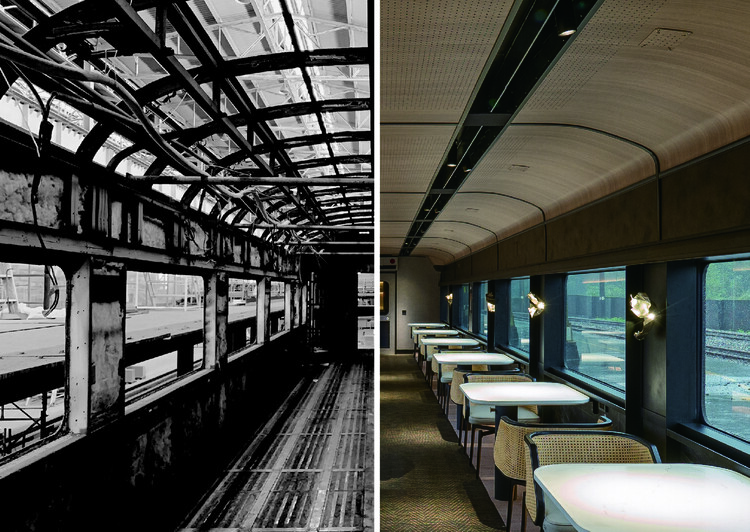
Faced with the combined forces of population growth, economic prosperity, and urban expansion, cities are witnessing a significant rise in the movement of people and goods—mirroring the evolution of diverse mobility systems within urban environments. As technologies advance and modes of transport evolve, the adaptive reuse of train carriages, airplane cabins, and other service infrastructures reveals opportunities to explore their creative potential. Materials, technologies, and design tools converge around a shared goal: refurbishing and repurposing disused structures to give them new life.
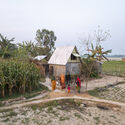
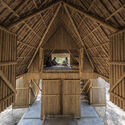
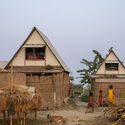
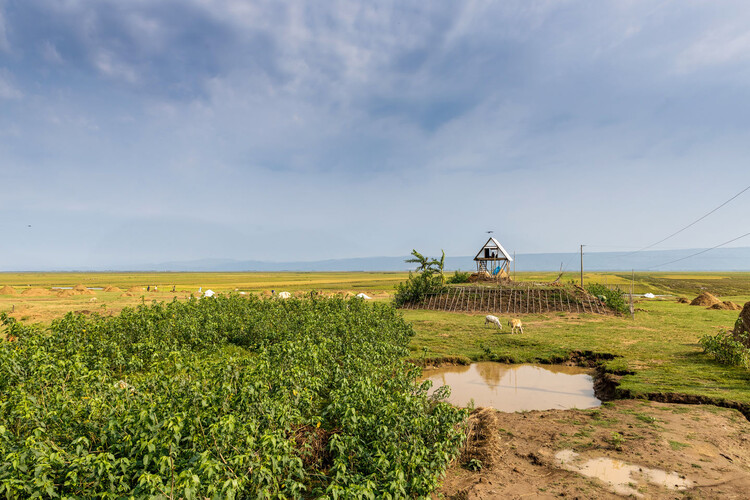
In the low-lying deltas of Bangladesh, water defines both life and loss. Every year, millions are forced to rebuild after floods wash away their homes, crops, and livelihoods. In these precarious territories, the act of building has become an act of resilience. It is here that Khudi Bari emerges as a modest yet radical proposal. Designed by Marina Tabassum Architects, the project provides a lightweight, modular, and affordable dwelling for communities displaced by climate change. Recognized as one of the winners of the 2025 Aga Khan Award for Architecture, it represents a form of architecture that empowers rather than imposes.
There is growing awareness around sustainability—and the environmental cost of prematurely demolishing safe, structurally sound buildings only to replace them with new construction. In the broader race to reduce carbon emissions, corporations and institutions are placing greater emphasis on ESG performance (environmental impact, social responsibility, and governance). Many now require carbon accounting, set "carbon-neutral" targets, or purchase carbon credits to offset footprints.
This shift, together with a wave of exemplary adaptive-reuse projects worldwide—Herzog & de Meuron's Tai Kwun in Hong Kong, Powerhouse Arts in Brooklyn, David Chipperfield's The Ned Doha, and Xu Tiantian's transformations of factories, quarries, and rammed-earth fortresses in China—has accelerated serious reconsideration of reuse as a primary development strategy. Yet despite its many benefits, adaptive reuse is still not as prevalent as it could be. Why and what might be the main obstacles and tensions?
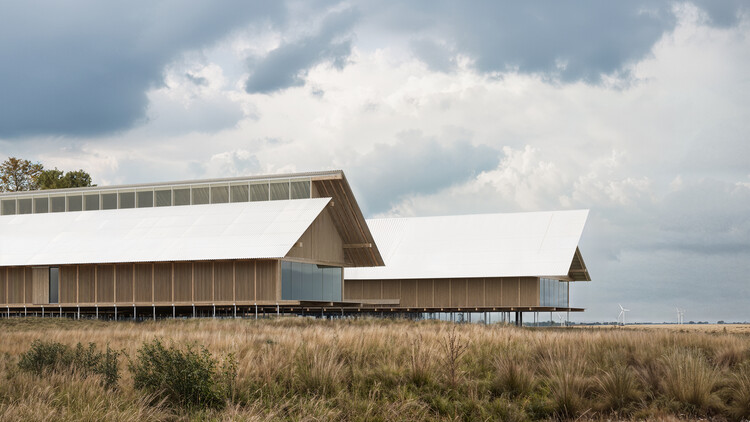
Cobe has revealed the design for Museum Wegner in Tønder, Denmark, a new cultural institution dedicated to the life and work of renowned Danish designer Hans J. Wegner. The museum will be located at Hestholm, a historicfarm dating back to 1445, and will combine the adaptive reuse of existing structures with a contemporaryextension. Selected as the project architect in February 2024 following a competitive interview process, Cobe is now moving the design toward realization with strong local and national support.
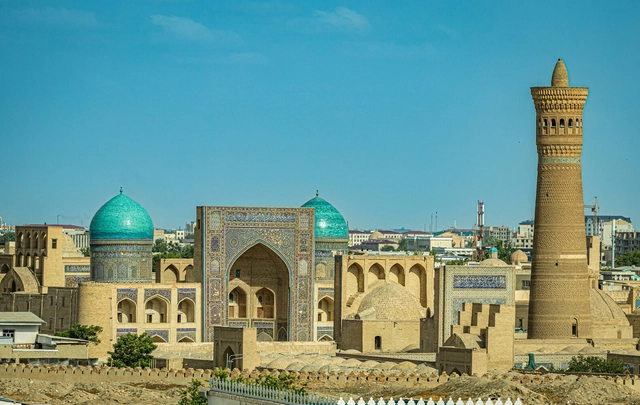
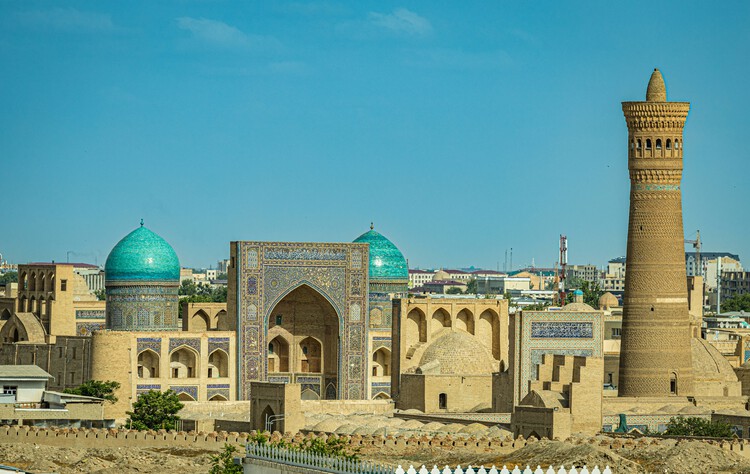
Uzbekistan's architectural and artistic heritage reflects a layered history shaped by centuries of cultural exchange along the Silk Road. From the monumental ensembles of Samarkand and Bukhara to the scientific and educational institutions of the Timurid era, architecture has long been a vessel of identity and knowledge across the region. In the twentieth century, Tashkent emerged as a new urban laboratory, where modernist ideals met local craft traditions and environmental pragmatism. The city's reconstruction following the 1966 earthquake became a defining moment, fusing Soviet urbanism with regional aesthetics to produce a distinctly Central Asian expression of modernity, one that translated cultural continuity into concrete, glass, and light.
Today, on the first Monday of October, we celebrate World Architecture Day. This year, the International Union of Architects (UIA) has set the theme "Design for Strength," a powerful call to action that resonates deeply with the UN's focus on urban crisis response. In a world facing unprecedented environmental and social disruptions, this theme challenges us to move beyond temporary fixes. It asks: How can our buildings and cities not only withstand shocks but also foster equity, continuity, and resilience?
While the concept of strength in architecture can easily evoke images of reinforced concrete and steel, a more profound interpretation is emerging, one that defines strength not as mere rigidity, but as a holistic capacity to endure and adapt. This includes many facets, from ecological resilience and stewardship to long-lasting concepts of social resilience or the long-lasting conservation of existing urban structures, all contributing to a built environment more able to respond to the multitude of crises faced by cities worldwide.
When approaching the design of cultural spaces such as museums, performance venues, or places of research and study, architecture and design professionals often have to assemble pieces of a uniquely challenging puzzle in order to make the structure resonate with a variety of visitors and occupants. Hitting the right chord can be difficult, especially when trying to combine forms into a whole that pays respect to a building's intended use while being timeless in its universality.
One way of making sure a sense of culture is omnipresent: adaptive reuse. The practice of breathing life into historic structures has been on the rise in recent years and is particularly well-suited to creating spaces that address and embody contemporary issues while connecting their inhabitants to the past. But it's not just a sense of updated heritage that makes them stand out; adaptive reuse buildings can fight urban sprawl and unsustainable building practices simply by way of existing.
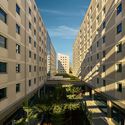
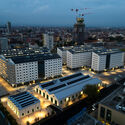
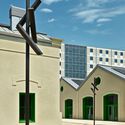
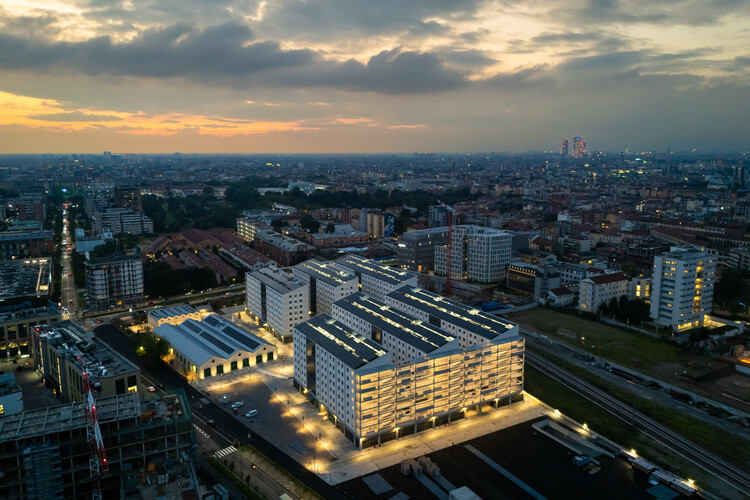
The first images have been released of the completed Athletes' Village for the 2026 Winter Olympics in Milan, following its official handover to the Milano Cortina Foundation ahead of the Games in February. Developed by COIMA and designed by Skidmore, Owings & Merrill (SOM), the project has been envisioned as both a temporaryresidence for athletes and a long-term urban asset for the city. Delivered in 30 months and ahead of schedule, the Village is located within the Porta Romana railway yard, and comprises six new residential buildings and the restoration of two historic structures: the former Squadra Rialzo locomotive workshop and the Basilico building. Together, they provide housing for athletes during the Games, along with 40,000 square meters of community spaces, landscaped courtyards, and three sports courts.
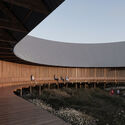
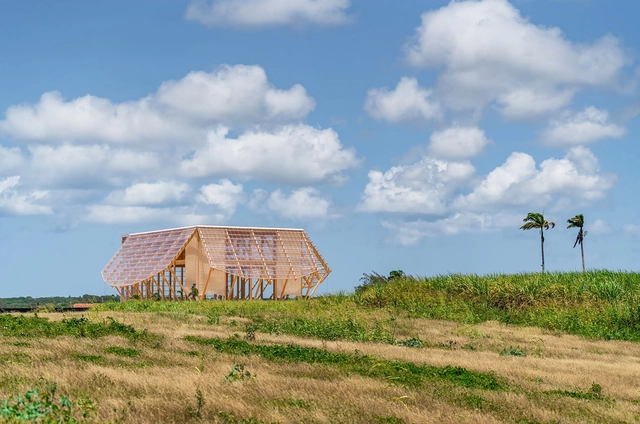
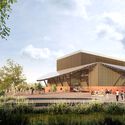
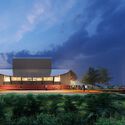
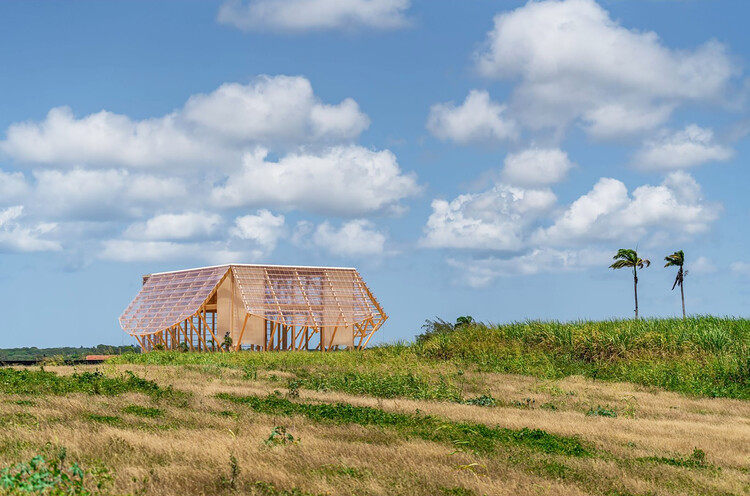
The first phase of the Barbados National Performing Arts Centre, designed by Adjaye Associates, has officially opened in Bridgetown, marking the commencement of a significant cultural initiative. Originally conceived as a temporarypavilion for Carifesta XV, the timber structure serves as both a functional venue for performances and the foundation for the forthcoming 85,000-square-foot permanent complex, slated for completion in 2026. Developed in collaboration with structural engineer StructureCraft, the project features mass timber construction, low-carbon design strategies, and adaptive reuse of components. This approach provides Barbadians with a "meanwhile use" venue while laying the groundwork for a future national hub within the Barbados Heritage District.