1. ArchDaily
  2. Adaptive Reuse

Adaptive Reuse: The Latest Architecture and News

A Model for Community-Led Heritage Preservation: Esna's Aga Khan Award-Winning Revitalisation

Subscriber Access | 

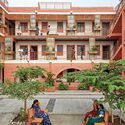
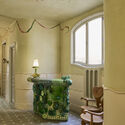
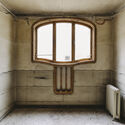
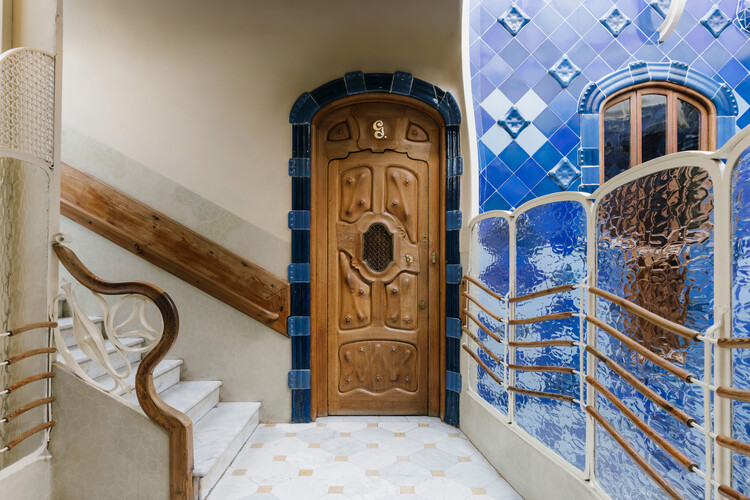
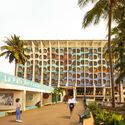
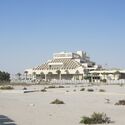
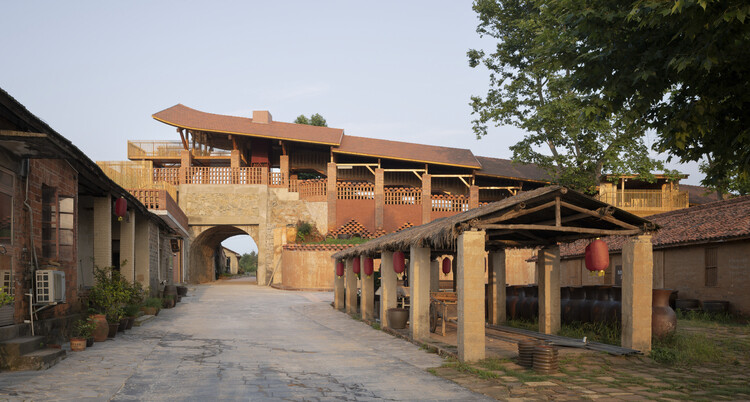
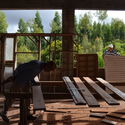
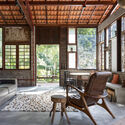
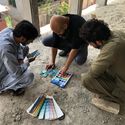
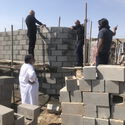
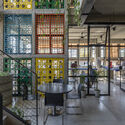
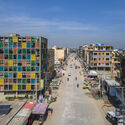
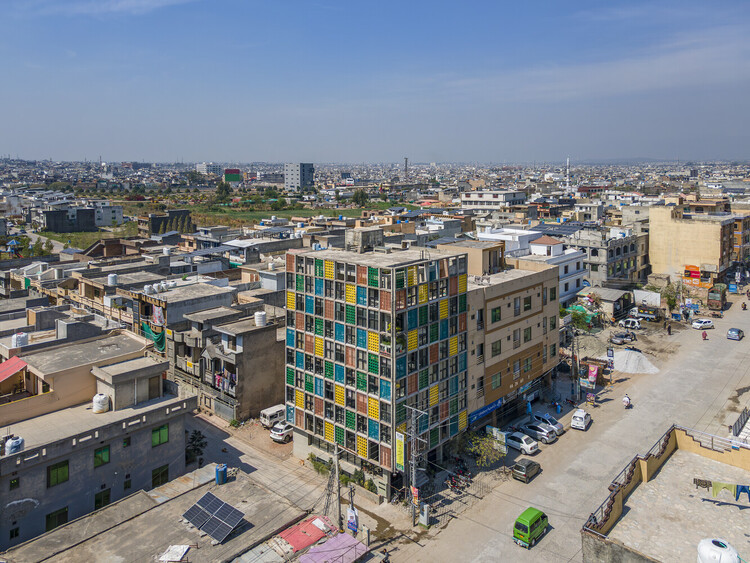
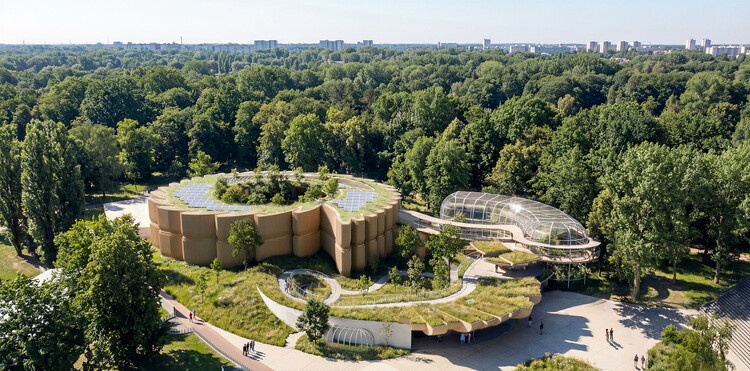
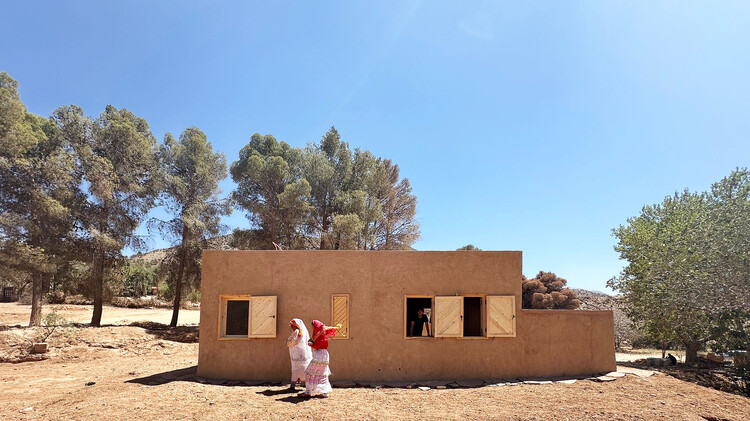
Among the seven winners of this year's 16th Aga Khan Award for Architecture was the Revitalisation of Historic Esna in southern Egypt. Led by the Cairo-based firm Takween, the project was far more than a simple restoration. It was a comprehensive renewal effort that combined deep community engagement with the preservation of both tangible and intangible heritage. By creating thousands of jobs and restoring the historic center, the initiative offered a powerful alternative to demolition. The Aga Khan Trust lauded it as a 'replicable model for sustainable development'.


A Model for Community-Led Heritage Preservation: Esna's Aga Khan Award-Winning Revitalisation - Image 1 of 4A Model for Community-Led Heritage Preservation: Esna's Aga Khan Award-Winning Revitalisation - Image 2 of 4A Model for Community-Led Heritage Preservation: Esna's Aga Khan Award-Winning Revitalisation - Image 3 of 4A Model for Community-Led Heritage Preservation: Esna's Aga Khan Award-Winning Revitalisation - Image 4 of 4A Model for Community-Led Heritage Preservation: Esna's Aga Khan Award-Winning Revitalisation - More Images+ 14

Lina Ghotmeh to Lead the Design of the Jadids' Legacy Museum in Bukhara, Uzbekistan

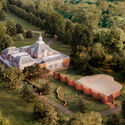
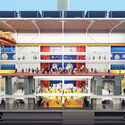
Lina Ghotmeh — Architecture has recently unveiled images of a project to transform a historic residence in Bukhara, Uzbekistan, into a "21st-century cultural destination." The proposal envisions a museum dedicated to the ideas and influence of Jadidism, a Muslim reform movement that advocated for the modernization of education across Central Asia during the late 19th and early 20th centuries.

The project was commissioned by the Uzbekistan Art and Culture Development Foundation (ACDF), established in 2017 to preserve, promote, and nurture the country's heritage, arts, and culture, while integrating them into the global art world and cultural landscape. Scheduled to open to the public in 2027, the museum is part of the ACDF's broader efforts to create landmark cultural institutions that engage audiences worldwide.


Lina Ghotmeh to Lead the Design of the Jadids' Legacy Museum in Bukhara, Uzbekistan - Image 1 of 4Lina Ghotmeh to Lead the Design of the Jadids' Legacy Museum in Bukhara, Uzbekistan - Image 2 of 4Lina Ghotmeh to Lead the Design of the Jadids' Legacy Museum in Bukhara, Uzbekistan - Image 3 of 4Lina Ghotmeh to Lead the Design of the Jadids' Legacy Museum in Bukhara, Uzbekistan - Image 4 of 4Lina Ghotmeh to Lead the Design of the Jadids' Legacy Museum in Bukhara, Uzbekistan - More Images

Studio KO Transforms Industrial Landmark into Tashkent’s Centre for Contemporary Arts

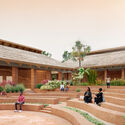
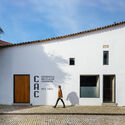
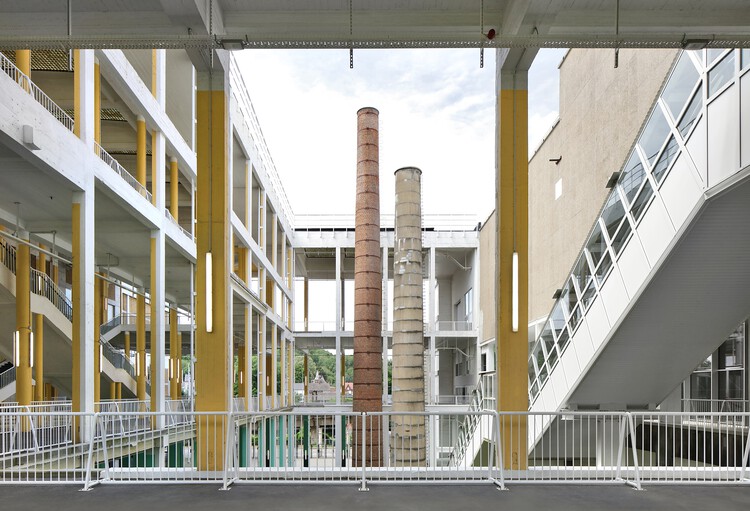
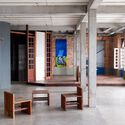
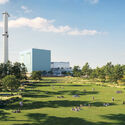
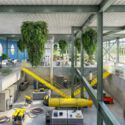
The Uzbekistan Art and Culture Development Foundation (ACDF) has announced the transformation of a 1912 industrial building in Tashkent into the Centre for Contemporary Arts (CCA), set to become the first permanent institution dedicated to contemporary art and research in Central Asia. Designed by the French architecture practice Studio KO, led by Karl Fournier and Olivier Marty, the project integrates preservation of the city's industrial heritage with a new cultural identity for the historic site. The building, originally designed by Wilhelm Heizelmann, known for the Treasury Chamber, was constructed as a diesel station and depot for Tashkent's first tram line. After decades of serving the city's electricity network, the structure was transferred to the Foundation in 2019 as part of Uzbekistan's long-term cultural development strategy. Under the leadership of Gayane Umerova, the project now represents a major step in shaping a contemporary cultural infrastructure for the region.

Studio KO Transforms Industrial Landmark into Tashkent’s Centre for Contemporary Arts - Image 1 of 4Studio KO Transforms Industrial Landmark into Tashkent’s Centre for Contemporary Arts - Image 2 of 4Studio KO Transforms Industrial Landmark into Tashkent’s Centre for Contemporary Arts - Image 3 of 4Studio KO Transforms Industrial Landmark into Tashkent’s Centre for Contemporary Arts - Image 4 of 4Studio KO Transforms Industrial Landmark into Tashkent’s Centre for Contemporary Arts - More Images+ 11

Libraries as Urban Acupuncture: Small Interventions, Big Impact in Asia

Subscriber Access | 

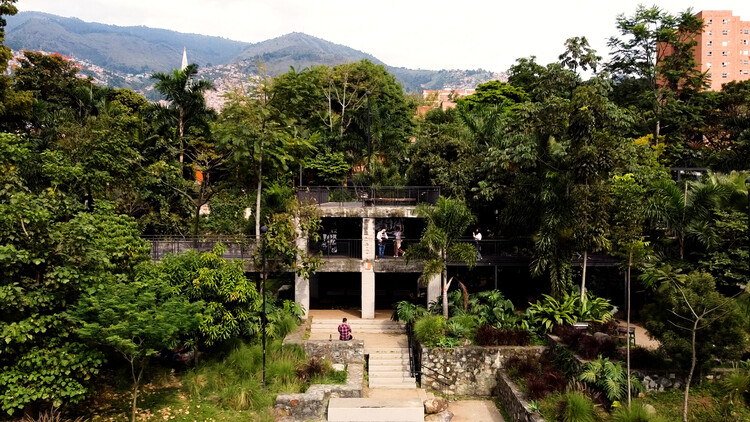
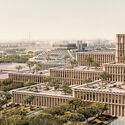
In traditional Chinese medicine, acupuncture works through strategically placed needles that trigger healing throughout the entire body. Urban planner Jaime Lerner's concept around targeted architectural interventions find success in China as well as neighboring countries in Asia, where localities are revitalized through simple interventions. Libraries, specifically, are bringing in social, cultural, and economic transformation to the continent.

Libraries as Urban Acupuncture: Small Interventions, Big Impact in Asia - Image 1 of 4Libraries as Urban Acupuncture: Small Interventions, Big Impact in Asia - Image 2 of 4Libraries as Urban Acupuncture: Small Interventions, Big Impact in Asia - Image 3 of 4Libraries as Urban Acupuncture: Small Interventions, Big Impact in Asia - Image 4 of 4Libraries as Urban Acupuncture: Small Interventions, Big Impact in Asia - More Images

From Vancouver to Kyiv: Architecture Now Showcases Global Projects Shaping Sacred, Civic, and Cultural Spaces

Subscriber Access | 

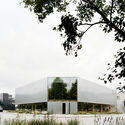
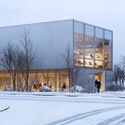
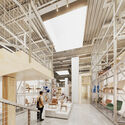
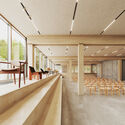
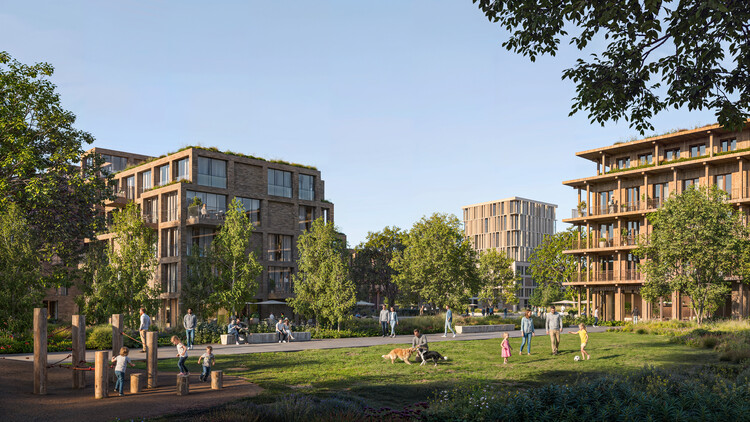
As cities and communities adapt to new cultural, environmental, and social realities, architecture is taking on an expanded role in shaping spaces of resilience, gathering, and imagination. This edition of Architecture Now highlights six recent projects that span continents and typologies, from the redevelopment of post-industrial landscapes to sacred architecture, cultural pavilions, and civic hubs. Whether through mass timber innovation in Vancouver and Jülich, adaptive reuse in Ostrava, a children's pavilion in London, a spiritual centre in India, or a parametric church in Kyiv, each project demonstrates how design can bridge heritage and innovation while fostering connection, care, and community.

From Vancouver to Kyiv: Architecture Now Showcases Global Projects Shaping Sacred, Civic, and Cultural Spaces - Image 1 of 4From Vancouver to Kyiv: Architecture Now Showcases Global Projects Shaping Sacred, Civic, and Cultural Spaces - Image 2 of 4From Vancouver to Kyiv: Architecture Now Showcases Global Projects Shaping Sacred, Civic, and Cultural Spaces - Image 3 of 4From Vancouver to Kyiv: Architecture Now Showcases Global Projects Shaping Sacred, Civic, and Cultural Spaces - Image 4 of 4From Vancouver to Kyiv: Architecture Now Showcases Global Projects Shaping Sacred, Civic, and Cultural Spaces - More Images+ 17

A Dialogue with the Past: Preservation Techniques of Historic Villas in Italy

Subscriber Access | 

Italy's rich history, evident in its monuments and cities, has created a unique context for architectural renovation. Italian architects often embrace this heritage by engaging in a dialogue between old and new, rather than aiming for a complete transformation. This approach intentionally avoids an imitative style, instead using contemporary materials like steel, glass, and new wood to frame and highlight the existing historic stone and brickwork. This juxtaposition turns the original materials from simple structural elements into featured decorative and narrative ones. The result is a layered experience where the history of the space remains visible, ensuring it is preserved rather than erased by the renovation.

A Dialogue with the Past: Preservation Techniques of Historic Villas in Italy - Image 1 of 4A Dialogue with the Past: Preservation Techniques of Historic Villas in Italy - Image 2 of 4A Dialogue with the Past: Preservation Techniques of Historic Villas in Italy - Image 3 of 4A Dialogue with the Past: Preservation Techniques of Historic Villas in Italy - Image 4 of 4A Dialogue with the Past: Preservation Techniques of Historic Villas in Italy - More Images+ 2

From Salt Factory to Art Museum: The Story Behind the Schaudepot in Essen, Germany

Subscriber Access | 

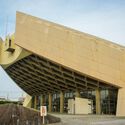
Once the largest coal mine in Europe, the Zollverein complex in Essen, Germany, has undergone a remarkable transformation over the past twenty-five years. What was once a landscape of abandoned industrial facilities is now a laboratory of contemporary architecture, featuring works by Rem Koolhaas, Norman Foster, and SANAA. Their interventions bridge the site’s industrial past with its imagined future. Spanning 100 hectares, the UNESCO World Heritage site has become a global model of adaptive reuse, redefining what it means to preserve industrial heritage. Within this context stands the Ruhr Museum and its enigmatic art repository, the Schaudepot. Located in the complex’s former salt factory, the museum impresses not only with its collection but also with its architecture, which transforms a 1960s industrial building into a vibrant cultural venue.

Because of its historical and architectural relevance, the project is featured in the 2025 edition of Open House Essen, under the theme “Future Heritage.” The initiative explores which spaces might shape our future architectural legacy and asks pressing questions: What should we preserve? What should we adapt? And how can we design a future that is both livable and fair?

From Salt Factory to Art Museum: The Story Behind the Schaudepot in Essen, Germany - Imagem 1 de 4From Salt Factory to Art Museum: The Story Behind the Schaudepot in Essen, Germany - Imagem 2 de 4From Salt Factory to Art Museum: The Story Behind the Schaudepot in Essen, Germany - Imagem 3 de 4From Salt Factory to Art Museum: The Story Behind the Schaudepot in Essen, Germany - Imagem 4 de 4From Salt Factory to Art Museum: The Story Behind the Schaudepot in Essen, Germany - More Images+ 14

SPPARC Studio Unveils Design for Residential Conversion of Former Ravenscourt Park Hospital in London

SPPARC architecture and design studio has revealed plans to renovate the former Ravenscourt Park Hospital in Hammersmith, London, which has stood vacant for two decades. The building, originally named the Royal Masonic Hospital and designed by Thomas S. Tait, is regarded as one of the first major modern buildings in the UK and was Europe's largest independent acute hospital when it was opened by King George V in 1933. Built to provide low-cost treatment for Freemasons and their families, the 260-bed facility operated until 1994, reopened as an NHS hospital in 2002, and was permanently closed in 2004. According to the recent announcement, the Grade II listed landmark, currently on Historic England's Heritage at Risk register, is intended to be repurposed as 140 new homes, a 65-bed care home, and spaces available for public hire.

SPPARC Studio Unveils Design for Residential Conversion of Former Ravenscourt Park Hospital in London - Image 1 of 4SPPARC Studio Unveils Design for Residential Conversion of Former Ravenscourt Park Hospital in London - Image 2 of 4SPPARC Studio Unveils Design for Residential Conversion of Former Ravenscourt Park Hospital in London - Image 3 of 4SPPARC Studio Unveils Design for Residential Conversion of Former Ravenscourt Park Hospital in London - Image 4 of 4SPPARC Studio Unveils Design for Residential Conversion of Former Ravenscourt Park Hospital in London - More Images+ 2

From Acapulco to Copenhagen: 8 Projects Exhibited at the Venice Biennale 2025 Reclaiming Existing Architecture for Regenerative Cities

This curated selection of projects from the 2025 Venice Architecture Biennale explores regeneration as a deliberate, intelligent process rooted in the specific conditions of a place. For decades, the Biennale has been a testing ground for architecture's most urgent ideas, allowing designers, researchers, and institutions to present visions that address evolving environmental, cultural, and social challenges. This year's projects reveal how regeneration, whether of an entire coastal city, a disused industrial site, or a neglected public space, requires more than replacing the old with the new. It calls for a precise reading of existing contexts, the preservation of embedded knowledge, and the careful integration of contemporary needs.

The eight selected works show that regeneration can emerge from multiple starting points: reactivating heritage through adaptive reuse, restoring ecological systems as part of urban planning, developing open and modular strategies for social housing renewal, or layering technological innovation onto historically rooted practices. While the scale of intervention varies, each project demonstrates a sensitivity to what is already there and existing, be it material resources, urban patterns, or cultural memory, and a willingness to work with these assets as catalysts for transformation. Together, they suggest that regeneration must start somewhere, and that its success lies in balancing innovation with the intelligence of what already exists.

From Acapulco to Copenhagen: 8 Projects Exhibited at the Venice Biennale 2025 Reclaiming Existing Architecture for Regenerative Cities - Image 1 of 4From Acapulco to Copenhagen: 8 Projects Exhibited at the Venice Biennale 2025 Reclaiming Existing Architecture for Regenerative Cities - Image 2 of 4From Acapulco to Copenhagen: 8 Projects Exhibited at the Venice Biennale 2025 Reclaiming Existing Architecture for Regenerative Cities - Image 3 of 4From Acapulco to Copenhagen: 8 Projects Exhibited at the Venice Biennale 2025 Reclaiming Existing Architecture for Regenerative Cities - Image 4 of 4From Acapulco to Copenhagen: 8 Projects Exhibited at the Venice Biennale 2025 Reclaiming Existing Architecture for Regenerative Cities - More Images+ 16

Can We Build with Food? Circular Experiments at the Matter Matters Lab

Subscriber Access | 

What does it mean to build with care, using what others leave behind? This question shapes the work of the Matter Matters Lab, an initiative founded by architect and researcher Catherine Söderberg Esper during the isolation of the pandemic. Drawing from experiences across cultures and motivated by a personal transformation during motherhood, Catherine began to investigate everyday waste as raw material for regenerative construction systems. Her first experiment involved gluing her own cut hair using white glue, initiating a radically intimate and handmade approach. Since then, the lab has focused on transforming organic waste into low-impact architectural materials, inspired by Indigenous knowledge systems and aiming to break from extractive models in construction. Projects like the Avocado Bricks, made from discarded avocado seeds, exemplify this approach of local, circular, and rooted in the idea of reciprocity between matter, place, and care, offering a new way of building with waste.

“Architecture and Energy” at DAM Explores the Climate Impact of the Built Environment

The Deutsches Architekturmuseum (DAM) in Frankfurt has launched its new exhibition Architecture and Energy: Building in the Age of Climate Change on June 14, which will be open to visitors until October 5, 2025. Developed in collaboration with engineer and sustainability advocate Werner Sobek, the exhibition explores the intersections of architecture, energy, and climate, focusing on the environmental impact of the built environment and the role of architecture in mitigating climate change. By framing architecture as both a challenge and an opportunity in the context of the climate crisis, the exhibition seeks to contribute to a broader shift in thinking, one that positions design as a vital component of a sustainable future.

“Architecture and Energy” at DAM Explores the Climate Impact of the Built Environment - Image 1 of 4“Architecture and Energy” at DAM Explores the Climate Impact of the Built Environment - Image 2 of 4“Architecture and Energy” at DAM Explores the Climate Impact of the Built Environment - Image 3 of 4“Architecture and Energy” at DAM Explores the Climate Impact of the Built Environment - Image 4 of 4“Architecture and Energy” at DAM Explores the Climate Impact of the Built Environment - More Images+ 8