

Produce personalized presentation boards that distill complex concepts into simple visual representations with a few helpful tools and effects.
News
How to Create Architectural Presentation Boards
| Sponsored Content
https://www.archdaily.comhttps://www.archdaily.com/catalog/us/products/37234/how-to-create-architectural-presentation-boards-lumion
Designing at the Edge: 8 Conceptual Projects Where Architecture Meets Nature from the ArchDaily Community
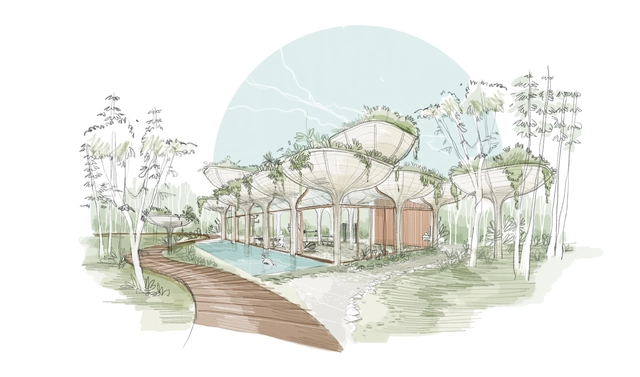
At a time when architectural practice is increasingly tied to climate and context, the boundary between the built and the natural has become a critical site of experimentation. This month's unbuilt selection gathers eight conceptual projects that work with the edges of landscape. In Ramia by João Teles Atelier, the architecture draws directly from the metaphor of a seed breaking through soil, using wood, concrete, and water to create a sensorial route through Tulum's ecology. Meanwhile, Mobius Pier by X Atelier loops gently over the river edge, becoming both infrastructure and observation point. Similarly, Il mare degli Umbri approaches the threshold differently, restoring the historic shoreline of Lake Trasimeno and reintroducing local wetland ecologies. Each project in this collection reflects a unique position: some treat the edge as a spatial experience, others as a regulatory line, and others still as a point of cultural or ecological return.
https://www.archdaily.com/1030451/designing-at-the-edge-8-unbuilt-projects-where-architecture-meets-natureNour Fakharany
From Root to Roof: In Venice, ArchDaily Highlights Restorative Emerging Practices
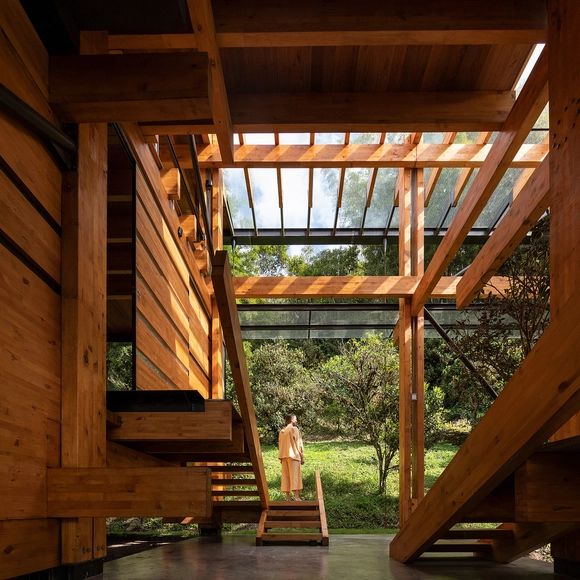
In partnership with the European Cultural Center (ECC), ArchDaily has launched its inaugural exhibition as part of the seventh iteration of Time Space Existence, an architectural showcase occurring concurrently with the 19th Venice Architecture Biennale. Open from May 10 to November 23, 2025, in various locations throughout Venice, this edition centers on the theme of "Repair, Regenerate, and Reuse," promoting innovative and sustainable approaches in architecture. ArchDaily's contribution is located at Palazzo Mora, complementing other venues like Palazzo Bembo, Marinaressa Gardens, and Palazzo Michiel.

https://www.archdaily.com/1030386/from-root-to-roof-in-venice-archdaily-highlights-restorative-emerging-practicesMaria-Cristina Florian
When a Pavilion Becomes a Living Laboratory
| Sponsored Content
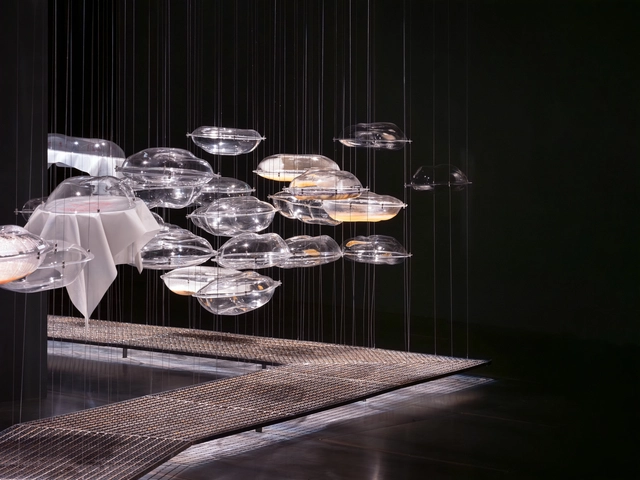
A pavilion in a Biennale serves as a platform for cultural expression, allowing a nation to articulate its architectural identity while responding to global challenges. These national exhibitions reflect how each country interprets the event's central theme through the lens of its own landscapes, histories, and future aspirations, reinforcing architecture's ability to act not only as a built discipline, but also as a catalyst for reflection, transformation, and dialogue. In this context, Montenegro's contribution resonates with particular force. Titled Terram Intelligere: INTERSTITIUM, the pavilion draws on the concept of a newly understood anatomical system of fluid-filled spaces running throughout the human body, facilitating connection and exchange. Once considered dense and inert, the interstitium is now revealed to be a network of dynamic interrelation — a metaphor that the curators use to reframe architecture as an active, living inquiry into natural, artificial, and collective intelligence, in tune with this edition's theme: Natural. Artificial. Collective.
https://www.archdaily.com/1030069/when-a-pavilion-becomes-a-living-laboratoryEduardo Souza
Adjaye Associates Designs International Children’s Cancer Research Centre in Ghana
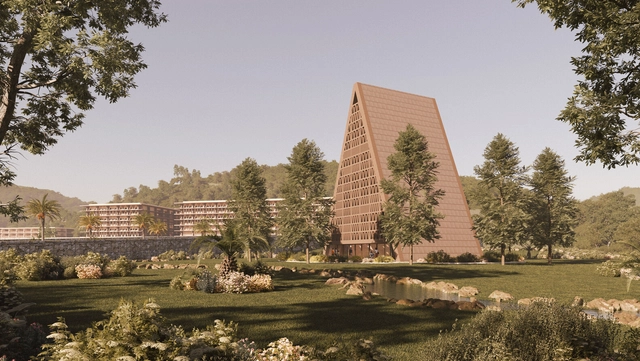
Adjaye Associates has revealed the design for the International Children's Cancer Research Centre (ICCRC) in Kyebi, Ghana. Commissioned by the Wish4Life Foundation, the project marks a step in the development of pediatric healthcare in West Africa. Situated on a 225,000-square-meter site along the eastern slopes of the Atewa Range, the ICCRC is envisioned as an integrated facility dedicated to healing, research, education, and community engagement. It will be the first center in the region solely focused on the treatment of childhood cancers. The project is currently on view at the Time Space Existence exhibition, part of the Venice Architecture Biennale 2025, held at Palazzo Bembo until 23 November 2025.


https://www.archdaily.com/1030379/adjaye-associates-designs-international-childrens-cancer-research-centre-in-ghanaReyyan Dogan
Vietnamese Architect Trần Thị Ngụ Ngôn Wins the 2025 Diversity in Architecture-DIVIA Award
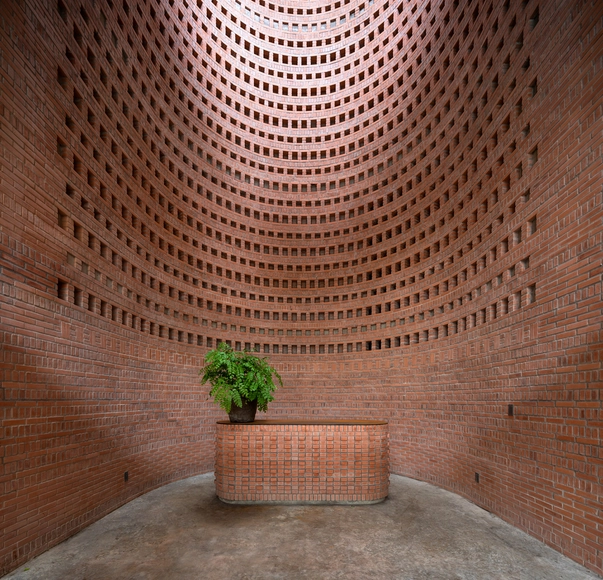
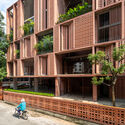
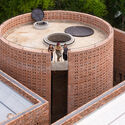
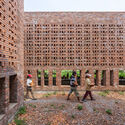
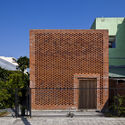
The Diversity in Architecture (DIVIA) Award 2025 has been awarded to Vietnamese architect Trần Thị Ngụ Ngôn, founder of Tropical Space, in a ceremony held on 10 May 2025 at the European Cultural Centre, in Palazzo Mora in Venice. The award includes international recognition and a €10,000 prize, honoring women architects whose work contributes to cultural diversity and inclusion in architecture. This year's edition featured five other finalists: Carolina Rodas and Carla Chávez from Ecuador, Izaskun Chinchilla from Spain, Cazú Zegers from Chile, Patcharada Inplang from Thailand, and Surella Segú from Mexico, all of whom were presented as part of the Time Space Existence exhibition organized by the ECC.

https://www.archdaily.com/1030366/vietnamese-architect-tran-thi-ngu-ngon-wins-the-2025-diversity-in-architecture-divia-awardAntonia Piñeiro
Beyond the Drawing Board: How Augmented Reality is Reshaping Architectural Design Review
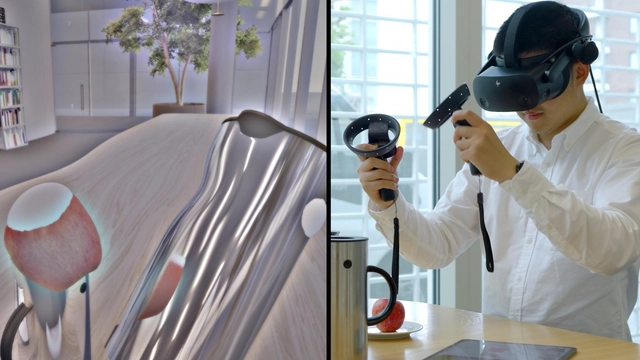
Over the last decade, architectural design has relied on 2D methods of representation, such as elevations, sections, and floor plans, paired with digital renderings of 3D models. While these tools are essential to convey geometry and intent, they remain limited by their two-dimensional format. Even the most realistic renderings, created through programs like SketchUp, Revit, or AutoCAD, still flatten space and distance the viewer from the lived experience of a project. Recently, architects have begun to explore immersive technologies as a way to bridge this gap between drawing and experience, offering new ways to inhabit and assess spatial proposals.


https://www.archdaily.com/1029744/beyond-the-drawing-board-how-augmented-reality-is-reshaping-architectural-design-reviewMoises Carrasco
The Greener Future of Automatic Door Systems: A Shift in Design and Performance
| Sponsored Content
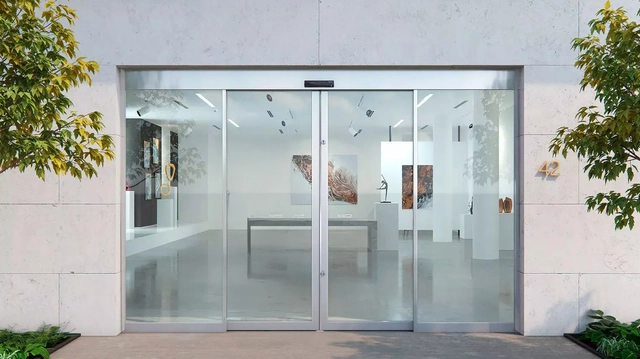
Throughout history, doors—and later automatic doors—have served a far greater purpose than merely marking an entrance or exit. They define thresholds, guide the flow of movement, and subtly shape the way people interact within a space. We can trace their evolution back to the 1st century, when Heron of Alexandria devised a steam-powered door—an early example of technology merging with architecture. Since then, contactless automatic door systems have incorporated technological advancements that enhance operation and redefine their role within buildings. Today, they are integrated across a range of building types and scales, acting as transitional elements that enhance comfort, energy efficiency, and the overall quality of indoor spaces.
https://www.archdaily.com/1029498/the-greener-future-of-automatic-door-systems-a-shift-in-design-and-performanceEnrique Tovar
How to Design Residential Urban Terraces: Strategies for Living Well in High Places
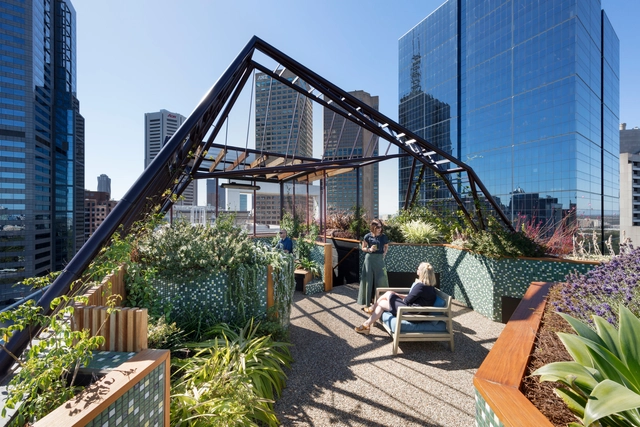
In today’s dense, vertical cities, terraces—often overlooked as mere technical rooftops—are emerging as key spaces for reconnecting with nature, expanding residential functions, and offering moments of collective relief. Particularly in single-family homes located in compact urban areas, these elevated surfaces represent valuable opportunities to increase usable living space without occupying more land. By lifting daily life above street level, terraces open new ways of inhabiting the city, enabling a range of uses from leisure and contemplation to food production and social gathering. In contexts marked by limited green space and strained infrastructure, they hold the potential to generate what landscape architect Catherine Mosbach calls "additional layers of urbanity." Whether imagined as hanging gardens, gathering spots, edible landscapes, or wellness zones, terraces challenge the idea that the city ends at the top floor—inviting us to see the roof as a new kind of ground.


https://www.archdaily.com/1030258/how-to-design-residential-urban-terraces-strategies-for-living-well-in-high-placesCamilla Ghisleni
Buildner Announces Winners of the 5th Annual Last Nuclear Bomb Memorial Competition
| Sponsored Content
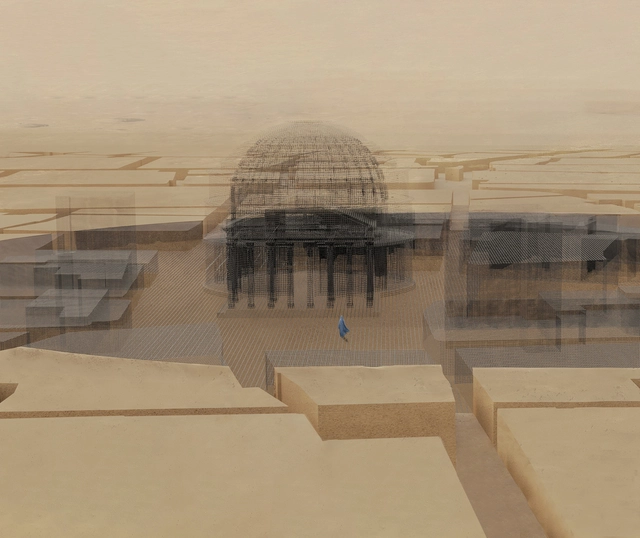
Buildner has announced the results of its competition, the Last Nuclear Bomb Memorial No.5. This competition is held each year to support the universal ban on nuclear weapons. In 2017, on the 75th anniversary of the 1945 bombings of Nagasaki and Hiroshima, which claimed the lives of over 100,000 people, the United Nations adopted the Treaty on the Prohibition of Nuclear Weapons.
In recognition of this treaty, Buildner invites conceptual designs for a memorial to be located on any known decommissioned nuclear weapon testing site. The conceptual memorial is intended to reflect the history and ongoing threat of nuclear weapons, aiming to promote public awareness of nuclear disarmament.
The challenge is intended to bring attention to the history and dangers of nuclear weapons. Participants are tasked with designing a space that commemorates nuclear warfare victims and conveys the need for a nuclear-free future. As a 'silent' competition, submissions are not allowed to include any text, titles, or annotations.
The next edition of this competition, the Last Nuclear Bomb Memorial No. 6, has been launched with an early bird registration deadline of June 12, 2025.
https://www.archdaily.com/1030195/buildner-announces-winners-of-the-5th-annual-last-nuclear-bomb-memorial-competitionRene Submissions
Zaha Hadid Architects Breaks Ground on Asaan Museum in Diriyah, Saudi Arabia
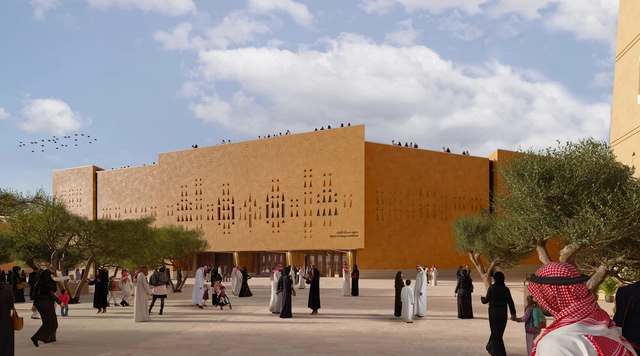
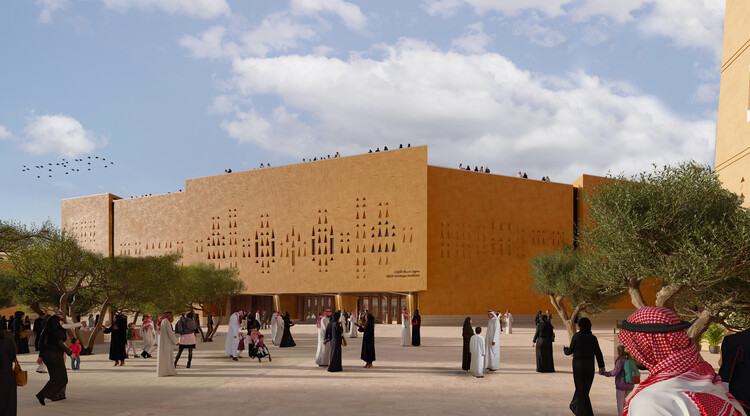
Designed by Zaha Hadid Architects, construction works for the Asaan Museum have recently begun. Located in the historic At-Turaif district of Diriyah, Saudi Arabia, the Asaan Museum aims to be a new cultural institution designed to preserve and celebrate the nation's heritage. Deriving its name from the Arabic word meaning "inheritance passed down through generations," Asaan underscores its role in connecting past and present. Situated within a site renowned for its mud-brick architecture and centuries-old urban fabric, the museum draws inspiration from traditional Najdi building techniques. Planned to be constructed using locally sourced clay mud-bricks, Asaan Museum will mark Zaha Hadid Architects' first project to employ adobe construction.


https://www.archdaily.com/1030338/zaha-hadid-architects-breaks-ground-on-asaan-museum-in-diriyah-saudi-arabiaReyyan Dogan
Serpentine Reveals New Details of Marina Tabassum's "A Capsule in Time" 2025 Pavilion

Bangladeshi architect and educator Marina Tabassum and her firm, Marina Tabassum Architects, have been selected to design the 2025 Serpentine Pavilion. Titled "A Capsule in Time," the proposal takes inspiration from the ephemeral nature of architecture in the Bengal Delta, incorporating a semi-transparent structure intended to evoke a sense of community and connection. The Pavilion will open to the public on June 6th, until 26 October 2025, with a press preview two days before the opening. Tabassum's pavilion will mark the 25th year since the Serpentine's first commission of Zaha Hadid's inaugural structure in Hyde Park in 2000.
https://www.archdaily.com/1026244/serpentine-announces-marina-tabassum-as-the-designer-of-the-2025-pavilionReyyan Dogan
Nigerian Architect Blossom Eromosele Designs Refugee Shelter Inspired by Traditional African Huts
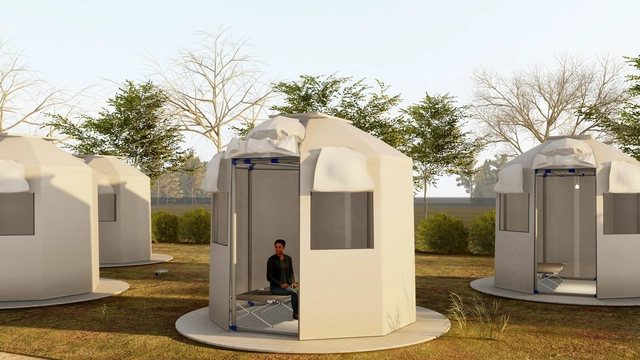
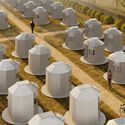
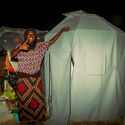
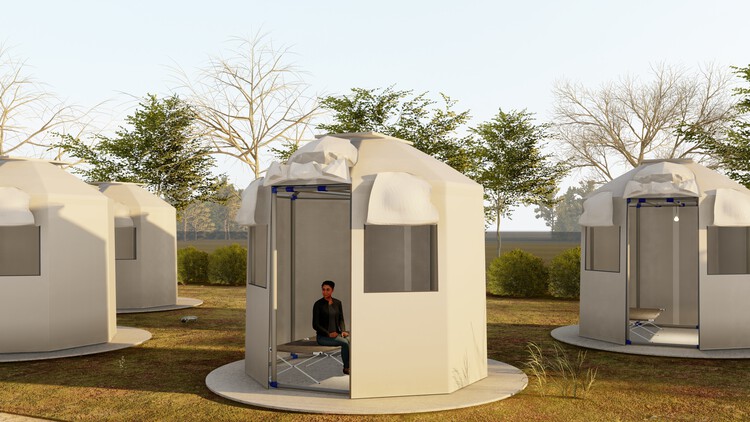
Nigerian-born architect Blossom Eromosele has developed AllSpace, a modular housing design inspired by traditional African architecture. The design was created as part of the Swarovski Foundation's fourth edition of the Creatives for Our Future global mentorship and grant program, developed in collaboration with the United Nations Office for Partnerships. Among the six selected projects, AllSpace seeks to respond to the current Nigerian refugee crisis with a low-cost, solar-powered housing solution for camps.


https://www.archdaily.com/1030332/nigerian-architect-blossom-eromosele-designs-refugee-shelter-inspired-by-traditional-african-hutsAntonia Piñeiro
Casa da Música: Transforming Domestic Experimentation into Public Monumentality
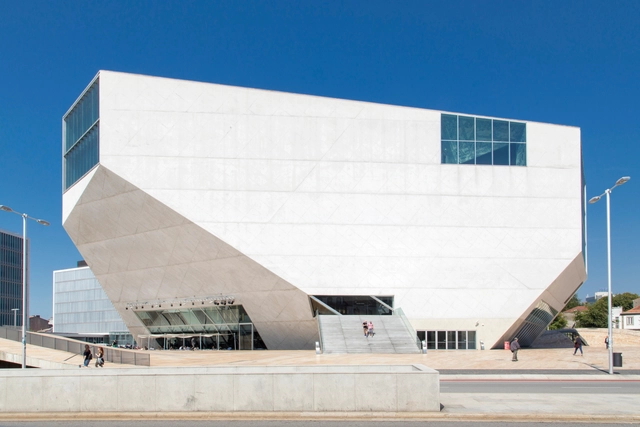
At the turn of the millennium, the world was gripped by the looming threat of the Y2K bug, a potential failure of computerized systems that could disrupt everything from banking to aviation. As midnight approached on December 31, 1999, people withdrew their savings, major corporations issued warnings, and governments scrambled to prevent public hysteria. But as the sun rose on January 1, 2000, the feared bug had no material impact, and the crisis faded as quickly as it had emerged. However, this era left its mark in unexpected places — particularly in architecture. Amid the anxiety surrounding digital technology, one of the most iconic concert halls of our time, Casa da Música in Porto, was born. Designed by OMA (Office for Metropolitan Architecture), its origins can be traced to a much smaller project: the Y2K House. What began as an exploration of private domesticity during the digital scare evolved into a grand public structure — an architectural transition from home to a performance hall.


https://www.archdaily.com/1022081/casa-da-musica-transforming-domestic-experimentation-into-public-monumentalityDiogo Borges Ferreira
Vernacular Building and AI: Can Data Alone Bridge the Gap?
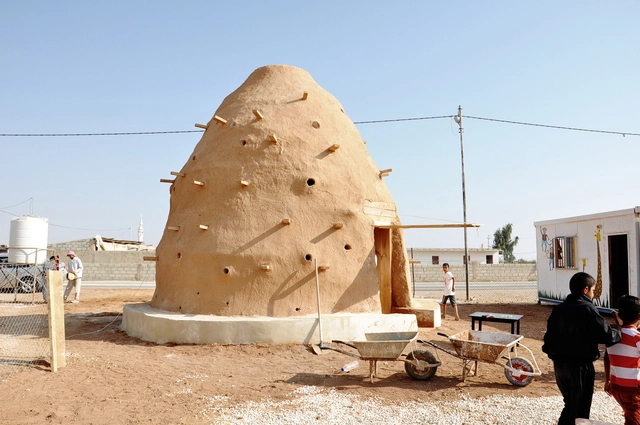
As artificial intelligence (AI) becomes increasingly embedded in society, it's essential to pause and reflect on the foundations that sustain it—and the dimensions to which it extends. At the heart of AI's learning are datasets, whose structure and content shape how these systems interpret and respond to the world. This reliance creates a deep interdependence—one that not only informs AI's capabilities but also defines its potential blind spots. In light of this, we must ask: What forms of understanding might this process exclude, especially those not easily captured in digital form?


https://www.archdaily.com/1030019/vernacular-building-and-ai-can-data-alone-bridge-the-gapEnrique Tovar
Designing Office Spaces for Focus in the Hybrid Work Era
| Sponsored Content
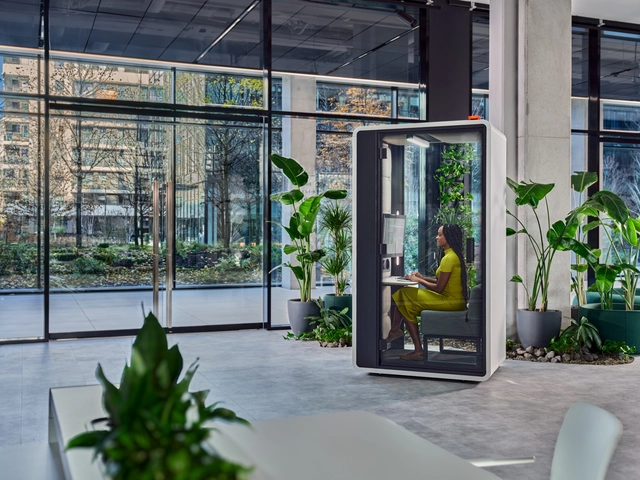
Without dedicated spaces for private focus — a crucial element of effective collaboration — even the brightest idea dims. The office must indeed balance connectivity with personal space most brilliantly, letting employees move between tasks without friction. Booths like hushFree.XS, hushFree.S.Hybrid, and hushFree.S are part of this, together forming a trio of single-person booths that meet the majority of the office's need for individual workspaces.
HushFree.XS, hushFree.S.Hybrid, and hushFree.S work as a complete system, ensuring employees have the right conditions for productive solo work throughout the day, proving to be invaluable tools for architects in designing spaces that completely address varied employees needs. Booths like these make premium refuges for focused calls, impressively immersive video conference spaces, and deep-focus bubbles.
https://www.archdaily.com/1030138/designing-office-spaces-for-focus-in-the-hybrid-work-eraRene Submissions
“A Site of Destruction, a Site of Opportunity”: In Conversation With Kabage Karanja and Kathryn Yusoff, Curators of the British Pavilion
Kabage Karanja, co-founder and director of Cave_bureau based in Nairobi, Kenya, and Kathyrn Yusoff, professor of Inhuman Geography at the University of London, are the curators of the British Pavilion at the 19th Venice Architecture Biennale. Together, they form the UK-Kenya curatorial team behind GBR – Geology of Britannic Repair, an exhibition that rethinks the Pavilion as both a symbolic and material site. Their approach reflects on Britain's architectural legacy and its entanglement with histories of colonialism, geological extraction, and the urgency of the climate crisis. In recognition of their exploration of the relationship between Great Britain and Kenya, focusing on themes of reparation and renewal, the Pavilion curators and commissioner were awarded a Special Mention for National Participation by the Biennale jury. While on site in Venice, ArchDaily's editors had a chance to discuss with the curators about the ideas that shaped the British Pavilion.


https://www.archdaily.com/1030319/a-site-of-destruction-a-site-of-opportunity-in-conversation-with-kabage-karanja-and-kathryn-yusoff-curators-of-the-british-pavilionReyyan Dogan
Oshinowo Studio Reveals Design for New Commonwealth War Graves Memorial Honoring Sierra Leone’s WWI Carrier Corps

Lagos-based architects Oshinowo Studio have revealed a new memorial design commissioned by the Commonwealth War Graves Commission (CWGC) to honor the fallen of the Sierra Leone Carrier Corps during World War I. The design is an intervention into the existing Freetown Memorial, built in 1930 and designed by Sir Edwin Lutyens.
The existing podium, located outside the Secretariat Building in Freetown, commemorates soldiers of the First World War and later incorporated servicemen from the Second World War by removing a small mention of the men of the Carrier Corps, a removal this project seeks to address. Studio founder Tosin Oshinowo is the first woman and the first West African architect to design a memorial for the CWGC.
https://www.archdaily.com/1030318/oshinowo-studio-reveals-design-for-new-commonwealth-war-graves-memorial-honoring-sierra-leones-wwi-carrier-corpsAntonia Piñeiro
Architecture as a Tool for Social Innovation: Human-Centered Design to Combat Loneliness
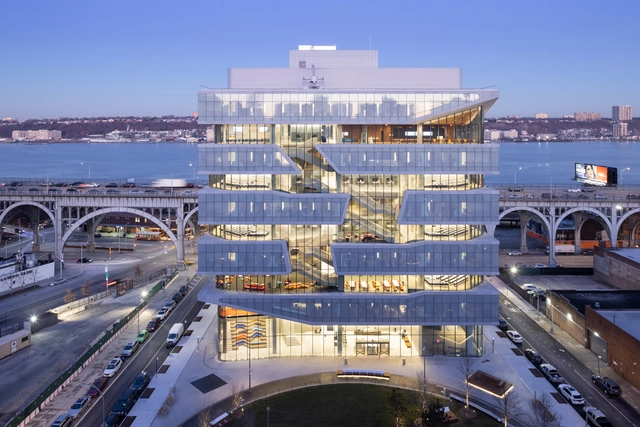
Architecture holds power beyond the creation of buildings - it is a practice that shapes how people live, interact, and thrive within their communities. Architecture can also be a tool for social innovation. Through an understanding of human-centered processes, participatory design, and social sciences, practitioners can address societal challenges such as loneliness, inequality, and public health to equip spaces as vehicles for social equity and engagement. Architecture's role in shaping the future of communities is a direct response to human needs and activated social change.


https://www.archdaily.com/1022846/architecture-as-a-tool-for-social-innovation-human-centered-design-to-combat-lonelinessAnkitha Gattupalli
Leading with Daylight: A Glimpse Inside the House by the Garden of Venus
| Sponsored Content
An ancestral house in the rural village of Willendorf in der Wachau stands watch over a grove of fruit trees. The trees have stood for generations and, to this day, provide the fruit which is the basis of the family business. Bound on one side by the river Danube and the other by valley's edge, both house and grove have witnessed the passage of countless seasons together. With each progression between darkness and light, from winter to summer, comes the inevitability of change.
https://www.archdaily.com/1030283/leading-with-daylight-a-glimpse-inside-the-house-by-the-garden-of-venusRene Submissions
Canada Pavilion Presents Picoplanktonics, a Living Experiment in Regenerative Architecture at the 2025 Venice Biennale
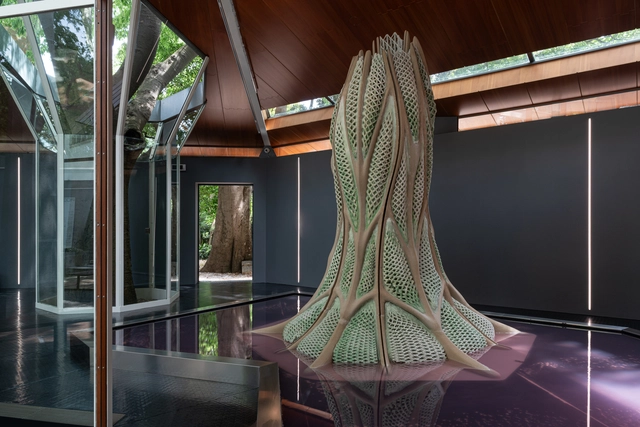
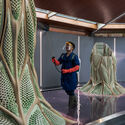
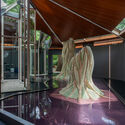
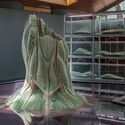
The Canada Council for the Arts presents Picoplanktonics at the Canada Pavilion as part of the 19th International Architecture Exhibition – La Biennale di Venezia, which will run until November 23, 2025. Developed by the Living Room Collective, the installation engages with ongoing global ecological challenges through a speculative, research-driven approach to design, featuring 3D-printed architectural structures embedded with living cyanobacteria capable of carbon sequestration. Developed through a four-year collaboration led by Andrea Shin Ling and a group of interdisciplinary contributors, the project investigates the potential of co-constructing built environments with living systems.


https://www.archdaily.com/1030289/canada-pavilion-presents-picoplanktonics-a-living-experiment-in-regenerative-architecture-at-the-2025-venice-biennaleReyyan Dogan
Third Nature Presents a Regenerative Masterplan for Greater Copenhagen
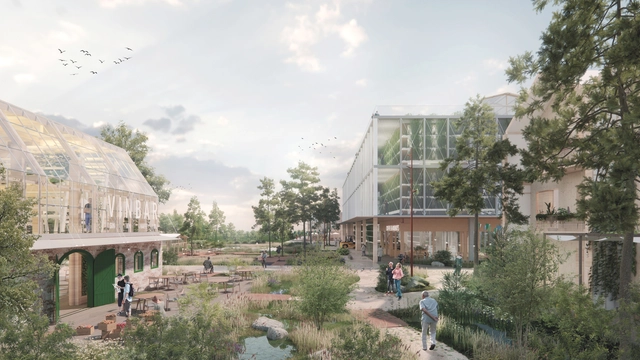
Danish architecture firm Third Nature, together with Sophie Sahlqvist Landskab, Arkaia, ILC, and Artelia, recently shared images of Øhjem, their proposed strategic vision for the re-naturalization of Denmark's Greater Copenhagen region toward 2050. The regenerative plan is part of the Water's Ways program under the Agenda Earth initiative, an interdisciplinary project run by the Danish Association of Architects in collaboration with the Dreyers Foundation and the Danish Bar Association. Led by urbanist Boris Brorman Jensen, the program calls for long-term solutions to restore 15% of Danish agricultural land while also protecting 600,000 homes from water-related threats. Third Nature's Øhjem masterplan reimagines the 25 km Ramsø Dale as a step toward implementing the land management objectives outlined in the Danish Green Tripartite Agreement (Grøn Trepart), signed in June 2024.
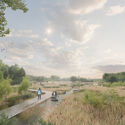
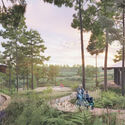
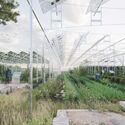
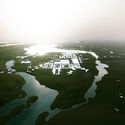

https://www.archdaily.com/1030272/third-nature-presents-a-regenerative-masterplan-for-greater-copenhagenAntonia Piñeiro
Architecture Details 101 in Venice: Carlo Scarpa and David Chipperfield in Dialogue Across Time
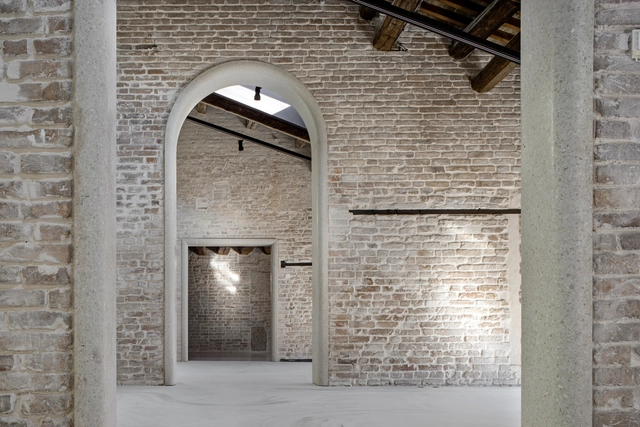
In Venice, surrounded by an overwhelming abundance of architectural beauty—the grandeur of landmarks like the Basilica di San Marco, St. Mark's Square, and the Rialto Bridge, to name just a few—it is easy to become swept up in the iconic imagery and spatial majesty of the city. One could lose sight of the quieter, yet equally masterful, moments found in the execution of details across its built fabric. Beyond the grandeur, the city offers a richness in its winding alleyways, narrow canals, and vibrant street life—each contributing to the cultural tapestry that makes Venice so unique. Amidst these celebrated elements, however, lie subtle but remarkable architectural details that often go unnoticed. These deserve closer observation and reflection, as they offer their own kind of mastery—one grounded in material precision, craft, and the lived rhythms of the city.
Just steps away from the iconic Piazza San Marco, a quiet architectural dialogue unfolds between two celebrated figures. Within a one-minute walk, two projects—each meticulously crafted—sit in close proximity: the Olivetti Showroom by Carlo Scarpa, a long-revered pilgrimage site for architects and designers, and the recently reopened Procuratie Vecchie, restored by David Chipperfield Architects. A closer look at the architectural details embedded within each work reveals a compelling exchange across time—one that unfolds through material language, spatial precision, and an unwavering commitment to craft.


https://www.archdaily.com/1030273/architecture-details-101-in-venice-carlo-scarpa-and-david-chipperfield-in-dialogue-across-timeJonathan Yeung
Expanding Practice: Architecture Think Tanks at the Intersection of Research and Design
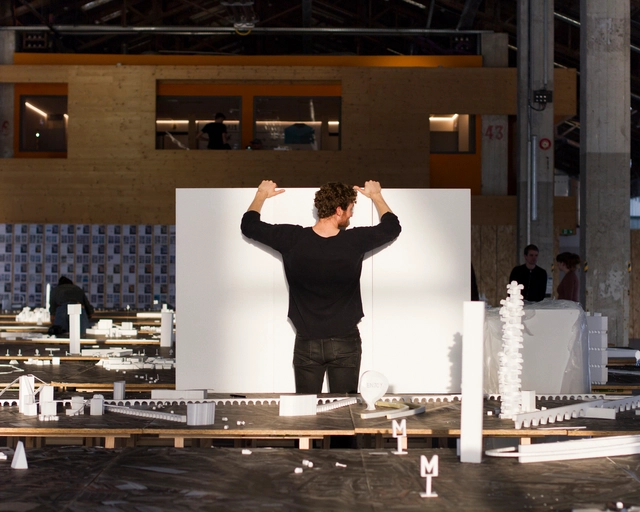
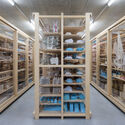
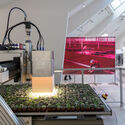
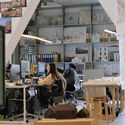
In architecture, most practices revolve around delivering projects to clients. Offices are shaped by deadlines, budgets, and clear briefs. While this structure produces buildings, it rarely leaves space for architects to question broader issues — about how we live, how cities are changing, or what the future demands of design. But alongside this production-focused system, a quieter movement has emerged: studios, collectives, and foundations that prioritize research, experimentation, and reflection. These are the architecture think tanks — spaces designed not to build immediately, but to think first.
The idea of a think tank is not new. Traditionally found in politics, economics, or science, think tanks bring together experts to study complex problems and propose solutions. In architecture, their rise reveals a tension at the heart of the discipline. If architecture is to remain socially and environmentally relevant, can it continue to rely only on client-driven practice? Or must it carve out space for slower, deeper inquiry?


https://www.archdaily.com/1029255/expanding-practice-architecture-think-tanks-at-the-intersection-of-research-and-designDiogo Borges Ferreira
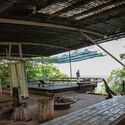
Designing for Temperature Gradients: 6 Central American Projects that Use Transitional Spaces to Mitigate Heat
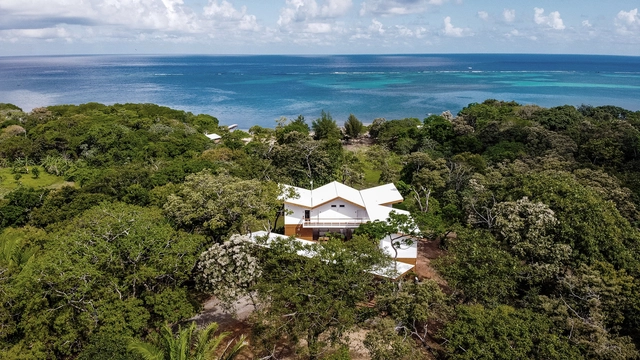
Understanding the temperature gradient in a building is essential in cold or temperate climates, where airtight enclosures and continuous insulation are used to prevent heat loss. However, this approach is not suitable for tropical areas like Central America, where the climate is marked by a consistent alternation between wet and dry seasons rather than four distinct ones. Factors such as proximity to the sea, elevation, and local topography influence microclimates across short distances, but high humidity remains a common challenge. Sealed, airtight walls with no ventilation can quickly become breeding grounds for mold, making the thermal strategies of temperate climates problematic. In response, local designers have developed alternative approaches that embrace, rather than resist, the outdoor environment, allowing airflow and evaporation to manage interior comfort.

https://www.archdaily.com/1030029/transitional-spaces-for-the-heat-6-central-american-projects-that-cool-from-the-outside-inMoises Carrasco