

Produce personalized presentation boards that distill complex concepts into simple visual representations with a few helpful tools and effects.
Editor's Choice
How to Create Architectural Presentation Boards
| Sponsored Content
https://www.archdaily.comhttps://www.archdaily.com/catalog/us/products/37234/how-to-create-architectural-presentation-boards-lumion
The 15 Winners of the ArchDaily 2025 Building of the Year Awards
Sixteen years ago, we launched the ArchDaily Building of the Year Awards with a simple yet powerful idea: to let our readers choose their favorite buildings from our ever-growing library of projects. Thanks to your engagement, this award has grown into one of the most democratic and influential recognitions in architecture. Year after year, your collective insight has highlighted architectural excellence across cultures, economies, and landscapes worldwide.
This year was no exception. The 75 finalists have already showcased an outstanding range of spatial solutions, reflecting the power of collective intelligence in crafting a snapshot of today's most compelling architecture. Now, it's time to unveil the winners.
https://www.archdaily.com/1027130/the-15-winners-of-the-archdaily-2025-building-of-the-year-awardsRomullo Baratto
Why Do Modernist Principles Still Underpin Design Education in Brazil? Five Professors Share Their Perspectives
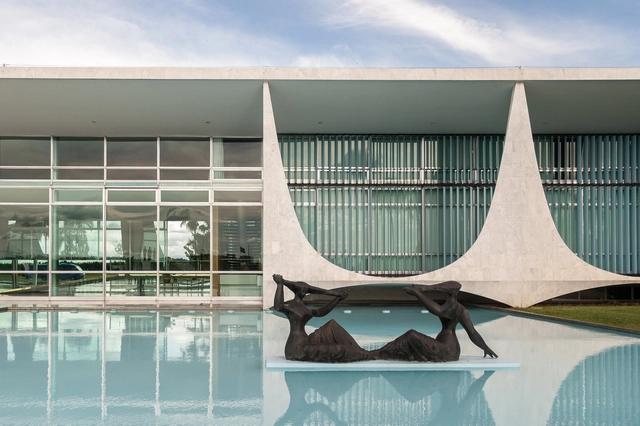
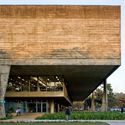
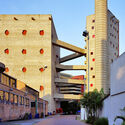
The complex relationship between architectural education and modernist principles in Brazil raises important questions about contemporary architectural practice. To explore this topic, we invited five professors from different Brazilian universities to share their perspectives: Eduardo Lopes (Universidade do Vale do Itajaí), Eduardo Westphal (Universidade Federal de Santa Catarina), Fábio Mosaner (Universidade Federal de Pernambuco), Marta Bogéa (Faculdade de Arquitetura e Urbanismo da Universidade de São Paulo), and Rodrigo Bastos (Universidade Federal de Santa Catarina). Their insights highlight modernism's lasting influence on architectural education while raising key questions for the current architectural debate.

https://www.archdaily.com/1026639/why-do-modernist-principles-still-underpin-design-education-in-brazil-five-professors-share-their-perspectivesCamilla Ghisleni
Healing Through Design: The Story Behind Alvar Aalto’s Paimio Sanatorium
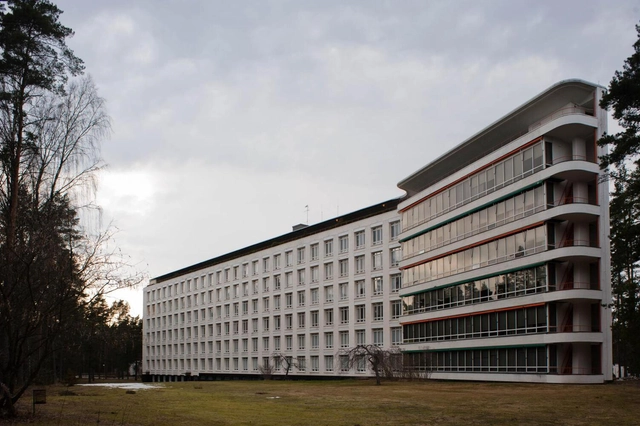
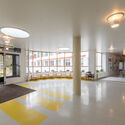
In the early 20th century, tuberculosis presented a significant public health challenge across Europe, prompting the construction of specialized facilities for patient recovery. The Paimio Sanatorium in Finland stands as a groundbreaking example of architecture's potential to promote healing. Designed by Alvar Aalto between 1929 and 1933, the sanatorium combined innovative design principles with a deep understanding of human needs, setting new benchmarks for healthcare architecture.
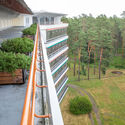
Alvar Aalto, a leading figure in modernist architecture, envisioned the Paimio Sanatorium as more than a functional response to a medical crisis. He crafted a space where architecture became an instrument of care, integrating natural light, ventilation, and harmonious forms to support physical and emotional well-being. This project marked a turning point in Aalto's career, showcasing his ability to blend modernist ideals with a profound sensitivity to context and human experience.



https://www.archdaily.com/1026212/healing-through-design-the-story-behind-alvar-aaltos-paimio-sanatoriumDiogo Borges Ferreira
Architecture and Coloniality: Brazilian Modernism in Critical Perspective
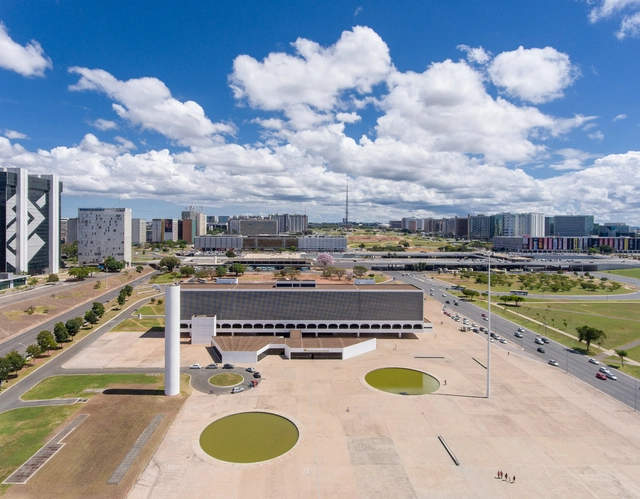
Brazilian modern architecture is often celebrated as a landmark of innovation and national identity, projecting the country onto the international stage with iconic works and a distinctive aesthetic. However, recent research and publications have highlighted its deep entanglement with colonial narratives, both in its influences and its social impact. Although modernism emerged as an attempt to break away from European academic traditions, it remained dependent on foreign references and incorporated strategies of domination that echoed colonial logic.



https://www.archdaily.com/1026345/architecture-and-coloniality-brazilian-modernism-in-critical-perspectiveCamilla Ghisleni
Designing for Density: How Modernist Principles Continue to Shape Social Housing Solutions Today
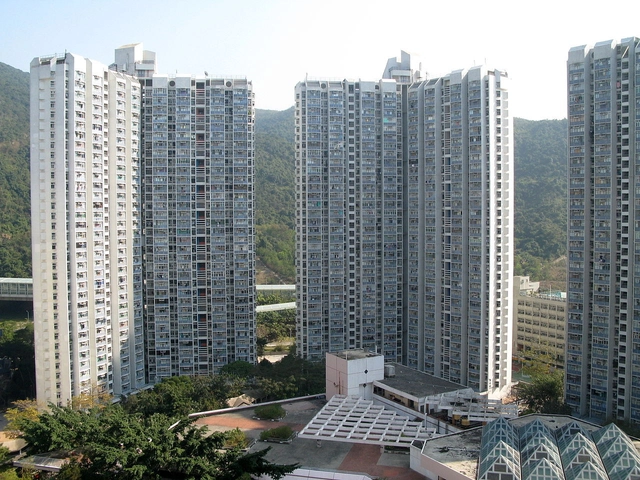
When discussing modernist living, several iconic private residential projects may first come to mind—Le Corbusier's Villa Savoye, the Case Study Houses, most notably by Richard Neutra, Pierre Koenig, and Charles and Ray Eames, as well as the glass houses by Mies van der Rohe and Philip Johnson. Most of these projects exemplified an idealized vision of modern living, set in picturesque landscapes and characterized by experimentation with new construction methods, materials, and spatial concepts. Their designs embraced openness, blurring the boundaries between private and public spaces, largely unburdened by constraints such as density, efficiency, accessibility, public transit integration, or communal considerations.
While these modern homes remain influential in contemporary residential design, they also—perhaps unexpectedly—laid the groundwork for high-density housing principles. Concepts such as the interplay between public and private space, modular construction, and prefabrication, initially explored in these private residences, have been adapted to the vastly different constraints of social housing.


https://www.archdaily.com/1026428/designing-for-density-how-modernist-principles-continue-to-shape-social-housing-solutions-todayJonathan Yeung
Mid-Century Modernism and East Coast Ruralism: A Study of Adaptive Design
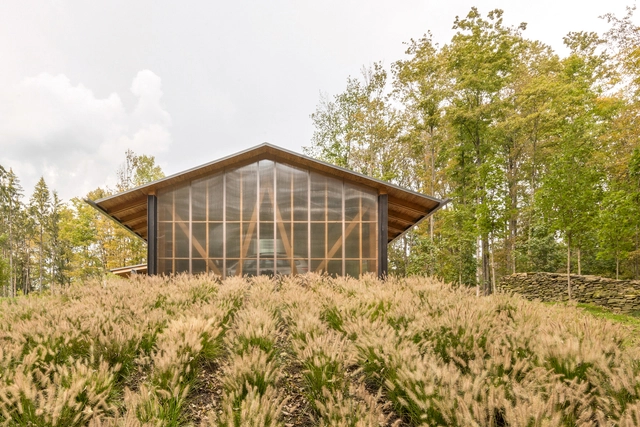
Mid-century modernism, celebrated for its simplicity, functionality, and direct connection with nature, is often associated with urban and suburban environments. However, its principles found fertile ground in the rural landscapes of the United States East Coast. The post-war architectural movement, characterized by innovative materials, clean lines, and harmony with natural surroundings, reveals its adaptability in the hands of architects and craftsmen working in rural regions of the East Coast. Although associated with metropolitan areas, its adoption in rural settings reveals a compelling story of cultural and environmental adaptation.


https://www.archdaily.com/1025602/mid-century-modernism-and-east-coast-ruralism-a-study-of-adaptive-designOlivia Poston
The Impact of Wildfires on Building Codes: Reflections on the Recent Los Angeles Fires

It has been nearly three weeks since one of California's most devastating wildfires began, triggering an immense effort to combat the blaze and mitigate further damage. As firefighters work to contain the remaining flames, the city braces for its first significant winter rainfall, raising concerns about flooding and landslides that may exacerbate the already extensive destruction.
Amid these challenges, the wildfire has spurred widespread reflection at local and global levels. Discussions have emerged on topics such as the insurance system, firefighting infrastructure, water resources, global warming's role in high-wind fire conditions, and the impact of landscape design, particularly the use of non-native vegetation.




https://www.archdaily.com/1026206/the-impact-of-wildfires-on-building-codes-reflections-on-the-recent-los-angeles-firesJonathan Yeung
Promenade Architecturale: How the Modernist Concept Continues to Inspire Contemporary Architecture
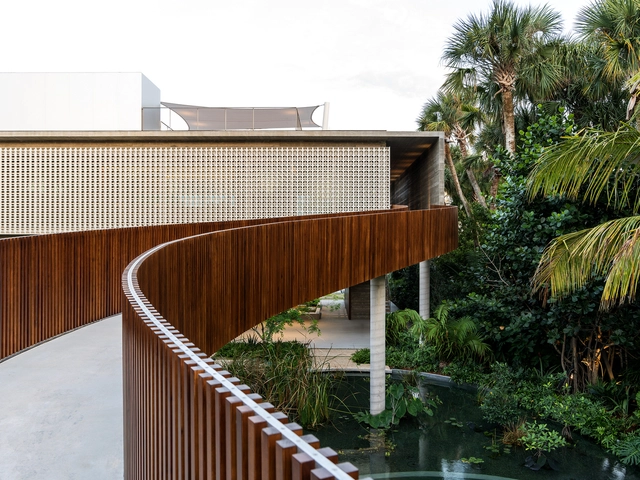
In modernist architecture, promenade architecturale emerged as a key design strategy, embodying the principles of functionality, aesthetics, and integration with the urban context. Le Corbusier’s iconic projects, such as Villa La Roche (1925) and Villa Savoye (1929), exemplify this idea by guiding visitors through an ascending journey that culminates in the rooftop garden—a space where the building and nature seamlessly interact. A century later, this concept remains influential, continuing to shape contemporary designs that explore the relationship between movement and space in various architectural typologies, including houses, museums, libraries, and parks.


https://www.archdaily.com/1025951/promenade-architecturale-how-the-modernist-concept-continues-to-inspire-contemporary-architectureCamilla Ghisleni
Unveiling the 15 Most Significant Architectural Events of 2025
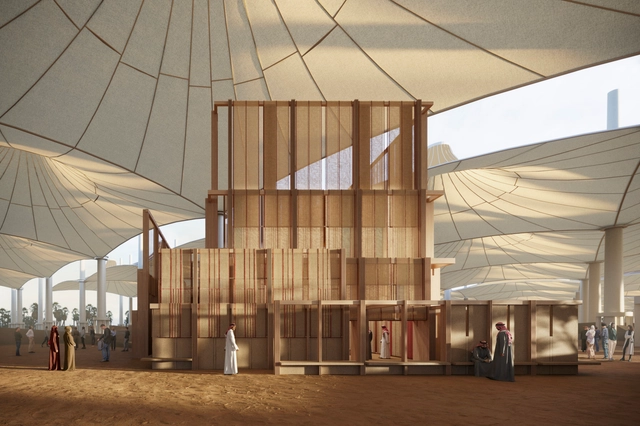
2025 promises to be a landmark in architecture, heralding a vibrant renaissance of creativity and exploration. As societies confront challenges such as climate change, rapid urbanization, and technological evolution, architecture is both a mirror to these dynamics and a compass pointing toward a sustainable and inclusive future. This year's architectural calendar offers abundant opportunities to celebrate the discipline's transformative power — from boundary-pushing festivals to thought-provoking exhibitions that explore pressing cultural and environmental narratives.
From well-established biennials to inaugural gatherings, including the World Architecture Festival 2025, Desert X Al Ula, and the COP Climate Conference, the 2025 calendar highlights themes such as sustainability, heritage, and community. These events underscore architecture's unique ability to shape a better future, addressing global challenges while honoring cultural diversity and design ingenuity.


https://www.archdaily.com/1025820/unveiling-the-15-most-significant-architectural-events-of-2025Diogo Borges Ferreira
Saving Montreal’s Architectural Heritage: Phyllis Lambert’s Legacy of Community-Driven Change
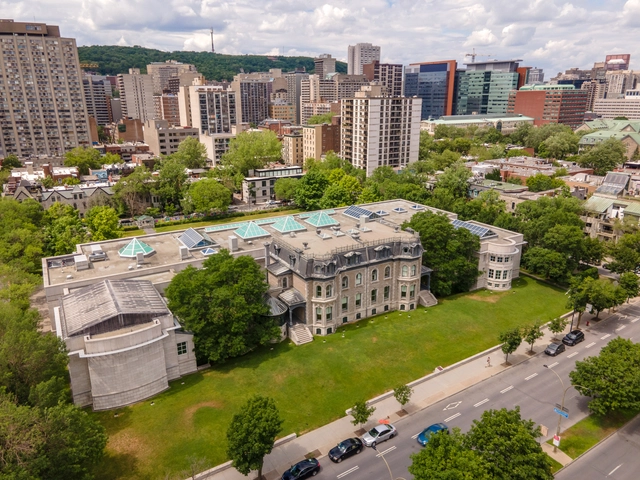
Phyllis Lambert has been a key figure in the preservation of Canada's cultural heritage. As an architect and advocate for heritage conservation, Lambert has left an indelible mark in Montreal and other cities worldwide. Her contributions to Montreal's architectural scene can't really be judged in terms of individual buildings, but rather in terms of the city as a whole. She not only cofounded the Canadian Center for Architecture (CCA), but also helped reshape the way cities like Montreal think about heritage and the importance of community voices in urban planning.


https://www.archdaily.com/1025621/saving-montreals-architectural-heritage-phyllis-lamberts-legacy-of-community-driven-changeMoises Carrasco
How Textiles Shaped Architecture: Prehistoric Structures for Modern Buildings
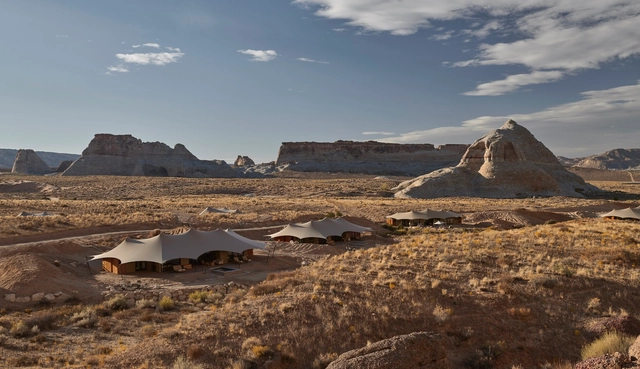
Much before humans constructed their first permanent shelters, they discovered the protective power of animal hides as a barrier against harsh environmental conditions. This fundamental principle of building with flexible materials finds influence in the architecture of today, despite the lack of strong precedents that have been lost to time. Textiles served as humanity's first architectural elements, predating ancient construction methods like stone masonry. The relationship between textiles and shelter would go on to shape the entire history of architecture, from prehistoric settlements to modern skyscrapers. What lessons might these ancient origins of architecture hold for future advancements in building design?


https://www.archdaily.com/1025601/how-textiles-shaped-architecture-prehistoric-structures-for-modern-buildingsAnkitha Gattupalli
Upper Lawn: A Manifestation of Alison and Peter Smithson's Architectural Vision
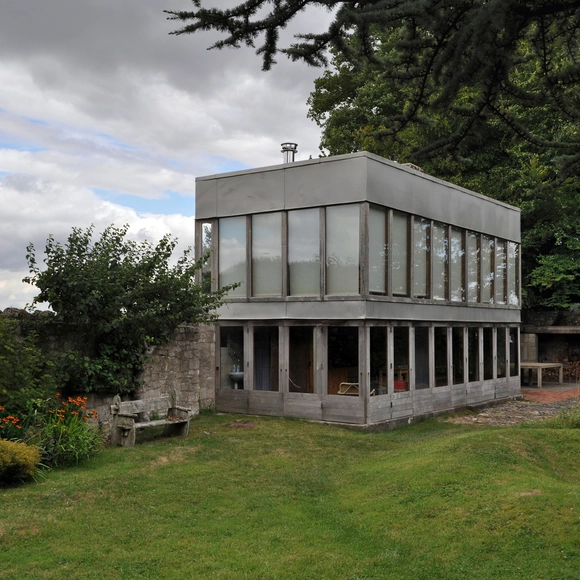
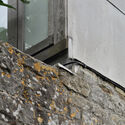
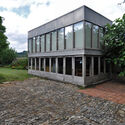
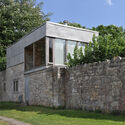
Nestled near the ruins of Fonthill Abbey in the English countryside, Upper Lawn Pavilion — also known as the Solar Pavilion — is a modest yet profound architectural experiment by Alison and Peter Smithson. Built between 1959 and 1962 as a weekend retreat and laboratory for ideas, the pavilion embodies their ethos of economy, material honesty, and respect for context, reflecting the pioneering spirit of New Brutalism.
Upper Lawn's thoughtful interplay between the new and the existing is particularly compelling. Built on the remains of an 18th-century English farmhouse, the pavilion repurposes thick masonry walls from the original structure, incorporating elements such as the well, trees, and lawn into its design. Using prefabricated materials like timber, glass, and aluminum, the Smithsons constructed a light-filled space that harmonizes with its surroundings, embodying their principle of "as found architecture" — a concept rooted in honoring and adapting to preexisting conditions rather than imposing on them.

https://www.archdaily.com/1025366/upper-lawn-a-manifestation-of-alison-and-peter-smithsons-architectural-visionDiogo Borges Ferreira
Straw, Earth and Bamboo: Innovative Use of Natural Materials in 2024 Projects from the Global South
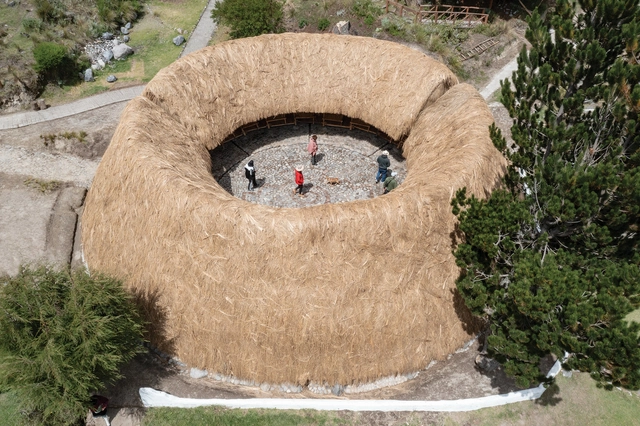
Sustainability has been a central theme in architectural discussions for years, encompassing not only the profession’s role in combating climate change and transitioning to low-carbon economies but also preserving cultural heritage and celebrating vernacular traditions. In 2024, a wave of projects and studies stood out for their innovative use of natural materials, particularly in the Global South. These initiatives skillfully blend creativity and technology with renewable resources, demonstrating how architecture can deliver high-quality spaces that align with contemporary demands for sustainability and environmental responsibility.


https://www.archdaily.com/1025081/straw-earth-and-bamboo-innovative-use-of-natural-materials-in-2024-projects-from-the-global-southCamilla Ghisleni
The Price of Growth: Urban Sprawl and Sustainability in South Asian Cities
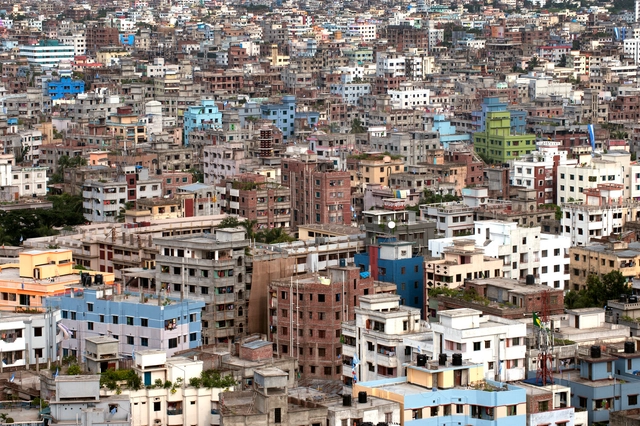
With millions of residents flocking to metropolitans each year, South Asia is witnessing staggering levels of urban development. Growth brings economic prosperity and ecological strain as concrete jungles replace natural habitats. The region, home to countries such as India, Pakistan, Bangladesh, Sri Lanka, Bhutan, the Maldives, and Nepal, is faced with addressing contextual challenges when it comes to balancing urbanization with environmental sustainability. These negotiations are fairly nuanced, with a need to understand the economic, social, and political scenarios systematically in each country.


https://www.archdaily.com/1025347/the-price-of-growth-urban-sprawl-and-sustainability-in-south-asian-citiesAnkitha Gattupalli
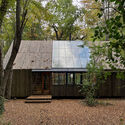
The 50 Best Latin American Houses of 2024
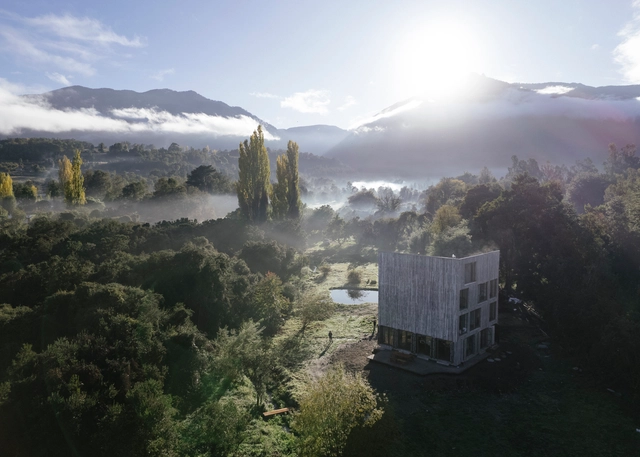
Annually, ArchDaily's curatorial team undertakes a rigorous selection process to identify exemplary projects in Latin American residential architecture. The goal is to share these works of architecture with our audience and highlight and promote good practices within contemporary architecture. This meticulous effort focuses on identifying projects that stand out for their design and their positive impact on the environment, innovative use of materials and techniques, and ability to address current needs.


https://www.archdaily.com/1025255/the-50-best-latin-american-houses-of-2024ArchDaily Team
The World's 25 Tallest Buildings Currently Under Construction
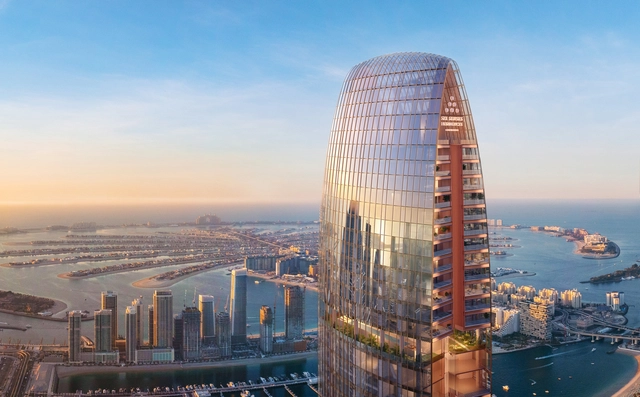
As the global population continues to rise, dense cities face mounting challenges in catering to the needs of billions of people living and working in urban areas. Architects have long explored the skyscraper typology as a solution to these challenges, integrating commercial spaces and public amenities within residential buildings to create all-inclusive experiences for tenants. Over the years, skyscrapers have evolved into multifaceted vertical communities that aim to address the complexities of urban living.
Every year, the Council on Tall Buildings and Urban Habitat (CTBUH) ranks the tallest buildings worldwide, encompassing completed projects, those under construction, and proposed developments. In this updated 2024 article, ArchDaily presents a list of the 25 tallest buildings currently under construction, along with their expected completion dates. These skyscrapers showcase the latest innovations in architecture, engineering, and urban planning.


https://www.archdaily.com/980296/the-worlds-25-tallest-buildings-currently-under-constructionNour Fakharany
The Most Liveable Cities in the World in 2024: Discover Top Quality of Life Locations Globally
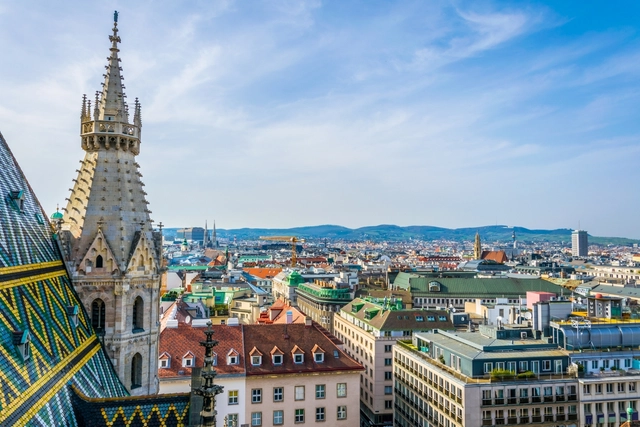
The pursuit of an ideal city has long been a topic of debate among architects and urban planners. In addition to aesthetic identity and cultural heritage, the quality of life in every city represents perhaps the most important marker in this pursuit. This year, the Economist Intelligence Unit (EIU), a sister company of The Economist, has released its Global Liveability Index 2024, highlighting the cities that excel in this ongoing quest. For the third consecutive year, Vienna ranked as the most liveable city in the world. European cities Copenhagen, Zurich, and Geneva also rank high, attributed to their smaller populations, which contribute to lower crime rates and less congestion. In comparison with the 2023 ranking, the numbers for North American and Australian cities have been dragged down by the ongoing housing crisis.
The assessment ranks 173 cities from around the world. Each city is scored based on 30 qualitative and quantitative factors evaluating 5 categories: stability, healthcare, culture and environment, education, and infrastructure. The scores are based on external data points, in-house analysts, and in-city contributors. The category of stability has registered the biggest decline, as protests and armed conflicts increased in incidence. At the bottom of the cist, the city of Damascus, Syria, continues to be ranked as the least liveable city in the survey, followed by Tripoli, Libya, reflecting severe instability.


https://www.archdaily.com/1019808/the-most-liveable-cities-in-the-world-in-2024-discover-top-quality-of-life-locations-globallyMaria-Cristina Florian
Interfaith Spaces: Architectural Responses to Religious Diversity
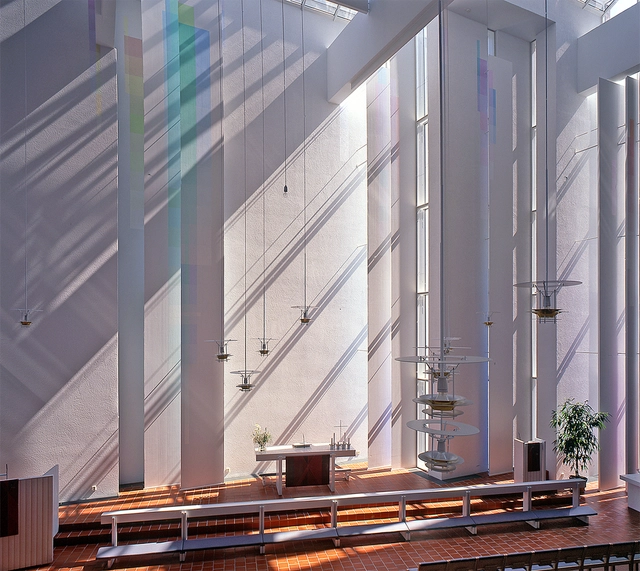
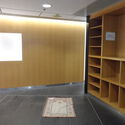
In an increasingly diverse world, the emergence of multi-faith spaces represents a significant shift in architectural design, reflecting the evolving religious landscape of contemporary society. These spaces, which began to be formally established in the 1950s in public buildings like airports and hospitals, serve as microcosms of social transformation and peaceful coexistence. They allow various traditions to harmoniously share environments, embodying principles of inclusivity, flexibility, and adaptability.
As communities grow more multicultural and increasingly diverse, these spaces serve as physical manifestations of religious inclusion, encouraging the acceptance of religious and ethnic minorities within multicultural landscapes. Their proliferation reflects a growing need for inclusive environments that cater to diverse spiritual needs while promoting interfaith understanding. However, designing and implementing these spaces presents complex challenges, often sparking debates about representation, neutrality, and the very nature of sacred space. These discussions underscore the delicate balance architects must strike in creating spaces that are both universally welcoming and spiritually meaningful.

https://www.archdaily.com/1019961/interfaith-spaces-architectural-responses-to-religious-diversityDiogo Borges Ferreira