Architect, urbanist, and Content Editor at ArchDaily, covering news and developments in architecture and the built environment. Editorial work focuses on the Gulf region and the Middle East, exploring contemporary regional architectural languages and their relationship to local contexts.
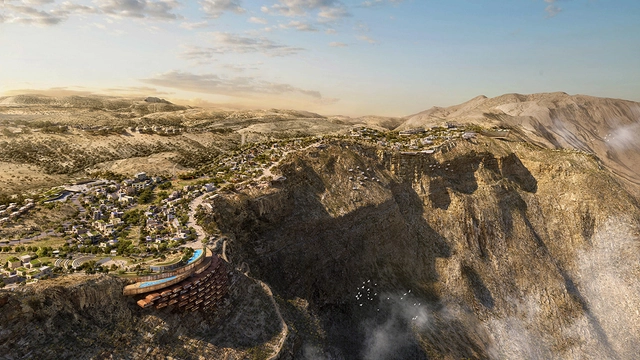
Oman has just announced plans for a $2.4 billion mixed-use project, the new Omani Mountain Destination on Jabal al Akhdar. Masterplanned by AtkinsRéalis, the scheme aims to attract sustainable development opportunities, hoping to "operate as Net Zero Carbon and striving to use 100% renewable energy." The project is in alignment with Oman Vision 2040, seeking a developed, diversified, and sustainable economy;, featuring residences, hotels, and a health village.
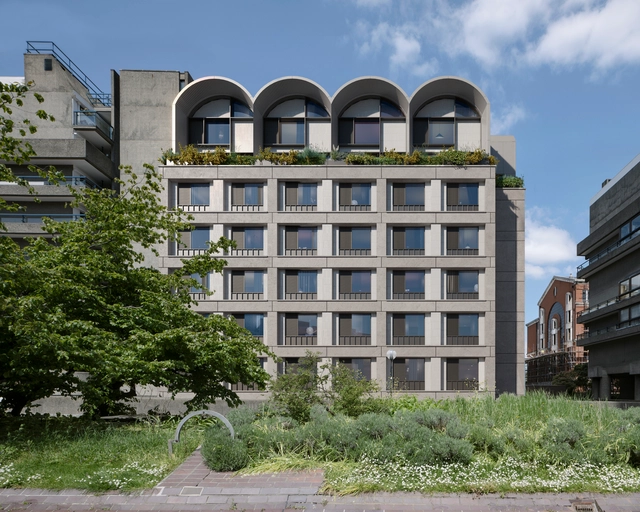
Allford Hall Monaghan Morris (AHMM)’s architectural studio has revealed the plans to convert a 1950s London office building into a co-living residential scheme. Initiated by developer HUB and Bridges Fund Management, “Cornerstone” is nestled on the fringes of the iconic Barbican estate, hoping to seamlessly transform the original office building to integrate 174 co-living residences.
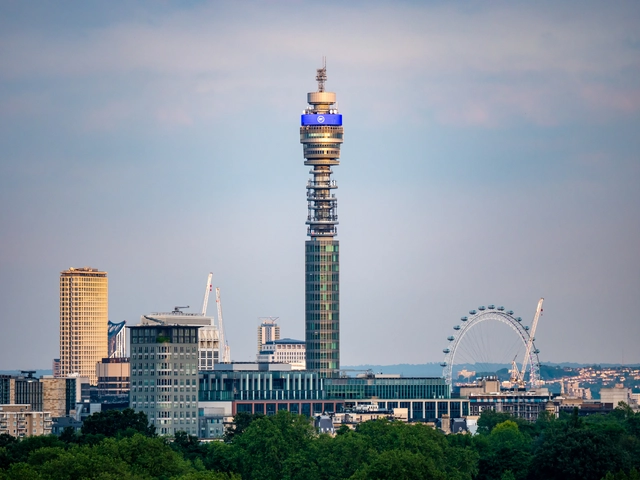
On February 21st, 2024, American Hotelier MCR Hotels acquired the renowned BT Tower in London. The tower, a Grade II listed marvel, is nestled within London’s Fitzrovia, standing as a testament to the city’s heritage. Initially used as the British Telecommunications Tower and was known as the Post Office Tower, the BT Tower will be repurposed by Heatherwick Studio, with plans underway to breathe new life into this iconic structure.
Water, fluid and dynamic in its nature, has long been an inspiration for architects and designers. From ancient civilizations to modern metropolises, the presence of water has shaped architectural schemes and urban landscapes. This elemental force provides aesthetic and sensory inspiration to the buildings that are built around it. Additionally, it poses challenges and different opportunities for problem-solving, particularly as rising sea levels demand a revaluation of coastal developments.
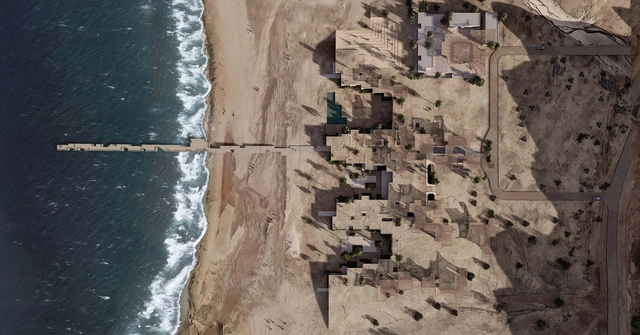
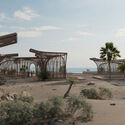
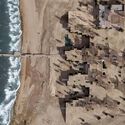
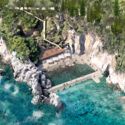
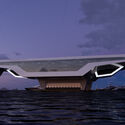
Whether it’s a restaurant overlooking the waters of the Aegean Sea or a hotel nestled along the coastline of Montenegro, architects worldwide embrace the proximity to natural bodies of water. These unbuilt projects, curated from submissions by the ArchDaily community, exemplify diverse architectural schemes that aim to harmonize with water surroundings. From the regenerative principles in the Chabahar Beach Cafe in Iran to a transformative master plan on a floating boat, each project uniquely aims to blend contextual elements with the human experience, resulting in different designs.
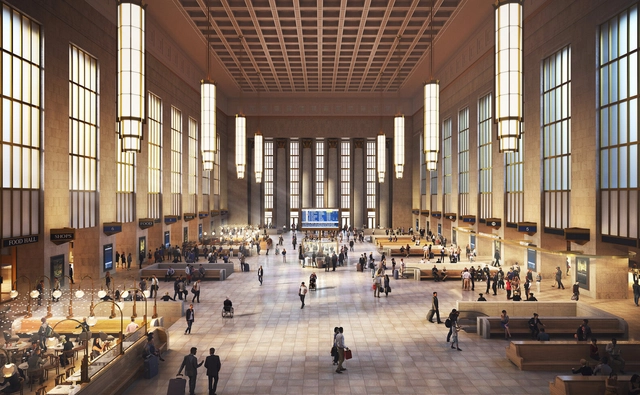
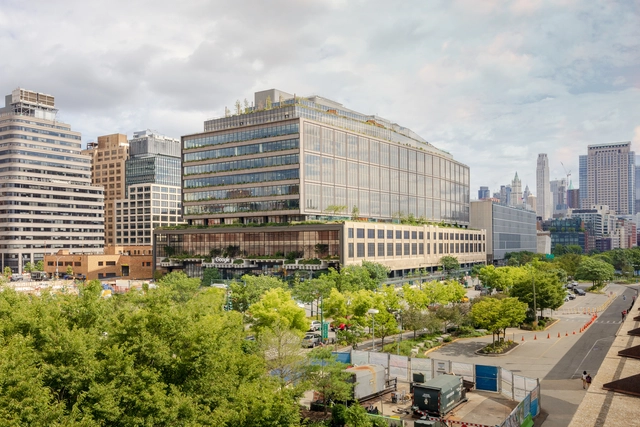
Google’s newest headquarters in New York, situated within the St. John’s Terminal, will open its doors on February 26th, marking a milestone for the company’s presence in the city. Designed by COOKFOX Architects, in collaboration with Gensler, the headquarters is constructed atop the original 1930s rail terminal and adapted to become a vibrant hub for over 14,000 Googlers. The terminal, formerly the endpoint of the iconic High Light, now serves as a testament to the company’s innovative approach, rapid growth, and lifelong commitment to New York.
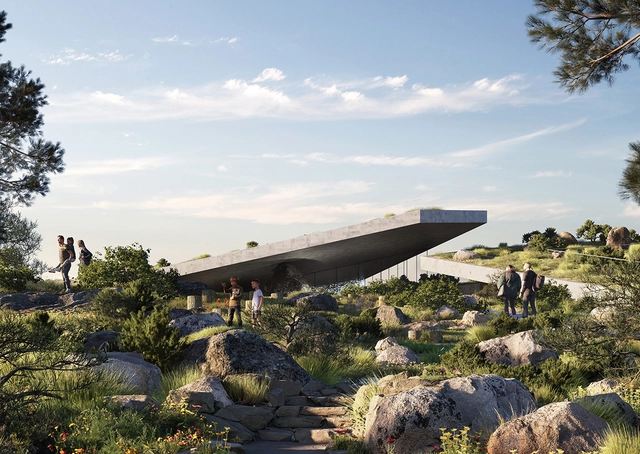
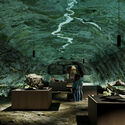
Established in 2023 to protect nearly 13,000 hectares of the Vjosa River Region Park, the Vjosa National Park Europe’s first “wild river national park.” Danish architecture CEBRA has been selected to design a multifunctional visitor center and information center in the newly protected space. Located in Përmet, Tepelenë, and Vlorë in Southern Albania, the Vjosa Wild River National Park features a 190-kilometer-long free-flower river. CEBRA’s design supports conservation efforts and investigates how visitors can engage with their respective ecosystems.
Courtesy of Thom Mayne | Constructing the Spontaneous
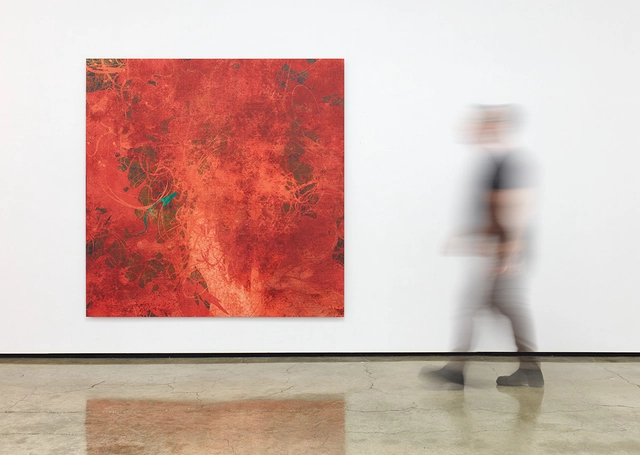
The Pritzker-winning architect Thom Mayne is presenting his display “Constructing the Spontaneous” in the Paul Kyle Gallery in Vancouver, Canada. Known for his contributions to architecture and design, the architect founded Morphosis in 1972, embodying his philosophy of architecture as an ever-evolving, dynamic process. Mayne’s latest display features his artworks, diving into the intricate relationship between cutting-edge technology and timeless human expression.
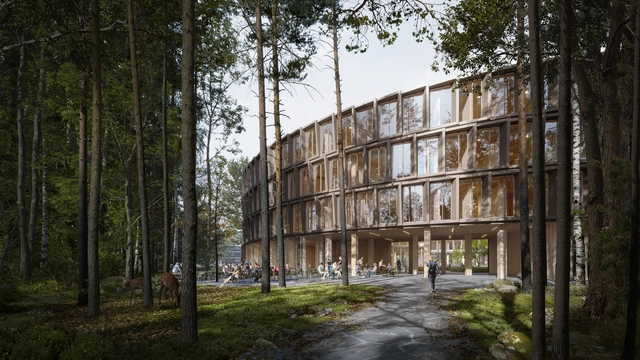
Henning Larsen and Ramboll have won the competition to design the new campus for the prestigious scientific research center,CERN. Designed to integrate science and nature, the B777 building uses biogenic materials and low-carbon methods to reimagine traditional laboratory settings. Situated on the border of France and Switzerland, in CERN’s Prévessin Campus, the scheme aims to foster a sense of community, collaboration, and well-being.
Sumaya Dabbagh, the founder of Dabbagh Architects, based in the UAE, stands at the forefront of architectural innovation with a focus on identity and connection to place. Her recent participation in the Sharjah Architecture Triennial’s second edition “Earth to Earth" is a showcase of cumulative ideas that Dabbagh Architects has been fostering through their projects. Onsite in Sharjah, ArchDaily had the chance to speak to the architect about her exploration at the Triennial, as well as her broader architecture practice and its impact on the Global South.
Religious architecture has always had a unique power to transcend the physical realm, transporting visitors to a spiritual journey. In many belief systems, it serves as a space between the earthly and the universal divine. This designed experience can often be facilitated through different choices, where light, form, materiality, and circulation play essential roles. Furthermore, architecture and design hold the power to have a profound impact on one’s lived spiritual experience.
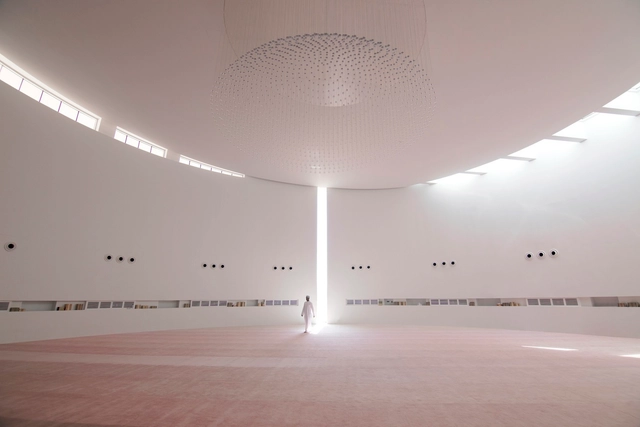
This exploration of religious architecture in the global south showcases the integration of tradition and contemporary innovation. Whether it’s the Omani Mosque, where heritage and Islamic tradition are honored, or the Abrahamic Family House that features a mosque, a church, and a synagogue in dialogue and coexistence. Form and public access are explored through a design in Brazil, while a monastery in Uganda expands its size to serve guests and novitiate.
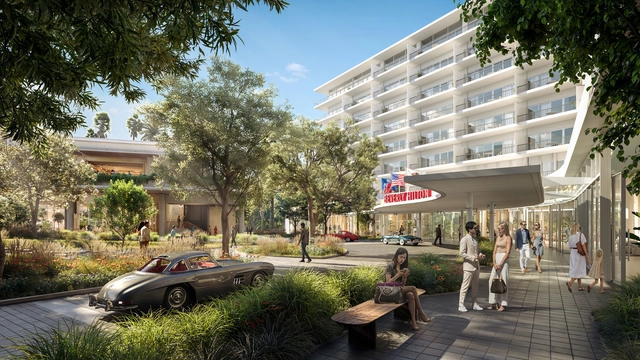
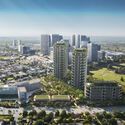
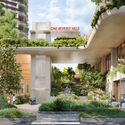
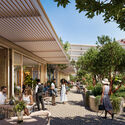
Foster + Partners has announced the start of construction on One Beverly Hills, revitalizing 17.5 acres of land in the city center. Proposing two residential buildings, a new hotel, a dining, and a retail pavilion, the development is expected to open in 2025. Designed in collaboration with design collective RIOS, who is leading the Landscape Architecture, the project features 10 acres of gardens and open space. The project’s masterplan, designed by Foster + Partners, also integrates existing landmarks like the Beverly Hilton and Waldorf Astoria Beverly Hills.
Qatar Museums has just revealed the roster of designers and exhibitions for the inaugural edition of Design Doha. Running from February 24 to August 5, 2024, Design Doha is a new Design Biennial showcasing over 100 Middle Eastern and North African designers. The announcement outlines six exhibitions launching during the first week, spotlighting innovation within Qatar and the region at large.
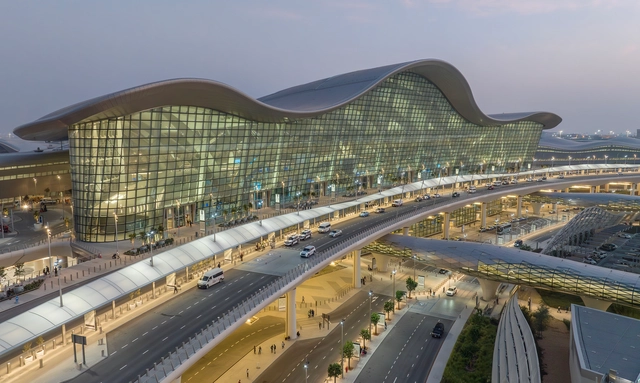
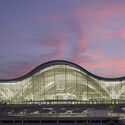
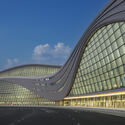
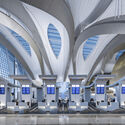
The Abu Dhabi International Airport has been officially renamed Zayed International Airport, Terminal A. Designed and executed by KPF, the revamped complex will accommodate up to 45 million passengers annually, doubling the airport’s capacity. Informed by the desert's natural landscape and Islamic culture's geometric motifs, the terminal was designed considering the Emirate’s surrounding context.
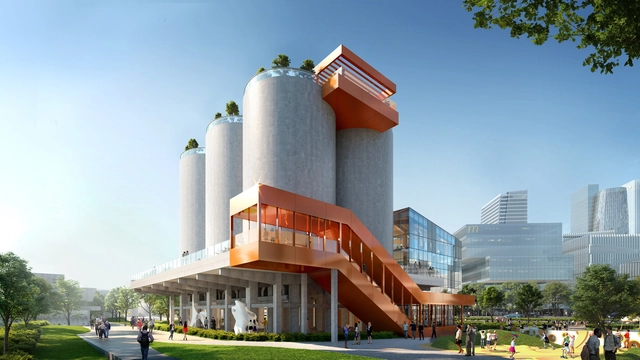
Courtesy of MVRDV | Ucharm | MVRDV Gate M West Bund Dream Cente
MVRDV has just introduced its comprehensive plan and architectural vision for the construction of the Gate M West Bund Dream Center in Shanghai. Formerly home to a cement plant factory, the design uses the existing structures for cultural programs and combines them with new structures to house new functions. The Dream Center aims to revitalize the riverbank area into a thriving cultural and recreational district.
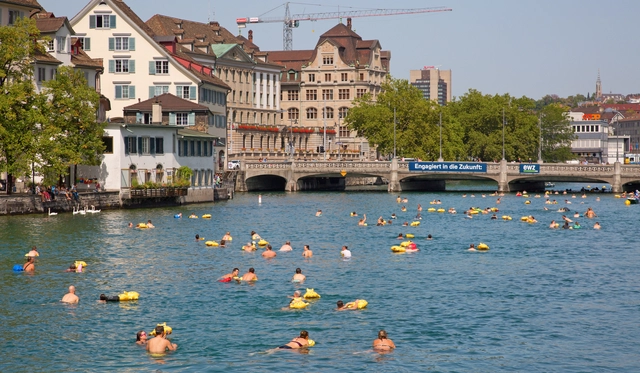
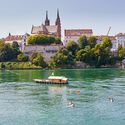
Throughout history, rivers played a crucial role in the social structures of cities. Along riverbanks, communities often congregated for socializing, swimming, and fishing. Swimming in rivers was a popular summertime activity enjoyed by people of all ages. Whether it was the Thames in London or the Seine in Paris, rivers were bustling with swimmers; integrated into urban lifestyles.