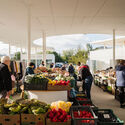
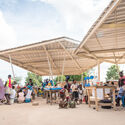
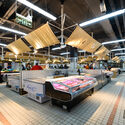
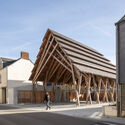
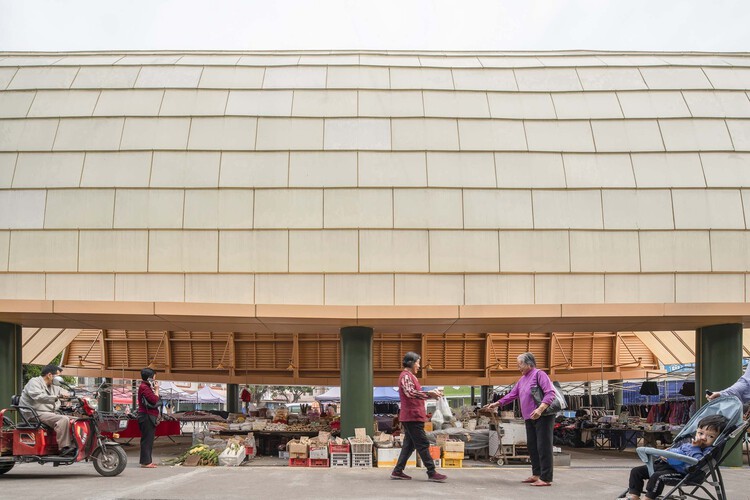
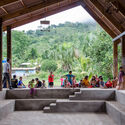
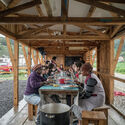
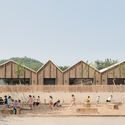
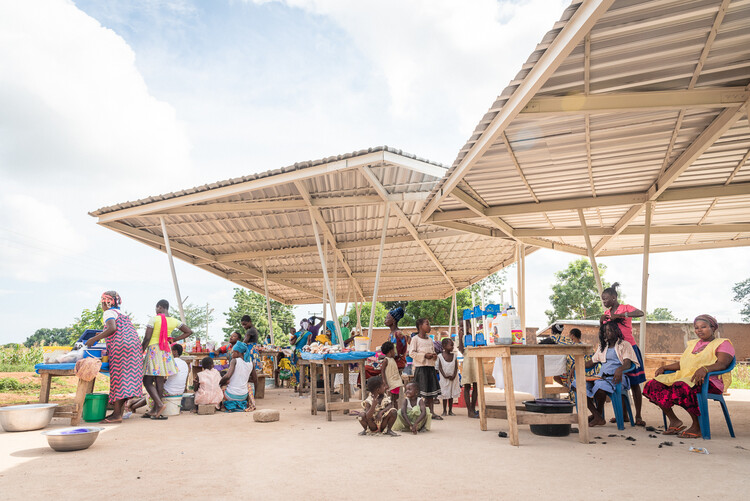
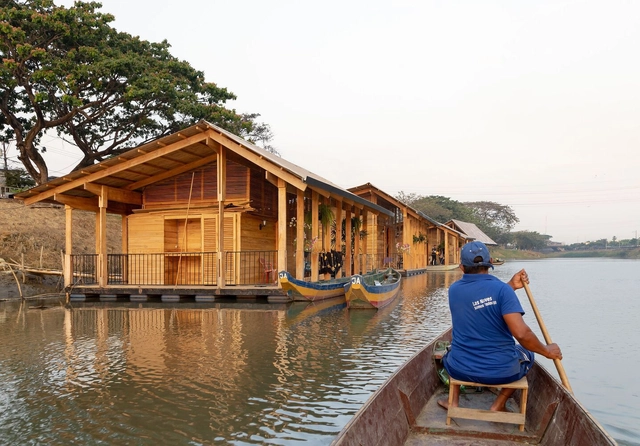
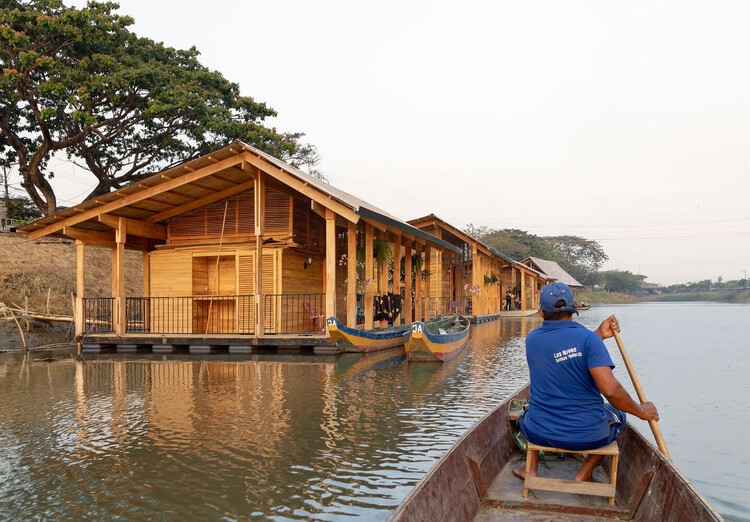
The making of a place is not a difficult thing in principle; it is enough for people to come together in a regular set location for a purpose or activity, and a space becomes. This does not disregard the fact that a physical element needs to accompany this gathering for a space to become sheltering, accommodating, and alluring. This idea of the space that emerges from intent can most definitely be seen in one of the most ancient of functions, which is food or produce markets.
For a market to become, the architectural element can be as simple as a light roof, which would harbor merchants and offer a non-spoken boundary to the place, or it can be as resourceful as adaptively reusing an existing building or site to fit new needs. Finally, it can be a temporary and lightweight structure pitched for certain events or needs and then removed to be used elsewhere, or for other means.
Every architectural project is the result of deliberate choices. Beyond form and function, buildings embody technical, political, and cultural decisions that shape their relationship with both their surroundings and the people who inhabit them. ArchDaily’s AD Narratives series explores these processes by bringing together accounts that trace projects from initial conception to built realization. In parallel, the AD Classics series turns to works of historical significance, presenting not only the stories behind these buildings but also technical drawings that allow for a deeper, more informed reading of their architecture.
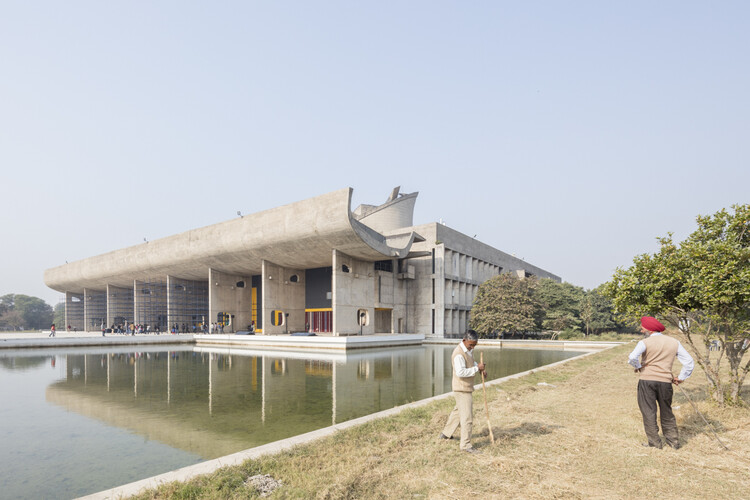
Indian modernism is often narrated through a narrow lens: a handful of iconic institutions, master architects, and formally radical experiments that came to symbolize the nation's post-Independence aspirations. Yet this version of history overlooks the far larger body of modernist architecture that quietly shaped everyday life across the country. Beyond celebrated campuses and canonical buildings exists a vast, dispersed landscape of housing blocks, offices, hostels, hospitals, markets, and townships — structures that were designed to function and endure.
Taking a deeper look at the interplay of light and shadow in architecture seems to be a recurring topic on the agenda of many professionals in the field. Spaces of light and darkness are conceived to enhance circulation and spatial directionality, as well as to highlight the colors, textures, and forms of specific architectural elements. That said, the impact of natural light on building facades reveals the need to develop strategies that support energy savings, improve the thermal and visual comfort of interior spaces, and promote the reduction of carbon emissions. Considering light as another material in architecture, in what ways could its power contribute to the architectural experience?
The past year marked a defining moment in ArchDaily's evolution: a year of recalibration, intention, and renewed editorial purpose.
In an increasingly fast-moving and saturated media landscape, we took the opportunity to ask the fundamental questions: What does architectural media need to be today? What responsibilities do we carry as a global platform? And how can we contribute meaningfully to a profession navigating social, environmental, and cultural transformation?
And by engaging deeply with these reflections, we stepped fully into our role, bringing greater definition to who ArchDaily is and how it operates.
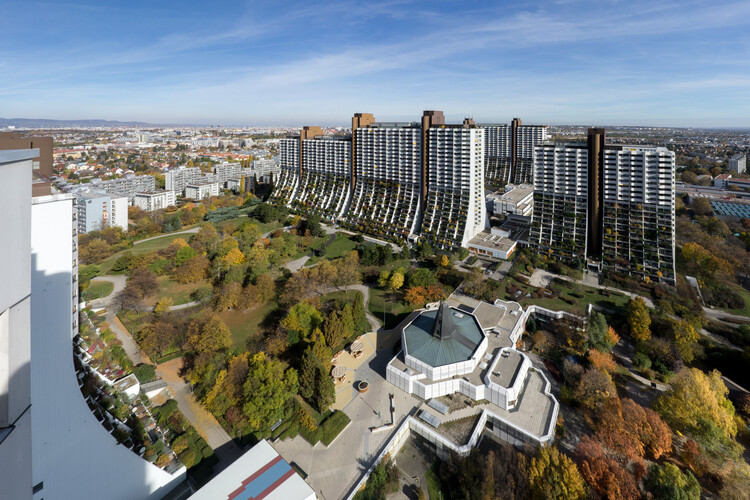
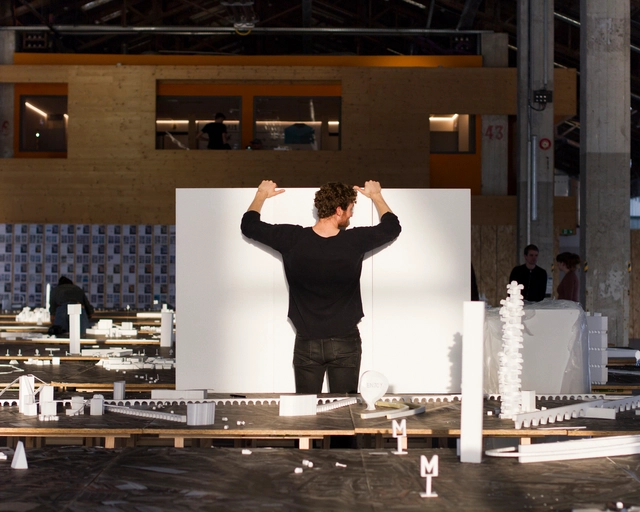
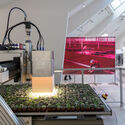
Courtesy of [applied] Foreign Affairs, Institute of Architecture, University of Applied Arts Vienna
Long before architecture took the form of walls, roofs, or cities, it gathered people around fire. The simple fire pit was one of humanity's earliest spatial devices: a place for warmth, food, storytelling, and ritual. Around it, space took shape through proximity rather than enclosure, through shared presence rather than prescribed use. The fire organized bodies in a circle, fostered alliances, and turned survival into collective life. Today, this ancestral logic persists: architecture has the potential of bringing people together not by commanding how they gather, but by creating the conditions that make togetherness possible.
This month, ArchDaily explores Coming Together and the Making of Place, a topic that examines architecture as a framework for inclusion, care, and belonging. The theme aligns with the first edition of the ArchDaily Student Project Awards, which approach care from a collective perspective by focusing on spaces that nurture better ways of living together. Looking beyond iconic gathering spaces, the coverage considers everyday environments, from food markets, communal tables, and neighborhood plazas to third spaces, domestic settings, and digital or hybrid environments of remote togetherness. Rather than treating togetherness as a fixed program, it asks how spatial design can support openness, diversity, and collective life without enforcing uniform ways of gathering.
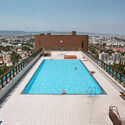
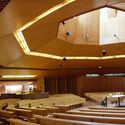
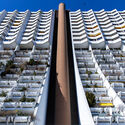
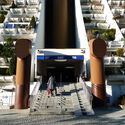
On the southern edge of Vienna, a cluster of monumental terraces rises above the cityscape, their stepped balconies cascading with greenery and their rooftops crowned with swimming pools. This is the Wohnpark Alterlaa, one of the most ambitious social housing projects in postwar Europe. Designed by Austrian architect Harry Glück and built between 1973 and 1985, the complex was founded on a provocative principle: municipal housing should not only provide affordable shelter but also offer the pleasures and amenities usually reserved for the wealthy.
With more than 3,000 apartments housing nearly 9,000 residents, Alterlaa was conceived as a city within the city. Alongside its residential towers, it incorporates shops, schools, medical services, and cultural facilities, ensuring that daily life can unfold entirely within its boundaries. The project reflects a moment of optimism in Vienna's urban policy, when housing was understood as infrastructure for collective well-being rather than as a commodity.
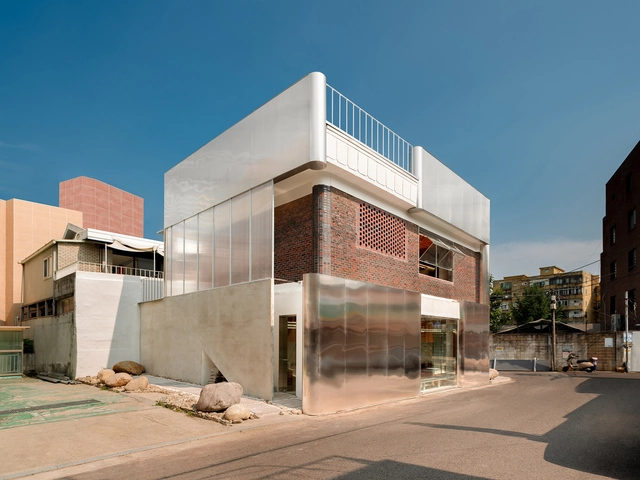
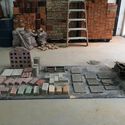
The circular economy, including the reuse of building materials, is fast becoming a key component in the fight against carbon emissions. This involves designing to minimize waste and utilize materials that can be reused at the end of the building's life. On the opposing side, the reuse of materials from partially or wholly demolished buildings can also reduce waste and carbon emissions that would have resulted from using virgin materials. Sustainability purposes aside, the reuse of building materials has a centuries-old history, both for symbolic reasons and simply out of necessity.
Which materials have taken center stage in the architectural discourse of 2025? Which projects have rediscovered new construction practices and methods through material innovation? While the future of building materials still appears uncertain, year after year, experimentation and research continue to reveal diverse practices, initiatives, and efforts dedicated to understanding their value and responsibility within the built environment. From agricultural waste that reduces carbon footprints to recycled plastics given new life, and living materials that engage with emerging technologies while reconnecting with nature, 2025 has highlighted and strengthened the role of architects as mediators between materials, disciplines, knowledge, and interests from diverse origins.
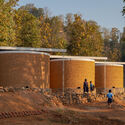
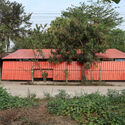
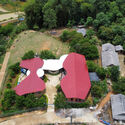
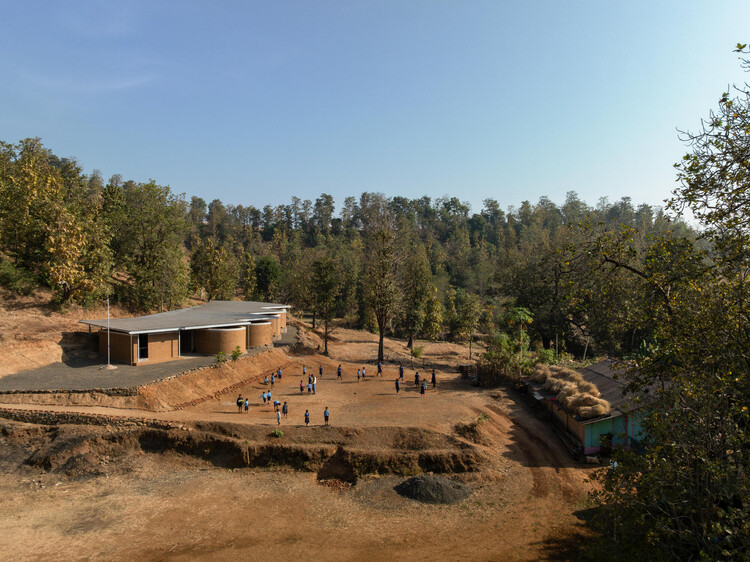
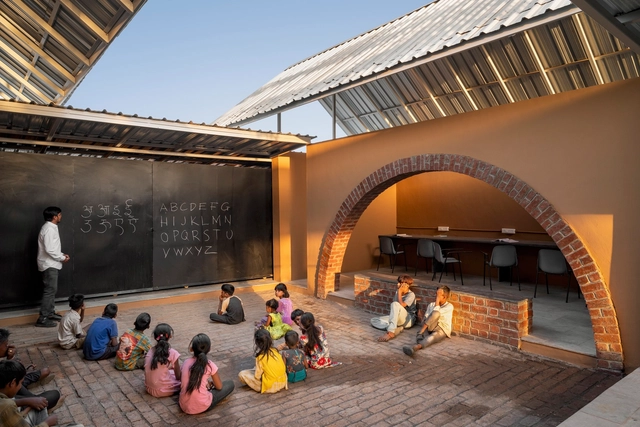
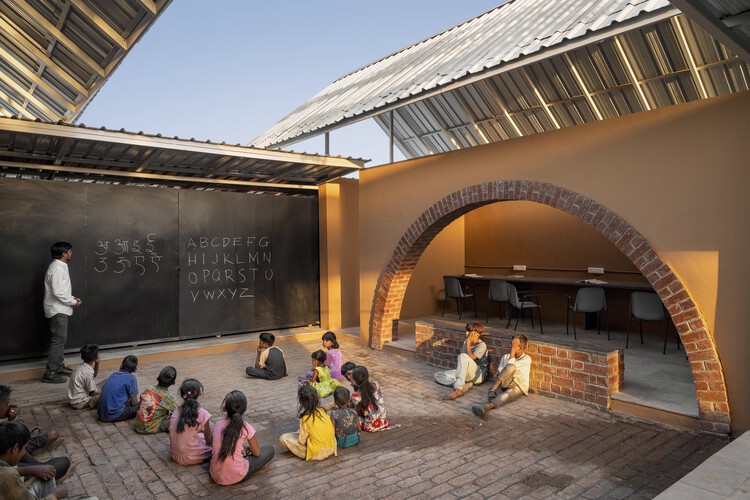
In the mountainous regions of Vietnam, the borderlands of Thailand, and the rugged Western Ghats of India, building school projects remains a challenge defined by logistics. In areas where infrastructure and industrial supply chains are limited or distant, transporting each kilogram of material can significantly increase costs and logistical complexity. During 2025, several school projects in rural contexts in Asia showed how the architect's role often shifted from a designer of form to a strategist of procurement. The primary challenge was not merely aesthetic but a matter of durability: using locally available materials and protecting them from monsoon rains, high-velocity winds, and sometimes seismic instability.
In contemporary architectural discourse, scale is often mistaken for influence. Large firms, landmark projects, and master-planned developments dominate visibility. It goes on to reinforce the idea that architectural ambition is measured by size, reach, or spectacle. Yet across India and similar contexts, a quieter but equally consequential body of work is emerging. It is led by small but mighty practices operating with limited resources, close client relationships, and an intimate understanding of local conditions.
Health has become a central concern in architecture, planning, and design, driven by a growing awareness of how the built environment influences physical, mental, social, and environmental well-being. In 2025, this awareness moved beyond specialized building types or performance metrics and became central to architectural decision-making, informing how spaces are conceived, built, and inhabited across diverse contexts. Architects are no longer treating health as an external requirement but as an integral condition of everyday life.
There is not enough that can be said about the benefits of incorporating plants in interiors or Plantscaping. Integrating vegetation indoors serves many purposes, whether practical, aesthetic, or psychological. Although there are basic requirements for incorporating greenery into Homes, well-thought-out plant selections and placements are characteristically different across the world. By going over recent interior works, a few recurrent plantscaping design patterns arose, each reflective of distinctive climates, building styles, and traditional building techniques.
While the type of the chosen plants varies depending on favorable conditions for growth and local availability, the main distinctions are related to the direct environment and display method in which the vegetation is set, as well as its intended purpose. While plants are there to offer mental wellness to some, they are essential for cooling to others, or could even be meant for small-scale farming.
As the solstice marks the shortest day of the year in the Northern Hemisphere, it also draws attention to something architecture has long negotiated but often overlooked: time. Beyond form or function, buildings and spaces are continuously shaped by cycles of light and darkness, seasonal shifts, and environmental rhythms that affect how they are inhabited.
In recent years, a growing number of architectural projects have begun to work explicitly with these cycles. Rather than designing spaces to function in a single, fixed way, architects are creating environments that change throughout the day, across seasons, or in response to natural phenomena such as the sun's path, lunar phases, wind patterns, or circadian rhythms. These projects operate in dialogue with time, appearing, transforming, and activating differently depending on environmental conditions.
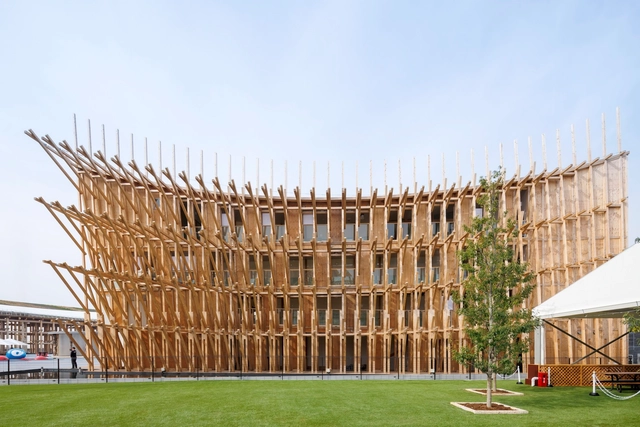
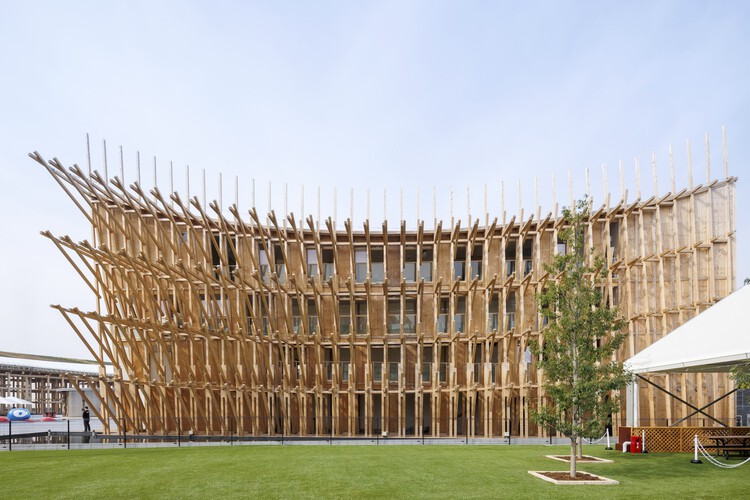
The 2025 Osaka Expo has captured widespread attention—not only for its architectural ambition and spectacle, but also for breaking records and generating controversy. Its most iconic feature, a monumental timber ring designed by Sou Fujimoto, has already made headlines as a Guinness World Record-breaking wooden structure. Built on the reclaimed island of Yumeshima, the site has attracted praise and critique in equal measure. Beyond its awe-inspiring 2-kilometer circumference—parts of which extend dramatically over the water—the structure has also drawn concerns, including questions about health & safety, extreme heat, and swarms of insects that may affect the visitor experience.
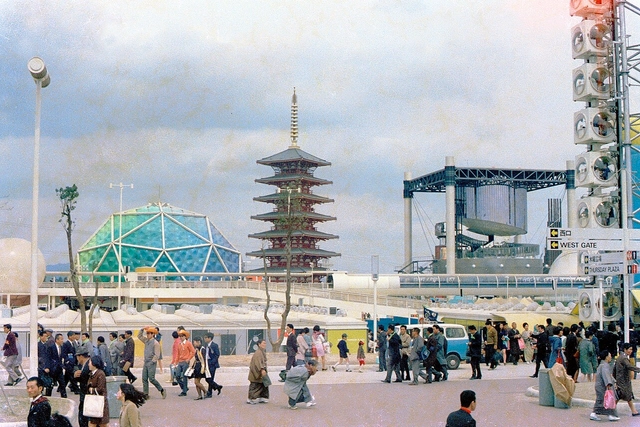
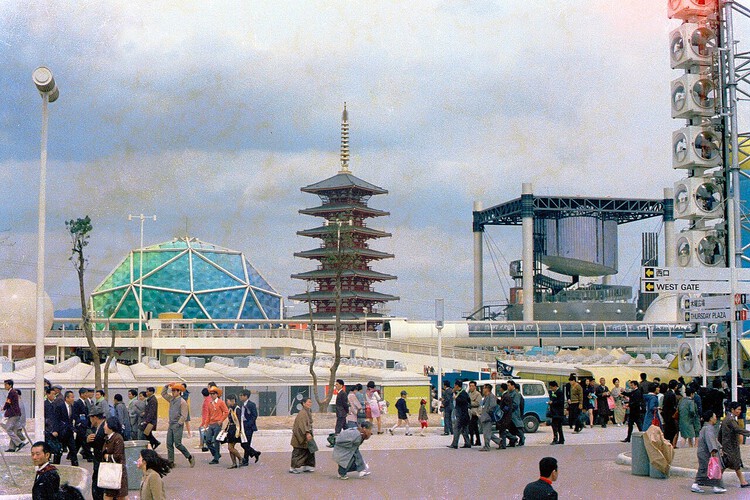
This year also marks a significant anniversary: the 55th year since the 1970 Osaka Expo, held under drastically different socio-economic conditions. Comparing these two expos—both hosted in the same city—offers a rare opportunity to reflect on how the rhetoric, curatorial themes, and architectural ambitions of world expos have evolved over time. From "Progress and Harmony for Mankind" in 1970 to "Designing Future Society for Our Lives" in 2025, the shift in thematic focus reveals changing global priorities. Meanwhile, the scale and nature of architectural involvement have also transformed, from the futuristic visions of Japanese Metabolism to a more internationally dispersed group of designers concerned with sustainability, technology, and civic engagement.
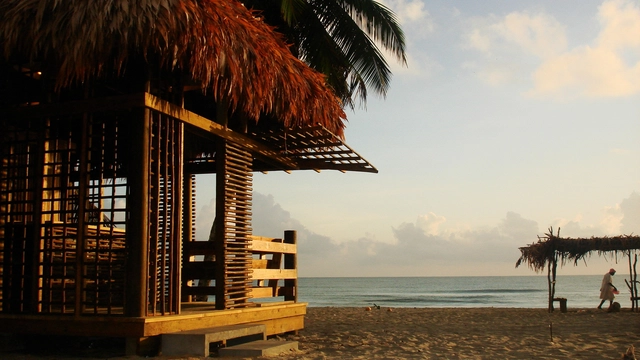
Detail of the Garifuna Kiosk Network. Image Courtesy of 24 Grados Arquitectura
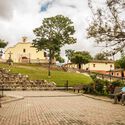
How can architecture restore relevance to forgotten places? What dialogues can emerge when buildings and landscapes are treated not as blank slates, but as layers of memory, identity, and potential? For the Honduran architecture firm 24 Grados, these questions shape an approach rooted in adaptation, reuse, and contextual design. Their projects range from the restoration of old Spanish plazas and cultural centers to interventions in natural parks and coastal villages in Honduras. Each one is grounded in the belief that design can reweave relationships between people, place, and heritage.
MVRDV and Delft University of Technology Release _Le Grand Puzzle_, an Urban Study of Marseille in the South of France. Image Courtesy of HÇläne Bossy, Manifesta
In architecture, most practices revolve around delivering projects to clients. Offices are shaped by deadlines, budgets, and clear briefs. While this structure produces buildings, it rarely leaves space for architects to question broader issues — about how we live, how cities are changing, or what the future demands of design. But alongside this production-focused system, a quieter movement has emerged: studios, collectives, and foundations that prioritize research, experimentation, and reflection. These are the architecture think tanks — spaces designed not to build immediately, but to think first.
The idea of a think tank is not new. Traditionally found in politics, economics, or science, think tanks bring together experts to study complex problems and propose solutions. In architecture, their rise reveals a tension at the heart of the discipline. If architecture is to remain socially and environmentally relevant, can it continue to rely only on client-driven practice? Or must it carve out space for slower, deeper inquiry?
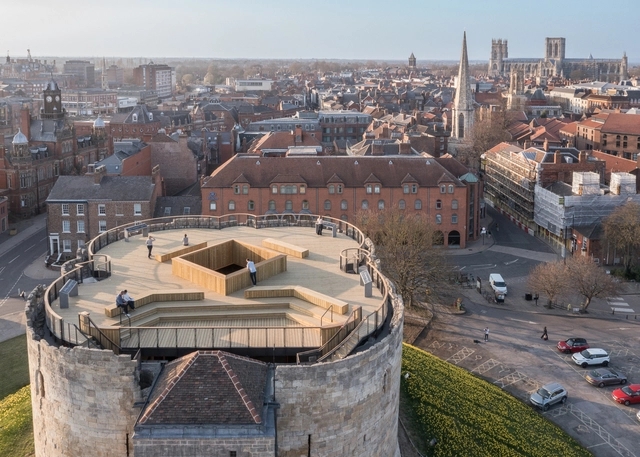
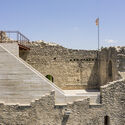
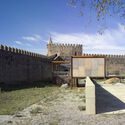
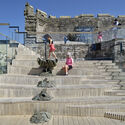
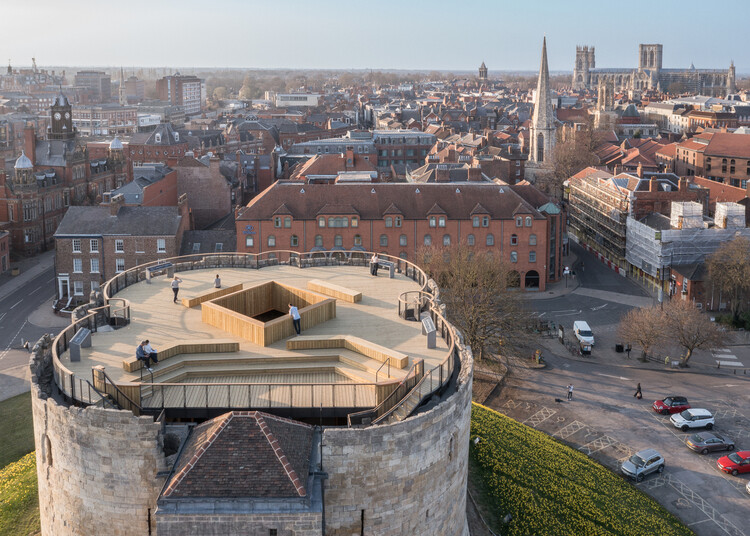
Castles and fortresses often rise from strategic, commanding positions when standing alone or integrated into urban and rural landscapes. From above, they overlook the city, bearing in their imposing structures the weight of history. With their original functions now limited to contemplation, these spaces have been undergoing revaluation and reintegration into everyday urban life. Once symbols of military or political power, they are now taking on new roles through contemporary interventions that engage with their heritage without erasing their past.
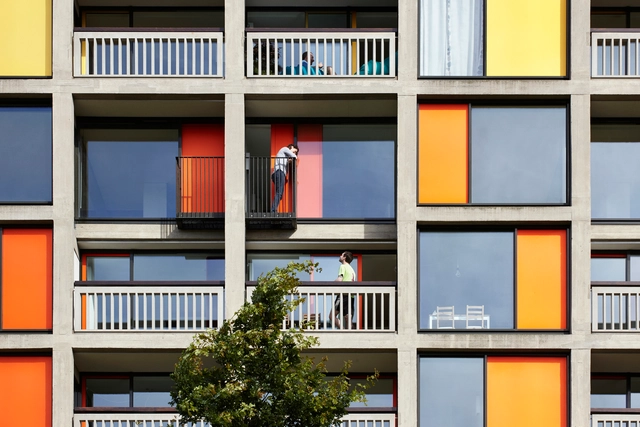
Park Hill, a large social housing complex in Sheffield, stands out as one of the most ambitious examples of modernist architecture in post-war Britain. Designed in 1961 by Jack Lynn and Ivor Smith, its innovative concept of "streets in the sky" aimed to combine high-density housing with the community spirit of traditional neighborhoods. By the late 20th century, the complex had fallen into severe neglect, marked by social problems and structural degradation that undermined both its functionality and reputation. Gradually, Park Hill became synonymous with the failure of modernism, carrying a heavy social stigma and marginalizing its residents.
Starting in the 2000s, significant efforts began to reverse this narrative through a two-phase revitalization process. The first phase, led by Urban Splash in collaboration with the architectural firms Hawkins\Brown and Studio Egret West, focused on preserving and enhancing the building's historical elements while introducing modern interventions to create a livable, functional, and attractive space. This stage demonstrated the potential of adaptive reuse in revitalizing communities and reclaiming architectural icons. The second phase of the renovation, carried out by the firm Mikhail Riches, sought to build on this initial work by introducing new elements that deepened the connection between the existing spaces and contemporary living. With an approach that combined historical sensitivity and architectural innovation, Mikhail Riches continued the process of transforming Park Hill into a landmark example of how modernist architecture can be adapted to meet current needs without losing its original identity.
Videos
Second Prize Winner: Branch. Image Courtesy of Buildner
Buildner has announced the results of the Howard Waterfall Retreat architecture competition, an international design challenge developed in close collaboration with the Howard Family Trust. The competition invited architects and designers to propose a multi-generational family retreat set within a privately owned, forested landscape in Northwestern Pennsylvania, centered on the dramatic presence of Howard Falls and the surrounding gorge.
Rather than prescribing a singular architectural solution, the brief emphasized a careful dialogue between architecture and nature. Participants were asked to consider how a retreat could balance shared and private living, respond to steep topography and water systems, and integrate sustainably within a sensitive ecological setting. The project also called for an interpretation of family legacy, encouraging designers to acknowledge the history of the site and the original summer cottage while imagining a retreat capable of evolving across generations.
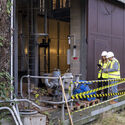
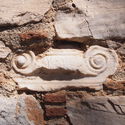
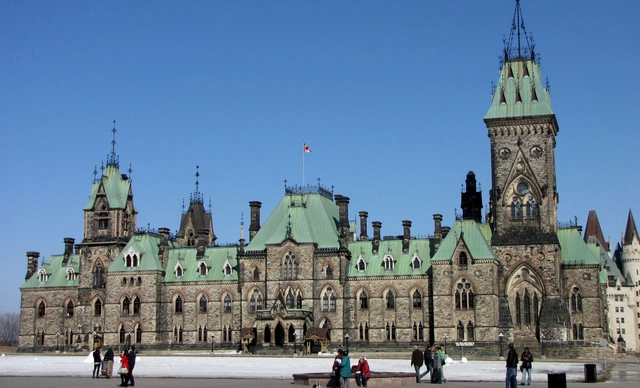
Heritage restoration has always been an intricate process that requires delicate balancing between preserving the integrity of historic materials while integrating contemporary techniques that can enhance accuracy, efficiency, and resilience. With the restoration process of Parliament Hill in Ottawa, Canada's capital city, this intersection of tradition and technology is now on full display. The East Block, built in 1865, offers a compelling example of how digital tools can support the efforts of heritage restoration and contribute to a centuries-old craft such as stone carving.
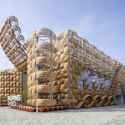
In a global landscape marked by accelerated change, 2025 emerged as a decisive year for architecture—not only because of the major events that animated the international circuit, but above all because of the voices that stood out within them. From the Venice Architecture Biennale to Expo Osaka, pavilions and installations from the Global South ceased to function as mere exhibition gestures and instead asserted themselves as territories of memory, resistance, and imagination, articulating narratives that expand the horizons of contemporary architectural debate.
Across these works, tradition and future move side by side: ancestral materials reappear in reimagined forms, historical wounds are given sensitive expression, and social urgency is translated into proposals that challenge established ways of building and inhabiting the world.
India's built environment has, in recent years, gained visibility through a growing number of transformative architectural and infrastructure projects. Cities and towns scale faster each year, despite looming concerns around climate and economic volatility. The nation has shown resilience in balancing rapid urbanization with resource constraints; this is no small feat. India's architectural practices rarely rely on novelty alone; they are built on systems that have existed for centuries. Through ArchDaily's Building for Billions, recurring stories have highlighted the social intelligence and adaptive capacity embedded in these practices, revealing an architecture that operates less as isolated form and more as infrastructure.