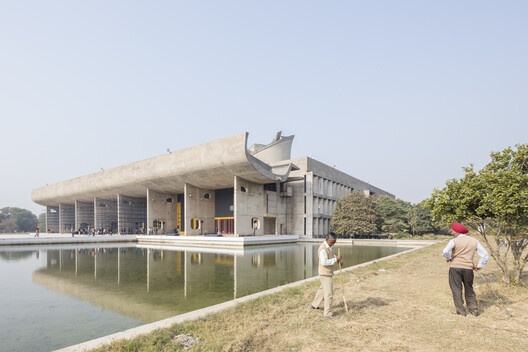
Indian modernism is often narrated through a narrow lens: a handful of iconic institutions, master architects, and formally radical experiments that came to symbolize the nation's post-Independence aspirations. Yet this version of history overlooks the far larger body of modernist architecture that quietly shaped everyday life across the country. Beyond celebrated campuses and canonical buildings exists a vast, dispersed landscape of housing blocks, offices, hostels, hospitals, markets, and townships — structures that were designed to function and endure.
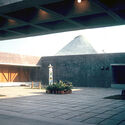
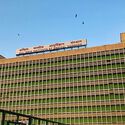
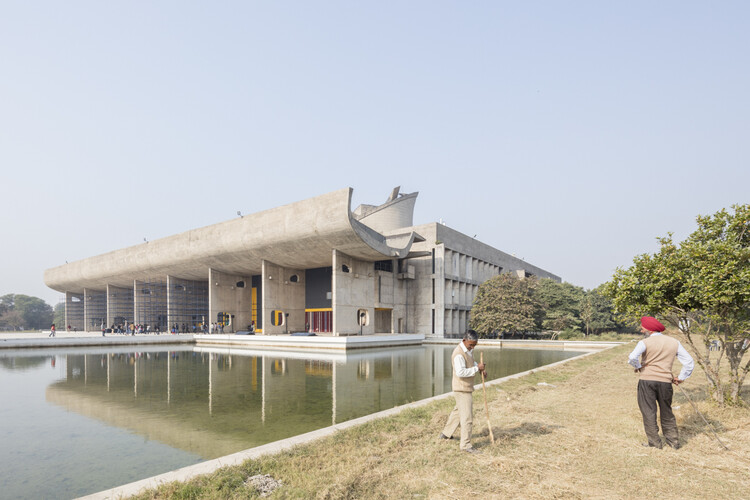
These buildings were not conceived as monuments. They were instruments of governance, welfare, industry, and service. Their contribution to Indian modernism lies not in visual novelty but in their capacity to absorb time, modification, and continuous occupation. Seen together, they form a parallel modernist legacy, one grounded in use, repetition, and social continuity rather than authorship or form. Across cities such as Delhi, Chandigarh, Bhopal, Bhubaneswar, Ranchi, and numerous Tier-2 towns, government staff housing developed by the Central Public Works Department constitutes one of the most extensive modernist building stocks in the country. Built between the 1950s and 1980s, these walk-up apartment blocks were characterized by standardized plans, minimal detailing, and a strict emphasis on efficiency.