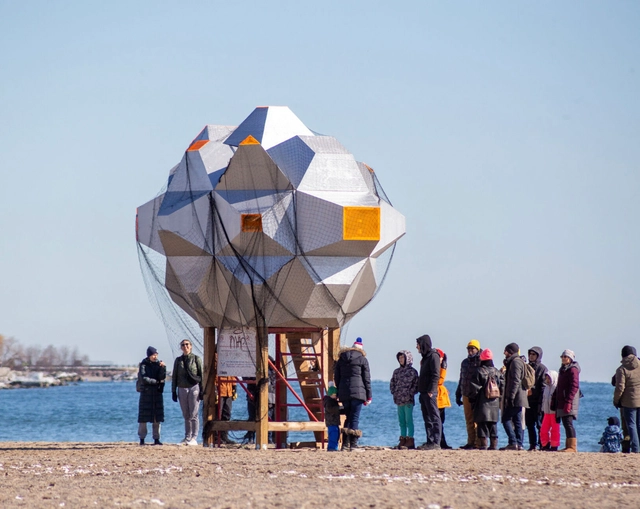
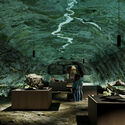
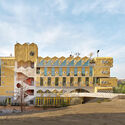
We Caught A UFO! by Xavier Madden and Katja Banovic, Croatia and Australia. Image Courtesy of Winter Stations
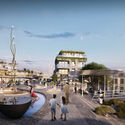
Winter Stations, now in its 10th year, has unveiled the winning designs selected from a pool of hundreds of submissions worldwide. Following an international design competition launched in November 2023, designers, artists, and architects contributed with bold proposals to reimagine the lifeguard stations along Toronto’s east-end beaches for the winter. Launched by RAW Design, Ferris + Associates, and Curio in 2014, the event aims to gather an international design and art community to join in this playful exercise of rethinking public spaces through bold temporary interventions. The winning designs were realized with the support of Anex Works, a Toronto-based fabrication group, and will be on display until the end of March.
For its 10th anniversary edition, the chosen theme for this year is “Resonance,” hoping to challenge designers to reflect on the artistic legacy and enduring impact of the Winter Stations and to embark on a journey of reinvention and reimagination. The projects were invited to recreate and reinvent installations from previous Winer Stations editions, offering moments of contemplation and remembrance. The event also continues the tradition of the Lifeguard Sands, inviting designers to incorporate them into their designs without structurally altering the stands in any manner.
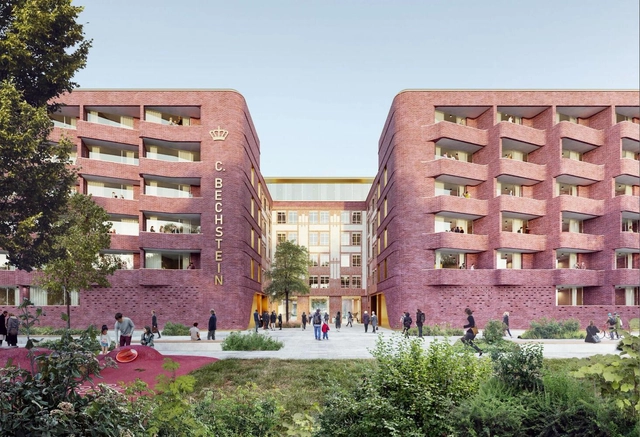
GRAFT Architects has just won the competition to design the new Carl Bechstein Music Campus. Located centrally in Berlin, the Carl Bechstein Foundation’s main goal with the campus is to create a cultural hub entirely devoted to piano music. Serving as a focal point for the Bechstein Brand, established in 1853 and known for its variety of Bechstein pianos, this campus will serve as a focal point and a new headquarters for the foundation.
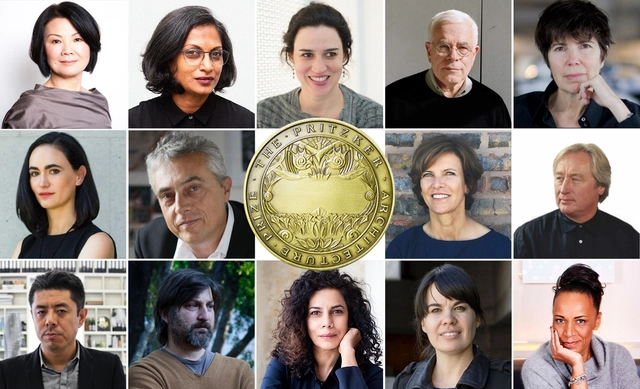
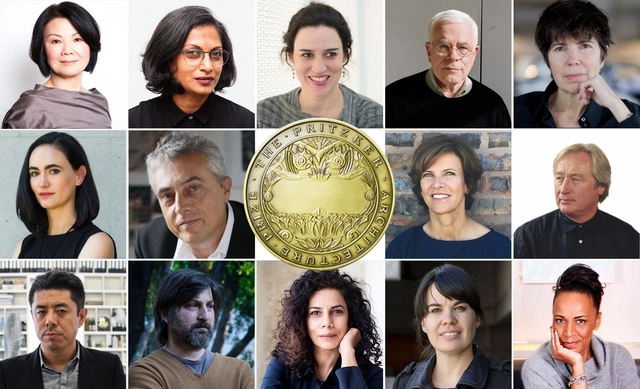
As part of our yearly tradition, we have asked our readers who should win the 2024 Pritzker Prize, the most esteemed accolade in the realm of architecture.
Established by Jay Pritzker and administered by the Hyatt Foundation in the United States, the Pritzker Prize honors living architects, irrespective of nationality, whose architectural contributions "have produced consistent and significant contributions to humanity through the art of architecture."
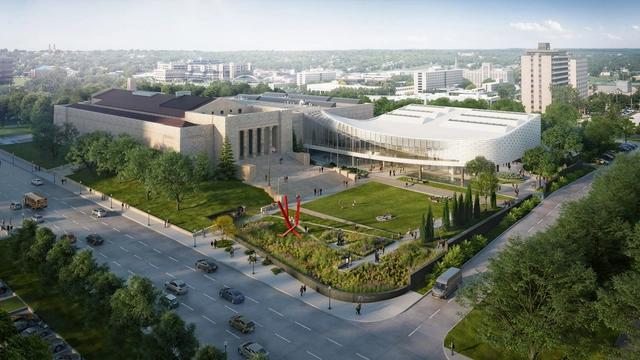
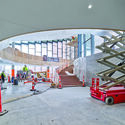
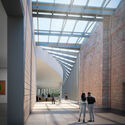
The Joslyn Art Museum in Nebraska announced that the restoration and expiation works led by Snøhetta and Alley Poyner Macchietto Architecture (APMA) are nearing completion, as the transformed institution is scheduled to reopen on September 10, 2024. The new 42,000-square-foot Rhonda & Howard Hawks Pavilion, designed by Snøhetta and APMA will add new gallery spaces to Nebraska’s largest art museum, becoming the centerpiece of the large-scale project for reimagining the visitor experience.
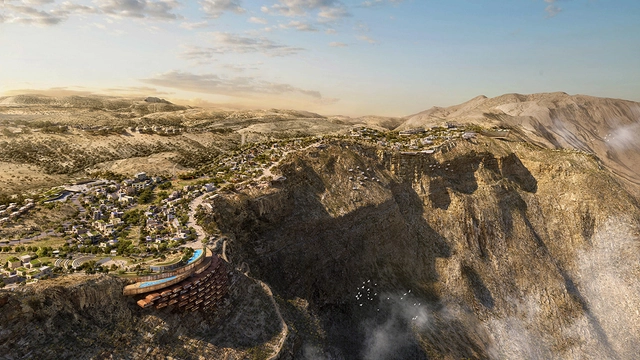
Oman has just announced plans for a $2.4 billion mixed-use project, the new Omani Mountain Destination on Jabal al Akhdar. Masterplanned by AtkinsRéalis, the scheme aims to attract sustainable development opportunities, hoping to "operate as Net Zero Carbon and striving to use 100% renewable energy." The project is in alignment with Oman Vision 2040, seeking a developed, diversified, and sustainable economy;, featuring residences, hotels, and a health village.
UNStudio, in collaboration with local partner HYP Architects, has won the competition for the design of the Kyklos building in Luxembourg. The project is part of Beval, a large-scale redevelopment initiative aiming to transform a former industrial site into an urban center complete with a university and technological center, in addition to residential, office, and retail spaces. When designing the Kyklos building, which will occupy a central position in the district's main square, the architects set out to find solutions to create the smallest carbon footprint for both operational and embedded metrics.
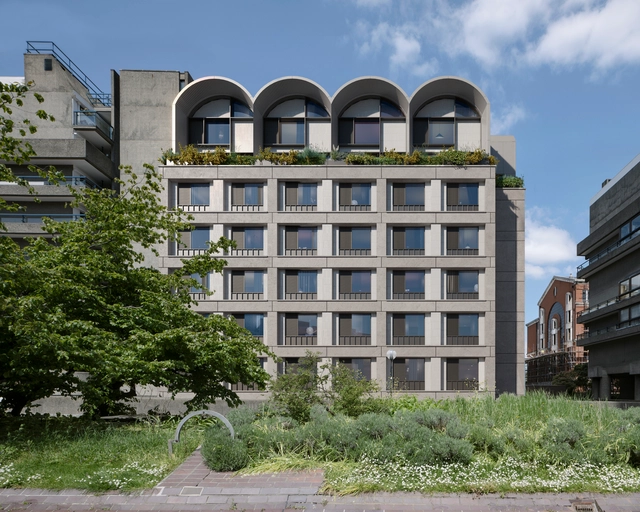
Allford Hall Monaghan Morris (AHMM)’s architectural studio has revealed the plans to convert a 1950s London office building into a co-living residential scheme. Initiated by developer HUB and Bridges Fund Management, “Cornerstone” is nestled on the fringes of the iconic Barbican estate, hoping to seamlessly transform the original office building to integrate 174 co-living residences.
New York-based architecture office WEISS/MANFREDI Architecture/Landscape/Urbanism has been named the 37th recipient of the Louis I. Kahn Award, offered by DesignPhiladelphia. The firm, founded by Marion Weiss and Michael Manfredi, is recognized for its wide range of projects, from cultural institutions to urban landscapes, all demonstrating and responding to contextual conditions, sustainability standards, and centered around the human experience.
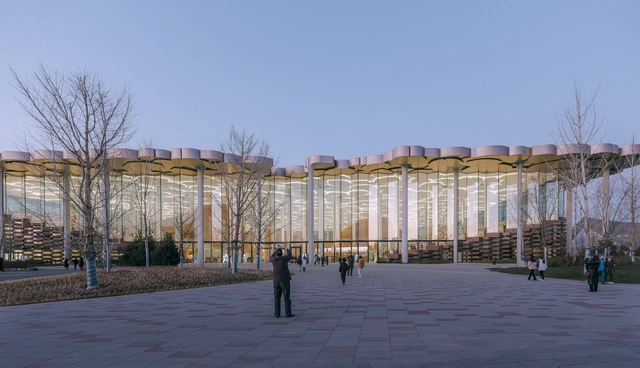
Snøhetta’s Beijing City Library has opened its doors to the public, introducing a unique space for learning and knowledge-sharing in Beijing’s cultural scene. As one of the most anticipated projects of 2024, the library features the world's largest climatized reading space, in addition to various facilities aimed at creating a vibrant cultural destination in the city. Snøhetta was awarded the Beijing City Library in 2018 through an international competition and the project was completed with local partner ECADI.
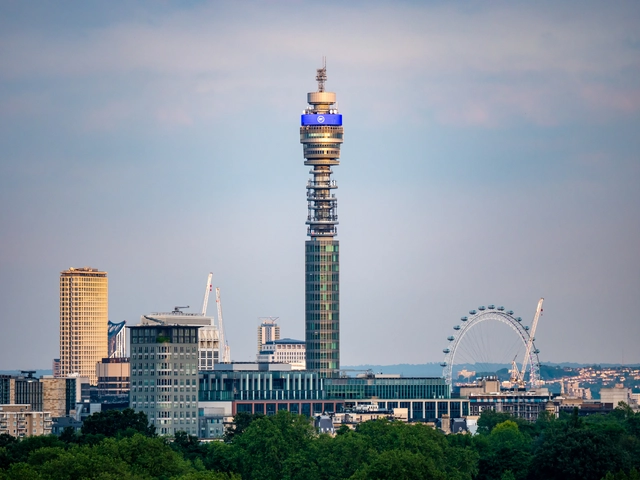
On February 21st, 2024, American Hotelier MCR Hotels acquired the renowned BT Tower in London. The tower, a Grade II listed marvel, is nestled within London’s Fitzrovia, standing as a testament to the city’s heritage. Initially used as the British Telecommunications Tower and was known as the Post Office Tower, the BT Tower will be repurposed by Heatherwick Studio, with plans underway to breathe new life into this iconic structure.
We are thrilled to announce our upcoming March workshops in collaboration with our ArchDaily Supporters partner, Parametric Architecture. These workshops have been thoughtfully curated to empower architects, designers, and enthusiasts by providing them with the latest insights and skills in the dynamic realm of parametric design. Guided by industry experts and visionaries, these immersive sessions will explore cutting-edge techniques, innovative tools, and practical applications, creating an inspiring and dynamic learning environment where participants can take their design expertise to unprecedented levels.
As a token of our appreciation, ArchDaily Supporters will be entitled to exclusive benefits, including special discounts on any of the workshops offered by Parametric Architecture and one complimentary monthly workshop. Your commitment to advancing architectural innovation seamlessly aligns with the enriching experiences that these workshops promise to deliver. Stay tuned for more information on how you can fully unlock your creative potential and embark on an exciting journey of design exploration in March.
https://www.archdaily.com/1013663/parametric-architecture-march-workshopsArchDaily Team
While not entirely dependent on one another, the relationship between architecture and mental well-being is an important topic, as designers and architects can contribute to creating a more enjoyable environment for everyone. From strategies to enhance mental health in shared workspaces to the ways in which architecture can contribute to preventing cognitive decline, understanding the potential impact of environmental neurosciences and the ways they apply to architecture is an essential skill for our profession.
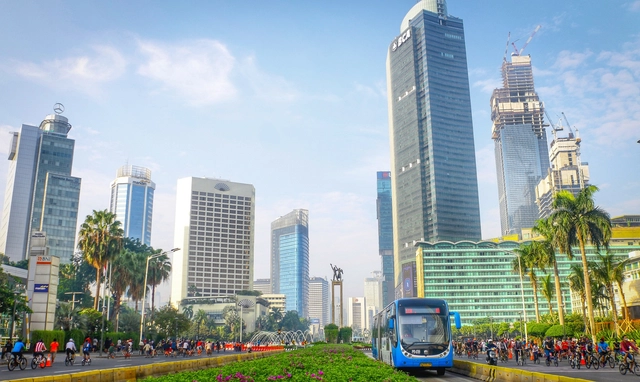
The Indonesian parliament has approved a bill to relocate the capital from the city of Jakarta to a completely new city to be built on the island of Borneo, 1,300 kilometers from the current capital. The decision, first announced in 2019, comes as a reaction to the myriad of challenges faced by Jakarta, including pollution, traffic congestion, and, perhaps the most threatening, rising sea waters. As a consequence of excessive groundwater extraction, rapid urbanization, and rising sea levels, 40% of the city is currently below sea level, making it increasingly difficult for the infrastructure to protect the residents. President Joko Widodo proposes an alternative: relocating the administrative center of the country to a new green metropolis, to be named Nunsantara, meaning ‘archipelago’ in ancient Javanese.
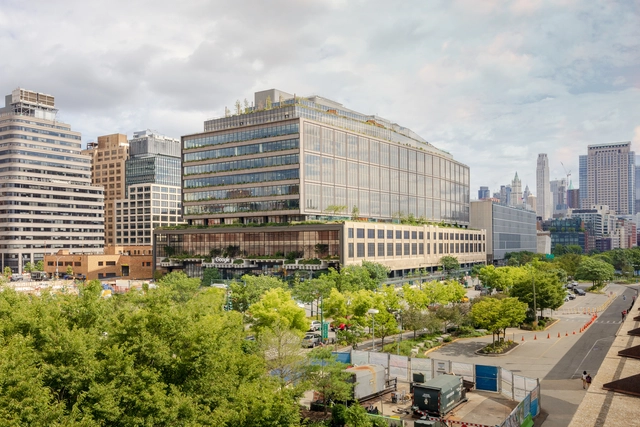
Google’s newest headquarters in New York, situated within the St. John’s Terminal, will open its doors on February 26th, marking a milestone for the company’s presence in the city. Designed by COOKFOX Architects, in collaboration with Gensler, the headquarters is constructed atop the original 1930s rail terminal and adapted to become a vibrant hub for over 14,000 Googlers. The terminal, formerly the endpoint of the iconic High Light, now serves as a testament to the company’s innovative approach, rapid growth, and lifelong commitment to New York.
Fifteen years ago, we initiated the idea of the ArchDaily Building of the Year Awards with the goal that our readers would select their favorite buildings from our database. Thanks to this concept, you have transformed this award into one of the most democratic and influential in the field. Year after year, you have wielded your collective discernment to spotlight architectural excellence spanning diverse cultures, economies, and landscapes across the globe.
As we reflect on the latest iteration of our awards, it's abundantly clear that this year is no exception to the rule. The 75 finalists already showcased an array of exceptional structures, serving as a testament to the power of collective intelligence in curating a showcase of architectural ingenuity that resonates with the zeitgeist of our times. So, without further ado, meet YOUR winners.
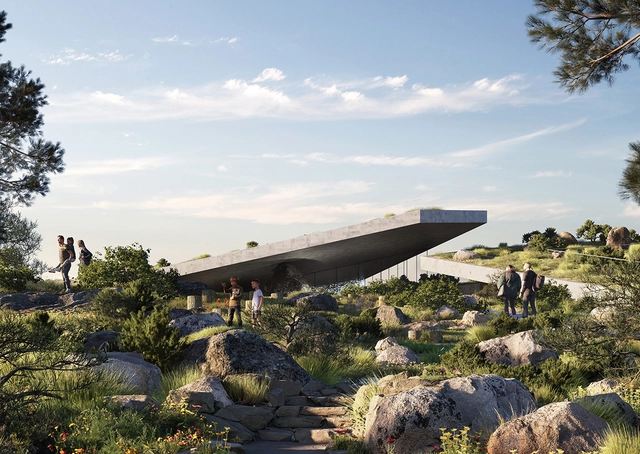
Established in 2023 to protect nearly 13,000 hectares of the Vjosa River Region Park, the Vjosa National Park Europe’s first “wild river national park.” Danish architecture CEBRA has been selected to design a multifunctional visitor center and information center in the newly protected space. Located in Përmet, Tepelenë, and Vlorë in Southern Albania, the Vjosa Wild River National Park features a 190-kilometer-long free-flower river. CEBRA’s design supports conservation efforts and investigates how visitors can engage with their respective ecosystems.
In an effort to find effective strategies to mitigate the adverse effects of climate change, the Biden-Harris administration has released a draft of a new legislative initiative that strives to impose a National Definition for Zero Emissions Buildings. Overseen by the U.S. Department of Energy (DOE), the draft proposes a standardized and verifiable base for defining the common minimum conditions for such buildings, as well as pathways for transparent verifications by public and private entities. DOE has now launched a ‘request for information' asking for feedback from industry, academia, research laboratories, and other stakeholders before finalizing the document.
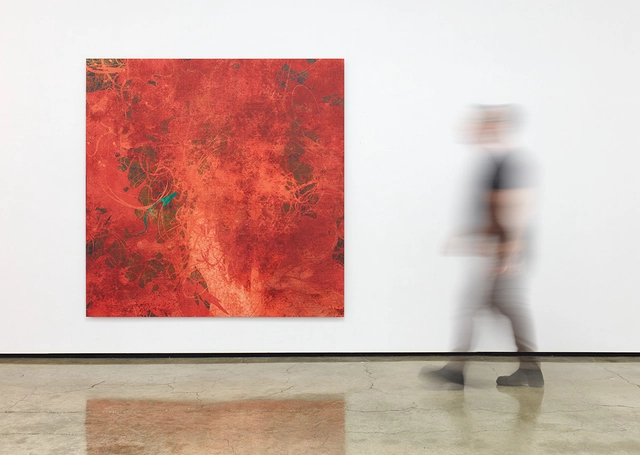
Courtesy of Thom Mayne | Constructing the Spontaneous
The Pritzker-winning architect Thom Mayne is presenting his display “Constructing the Spontaneous” in the Paul Kyle Gallery in Vancouver, Canada. Known for his contributions to architecture and design, the architect founded Morphosis in 1972, embodying his philosophy of architecture as an ever-evolving, dynamic process. Mayne’s latest display features his artworks, diving into the intricate relationship between cutting-edge technology and timeless human expression.
After the Hyatt Foundation announced that the 2024 Pritzker Prize be revealed on March 5 at 9 am EST, speculation has ignited regarding which architect or architects will receive architecture's most prestigious award. The Pritzker Architecture Prize, considered to be "the profession’s highest honor," has been granted annually, since 1979, by a jury, to a living architect or architects with significant achievements to humanity and the built environment.
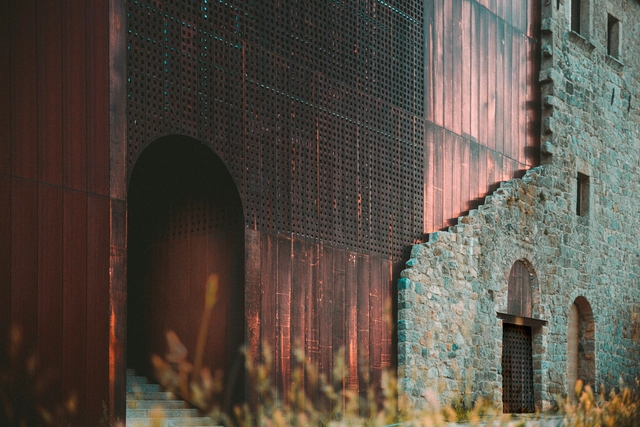
Selected by the jury comprising 7 members: Frédéric Druot, Martin Braathen, Pippo Ciorra, Tinatin Gurgenidze, Adriana Krnáčová, Sala Makumbundu, and Hrvoje Njiric, from a list of 362 nominees, the "7 finalist works promote local policy references and can become global European models since all of them create inclusive and high-quality living environments."
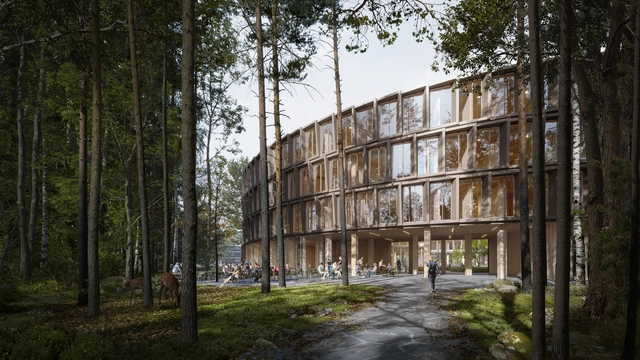
Henning Larsen and Ramboll have won the competition to design the new campus for the prestigious scientific research center,CERN. Designed to integrate science and nature, the B777 building uses biogenic materials and low-carbon methods to reimagine traditional laboratory settings. Situated on the border of France and Switzerland, in CERN’s Prévessin Campus, the scheme aims to foster a sense of community, collaboration, and well-being.