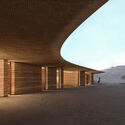
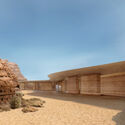
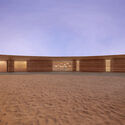
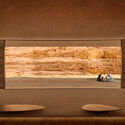
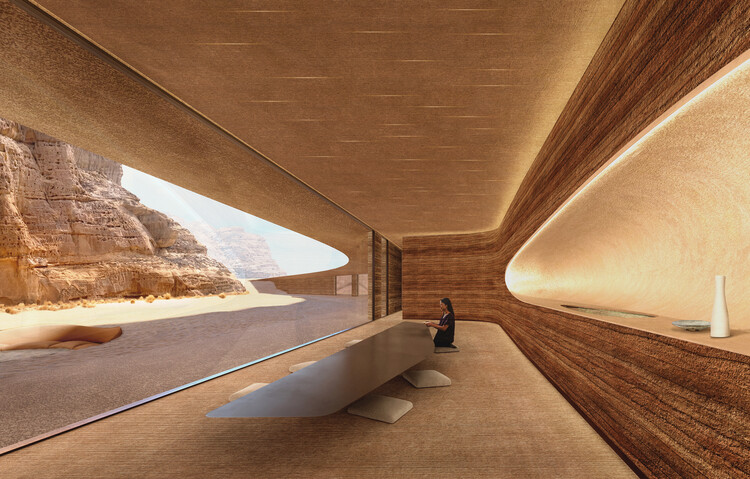
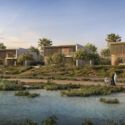
Lina Ghotmeh — Architecture recently revealed images of the AlUla Immersive Living project, a proposed dwelling envisioned to emerge from the desert landscape of Saudi Arabia. Its form is shaped by the site's light and wind, rooted in climate, and positioned between rock and dune. The design follows the concept of a shelter belonging as much to the desert as to its inhabitants, and behaving as a "living landscape." The structure is conceived with thick rammed-earth walls, contrasted by open platforms that frame the sky. It is presented as a statement of architecture intended "not to dominate but to host," providing refuge without severing connections, reflecting Lina Ghotmeh's position at the intersection of context, craft, and care.
Overprovision can be seen as an architecture strategy through the lens of resilience—making spaces adaptable to changes, reinterpretations, and future needs. However, could overprovision also offer a productive lens for rethinking spatial design? Are there parallels in architectural theory or practice that align with this concept, as explored by notable figures in the discourse on space?
This question becomes particularly relevant in residential design, especially in regions like Hong Kong or Tokyo, where the demand to maximize space is a cultural and practical norm. Designers are frequently tasked with "making use of every inch" for storage or function, reflecting a tendency among residents to accumulate belongings disproportionate to their living spaces.
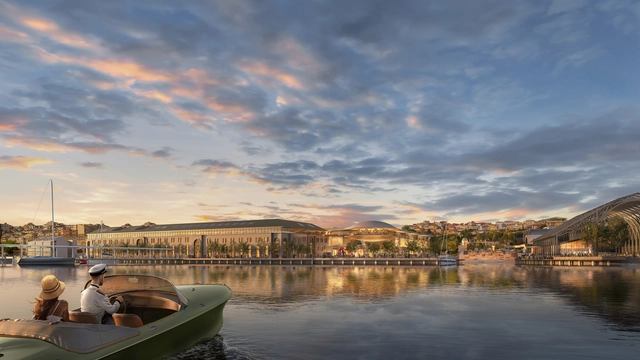
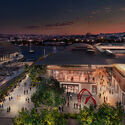
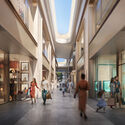
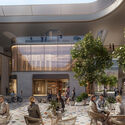
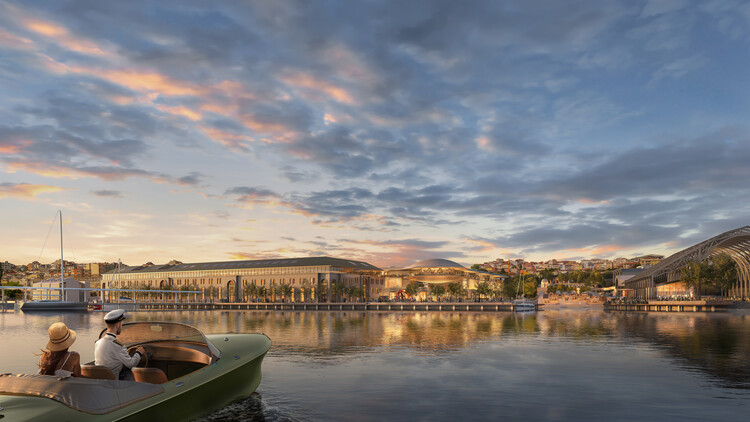
Foster + Partners has revealed designs for a retail plaza located on the northern bank of the Golden Horn in Istanbul, Türkiye. The project forms part of the larger Tersane master plan, which proposes to redevelop 1.6 kilometers of previously underutilized waterfront. The master plan integrates a mix of retail, residential, hospitality, cultural buildings, and landscaped public spaces, aiming to enhance access along the shoreline. The plaza sits within close proximity to several of Istanbul's historiclandmarks, drawing on the area's maritime and industrial heritage. The design's scale and material choices reflect this context, seeking to align with the site's historic layers while introducing a contemporary retail environment.
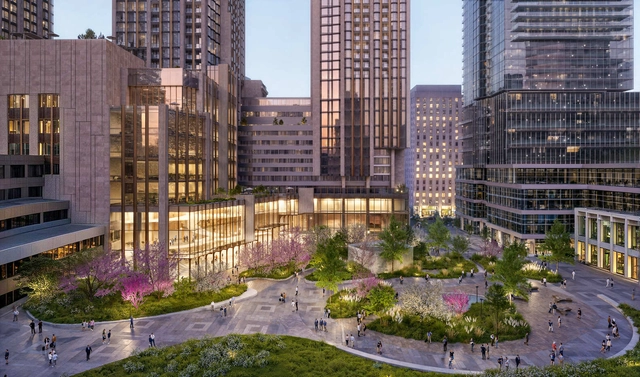
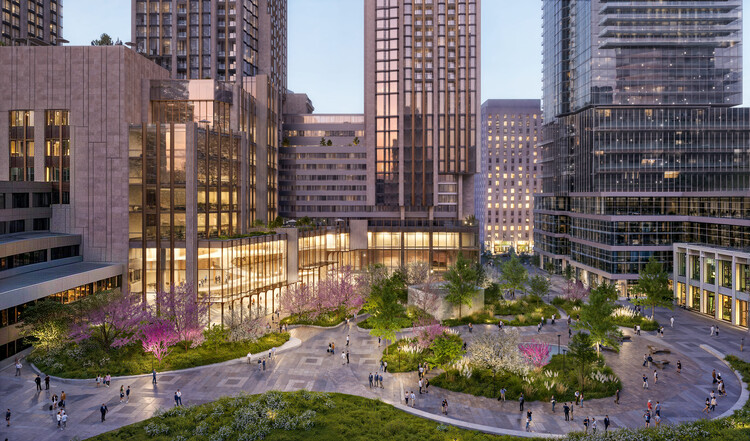
College Park. Image Courtesy of Hariri Pontarini Architects
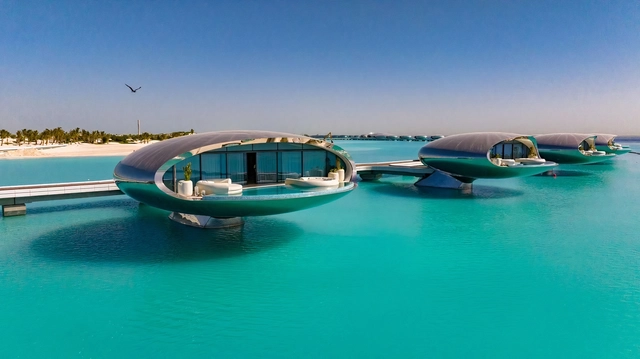
As cities around the world respond to shifting environmental, cultural, and social dynamics, new architectural proposals are reshaping how we think about public life, community engagement, and the built environment. From Aldar's coastal wellness destination on Fahid Island in Abu Dhabi, to a flexible scaffolding-based office concept in Athens by Georges Batzios Architects, this edition of Architecture Now features diverse projects that reinterpret architecture as both infrastructure and interface. In Seoul, Heatherwick Studio is leading a resident-initiated redevelopment model for a housing complex near the Han River, while Toronto's College Park is set for a major transformation balancing heritage restoration with vertical intensification. In Oklahoma City, MANICA and TVS are designing a new sports arena that anchors an emerging entertainment district through material, landscape, and civic gestures. Together, these diverse yet interconnected efforts signal a broader shift toward integrated, future-oriented urban design.
From forest-inspired offices in Sweden to jungle-nest clubhouses in Tulum, mixed-use architecture continues to evolve as a tool for integrated living. As cities grow and our expectations of public, private, and commercial space shift, designers are increasingly rethinking how different functions including work, play, rest, learning, can coexist in a single architectural language. These projects suggest that buildings and projects no longer need to silo activities, but rather choreograph them to reflect the rhythms of everyday life.
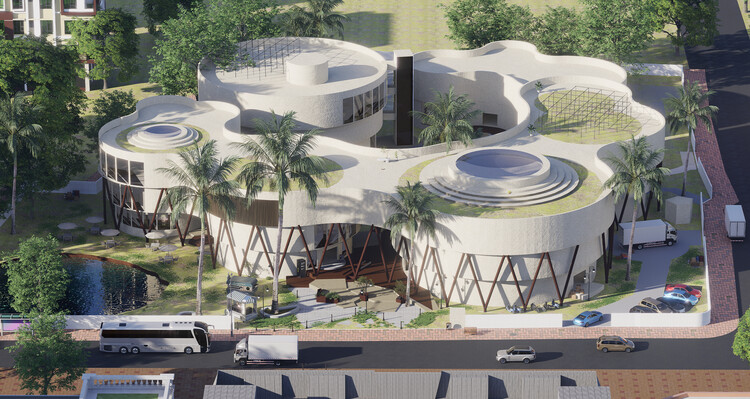
This collection, submitted by the ArchDaily community, presents a global spectrum of approaches to mixed-use design, from large-scale masterplans to conceptual theses. What ties them together is a commitment to spatial overlap, ecological sensitivity, and reimagined programs that prioritize user experience. Whether it's a student dormitory in Tehran, a public plaza in Cairo, or a community hub in Texas, each project embraces complexity to create spaces that are alive with interaction, transformation, and meaning.
Collective living continues to be a central theme in contemporary housing discourse, one that extends beyond questions of density or typology to engage broader concerns of land use, social cohesion, and spatial identity. This selection of conceptual unbuilt projects, submitted by the ArchDaily community, explores the potentials of shared living environments, not only as functional housing solutions but as frameworks for interaction, environmental integration, and cultural continuity. Whether in urban or remote settings, they reflect a growing interest in rethinking how domestic space can support both individual privacy and communal life.
Earth-based flooring materials comprise natural elements such as clay, sand, silt, lime, and organic fibres. They offer both structural performance and sensory engagement when used in both outdoor and interior spaces. Due to their thermal properties, durability, and sustainable qualities, these materials have evolved from vernacular construction techniques into high-value architectural elements that are always being reinvented and optimized. There are several types of earthen floorings, each offering unique benefits, and they are increasingly used in interior settings.
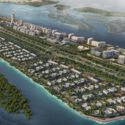
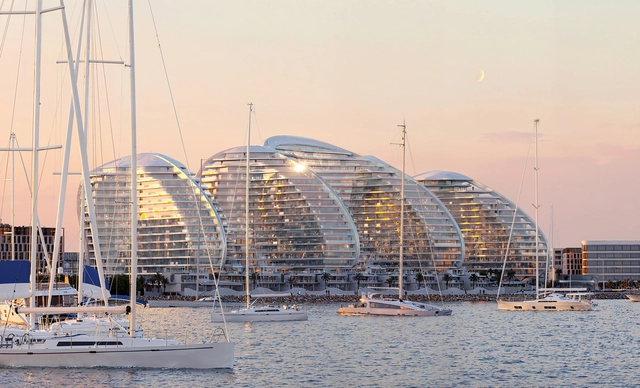
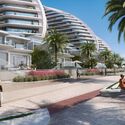
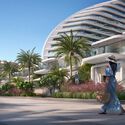
Oystra, Al Marjan, Render by MIR. Image Courtesy of ZHA
Oystra, designed by Zaha Hadid Architects, is a 128,000-square-metre seafront development located on Al Marjan Island in Ras Al Khaimah, United Arab Emirates, that comprises 950 residential units, a comprehensive range of shopping, dining, and leisure amenities. Ras Al Khaimah, one of the UAE's fastest-growing emirates, is projected to see a 55% increase in its population by 2030, driving the need for an additional 45,000 homes. The emirate's tourism sector is also experiencing significant growth, with the number of visitors expected to rise to 3.5 million annually by 2030, up from 100,000 in 2013.
The internal environment is the focus of this second article about designing for noise to improve well-being. According to several recent studies, noise in cities has become an increasing hazard to health. Environmental noise, that is, noise from traffic, industrial activities, or amplified music, which reaches internal spaces, is not merely an annoyance. It has been linked to cardiovascular disease, diabetes, dementia, and mental health issues. As the world urbanizes, more people are exposed to excessive levels of noise. In medium- and high-density housing, in office buildings, and in schools, noise pollution can emanate from internal as well as external sources.
On April 10th, 2025, Saint-Gobain revealed the winners of the 14th edition of its International Gypsum Trophy during a ceremony held in Paris, France. 85 projects from 29 countries participated in this unique international competition organized by Saint-Gobain.
From the Americas to Asia, from Europe to Africa, the most talented and skilled gypsum installers competed in six categories: Ceilings; Innovation; Residential; Culture, Education and Leisure; Business and Institutional; and Façades, for the chance to win one of the 14 prizes. The 1st and the 2nd prize were awarded in each category, as well as the President's Prize (the "coup de coeur" of the jury) and the Grand Prix (rewarding the most outstanding project across all categories).
Symbiosis, a Prototype for Living and Working. Image Courtesy of contexo
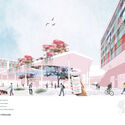
The future of urban life is increasingly being imagined as collective, layered, and adaptable. As cities grow denser and the boundaries between work, home, and leisure blur, architects are rethinking the traditional notion of residential living, shifting from isolated units to integrated, community-driven environments. This collection of unbuilt projects, submitted by the ArchDaily community, reflects this shift: a global exploration into how design can shape more resilient, inclusive, and connected ways of living.
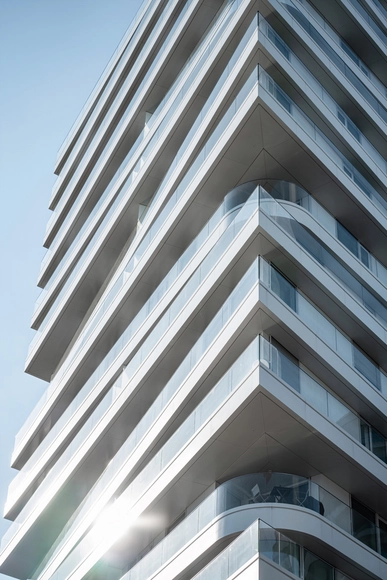
In the Port of Hamburg, the "FiftyNine" rises as a 16-story residential tower that combines elegance and technical sophistication to withstand the demanding weather conditions of the harbor. Here, 60 floor-to-ceiling air-lux sliding windows have been installed – with impressive dimensions of up to 5400 x 3085 mm. Thanks to the innovative, air-assisted sealing system, they withstand heavy driving rain, intense wind loads, and high noise pollution.
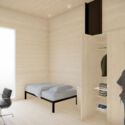
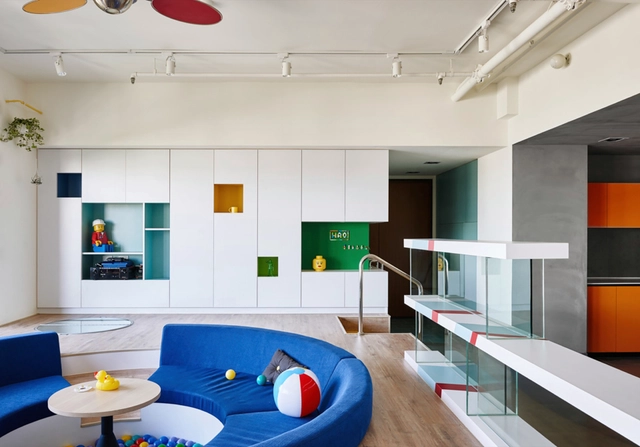
Despite its small size, the island of Taiwan is densely populated, with more than 80% of its people living in urban areas. Available space is often limited, particularly in major cities like Taipei, Taichung, and Kaohsiung. Therefore, designers face the ongoing challenge of creating interiors that feel spacious, functional, and visually appealing despite their sometimes compact footprints. Rather than seeing these limitations as constraints, architects embrace them as opportunities to experiment with smart layouts and multi-functional furniture that enhances livability.
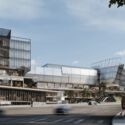
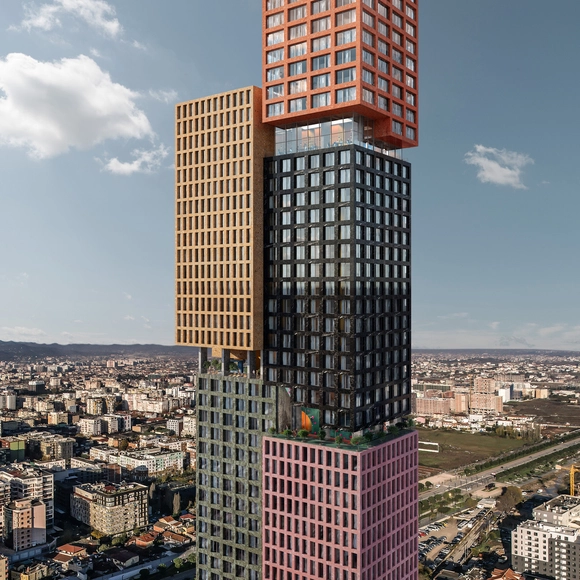
As cities grow and available land becomes more limited, high-rise architecture plays an important role in addressing urban density while shaping new ways of living and working. Tall buildings are evolving beyond their traditional functions to integrate environmental strategies, enhance public engagement, and contribute to the urban fabric. Architects are exploring new materials, energy-efficient technologies, and spatial configurations that make towers more adaptable to their surroundings. Some projects incorporate green spaces and shared amenities to create a stronger connection between the built environment and its users, while others introduce innovative construction techniques to improve sustainability and efficiency.
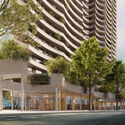
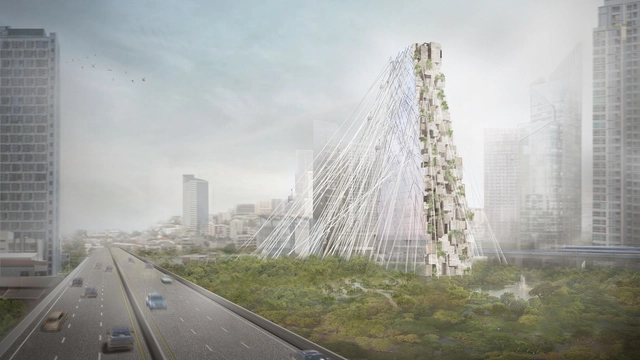
Among this selection of projects submitted by the ArchDaily community, The Residences at 1428 Brickell by Arquitectonica in Miami, United States introduces a solar-powered facade that contributes to the building's energy needs. In Dubai, UAE, AVA by SOMA creates a transition from the city into a more enclosed, water-defined environment with a focus on luxury living. In Bangkok, Thailand, HAS Design and Research proposes the Bangkok Civic Center Tower as a new type of public space, combining green landscapes with mirrored surfaces to connect the city with nature. These projects reflect different approaches to vertical architecture and highlight how designers are responding to the challenges and opportunities of dense urban environments.
Co-living in East Asia has been rising since 2020, rapidly expanding while remaining in its early stages. At the same time, it continues to fulfill a significant demand from young professionals working in major cities. A 2020 study by real estate services firm JLL highlighted the growing demand for co-living in China and Singapore, citing key advantages such as affordability compared to private studio apartments and a contemporary urban lifestyle that fosters openness and shared experiences. Much like other industries where ownership is becoming less relevant—such as streaming services for music, films, and television, or mobility solutions like car- and bike-sharing—co-living appeals to a similar demographic that values flexibility and access over long-term commitments.
Unlike co-living initiatives in Spain, which often focus on multigenerational shared spaces, East Asian co-living primarily targets young professionals with dynamic career paths. Often required to relocate every few years, these individuals prioritize convenience and adaptability over investing in a permanent home. For them, committing to a long-term residence may not be practical, making fully furnished, professionally managed co-living spaces with built-in amenities and hygiene services an attractive option. These environments cater to fast-paced urban lifestyles, where networking at professional events often precedes solitary downtime at home.
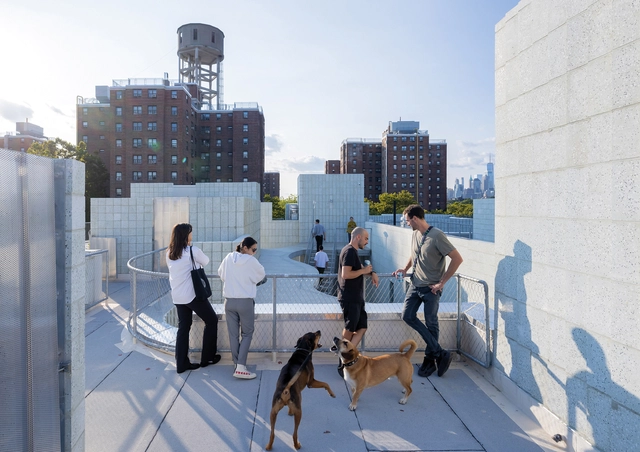
SO-IL (Solid Objectives – Idenburg Liu) is an architectural design firm based in Brooklyn, New York, founded in 2008 by Florian Idenburg and Jing Liu. Known for an architecture deeply engaged with social, cultural, and environmental contexts, the studio focuses on exploring innovative materials, creating fluid spatial experiences, and prioritizing ecological sustainability. SO-IL's work spans various scales and program types, reflecting their versatile approach to design. In 2024, their housing project 450 Warren in Brooklyn was selected as ArchDaily's Building of the Year by the audience in the housing category.
In their latest book, In Depth: Urban Domesticities Today, SO-IL explores the evolving concept of home in contemporary urban contexts, transforming it "from a source of vulnerability into a tool for empowerment." The book redefines domesticity as an active and shared experience and examines how architects can address pressing urban challenges such as affordability, density, and sustainability. SO-IL's work advocates for flexible, resilient housing that fosters community while integrating ecological and social dimensions. ArchDaily spoke with the architects about the innovative solutions and ideas presented in the book, delving into how their projects challenge conventional systems and envision a future where architecture is a tool for empowerment.
The International Day of Cooperatives, celebrated on the first Saturday of July each year, is an opportunity to raise awareness and celebrate the cooperative movement. Celebrated on this day by the United Nations since 1992, the cooperative movement is a social and economic movement empowering individuals and communities by creating enterprises that are collectively owned and democratically controlled by members. This year's theme is "Cooperatives: Partners for Accelerated Sustainable Development." Underscoring the critical role cooperatives play in achieving the Sustainable Development Goals, it also emphasizes the unique typology of cooperatives in exploring new ways of living together. With a belief in community growth, cooperatives believe in communal development, prioritizing people and supporting them to improve collective well-being.
Honduran architect Angela Stassano is contributing to Central America's architectural landscape with her applied research regarding bioclimatic designs. Based in San Pedro Sula, Honduras, her projects draw from local heritage techniques to address the needs of hot, humid tropical environments. Stassano has developed her expertise through over 30 years of hands-on research, culminating in a bioclimatic architecture guide that outlines her methods for construction in this region. One of her most notable projects, Las Casitas, is a residential complex that embodies this research. The project includes multiple energy-efficient tropical houses that harness the local climate, resulting in low energy and operational costs.