-
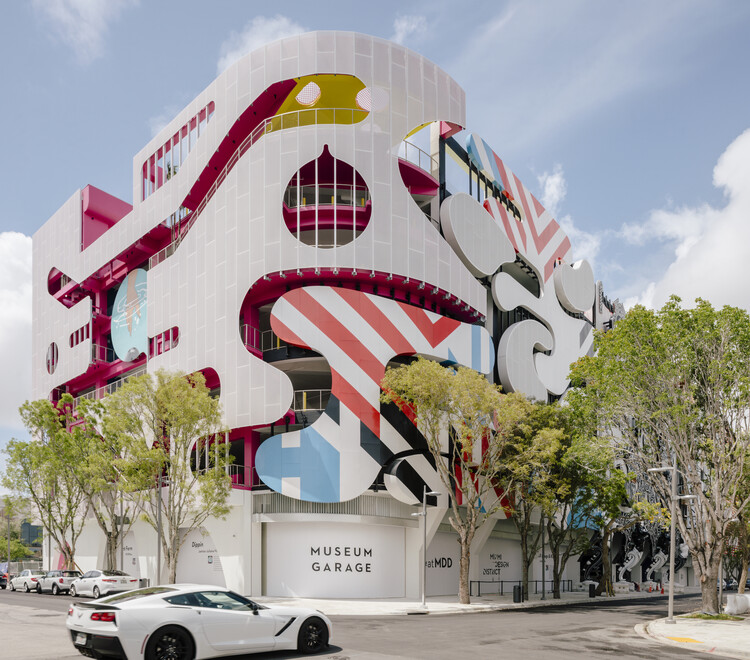
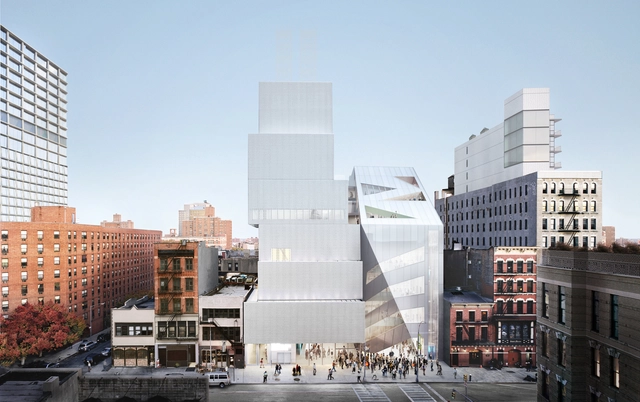
Architects: Adjaye Associates
- Area: 41480 m²
- Year: 2021


Robert A.M. Stern, the American architect, educator, and historian whose work shaped both the physical and intellectual landscape of contemporary architecture, has died at the age of 86. His passing was confirmed by Robert A.M. Stern Architects (RAMSA), the New York-based practice he led for more than five decades. Known for advancing a contextual, historically informed approach during decades dominated by modernist and high-tech architecture, Stern remained a prominent voice advocating for continuity, urban civility, and an understanding of architecture as part of a longer cultural lineage.


This week, architectural developments around the world highlighted the balance between continuity and change in the built environment. Conversations around sustainability, heritage, and resilience highlight how architecture adapts to shifting cultural, social, and environmental conditions, reimagining the role of design in shaping future communities. Across different contexts, projects, and initiatives, ongoing efforts to address environmental challenges, preserve cultural landmarks, and prepare new infrastructures reflecting the diverse scales and directions shaping architectural practice today.

'T' Space will open New Hudson Valley Houses on September 7 at the Archive Gallery in Rhinebeck, New York. The exhibition gathers ten recently designed homes by architects Stan Allen, Garrick Ambrose, Steven Holl, Toshiko Mori Architect, and MOS, all located within three hours of New York City. Rather than showcasing completed works through photography, the presentation relies exclusively on models and drawings, inviting visitors into the architectural process and the conceptual foundations behind each project.

An exhibition of architectural drawings and photographs, titled "Architecture = Art: The Susan Grant Lewin Collection," is now on view at Paul Rudolph's Modulightor Building in Manhattan, New York. Hosted by the Paul Rudolph Institute for Modern Architecture (PRIMA), the collection brings together works by prominent architects, including Eileen Gray, Daniel Arsham, Frank Gehry, Jesse Reiser, Hani Rashid, Steven Holl, Aldo Rossi, Michael Graves, James Wines, Stanley Tigerman, John Hejduk, among others. The drawings are accompanied by a selection of photographs by architectural photographers such as Ezra Stoller, Robin Hill, Norman McGrath, Paul Clemence, and others. The exhibition opened on July 2 and will remain on view until September 20, 2025.

August 12, designated by the United Nations as International Youth Day since 1998, was conceived as an occasion to bring youth issues to the forefront of the international agenda and to celebrate the contributions of young people to today's global society. Each year, the observance focuses on a specific theme. In 2025, it is "Local Youth Actions for the SDGs and Beyond," emphasizing the role of youth in transforming global ambitions into community-driven realities. The aim is to highlight how young people help implement the Sustainable Development Goals (SDGs) within local contexts and bridge the gap between policy and practice. In this spirit, we present three educational programs, in Romania, the United Kingdom, and the United States, that empower youth to deepen their understanding of the built environment and envision a more sustainable, people-friendly urban future.

Juneteenth, observed annually on June 19th, commemorates the emancipation of enslaved African Americans in the United States, marking a moment of liberation and reflection on a complex and often overlooked history. Originally celebrated in Texas, Juneteenth has grown to symbolize broader themes of freedom, resilience, and cultural identity, fostering conversations about justice and representation. This day also presents an opportunity to highlight the ways in which architecture can serve as a medium for preserving and presenting African American history and cultural values.

Architecture, beyond its functional and aesthetic qualities, can reflect and collect narratives, values, and hidden histories, giving a tangible and visual presence to communities often underrepresented in cityscapes. Buildings dedicated to African American history and culture become physical landmarks that anchor these stories within the daily life of cities. They serve as places of learning, reflection, and celebration, creating meaningful spaces that engage the public and foster a sense of communal identity.