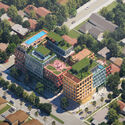
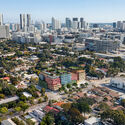
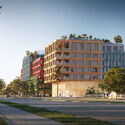
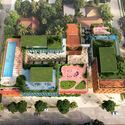
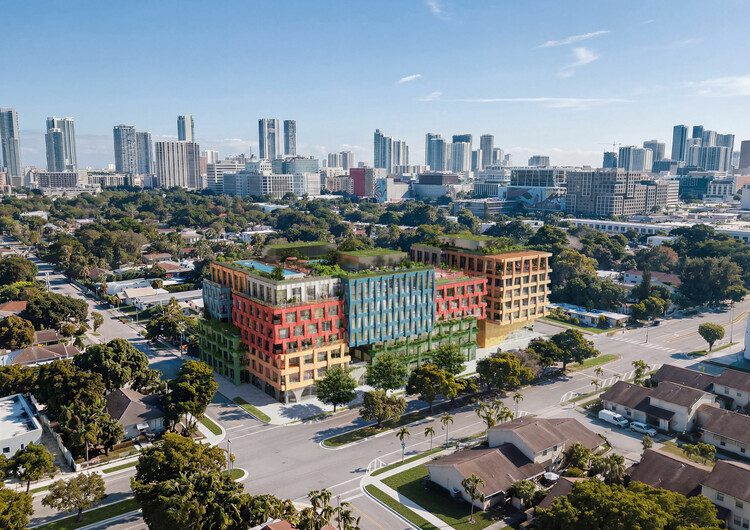
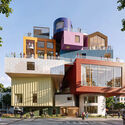
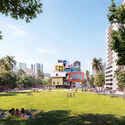
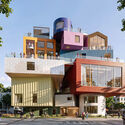
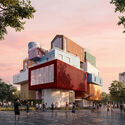
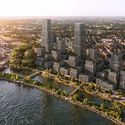
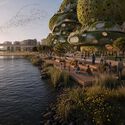
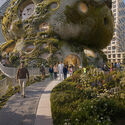
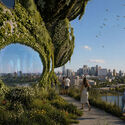
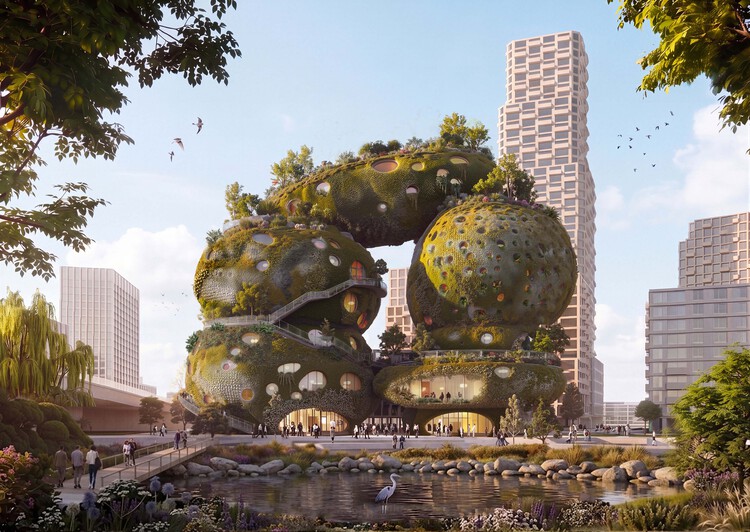
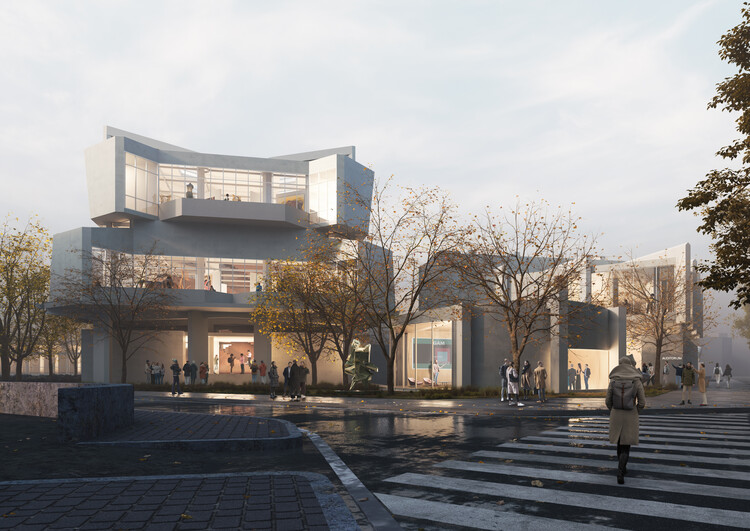
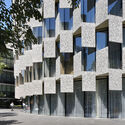
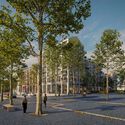
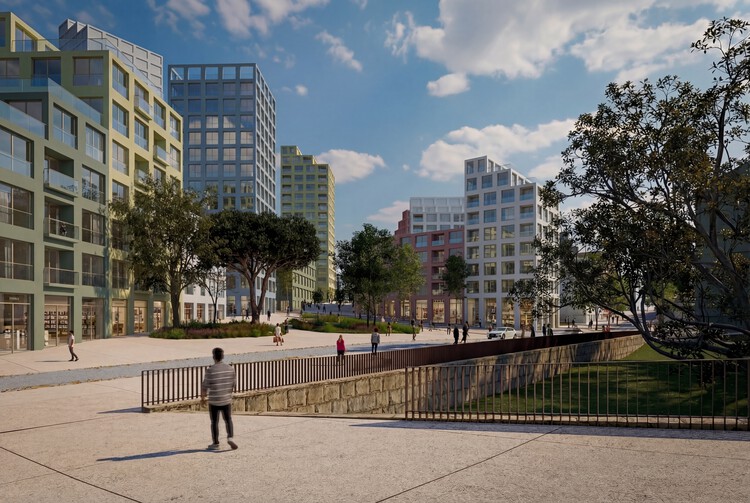
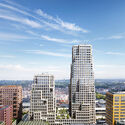
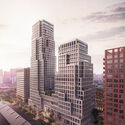
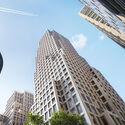
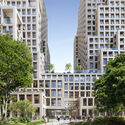
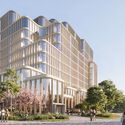
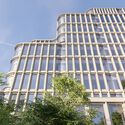
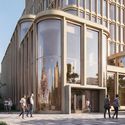
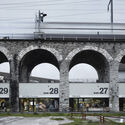
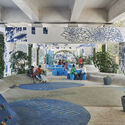
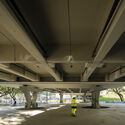
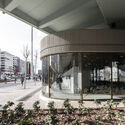
MVRDV has revealed the design for WOMA, a mixed-use development planned for Wynwood Norte, Miami. Designed by MVRDV in collaboration with Kobi Karp Architecture & Interior Design and developed in partnership with Quito-based developer Uribe Schwarzkopf. The development is planned on the site of a former coffee roasting company and takes cues from Wynwood Norte's industrial character and evolving creative community. Located alongside the nonprofit Bakehouse Art Complex, the project is intended to contribute to the area's growing network of spaces dedicated to art, fashion, and making.
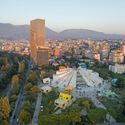
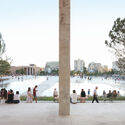
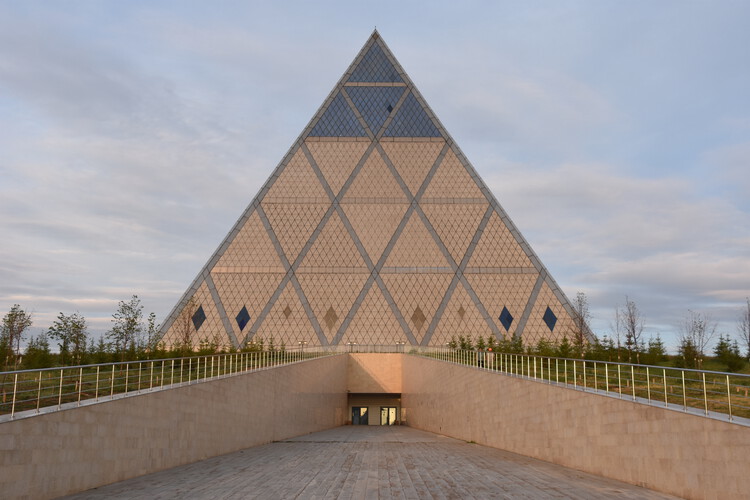
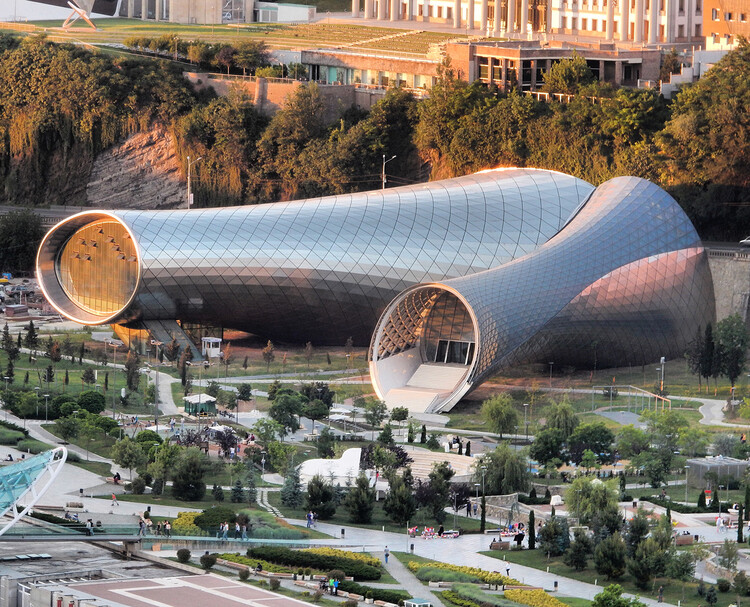
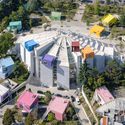
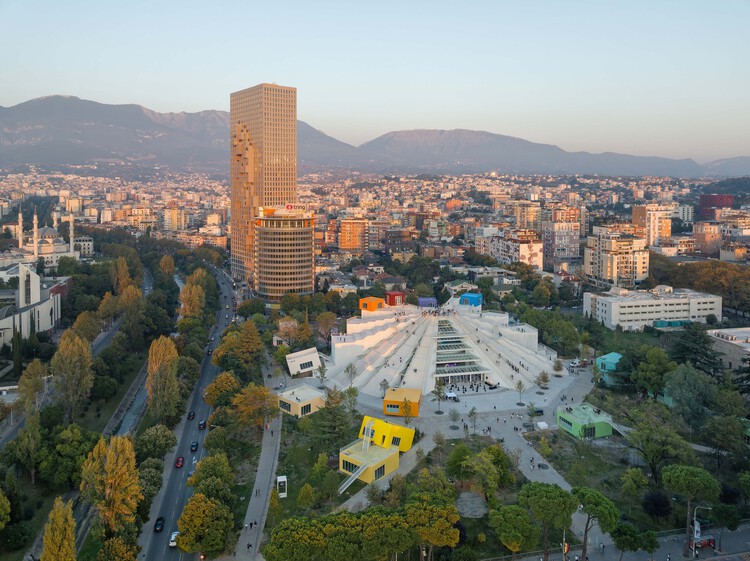
The Pyramid of Tirana opened as a museum to Enver Hoxha in October 1988, three years after his death and three years before the regime collapsed. In the decades that followed, it served as a radio station, a conference venue, a nightclub, and a base for NATO during the Kosovo war. In 2023, MVRDV reopened it as a park and technology school, adding steps to the façades so that the building could be walked over. The inauguration was timed to the Western Balkans Summit on 16 October, a date that some critics pointed out was Hoxha's birthday. Two projects of national self-definition, thirty-five years apart and built on opposite political premises, have used the same structure.
This week, architecture's relationship with culture took center stage through exhibitions, public projects, and new cultural infrastructure that extend architectural discourse beyond the building itself. While major exhibitions from Australia, Shanghai, Barcelona, and Copenhagen examined themes of housing, landscape, and place through research and design, newly unveiled projects in China and Italy demonstrate how museums, performance venues, and mixed-use projects are increasingly conceived as open public landscapes rather than isolated institutions, while new exhibitions and construction milestones reflect ongoing experimentation in adaptive reuse, context-responsive design, and flexible urban environments.
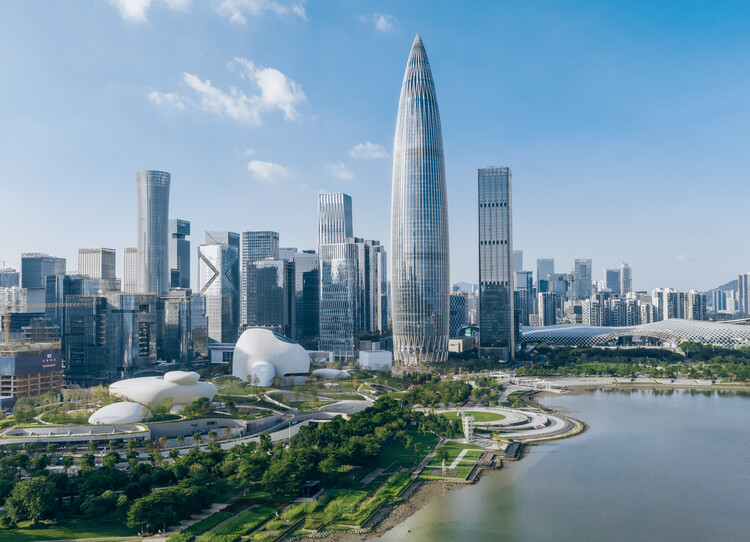
MVRDV Bihailou Art Village. Image Courtesy of MVRDV
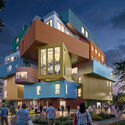
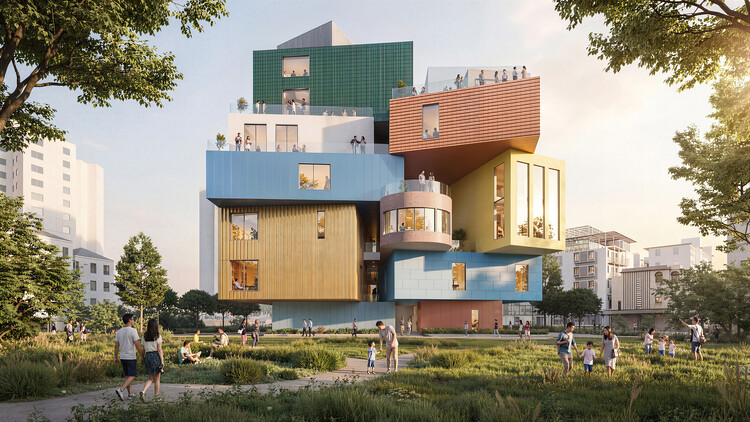
Designed by MVRDV, Bihailou Art Village is a mixed-use cultural and commercial centre currently under construction in Shenzhen, China. Located in the Shatoujiao neighborhood near the Hong Kong border, the mixed-use project combines cultural, commercial, and public programs within a vertically stacked composition derived from the firm's "Vertical Village" concept. Designed to accommodate independently operating venues while maintaining publicly accessible circulation, the development reinterprets the scale and spatial character of the surrounding urban fabric through a series of distinct volumes.
This week in architecture, discussions around the lifespan of buildings, the evolution of cultural institutions, and climate-responsive design highlighted how contemporary practice increasingly extends beyond the moment of construction. From debates over demolition and adaptive reuse to new museums that integrate landscape and environmental performance, the week's developments reflect shifting priorities around permanence, transformation, and public value. Alongside these projects, major institutional announcements, from the RIBA Stirling Prize shortlist to the election of a new UIA leadership, offer insight into the architectural agendas shaping the profession across different scales and geographies.
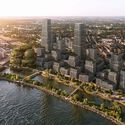
MVRDV has won the international design competition organized by the social enterprise Shift to design the Shift Embassy, a new cultural destination planned for Rotterdam's developing Waterkant district. Conceived as a hybrid of architecture and landscape, the proposal, titled Rotterdam ROCKS! combines exhibition spaces, hospitality, education, public amenities, and ecological infrastructure within a publicly accessible building intended to support Shift's mission of engaging visitors with environmental and societal challenges. The project will form part of Waterkant, a large-scale urban development on the south bank of the Maas, planned to include 3,750 homes alongside schools, workplaces, cultural venues, and public spaces.
Architecture this week looked as much to the past as to the future. Across museums, restored landmarks, and large-scale urban redevelopments, the featured stories explored how architecture is continually reinterpreted through new cultural, political, and urban lenses. From reconsidering the architectural legacy of post-independence West Africa to transforming former prisons into energy-neutral neighborhoods and restoring twentieth-century cultural landmarks, the projects demonstrate how existing buildings and histories remain active participants in contemporary discourse. Alongside these interventions, the announcement of the World Architecture Festival shortlist and renewed attention to global urban growth provide a broader picture of a profession negotiating heritage, environmental responsibility, and rapidly changing cities.
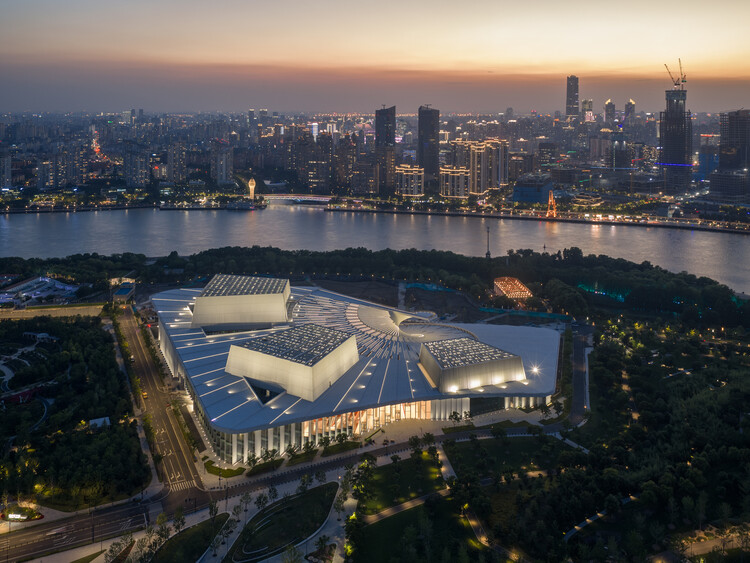
This week belonged to the arts, with cultural architecture dominating headlines across the globe. Landmark buildings for major institutions advanced through important construction and design milestones, from the Shanghai Opera House to Abu Dhabi's new performing arts center, while two new museum commissions were announced following international competitions. Architecture also took centre stage as a subject of exhibition itself, with the Sharjah Architecture Triennial revealing its participant list and Austria unveiling its proposal for the 2027 Venice Architecture Biennale. Beyond these developments, this week's news compilation includes three upcoming urban design projects: in Seoul, South Korea, a new riverside neighbourhood in the Apgujeong district weaves residential towers around parkland connecting the city to the Han River; in Cardiff, Wales, a pedestrian and cycle bridge over the River Taff links waterfront neighbourhoods to new housing along the water's edge; and in Bengaluru, South India, the Museum of Art and Photography is expanding its public campus, adding new civic and cultural facilities alongside a major new sculpture park set within a UNESCO Biosphere Reserve in Tamil Nadu.
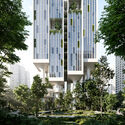
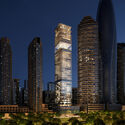
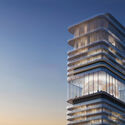
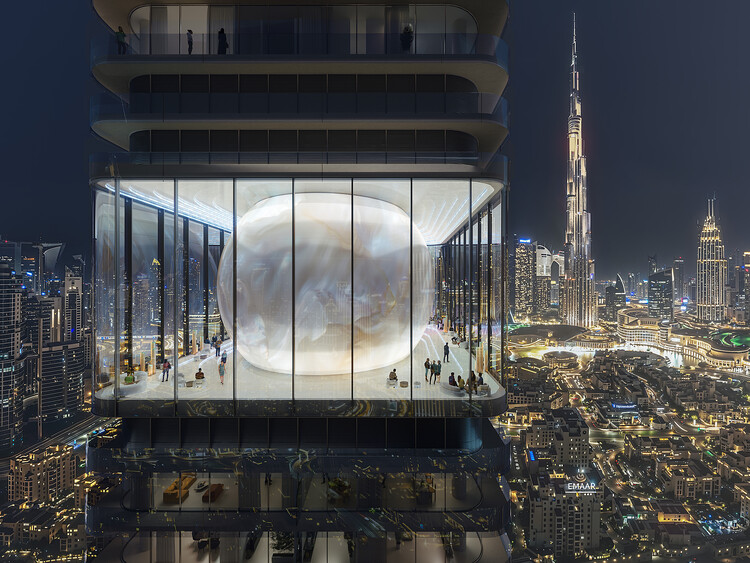
MVRDV has been selected to design Inaura, a mixed-use hotel and residential tower in DowntownDubai, developed by Arada. The project will rise to 210 meters on a site located between Downtown Dubai and Business Bay, with views toward the Burj Khalifa and the Dubai Fountain. Following the competition, MVRDV will continue its involvement as design guardian, while Dubai-based Dewan Architects + Engineers will act as lead consultant. The interiors will be developed based on a concept by MVRDV, aligned with the developer's focus on fitness, wellness, and lifestyle-related programs.
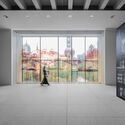
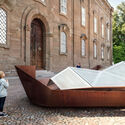
Turin's Civic Gallery of Modern and Contemporary Art. Image Courtesy of MVRDV
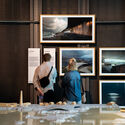
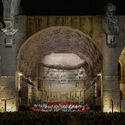
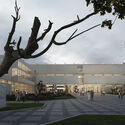
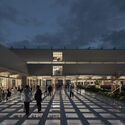
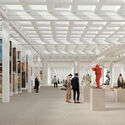
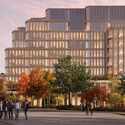
MVRDV and Balance Architettura have unveiled their proposal for the renovation of the Civic Gallery of Modern and Contemporary Art (GAM) in Turin, Italy, following their selection through a public competition in December 2025. The project seeks to restore the spatial qualities of the museum's 1959 building while introducing new exhibition strategies, publicly accessible storage, and flexible display systems designed to accommodate evolving curatorial needs. Conceived as both an architectural restoration and an institutional transformation, the proposal aims to reconnect the museum with the surrounding city while adapting it to contemporary approaches to exhibition-making and public engagement. The project is supported by Fondazione Torino Musei and funded by Fondazione Compagnia di San Paolo, and the construction is expected to begin during the second half of 2027.
Bread & Heart Festival 2026. Image Courtesy of Bread & Heart Festival
Something has been happening in Tirana that the architectural world has not quite found the language for. In the space of a few years, a city of less than a million people in one of Europe's least-known countries has become the site of an extraordinary concentration of architectural ambition — a place where offices that rarely work in the same city, let alone the same decade, are building simultaneously, and where the questions that preoccupy contemporary architecture seem to arrive with an unusual urgency.
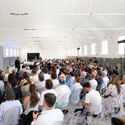
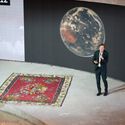
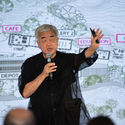
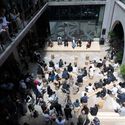
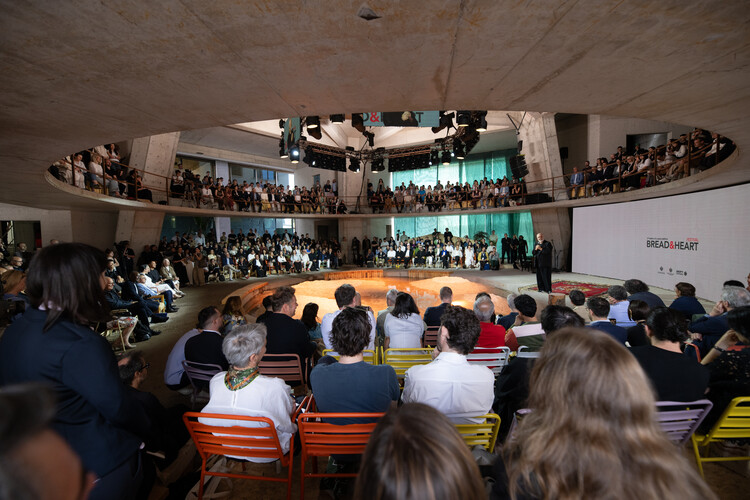
The second edition of the Bread & Heart Festival, held in Tirana from June 3 to 5, brought together more than two hundred architects, urban planners, developers, and professionals from across Europe, the Americas, Asia and beyond to discuss "Landscapes of Abundance", a theme organized around the curatorial premise of moving from portrait to landscape, from the individual building to the territory as a whole. The room it assembled would be difficult to replicate anywhere else in the architectural calendar: Francis Kéré, Jeanne Gang, Sumayya Vally, Pierre de Meuron, Bjarke Ingels, Reinier de Graaf, Stefano Boeri, Kersten Geers, Benedetta Tagliabue, Ma Yansong, among them.
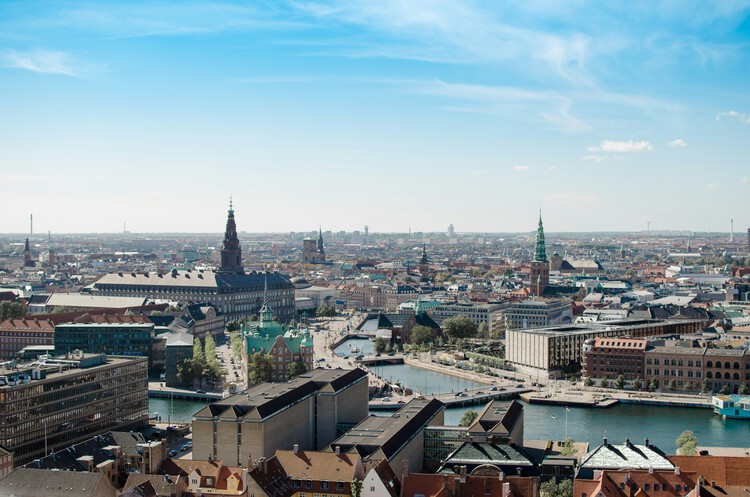
Copenhagen, Denmark. Image Courtesy of Lindsay Martin via Unsplash
Copenhagen is long famous as the global capital of human-scale design and livability. Today, the city has widened its focus and is an active space where mid-century Scandinavian modernism meets the modern demands of climate adaptability, material circularity, radical conservation, and neighborhood density. During the first-ever Copenhagen Architecture Biennial, in 2025, the city transformed into a global platform for dialogue under the theme "Slow Down," exploring how architecture can respond to global pressures by rethinking the pace of change. And this year's 13th edition of the 3daysofdesign Festival will explore the theme of "Make This Moment Matter", encouraging the global design community to step away from digital noise and mass production to focus on the present.
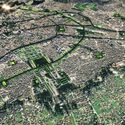
Located at the intersection of Adriatic landscapes and Balkan geopolitics, Tirana has undergone one of the most accelerated urban transformations in Europe over the last three decades. Once defined by rigid socialist planning and political isolation, the city has progressively reoriented itself through a combination of informal growth, international investment, and strategic urban interventions that seek to redefine its public image and spatial structure.
Since the early 2000s, a series of urban policies, most notably those initiated during the mayoral tenure of Edi Rama (now Albania prime minister), have promoted the use of color, public space, and architectural experimentation as tools for civic reactivation. Rather than relying solely on masterplans, Tirana's development has operated through interventions, where individual buildings and public spaces act as catalysts within a fragmented urban fabric.
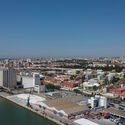
MVRDV and OODA have revealed a new masterplan for the regeneration of a vacant 28-hectare site between Marvila and Beato on Lisbon's riverfront. Recently approved by the Lisbon City Council, the project was developed in collaboration with LOLA Landscape Architects and Thornton Tomasetti to transform the area into a landscape-led urban district. Titled The Marvila Masterplan, the proposal establishes a framework for introducing 1,400 homes alongside public facilities, commercial spaces, and services within a fragmented and largely abandoned territory. The project is a private initiative led by the principal landowner and developed in coordination with the Lisbon City Council and Infraestruturas de Portugal.
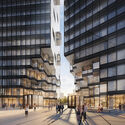
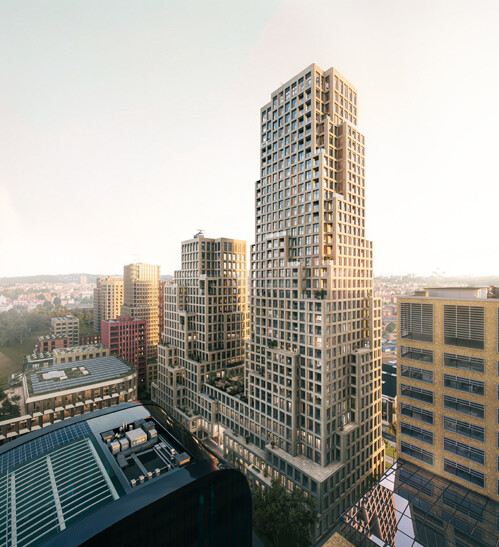
Rotterdam-based firm MVRDV has announced a new milestone in the development of its Tour & Taxis Towers, a mixed-use project in Brussels, Belgium. The design was commissioned by real estate investor and developer Nextensa in 2021, within the framework of a site-specific land use masterplan also designed by MVRDV. The two-tower project combines offices, housing, and public amenities across 58,000 m², forming a landmark in the neighbourhood and reaching 126 metres at its highest point. Recently granted construction permission, the project is designed to reduce embodied carbon through the use of a hybrid structure and lightweight façade elements, aiming to minimize the use of concrete in both the structure and foundations. From the early stages, the firm has employed its CarbonSpace software to guide these decisions.
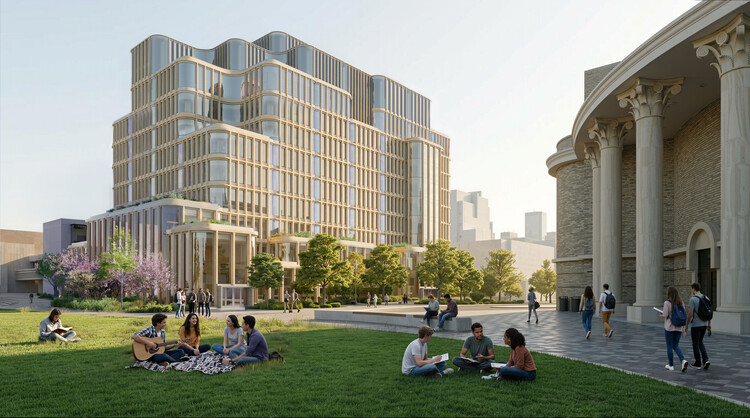
The University of Toronto has revealed the design for the Temerty Building, a new facility for health research and education at the heart of the university campus. The project was designed by MVRDV and Diamond Schmitt Architects in collaboration with Two Row Architect. It builds on a previous collaboration between the first two offices at the University of Toronto Scarborough campus, scheduled for completion in late 2026. The project was first introduced in Temerty Medicine's 2018-2023 Academic Strategic Plan and envisions a 36,000-square-metre extension to the university's Medical Sciences Building, including laboratories for higher education, classrooms, and shared spaces. Work on site is expected to begin in the second half of 2026, starting with preparatory work in July.
Architecture has long been drawn to the idea of lightness. From early modernist experiments that sought to preserve landscapes, elevating buildings has been understood as a way to preserve the ground while maintaining continuity across the terrain. Volumes are lifted on columns, infrastructures detach circulation from the surface, and entire programs are suspended above the ground.
This was formalised in the early twentieth century through Le Corbusier's concept of the pilotis, which proposed the liberation of the ground floor from enclosure. By raising buildings on columns, architects sought to maintain continuity with the terrain, allowing movement, vegetation, and collective use to unfold beneath constructed volumes. The building would occupy the air, while the ground would remain open, accessible, and shared.
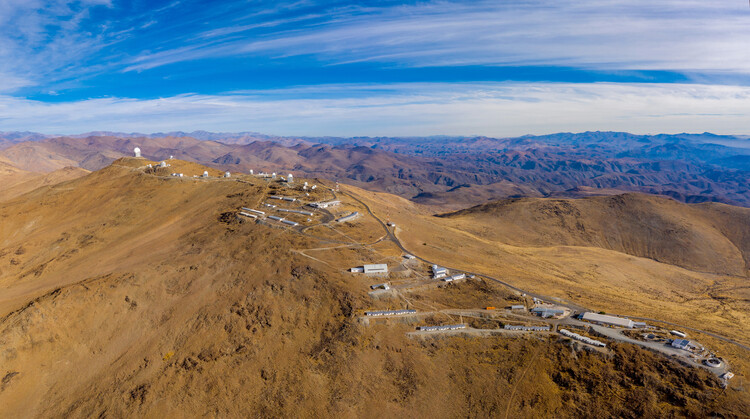
Chilean Atacama Desert. Image by European Southern Observatory with known IDsCC-BY-4.0European Southern Observatory Images ESO files uploaded by OptimusPrimeBot licensed under the Creative Commons Attribution 4.0 International license
Architecture can no longer be thought of as an isolated object, detached from the technical networks that sustain contemporary life—a scenario that demands different readings and approaches. Against this backdrop, in March, ArchDaily's monthly topic focused on The Technosphere: Architecture at the Intersection of Technology, Ecology, and Planetary Systems, a broad and inevitably complex topic. Stemming from the concept of the technosphere, coined by geologist Peter Haff to describe the collective artifacts produced by humanity, a panorama emerges in which contemporary life is deeply intertwined with machines, data, and energy grids.