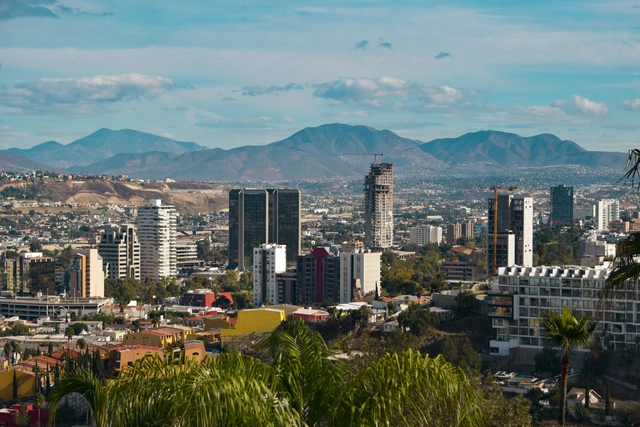
The U.S.-Mexico border is a region of vast historical, cultural, and economic significance, where cities of fundamental importance to North America have emerged. Tijuana—located in northeastern Mexico—, is one of these cities. Since its earliest beginnings in the 18th century, it has experienced exponential urban growth, closely linked to its northern neighbor, San Diego. Understanding Tijuana in its entirety is only possible by mentioning this connection. For this reason, along with San Diego, it was selected as the World Design Capital 2024, celebrating the interaction and cultural exchange between the two cities.
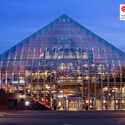
Historically, the city has been a melting pot of nuances reflected in its urban landscape. Examples such as the Tijuana Cultural Center, designed by Pedro Ramírez Vázquez and Manuel Rosen, show the city's search for a modern style. In parallel, the OTAY Cross Border Xpress Building illustrates the relationship between countries in a complex whose architectural program spans both sides of the border. Additionally, contemporary projects contribute to developing a new stage in the city's life by creating public spaces.
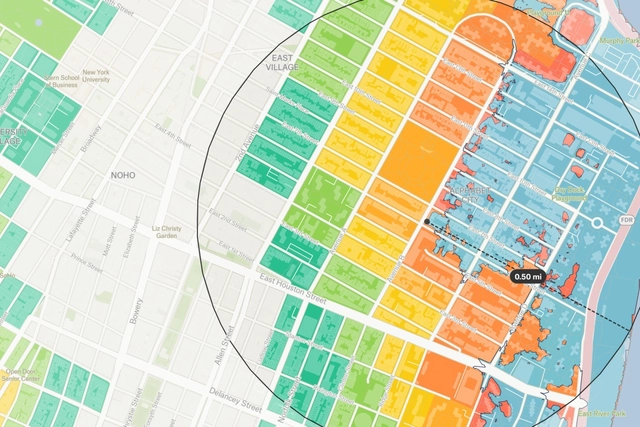
Map of Hurricane Sandy Impact Analysis. Courtesy of Felt
Sightseeing is an activity closely intertwined with architecture and cities. So much is that Guiliana Bruno adapts the term to site-seeing in her comprehensive book Atlas of Emotions: Journeys in Art, Architecture and Film, emphasizing the link between tourism and the urban landscape. Traveling and exploring new places is not something only architects like, it's among the most enjoyable activities for anyone. It's no coincidence that city guides are consistently among the most visited articles on ArchDaily, offering curated collections of iconic buildings for people to explore.
Now, some of our most popular city guides will not only provide a list of buildings, but also feature interactive maps that position each of the architectural masterpieces within the territory. Powered by Felt, these maps cater to the needs of the architects and curious travelers alike.
https://www.archdaily.com/1014699/felt-a-tool-that-will-revolutionize-mapping-for-architects-and-urban-practitionersArchDaily Team
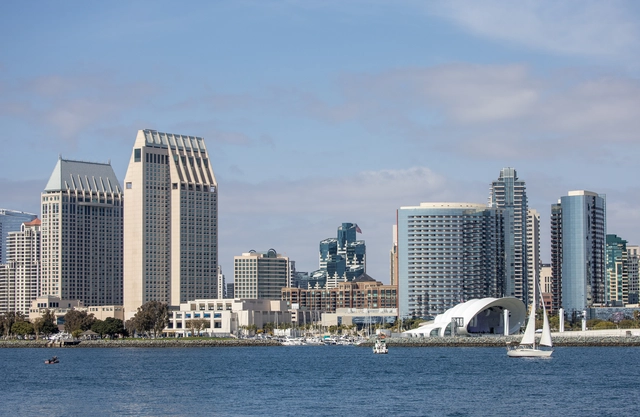
Throughout history, San Diego has been a canvas for visionary architects who have left enduring legacies on its built environment. From iconic landmarks like the Geisel Library and the Salk Institute to the dynamic spaces of the San Diego Central Library and the Rady Shell at Jacobs Park, each piece of architecture reveals hidden aspects of the layered history and the spirit of exploration of San Diego.
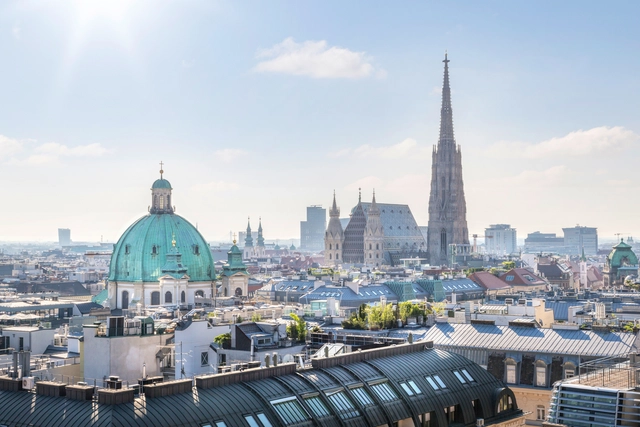
Often referred to as the “City of Music,” Vienna stands as a living testament to architectural evolution across centuries. Bring together an array of styles, ranging from the grandeur of Baroque palaces to the innovative Art Nouveau designs and the Vienna Secession movement, visitors are drawn to the city for its architectural marvels. Vienna's eventful past is reflected in its architectural landscape, which has withstood wars, imperial expansions, and the changes of numerous artistic trends while managing to maintain its unique identity as a symbol of resilience and reinvention.
From Adolf Loos, whose radical ideas challenged the trends of his time, to Otto Wagner, a pioneer of Viennese Modernism, Vienna's architectural legacy continued to evolve. Fast-forwarding to contemporary times, Vienna's skyline bears the mark of internationally renowned architects like Zaha Hadid, whose fluid and futuristic designs push the boundaries of architecture. Hadid's work, including the Library and Learning Center at the University of Economics and Business, offers a dynamic contrast to the city's historic landscape. Moreover, firms like CRAB Studio, founded by Sir Peter Cook and Gavin Robotham, bring experimentalism to Vienna's architecture, infusing contemporary concepts into the urban fabric. These architects and firms contribute to Vienna's architectural richness, adding new chapters to its storied history while honoring its innovation and artistic legacy.
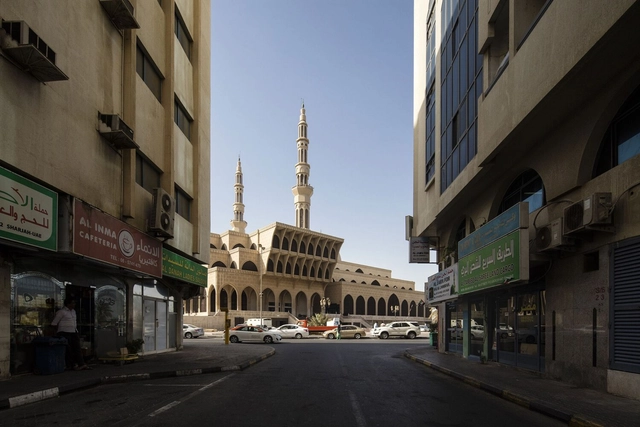
Sharjah, the captivating territory in the United Arab Emirates, is a cultural hub that blends tradition with contemporary modernity. Situated on the Arabian coastline, the city is known for its commitment to preserving its rich history, promoting the arts and culture, and providing a platform for creative and intellectual pursuits. In fact, the 2023 Sharjah Architecture Triennial (SAT) will take place from November 11, 2023, to March 10, 2024, under the theme "The Beauty of Impermanence: An Architecture of Adaptability." The Triennial is curated by Tosin Oshinowo, exploring innovative design solutions emerging from conditions of scarcity in the Global South.
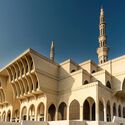
With a deep-rooted connection to its cultural heritage, the emirate is home to an array of museums that showcase a journey through multiple timelines, from Islamic civilization to traditional lifestyles. Now a hotspot for emerging designers, the city has taken a leading role as a patron of fine arts. In the contemporary city, attractions are designed by many architects, from Foster + Partners, Zaha Hadid Architects, 51-1 Arquitectos, to Hopkins Architects. In addition to this emerging cultural scene, old Sharjah is a valuable embodiment of historical tradition, having been transformed into useable attractions and art facilities. The old Sharjah also flaunts landmarks such as the modernist King Faisal Mosque, the Museum of Islamic Civilization, and the Sharjah Art Museum.
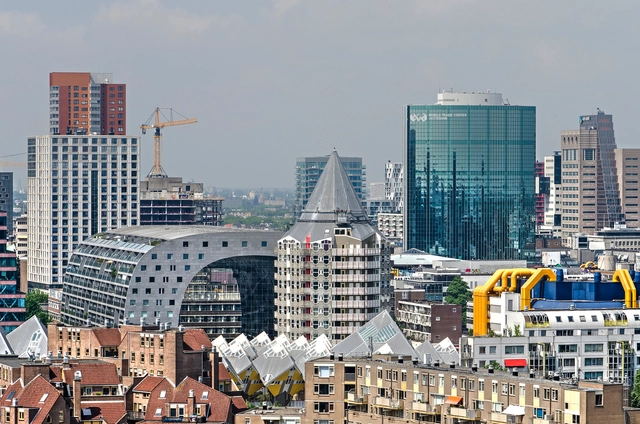
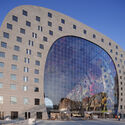
Often referred to as the “Manhattan on the Maas,” Rotterdam is a city unlike any other in the Netherlands. The Dutch metropolis with its striking skyline, tells a unique architectural narrative with chapters filled with the rubble of the devastating bombings of World War II, followed by a story of reconstruction that transformed the city into a hub for experimental architecture and urban planning. Today a mosaic of architectural styles, Rotterdam has embraced innovation, becoming a global showcase for cutting-edge design and sustainable urban development.
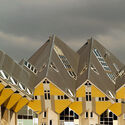
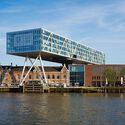
In 1940, almost the entire city center was wiped out by German bombs. Instead of following other European cities’ examples of reconstruction, Rotterdam decided to reinvent itself. Today, the city hosts some of the most well-known Dutch pieces of architecture, such as the Kubuswoningen or the Het Nieuwe Instituut. Its open attitude toward innovation and experimentation continues to attract talent from around the world, as its distinctive skyline continues to change and adapt to contemporary conditions.
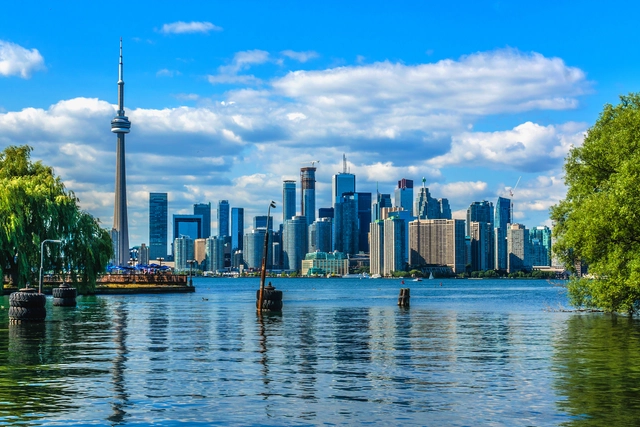
Whether rain or shine, Toronto is a yearlong bustling city, the largest in Canada and the fourth largest in North America. It’s become a cosmopolitan center with its renowned business district and cultural venues/ events that come alive during the summer and early fall nights. Toronto suggests a beautifully diverse urban setting between shimmering high rises and smaller brick houses, intertwining residential and vibrant commercial areas, public parks, and even beaches. All become part of the city's striking skyline, crowned by the iconic CN tower.
Toronto’s ongoing sprawl and constant urban development are noticeable as new projects spread through the city, weaving themselves into the existing buildings, from 19th-century landmarks such as the Gooderham Building to modern and contemporary major works like the Aga Khan Museum. These new constructions include increasing adaptive reuse and retrofitted projects throughout the city as more efforts and incentives are provided to reduce carbon emissions.
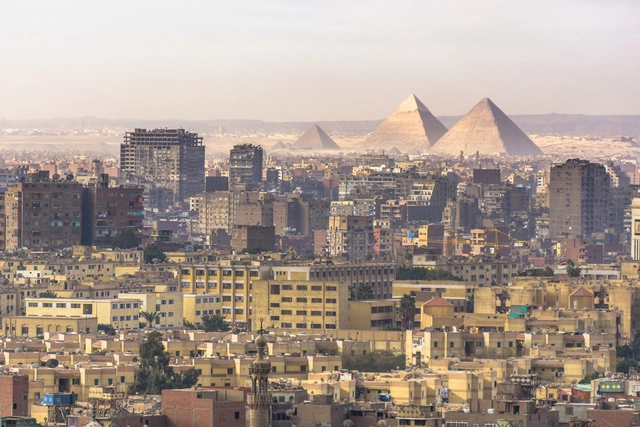
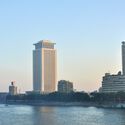
Cairo,Egypt's vibrant capital, is a unique synthesis of both historical and contemporary architecture. One of the most populated cities in Africa, this busy urban agglomeration has a long, rich history and is home to nearly 20 million people. Apart from the infamous Great Pyramids of Giza and the Sphinx, which have attracted tourists for ages, the city has been a melting pot of cultures, histories, and built environments alike.
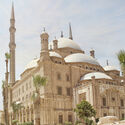
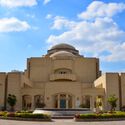
The city of Cairo has witnessed many different eras, each characterized by unique architectural styles. After the Ancient Egyptians, the Islamic Period saw the birth of iconic buildings like the Mosque of Ibn Tulun and the Mosque of Sultan Hassan. These were followed by the Mamluk Period, during which structures such as the Al Rifai Mosque and the Mosque Madrassa of Sultan Barquq were constructed, boasting exquisite stone carvings, towering minarets, and intricate decorative motifs. The Ottoman era brought its own landmarks, including the Mosque of Muhammad Ali and the Citadel of AlQalaa. In the late 19th and 20th centuries, Cairo experienced an influx of European architectural styles due to colonial influences. This resulted in the construction of notable structures such as the Cairo Opera House and the Cairo Tower.
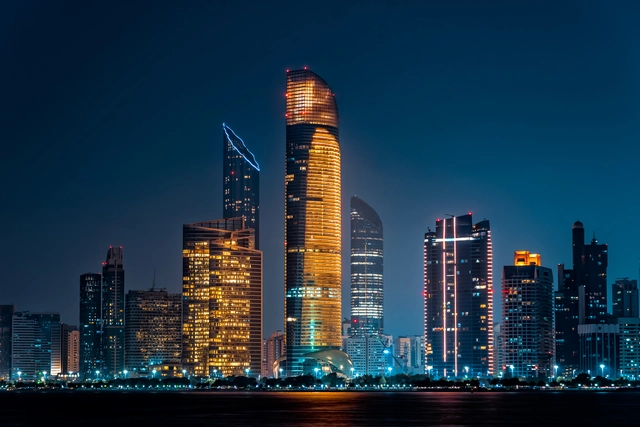
City night view of Abu Dhabi business district, United Arab Emirates. Image via Shutterstock | MDXB
Capital city of the United Arab Emirates, the city of Abu Dhabi is located on an island in the Persian Gulf, connected to the mainland by a short bridge. Home to the local and federal government offices, as well as to the President of the UAE, Abu Dhabi was formerly an undeveloped town with only local significance that transformed into a large metropolis, at a record speed of development and urbanization.
Japanese architect Katsuhiko Takahashi created the master plan of the city in 1967, with a target population of 40,000. Encouraged in the Abu Dhabi Plan 2030, tall skyscrapers symbolize nowadays its iconic architecture, as well as new developments of Al Maryah Island, and the Sheikh Zayed mosque initiated and constructed under the administration of the late President Sheikh Zayed, a pivotal figure in the development of the contemporary UAE.
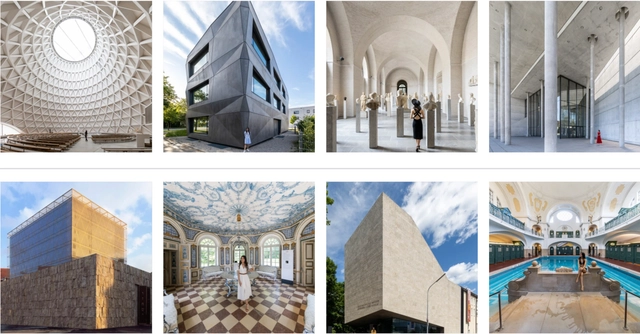
Munich – Bavaria’s capital since 1506 – is a city with layers and layers of history. Its many years as a rising architectural epicenter have left an interesting and unique mix of buildings. From Middle Age churches and cathedrals to contemporary synagogues. From skyscrapers to small pavilions. Brutalism to Art Nouveau. Munich’s architecture is truly extensive and marvelous.
Though not acknowledging Munich’s beer wonders would be wrong, the only mention of this substance would be in the stunning buildings (like the new Paulaner HQ by Hierl Architekten) that contain them. Yes, other aspects of the city are grandiose, but let’s focus on Munich’s top attraction: its architecture.
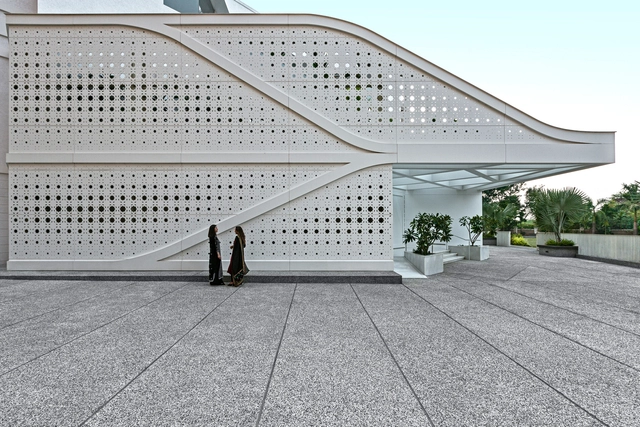
Walking through the streets of Mumbai, India, is an experience unmatched anywhere else. The energy of India’s largest and most populous city is palpable through the people, their activities, and most importantly, the built environment. The city’s dynamic culture is evidently expressed through the structures that dot its landscape.
Mumbai is an eclectic mix of buildings large and small, old and new, and traditional and modern. The city of contrasts boasts an architectural legacy that goes back over 2000 years. Located in the state of Maharashtra along the west coast of India, Mumbai hosts a variety of architectural styles such as Victorian, Gothic, Art Deco, Indo-Saracenic, Modern and Post-modern. The city is characterized by its old charm and liveliness, a diverse stage for people to pursue their dreams.
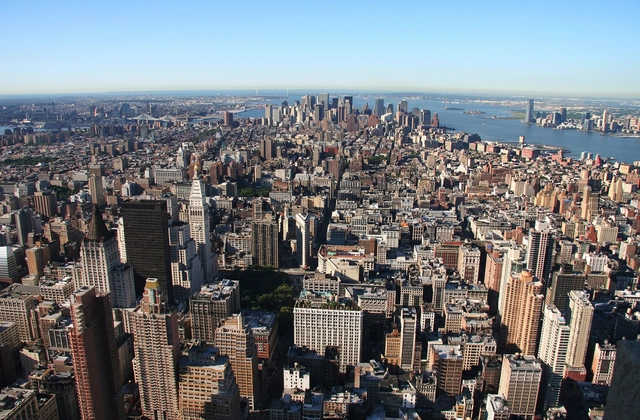
New York City is one of the most exciting places in the world. As an epicenter for the arts, media, and culture, New York has a rich history and a promising future, told mainly through its architecture. Perhaps more known for iconic buildings like the Empire State Building and the Chrysler Building, or even mega-tall residential towers like 432 Park Avenue that have been on the rise, New York also has an abundance of buildings that tell a different story about the history of the Big Apple.
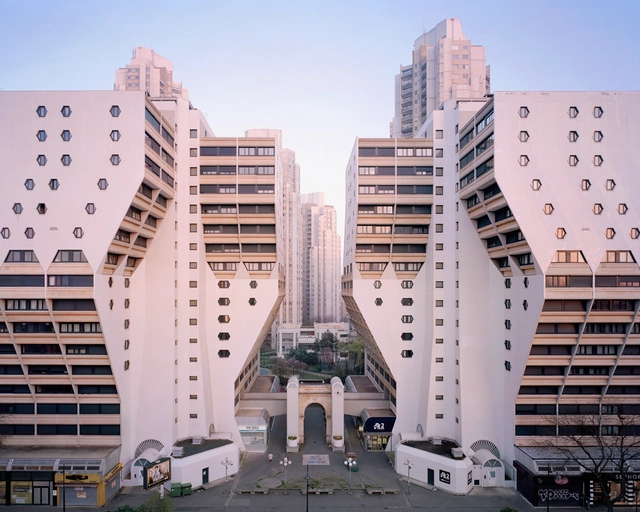
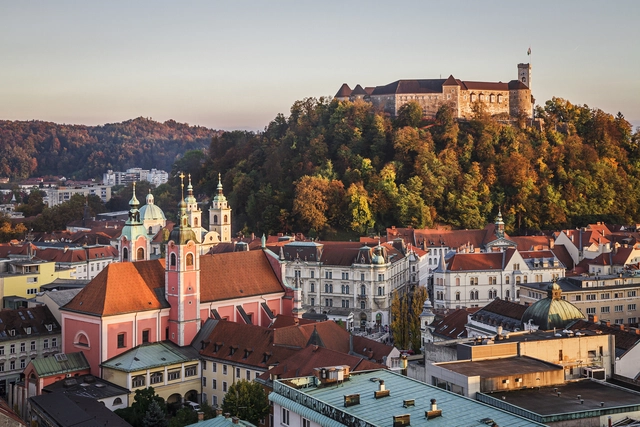
Ljubljana is Europe’s little secret. This small capital city (less than 300,000 inhabitants) is perhaps surprisingly big in terms of architecture, and the variety of its built history makes it a mandatory stop in your architectural journey. From richly painted churches to sobering Brutalism. From classical Baroque and Habsburg-inspired architecture to delightful Art Nouveau façades and interiors. And of course, abundant greenery (Ljubljana is Slovenia’s – and now Europe’s – green capital) and food.
Ljubljana is a city that has many layers. Its beginnings as a Roman city are still visible (a wall, the world’s oldest wooden wheel, and the roads in and out of the city to name a few). Its contemporary vestiges might have aged, but their meaning hasn’t – think of the Republic Square or Brutalist petrol stations. It’s when we visit in person that we are able to truly feel these places and understand these layers.
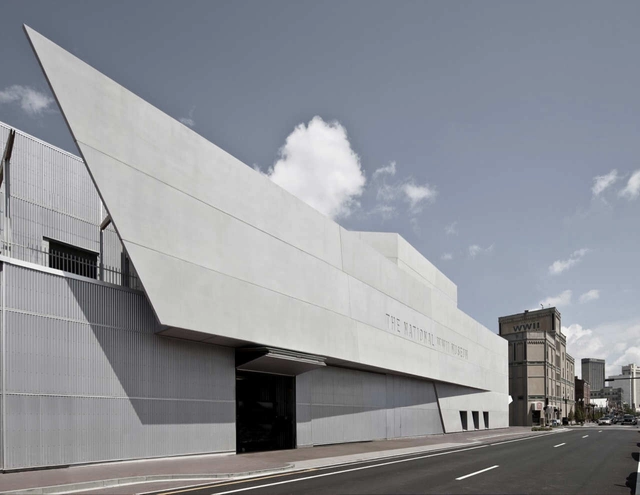
Home to architectural styles spanning almost three hundred years, the is no city like New Orleans. The meld of French, Spanish, and Caribbean architectural influences, in conjunction with the demands of the hot and humid climate, has impacted the urban fabric as much as the culture itself. Located along the Mississippi River and close to the Gulf of Mexico coast, the construction of ports, NOLA’s trading history, and forceful natural phenomena like Hurricane Katrina in 2005 illustrate how water has shaped the city.
Following Hurricane Katrina, Orleans adapted its values to respond to the changing needs of its recovering community. Although reconstruction is not only architectural responsibility, New Orleanspublic architecture has contributed to revitalizing and reinhabiting the city after the disaster. Museums, parks, and churches, each of these places connects people to each other in ways that define and support community.
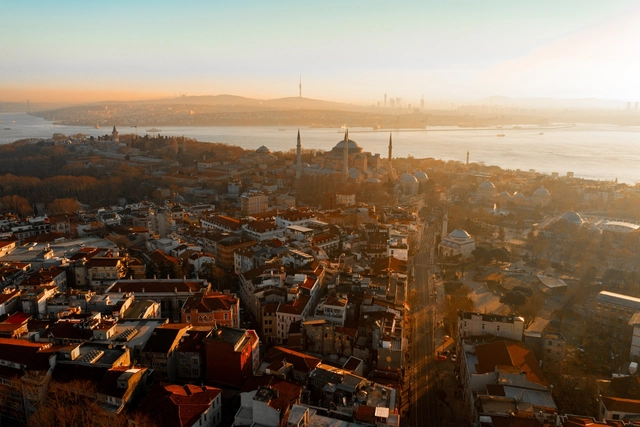
Byzantium, Constantinople and now Istanbul, the many names this city has had over the centuries are proof of the central role it has played throughout history. Founded by Greek settlers in the 7th century, the city served as an imperial capital for a cumulated period of over 1600 years. During the Roman/Byzantine, it played a crucial role in the advancement of Christianity before its transformation into an Islamic center and becoming the sear of the Ottoman Caliphate. Today, Istanbul is a vibrant city with a rich cultural scene and multiple historical layers to be discovered.
Straddling the Bosphorus strait, the city lies in both Europe and Asia, integrating architectural masterpieces that reflect the meeting of European and Asian cultures over the centuries. As the largest city in Turkey with a population of over 15 million residents, Istanbul also serves as the country’s economic, cultural, and historic center. Istanbul is the 15th largest city and the eighth most visited city in the world. The city is also home to several UNESCO World Heritage Sites.
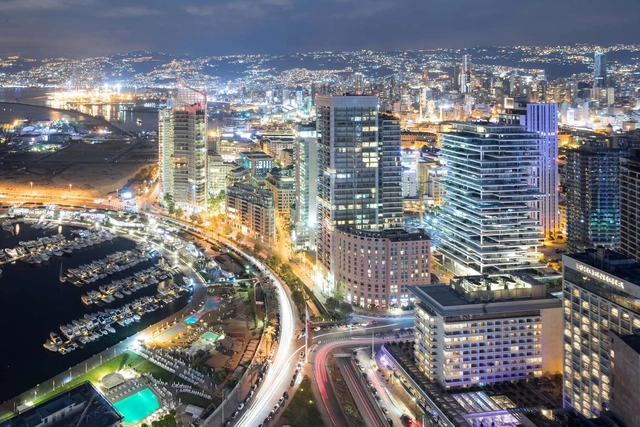
Situated on the coast of the Mediterranean Sea, Beirut is one of the oldest cities in the world that has been shaped throughout its 5,000 year history by Phoenicians, Romans, Greeks, and the Ottomans. The Lebanese capital has been for decades a cosmopolitan city and a focal cultural and geographical link between Europe and the Middle East.
Often labeled as a resilient city, Beirut has been subject to numerous devastating events throughout its history, from a brutal 15-year civil war to one of the biggest non-nuclear blasts in history. Nowadays, the city boasts a skyline full of contrasts, where contemporary buildings rise alongside Ottoman, Roman, and Byzantine ruins. Its architecture, along with its renowned cuisine, distinguished night life, archaeological sites, and hospitable people have reclaimed it as a sought-after touristic destination.