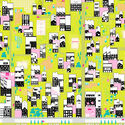
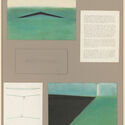
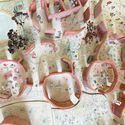
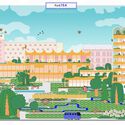
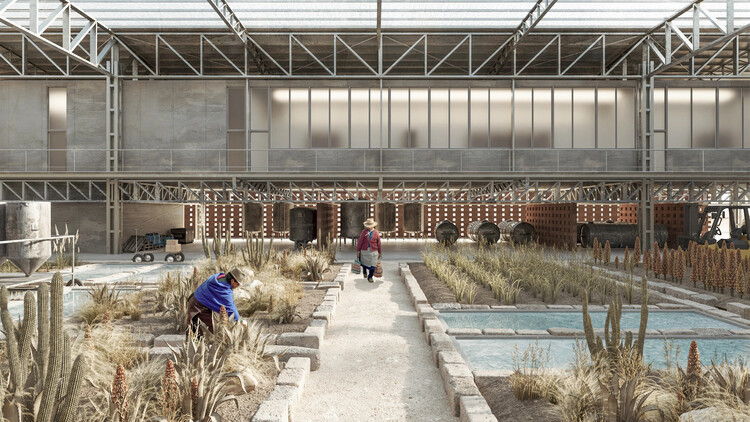
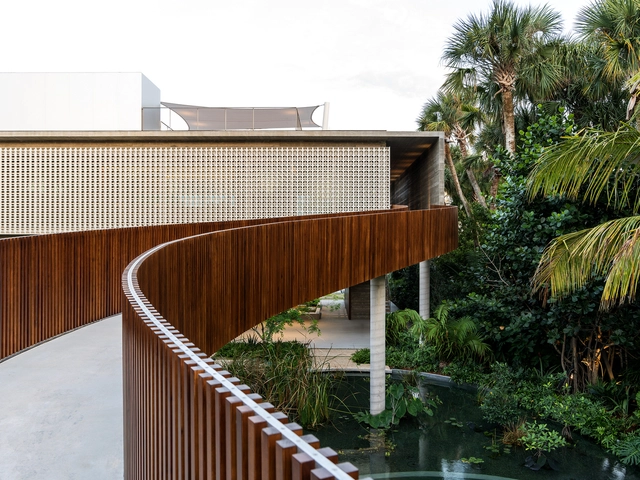
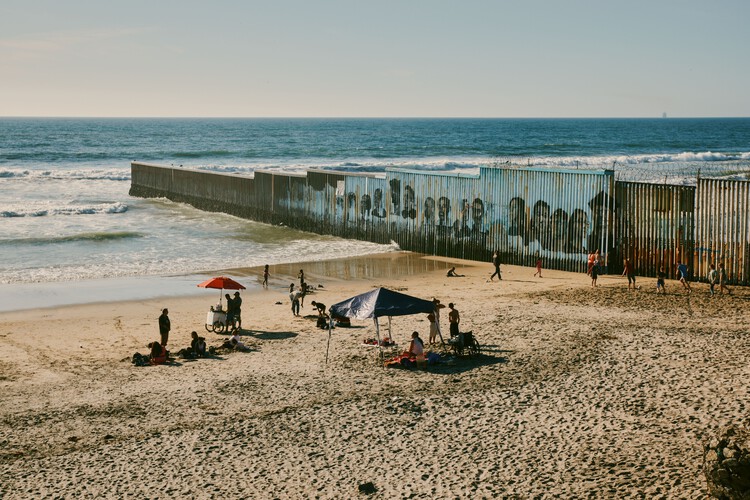
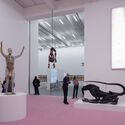
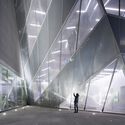
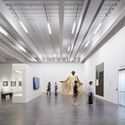
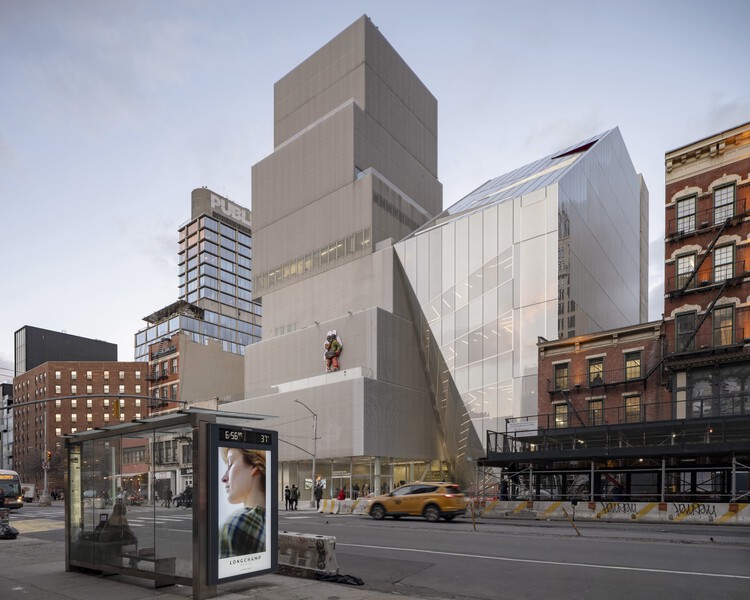
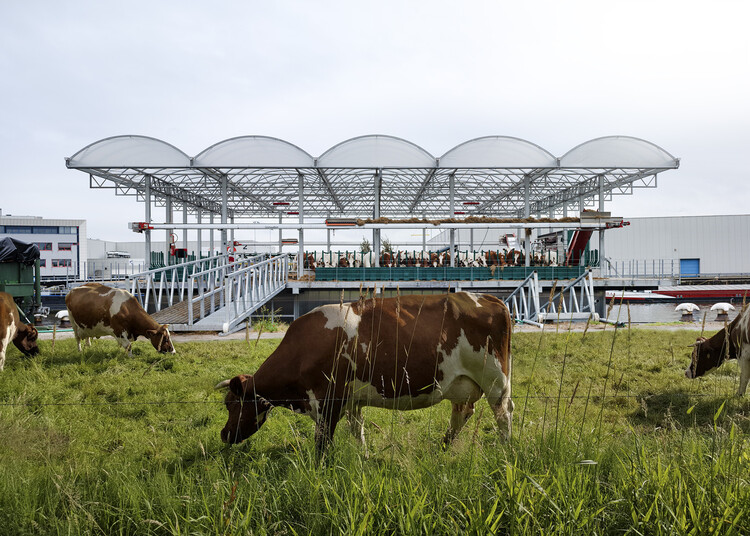
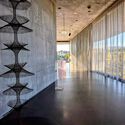
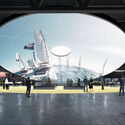
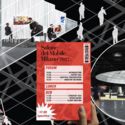
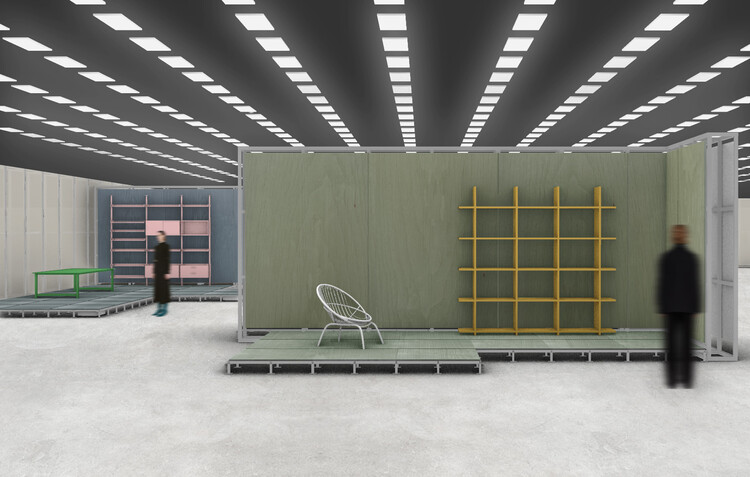
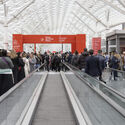
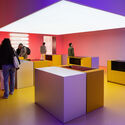
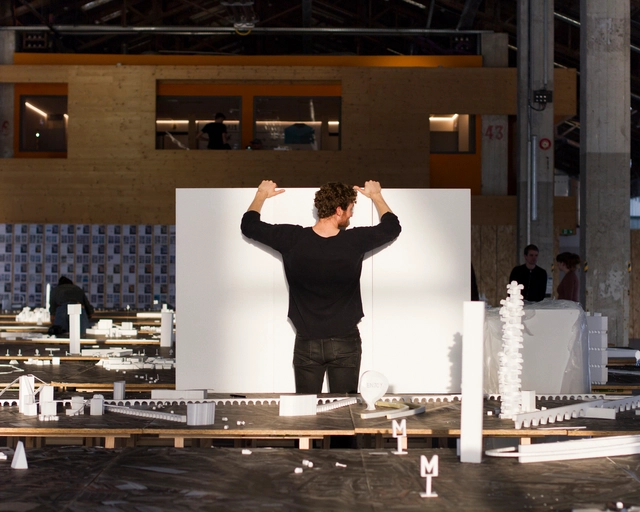
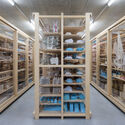
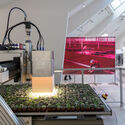
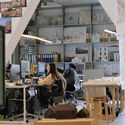
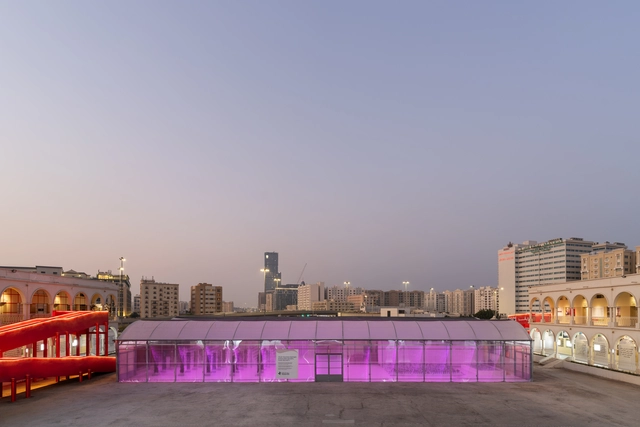
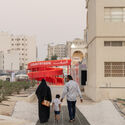
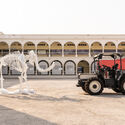
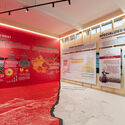
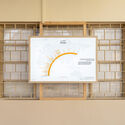
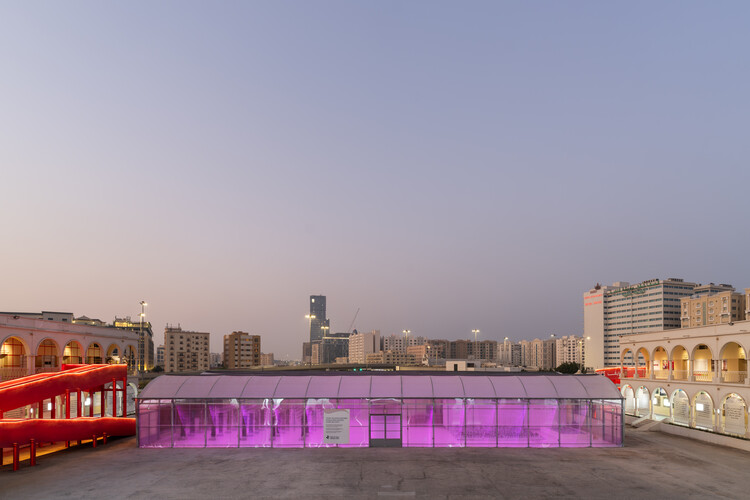
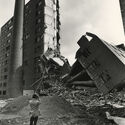
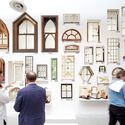
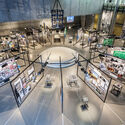
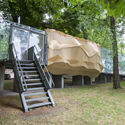
Countryside: A Place to Live, Not to Leave by AMO / OMA presents an exploration of contemporary life beyond the city, examining how rural territories adapt to global transformation. Conceived under the direction of Rem Koolhaas and Samir Bantal, with Yotam Ben Hur as project architect, the exhibition is presented by Qatar Museums in collaboration with the Qatar Fund for Development (QFFD), the Ministry of Environment and Climate Change (MoECC), Hassad Food, and Kahramaa. It is hosted across two venues in Doha, the Qatar Preparatory School and the National Museum of Qatar, and remains accessible to the public until June 30, 2026.
Architecture has never been confined to the act of building. It constantly negotiates between material practice and intellectual reflection, yet throughout the twentieth and twenty-first centuries, many architects felt that the built project alone was insufficient to address the full range of questions facing the discipline. Economic pressures, political contexts, and programmatic demands often narrowed the scope of practice.
Exhibitions and curatorial platforms, by contrast, created spaces of experimentation and critique, opening arenas where architecture could interrogate itself, where its past could be reinterpreted, its present challenged, and its future projected. In this tension, the figure of the architect-curator emerged, treating curating itself as a form of design — not of walls or facades, but of discourse, narratives, and frameworks of meaning.
Architecture is shaped not only by buildings, but by the ideas that make them possible. Before the constraints of capital, regulation, and procurement, there is a moment when architecture is allowed to think aloud. The first confrontation with this fertile moment usually takes place in academia, in the thesis. It is not merely a requirement for graduation, but a space of speculative freedom where architecture formulates hypotheses, builds arguments, and tests positions.
For many, it is also the first opportunity to think beyond the structure of academic programs — a first chance to explore something more personal, unresolved, or even unreasonable. While often seen as an endpoint, the thesis is better understood as a beginning: the first engagement with architecture as a form of reasoning, where the project is not yet a response, but a question.
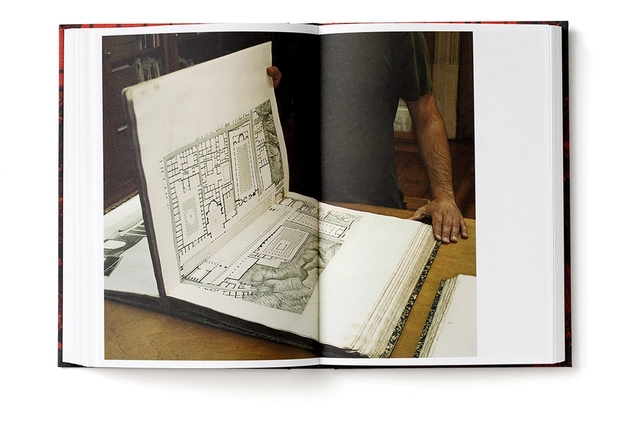
Architecture has always been more than bricks and mortar. It is equally constructed through words, ideas, and narratives. From ancient treatises to radical manifestos, from technical manuals to poetic essays, the written word has served as a spatial, pedagogical, and political tool within the field. Writing shapes how architecture is conceptualized, communicated, and critiqued — often long before, or even in the absence of, physical construction.
Historically, figures such as Vitruvius, Alberti, and Palladio employed writing to codify principles, project ideals, and legitimize architecture as a discipline. In the modern era, Le Corbusier, Adolf Loos, and Lina Bo Bardi wrote prolifically to expand the scope of architecture beyond form and function, often using publications as tools for persuasion and experimentation. The postwar period gave rise to new editorial strategies, as evident in the manifestos of Archizoom and Superstudio, and the polemical publications of Delirious New York and Oppositions, where writing served as both critique and project.
Once the largest coal mine in Europe, the Zollverein complex in Essen, Germany, has undergone a remarkable transformation over the past twenty-five years. What was once a landscape of abandoned industrial facilities is now a laboratory of contemporary architecture, featuring works by Rem Koolhaas, Norman Foster, and SANAA. Their interventions bridge the site’s industrial past with its imagined future. Spanning 100 hectares, the UNESCO World Heritage site has become a global model of adaptive reuse, redefining what it means to preserve industrial heritage. Within this context stands the Ruhr Museum and its enigmatic art repository, the Schaudepot. Located in the complex’s former salt factory, the museum impresses not only with its collection but also with its architecture, which transforms a 1960s industrial building into a vibrant cultural venue.
Because of its historical and architectural relevance, the project is featured in the 2025 edition of Open House Essen, under the theme “Future Heritage.” The initiative explores which spaces might shape our future architectural legacy and asks pressing questions: What should we preserve? What should we adapt? And how can we design a future that is both livable and fair?
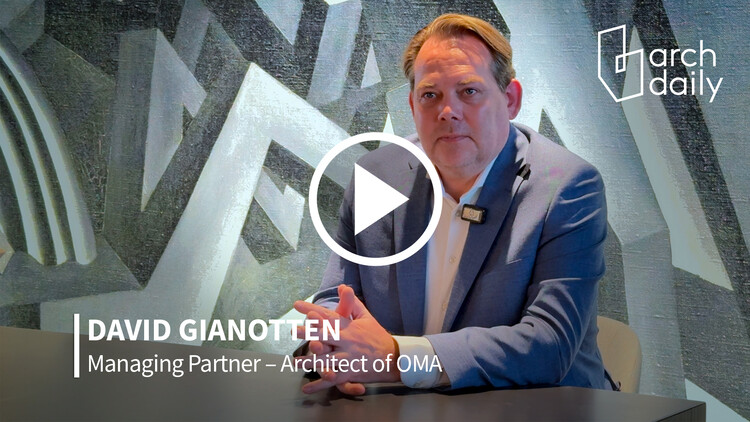
OMA has completed the JOMOO Headquarters in Xiamen, marking the first office campus for China's largest sanitaryware company. Situated at the edge of the city's central business district, the building reflects JOMOO's ongoing transformation into a global brand. The project was led by OMA Partner Chris van Duijn, alongside project architects Lingxiao Zhang and Chen Lu. According to Chris van Duijn, the headquarters is part of a broader trajectory in OMA's work across rapidly developing Chinesecities such as Hangzhou, Xiamen, and Shenzhen, where the office continues to explore new relationships between tower architecture and its urban context.
At the turn of the millennium, the world was gripped by the looming threat of the Y2K bug, a potential failure of computerized systems that could disrupt everything from banking to aviation. As midnight approached on December 31, 1999, people withdrew their savings, major corporations issued warnings, and governments scrambled to prevent public hysteria. But as the sun rose on January 1, 2000, the feared bug had no material impact, and the crisis faded as quickly as it had emerged. However, this era left its mark in unexpected places — particularly in architecture. Amid the anxiety surrounding digital technology, one of the most iconic concert halls of our time, Casa da Música in Porto, was born. Designed by OMA (Office for Metropolitan Architecture), its origins can be traced to a much smaller project: the Y2K House. What began as an exploration of private domesticity during the digital scare evolved into a grand public structure — an architectural transition from home to a performance hall.
MVRDV and Delft University of Technology Release _Le Grand Puzzle_, an Urban Study of Marseille in the South of France. Image Courtesy of HÇläne Bossy, Manifesta
In architecture, most practices revolve around delivering projects to clients. Offices are shaped by deadlines, budgets, and clear briefs. While this structure produces buildings, it rarely leaves space for architects to question broader issues — about how we live, how cities are changing, or what the future demands of design. But alongside this production-focused system, a quieter movement has emerged: studios, collectives, and foundations that prioritize research, experimentation, and reflection. These are the architecture think tanks — spaces designed not to build immediately, but to think first.
The idea of a think tank is not new. Traditionally found in politics, economics, or science, think tanks bring together experts to study complex problems and propose solutions. In architecture, their rise reveals a tension at the heart of the discipline. If architecture is to remain socially and environmentally relevant, can it continue to rely only on client-driven practice? Or must it carve out space for slower, deeper inquiry?
For nearly the past two decades, cities around the world embraced "starchitecture"—futuristic, eye-catching buildings designed by globally renowned architects. In China, this trend was particularly pronounced as rapid urbanization fueled the construction of iconic megastructures like Zaha Hadid's Galaxy SOHO, OMA's CCTV Headquarters, and Herzog & de Meuron's Bird's Nest Stadium in Beijing. At the time of their construction, these were all celebrated as symbols of progress and global ambition. However, architecture worldwide has begun shifting toward a more context-driven, human-centered approach, with China emerging as one of the key contributors to this transformation. This year, Liu Jia Kun's 2025 Pritzker Prize further underscores that shift.
The Pritzker Prize is the most important award in the field of architecture, awarded to a living architect whose built work "has produced consistent and significant contributions to humanity through the art of architecture." The Prize rewards individuals, not entire offices, as took place in 2000 (when the jury selected Rem Koolhaas instead of his firm OMA) or in 2016 (with Alejandro Aravena selected instead of Elemental); however, the prize can also be awarded to multiple individuals working together, as took place in 2001 (Herzog & de Meuron), 2010 (Kazuyo Sejima and Ryue Nishizawa of SANAA), and 2017 (Rafael Aranda, Carme Pigem, and Ramon Vilalta of RCR Arquitectes).
In modernist architecture, promenade architecturale emerged as a key design strategy, embodying the principles of functionality, aesthetics, and integration with the urban context. Le Corbusier’s iconic projects, such as Villa La Roche (1925) and Villa Savoye (1929), exemplify this idea by guiding visitors through an ascending journey that culminates in the rooftop garden—a space where the building and nature seamlessly interact. A century later, this concept remains influential, continuing to shape contemporary designs that explore the relationship between movement and space in various architectural typologies, including houses, museums, libraries, and parks.
In Delirious New York, Rem Koolhaas vividly discusses the Downtown Athletic Club, a striking example of how an unassuming building exterior can conceal a vibrant mix of distinct, self-contained programs. Inside the uniform facade of this skyscraper, a private athletic club hosts an eclectic range of facilities—boxing gyms next to oyster bars and interior golf ranges below swimming pools—all segregated yet highly accessible. The Downtown Athletic Club epitomized the dynamism of New York's skyscrapers at the time, showcasing the thrill of capitalism through a selective, inward-focused world of leisure and privilege for the selected. This "machine of programs" operated independently of the external city as an isolated ecosystem within its walls. Yet, one might ask: could a similar model, designed for public use, create a more inclusive, lively community and neighborhood experience? This will activate the building within, instead of only serving the selected elites, and influence and transform the urban fabric and shapes around the building. In Hong Kong, a distant parallel can be drawn with the Municipal Services Buildings (MSBs)—publicly-funded structures that serve the community by integrating diverse functions within a singular vast building mass, much like the Downtown Athletic Club.
Porto, Portugal's second-largest city, is a captivating blend of historical charm and contemporary innovation. Perched along the Douro River, this UNESCO World Heritage site boasts a rich architectural tapestry that spans centuries. Porto's urban landscape is a testament to its evolving identity from its medieval Ribeira district with narrow cobblestone streets to the iconic Luís I Bridge. The city's skyline is punctuated by Baroque churches, neoclassical palaces, and modernist structures, creating a visually striking contrast that reflects its dynamic history.
Porto has undergone a remarkable architectural renaissance in recent years, becoming a magnet for local and international talent. The city has evolved into a dynamic canvas where bold contemporary designs seamlessly integrate with its rich historical fabric. The influence of renowned architects like Álvaro Siza Vieira and Eduardo Souto de Moura, both Pritzker Prize laureates and native to Porto, has solidified the city's status as a key player on the global architectural stage. Among the city's most striking contemporary landmarks is the Casa da Música, a futuristic, diamond-shaped cultural center designed by Dutch architect Rem Koolhaas, which stands as a testament to Porto's forward-thinking spirit. This sophisticated blend of tradition and modernity, coupled with a strong commitment to urban regeneration, has transformed Porto into a vibrant hub of architectural innovation, making it a must-visit destination for architecture enthusiasts and cultural explorers
The Vitra Design Museum presents 'Transform! Designing the Future of Energy', an exhibition running from March 23rd to September 1st, 2024. As energy stands as the cornerstone of modern society, the subject encompasses political, social, and environmental dimensions. The exhibition aims to highlight design’s role in the effort to transform the energy sector into a more efficient, reliable, and sustainable one, relying more on renewable sources, smart mobility systems, and moving towards self-sufficient cities.
Studio Monnik, 'Alles Komt Goed', 2023. ‘Poreuze Stad’, Illustratie van Jan Cleijne. Een toekomstscenario voor Amsterdam in 2089. Image Courtesy of Het Nieuwe Instituut
Still, the country faces expected and unexpected challenges, from an acute housing shortage to raising concerns regarding climate change and shifting ideas of ecology. In the words of curator Suzanne Mulder, the country is “once again on the drawing board,” as architects, urban planners, and designers are reopening conversations about the future by looking at past lessons. To come to their help, Rotterdam’s Nieuwe Instituut is organizing the exhibition ‘Designing the Netherlands: 100 Years of Past & Present Futures.’
Architecture has deep wells of research, thought, and theory that are unseen on the surface of a structure. For practitioners, citizens interested, and students alike, books on architecture offer invaluable context to the profession, be it practical, inspirational, academic, or otherwise. So, for those of you looking to expand your bookshelf (or confirm your own tastes), ArchDaily has gathered a broad list of architectural books that we consider of interest to those in the field.
In compiling this list, we sought out titles from different backgrounds with the aim of revealing divergent cultural contexts. From essays to monographs, urban theory to graphic novels, each of the following either engage directly with or flirt on the edges of architecture.
The books on this list were chosen by our editors, and are categorized loosely by type. Read on to see the books we consider valuable to anyone interested in architecture.
https://www.archdaily.com/901525/116-best-architecture-books-for-architects-and-studentsArchDaily Team