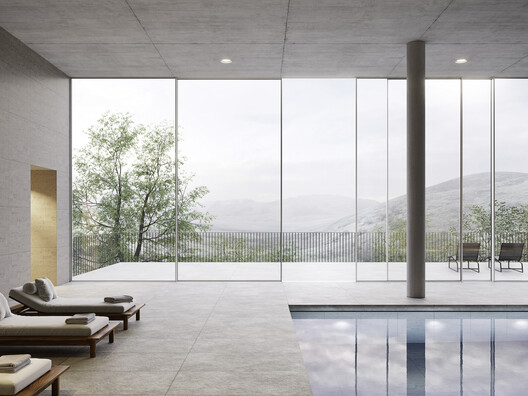
For centuries, architecture has been shaped by the aspiration to create a smooth transition between the indoors and the outdoors. Today, technologically sophisticated window and facade systems allow architects to design open, light-flooded room concepts without losing heat. The Solarlux cero maximum sliding window can eliminate the boundaries between spaces, demonstrated most impressively when large-format elements replace building corners. This is a technical achievement accomplished entirely without supports that disrupt the view. cero creates a direct, immediate connection to nature that goes far beyond what standard solutions can offer.
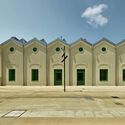
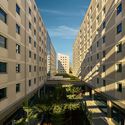
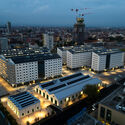
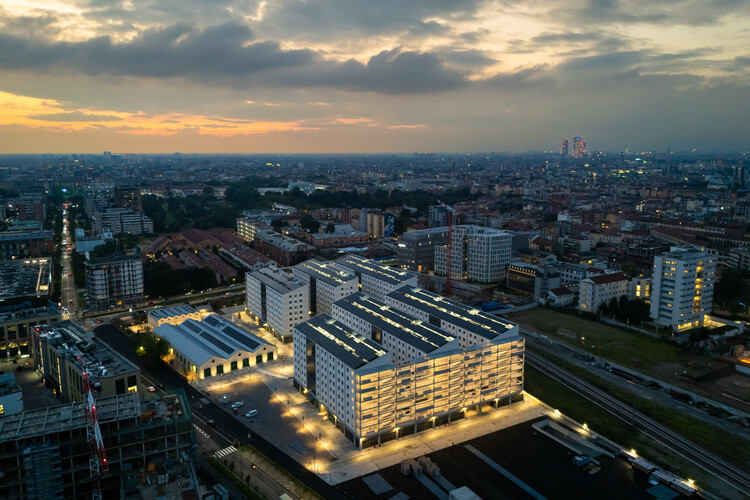
The first images have been released of the completed Athletes' Village for the 2026 Winter Olympics in Milan, following its official handover to the Milano Cortina Foundation ahead of the Games in February. Developed by COIMA and designed by Skidmore, Owings & Merrill (SOM), the project has been envisioned as both a temporaryresidence for athletes and a long-term urban asset for the city. Delivered in 30 months and ahead of schedule, the Village is located within the Porta Romana railway yard, and comprises six new residential buildings and the restoration of two historic structures: the former Squadra Rialzo locomotive workshop and the Basilico building. Together, they provide housing for athletes during the Games, along with 40,000 square meters of community spaces, landscaped courtyards, and three sports courts.
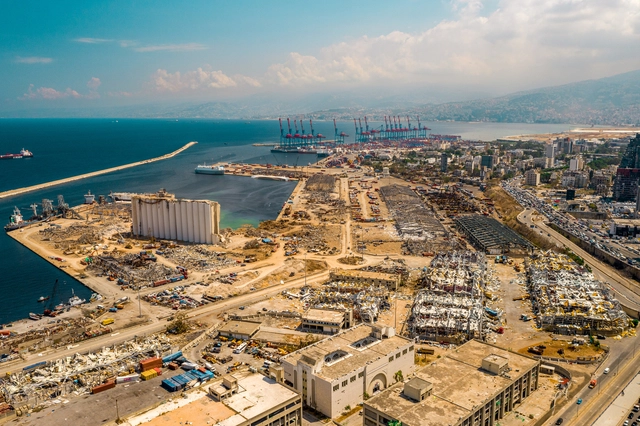
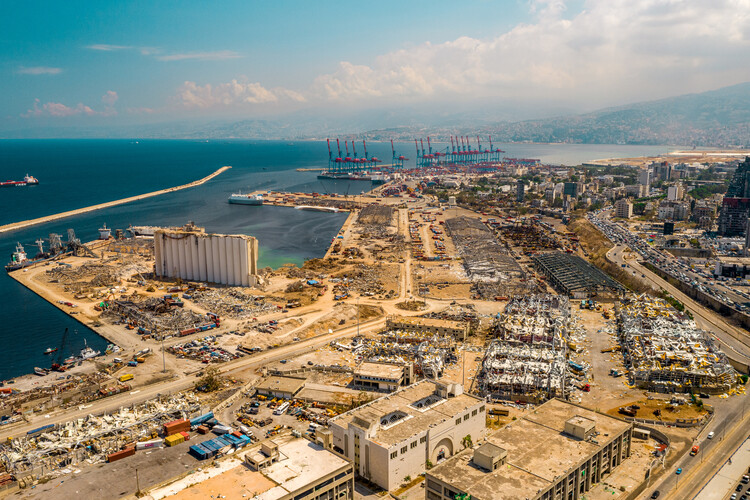
A blast destroyed 40% of the city of Beirut on August 4, 2020. Five years after the port explosions, the UNESCO Director-General visited Lebanon to assess the institution's work in the capital city. UNESCO's efforts have been based on the recognition that the explosion destroyed numerous buildings and historic neighborhoods that were home to a community of cultural professionals, leaving a void in the city's cultural landscape and economy. The organization mobilized international efforts to restore, reactivate, and safeguard Beirut's heritage buildings, schools, museums, and cultural institutions, seeking to provide a comprehensive response to protect the city's cultural fabric. During the visit in September, new restoration and reconstruction programs were announced, including the rehabilitation of the Mar Mikhael train station and Beirut's Grand Theatre, as well as support for cultural industries in Tyre and Baalbek.
Culture is the set of knowledge and practices people use to express themselves and make sense of the world collectively. As Brazilian philosopher Marilena Chauí reminds us, the word derives from the Latin colere, which means "to take care of." In that sense, agriculture means taking care of the soil, while religious cults are the care of the gods. At its core, culture is the creation of symbolic universes, expressed through different languages, including architecture, that weave connections across time. It safeguards the memories of the past while opening new possibilities for the future.
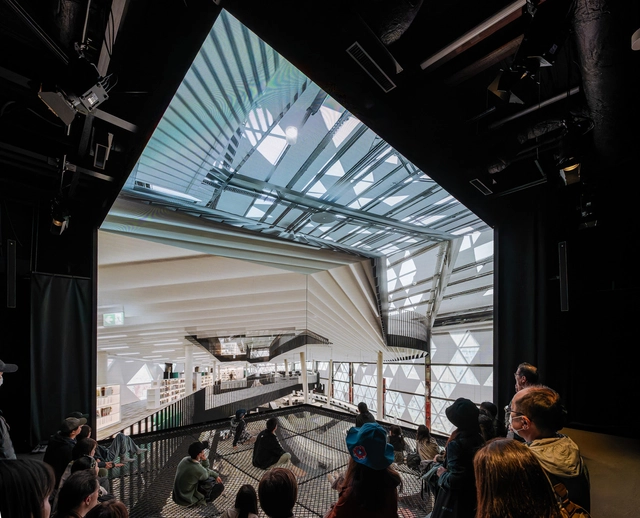
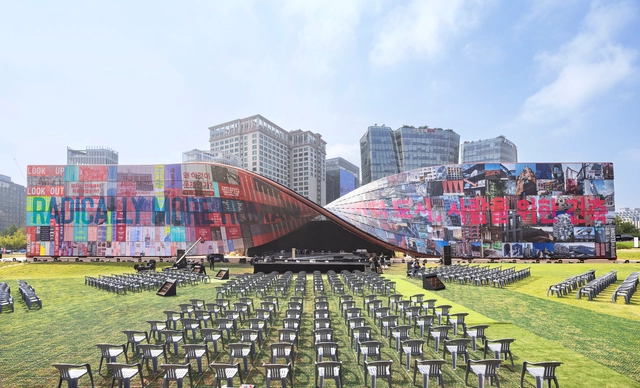
This month, ArchDaily explores The Architecture of Culture Today, asking a central question: How does architecture shape the way culture is produced, consumed, and experienced? This theme examines how architecture both shapes and responds to cultural life — from the permanence of museums, theaters, and libraries to the ephemerality of pavilions, installations, and virtual platforms. It considers the architect's role in curation, scenography, and exhibition design, as well as the portrayal of cultural spaces in film and digital representations.
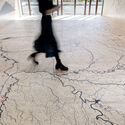
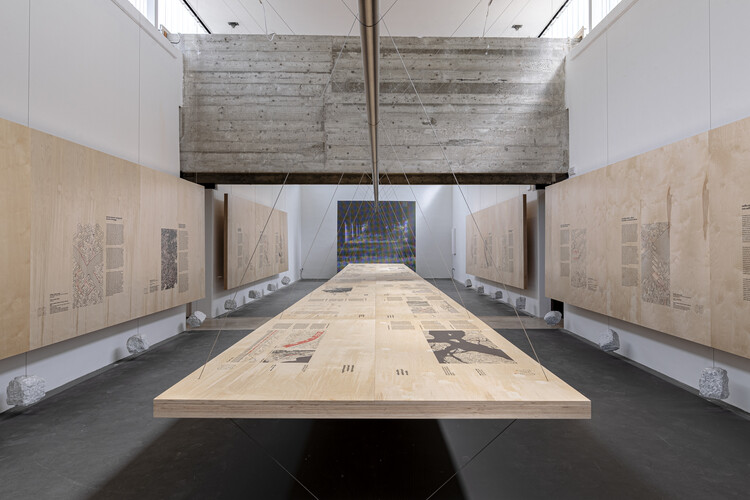
The Nile Delta, in blue the rise of mean sea level with a 2°C increase above pre-industrial levels, Sentinel data. Territorial Agency: Oceans in Transformation, 2020
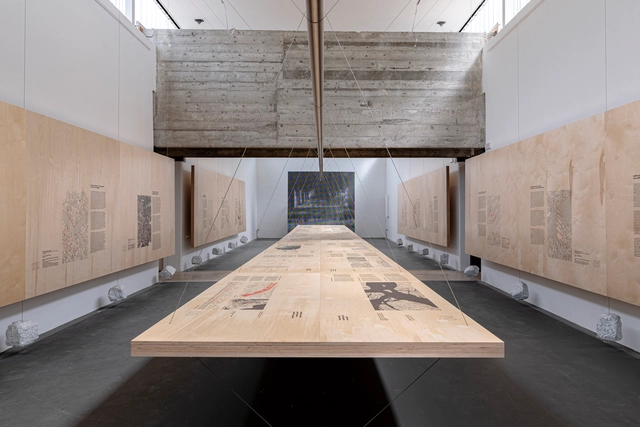
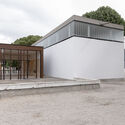
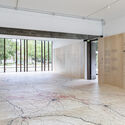
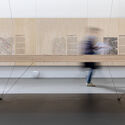
How heavy is a city, and what does that weight mean for our collective future? This provocative question guides the 7th edition of the Lisbon Architecture Triennale, which proposes an inquiry into the transformations of urban life and the material, social, and environmental consequences of inhabiting the planet today. From October 2 to December 8, Lisbon will once again host one of Europe's most significant architectural events.
Curated by Ann-Sofi Rönnskog and John Palmesino, founders of the practice Territorial Agency, the Triennale investigates the magnitude of contemporary cities and their planetary impact. Composed of nearly 30 trillion tons of materials, global cities form a dense and intricate web of continuously evolving structures. To unpack these complexities, the Triennale opens itself as a space of learning, curiosity, imagination, and debate — a meeting ground for architects, researchers, artists, and the wider public.
https://www.archdaily.com/1034626/how-heavy-is-a-city-exploring-the-lisbon-architecture-triennale-2025ArchDaily Team
The famous actress Mae West once described a curve as "the loveliest distance between two points." While she may have been discussing the human form, this observation goes beyond physical appearance and gets to the heart of that which comforts and soothes the human psyche in the design of nature.
Rolling hills, the arc of an ocean wave, the fiery glow of dawn on the horizon—these natural forms evoke peace and serenity when observed. As work environments and common spaces are created, it is important that those in design remember that there are very few straight lines found in nature. When soft edges, arched ceilings and radius walls are applied to the interior of a building, the design of nature is brought indoors.
When exposed to heat, the body activates several physiological mechanisms to maintain thermal homeostasis. However, these natural defenses are often overwhelmed in our modern cities.In an urban environment defined by heat-absorbing asphalt, concrete, and a lack of green spaces, these mechanisms become inefficient. If the surroundings are excessively hot, humid, or poorly ventilated—conditions amplified by the Urban Heat Island effect—the core body temperature begins to rise, and the risk of serious complications increases, ranging from cramps and exhaustion to potentially fatal heat strokes.
Since its inauguration this spring, Expo 2025 Osaka has captured global attention from multiple perspectives, demonstrating how architecture can function as a laboratory for exploring solutions to pressing challenges. After 55 years, Osaka is once again hosting the World Expo, with each installation organized around the sub-themes Saving Lives, Empowering Lives, and Connecting Lives. These pavilions take forms that express the identity and values of their region through distinctive architectural languages, forming the central axis of their design. Building on this foundation, some installations serve as laboratories for the future society, utilizing technology to enhance experiences both inside and outside the spaces, transforming the visit through light, sound, visuals, and movement as part of the technological innovation showcased at the event.
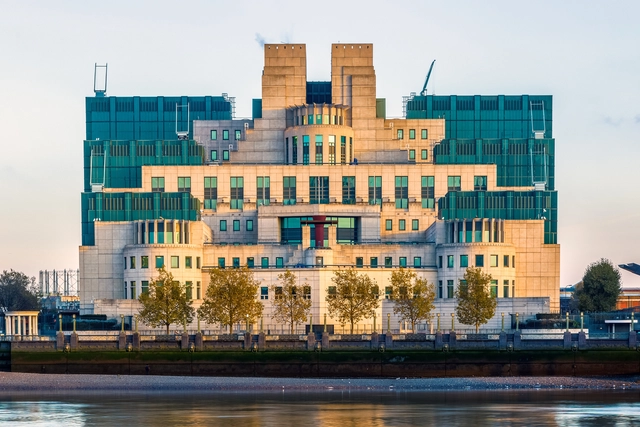
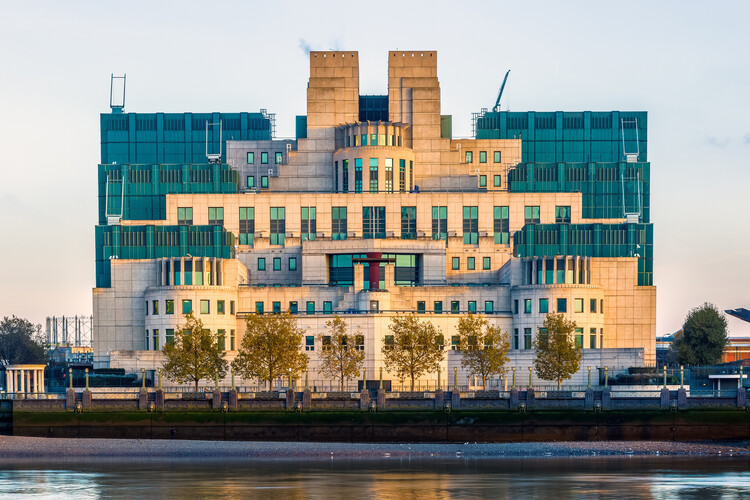
Farrells, the London-based architecture and urban design practice, announced earlier today the death of its founder, architect Sir Terry Farrell. The firm highlighted Farrell's commitment to questioning architectural convention and his advocacy for more responsible, contextual, and community-driven approaches to urban development, seeking creative alternatives to wholesale demolition and rebuild. His death follows that of his early collaborator Nicholas Grimshaw, with whom he founded the Farrell/Grimshaw Partnership in 1965. Together they produced functionalist, modern buildings defined by their structural clarity, before Farrell established his independent voice as one of the leading figures of British Post-Modernism, designing some of the movement's most recognisable works, including London's MI6 Building and the TV-am studios in Camden.
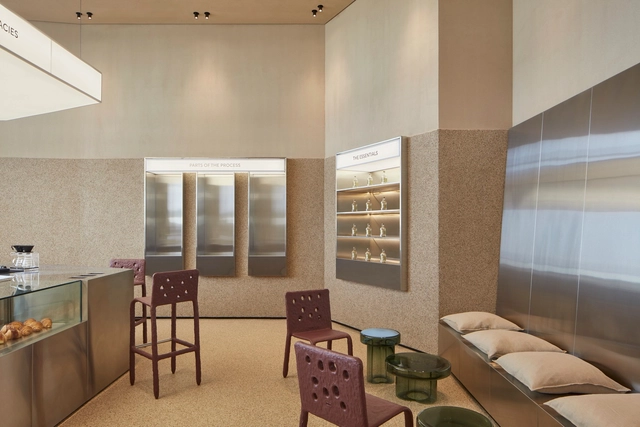
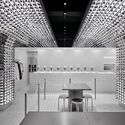
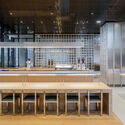
What is the link between architecture and pastry? What design strategies are applied in the contemporary interiors of bakeries and pastry shops? While architecture can serve as inspiration for the design of forms and configurations of edible elements, it also contributes the techniques of descriptive drawing, architectural composition, and staged planning to the culinary language. Focusing their thinking on people and their needs, both disciplines strive for precision, with interior design being a broad field where the use of figures, colors, materials, and various equipment can be explored to enhance user experiences.
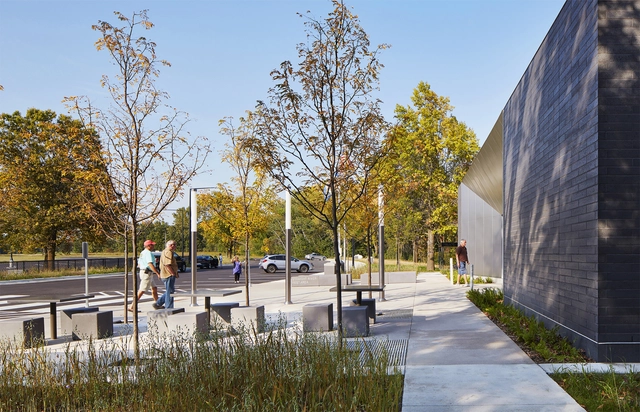
"The public square and civic infrastructure are the front lines against this kind of attack", proclaimed then-President of the American Institute of Architects, Thomas Vonier. The decades since 9/11 and mass violence have pressured cities, in the United States and globally, to reconsider what "safety" means. Is it about barriers, bollards, surveillance? Or is it about trust, visibility, evidence, resilience? Several projects confront these questions at various scales to demonstrate how architecture and forensic thinking can collectively protect communities and civic life.
With “The Rock”, fittings manufacturer Dornbracht presents its first Atelier Edition. The clear lines of the classic MEM meet expressive rock–shaped handles made of solid metal, and finished in Brushed Dark Platinum. Image Courtesy of Dornbracht
In an era of digital precision, AI automation, and mass reproducibility, the value of the human craftmanship is being reimagined rather than lost. It's in this intersection between machine logic and material intuition that Dornbracht, the German manufacturer renowned for sculptural fittings, launches The Rock, the debut piece of its new Atelier Editions.
Inspired by the primal force of natural stone, The Rock is a faucet handle that is a tactile, expressive object that restores individuality and sensuality to the contemporary bathroom and kitchen landscape. Revisiting the iconic MEM series, the design introduces a bold, organically shaped handle, milled from solid metal with artisanal hand-finishing. Each piece becomes a singular creation, where industrial precision meets the intimacy of craft.
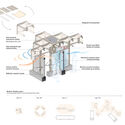
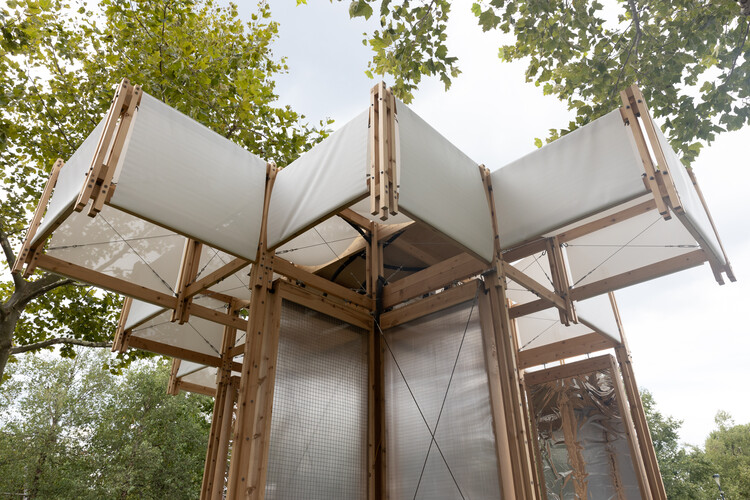
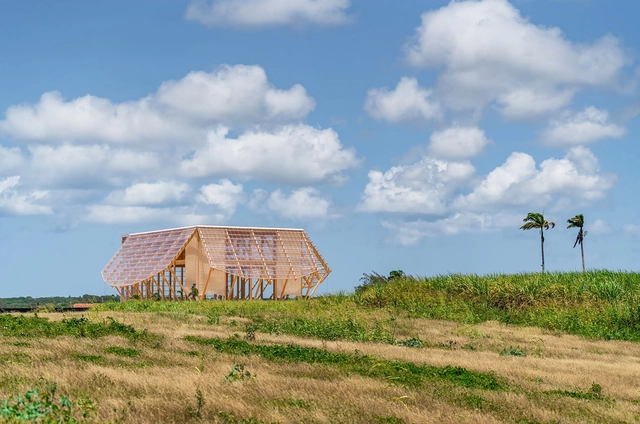
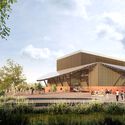
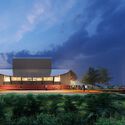
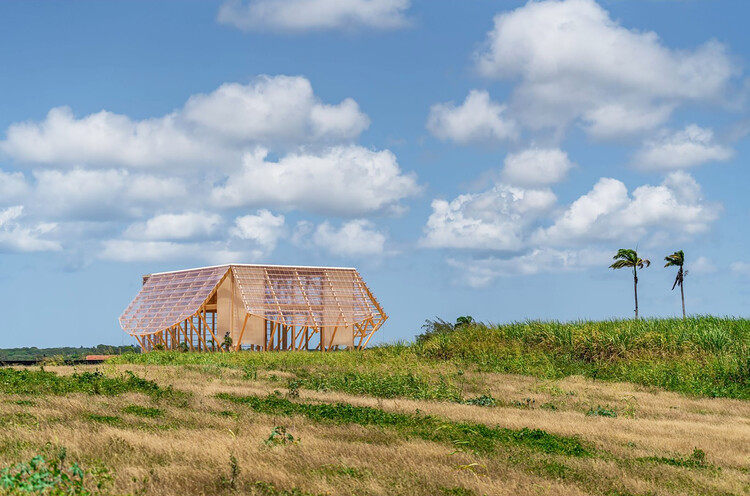
The first phase of the Barbados National Performing Arts Centre, designed by Adjaye Associates, has officially opened in Bridgetown, marking the commencement of a significant cultural initiative. Originally conceived as a temporarypavilion for Carifesta XV, the timber structure serves as both a functional venue for performances and the foundation for the forthcoming 85,000-square-foot permanent complex, slated for completion in 2026. Developed in collaboration with structural engineer StructureCraft, the project features mass timber construction, low-carbon design strategies, and adaptive reuse of components. This approach provides Barbadians with a "meanwhile use" venue while laying the groundwork for a future national hub within the Barbados Heritage District.
The Brazilian Pavilion at the 19th International Architecture Exhibition – La Biennale di Venezia, open since May 10, 2025, is curated by Plano Coletivo, a group formed by architects Luciana Saboia, Eder Alencar, and Matheus Seco. Titled "(RE)INVENTION," the exhibition represents Brazil through a multidisciplinary approach that connects architecture, nature, and social infrastructure. Presented at the Giardini pavilion, the project is organized by the Fundação Bienal de São Paulo in collaboration with Brazil's Ministry of Culture and Ministry of Foreign Affairs. The exhibition reflects on the recent archaeological discovery of ancestral infrastructure in the Amazon to examine the socio-environmental contradictions of contemporary cities. It invites visitors to learn from ancestral knowledge and explore the interdependence between humans, land, and nature as a foundation for more sustainable futures.
Sound, when emitted by a source — whether a person or a piece of equipment — propagates in all directions through space, being reflected, absorbed, transmitted, or diffracted as it encounters surfaces and objects. As a result, every environment has its own acoustic quality, often difficult to perceive without a trained ear or eyes. But sound shapes architecture in subtle yet profound ways, directly influencing how we concentrate in an office, how students engage in a classroom, how patients recover in a hospital, or how an audience connects in a performance hall. Despite its decisive role, acoustics often remain in the background of design discussions, overshadowed by visual and structural considerations.
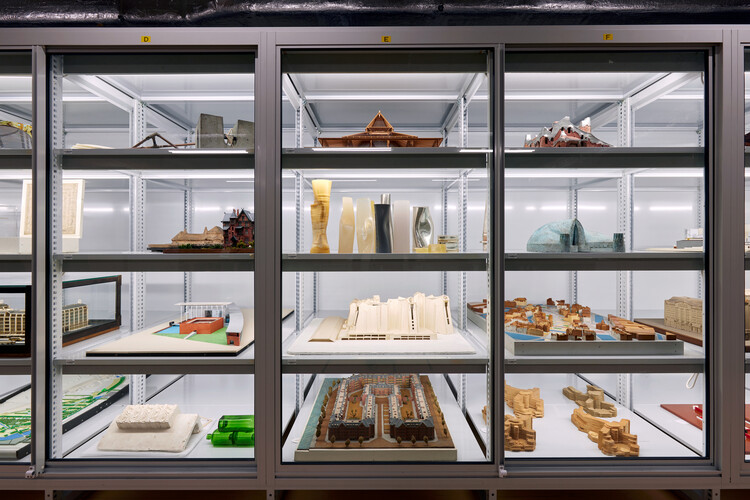
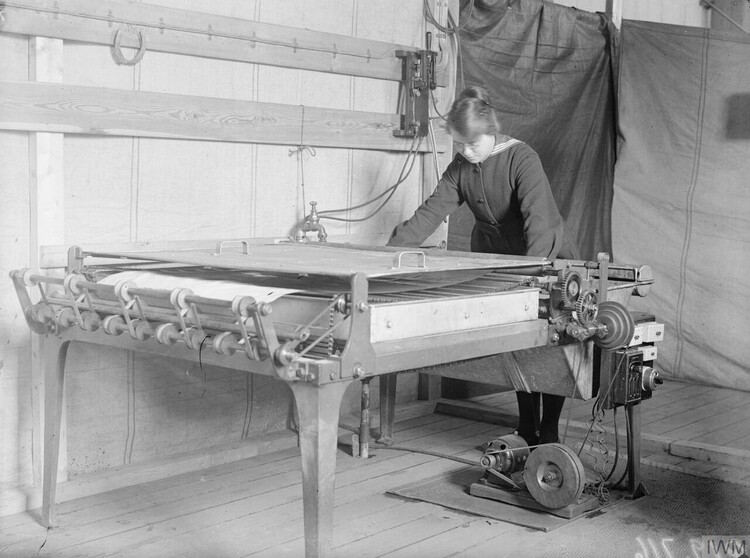
Architecture's design process has always been shaped by the tools at hand. We once drew with pen and ink on fragile sheets, copied by blueprint and guarded against smudges and tears; then Mylar arrived, making revisions and preservation easier and nudging drawings toward a leaner, more deliberate economy of lines. Computer-aided drafting followed, speeding coordination and changing how we think about scale and precision. Today, AI adds another layer—gathering information in seconds and spinning images on command—promising new efficiencies while raising fresh questions about authorship and craft. What we make, and how we make it, has evolved with each tool; the history of our methods is the history of our ideas.
Beginning in the post-war era, Mylar (developed in the 1950s) eased drawing reproduction and hastened the shift from blueprint to whiteprint processes. Before Mylar, simply preserving drawings—keeping an idea intact, legible, and undamaged—was a significant task. Post-war design priorities often leaned toward efficiency, simplicity, and an industrial minimalism aligned with reconstruction needs. The tools reinforced this: architectural work remained predominantly hand-drawn, where every line took time to lay down and even more time to erase. That labour sharpened the economy of drawing; each stroke had to earn its place.
Quarries can be seen as indelible abandoned scars of human resource extraction. Man-made spaces, perceived as voids, and material gain, have fundamentally shaped our accelerating built environment. All the while, the earth stands still as a silent witness. For decades, these open-pit mines have been viewed as a necessary consequence of consumerism and urban growth, their raw, imposing forms a testament to the large-scale extraction of materials essential for building our cities. However, a global architectural movement is now emerging to engage with these existing forms, transforming these subtractive spaces into sites of innovation, collaboration, and renewed purpose.
Architectural professionals recognize how exterior design choices influence both perception and performance. A canopy is more than a functional overhang — it is a visual statement, a layer of environmental control, and a reflection of the project's overall design vision.
Among available materials, custom aluminum canopies have become a preferred choice in modern architecture for their resilience, adaptability, and sleek aesthetics. The following outlines their primary advantages.
The 18th Istanbul Biennial, organized by the Istanbul Foundation for Culture and Arts (İKSV), has opened its first phase to visitors and will remain on view until November 23, 2025. Curated by Christine Tohmé under the title "The Three-Legged Cat," the biennial is envisioned as a three-year process unfolding between 2025 and 2027. The second phase, scheduled for 2026, will focus on establishing an academy and collaborating with local initiatives through a series of public programs. The third and final chapter in 2027 will bring together the accumulated encounters through exhibitions and workshops.
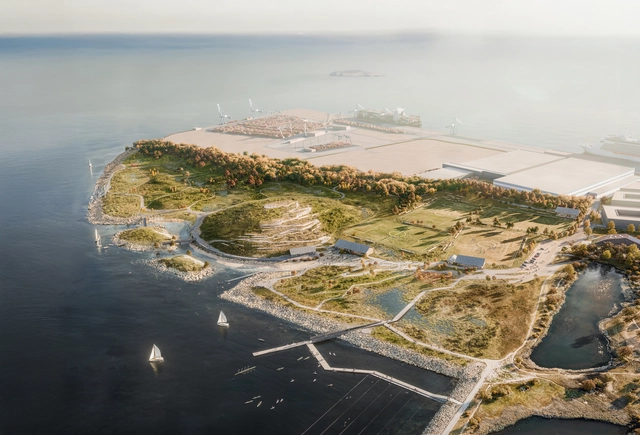
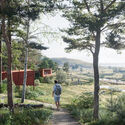
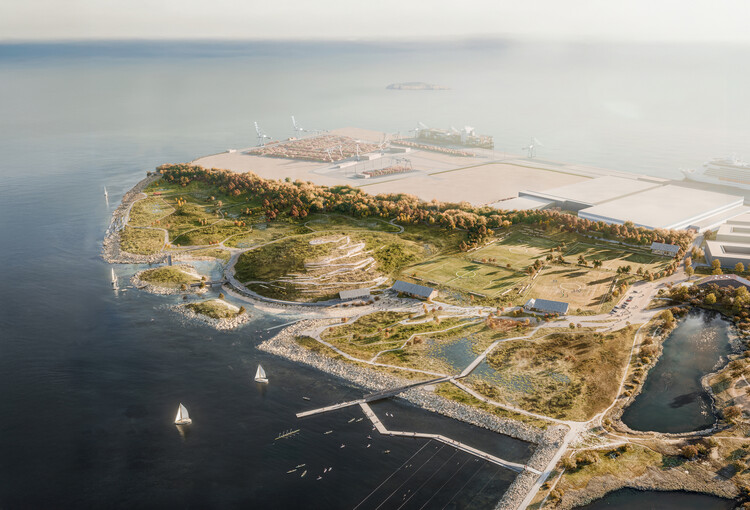
The City of Copenhagen has announced Team SLA as the winner of a design competition to create a new, large-scale urban park in Nordhavn. The project, titled "Nordør – New Park", was designed by Team SLA and By & Havn, and envisions a 30-hectare (75-acre) coastal nature park. Led by the design studio SLA, Team SLA includes VITA Engineers, Urban Agency, Aaen Engineering, Pihlmann Architects, Buro Happold, Kerstin Bergendal, Holdbart, and Aiming Spaces.
A "nature park" is a protected area where conservation is balanced with sustainable development and human use. It often encompasses human-shaped cultural landscapes and integrates strategies for regional development, supporting local communities and promoting the conscious use of the land. This framework allows the proposal to be understood as a platform for recreation, eco-tourism, environmental education, research, and regional growth.
As cities and landscapes evolve, architecture is increasingly asked to support well-being,performance, and collective experience. From stadiums that honor deep cultural memory to intimate wellness spaces that foster restoration and connection, sports and wellness typologies are expanding beyond mere functionality. They create environments where movement and health intersect with design quality, sustainability, and social meaning. Today, these spaces range from elite training grounds and recreational clubs to contemplative retreats and inclusive public amenities, shaping how communities gather, heal, and celebrate shared identity.
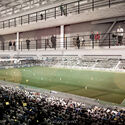
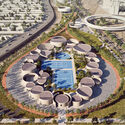
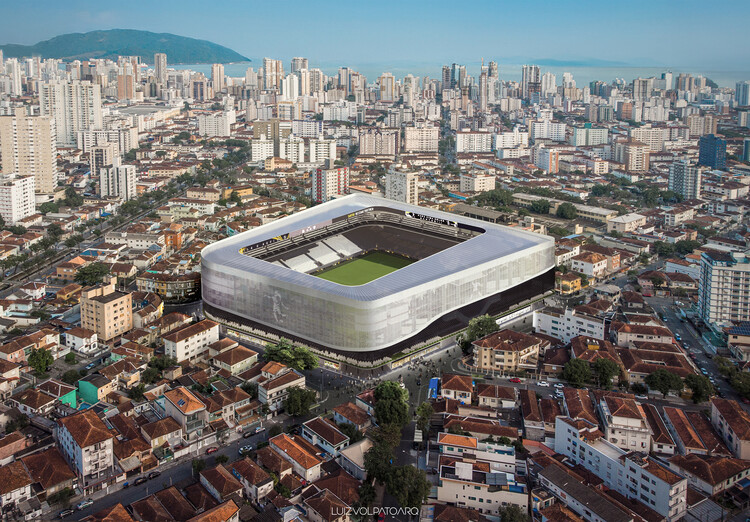
This selection of unbuilt proposals submitted by the ArchDaily community illustrates that diversity. In São Paulo, Luiz Volpato Arquitetura reinvents the historic Santos Futebol Clube stadium with a geometry that preserves fans' memory while introducing new commercial and social uses. In Hanoi, Van Aelst I Nguyen and Partners bring filtered light and fresh air to a dense urban sports complex. In Dubai, RSP proposes Haven, a residential development anchored in holistic wellness and nature-driven experiences, while India's Tropic Responses imagines Aira Club as a climate-conscious leisure hub. High in the Himalayas, Gadasu + Partners carve a meditative spa into mountain stone, and in Isfahan, Arsh4d Studio rethinks segregated women's parks to create inclusive, future-oriented civic space.
Barbie™ has stepped out of the Dreamhouse and into the bathroom for this first-of-its-kind collaboration. Mattel and German architectural fittings specialist HEWI have unveiled the Barbie x HEWI collection – a design-driven range of bathroom products that merges pop culture with universal design principles. Launched in 2025, the collection reimagines HEWI's iconic 477/801 series through Barbie's unmistakable aesthetic, pairing inclusive accessibility with playful yet functional design. With around 40 products, from grab rails and shower seats to LED mirrors and towel holders, the range is set to make a splash in spaces from boutique hotels to maternity wards, children's bathrooms, and private residences.
https://www.archdaily.com/1034436/pop-culture-meets-universal-design-in-the-barbie-x-hewi-collectionEirini Ilia