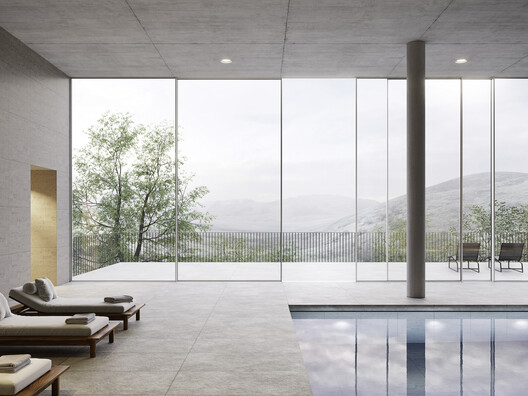
For centuries, architecture has been shaped by the aspiration to create a smooth transition between the indoors and the outdoors. Today, technologically sophisticated window and facade systems allow architects to design open, light-flooded room concepts without losing heat. The Solarlux cero maximum sliding window can eliminate the boundaries between spaces, demonstrated most impressively when large-format elements replace building corners. This is a technical achievement accomplished entirely without supports that disrupt the view. cero creates a direct, immediate connection to nature that goes far beyond what standard solutions can offer.
The fundamental desire of modern architecture is to create a seamless connection between interior and exterior — and this desire is older than the modernism era might make it seem. Advancements in glass manufacturing made the construction of orangeries, Wintergardens, and glazed verandas possible as early as the 18th and 19th centuries. This aspiration is also reflected in traditional Japanese architecture, where sliding doors in living spaces open up directly into nature. Architects such as Frank Lloyd Wright later expanded on this approach, developing organic designs in which the building and landscape were closely interwoven.
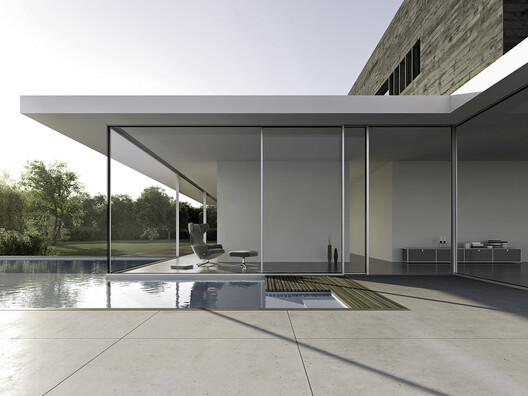
Modern Glass Architecture for Fluid Transitions
The approach experienced a significant revival in the 1920s, particularly with the emergence of modernist architecture. Bauhaus architects, such as Walter Gropius and Ludwig Mies van der Rohe, experimented with large-scale glazing, transparent facades, and open floor plans. The load-bearing closed wall became less dominant, and spaces opened up to the outdoors. Thermal insulation and double glazing were not yet fully refined at that point; however, the innovations in glass being made at the time allowed the architects the freedom to develop designs that would previously have been unthinkable, laying the groundwork for the glass architecture we have now.
Today's modern window and facade systems make it possible to create almost perfectly fluid transitions between the indoors and outdoors — very much in the spirit of the Bauhaus ethos, however, with the use of modern technological advancements.
Eliminate Boundaries Between Spaces with the Solarlux Cero Sliding Window
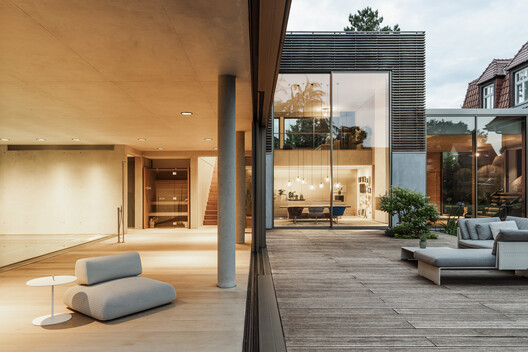
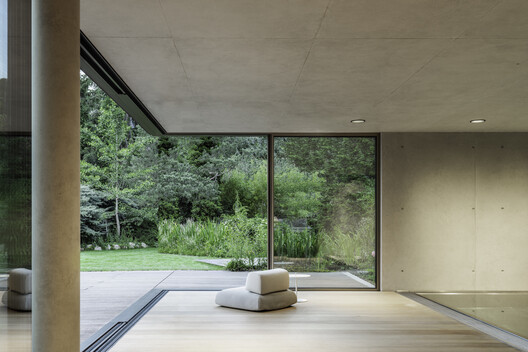
The cero sliding window from Solarlux represents maximum transparency. The ability to combine sliding, fixed, and corner elements opens up an enormous range of design options: open corners in buildings, glass elements that slide into wall pockets, or complex combinations of elements can make each building project unique.
The system is implemented in high-quality residential projects as well as in office buildings, hotels, cultural buildings, and in transparent extensions such as Wintergardens. The exceptionally slender profiles allow for the creation of facade solutions with glass surfaces of up to 15 m² and a glass-to-wall ratio of 98 %. These facades seamlessly connect indoor and outdoor spaces while meeting the highest standards of energy efficiency and security. With its triple glazing, the cero III series achieves Uw values as low as 0.80 W/(m²K), meeting Passive House standards. Anti-burglary protection up to RC3 is also available.
Despite dimensions of up to 6.5 m in height, 5 m in width, and a weight of up to 1,000 kg, the glass elements can be opened either manually or automatically and move freely and almost silently in accessible stainless steel running tracks flush-mounted in the floor. Toughened safety glass ensures thermal stability, while concealed frames ensure flush-mounted joins with the walls, floor, and ceiling. The result is a system that combines technical precision with subtle, streamlined design.
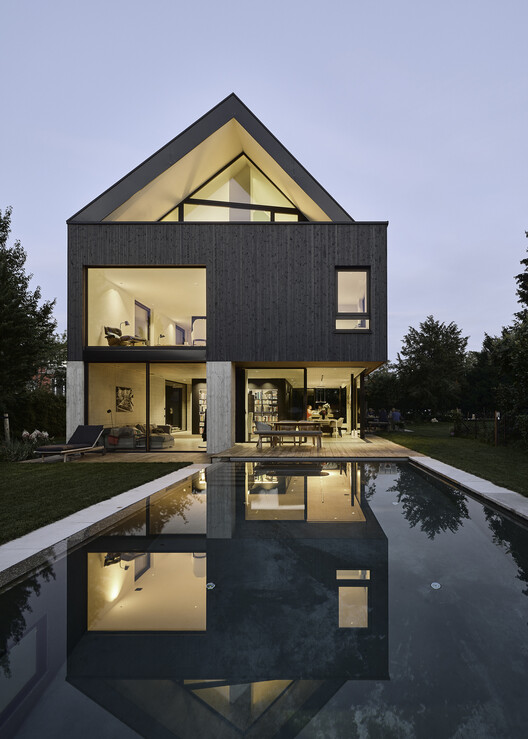
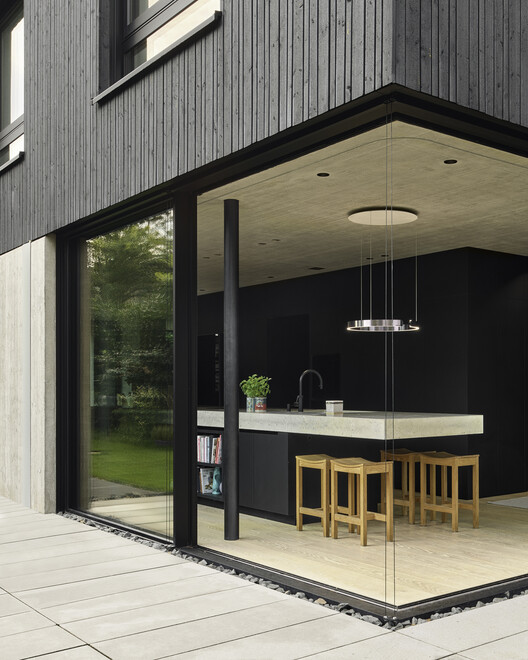
Corners That Can Open — An Architectural Highlight
One standout feature of the cero sliding windows is the option to install them in the corners of buildings, where they can be fully opened without the need for supports. This provides architects with much greater creative freedom and goes far beyond standard solutions. The design is made possible by a sliding corner post integrated into the frame. When the building components are opened, the post glides aside along the stainless steel running track. Developed by Solarlux's in-house research and development department at its location in Melle, Germany, this technological solution eliminates the boundaries between spaces, fulfilling the core desire of modern architecture to unite the indoors and outdoors as one.
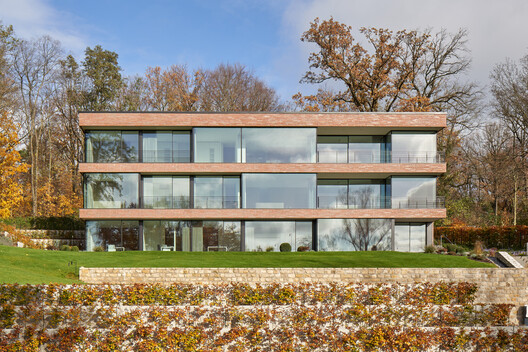
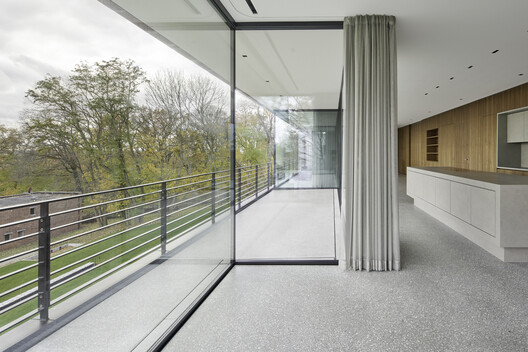
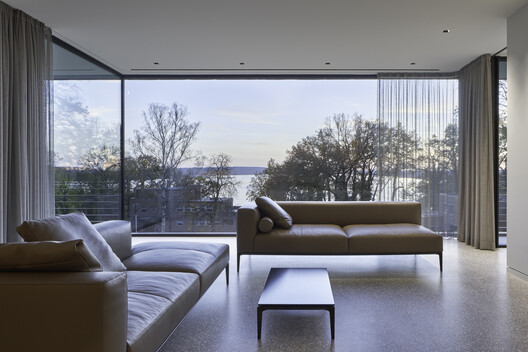
Filigree Glass Corners for Maximum Transparency
When architects opt for cero sliding windows from Solarlux, they increasingly design fully glazed room corners. To allow the cero fixed elements to be connected into an all-glass corner, the pane edges facing one another are made of stepped-edge glazing — meaning that the top layer of double glass is longer than the lower layer. This design ensures that maximum thermal insulation is maintained, and the triple-glazed cero III sliding window can be utilized to create all-glass corners that are still suitable for Passive House standards, with Uw values of up to 0.80 W/(m²K) or anti-burglary protection up to RC3.
The degree of stepping depends on the glass thickness. Additionally, the outer panes feature a black screen print that provides UV protection for the laminated edges and also visually conceals the vertical edges of the panes.


