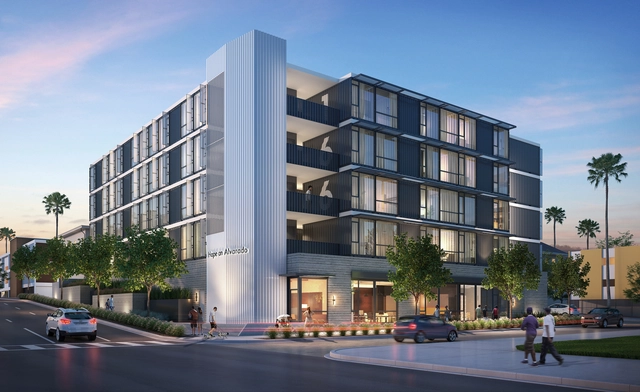
Hope on Alvarado, designed by KTGY Architecture + Planning, is the first modular housing project in the series of Hope On developments, aiming to find sheltering solutions for the chronically homeless, in Los Angeles.


Hope on Alvarado, designed by KTGY Architecture + Planning, is the first modular housing project in the series of Hope On developments, aiming to find sheltering solutions for the chronically homeless, in Los Angeles.
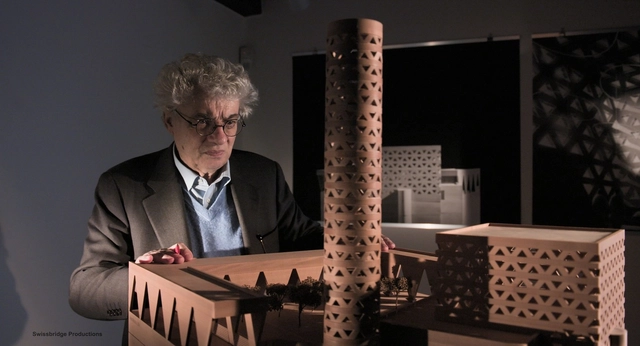
"Mario Botta: The Space Beyond" is a 78’ architectural documentary on the life journey and works of internationally-acclaimed Swiss architect Mario Botta. The film, which provides a glimpse of the person behind the architect, is co-directed by Loretta Dalpozzo and Michèle Volontè, and produced by Swissbridge Productions.
On the 16th, 17th and 19th of October, the documentary will be screened in New York during the Architecture and Design Film Festival, in the presence of the architect himself and the directors. The film will also be screened during the upcoming Rotterdam Film Festival, Beirut Art Festival, Artecinema film festival (Naples Italy), Milan Deign Film festival, and ADFF in Toronto and Vancouver.
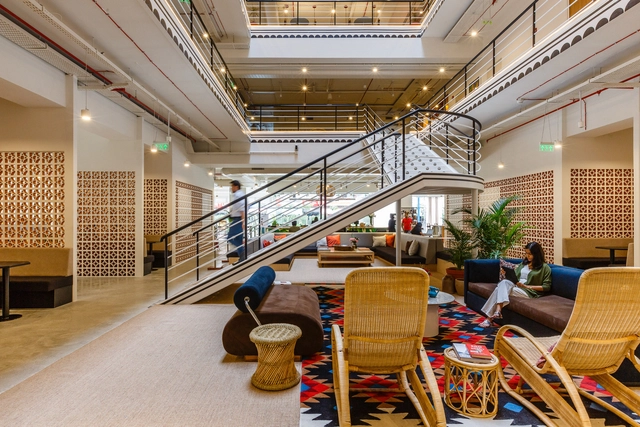



WeWork recently opened its first headquarters in India in the southern city of Bengaluru. The downtown space, called Prestige Central, boasts 8 floors and was in charge of WeWork Chief Creative Officer, Adam Kimmel, Creative Director Francois Gramoli (based in India) and Head of Design Strategy Hayley Slavitt.

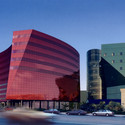
A diversity of approaches and locales is the calling card of Argentina-born, America-based architect César Pelli (October 12, 1926-July 19,2019). The common thread of Pelli’s work is a strong sensitivity to place and environment. Beginning his solo career with the Pacific Design Center (1975) in Los Angeles and shifting through the World Financial Center (1988) (now Brookfield Place) in New York, to the Petronas Towers (1996) in Kuala Lumpur, Malaysia, and the now-under-construction, Transbay Transit Center and Salesforce Tower in San Francisco, each project is a unique response to context.
"When I am asked what I believe in, I say that I believe in architecture. Architecture is the mother of the arts. I like to believe that architecture connects the present with the past and the tangible with the intangible."
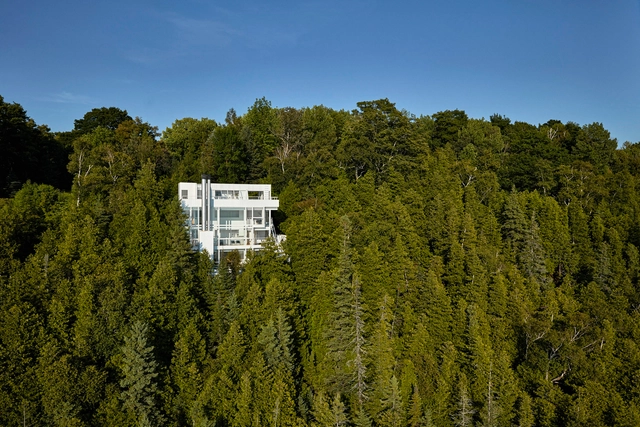
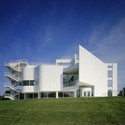
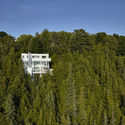
Richard Meier, the Pritzker Prize and AIA Gold Medal-winning architect, is well known for his abstracted, often white, buildings and unrelenting personal design philosophy. Citing Bernini and Borromini as influences as well as Le Corbusier and Louis Kahn, Meier received his Bachelor in Architecture from Cornell University in 1957 and took jobs with Skidmore Owings & Merrill and Marcel Breuer soon after his graduation. He began his own private practice in New York in 1963 and rocketed to architectural fame in the early 1970s, after being named as one of the "New York Five."
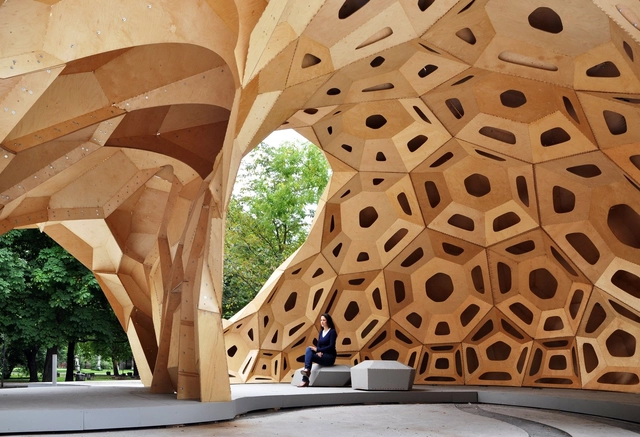
As construction evolves, new advancements are shaping how we design. These movements are the product of shared ideas and the convergence of building technologies that open up new possibilities for architecture. From the atomic scale of materials to preassembled homes and faraway planets, the changes in BuildTech are felt across industries. As a result, disciplines are learning from one another to reimagine how we build.
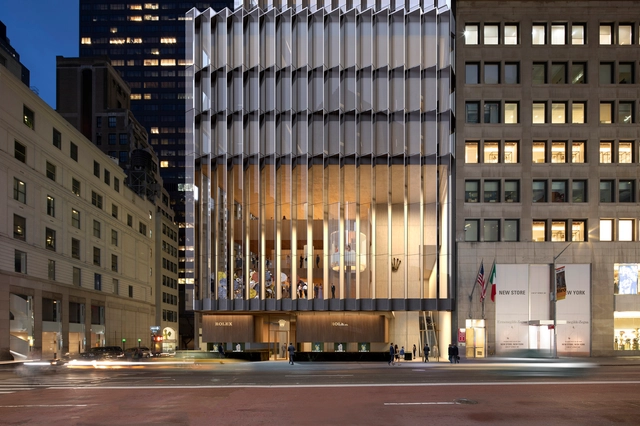
The international competition for the Rolex USA headquarters in New York selected the English firm, David Chipperfield Architects as the winning practice to design the anticipated tower. The new construction will replace the existing building, home to the Rolex company since the ’70s.
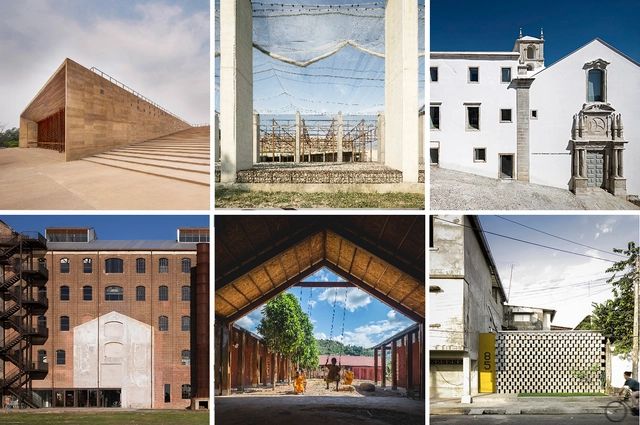
In Asunción (Paraguay), the XI Ibero-American Architecture and Urbanism Biennial (XI BIAU) have presented the winners of the Panorama de Obras section (Projects Panorama) of this contest edition, "all faithful to the spirit of the XI BIAU: living, the inhabitant," according to the organization.
Among 997 proposed works throughout Latin America, 17 architectural works —predominantly public projects— built in Argentina, Brazil, Chile, Ecuador, Spain, Mexico, Paraguay, Peru, Portugal, Uruguay and Venezuela are the winners of the XI BIAU.

Berenblum Busch Architects are the designers behind the major extension of Carnival Cruise Line’s Terminal F at PortMiami. The project, set for completion by October 2022 will be Carnival’s largest cruise terminal in North America.
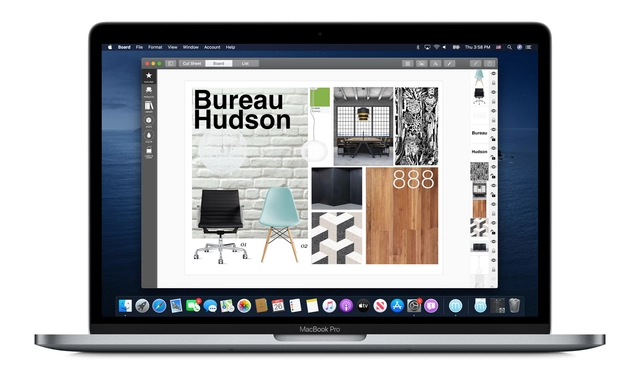
Morpholio has announced that it’s bringing the Morpholio Board app to Mac with Apple’s Mac Catalyst. The move aims to address how more people are using mobile software for professional use and meet the need to go between their desktop and phone. The app is available now on the Mac App Store on Macs running macOS Catalina, and it will also feature Dark Mode.
.jpg?1570484550&format=webp&width=640&height=580)
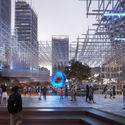
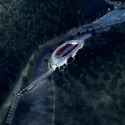
The six shortlisted concepts for the National Pulse Memorial & Museum will be on display at the Orange County Regional History Center where people can view and comment on the schemes, helping the jury choose the winning proposal, to be announced on October 30.
_8846.jpg?1570478720&format=webp&width=640&height=580)
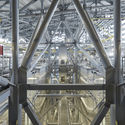
The third edition of the Chicago Architecture Biennial (CAB) has opened in Chicago with a range of new exhibitions and installations across the city. Organized under the theme ...And other such stories, the biennial showcases the work of over 80 contributors, including MASS Design Group, Forensic Architecture, Theaster Gates, and more. Taking a look at the main venue, we’re diving into some of the exhibitions and emerging stories.
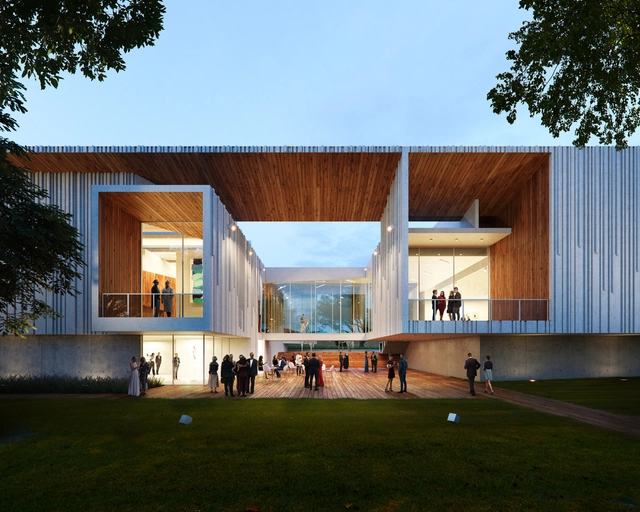
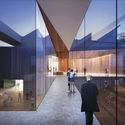
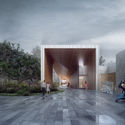
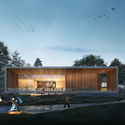
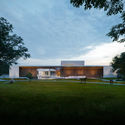
Brooks + Scarpa and KMF Architects have designed a new expansion to the Mennello Museum of American Art in Orlando, Florida. The 40,000 square-foot project will integrate with the existing museum building to increase the number and quality of programs, opportunities, and amenities for the institution's growing audiences. The team aims to create a welcoming and inclusive space for exhibitions as a new cultural destination on Lake Formosa.
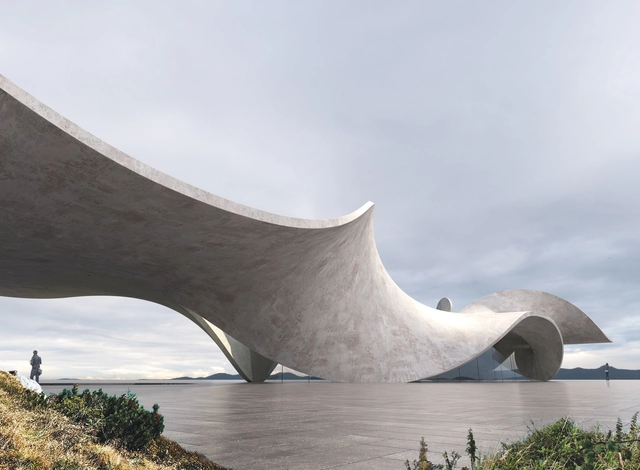
Experimenting with a very rigid material, Antony Gibbon imagines a residential project where the outer concrete shell twists and turns, in order to create livable spaces. With a very basic function, the proposal is an invitation to push technical boundaries and unleash the imagination.
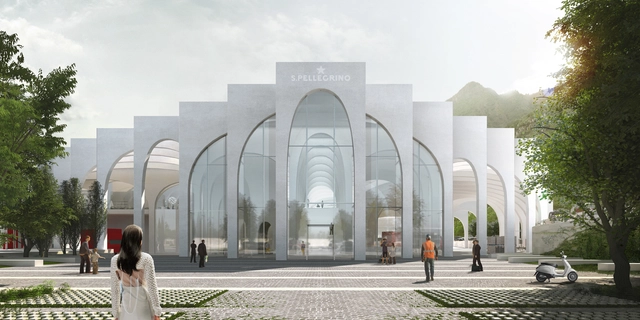
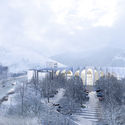
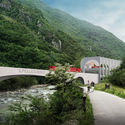
Works started on Sanpellegrino’s “Factory of the Future”, designed by BIG-Bjarke Ingels Group on the brand’s 120th year anniversary. Scheduled to open in 2022, the new production plant will showcase high levels of innovation, technological advancements, and social sustainability.
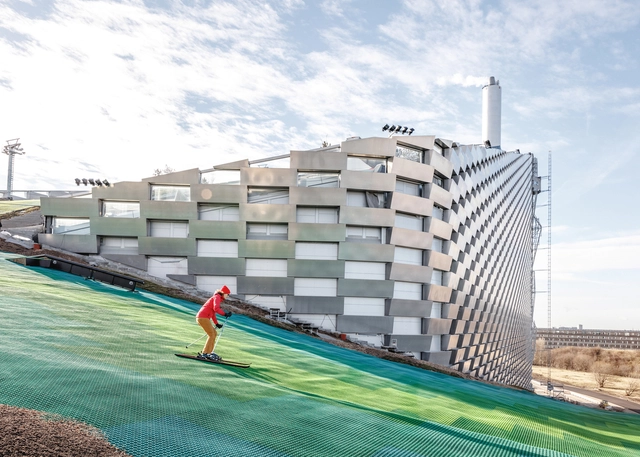
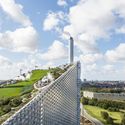
Nearly a decade in the making, the landmark CopenHill waste-to-energy plant first imagined by Bjarke Ingels Group has finally opened in Copenhagen. ArchDaily initially covered BIG's project in January 2011, and the waste-to-energy plant would later include hedonistic ideas of the world’s first steam ring generator and crowdfunding through Kickstarter. Today, the project has fulfilled many of its promises, and CopenHill stands as a modern architectural zeitgeist reflecting BIG's own evolution.
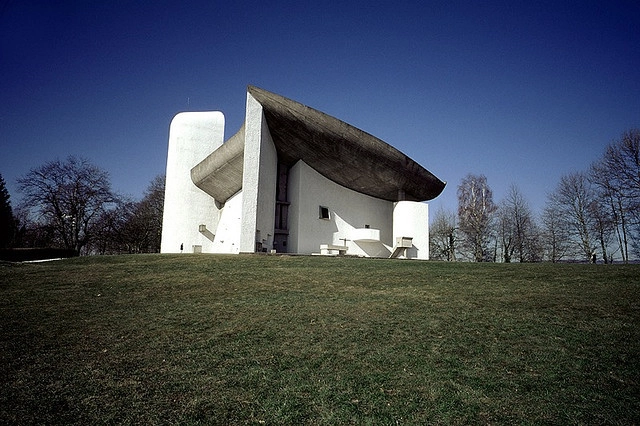
Born in the small Swiss city of La Chaux-de-Fonds, Charles-Édouard Jeanneret-Gris—better known by his pseudonym Le Corbusier (October 6, 1887 – August 27, 1965)—is widely regarded as the most important architect of the 20th century. As a gifted architect, provocative writer, divisive urban planner, talented painter, and unparalleled polemicist, Le Corbusier was able to influence some of the world’s most powerful figures, leaving an indelible mark on architecture that can be seen in almost any city worldwide.
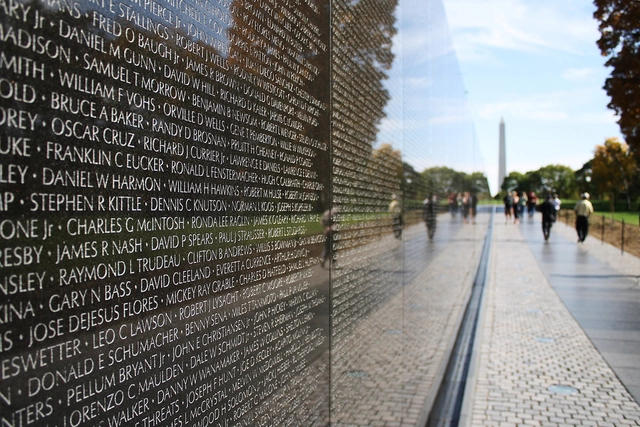
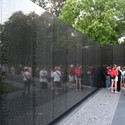
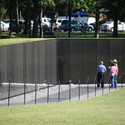
At the age of just 21 and while she was still finishing her undergraduate degree at Yale, Maya Lin (born October 5, 1959) won the design competition for the Vietnam Veterans Memorial in Washington DC. The memorial went on to become among the most recognizable designs in the world, and heralded a sea change for memorial design, breaking with classical conventions and dramatically changing the discourse of a typology.
A new application takes visitors into the virtual world of the Palace of Versailles. A first in the cultural scene, the VR application offers a detailed tour of the Royal Grand Apartments, the Chapel and the Opera amongst others. With photogrammetry, a 3-dimensional universe is reconstructed from 2D images of the 24 emblematic rooms of the palace.
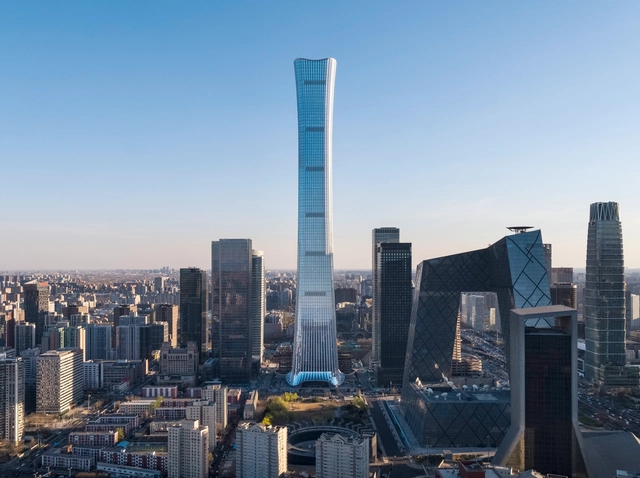
The 528 meters CITIC Tower, was inaugurated, standing tall as Beijing’s highest building to date. Designed by Kohn Pedersen Fox Associates (KPF), the supertall innovative architecture remains culturally appropriate, drawing inspiration from the “zun”, a ritual vessel originating in Bronze Age China.
.jpg?1570127165&format=webp&width=640&height=580)
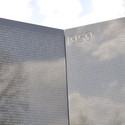
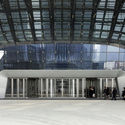
Photographer Paul Clemence has captured a series of new photographs featuring Herzog & de Meuron's new Conrad Hotel. Sited in Washington D.C., the project worked with a range of height and volume restrictions to create a monolithic volume with subtle detailing. Showcasing the hotel's mirrored facade and interiors by Rottet Studio, the photographs from Paul and ARCHI-PHOTO capture both the project’s exterior and its signature interior atrium.
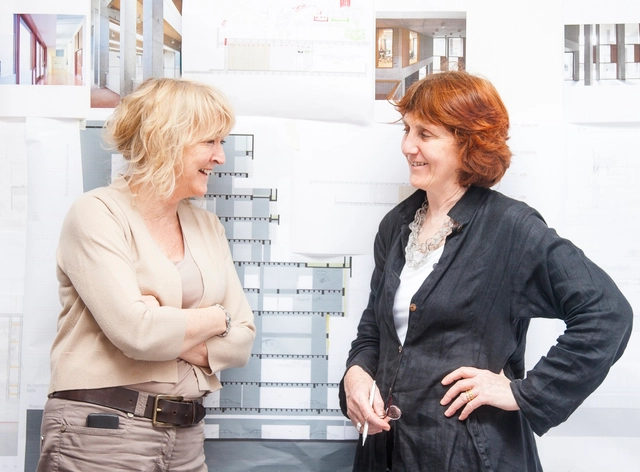
Dublin-based Grafton Architects have been announced as the winners of the RIBA 2020 Royal Gold Medal, the UK’s highest honor for architecture. Recognizing the practice’s significant global contribution to architecture, the award is approved personally by Her Majesty The Queen. RIBA acknowledged that the people-centered practice has achieved global recognition and is known especially for its exemplary education buildings.

Skidmore, Owings & Merrill’s first venture in Milan is an adaptive reuse of an early 60’s building, originally designed by architects Gio Ponti, Piero Portaluppi and Antonio Fornaroli. The firm imagined a scheme that renovates the former Allianz Milanese headquarters while transforming the Corso Italia Complex into a modern office space.
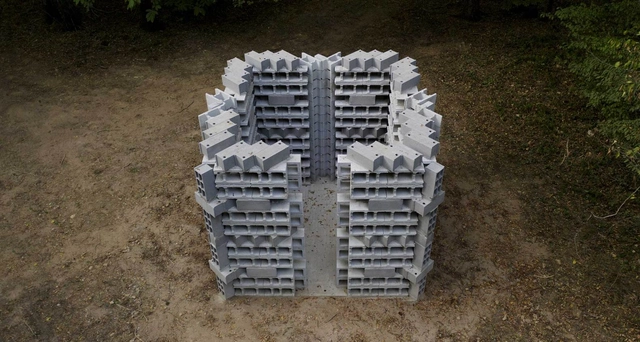
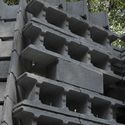
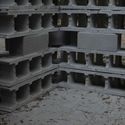
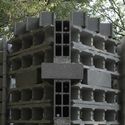
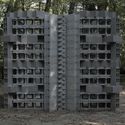
Building / Prototype II is an experimental architectural pavilion designed by architect Marc Leschelier for the Feÿ Arts Festival in Burgundy, France. Created in the middle of the forest, in the park of the Château du Feÿ, the permanent installation is the first of an acquired collection to be always displayed on site.




_8738.jpg?1570478570 "© Laurian Ghinitoiu")
_8902.jpg?1570478754 "© Laurian Ghinitoiu")
_8425.jpg?1570478520 "© Laurian Ghinitoiu")
_8751.jpg?1570478581 "© Laurian Ghinitoiu")
_8846.jpg?1570478720)







_HG_Esch_(4).jpg?1570092438 "© KPF")
_HG_Esch_(6).jpg?1570092512 "© KPF")


.jpg?1570127040 "© Paul Clemence from ARCHI-PHOTO")
.jpg?1570127009 "© Paul Clemence from ARCHI-PHOTO")
.jpg?1570127020 "© Paul Clemence from ARCHI-PHOTO")
.jpg?1570127061 "© Paul Clemence from ARCHI-PHOTO")
.jpg?1570127165)