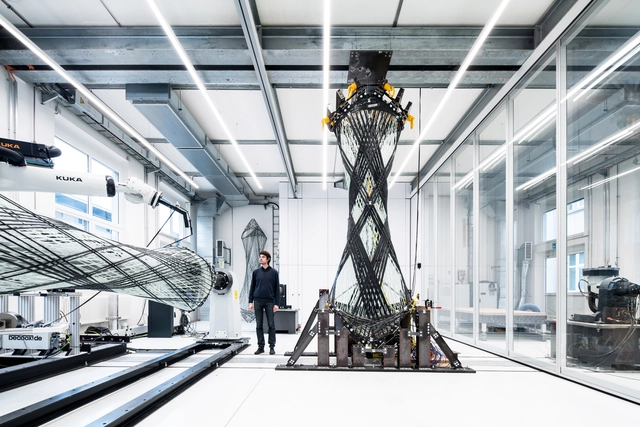
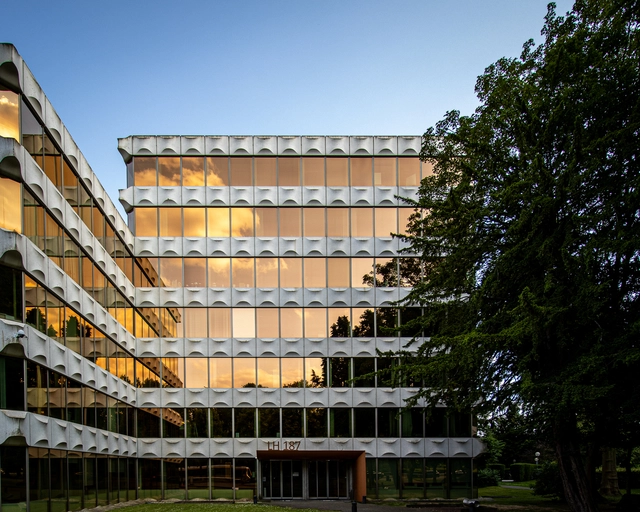
For centuries, models have been central to architectural design, providing architects with a tangible way to explore ideas, test concepts, and communicate their vision. From the Renaissance to Modernism, models have been instrumental in the construction and reflection processes, offering insights into form, proportion, and spatial relationships. However, in today's digital age, where 3D modelsand Virtual Reality(VR) have become powerful and efficient tools, the question arises: Are physical models still relevant in contemporary architecture?
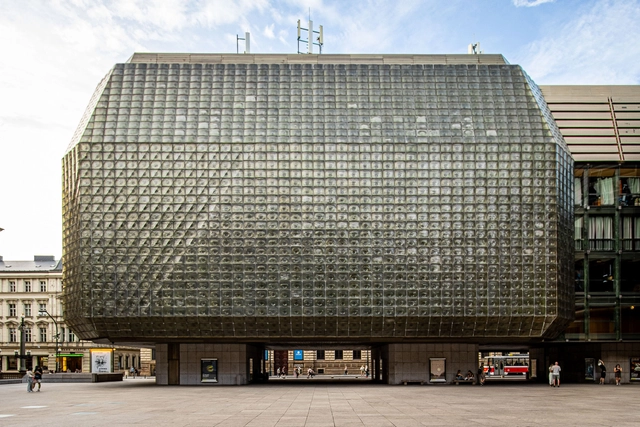
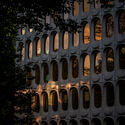
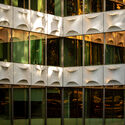
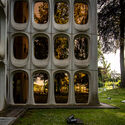
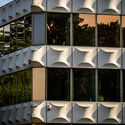
From 1977 to 1983, the National Theatre in Prague underwent a major transformation with the opening of Nová Scéna, a modern counterpart to the traditional Neo-Renaissance theatre. For many years, Nová Scéna hosted the renowned Laterna Magika, the world’s first multimedia theatre. This groundbreaking performance style combined classical theatre with computer-generated visual effects, creating a unique dramatic experience. The striking glass building, a symbol of the communist era, became an iconic representation of the political power of the time. In recognition of its significance, this building was part of the Open House Prague festival in 2024—an annual event that invites the public to explore and appreciate the value of architecture.
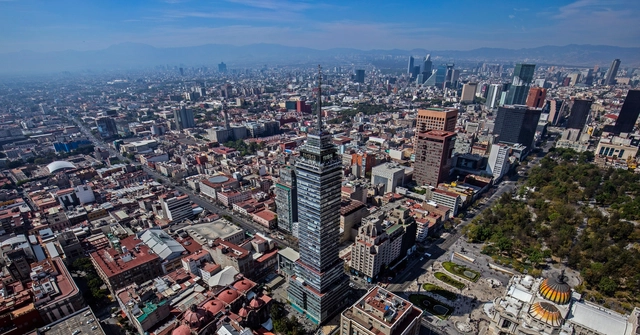
Thousands of years ago, a chain of volcanoes and hills formed a valley that became home to five lakes. According to indigenous mythology, this area served as a key reference point for the founding of the ancient Tenochtitlan, marked by the signal of an eagle perched on a cactus, devouring a snake. At the height of its splendor, the city was organized within an intricate system of causeways, many of which still serve as main thoroughfares, along with canals connecting the five water bodies. Over time, events such as colonization, independence, revolution, and modernization transformed its structure and name, leading to what is known today as Mexico City.
https://www.archdaily.com/1022469/mexico-city-a-bustling-evolving-metropolis-built-above-five-lakesEnrique Tovar
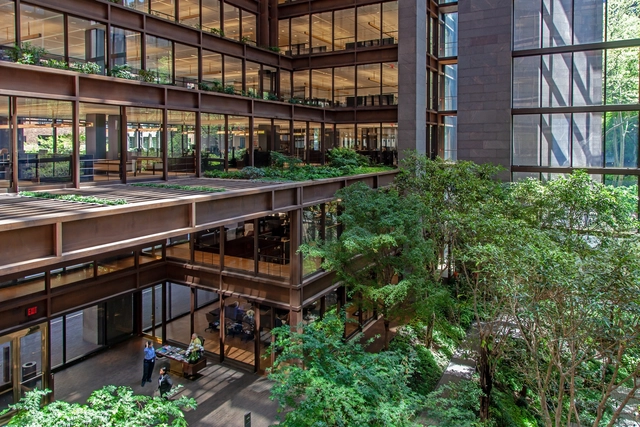
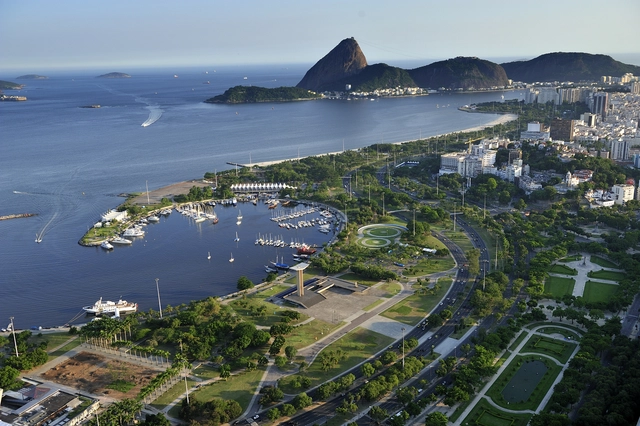
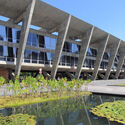
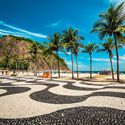
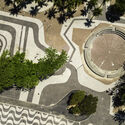
Modernistlandscape architecture marked a radical shift from traditional garden designs, emphasizing simplicity, functionality, and a stronger connection between people and their environments. From the 1930s through the 1960s, this movement saw the emergence of visionary landscape architects who integrated form and function in ways that redefined outdoor spaces. Their designs responded to the rapidly evolving urban landscapes of the time, prioritizing usability and creating environments that could accommodate modern life. The enduring influence of these principles continues to shape contemporary practices, while also presenting unique challenges in preservation as these landscapes age.
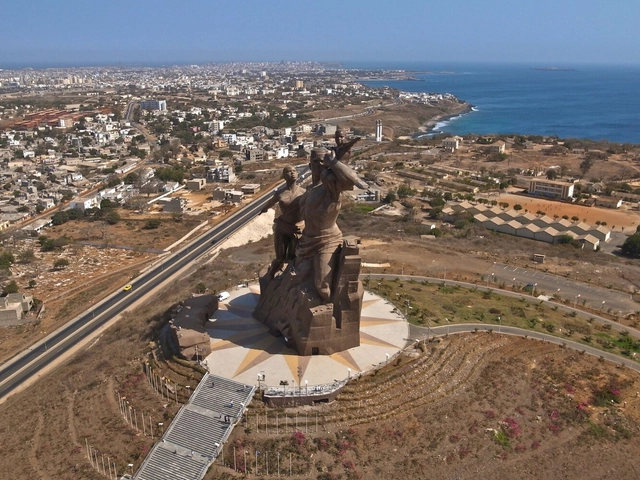
Dakar is a city of constant development. From colonial times, and on, the capital of Senegal has seen a lot of shifts in its societal definition which has, in turn, affected its architectural and urban fabric. Ever since the French mandate which somewhat forced a shift of local living traditions into a more 'European' lifestyle, the wheels of change have been set in motion. Afterward, a notable post-colonial attempt at re-defining Dakar was inevitable. It came about in many ways, still seen today, and it built a city of mixed architectural languages that defies most visitors' expectations.
Though the renowned African mid-century modernism was certainly present in the years after Senegal's independence in 1960, this was mostly due to its popularity with practicing architects in the region, not its relevance for the capital's rebuilding efforts. The modernist approach, which was mainly seen in the public, institutional, and cultural buildings, and which persists today in a more undefined contemporary style, was always aimed at showcasing Dakar to the world. It did not, however, reflect the reality of the city's development nor the way its dwellers live.
In an effort to refocus on Dakar, some of our more recent ArchDaily coverage has highlighted the many development and design efforts that look to provide a better means of living to inhabitants.
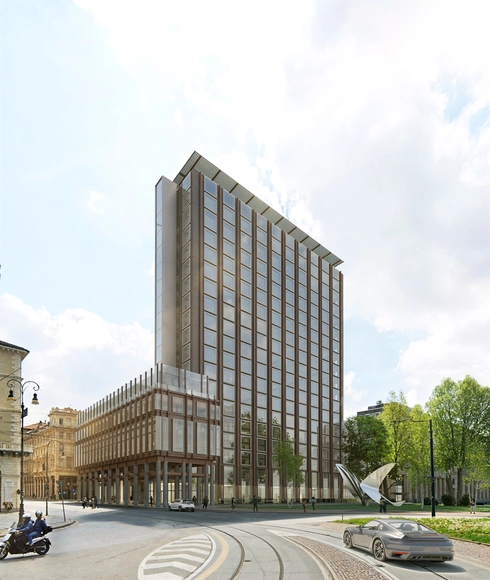
CRA-Carlo Ratti Associati, in partnership with real estate group IPI, has revealed plans to transform the iconic modernist Palazzo Micca in Turin, Italy. Originally the headquarters of RAI, Italy's national broadcaster, the 19-story building will undergo a comprehensive adaptive reuse project. A significant feature of the redesign is the creation of an elevated public plaza at 26.5 meters, offering views of Turin's Baroque rooftops, the surrounding hills, and the Alps. The project also integrates sustainable design principles by converting parts of the office spaces into residential units and reusing existing materials.
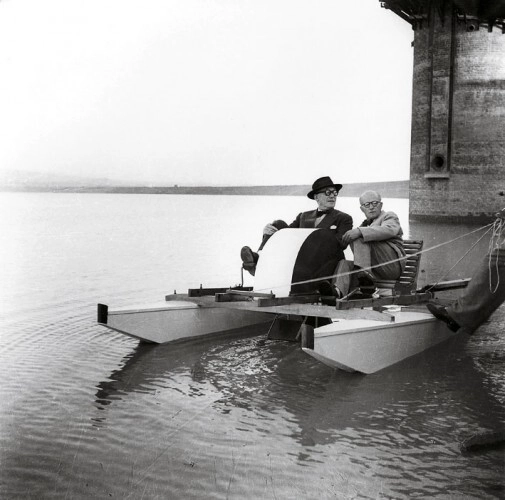
The relationship between architecture and naval design has been a fascinating interplay of form and function that has evolved significantly. Both disciplines have a shared history of innovation, aesthetics, and functionality that have informed and inspired each other. This "love affair" has seen architects drawing inspiration from boats, particularly in the modernist era when ships' streamlined, efficient designs influenced the aesthetic of buildings. Conversely, architectural principles have also been adapted to enhance the functionality and form of boats, demonstrating a reciprocal exchange that continues to shape both disciplines.
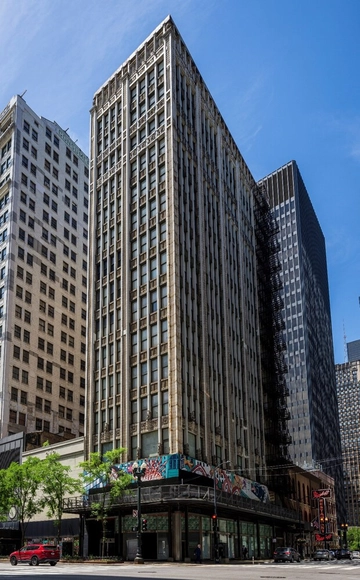
In a significant win for historic preservation, two landmark Chicagoskyscrapers, the Century and Consumers Buildings, have been saved from demolition. These iconic structures, located on State Street, were initially set for destruction due to security concerns, given their proximity to the Dirksen U.S. Courthouse. However, after extensive advocacy and public pressure, the U.S. General Services Administration (GSA) has shifted toward an adaptive reuse plan, ensuring the preservation of these architectural landmarks.
From the 1930s to the 1990s, Burle Marx's work anticipated many of today's concerns about sustainability and urban well-being. Long before terms like "sustainable design" or "green infrastructure" became commonplace, Burle Marx was already advocating for the use of native plants, recognizing their role in creating self-sustaining ecosystems that required minimal intervention. His projects often transformed neglected urban areas into vibrant, ecologically balanced spaces that not only improved the environment but also enhanced the quality of life for city dwellers.
"O beautiful, for spacious skies, for amber waves of grain, has there ever been another place on earth where so many people of wealth and power have paid for and put up with so much architecture they detested as within thy blessed borders today?"
Tom Wolfe wrote this in his 1981 book From Bauhaus to Our House. The conflict between modern and traditionaldesign has barely abated since, as is evident in this recent article. In the U.S., modern buildings are often met with community aversion, for familiar reasons: their perceived coldness and lack of contextual sensitivity, the impact on local character, and the loss of historical continuity. But on another level, the critique against modern design finds even more purchase on the larger scale: the city. Modern U.S. cities reek of traffic congestion and pollution, social inequality and gentrification, a loss of community and cultural spaces, and a lack of usable open space.
https://www.archdaily.com/1020898/contemporary-architecture-and-the-modern-cityGerhard W. Mayer
In Beirut, a city marked by transformation, the Interdesign Building echoes the vision of an architect steadfast in his conviction. Designed by Lebanese architect Khalil Khouri in 1973 during a period of economic growth, the building took 23 years to build, a process halted by the onset of the Lebanese Civil War. By the time it was completed in 1996, the urban landscape that surrounded it had changed. The structure has stood largely unused since, as a relic of hopeful modernity. While its design is singular in its narrative and expression, this structure illustrates the tension between aspiration and struggle throughout its complex history.
In Beirut, the Interdesign Building stands as a striking yet enigmatic structure. Never used since its conception in 1973, the building was designed by Lebanese architect Khalil Khouri and, in some ways, it represents a physical testament to the region’s hopes and struggles. During the inaugural edition of We Design Beirut, the exhibition “All Things Must(n't) Pass: A Subjective Recount Of Khalil Khouri’s Life And Career As A Designer” opened the building to the public, aiming to tell the story of its architect, Khalil Khouri, through the lens of his son and grandson, Bernard and Teymour Khoury. On this occasion, ArchDaily’s Editor in Chief, Christele Harrouk sat down with Bernard Khoury at his DW5 office to discuss the life of his father and a little-known chapter of Lebanese architectural history.
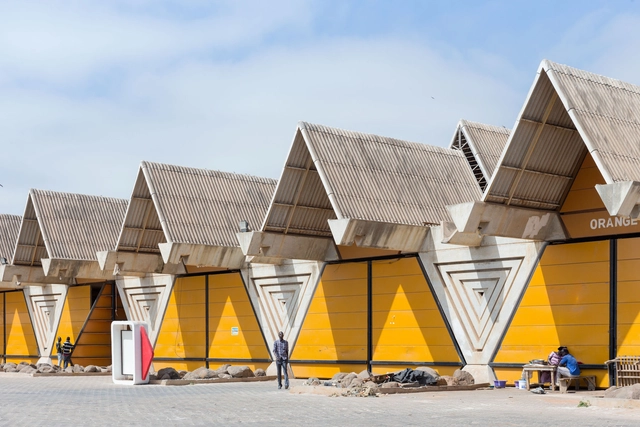
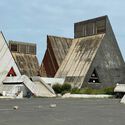
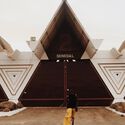
Located north of Dakar, near the city's airport, is an architectural composition of triangular volumes known as the International Trade Fair Centre, Dakar, Senegal. Also known as the Foire Internationale de Dakar or FIDAK, this structure is an iconic example of 60s modernism in West Africa. It synthesizes the complexity of simple forms within vernacular spatial patterns. Completed in 1974, it reflects the post-colonial ambition of the country and has grown as an adaptive spatial framework for major cultural events and exhibitions.
Cities, like people, are dynamic and constantly evolving to keep pace with and adapt to the social, economic, and environmental changes of their time. Similarly, the vision of how the ideal city should be planned has been influenced by each era’s realities and prevailing thoughts.
Industrialization, the increasing migration of people from rural to urban areas, population growth, the development of new materials and construction technologies, the dominance of automobiles as a means of transportation, and, more recently, the search for alternative ways of occupying and moving through cities have all impacted urban planning theories throughout history. These influences have shaped the structure of modern cities—with their successes and challenges.
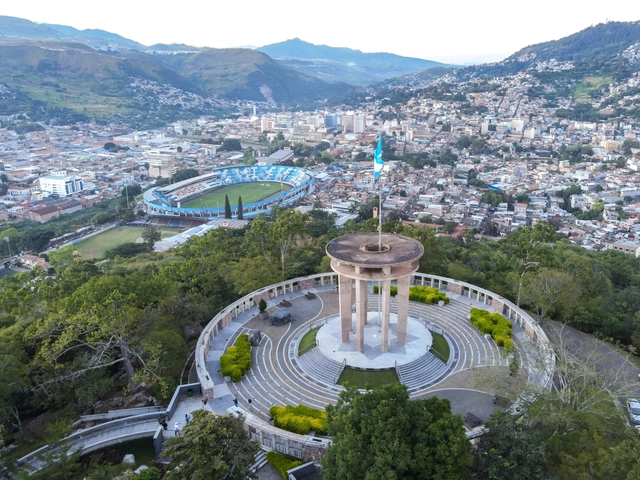
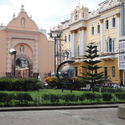
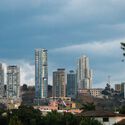
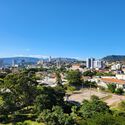
In the first decades of the XXI century, Honduras experienced higher levels of crime and violence compared to its other Central American neighbors. This situation caused the country to be largely avoided by most visitors and investors. However, it didn’t stop Tegucigalpa, its capital city, from experiencing an explosion of residential and office developments which are currently reshaping its skyline. Defined by a unique topography, and tropical weather, the city served as a testing ground for modernist urban principles that contributed to the transformation of a small mining town into one of the largest metropolises in Central America.
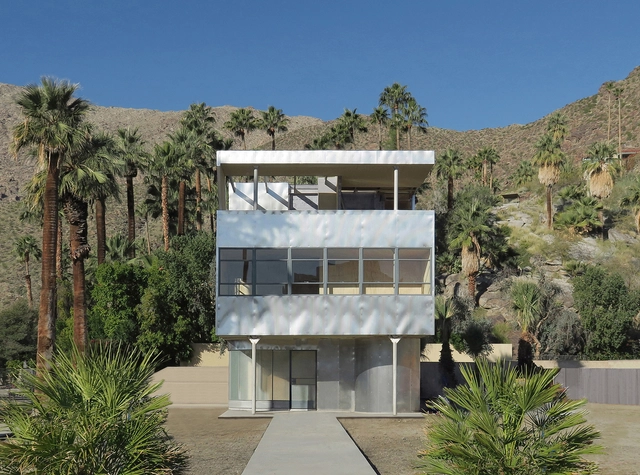
In his latest photographic journey, Paul Clemence explores the architecture of the Aluminaire House in Palm Springs. The Aluminaire House Foundation has bestowed the house exhibit upon the Palm Springs Art Museum, joining its permanent collection. This architectural landmark, designed by Albert Frey and Lawrence Kocher is currently undergoing reconstruction in the south parking lot of the Museum. Hailed as an icon of modernist design, recently recognized by the Architectural Record as one of the most significant buildings completed worldwide in the past 125 years.