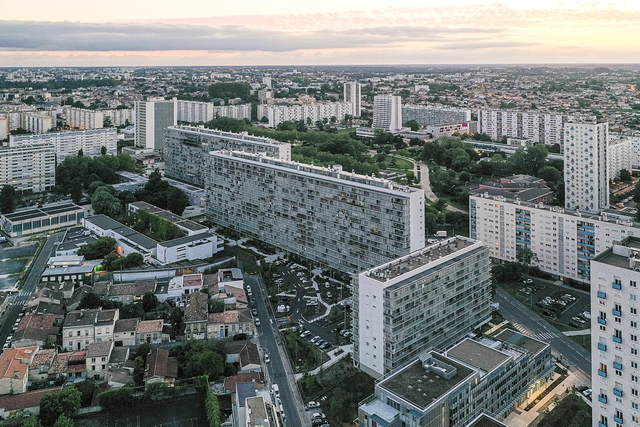
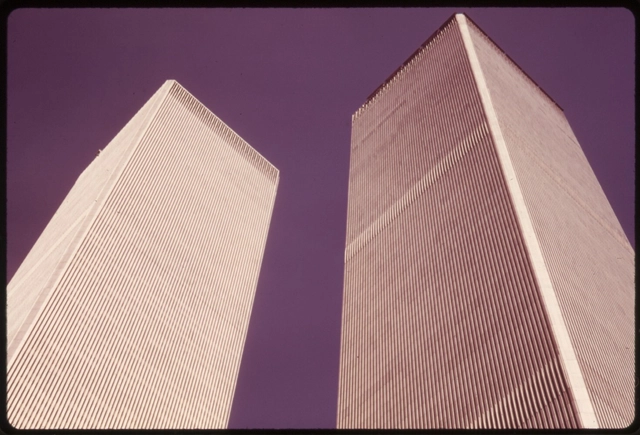
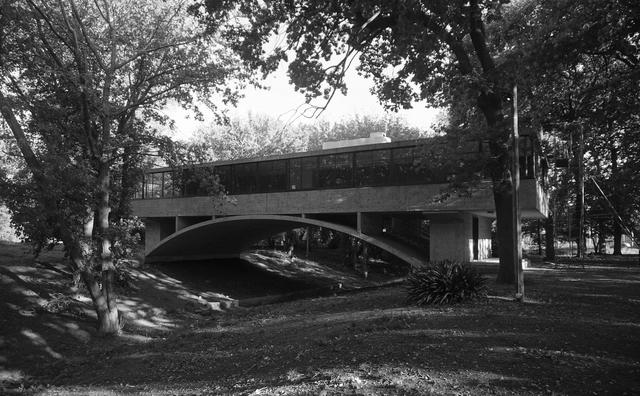
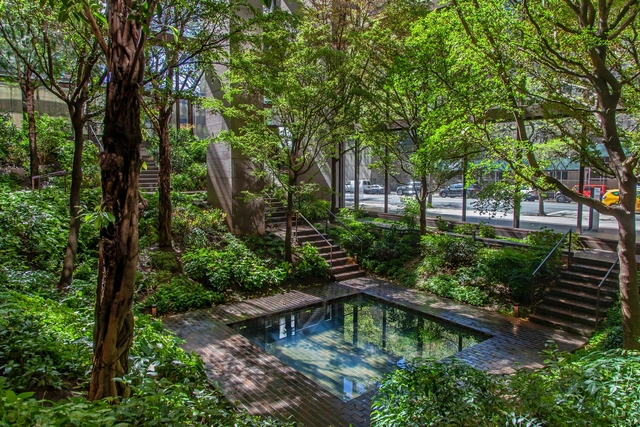
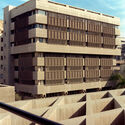
His work – more than 250 buildings in the span of 30 years – was lauded by critics and colleagues, cited for international design awards, and landed the architect on the cover of Time. But today, even practitioners and aficionados might be challenged to name one of Minoru Yamasaki's buildings beyond his two most infamous creations that no longer exist: the Pruitt-Igoe housing project in St. Louis and New York’s World Trade Center towers. Paul Kidder explores this complex architect and his work in a new book, Minoru Yamasaki and the Fragility of Architecture (Routledge).
Kidder, a professor of philosophy at Seattle University, provides a fresh, sobering assessment not only of Yamasaki's architecture but the man himself: his challenges, triumphs, and contradictions, as well as the fragility of architectural achievement. The loss of this architect’s most famous buildings suggests the growing scope of architecture’s fragility, especially today, when real-estate investment often augers against preservation of even late-modern works. Yet, paradoxically, Yamasaki believed that fragility could be a desirable architectural quality—the source of its refinement, beauty, and humanity.
Christopher Alexander (1936–2022) and Joseph Rykwert (b. 1926) were two giants of 20th century architectural theory who began their work in England and eventually created lasting legacies at two great American architectural schools: the University of California at Berkeley (Alexander) and the University of Pennsylvania in Philadelphia (Rykwert). Their careers not only coincided with a critical period of social and cultural research among designers and urbanists, but in many ways continue to inspire the current generation of committed critics of late capitalist development on our imperiled planet. Yet to many they are too little known.
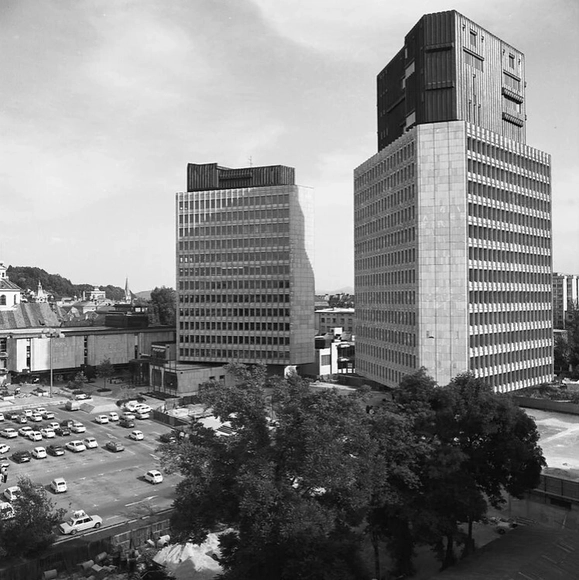
Republic Square in Ljubljana holds immense historical and symbolic significance for Slovenia. It is located in the historic center of the city and features a blend of buildings with different designs, scales, and dimensions, together with interconnected open spaces, passages, and underpasses. These elements form a multifunctional complex whose construction lasted more than 20 years and underwent several volumetric and programmatic reconfigurations. Visible from a distance and standing out above the Ursuline Church’s bell tower, two prominent office towers rise as part of this work designed by Edvard Ravnikar, the most prominent Slovenian architect of the second half of the 20th century.
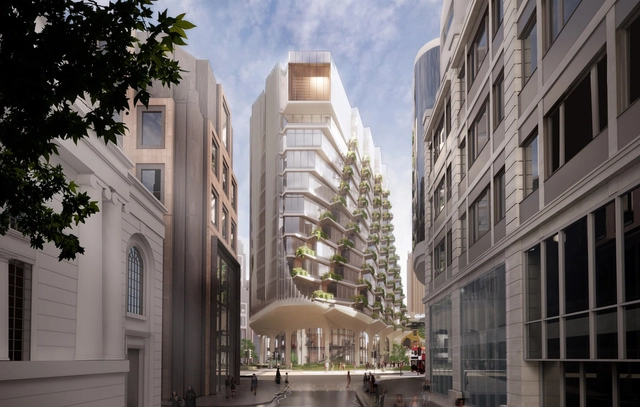
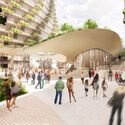
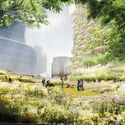
Redevelopment by Diller Scofidio + Renfro. Image Courtesy of City of London
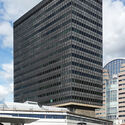
The controversial London Wall West redevelopment project, which involves the demolition of the former Museum of London and Bastion House, is set to proceed. The redevelopment, designed by architecture firms Diller Scofidio + Renfro and Sheppard Robson, will replace the landmark 1970s buildings with a modern office complex. The City of London has confirmed that the Secretary of State for Leveling Up, Housing, and Communities, Michael Gove, has decided not to call in the plans to reevaluate the former museum, allowing the project to move forward.
Throughout various historical civilizations and art movements, from Classical Greece and Rome to the Renaissance and the Bauhaus, the collaboration between art and architecture has been a significant societal expression. However, the 20th-century ideals of modernism and mass production resulted in the decline and near disappearance of art within buildings.
In response, many European countries have taken on the responsibility of promoting the collaboration between art and architecture. Schemes were created mandating that a percentage of the total cost of a new public building, place, or space must be spent on art. This legislation, commonly known as 'Percentage for Art', originated in France and has been explored by artists and architects over the years to create new architectural experiences.
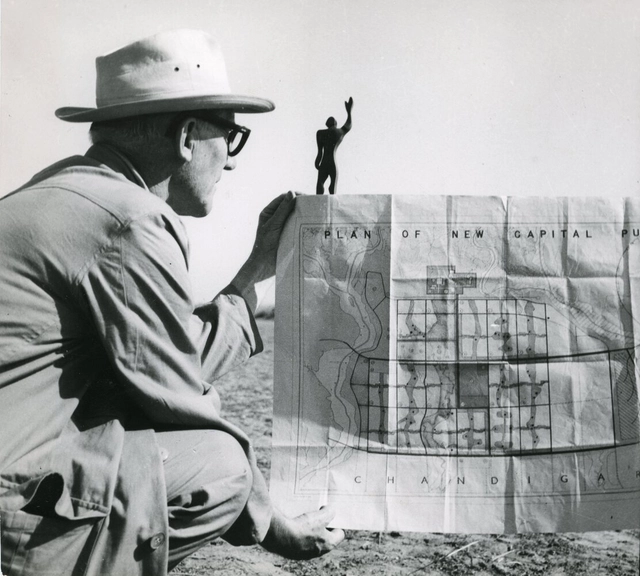
Courtesy of FDL, ADAGP 2014 | Le Corbusier in Chandigarh with the plan of the city and a model of the Modular Man, his universal system of proportion, 1951
The Victoria & Albert Museum is set to present an expansive exhibition focused on Tropical Modernism, an architectural movement that emerged in the late 1940s. British architects Jane Drew and Maxwell Fry were instrumental in developing this approach, combining modernism’s functional goals with local climate adaptations in warm and humid weather. This movement, which embodies Britain's unique contribution to international modernism, evolved against a backdrop of anti-colonial resistance, blending colonial architectural principles with local needs.
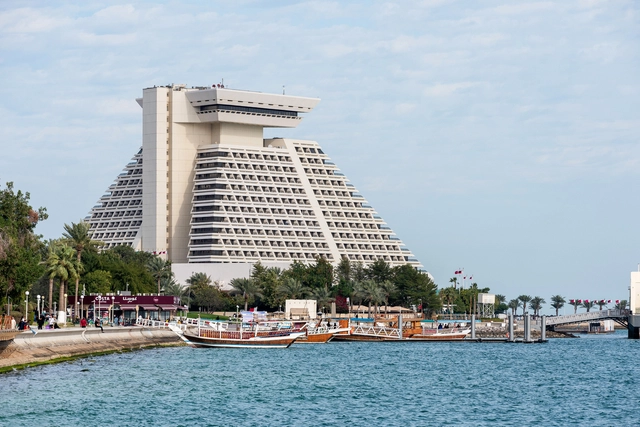
As part of the Design Doha 2024 Biennial, Glenn Adamson and Péter Tamás Nagy present the exhibition “Colors of the City: A Century of Architecture in Doha” investigating the architectural evolution of the capital of Qatar based on multiple global influences that characterize it. Running until March 30, 2024, the exhibition offers a journey through Doha's architectural history featuring various styles such as Classicism, Art Deco, and Modernism, contemplating the Qatari adaptations of these styles developed by architects from Europe, America, the Middle East, and South Asia.
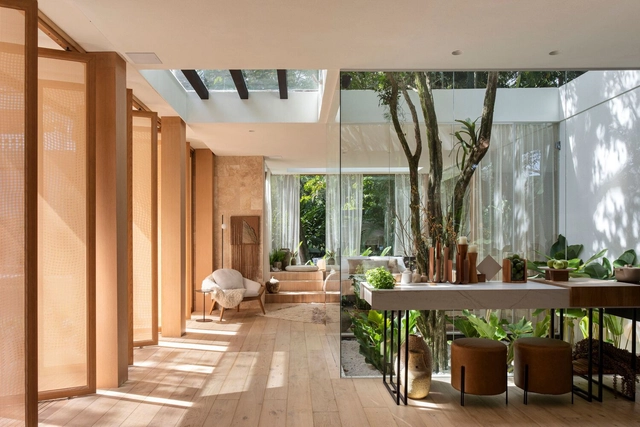
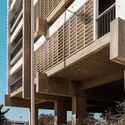
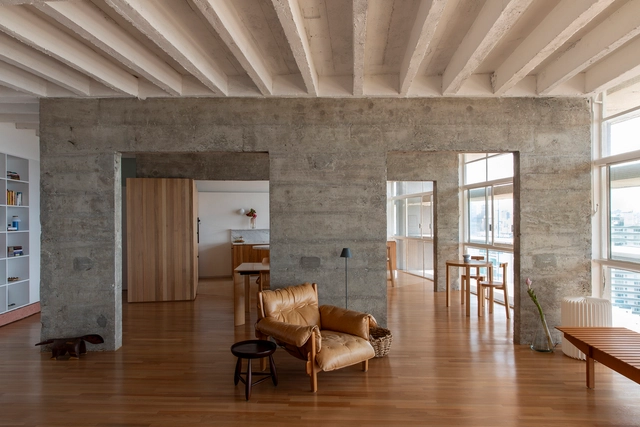
The early 20th century marked a pivotal era in Brazilian architecture with the advent of the modernist movement. Architects like Oscar Niemeyer or Lúcio Costa introduced avant-garde designs characterized by sleek lines, reinforced concrete, and a focus on functionality. What's more: residential projects of the era, in particular, blurred the lines between indoor and outdoor, flawlessly merging interior and exterior spaces to reflect a lifestyle that harmonizes with nature. Fast forward to the present day, and contemporary architects and designers in Brazil continue to embrace the challenge of creating indoor-outdoor homes that nod to the country's tropical climate. These residences often feature open floor plans, expansive glass walls, and strategic positioning of courtyards, gardens, or terraces with a design philosophy that emphasizes natural light, ventilation, and the incorporation of greenery for increased well-being. We take a detailed look at four recently completed residential projects in Brazil that fuse contemporary architecture, sustainable living, and a deep appreciation for their natural surroundings.
Even within the world of design media, it was easy to miss the news: In late January, Notre Dame’s School of Architecture announced that Peter Pennoyer, a New York–based architect and author, had won the 2024 Richard H. Driehaus Prize. The Driehaus is architecture’s traditional/classical design version of the Pritzker Prize. Although it comes with a hefty $200,000 check—twice the size of the Pritzker’s honorarium—and previous winners include such luminaries as Robert A.M. Stern, Michael Graves, Leon Kier, and Andrés Duany and Elizabeth Plater-Zyberk, the award still exists in a sort of media vacuum.
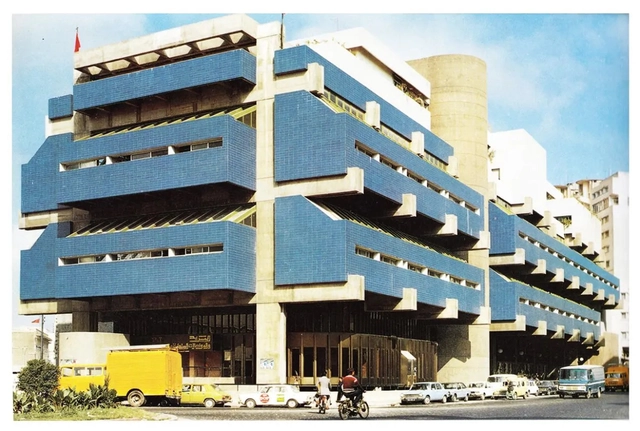
Several events have shaped Morocco since its independence. One of them is the Architects’ transition from serving the declining French empire to serving the newly independent Moroccan nation. Upon gaining independence in 1956, young Moroccan and foreign architects were tasked with constructing a self-sufficient Morocco. The demand for modern infrastructure, new administrative buildings, and improved education and health facilities led to a construction boom. This boom provided architects and planners the opportunity to express their vision.
Inspired by the popularity of modernism in Europe, architects experimented with buildings that embodied brutalism. This architectural style was not only a rebellion against the colonial vision of urban design in Morocco, but also a symbol of architectural unity in the urban landscape. Buildings were created in various typologies with the characteristic of exposed concrete, showcasing its inherent qualities of strength, durability, and functionality. These buildings, which can be seen in cities such as Agadir, Casablanca, Tangier, and parts of Marrakesh, represent a dialogue between brutalism and Moroccan culture, environment, and climate.
The landscape of downtown São Paulo would not be the same without the presence of Copan. The building inserts Niemeyer's curves into São Paulo's dense verticality, creating a distinctive rhythm that becomes a landmark for all who encounter it. Besides accommodating around five thousand residents, the building serves various purposes, offering different typologies for its residential programs, varying apartment sizes, and prioritizing diversity among its tenants. Differences also emerge when we examine how each person inhabits a standard floor plan; renovations proposing distinct finishes and new layouts reflect the character of each resident but also showcase the inventiveness of the architects intervening in this classic structure. Thus, we gather here projects realized within this icon to demonstrate how each home is unique, even when created in series.
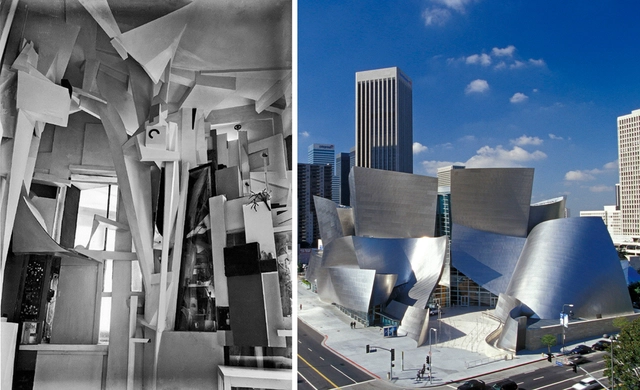
As far as history goes back, art and architecture have always been interrelated disciplines. From the elaboration of the Baroque movement to the geometric framework of modernism, architects found inspiration from stylistic approaches, techniques, and concepts of historic art movements, and translated them into large-scale habitable structures. In this article, we explore 5 of many art movements that paved the way for modern-day architecture, looking into how architects borrowed from their characteristics and approaches to design to create their very own architectural compositions.
As a landscape architect, Dan Kiley has significantly contributed to the world of design. The designer worked with influential architects such as Louis Kahn, I.M. Pei, and Eero Saarinen. Influenced by the timeless landscapes of André Le Nôtre, most of his designs are well-known for their manner of merging grids and allées, striking a balance between natural and organized beauty.
Opening January 18th, “The Landscape Architecture Legacy of Dan Kiley” exhibition is a traveling photographic exhibition honoring one of the most critical Modernist landscape architects. Curated by The Cultural Landscape Foundation, the display aims to explore and spread awareness of the architect’s profound impact. Showcased at The Exhibition Space @ ABC Stone in Brooklyn, the show offers a captivating journey through 27 carefully chosen designs by Dan Kiley.
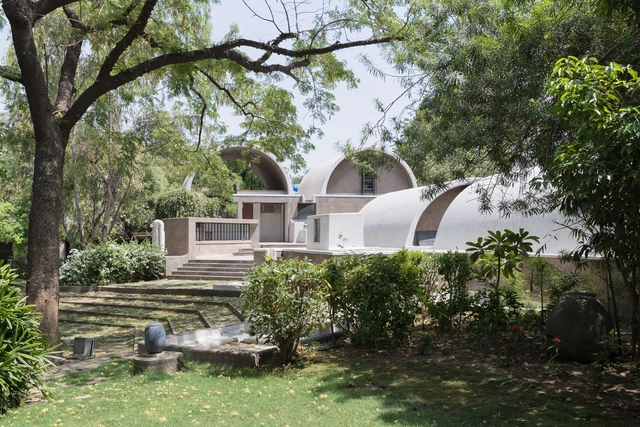
Exterior view of Doshi’s Sangath Architect’s Studio, Ahmedabad, Image by Iwan Baan. . Image Courtesy of Vitra Design Museum
As we step into the new year, we take a moment to reflect on the lasting impact of celebrated architects, designers, and curators who passed away in 2023. This past year witnessed the departure of influential figures who, through their talent and dedication, left an indelible mark on the built environment. Some embarked on their careers with bold gestures that reshaped architectural paradigms, while others worked quietly, placing a profound focus on the human experience or the invisible figures of out profession.
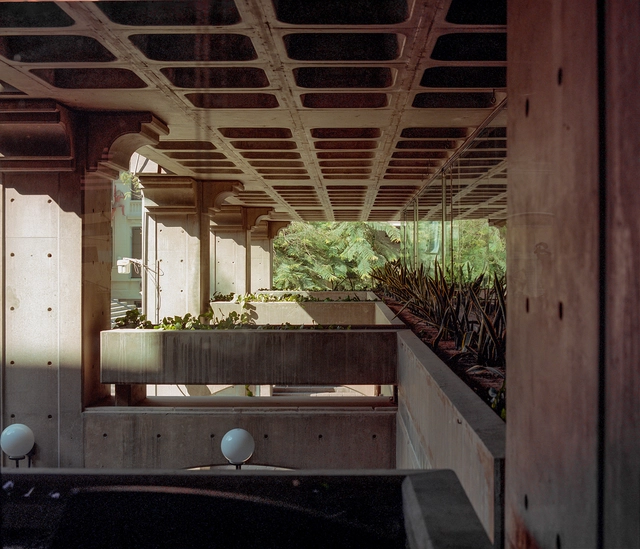
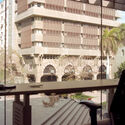
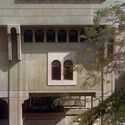
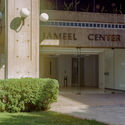
In Downtown Cairo, the Jameel Center pays homage to modernism and Mamluk architectural heritage. The Abdul Latif Jameel Center for Middle East Management Studies illustrates effective and adaptable architecture. The old business education building, a monument in Cairo's multi-layered architectural and academic heritage with staple elements such as concrete façades, has Mamluk-inspired arches, and wooden mashrabiyyas. Photographer Ebrahim Bahaa Eldin captures this unique architecture and its surrounding environment.