
Casablanca: The Latest Architecture and News
Villa Polo / Driss Kettani
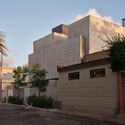
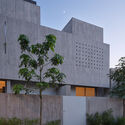
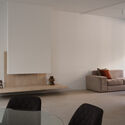
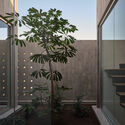
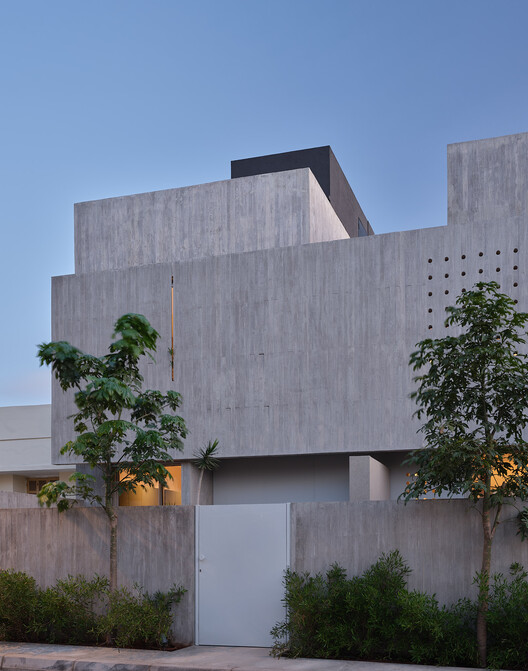
https://www.archdaily.com/1041384/villa-polo-driss-kettaniAndreas Luco
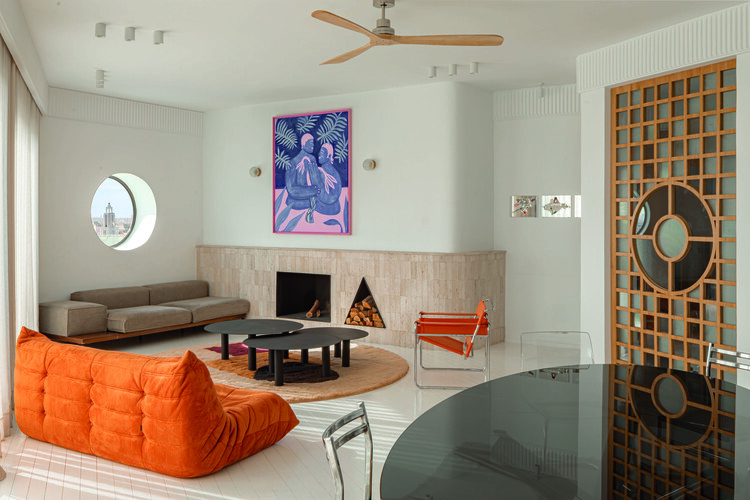
Penthouse Lyautey / Studio BO

https://www.archdaily.com/1037436/penthouse-lyautey-studio-boHadir Al Koshta
Moroccan Modern: The Architecture of Jean-François Zevaco

Modernism has a long history in Morocco. Being close to Europe and under French Protectorate rule, it kept pace with architectural developments in the movement. Its relative peace after the Second World War further strengthened its role as some European architects sought a hub for new ideas. Architects in independent Morocco adopted Modernism as they were tasked to build the infrastructure of a new nation. The architect Jean-François Zevaco, born in Morocco to French parents, practiced across these formative periods, developing his own expressive version of modern architecture.
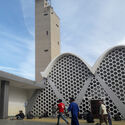
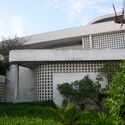
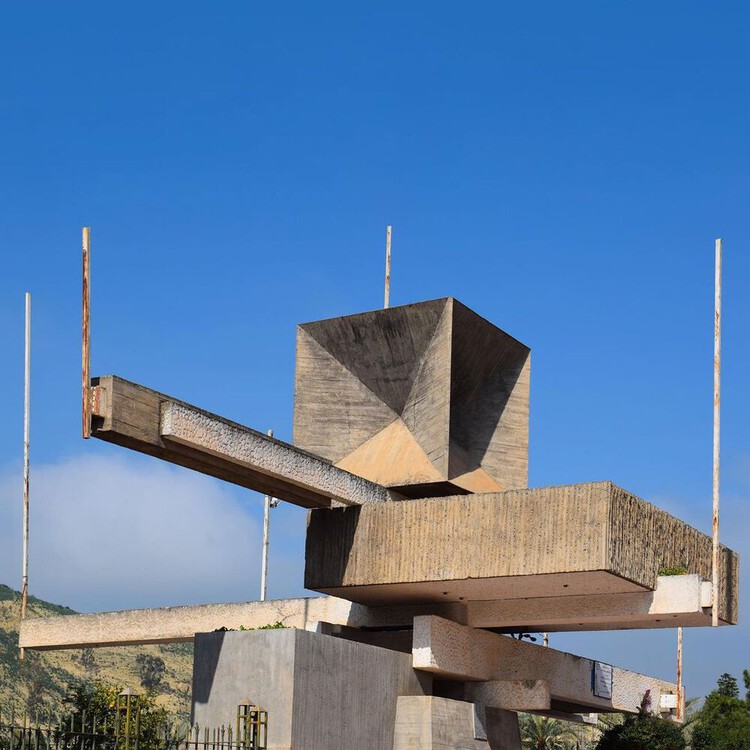
https://www.archdaily.com/1036341/moroccan-modern-the-architecture-of-jean-francois-zevacoMohieldin Gamal
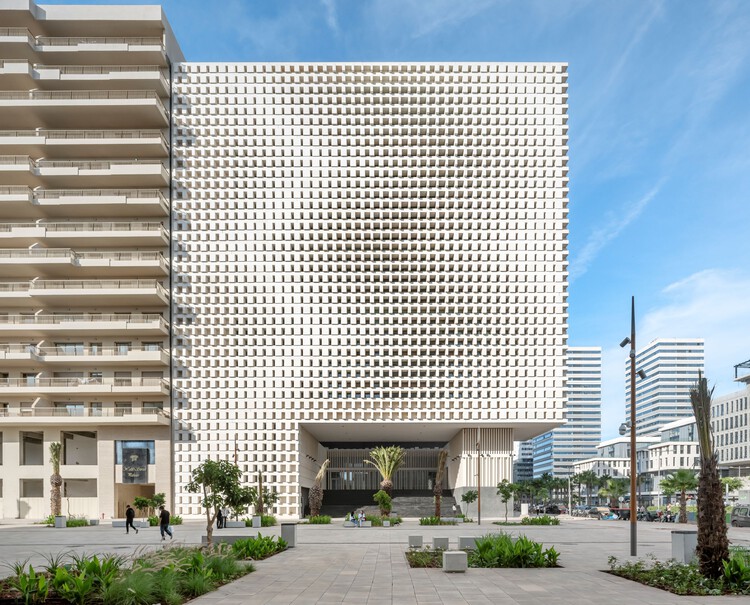
Casablanca Finance City Cube Tower / OUALALOU+CHOI
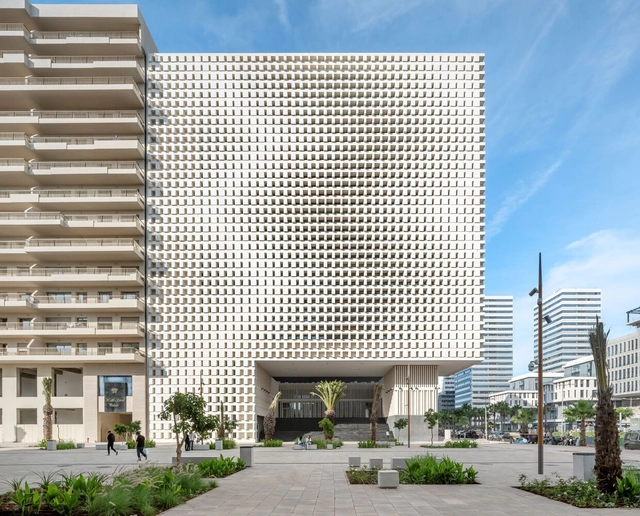
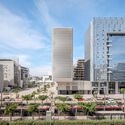
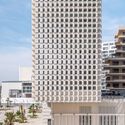
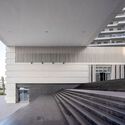
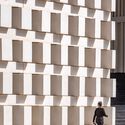
-
Architects: OUALALOU+CHOI
- Area: 8200 m²
- Year: 2024
https://www.archdaily.com/1036212/casablanca-finance-city-cube-tower-oualalou-plus-choiHadir Al Koshta
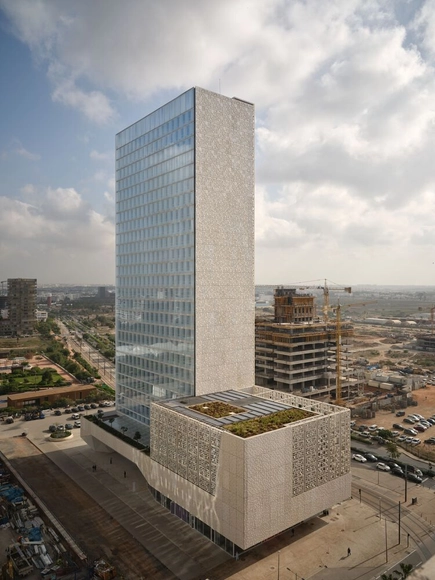
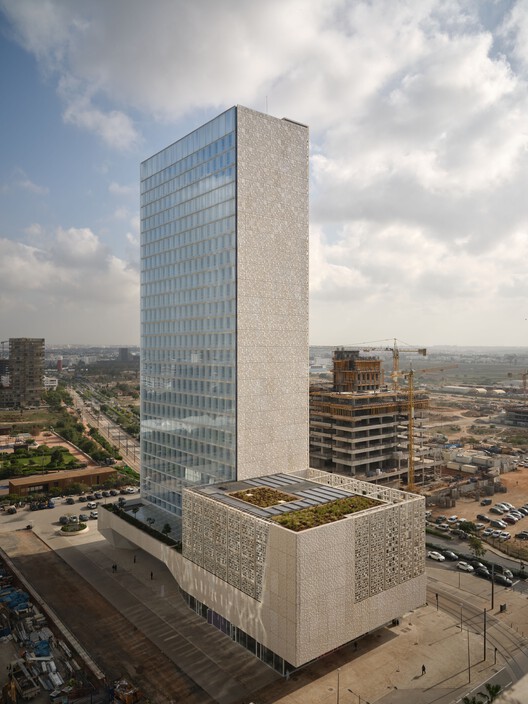
BCP Tower / Groupe3 Architectes + Atelier Rachid Andaloussi



-
Architects: Atelier Rachid Andaloussi, Groupe3 Architectes
- Area: 24000 m²
- Year: 2024
-
Manufacturers: Kuraray, Saint-Gobain, Metra Building , Schäfer
https://www.archdaily.com/1036135/bcp-tower-groupe3-architectesHadir Al Koshta
OUALALOU+CHOI Wins Competition for the New Casa Sud Train Station in Casablanca

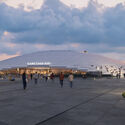
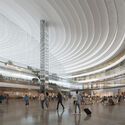
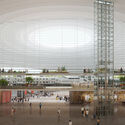
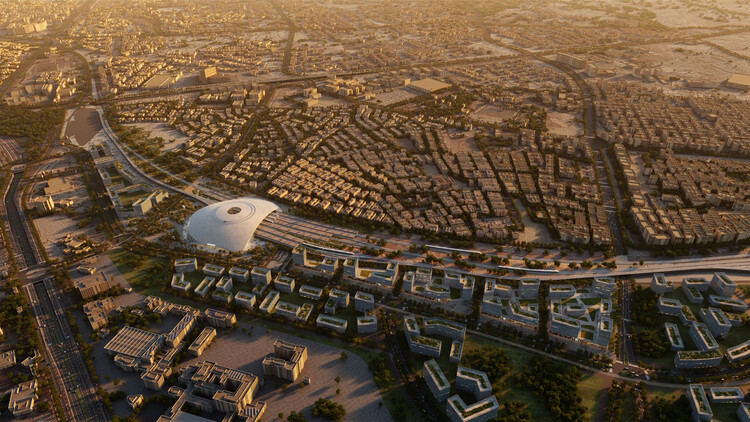
OUALALOU+CHOI has won the international competition for the design of the new Casa Sud Train Station in Casablanca, Morocco. Based in Paris and Casablanca, the architecture and urban design practice led by Tarik Oualalou and Linna Choi is recognized for its work exploring the relationship between architecture, infrastructure, and public life. The winning proposal envisions the new station as both an infrastructural hub and a civic landmark, addressing the needs of a rapidly expanding metropolis while contributing to the urban and social fabric of Morocco's economic capital.

https://www.archdaily.com/1034778/oualalou-plus-choi-wins-competition-for-the-new-casa-sud-train-station-in-casablancaReyyan Dogan
Villa Miro / Driss Kettani
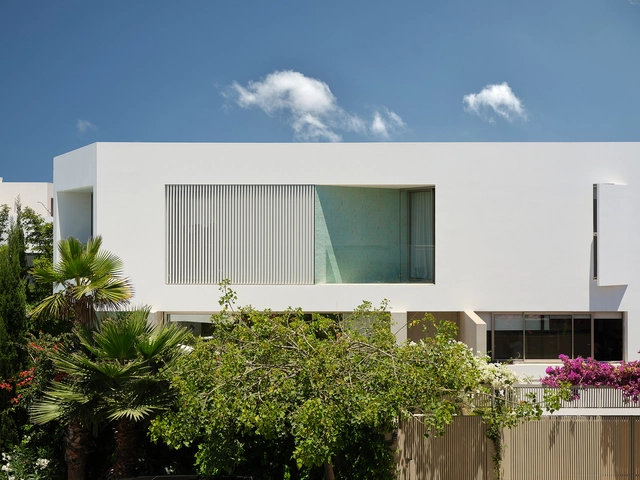
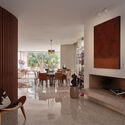
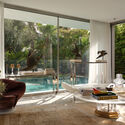
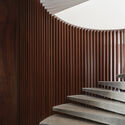

-
Architects: Driss Kettani
- Area: 550 m²
- Year: 2024
-
Professionals: BET Rouane, Inter Technic
https://www.archdaily.com/1030127/villa-miro-driss-kettaniHadir Al Koshta
Residence XY / Mohamed Amine Siana
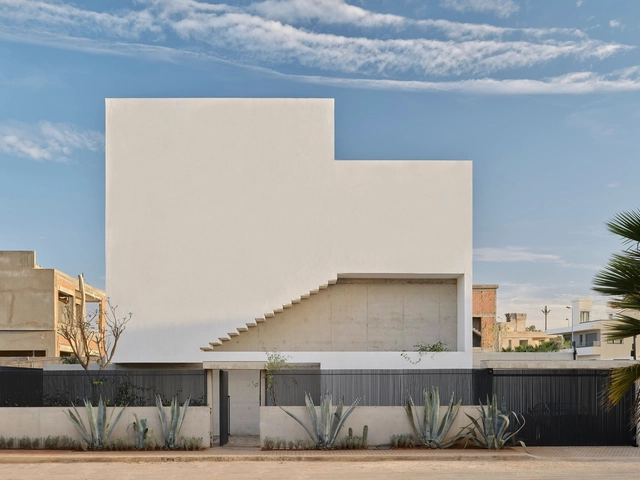


-
Architects: Mohamed Amine Siana
- Area: 300 m²
- Year: 2022
-
Manufacturers: Reynaers Aluminium, AEG, Häcker, OLIVARI, Toto
-
Professionals: Bauhaus Interpremium, Concept Etude, ISOA, Lak builduing
https://www.archdaily.com/1020574/residence-xy-mohamed-amine-sianaHana Abdel
Populous and Oualalou + Choi Reveal World's Largest Football Stadium in Morocco
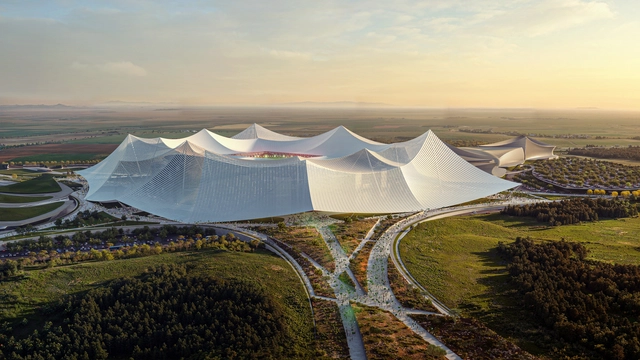
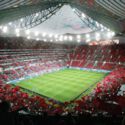
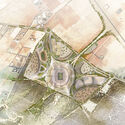
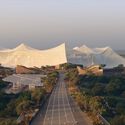
Populous and Oualalou + Choi have just released the design for the of Grand Stade Hassan II in Casablanca, Morocco. Set to be the largest football stadium globally, the stadium boasts a capacity of 115,000 people. Drawing inspiration from Morcco’s traditional ‘moussem,’ a type of social gathering, the design features a grand, tent-like roof that integrates dramatically into its forested surroundings.

https://www.archdaily.com/1020354/populous-and-oualalou-plus-choi-reveals-worlds-largest-football-stadium-in-moroccoNour Fakharany
The Legacy of Brutalism on Morocco’s Post-independence Architectural Landscape
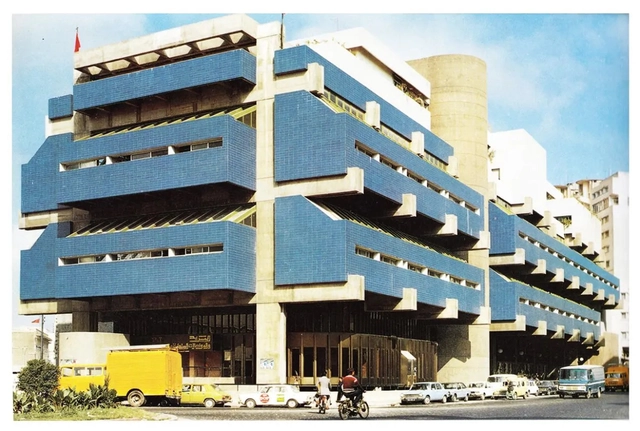
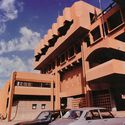
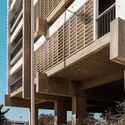
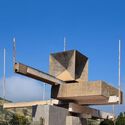
Several events have shaped Morocco since its independence. One of them is the Architects’ transition from serving the declining French empire to serving the newly independent Moroccan nation. Upon gaining independence in 1956, young Moroccan and foreign architects were tasked with constructing a self-sufficient Morocco. The demand for modern infrastructure, new administrative buildings, and improved education and health facilities led to a construction boom. This boom provided architects and planners the opportunity to express their vision.
Inspired by the popularity of modernism in Europe, architects experimented with buildings that embodied brutalism. This architectural style was not only a rebellion against the colonial vision of urban design in Morocco, but also a symbol of architectural unity in the urban landscape. Buildings were created in various typologies with the characteristic of exposed concrete, showcasing its inherent qualities of strength, durability, and functionality. These buildings, which can be seen in cities such as Agadir, Casablanca, Tangier, and parts of Marrakesh, represent a dialogue between brutalism and Moroccan culture, environment, and climate.


https://www.archdaily.com/1014008/the-legacy-of-brutalism-on-moroccos-post-independence-architectural-landscapePaul Yakubu
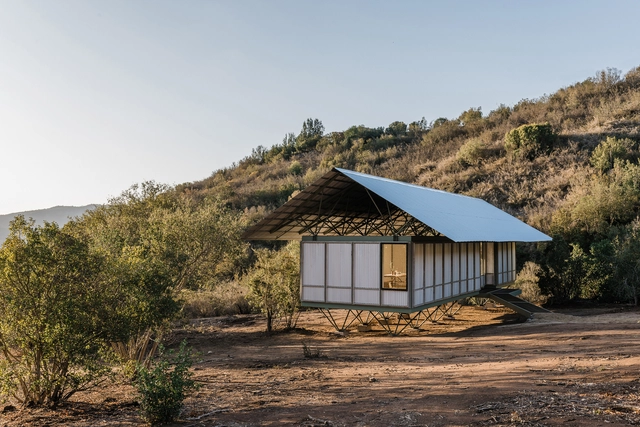
Prototype Industrialized Construction System / Ignacio Rojas Hirigoyen Arquitectos + The Andes House



-
Architects: Ignacio Rojas Hirigoyen Arquitectos, The Andes House
- Area: 85 m²
- Year: 2022
-
Manufacturers: Aza, CMPC
https://www.archdaily.com/1010364/prototype-industrialized-construction-system-ignacio-rojas-hirigoyen-arquitectos-plus-the-andes-houseBenjamin Zapico
Kingston Guesthouse & Event Hall for a Vineyard / Juan Carlos Sabbagh Arquitectos


https://www.archdaily.com/999075/kingston-guesthouse-and-event-hall-for-a-vineyard-juan-carlos-sabbagh-arquitectosAndreas Luco
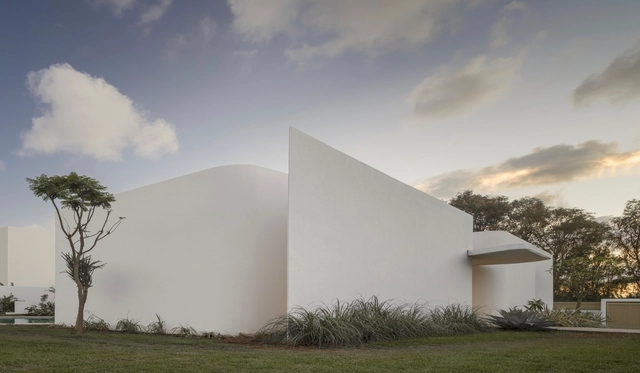
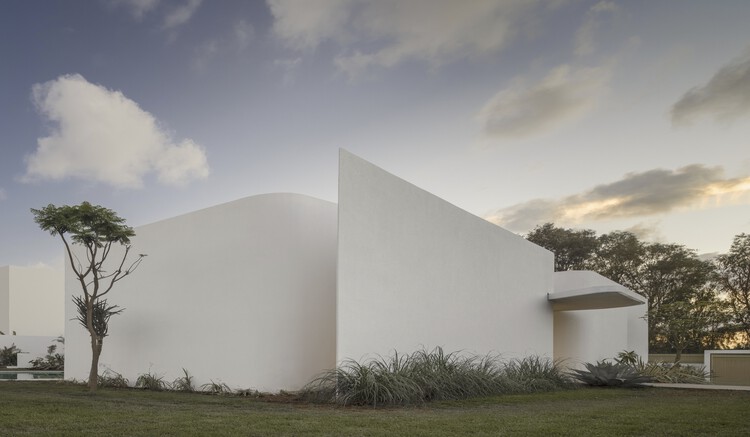
Villa LL / Mohamed Amine Siana


-
Architects: Mohamed Amine Siana
- Area: 290 m²
- Year: 2021
-
Manufacturers: Hansgrohe, Saint-Gobain, Häcker, LG, Legrand, +2
https://www.archdaily.com/994012/villa-ll-mohamed-amine-sianaHana Abdel
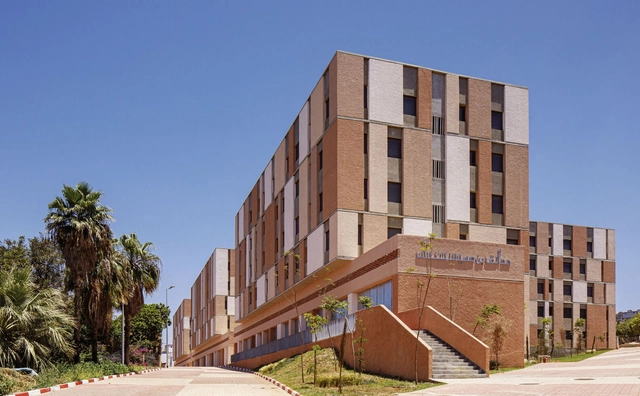
BEN MSIK Gardens / Tarik Zoubdi Architecte


https://www.archdaily.com/992983/ben-msik-gardens-tarik-zoubdi-architecteAndreas Luco
Deep C Boutique Hotel / Studio BO
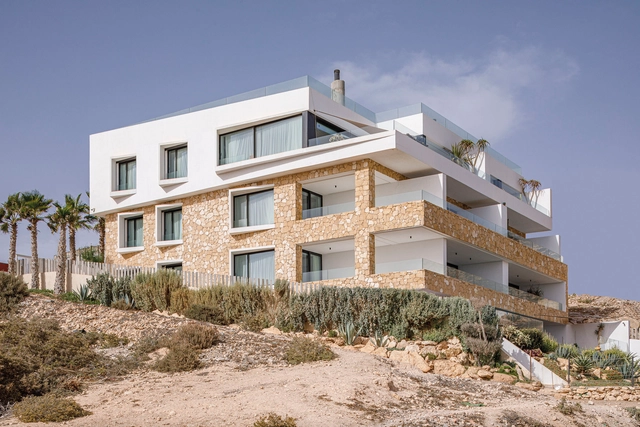
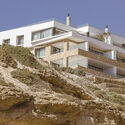

https://www.archdaily.com/990607/deep-c-boutique-hotel-studio-boHana Abdel
Rabi’ Artist Studio / Studio BO
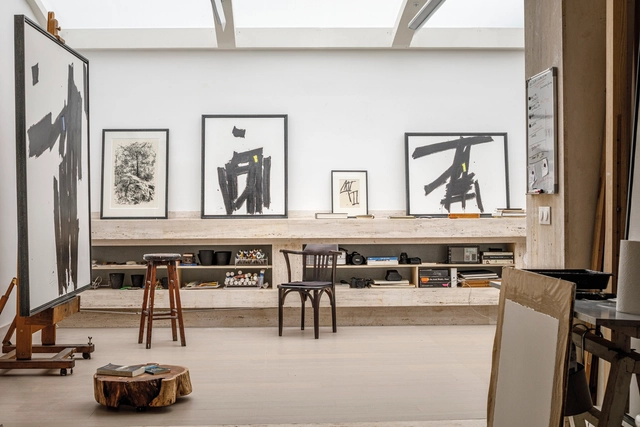


https://www.archdaily.com/988759/rabi-artist-studio-studio-boHana Abdel
Perched House / Studio BO
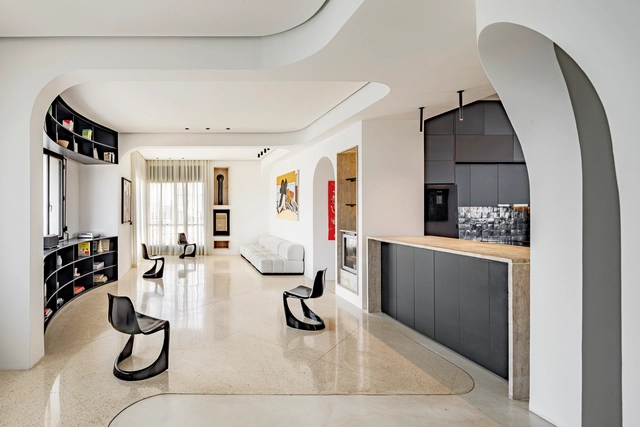


https://www.archdaily.com/983885/perched-house-studio-boHana Abdel
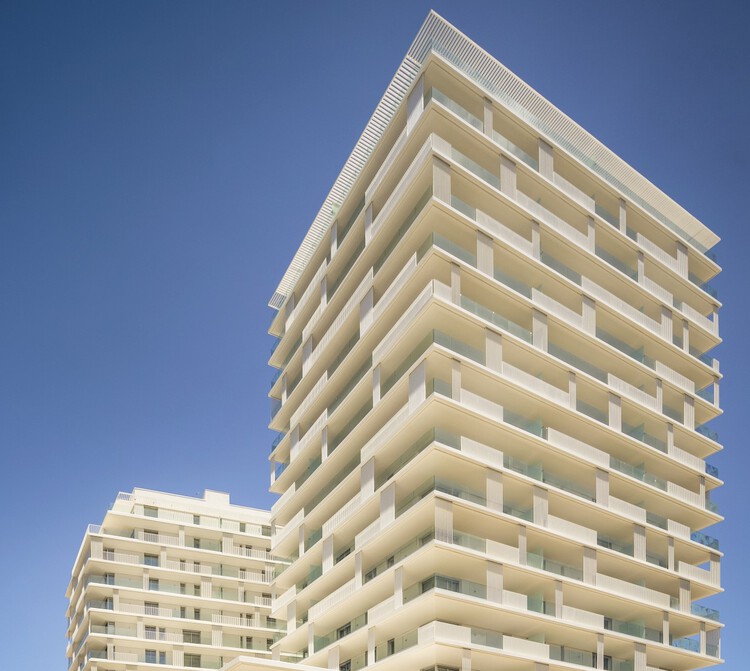
BO 52 Apartment Building / Yachar Bouhaya Architecte + Saad El Kabbaj + Driss Kettani + Mohamed Amine Siana


-
Architects: Driss Kettani, Mohamed Amine Siana, Saad El Kabbaj, Yachar Bouhaya Architecte
- Area: 30888 m²
- Year: 2021
-
Manufacturers: Hansgrohe, Holcim, Atlas Schindler, Carrier, Comenza, +8
-
Professionals: Atelier Bertrand Houin, IEB, TISSEYRE + PARTNERS, SMEE
https://www.archdaily.com/970931/bo-52-apartment-building-yachar-bouhaya-architecte-plus-saad-el-kabbaj-plus-driss-kettani-plus-mohamed-amine-sianaHana Abdel