Across cultural districts and civic centers, this week's architectural developments highlight how institutions and city governments are reshaping their futures amid shifting environmental, social, and economic pressures. New museum and opera projects signal ongoing commitments to expanding public cultural infrastructure, while the debate surrounding Dallas' modernist City Hall illustrates the tensions that arise when questions of heritage meet rising maintenance demands and redevelopment pressures. At the same time, municipalities are advancing new regulatory tools to confront climate challenges, from electrification standards in Sydney and Boston to mobility restrictions and emerging forms of urban diplomacy. These developments reflect an increasingly complex landscape in which architectural environments evolve through a combination of cultural ambition, environmental targets, and shifting models of public decision-making.
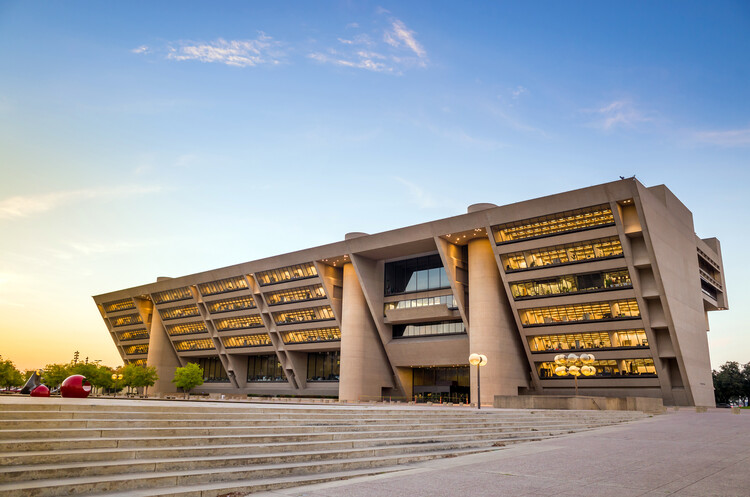
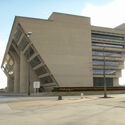
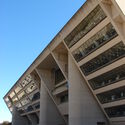
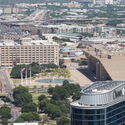
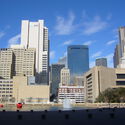
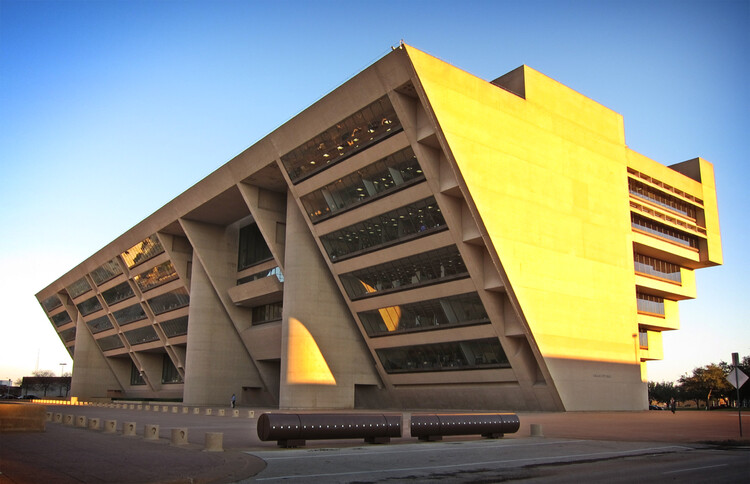
Since August 2025, debate has intensified in Dallas, United States, over the future of one of its modern landmarks: I.M. Pei & Partners' Dallas City Hall. This month, the Dallas City Council will continue weighing whether to repair, sell, or demolish the 47-year-old building, following growing concerns over long-deferred maintenance and the need for major investment. In late October, council members began public listening sessions and committee meetings to gather resident input. Preservationists and some council members urged a full study of repair options and historic landmarking, while others emphasized fiscal and operational concerns.
Supporters of preservation stress the building's civic and architectural significance, while those advocating for demolition point to high maintenance costs and the redevelopment potential of the centrally located site. A petition to "Save Dallas City Hall," calling on council members to halt demolition plans and commission a transparent renovation study, remains open for signatures. Meanwhile, the mayor has said he wants to review all the facts before taking a position on whether the city should relocate or invest in repairs. The case adds to the growing list of modernist icons worldwide facing uncertain futures, sparking broader cultural debates about civic heritage and public infrastructure.
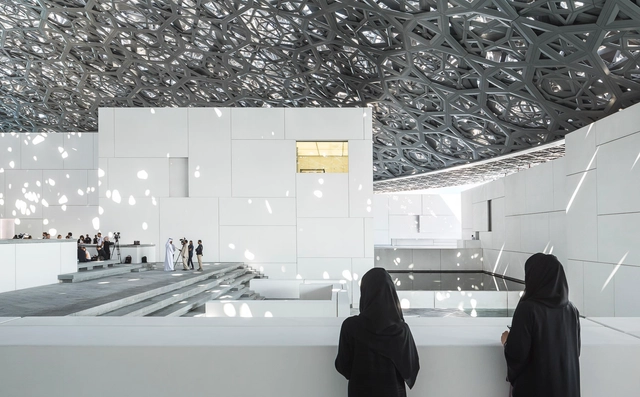
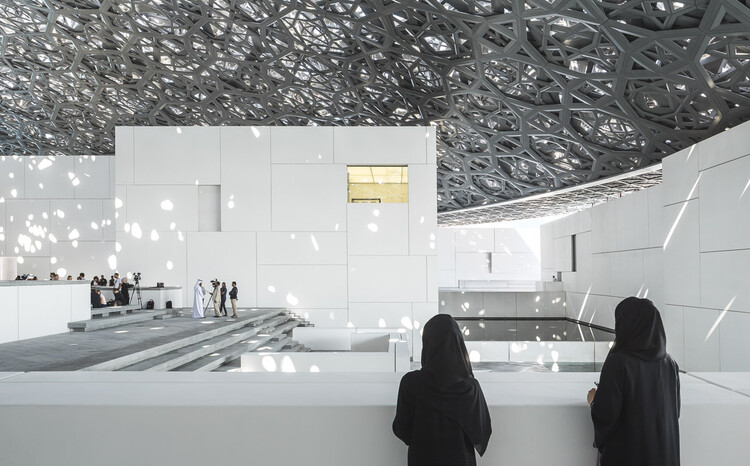
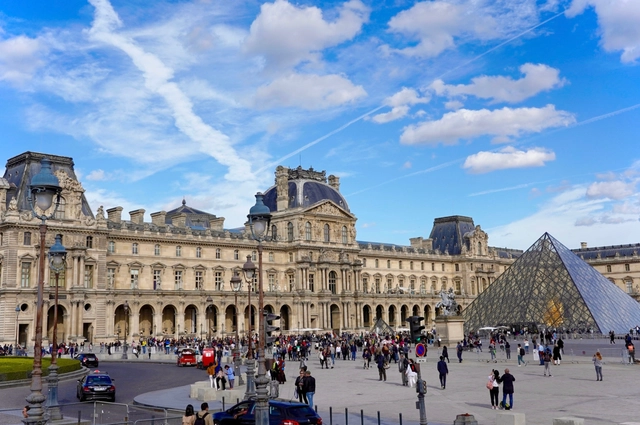
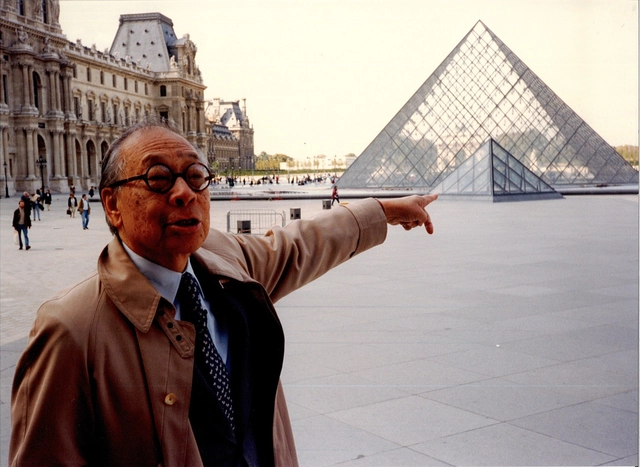
It is undeniable that, at first glance, the idea of a Louvre in Abu Dhabi or a Centre Pompidou in Brazil may seem somewhat disconcerting. The image of these museums, internationally renowned, appears in many ways inseparable from their original cultural contexts. And to some extent, it truly is. The Louvre, deeply rooted in the history of France as a former fortress and later royal residence, embodies a set of invaluable heritage values, further amplified by I. M. Pei’s iconic glass pyramid intervention in 1989. The Pompidou, meanwhile, is remembered as a historic turning point: by redefining the concept of public infrastructure through radically unconventional architecture, it marked the first time culture drew in mass audiences.
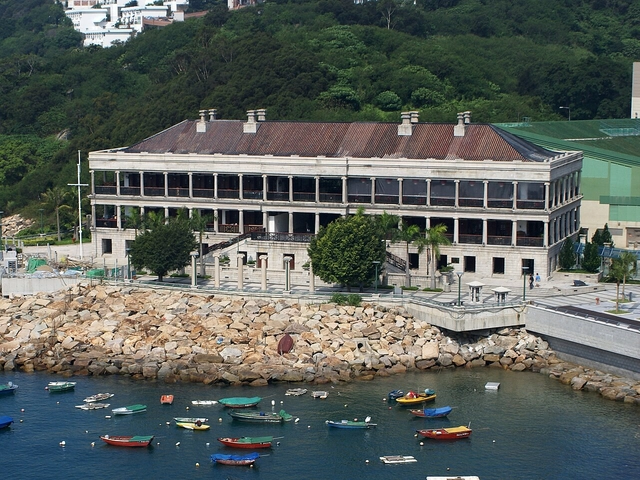
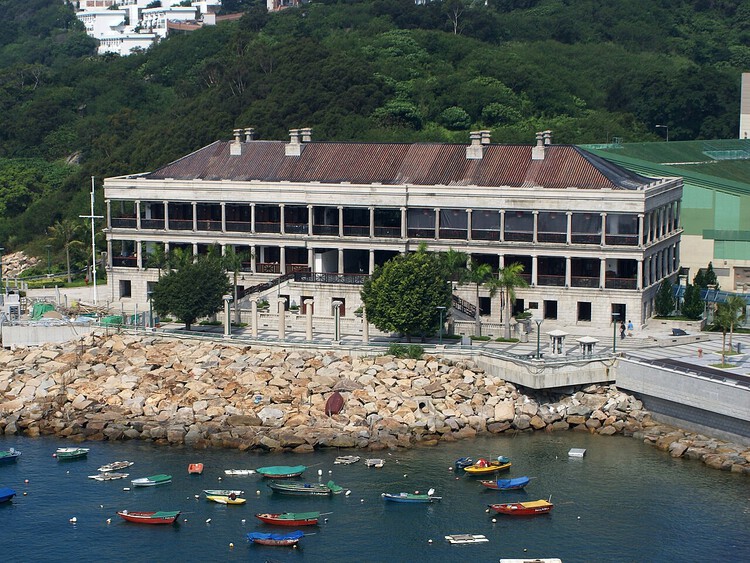
In preserving architecture, there are many possible approaches—ranging from treating a building as a static monument, meticulously restoring it in situ to the point of limiting public access, to more adaptive strategies that reprogram and modify interior spaces while retaining key architectural elements such as materiality and structural form. Yet one method stands apart, both in ambition and in controversy: to deliberately dismantle a building—brick by brick—meticulously label and document each part, and store it until a new site, purpose, or narrative emerges. Then, to reassemble it anew, possibly for an entirely different use. Though the original context is lost, this strategy aims to preserve cultural significance through transformation rather than stasis. This is the story of Murray House in Stanley, Hong Kong.
Originally constructed in 1846 as officers' quarters for the British military in Central, Murray House was one of the earliest examples of neoclassical architecture in Hong Kong—a unique and enduring trace of the city's colonial past. Its robust granite colonnades and symmetrical façade stood as a symbol of classical permanence. During the Japanese occupation of Hong Kong in 1941, the building's function was repurposed as the command center for the Japanese military police. It survived the war and continued to house various government departments throughout the postwar decades.
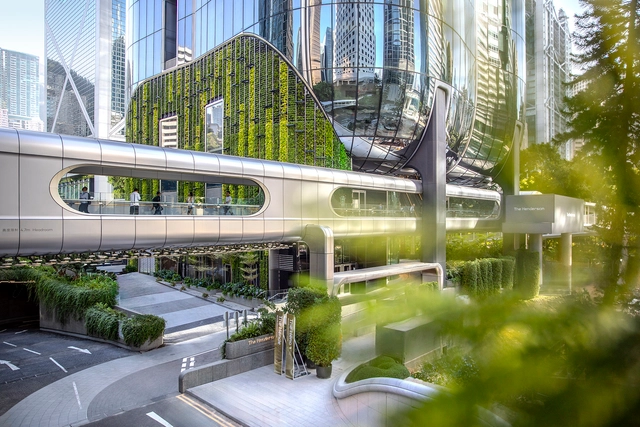
Architectural landmarks often cluster together. In Tokyo, the iconic Omotesando is a well-known stretch where global "starchitects" built flagship luxury retail spaces in the 2000s. Hong Kong has a lesser-known but equally powerful architectural agglomeration along Queensway—though historically more corporate and less publicly engaging. Beginning in the 1980s, this corridor became home to a series of landmark buildings by some of the world's most prominent architects: Norman Foster's HSBC Headquarters, I.M. Pei's Bank of China Tower, Paul Rudolph's Lippo Centre, and the nearby Murray Building by Ron Phillips—now revitalized as a hotel by Foster + Partners. The area is further enriched later on by Heatherwick Studio's renovation of Pacific Place and Tod Williams Billie Tsien Architects' Asia Society Hong Kong Center.
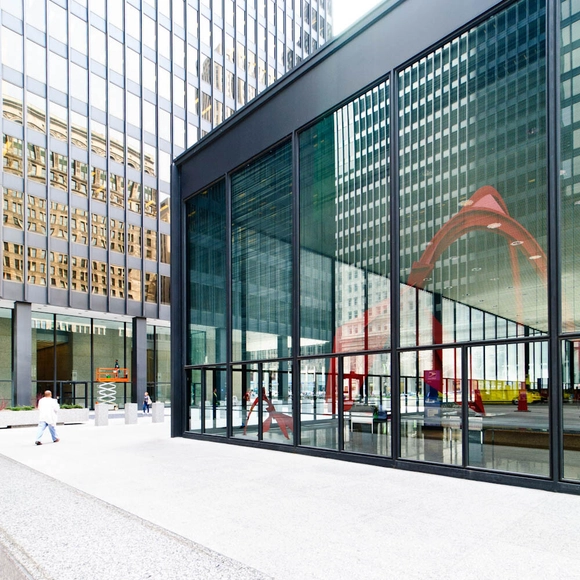
The Mid-Century Modernist movement was more than an aesthetic or material shift in the United States, as it was a response to a rapidly changing world. Emerging after World War II, this architectural revolution rejected ornate, traditional styles of the past in favor of clean lines, functional design, and incorporation of flashy materials like steel, glass, and concrete. Modernism was a break from tradition, focusing instead on simplicity, efficiency, and a vision for the future. It reflected the optimism of a nation rebuilding itself, where technology and innovation shaped everything from cityscapes to suburban homes.
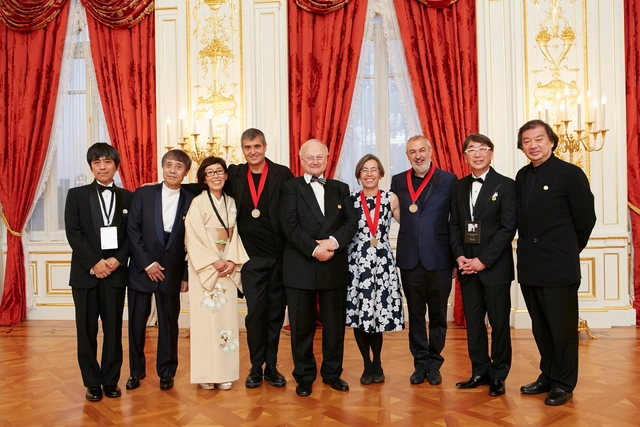
The Pritzker Prize is the most important award in the field of architecture, awarded to a living architect whose built work "has produced consistent and significant contributions to humanity through the art of architecture." The Prize rewards individuals, not entire offices, as took place in 2000 (when the jury selected Rem Koolhaas instead of his firm OMA) or in 2016 (with Alejandro Aravena selected instead of Elemental); however, the prize can also be awarded to multiple individuals working together, as took place in 2001 (Herzog & de Meuron), 2010 (Kazuyo Sejima and Ryue Nishizawa of SANAA), and 2017 (Rafael Aranda, Carme Pigem, and Ramon Vilalta of RCR Arquitectes).
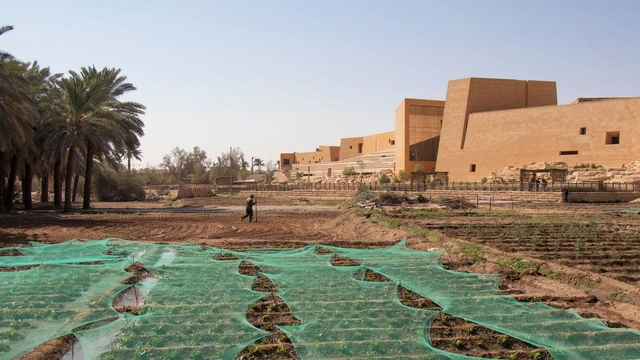
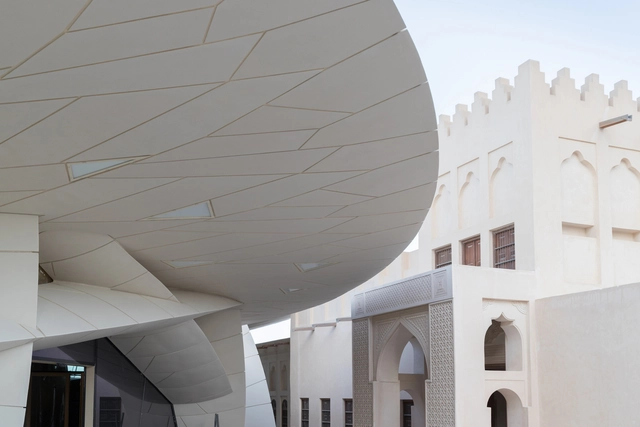
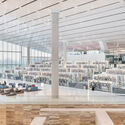
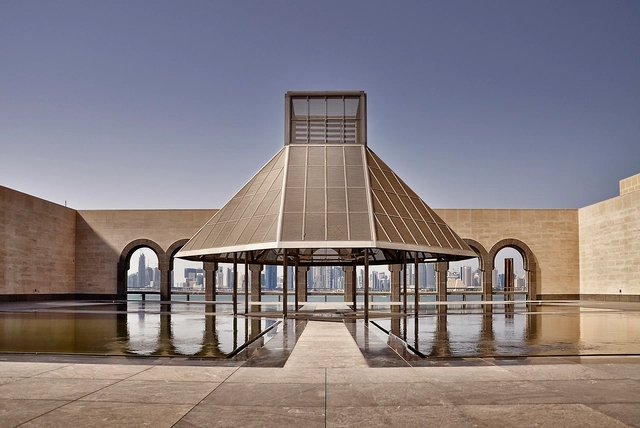
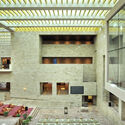
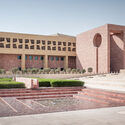
In recent years, the Gulf region has emerged as a global center for cultural and architectural development, commissioning internationally acclaimed architects to design its most high-profile museums and institutions. These projects, ranging from Louvre Abu Dhabi by Jean Nouvel to Museum of Islamic Art in Doha by I. M. Pei, are often designed by foreign architects, yet they aim to embed themselves within their context through strategies that reference the region's landscape, climate, and architectural traditions. This raises a fundamental question: What defines local architecture in the 21st century?
French President Emmanuel Macron has announced a significant renovation plan for the Louvre, following concerns from the museum's director about the building's deteriorating condition. The project includes the creation of a new grand entrance and broader refurbishments across the historic site.
The renovation comes after a letter from Louvre director Laurence des Cars to the French Cultural Ministry highlighted serious maintenance issues affecting both visitors and staff. According to the letter, first published in Le Parisien, conditions inside the museum have become increasingly difficult, with visitors lacking space to rest, insufficient food and restroom facilities, and outdated signage in need of a complete redesign. The letter also pointed to climate control issues, describing a greenhouse effect inside the 36-year-old glass Pyramid designed by I.M. Pei, as well as hazardous temperature fluctuations and leaks in other parts of the building.
Modernism in architecture emerged at the beginning of the twentieth century, fueled by advancements in science and engineering and a deliberate departure from historical styles. It championed a focus on social equity, urban development, efficiency, and functional design, marking a significant shift in architectural philosophy. Originating primarily in Europe and the United States, modernism captivated the global imagination with its innovative redefinition of space and architecture. Its spread to Asia was facilitated by cross-cultural exchanges—East Asian architects who studied under prominent modernists and European architects working in East Asia through international collaborations or colonial-era influences.
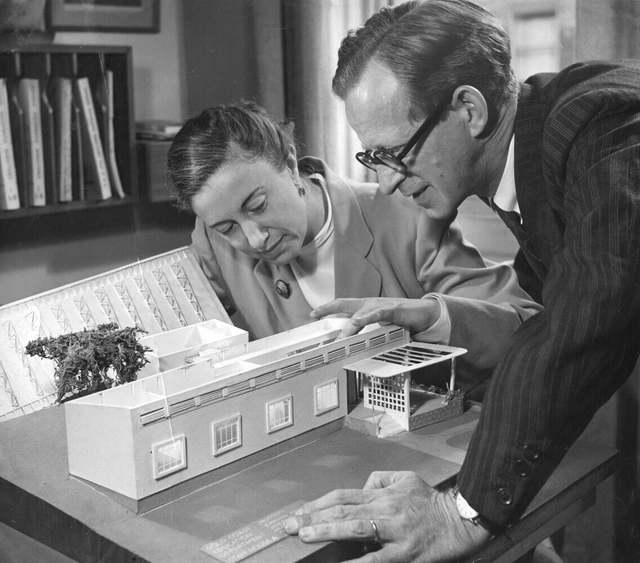
ane Drew and Maxwell Fry with a model of one of their many buildings for the Gold Coast, 1945. / Tropical Modernism - Architecture and Independence at the V&A South Kensington . Image Courtesy of RIBA
Reflecting on 2024, numerous architectural exhibitions have opened worldwide, addressing various themes, exhibition formats, and featured architects. Architectural design and architecture practice influence our daily lives in subtle and often unnoticed ways, where the end-users embrace built environments as they are. This reaction may arise from a combination of factors, such as a sense of powerlessness to enact significant change after a building is constructed or the experience of growing up in environments over which individuals had little or no agency in shaping. For these reasons, architectural exhibitions serve an essential purpose, offering society a chance to pause, reflect, and critically examine the myriad issues that surface during designing and building. These issues are often overlooked or need to be acknowledged, as practitioners may prioritize delivering projects within strict timelines over exploring more profound reflections.
In 2024, museums, galleries, and curators responded to the evolving challenges within the built environment with various approaches. Some exhibitions questioned the ethics of building materials and the practices behind supply chains, drawing attention to the broader implications of material choices. Others focused on documenting architectural movements worldwide, emphasizing their cultural and historical significance and the urgent need to preserve and adapt rather than replace them with entirely new builds. These efforts highlight the role of exhibitions in raising awareness about pressing issues while fostering a more critical dialogue about the architectural discipline.
Montreal, located along the Saint Laurent River in Southern Quebec, is Canada’s second-largest city. Often renowned for its architectural diversity, its built environment reflects both its colonial past and modern evolution. As a former territory of "Nouvelle France," French language and culture remain dominant, which has in turn influenced the city's architectural character. Notably, Old Montreal features well-preserved buildings from the 18th and 19th centuries, most of which are a testament to the city’s industrial growth after the construction of the Lachine Canal. The area's heritage has been protected and restored through efforts by figures like Phyllis Lambert and organizations such as Heritage Montreal, allowing the city’s rich architectural history to coexist with its modern developments.
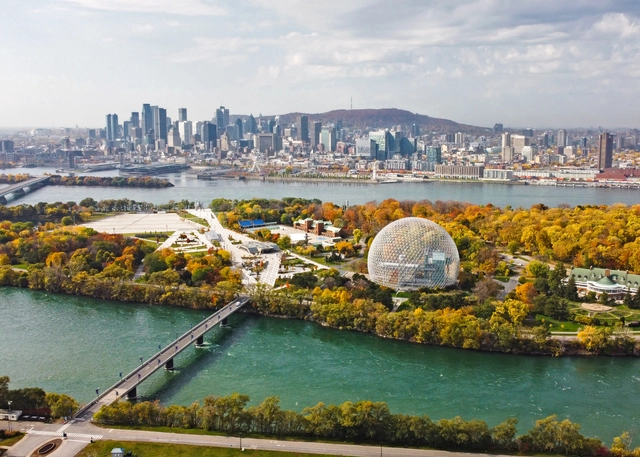
Montreal's multiculturalism is evident in neighborhoods like Little Italy and Little Portugal, with its diversity fueling a vibrant cultural scene. The city hosts a multitude of festivals every year, many held in open-air venues like Place des Festivals. Parc Jean-Drapeau, built for the 1967 World Expo, is another popular spot for large events while offering stunning views of the city skyline. Another relevant site is Mont Royal Hill, a park offering panoramic views of downtown and access to hiking trails, Saint Joseph’s Oratory, Beaver’s Lake, and other areas of architectural interest such as the Plateau.
M+ Museum in Hong Kong has unveiled the first full-scale retrospective of the renowned Chinese-American architect leoh Ming Pei (1917-2019), widely known as I. M. Pei. Located in the West Kowloon Cultural District at Asia’s first global museum of contemporary visual culture, the exhibition will be open to the public from June 29, 2024 - January 5, 2025. “I. M. Pei: Life is Architecture” showcases Pei’s career, spanning seven decades across the globe.
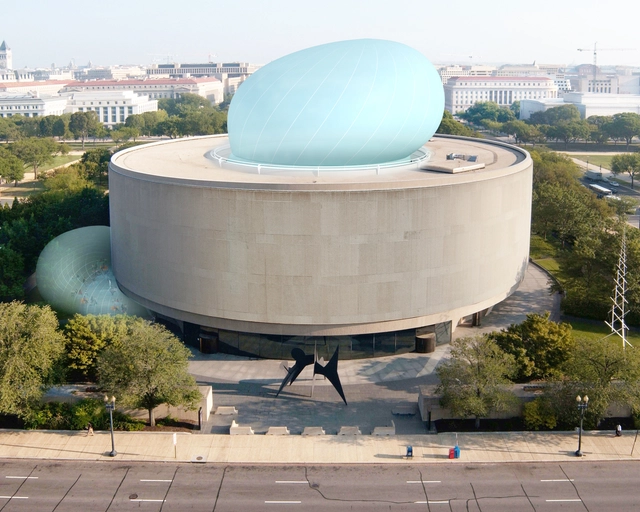
Brutalist buildings are a significant component of Washington, D.C.’s architectural identity. In the National Building Museum’s new exhibition, Capital Brutalism, this identity is explored further. Co-organized with the Southern Utah Museum of Art (SUMA), Capital Brutalism is a comprehensive exhibition of Brutalist architecture in Washington, D.C., to date, running until February 17th, 2025.
Doha is the capital of Qatar and the county’s most populated area, accommodating more people than the rest of Qatar combined. Located on the coast of the Persian Gulf, Doha is a relatively young city, founded in the vicinity of another settlement, Al Bidda, sometime during the 1820s. In recent years, the city has seen rapid population growth, an image reflected in the architectural landscape. During the 1960s and 1970s, many of the old districts in Doha were demolished to make space for new developments, while several schemes have been deployed to advocate for the preservation of the city’s cultural and architectural heritage.
Doha, the capital of Qatar, is the residence of more than 90% of the country's population, which amounts to about 1.7 million people, with over 80% being professional expatriates. In its historical past, Doha was primarily a fishing and pearl diving town, characterized by numerous traditional individual houses until the mid-1960s. Modernizing the city occurred mainly during the 1970s, although its pace slowed in the 1980s and early 1990s. However, Qatar has recently emerged as one of the world's fastest-growing economies, lending significant geostrategic importance to Doha.
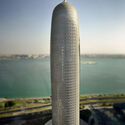
The country's development vision revolves around reducing dependence on natural resources and embracing a knowledge-based economy encompassing international universities, high-tech industries, IT services, and advanced producer services. Much of the coastline, including the corniche, has been artificially constructed. Several notable areas contribute significantly to the evolving character of the city. The city’s contemporary architecture has been captured through the lens of photographer Pygmalion Karatzas.
Courtesy of Practise for Architecture and Urbanism
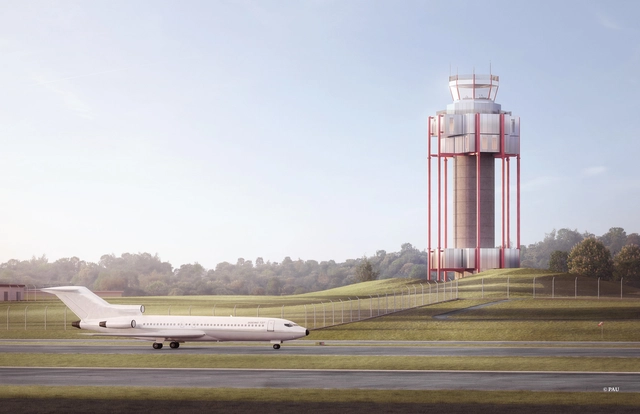
The Federal Aviation Administration has chosen the New York-based Practice for Architecture and Urbanism (PAU) studio to design the country's newest air traffic control towers. I.M. Pei's iconic mid-century towers will be replaced by PAU's adaptable and highly sustainable prototype, which offers a unique architectural solution that combines form and function for the twenty-first century. The new towers are vital to U.S. Transportation Secretary Pete Buttigieg's goal to reach net-zero greenhouse gas emissions from the U.S. aviation sector by 2050. They have been updated to reflect aviation technology, safety development, and changing environmental and climatic conditions.
While the city of Berlin has a long history, dating back to the 13th century, its architecture and urban fabric has undergone the most significant changes during the last century, reflecting the impact of major historical events that took place in the German capital. During the early 20th century, Berlin transformed into a modern metropolis, marked through the construction of grand buildings and imposing structures to demonstrate the city’s growing economic and political power. The 1920s and 1930s saw the emergence of the Modernist movement, which, together with the Bauhaus school of architecture founded in 1919, influenced the image and urban fabric of Berlin.
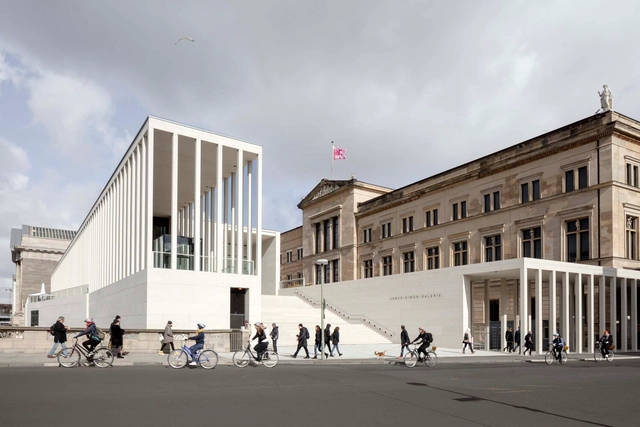
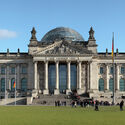
During the Second World War the city was heavily bombed, resulting in the destruction of many historical buildings. During the post-war period, reconstruction efforts focused on rebuilding infrastructure and housing, while the city remained divided until 1989, with the fall of the Berlin wall. After this period, Berlin witnessed a renewed interest in architecture and urban design. Interventions such as David Chipperfield’s Neues Museum aimed to rebuild historical monuments without erasing the markings of their difficult past. Other projects such as the renovation of the Reichstag had a different purpose. Norman Foster’s intervention intended to keep the image of this building but change its symbolism from a structure representative for the Nazi regime to one embracing the ideals of democracy and equality.