This week was marked by recognition and major announcements for the cultural industry. Amid international reports of both deliberate and natural destruction, UNESCO added 25 new sites of Outstanding Universal Value to its World Heritage List, protecting a diverse range of places that includes funerary landscapes and landmark works of modern architecture. Beyond heritage, contemporary architectural practice also received renewed recognition through Alejandro Aravena and Smiljan Radić, while new developments were announced for cultural projects across the United Arab Emirates, Ecuador, China, India, and the United States. Recent updates include the restoration of a landmark cinema in Los Angeles, a new museum dedicated to innovation and entrepreneurship in Bengaluru, and the topping out of a 39-story hybrid timber tower in Sydney.
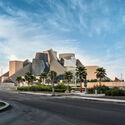
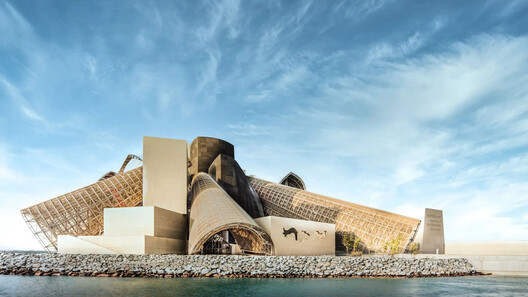
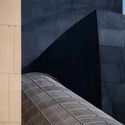
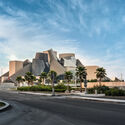
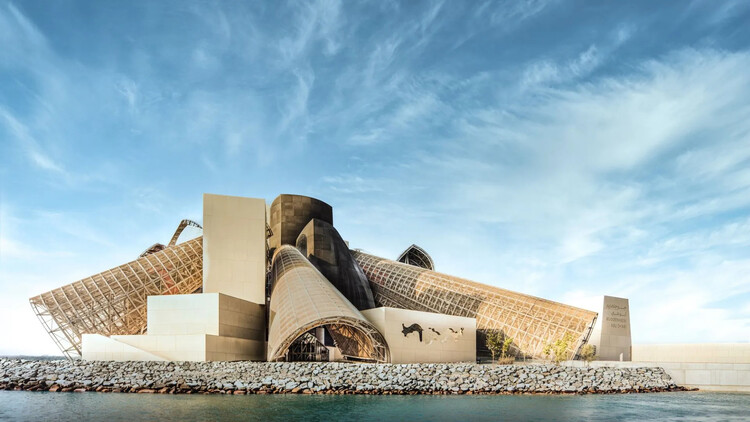
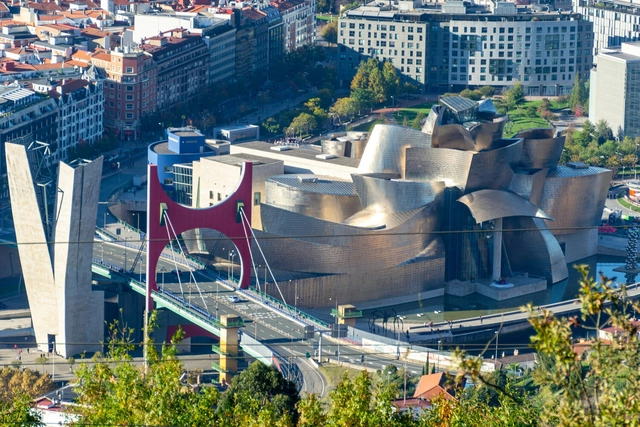
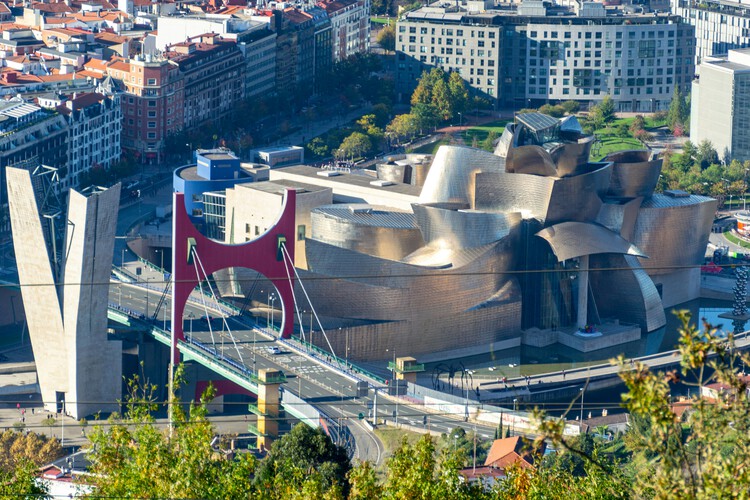
Abu Dhabi's Department of Culture and Tourism has announced that Guggenheim Abu Dhabi will open to the public on December 11, 2026, on Saadiyat Island. The museum, designed by the late Frank Gehry, becomes the fourth institution in the Guggenheim's global network, joining outposts in New York, Venice, and Bilbao.
The project was first announced in 2006. Construction began in 2011, was suspended for several years amid economic strain and contract changes, and resumed in 2019. A 2025 completion date, set in 2021, ultimately slipped to this December.
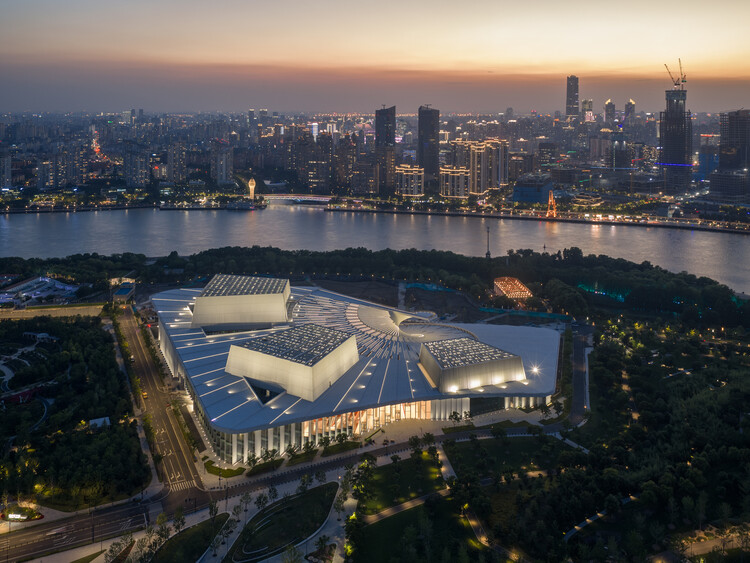
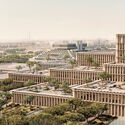
This week belonged to the arts, with cultural architecture dominating headlines across the globe. Landmark buildings for major institutions advanced through important construction and design milestones, from the Shanghai Opera House to Abu Dhabi's new performing arts center, while two new museum commissions were announced following international competitions. Architecture also took centre stage as a subject of exhibition itself, with the Sharjah Architecture Triennial revealing its participant list and Austria unveiling its proposal for the 2027 Venice Architecture Biennale. Beyond these developments, this week's news compilation includes three upcoming urban design projects: in Seoul, South Korea, a new riverside neighbourhood in the Apgujeong district weaves residential towers around parkland connecting the city to the Han River; in Cardiff, Wales, a pedestrian and cycle bridge over the River Taff links waterfront neighbourhoods to new housing along the water's edge; and in Bengaluru, South India, the Museum of Art and Photography is expanding its public campus, adding new civic and cultural facilities alongside a major new sculpture park set within a UNESCO Biosphere Reserve in Tamil Nadu.
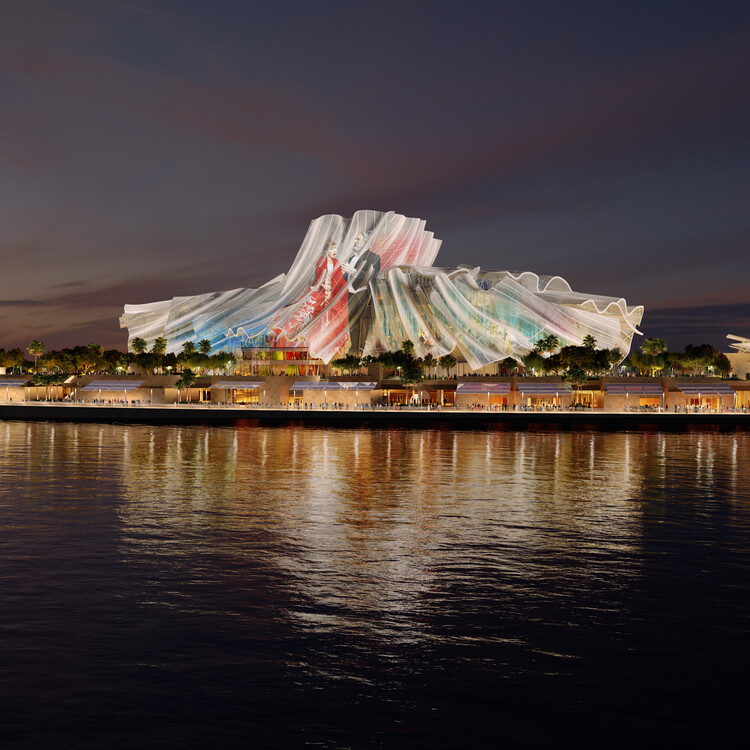
Dar al Funoon Abu Dhabi project by Frank Gehry. Image Courtesy of Department of Culture and Tourism Abu Dhabi
Dar al Funoon Abu Dhabi, the new performing arts institution designed by the late architect Frank Gehry, is among his final works. Translating to "House of the Arts," the landmark building, commissioned by Abu Dhabi's Department of Culture and Tourism, was designed as a global hub for the performing arts and is expected to open in 2030. The project adds to Gehry's work in the emirate, which also includes the upcoming Guggenheim Abu Dhabi, and follows the city's designation as a UNESCO Creative City of Music in 2021.
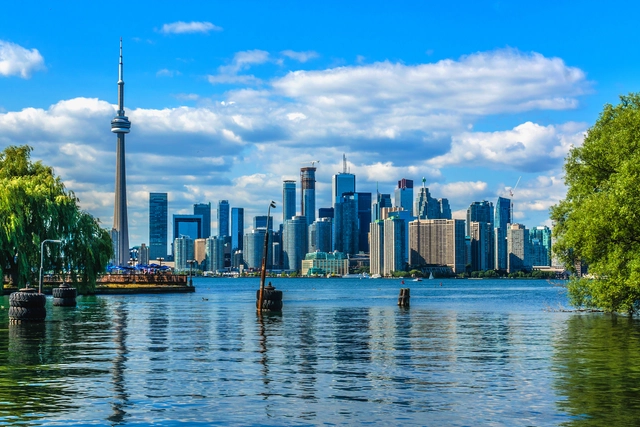
As one of the host cities of the 2026 FIFA World Cup, Toronto is preparing to welcome fans from across the globe. The Canadian city, the fourth largest in North America, has become a cosmopolitan center with its renowned business district and cultural venues that come alive during the summer and early fall nights. Toronto offers a beautifully diverse urban setting, with shimmering high-rises and smaller brick houses, intertwining residential and vibrant commercial areas, public parks, and even beaches. All become part of the city's striking skyline, crowned by the iconic CN Tower.
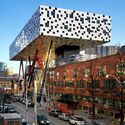
Toronto's ongoing sprawl and constant urban development are evident as new projects spread through the city, weaving themselves into existing buildings, from 19th-century landmarks such as the Gooderham Building to major contemporary works like the Aga Khan Museum. These new constructions include increasing adaptive reuse and retrofitted projects throughout the city as more efforts and incentives are provided to reduce carbon emissions.
Covering a broad array of subjects, this week's headline stories have reflected the wide scope of architecture's practice: its potential to respond to the climate crisis, the construction and renovation of cultural infrastructure around the world, and events that promote contemporary disciplinary reflection. This does not preclude questions about the contradiction between the technical and creative skills demanded by the discipline and the role it has come to occupy in today's market. Alongside these reflections, this week we feature projects that reinforce architecture's cultural significance in preserving knowledge, hosting collective entertainment, and supporting new forms of living: a comic book museum in Taiwan, a membership club for families in London, and the renovation of a landmark stadium in Riyadh.
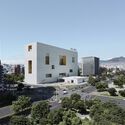
Suzhou Museum of Imperial Kiln Brick. Image Cortesía de Jiakun Architects
The Pritzker Prize is the most important award in the field of architecture, awarded to a living architect whose built work "has produced consistent and significant contributions to humanity through the art of architecture." The Prize rewards individuals, not offices, as happened in 2000 (when the jury selected Rem Koolhaas instead of his firm OMA) or in 2016 (with Alejandro Aravena selected instead of ELEMENTAL); however, the Prize can also be awarded to multiple individuals working together, as was the case in 2001 (Herzog & de Meuron), 2010 (Kazuyo Sejima and Ryue Nishizawa from SANAA), and 2017 (Rafael Aranda, Carme Pigem, and Ramon Vilalta from RCR Arquitectes).
Every architectural project is the result of deliberate choices. Beyond form and function, buildings embody technical, political, and cultural decisions that shape their relationship with both their surroundings and the people who inhabit them. ArchDaily’s AD Narratives series explores these processes by bringing together accounts that trace projects from initial conception to built realization. In parallel, the AD Classics series turns to works of historical significance, presenting not only the stories behind these buildings but also technical drawings that allow for a deeper, more informed reading of their architecture.
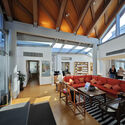
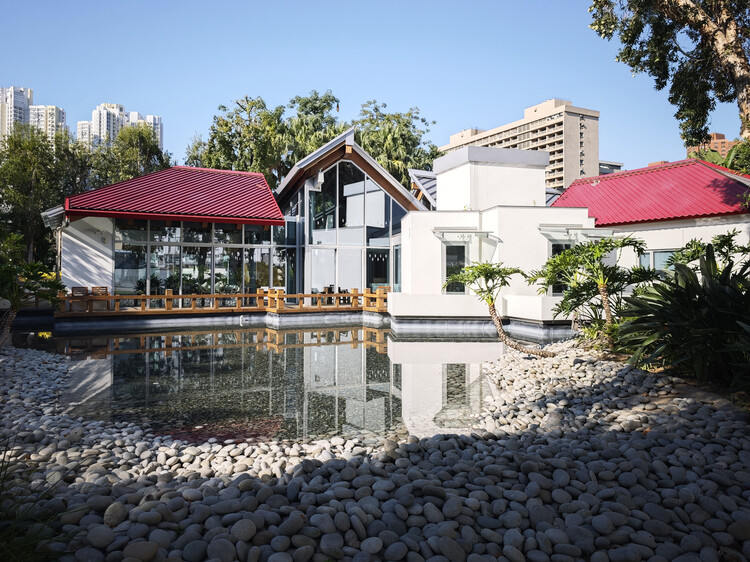
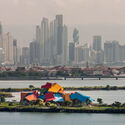
Earlier this month, news of Frank Gehry's passing prompted an outpouring of tributes to the architect behind flamboyant museums, concert halls, and sinuous residential complexes. Rather than revisit that well-charted terrain, it is worth pausing on a more contemplative work in his oeuvre: Maggie's Cancer Caring Centre in Hong Kong. Quiet, optimistic, and calibrated for everyday resilience, the building reflects multiple registers of Gehry's intent: a commitment to positivity and survival—and, more personally, an architect's own reckoning with loss and end-of-life care.
The remark reframes Maggie's Hong Kong as more than a commission; it suggests a design process shaped by grief and turned toward comfort, dignity, and the possibility of hope—an ethos that aligns closely with the organization's mission.
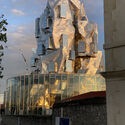
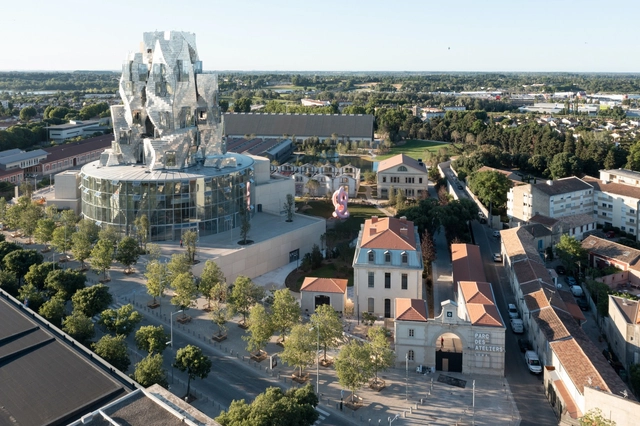
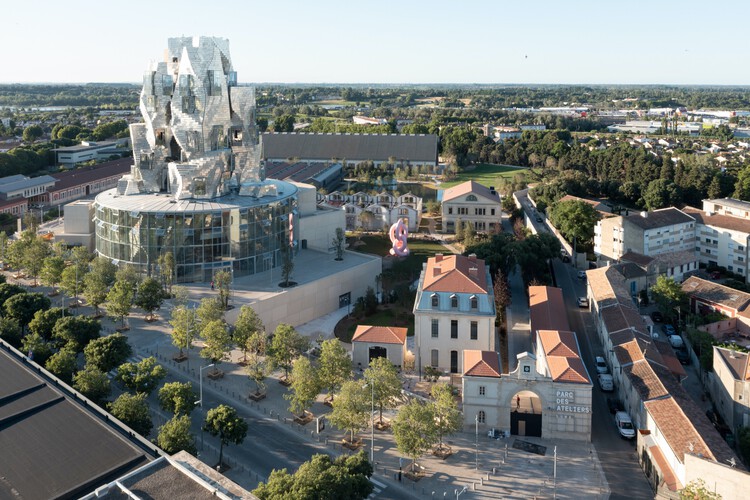
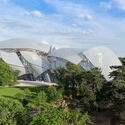
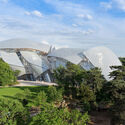
LUMA Arles / Gehry Partners. Photography by Iwan Baan. Image Courtesy of Gehry Partners
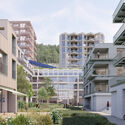
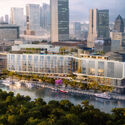
This week's news reflects architecture's simultaneous engagement with cultural reflection, professional legacy, and the material realities of building cities. The passing of Frank Gehry prompted a broader reassessment of late 20th- and early 21st-century architectural practice, while Shigeru Ban's selection as the recipient of the 2026 AIA Gold Medal brought renewed attention to socially driven design and the profession's public responsibilities. These milestones unfolded alongside wider conversations sparked by Human Rights Day, examining architecture's role in equity, housing access, and safety worldwide, and forward-looking discussions setting the architectural agenda for 2026 through major international events and cultural programs. At the scale of the built environment, these themes are echoed in three projects shaping future urban conditions: Powerhouse Company's transformation of a former limestone quarry into a mixed-use neighbourhood in Bærum, near Oslo; the groundbreaking of Riverside Wharf, a hospitality-led development contributing to the regeneration of Miami's River District; and Foster + Partners' approved retrofit of 1 St James's Square in London, focused on structural retention and long-term urban resilience.
Every year brings new ideas, projects, and shifts in architectural culture, but it also marks the loss of voices that have shaped the discipline across decades. Architecture moves forward, but it also advances through absence. When figures who helped articulate its language and its ambitions disappear, they leave behind more than completed works or influential texts. Their absence becomes a threshold, a moment in which the discipline pauses to understand what remains, what evolves, and what continues to guide us. These moments of loss remind us that architecture is a long, collective construction, carried not only by those shaping the present but also by those whose visions continue to orient how we think about cities and landscapes.
The architects and thinkers we lost in 2025 came from remarkably different worlds, yet the questions that shaped their work often intersected. Some approached the city through identity, symbolism, and historical continuity, seeking to ground the built environment in cultural memory. Others interpreted it through engineering precision, ecological systems, or radical experimentation, expanding what architecture could be and how it could be experienced. Their work spans contexts as diverse as postwar Britain, rapidly urbanizing China, Central European avant-gardes, and the evolving cultural institutions of Berlin and New York. Together, they form a spectrum of responses that defined, and continue to define, architectural culture over the last half-century, revealing the multiplicity of ways in which architecture can engage with society, technology, and the environment.
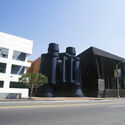
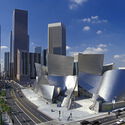
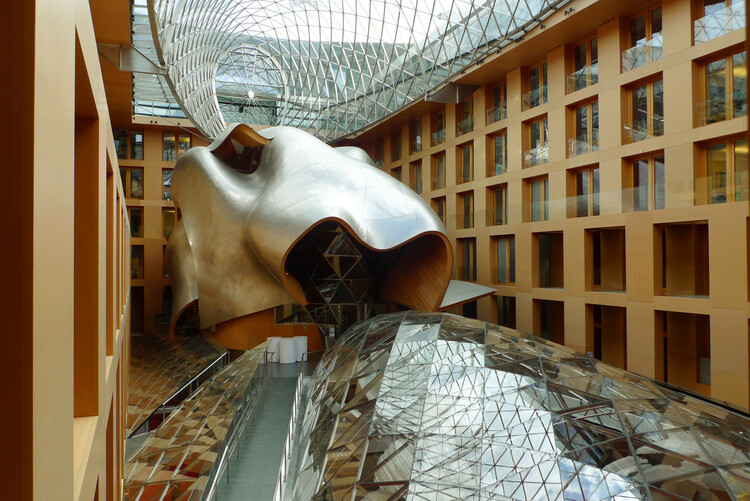
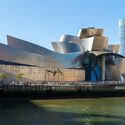
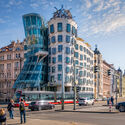
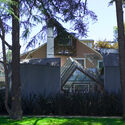
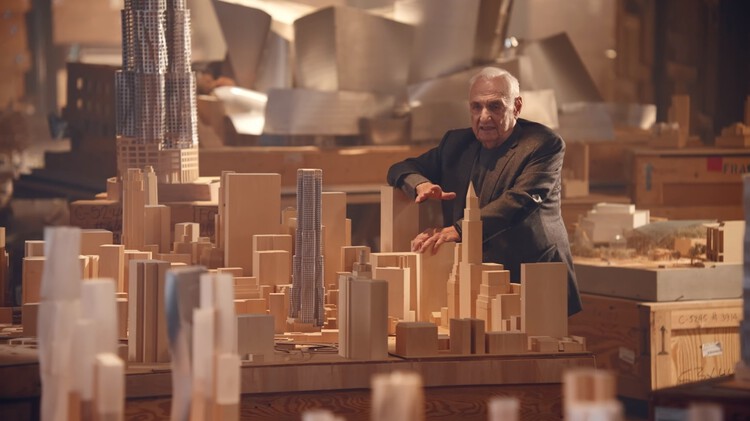
Following the news of Frank Gehry's passing at age 96, renewed attention has been directed toward a career that significantly shaped architectural discourse from the late 20th century onward. Over more than seven decades, Gehry developed a design language defined by material experimentation, iterative model-making, and an interest in fluid, expressive forms. His work ranges from early residential interventions in Southern California to major cultural institutions that have contributed to the identity of cities around the world. Together, these projects outline a trajectory that intersected with shifts in fabrication technologies, museum typologies, and urban redevelopment strategies.
Frank Gehry, one of the most influential and widely recognized architects of the past six decades, has died at his home in Santa Monica at the age of 96. His chief of staff, Meaghan Lloyd, confirmed that the cause was a brief respiratory illness. Gehry's death marks the passing of a designer whose work transformed not only architectural culture but the global imagination of what a building could be.
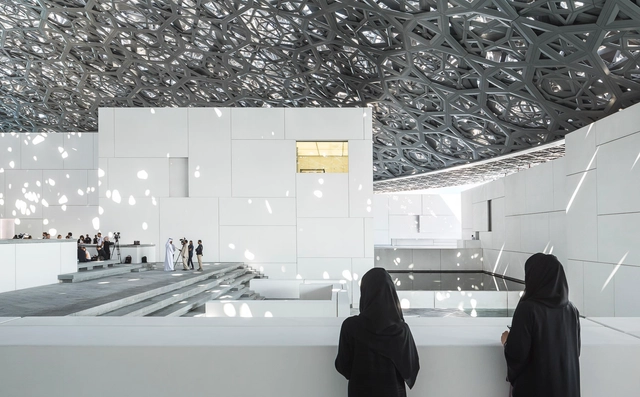
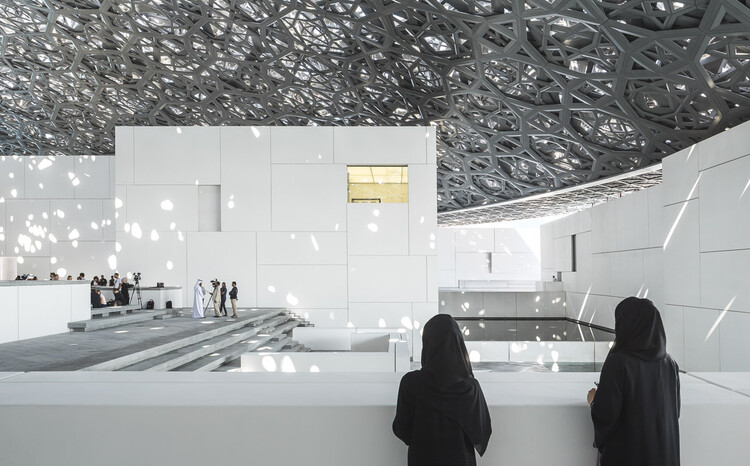
It is undeniable that, at first glance, the idea of a Louvre in Abu Dhabi or a Centre Pompidou in Brazil may seem somewhat disconcerting. The image of these museums, internationally renowned, appears in many ways inseparable from their original cultural contexts. And to some extent, it truly is. The Louvre, deeply rooted in the history of France as a former fortress and later royal residence, embodies a set of invaluable heritage values, further amplified by I. M. Pei’s iconic glass pyramid intervention in 1989. The Pompidou, meanwhile, is remembered as a historic turning point: by redefining the concept of public infrastructure through radically unconventional architecture, it marked the first time culture drew in mass audiences.
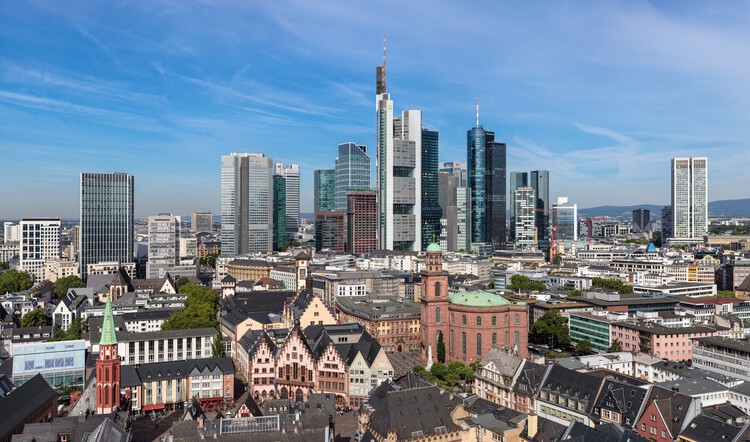
Frankfurt is often recognised for its distinctive skyline, a rare feature in European cities. Towering glass skyscrapers mark its role as a global financial hub, yet beneath this vertical image lies a city layered with centuries of history, destruction, and reconstruction. From medieval timber-framed houses to post-war modernism and contemporary high-rises, Frankfurt has consistently reinvented itself through architecture, producing a built environment where different periods coexist in dialogue.
The city's transformation accelerated after World War II, when much of its historic core was destroyed and planners sought to balance rapid economic growth with the need for cultural reconstruction. Landmarks such as the Römerberg square were meticulously rebuilt, while modernist interventions and infrastructural projects introduced new scales and languages. More recently, projects by internationally renowned offices have reshaped the riverfront and business districts, adding architectural icons that express Frankfurt's global role.
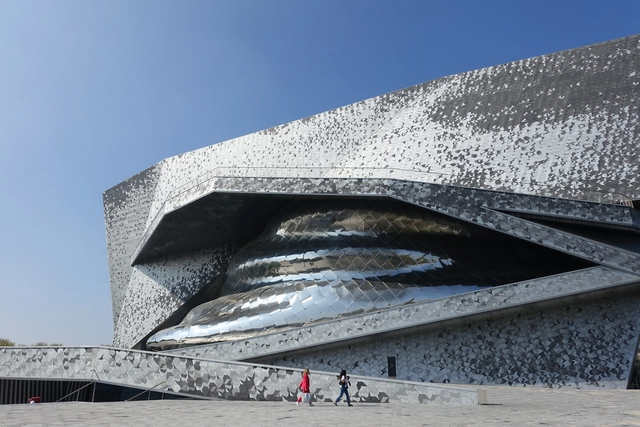
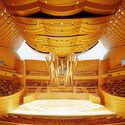
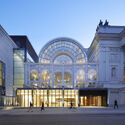
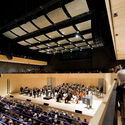
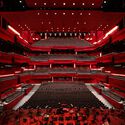
Theaters, concert halls, and opera houses are more than just venues — they are meticulously orchestrated environments where architecture, technology, and human emotion converge. Unlike conventional buildings, these spaces must accommodate a dynamic interplay between acoustics, sightlines, stage mechanics, and audience engagement, all while maintaining an architectural identity that resonates with performers and spectators alike. Whether it is the immersive embrace of a vineyard-style concert hall or the grandeur of a proscenium theater, every design decision shapes how performances are experienced and remembered.