1. ArchDaily
  2. FIFA World Cup 2026

FIFA World Cup 2026: The Latest Architecture and News

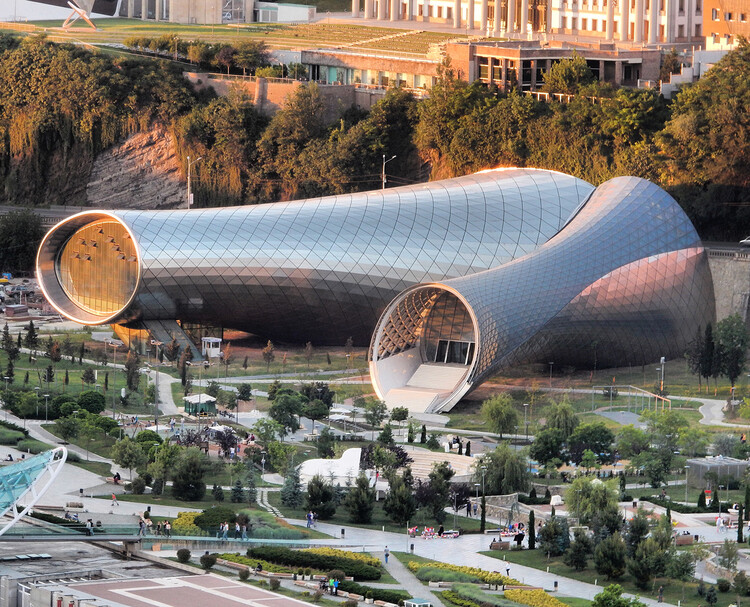
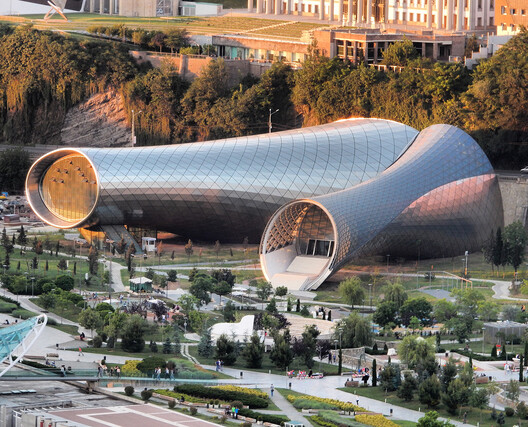
Rike Park Music Theater in Tbilisi and CRA's Residential Tower in Seoul: This Week's Review

Audio available

This week in architecture, discussions around the lifespan of buildings, the evolution of cultural institutions, and climate-responsive design highlighted how contemporary practice increasingly extends beyond the moment of construction. From debates over demolition and adaptive reuse to new museums that integrate landscape and environmental performance, the week's developments reflect shifting priorities around permanence, transformation, and public value. Alongside these projects, major institutional announcements, from the RIBA Stirling Prize shortlist to the election of a new UIA leadership, offer insight into the architectural agendas shaping the profession across different scales and geographies.

Rike Park Music Theater in Tbilisi and CRA's Residential Tower in Seoul: This Week's Review - Image 1 of 4Rike Park Music Theater in Tbilisi and CRA's Residential Tower in Seoul: This Week's Review - Image 2 of 4Rike Park Music Theater in Tbilisi and CRA's Residential Tower in Seoul: This Week's Review - Image 4 of 4Rike Park Music Theater in Tbilisi and CRA's Residential Tower in Seoul: This Week's Review - Image 3 of 4Rike Park Music Theater in Tbilisi and CRA's Residential Tower in Seoul: This Week's Review - More Images+ 2

The Architecture of the FIFA World Cup: Looking Back at 2026 and Ahead to 2030

Audio available

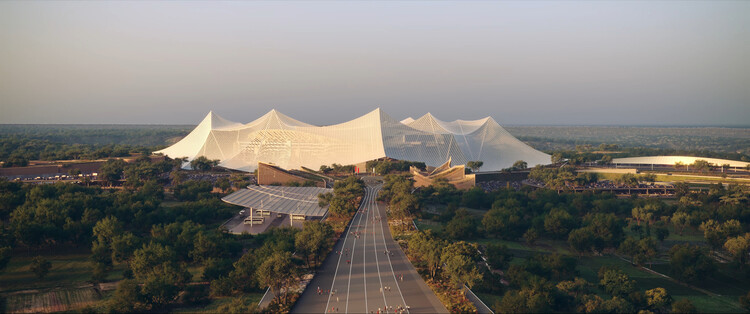
The conclusion of the FIFA World Cup 2026 marks the end of the tournament's largest edition to date. Hosted across Canada, Mexico, and the United States, the competition expanded to 48 national teams and brought together sixteen host cities distributed across three countries. For decades, FIFA World Cups have served as catalysts for architectural production. Each edition has generated a distinct collection of stadiums, transportation investments, public spaces, and urban interventions that often remain part of their host cities long after the tournament concludes. While recent competitions have become associated with landmark stadium projects and ambitious national building programs, the 2026 edition followed a different trajectory, relying primarily on existing venues adapted to FIFA's technical and operational requirements.

The Architecture of the FIFA World Cup: Looking Back at 2026 and Ahead to 2030 - Imagen 1 de 4The Architecture of the FIFA World Cup: Looking Back at 2026 and Ahead to 2030 - Imagen 2 de 4The Architecture of the FIFA World Cup: Looking Back at 2026 and Ahead to 2030 - Imagen 3 de 4The Architecture of the FIFA World Cup: Looking Back at 2026 and Ahead to 2030 - Imagen 4 de 4The Architecture of the FIFA World Cup: Looking Back at 2026 and Ahead to 2030 - More Images+ 3

Vancouver Architecture City Guide: 20 Projects Behind North America's Most Livable City

Subscriber Access | 
Audio available

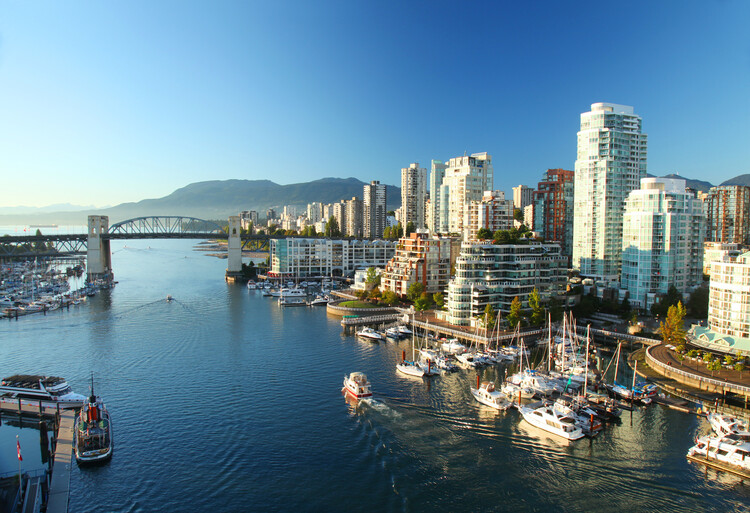
As the overview of the FIFA World Cup 2026 cities continues, we move on to what is currently the most livable city in North America, Vancouver. Dubbed the city of glass by artist Douglas Coupland, who was referring to the downtown's dominant steel-and-glass architectural aesthetic, the city actually boasts diverse architecture, from 20th-century Edwardian buildings to unique 21st-century modernist sites.

Vancouver is known for its good quality of life and access to nature. Although it comes at a price, the city offers high-quality services and ample recreational and public spaces, as seen in its architecture. There are many repurposed office and institutional buildings that have taken on a second life as public and hospitality spaces.

Vancouver Architecture City Guide: 20 Projects Behind North America's Most Livable City - Image 1 of 4Vancouver Architecture City Guide: 20 Projects Behind North America's Most Livable City - Image 2 of 4Vancouver Architecture City Guide: 20 Projects Behind North America's Most Livable City - Image 3 of 4Vancouver Architecture City Guide: 20 Projects Behind North America's Most Livable City - Image 4 of 4Vancouver Architecture City Guide: 20 Projects Behind North America's Most Livable City - More Images+ 18

Toronto Architecture City Guide: 30 Modern and Contemporary Landmarks in Canada's Largest City

Subscriber Access | 

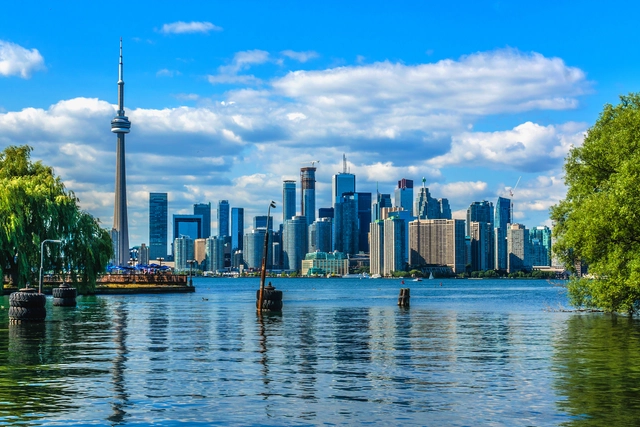
As one of the host cities of the 2026 FIFA World Cup, Toronto is preparing to welcome fans from across the globe. The Canadian city, the fourth largest in North America, has become a cosmopolitan center with its renowned business district and cultural venues that come alive during the summer and early fall nights. Toronto offers a beautifully diverse urban setting, with shimmering high-rises and smaller brick houses, intertwining residential and vibrant commercial areas, public parks, and even beaches. All become part of the city's striking skyline, crowned by the iconic CN Tower.

Toronto's ongoing sprawl and constant urban development are evident as new projects spread through the city, weaving themselves into existing buildings, from 19th-century landmarks such as the Gooderham Building to major contemporary works like the Aga Khan Museum. These new constructions include increasing adaptive reuse and retrofitted projects throughout the city as more efforts and incentives are provided to reduce carbon emissions.

Toronto Architecture City Guide: 30 Modern and Contemporary Landmarks in Canada's Largest City - Image 1 of 4Toronto Architecture City Guide: 30 Modern and Contemporary Landmarks in Canada's Largest City - Image 2 of 4Toronto Architecture City Guide: 30 Modern and Contemporary Landmarks in Canada's Largest City - Image 3 of 4Toronto Architecture City Guide: 30 Modern and Contemporary Landmarks in Canada's Largest City - Image 4 of 4Toronto Architecture City Guide: 30 Modern and Contemporary Landmarks in Canada's Largest City - More Images+ 38

Discover the Full List of Stadiums Hosting the 2026 FIFA World Cup in the United States, Mexico, and Canada

Subscriber Access | 

The FIFA World Cup 2026 will take place from June 11 to July 19, 2026, across North America, with matches hosted at 16 venues in Canada, Mexico, and the United States. For the first time, the tournament is being co-hosted by three countries: 11 venues in the United States, 3 in Mexico, and 2 in Canada. Since the 2018 FIFA Congress selected the venues to host the 2026 World Cup, the three North American countries have been working to deliver the tournament. This edition will be the first to feature 48 competing teams, expanded from 32. Unlike the 2022 Qatar World Cup, which required the construction of entirely new stadiums, the three host countries already have the necessary infrastructure in place, though several venues are taking the opportunity to upgrade their facilities, including Mexico City's Estadio Azteca, Arlington's AT&T Stadium, and Toronto's BMO Field.

Discover the Full List of Stadiums Hosting the 2026 FIFA World Cup in the United States, Mexico, and Canada - Image 1 of 4Discover the Full List of Stadiums Hosting the 2026 FIFA World Cup in the United States, Mexico, and Canada - Image 2 of 4Discover the Full List of Stadiums Hosting the 2026 FIFA World Cup in the United States, Mexico, and Canada - Image 3 of 4Discover the Full List of Stadiums Hosting the 2026 FIFA World Cup in the United States, Mexico, and Canada - Image 4 of 4Discover the Full List of Stadiums Hosting the 2026 FIFA World Cup in the United States, Mexico, and Canada - More Images+ 13