This week's news reflects architecture's simultaneous engagement with cultural reflection, professional legacy, and the material realities of building cities. The passing of Frank Gehry prompted a broader reassessment of late 20th- and early 21st-century architectural practice, while Shigeru Ban's selection as the recipient of the 2026 AIA Gold Medal brought renewed attention to socially driven design and the profession's public responsibilities. These milestones unfolded alongside wider conversations sparked by Human Rights Day, examining architecture's role in equity, housing access, and safety worldwide, and forward-looking discussions setting the architectural agenda for 2026 through major international events and cultural programs. At the scale of the built environment, these themes are echoed in three projects shaping future urban conditions: Powerhouse Company's transformation of a former limestone quarry into a mixed-use neighbourhood in Bærum, near Oslo; the groundbreaking of Riverside Wharf, a hospitality-led development contributing to the regeneration of Miami's River District; and Foster + Partners' approved retrofit of 1 St James's Square in London, focused on structural retention and long-term urban resilience.

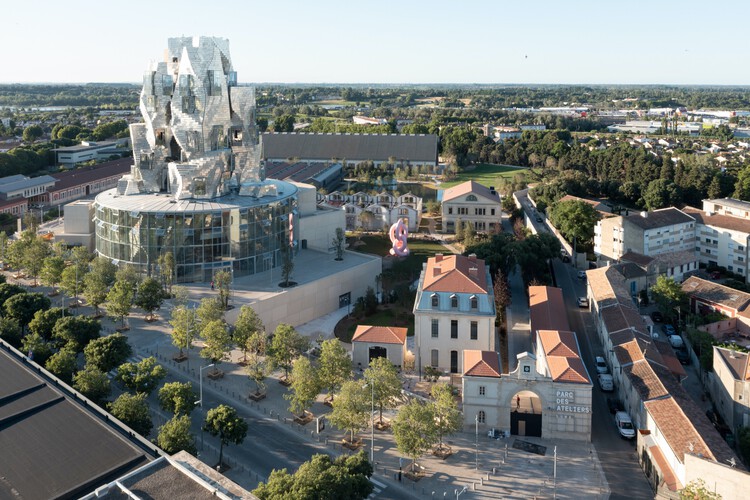
Frank Gehry, Architect of a Transformational Era, Dies at 96
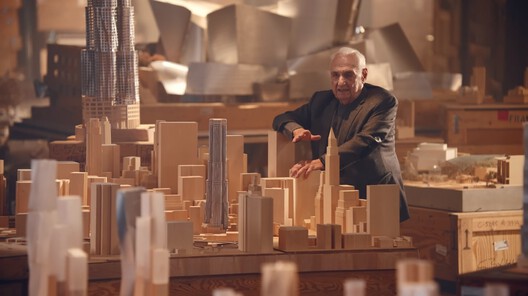
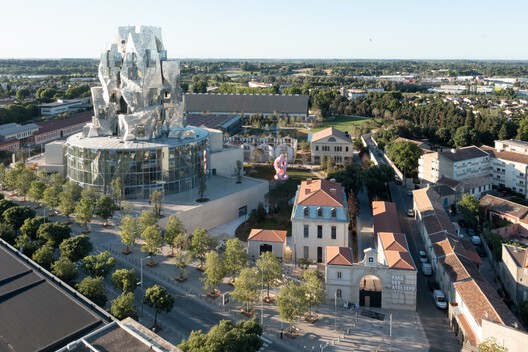
Frank Gehry passed away this week at the age of 96, marking the end of a career that significantly influenced late 20th- and early 21st-century architecture. Born in Toronto and based in Los Angeles for most of his professional life, Gehry became widely known for an approach that challenged conventional building forms and materials, most notably through projects such as the Guggenheim Museum Bilbao, which played a pivotal role in redefining the relationship between architecture, city branding, and cultural tourism. Across a body of work spanning several decades and continents, including concert halls, museums, institutional buildings, and private residences, Gehry consistently explored fragmentation, movement, and experimentation with structure and surface, often enabled by early adoption of digital design tools. While his work has been the subject of both acclaim and debate, its impact on architectural practice, urban discourse, and the public perception of contemporary architecture remains substantial and enduring.
Setting the Architectural Agenda for 2026
Major international events scheduled for 2026 are already shaping architectural discourse, positioning the year as a moment of global reflection, experimentation, and production. From biennials, congresses, and cultural gatherings outlined in the broader international architecture agenda, to large-scale, city-driven programs such as the European Capitals of Culture in Oulu and Trenčín, architecture emerges as both an analytical and project-based tool for addressing cultural identity, social inclusion, and urban transformation. In parallel, the Milano Cortina 2026 Winter Olympics extend this discussion into the realm of large-event infrastructure, with six Olympic Villages distributed across northern Italy and designed around the reuse of existing buildings and urban assets, reinforcing themes of adaptability, territorial balance, and long-term legacy rather than iconic, single-use construction.
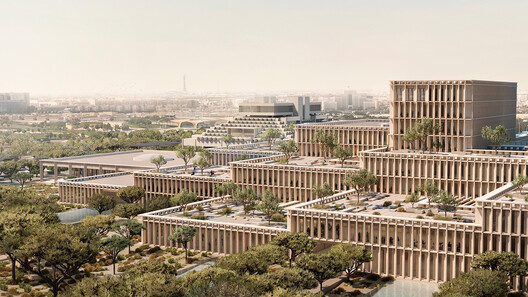
Beyond events and frameworks, 2026 also points toward tangible projects, material explorations, and urban initiatives that will influence architectural practice and public perception. Pantone's selection of "Cloud Dancer," a soft white tone, as Color of the Year 2026 aims to signal a shift toward restraint, lightness, and atmospheric subtlety in material and spatial expression. At the architectural scale, this week we learned about Frida Escobedo's commission for Qatar's new Ministry of Foreign Affairs in Doha, foregrounding adaptive reuse as a civic strategy, integrating a modernist landmark into a contemporary institutional program. Complementing these large-scale interventions, initiatives such as Ubani's Guide to Tbilisi Districts, beginning with the historic Kala neighborhood, highlight a growing emphasis on urban literacy, documentation, and localized narratives as essential tools for understanding and shaping cities in the years ahead.
On The Radar
Powerhouse Company to Transform Former Limestone Quarry into a Mixed-Use Neighbourhood in Bærum, Oslo
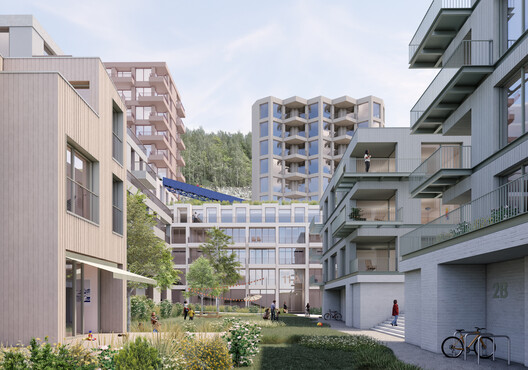
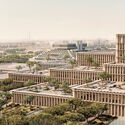
Powerhouse Company has been selected to design Kalkbyen Franzefoss, a new residential neighbourhood in Bærum municipality, west of Oslo, commissioned by Scandinavian Property Group AS and located on the site of a former limestone quarry operated by Franzefoss. The project transforms a steep, terraced industrial landscape into a mixed-use neighbourhood that builds on the site's geological formation and industrial heritage. As the first phase of a larger 150,000 m² masterplan, the proposal comprises approximately 18,500 m² of residential and commercial floor area, including around 255 apartments, 10 townhouses, and more than 200 parking spaces, organised through a range of housing typologies that vary in scale and layout. The architectural concept draws directly from the quarry's material and spatial character, integrating the existing rock terraces ("fjellhyller") as elevated public and semi-private outdoor spaces that connect buildings, frame communal areas, and open views toward the surrounding landscape. Emphasis is placed on ensuring that the site's distinctive topography remains a defining element of the new neighbourhood. Work on the detailed zoning plan is scheduled to begin in 2026.
Riverside Wharf Hospitality Development Breaks Ground, Advancing the Regeneration of Miami's River District

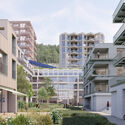
Riverside Wharf has officially broken ground along the Miami River in Downtown Miami, marking the start of construction on a hospitality-centric mixed-use development set to play an important role in the ongoing regeneration of the Miami River District. The approximately 200,000-square-foot, nine-story complex is designed by Jon Cardello of CUBE 3 Architects, with Gensler overseeing construction documentation and ICRAVE responsible for interior design. The project combines hotel, entertainment, and dining programs, anchored by a 167-key hotel and complemented by a 30,000-square-foot nightclub and rooftop pool dayclub, a 12,000-square-foot event hall, and approximately 16,000 square feet of restaurant space, including the revitalization and expansion of The Wharf Miami. In parallel with its commercial and hospitality functions, Riverside Wharf incorporates public-facing and infrastructural improvements, including the construction of a new public riverwalk, an upgraded seawall, and sea-level-rise mitigation measures. The development is scheduled for completion in Fall 2028 and is positioned as a significant new waterfront destination within Miami's downtown core.
Foster + Partners Secures Planning Approval for Sustainable Office Retrofit at 1 St James's Square, London
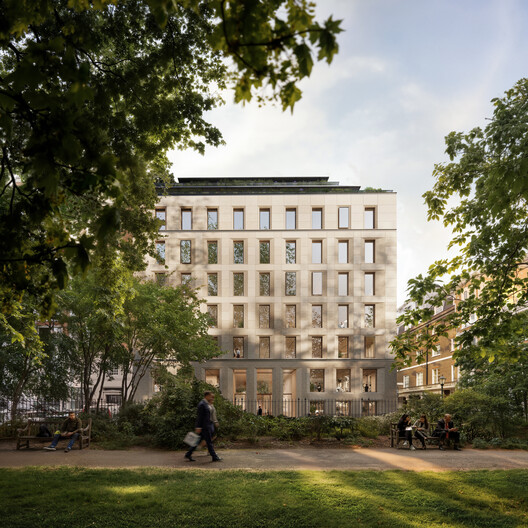
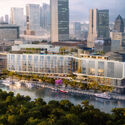
Foster + Partners has secured planning approval from Westminster City Council for the redevelopment of 1 St James's Square, a major office retrofit project located in London's St James's district, focused on extending the life and performance of an existing commercial building. The proposal retains more than 50 percent of the original structure while comprehensively reworking the façade and adding two new levels that incorporate green outdoor spaces, intending to reduce embodied carbon and improve long-term operational efficiency. The redesigned Portland stone façade responds to the square's Georgian context and introduces chamfered windows to enhance daylight and natural airflow, supporting a mixed-mode ventilation strategy that enables natural ventilation for approximately 40 percent of the year and targets a substantial reduction in cooling demand. Providing 11,000 square metres of flexible office space across ten floors, the all-electric scheme integrates air-source heat pumps, photovoltaic canopies, green roofs, and landscaped terraces to enhance biodiversity and on-site energy generation.
This article is part of our new This Week in Architecture series, bringing together featured articles this week and emerging stories shaping the conversation right now. Explore more architecture news, projects, and insights on ArchDaily.


