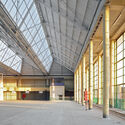
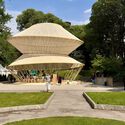
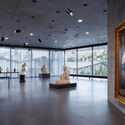
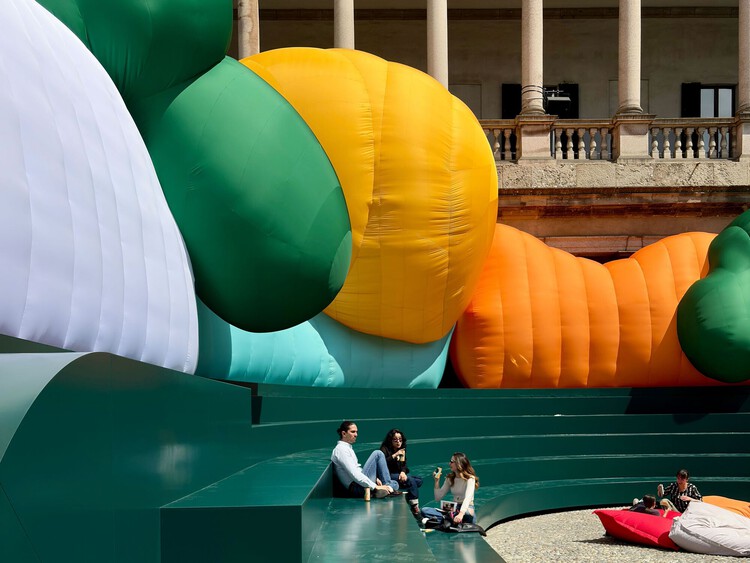
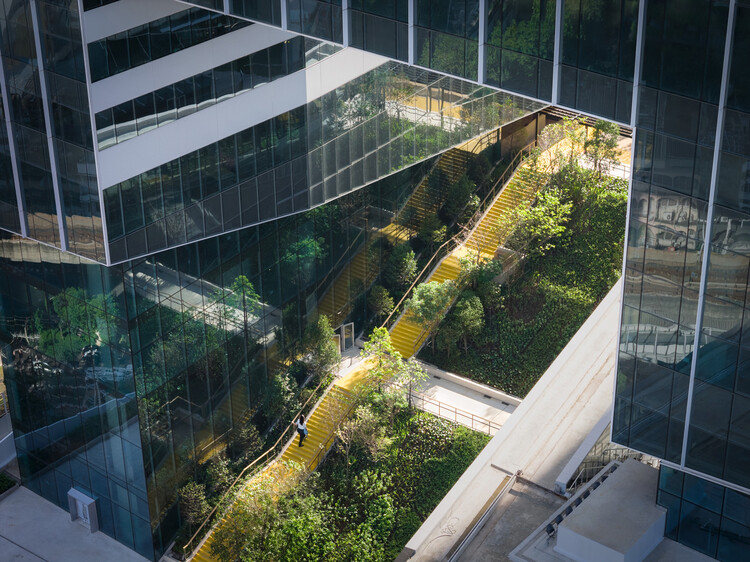
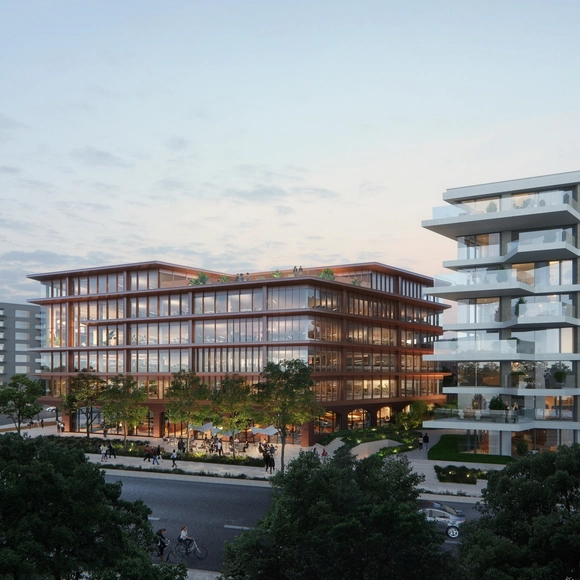
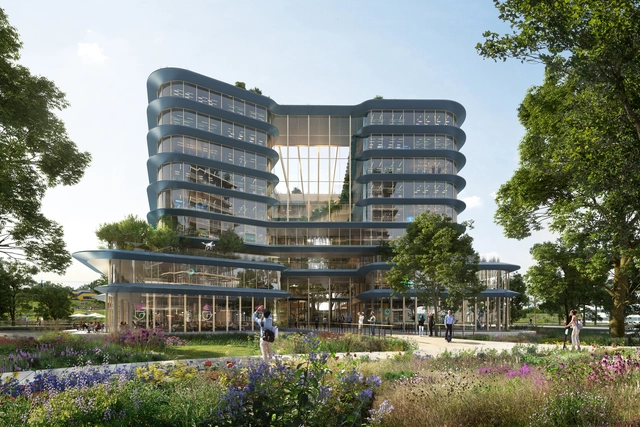
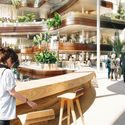
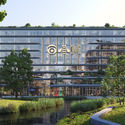
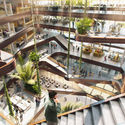
Ooooh, that's EpiQ! By Ricardo Orts Ulises. Image Courtesy of ArchDaily's editors on-site in Milano
Observed annually on April 22, International Mother Earth Day frames this week's architectural discourse through an urgent call to rethink the relationship between the built environment and natural systems, foregrounding themes such as urban rewilding, the restoration of aquatic ecosystems, and the integration of ancestral knowledge into contemporary design practices. On another note, the opening of Salone del Mobile.Milano 2026 and Milan Design Week 2026 seek to reinforce the global relevance of design as a platform for exchange and experimentation, activating the city of Milan through a network of exhibitions and installations that engage both industry and public audiences. Among the announcements of award-winning architectural projects this week, the United Nations' House of No Waste (HØW) Competition highlights emerging architectural responses to climate and resource challenges. The awarded projects demonstrate scalable strategies for reducing material waste and embodied carbon while promoting adaptable, socially responsive, and resource-conscious public infrastructure.
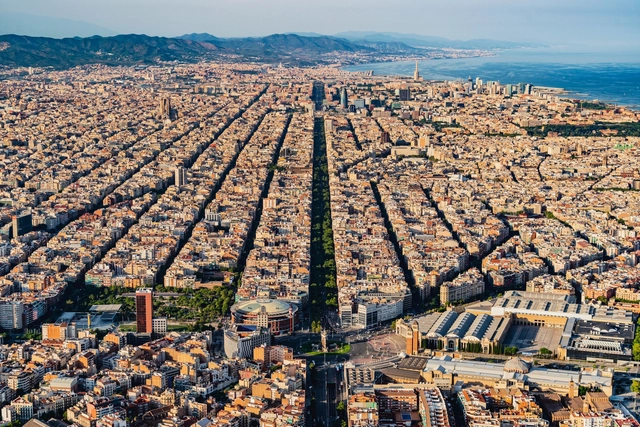
This week's review focuses on concrete responses to shared urban challenges, including housing affordability, long-term resilience, and the role of cultural and material innovation in shaping cities. The selection spans regulatory measures affecting housing markets in European cities, high-density residential and mixed-income proposals in New York, and major renewal and planning efforts in London, Barcelona, Ulaanbaatar, and Drammen. It also highlights research-driven and built projects in Chicago, Buenos Aires, Las Vegas, and Riyadh that explore circular construction, adaptive reuse, and new models for cultural and public infrastructure. Together, these worldwide projects offer a snapshot of how architecture and urban planning are addressing immediate pressures while laying the groundwork for more resilient and inclusive urban futures across diverse geographic and cultural contexts.
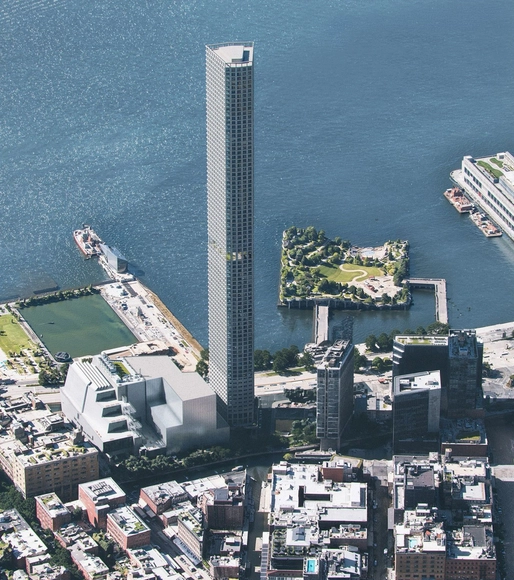
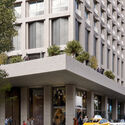
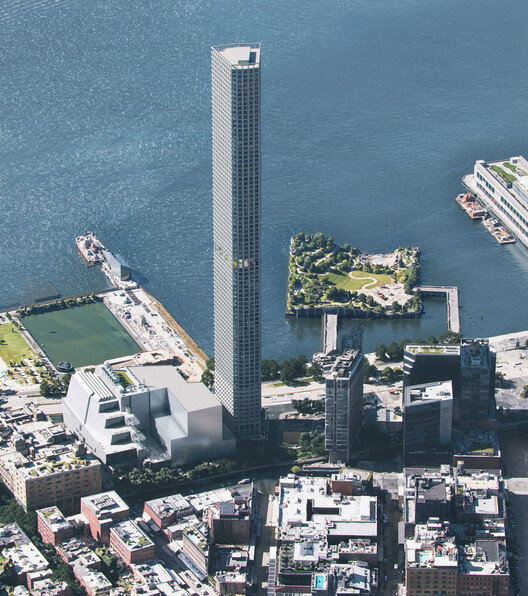
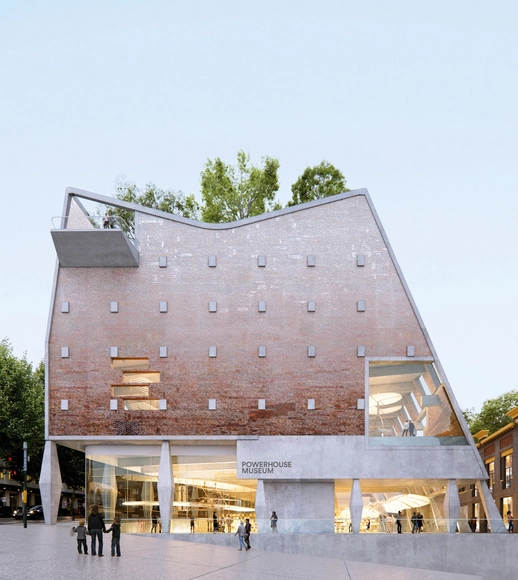
5050 Gansevoort mixed use building. Project render. Image Courtesy of Powerhouse Company
In January 2025, New York City Mayor and the New York City Economic Development Corporation (NYCEDC) announced new steps in the reimagining of Gansevoort Square, a 66,000-square-foot site located on Little West 12th Street between Washington Street and 10th Avenue in Manhattan's Meatpacking District. The redevelopment of the site aims to integrate a mix of affordable housing for New Yorkers, new retail space for residents and visitors, and opportunities to expand the Whitney Museum of American Art and the High Line. The Request for Proposals outlined a vision for up to 600 units of mixed-income housing, with a goal of 50 percent of the total units being permanently affordable, along with ground-floor commercial space. International architectural practice Powerhouse Company recently revealed its competition proposal, exceeding these demands with 1,000 rental homes in a supertall tower, half affordable and half market-rate, mixed equally throughout the building's full height.
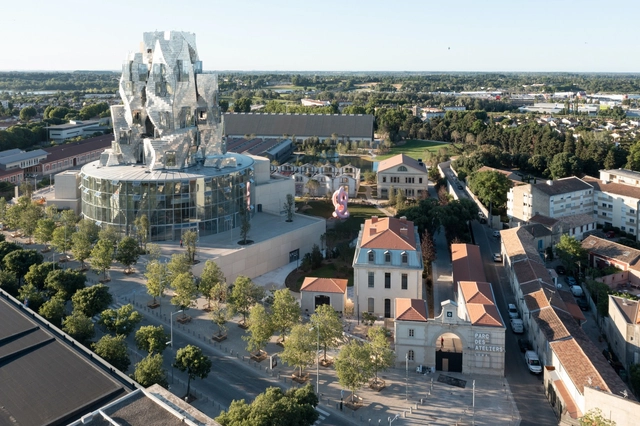
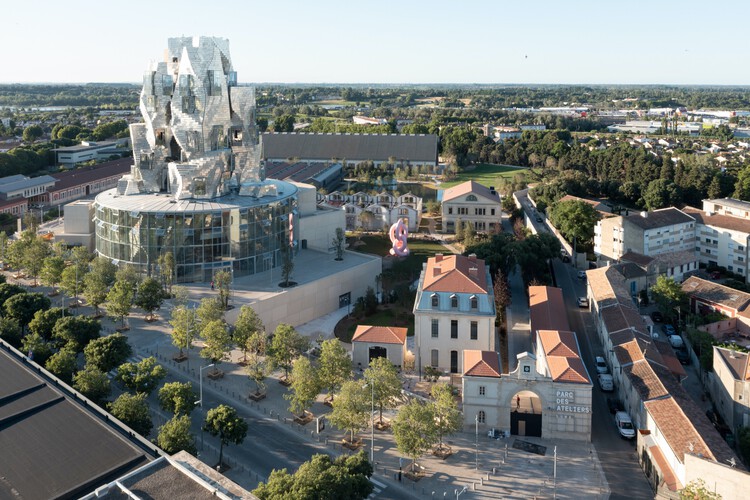
LUMA Arles / Gehry Partners. Photography by Iwan Baan. Image Courtesy of Gehry Partners
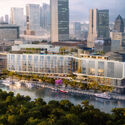
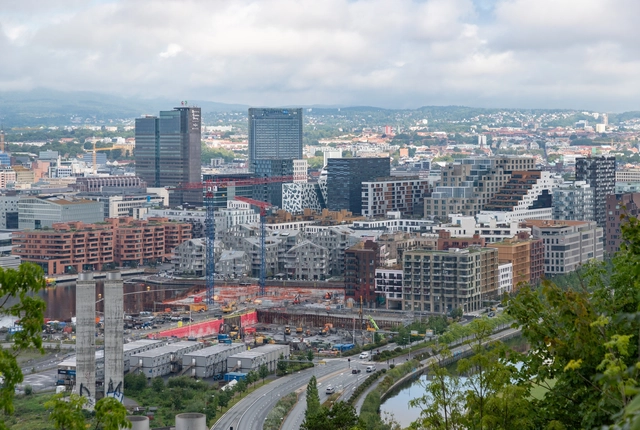
This week's news reflects architecture's simultaneous engagement with cultural reflection, professional legacy, and the material realities of building cities. The passing of Frank Gehry prompted a broader reassessment of late 20th- and early 21st-century architectural practice, while Shigeru Ban's selection as the recipient of the 2026 AIA Gold Medal brought renewed attention to socially driven design and the profession's public responsibilities. These milestones unfolded alongside wider conversations sparked by Human Rights Day, examining architecture's role in equity, housing access, and safety worldwide, and forward-looking discussions setting the architectural agenda for 2026 through major international events and cultural programs. At the scale of the built environment, these themes are echoed in three projects shaping future urban conditions: Powerhouse Company's transformation of a former limestone quarry into a mixed-use neighbourhood in Bærum, near Oslo; the groundbreaking of Riverside Wharf, a hospitality-led development contributing to the regeneration of Miami's River District; and Foster + Partners' approved retrofit of 1 St James's Square in London, focused on structural retention and long-term urban resilience.
Tourist facilities such as resorts and hotels are often an engaging case study for architects and architecture enthusiasts, as they strive to combine functional and accessible design with locally-influenced cultural expressions. These structures often require unique solutions to meet the diverse needs of guests, including comfort, aesthetics, and functionality. Their design and construction also impact local economies and environments, providing opportunities for architects to contribute to sustainable tourism and community development.
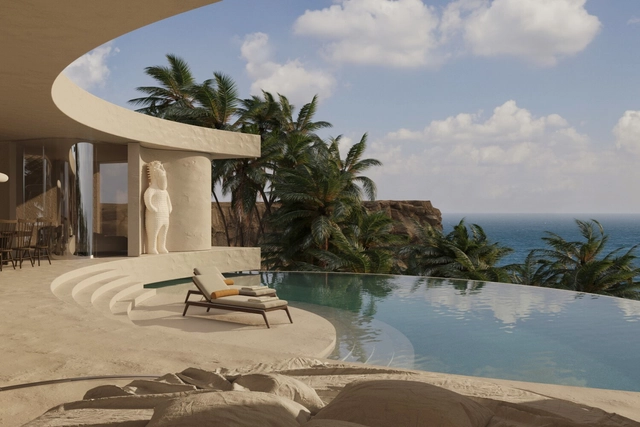
This week's curated selection of Best Unbuilt Architecture highlights projects submitted by the ArchDaily community that offer tourist accommodation in unique settings, including the beaches of the Caribean, the Caucasus mountain range in Georgia, the urban setting of Oslo, or the wine-making region of Puglia in Italy. Featuring projects from emerging and established architectural offices such as WilkinsonEyre, Oppenheim Architecture, Powerhouse Company, or 3GATTI, the selection showcases architectural designs that reimagine tourist facilities and reflect the diversity of their environmental and cultural contexts.
Deutsches Architekturmuseum (DAM) has announced the International High-Rise Award 2024/25. Selected from more than 1,000 new high-rises worldwide dating from the past two years, the nominated projects are located in 13 counties from 5 continents. In autumn, the five finalists will be announced, followed by the winner announcement scheduled for November 12, 2024. The main objective of the award is to highlight good practices in the ongoing trend of mixed-use high-rises.
With the increase in the construction of high-rises, special features such as the introduction of greenery in the design, unusual shapes, or the construction of clusters of towers, have become the new normal. DAM’s research this year also shows a growing eco-awareness, as the focus in high-rise construction is increasingly on the use of existing buildings. While the majority of tall buildings continue to be erected in China, followed by the USA, Australia, and Singapore have emerged as new hubs of high-rise architecture.
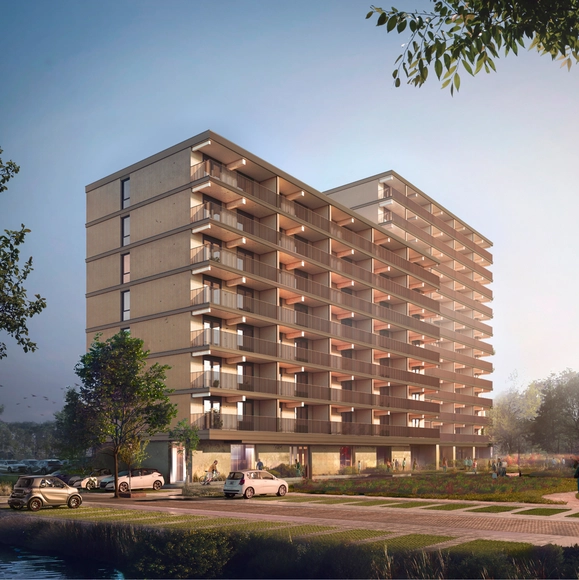
Powerhouse Company has revealed the design for the largest timber-built affordable housing complex in the Netherlands. “Valckensteyn” is a circular design featuring a 12-story timber structure and 82 homes. Situated within Pendrecht, a post-war neighborhood in Rotterdam, it sits on the site of a residential flat bearing the same name, demolished a decade ago. The timber structure seeks to be circular and sustainable in its design, creating a nature-inclusive environment that is accessible to all.
Courtesy of Powerhouse Company, Vivid-Vision, Atchain
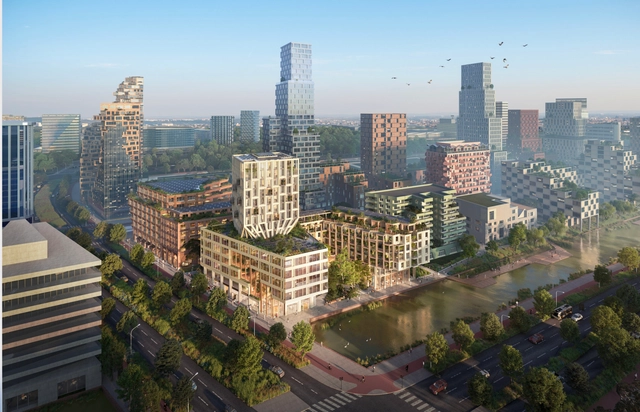
Powerhouse Company has just revealed its designs for “The Harmony” in the AmsterdamZuidas area. Featuring two towers, The Canyon and The Coast, the project aims to blend office spaces, commercial areas, and affordable housing. “The Harmony” establishes a new link between the Zuidas district and the upcoming residential zone of Ravel.
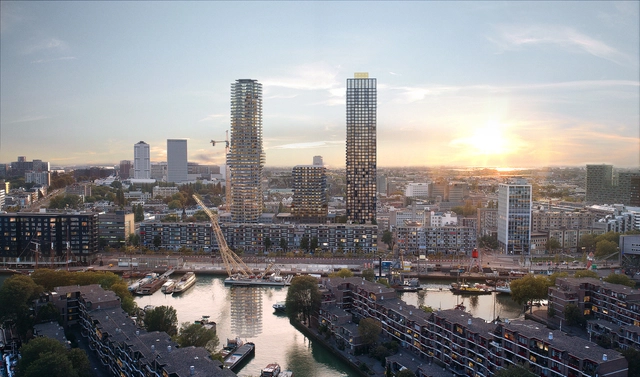
Designed by Powerhouse Company, the BaanTower has started construction in the remodeled Baan Quarter neighborhood of Rotterdam. The residential tower strives to promote a sustainable architecture based on the well-being of its residents. Upon completion, the high-rise will house 427 apartments available for rent. Seven years after the original draft, the project has recently received its building permit, and is expected to be completed by 2026.
The Norwegian studio of Powerhouse, in collaboration with KIMA arkitektur, has won a design competition for the transformation and extension of one of the historical buildings located in the center of Landbrukskvartalet. Known as the Agricultural Quarter, a former farming and industrial site in central Oslo, the area is now scheduled to go through an urban revitalization process to be transformed into an active neighborhood based on the design philosophy of ‘new meets old’.
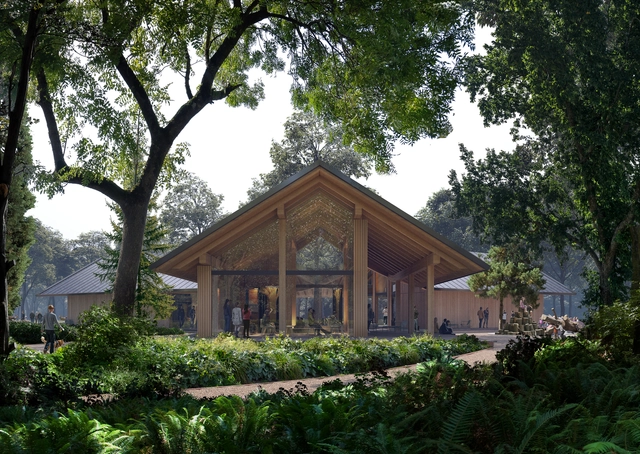
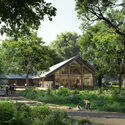
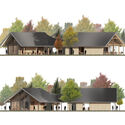
Powerhouse Company, in collaboration with landscape architecture office DELVA, has unveiled the design for a new visitor center for the Koekamp, which will play an essential role as a gateway to the new Hollandse Duinen national park. This intervention will open part of Koekamp, a green expanse near The Hague’s Central Station, to the public. The visitor center, commissioned by the Dutch forestry commission, is expected to be completed in 2024.
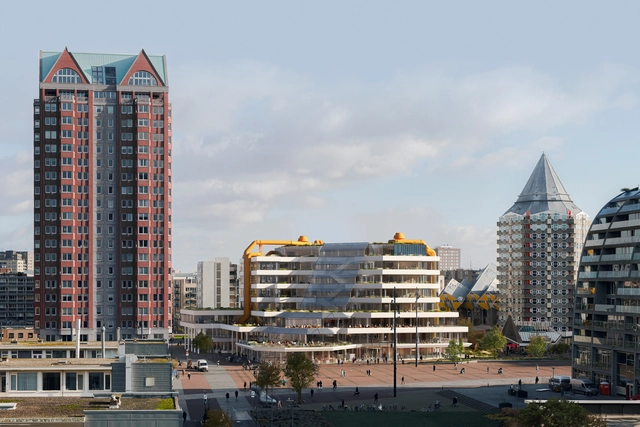
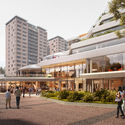
The City of Rotterdam has selected Powerhouse Company, Atelier Oslo, Lundhagem to renew and extend the city’s Central Library, a landmark building from the early 1980s designed by Van den Broek & Bakema. The new design adopts the concept of radical reuse in order to transform a 1980s building into a contemporary library, well-adapted to the necessities of modern users. The team combines the expertise of Powerhouse Company, Atelier Oslo, and Lundhagem, the latter two offices being awarded in 2021 with the Public Library of the Year Award for their design of Oslo!s Deichman library. Construction is expected to begin in 2025 and be completed by the end of 2028, the year marking the building!s 45th anniversary.
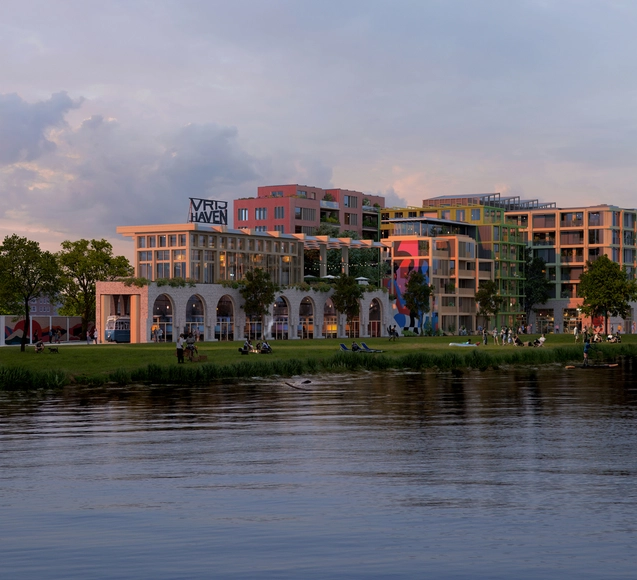
Powerhouse Company has revealed a new design for THIS., a new mixed-use development in Amsterdam’s North District. Overlooking the waterfront of the IJ river, the complex offers the necessary amenities for both working and living in an area close to the city center. The ensemble includes a new office building, two waterfront private sector residential buildings, and two social housing blocks containing a total of 2017 homes. A Hidden Garden, designed by Delva Landscape Architecture and Urbanism, connects the residential and office buildings, creating a space for leisure and social activities.
Powerhouse Company has revealed the design of the new IBMHeadquarters in Amsterdam, Netherlands. The architects drew inspiration from the client’s ethos to create a building that functions as a vertical city, with a large atrium conceived as the central social space and multi-tenant offices as neighborhood units. The 35,000 square meter building will house startups and scaleups in addition to the various amenities like fitness areas, restaurants, and lecture halls.
Powerhouse Company revealed its design for the new Tilburg University Lecture Hall, which upon completion, will be the Netherlands’ first academic building made of cross-laminated timber. Set within a wooded landscape, the lecture hall is a nod to the 1960s grade-listed Modernist architecture of the campus, echoing its monastic atmosphere through the rhythm of the windows and the limestone façades.