

The European Capital of Culture (ECoC) initiative was launched in 1985 and has, to date, been awarded to more than 60 cities across Europe. It is designed to celebrate and promote cultural diversity on the continent, strengthen European citizens' sense of belonging to a shared cultural space, and foster culture's contribution to urban development. In practice, the designation has proven to be a catalyst for urban regeneration, tourism growth, the strengthening of cities' international profiles, and the improvement of how they are perceived by their own residents. European Capitals of Culture are formally designated four years before the title year, allowing time to plan, prepare, and embed the program within a long-term cultural strategy, establish European partnerships, and ensure that appropriate infrastructure is in place. In 2025, the European Capitals of Culture are the German city of Chemnitz and the Slovenian city of Nova Gorica. For 2026, the designated cities are Oulu in Finland and Trenčín in Slovakia.
The European Capitals of Culture selection process is overseen by the European Commission. Six years before the title year, the host Member States publish a call for applications, usually through their Ministry of Culture. Interested cities submit proposals that are assessed against established criteria during a pre-selection phase by a panel of independent experts in culture and culture-led urban development. The panel agrees on a shortlist of cities, which are then invited to submit more detailed applications. Following a final evaluation, the panel recommends one city per host country, which is then formally designated European Capital of Culture by the relevant national authority.
There are typically two European Capitals of Culture each year. This reflects the program's evolution into a rotating system involving all EU Member States, ensuring broad representation and cultural exchange. Traditionally, one city is selected from an older EU Member State and another from a newer one, or through a cross-border initiative such as the Nova Gorica–Gorizia partnership in 2025. The program was expanded in the 2000s to accommodate the growing European Union. Cities from EU candidate countries, potential candidates, and European Free Trade Association countries that are party to the European Economic Area Agreement (EFTA/EEA) may also hold the title in specific years, including 2022, 2024, 2028, 2030, and 2033. These cities are selected through open competitions managed by the European Commission, following a process similar to that used in Member States.
Related Article
The Architecture Agenda: Inside the Key Events of 2026Trenčín, Slovakia
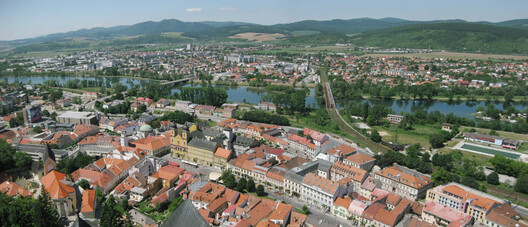
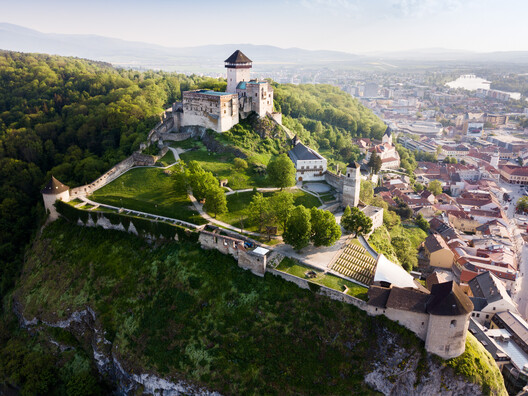
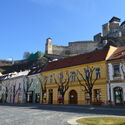
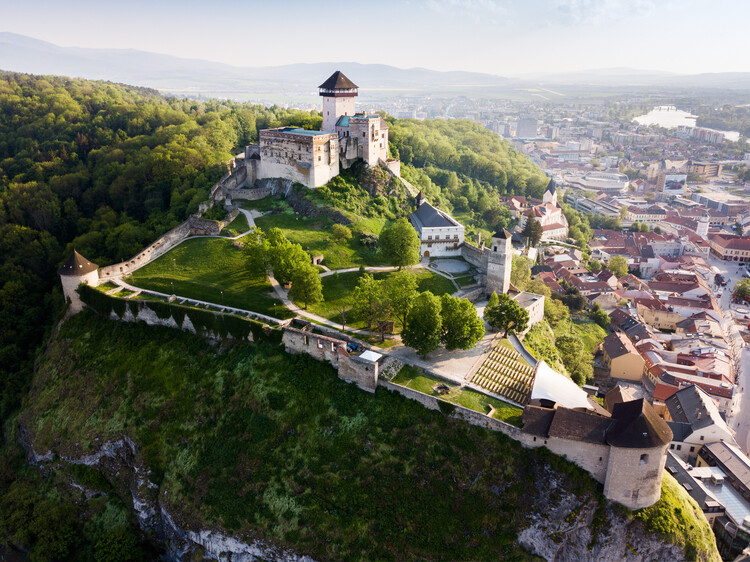
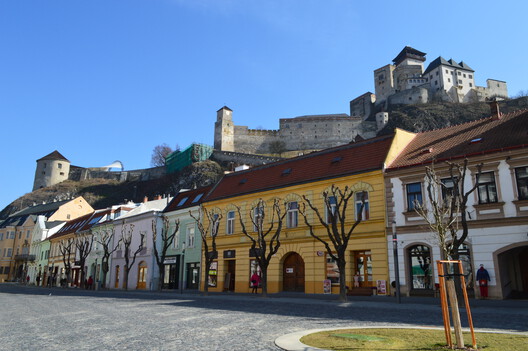
Trenčín is a city in western Slovakia, located in the central Váh River valley near the Czech border, approximately 120 kilometers from Bratislava. It is known for marking the northernmost confirmed Roman presence in Central Europe and for its medieval castle, situated on a rocky outcrop above the city, with origins dating back to Roman times. The city's bid was submitted under the slogan "Cultivating Curiosity," understood as a catalyst for cultural change and regeneration, fostering care, responsibility, interest, and empathy. In the selection report, curiosity is described as "the main precondition to learn and create a creative and flexible environment" capable of responding to emerging challenges and contributing to solutions for existing ones. The vision is to align the city with a contemporary cultural expression rooted in collaboration and co-creation, connecting past and future, city and nature, culture and everyday life. A program of activities celebrating art, craft, and creativity began in December 2025, with the full calendar available on the official website.
Oulu, Finland
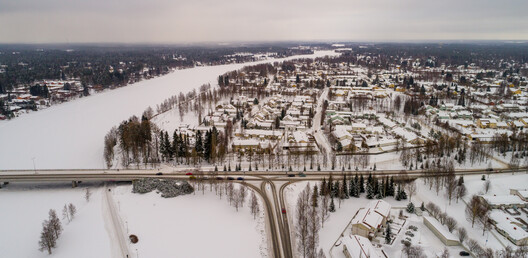
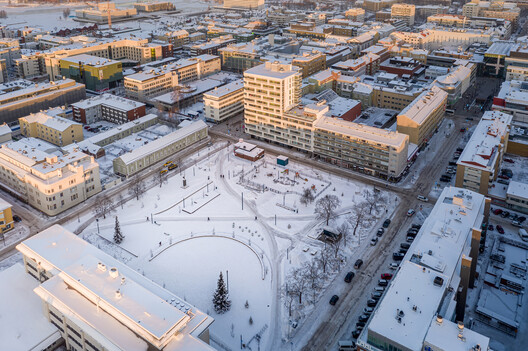
Oulu is a major port city on Finland's northwestern coast, located at the mouth of the River Oulu near the Arctic Circle. According to the selection report, Oulu presented its final bid under the theme "Cultural Climate Change," structured around the values of courage, fairness, and responsibility. The Oulu Culture Foundation, established in 2022, is in charge of coordinating the European Capital of Culture program for 2026. As a subsidiary of the City of Oulu, the foundation works closely with municipal organizations in a program aimed to reshape how people interact across social, cultural, artistic, political, spatial, and virtual dimensions, intending to transform Oulu into a more vibrant and attractive city. Approximately 500 events are planned throughout the year, structured around three main themes: Brave Hinterland, Cool Contrasts, and Wild City. The program opens with a winter city festival held over three days from January 16 to 18. Further details are available on the official website.
In other recent developments, as architecture and design enter 2026 amid renewed experimentation, heightened environmental awareness, and an expanded global dialogue on the built environment, the international events agenda for 2026 offers insights into how the discipline is responding creatively, critically, and collectively. Elsewhere in Europe, Greece's built environment, shaped by layered histories and contemporary interventions, is undergoing significant transformation through residential, cultural, and holistic urban projects led by prominent practitioners. In broader urban development news, Jakarta has become the world's most populous city, according to World Urbanization Prospects 2025, released by the United Nations Department of Economic and Social Affairs (UN DESA).


