1. ArchDaily
  2. Cultural

Cultural: The Latest Architecture and News

LAGI 2025 Fiji Highlights Participatory Design in Renewable Infrastructure

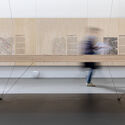
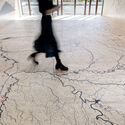
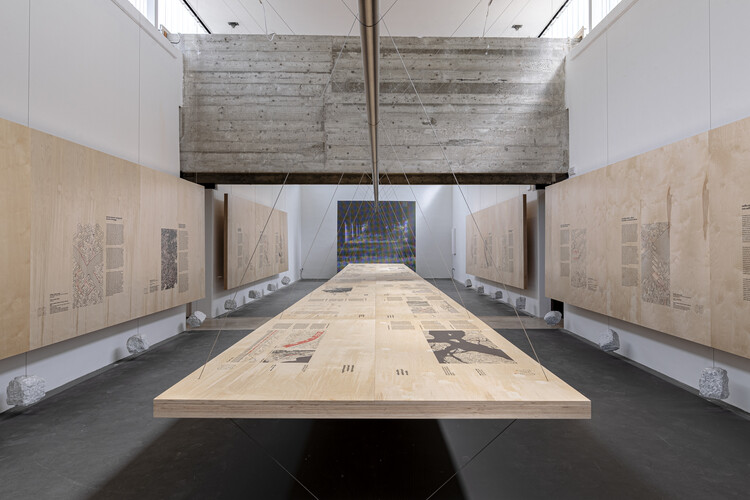
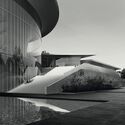
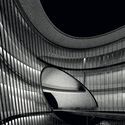
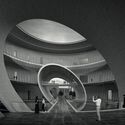
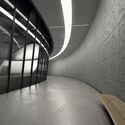
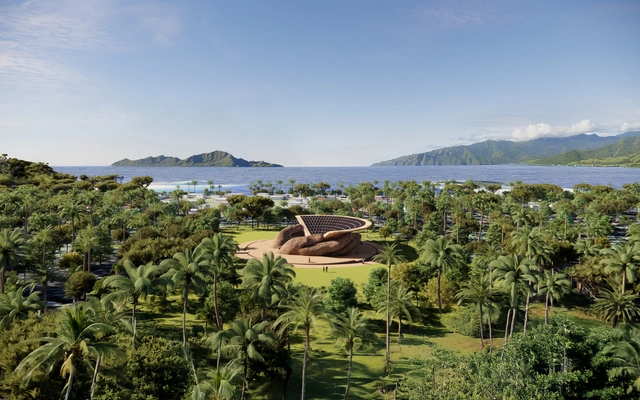
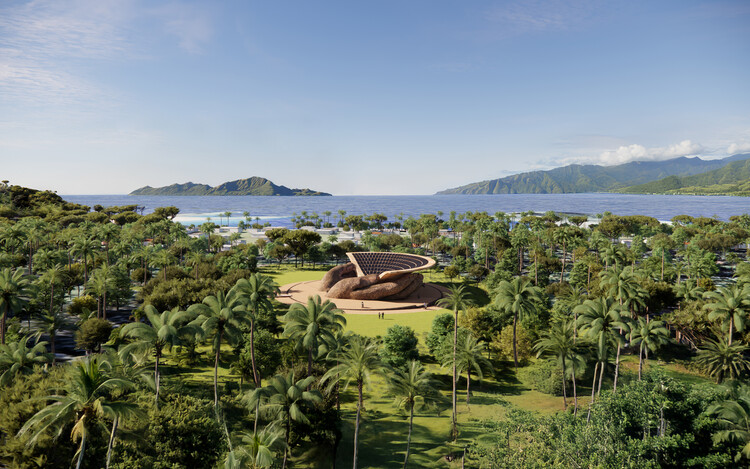
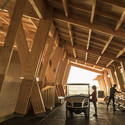
The Land Art Generator Initiative (LAGI) has announced the winners of its 2025 competition in Marou Village, Fiji. Developed in partnership with the local community and supported by the Fiji Department of Energy, the Fiji Rural Electrification Fund, and the United Nations Development Program, LAGI 2025 invited designers from around the world to envision renewable energy and water systems that could also serve as cultural and social spaces. From over 200 entries representing 45 countries, two projects were selected: The O by Alberto Roncelli and Ligavatuvuce by Young Kang.

LAGI 2025 Fiji Highlights Participatory Design in Renewable Infrastructure - Image 1 of 4LAGI 2025 Fiji Highlights Participatory Design in Renewable Infrastructure - Image 2 of 4LAGI 2025 Fiji Highlights Participatory Design in Renewable Infrastructure - Image 3 of 4LAGI 2025 Fiji Highlights Participatory Design in Renewable Infrastructure - Image 4 of 4LAGI 2025 Fiji Highlights Participatory Design in Renewable Infrastructure - More Images+ 2

Foster + Partners Reveals Design for Retail Plaza on Istanbul’s Golden Horn

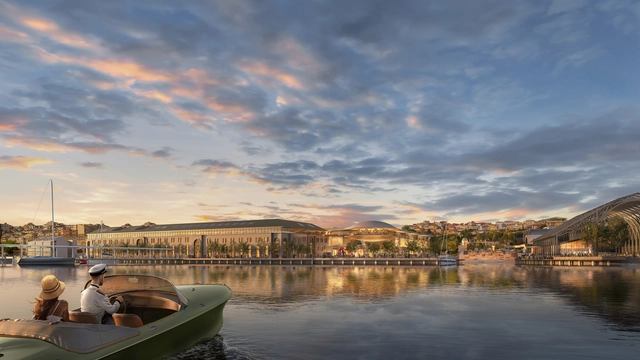
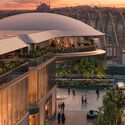
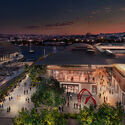
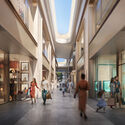
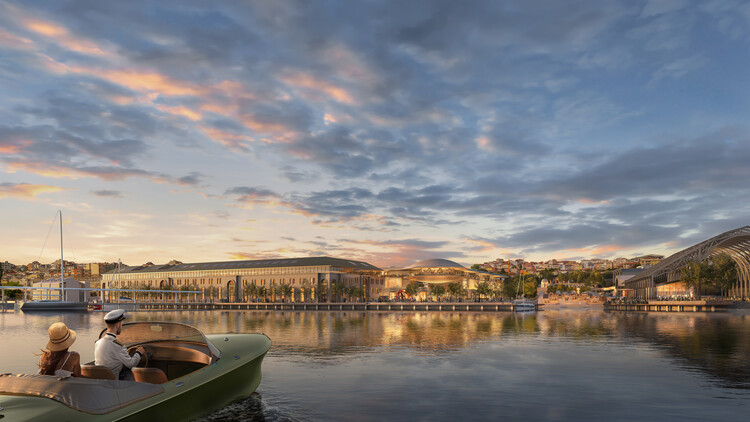
Foster + Partners has revealed designs for a retail plaza located on the northern bank of the Golden Horn in Istanbul, Türkiye. The project forms part of the larger Tersane master plan, which proposes to redevelop 1.6 kilometers of previously underutilized waterfront. The master plan integrates a mix of retail, residential, hospitality, cultural buildings, and landscaped public spaces, aiming to enhance access along the shoreline. The plaza sits within close proximity to several of Istanbul's historic landmarks, drawing on the area's maritime and industrial heritage. The design's scale and material choices reflect this context, seeking to align with the site's historic layers while introducing a contemporary retail environment.

Foster + Partners Reveals Design for Retail Plaza on Istanbul’s Golden Horn - Imagen 2 de 4Foster + Partners Reveals Design for Retail Plaza on Istanbul’s Golden Horn - Imagen 3 de 4Foster + Partners Reveals Design for Retail Plaza on Istanbul’s Golden Horn - Imagen 4 de 4Foster + Partners Reveals Design for Retail Plaza on Istanbul’s Golden Horn - Imagen 1 de 4Foster + Partners Reveals Design for Retail Plaza on Istanbul’s Golden Horn - More Images

Building Methods in Focus: The Solid vs Hollow Partitioning Debate

Subscriber Access | 

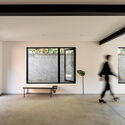
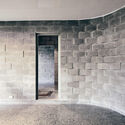
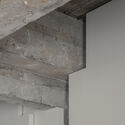
Two primary building approaches are commonly identified in architecture and design: solid versus hollow construction. These methods vary significantly across different cultures and regions, specifically for interior partitioning systems, when they appear interchangeable. Each has its own established practices influenced by local materials, labor preferences, climatic conditions, and cultural traditions. When architects and designers focus on their local context, it is easy to overlook the broader construction assumptions, limiting design flexibility and methodology. This raises an important question: How do these two building approaches differ?
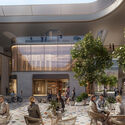
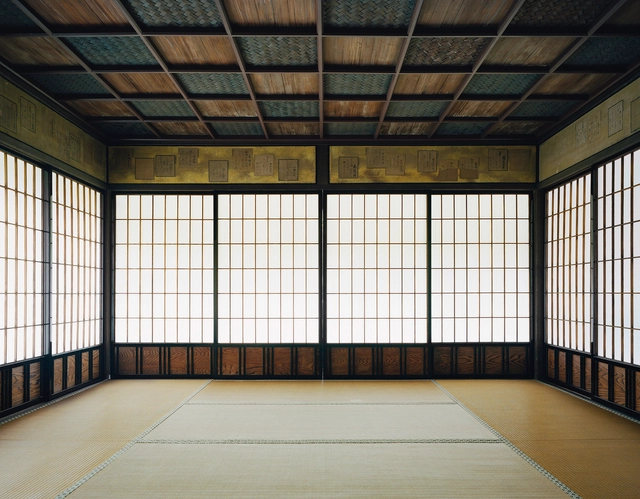
Focusing mainly on interior systems, the distinctions between solid and hollow construction largely stem from the availability of materials and workforce preferences. For example, in the United States and Japan, stud walls, both wood and metal, are frequently used for partitioning. Conversely, brick remains the predominant material for partition walls in regions such as Hong Kong and southern China. Why do we build differently, and what are the benefits and challenges of each building methodology?

Building Methods in Focus: The Solid vs Hollow Partitioning Debate - Image 1 of 4Building Methods in Focus: The Solid vs Hollow Partitioning Debate - Image 2 of 4Building Methods in Focus: The Solid vs Hollow Partitioning Debate - Image 3 of 4Building Methods in Focus: The Solid vs Hollow Partitioning Debate - Image 4 of 4Building Methods in Focus: The Solid vs Hollow Partitioning Debate - More Images+ 14

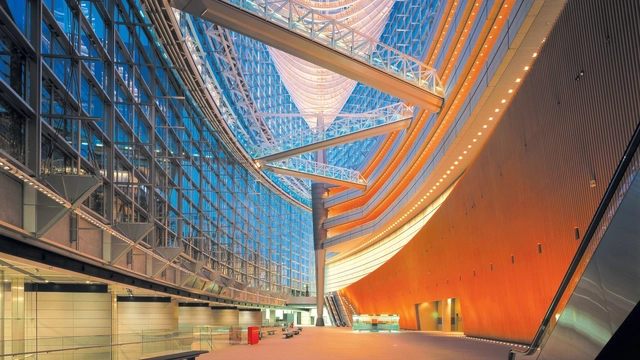
Tokyo International Forum, Designed by Rafael Viñoly Architects, Receives the Twenty-Five Year AIA Award

Rafael Viñoly Architects’ Tokyo International Forum has been honored with the prestigious AIA Twenty-five Year Award. Celebrating its “distinctive transparent character and capacity to engage with the public in the largest metropolitan area in the world.” Rafael Viñoly Architects was first selected to design the structure through Japan’s first international design competition facilitated by Kenzo Tange, the architect of Tokyo’s City Hall and the first Japanese laureate of the Pritzker Prize.

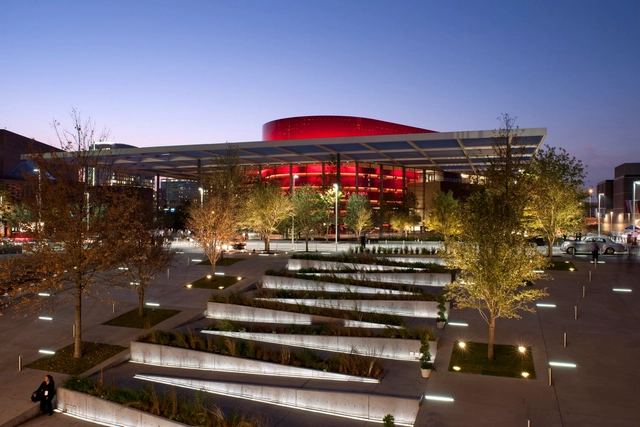
Henning Larsen Architects Reveals Jeddah Opera House in Saudi Arabia

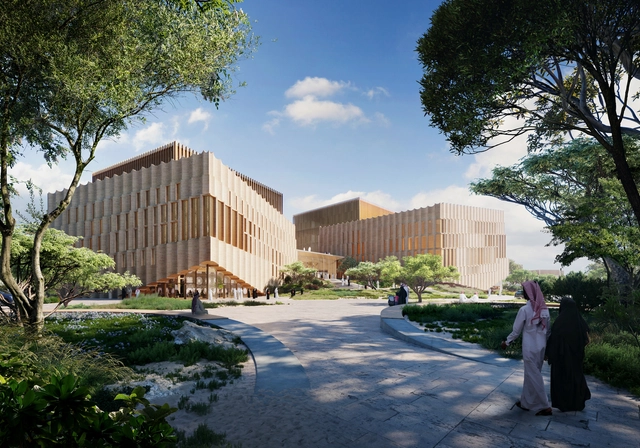
Henning Larsen Architect has just revealed the designs for The Jeddah Opera House, a new local landmark in Saudi Arabia. Drawing inspiration from the historical Al-Balad neighborhood, the Opera House celebrates culture and regional geography. Situated along the Red Sea waterfront, the opera house aims to connect residents and visitors to the sea through a culture spine under a natural canopy. Extending from the city, through the opera house, to the water, this “spine” forms an integral part of the Jeddah Central masterplan for the new Opera Quarter.

Reimagining the Role of Culture: Manifesta Announces 15th Biennial in Barcelona, Spain

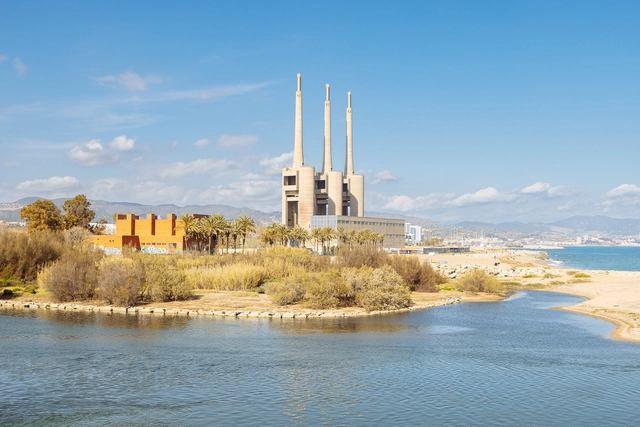
Manifesta 15 Barcelona Metropolitana has unveiled a decentralized biennial event spanning across the landscape of Barcelona. Taking place from September 8th to November 24th, this edition of Manifesta, the European Nomadic Biennial, introduces a regionalized strategy. Famous for its avant-garde exploration of global challenges through cultural lenses, the approach aims to empower citizens in catalyzing a socio-ecological transformation across Catalonia. The event aims to reimagine the role of culture in societal transformation through art, dialogue, and collective action.
Reimagining the Role of Culture: Manifesta Announces 15th Biennial in Barcelona, Spain - Image 1 of 4Reimagining the Role of Culture: Manifesta Announces 15th Biennial in Barcelona, Spain - Image 2 of 4Reimagining the Role of Culture: Manifesta Announces 15th Biennial in Barcelona, Spain - Image 3 of 4Reimagining the Role of Culture: Manifesta Announces 15th Biennial in Barcelona, Spain - Image 4 of 4Reimagining the Role of Culture: Manifesta Announces 15th Biennial in Barcelona, Spain - More Images+ 20

Unveiling New Images of Snøhetta's Spiraling Shanghai Opera House

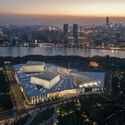
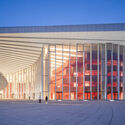
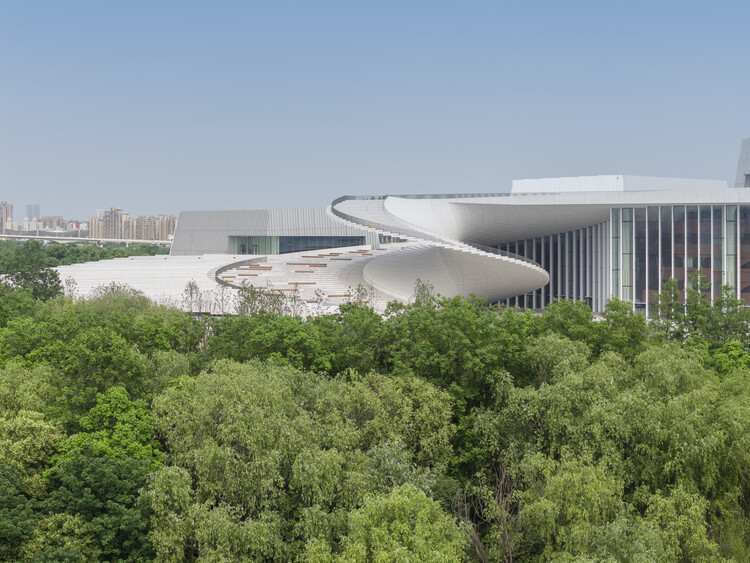
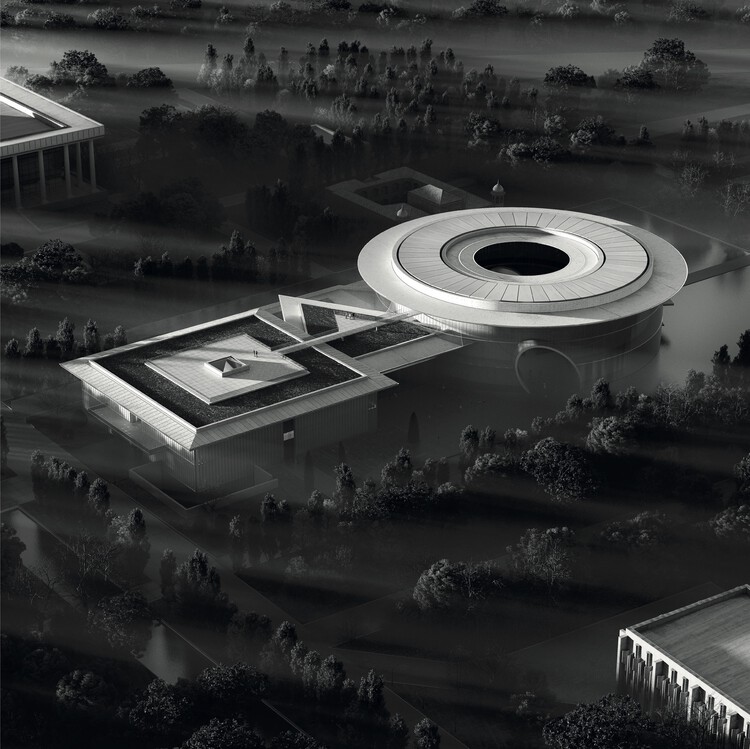
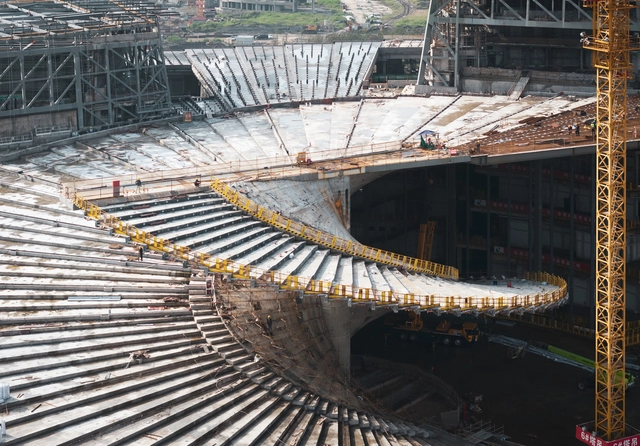
Snøhetta has just released construction images showing the progress on the studio’s long-awaited Shanghai Grand Opera House in China. With its iconic fan-shaped roof, the firm has been commissioned the scheme in 2019 following an international design competition. The project is set to be completed in 2025, seeking to attract a broad audience for traditional, classical, and experimental performances.
Unveiling New Images of Snøhetta's Spiraling Shanghai Opera House  - Image 1 of 4Unveiling New Images of Snøhetta's Spiraling Shanghai Opera House  - Image 2 of 4Unveiling New Images of Snøhetta's Spiraling Shanghai Opera House  - Image 3 of 4Unveiling New Images of Snøhetta's Spiraling Shanghai Opera House  - Image 4 of 4Unveiling New Images of Snøhetta's Spiraling Shanghai Opera House  - More Images+ 3

Miralles Tagliabue EMBT Wins Competition to Design Shenzhen's Conservatory of Music

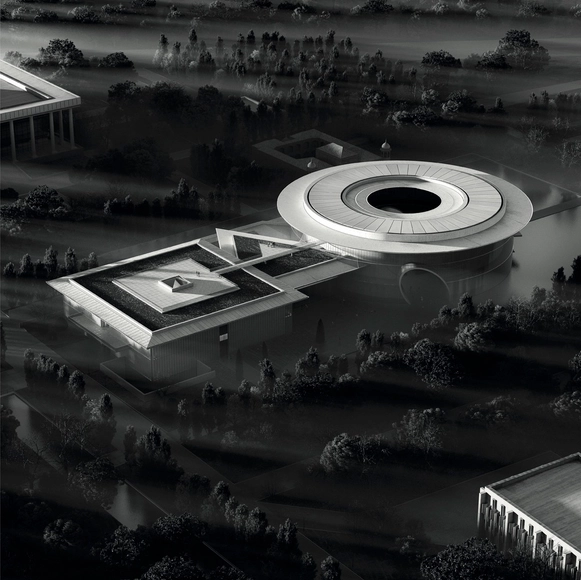
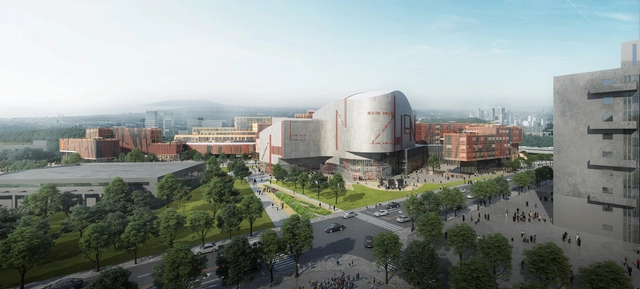
Miralles Tagliabue EMBT, directed by Benedetta Tagliabue, has won the international competition to design the Shenzhen Conservatory of Music, one of the city's 10 new era cultural buildings. Characterized by the dialogue generated with its surroundings, the complex integrates music and art in nature with a proposal of organic and sustainable architecture.

Miralles Tagliabue EMBT Wins Competition to Design Shenzhen's Conservatory of Music - Image 1 of 4Miralles Tagliabue EMBT Wins Competition to Design Shenzhen's Conservatory of Music - Image 2 of 4Miralles Tagliabue EMBT Wins Competition to Design Shenzhen's Conservatory of Music - Image 3 of 4Miralles Tagliabue EMBT Wins Competition to Design Shenzhen's Conservatory of Music - Image 4 of 4Miralles Tagliabue EMBT Wins Competition to Design Shenzhen's Conservatory of Music - More Images+ 9

Aldeburgh Music Creative Campus / Haworth Tompkins

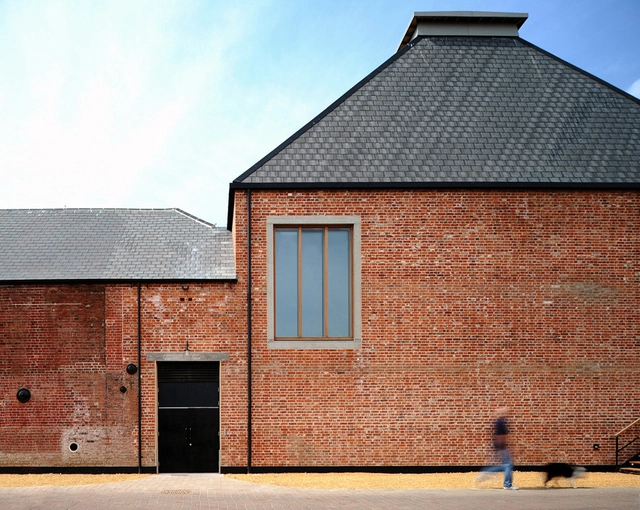
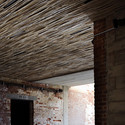
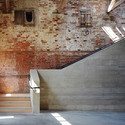
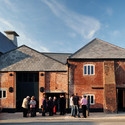
Aldeburgh Music Creative Campus / Haworth Tompkins - Adaptive Reuse, Facade, Door, ColumnAldeburgh Music Creative Campus / Haworth Tompkins - Adaptive Reuse, Beam, Facade, Arch, ColumnAldeburgh Music Creative Campus / Haworth Tompkins - Adaptive Reuse, Stairs, Facade, Arch, Handrail, Column, DoorAldeburgh Music Creative Campus / Haworth Tompkins - Adaptive Reuse, Door, FacadeAldeburgh Music Creative Campus / Haworth Tompkins - More Images+ 15

Equestrian Centre / Carlos Castanheira + Clara Bastai

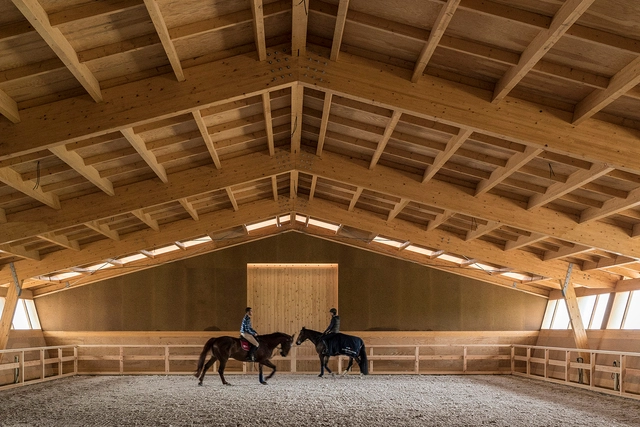
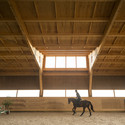
Equestrian Centre / Carlos Castanheira + Clara Bastai - Heritage, Facade, CoastEquestrian Centre / Carlos Castanheira + Clara Bastai - Heritage, Facade, BeamEquestrian Centre / Carlos Castanheira + Clara Bastai - Heritage, Beam, BenchEquestrian Centre / Carlos Castanheira + Clara Bastai - HeritageEquestrian Centre / Carlos Castanheira + Clara Bastai - More Images+ 50

Shigeru Ban and Ole Scheeren to Create New Art and Cultural Destination in Hangzhou

Shigeru Ban, Pritzker Prize-winner, and Ole Scheeren, RIBA silver medalist, were appointed for the Hangzhou Wangjiang New Town master plan. Creating new art and cultural destination in the historical city, the project in collaboration with New World Development and K11 Group seeks to build a landmark that meets the needs of the new generation.