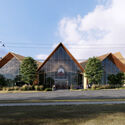
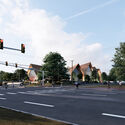
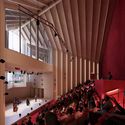
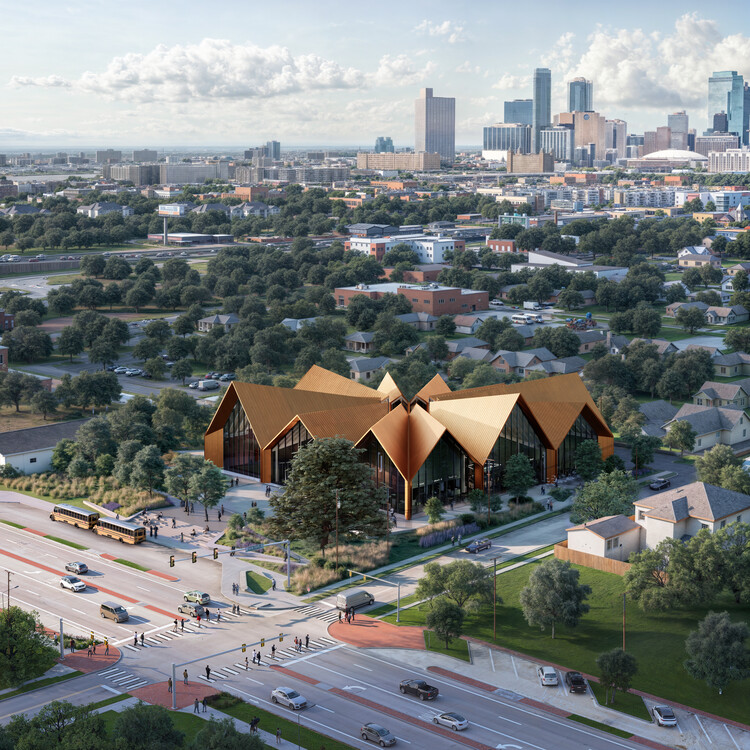
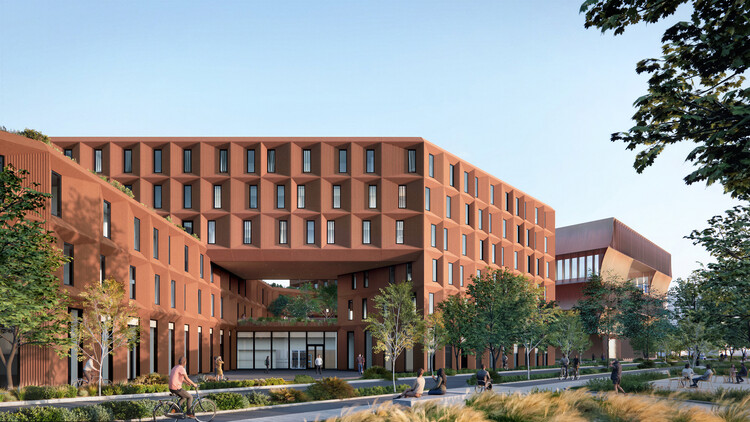
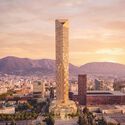
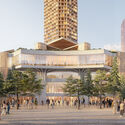
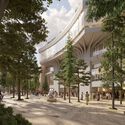
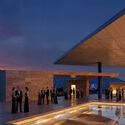
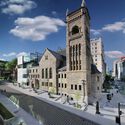
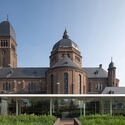
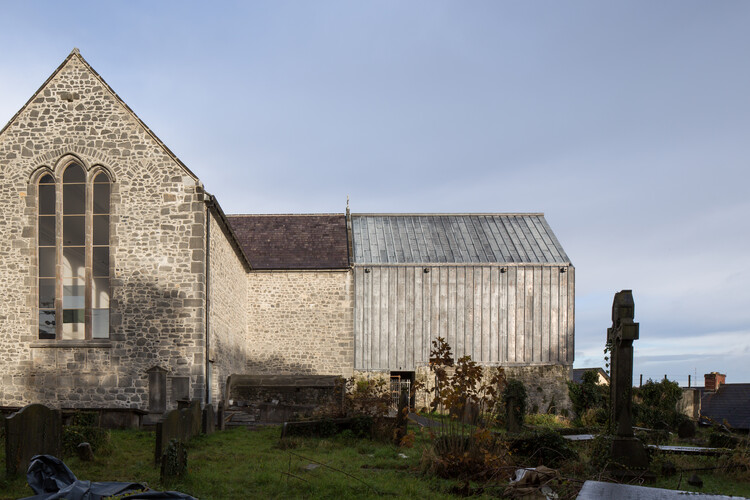
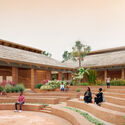
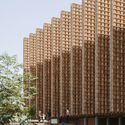
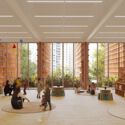
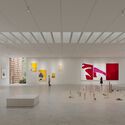
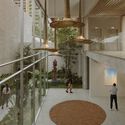
Bjarke Ingels Group (BIG) has unveiled new images of the National Juneteenth Museum, offering a closer look at the design of the 72,000-square-foot institution planned for Fort Worth, Texas. Designed in collaboration with Alligood Song Architecture and architect of record KAI Enterprises, the project is scheduled to begin construction in fall 2026 and will serve as a national center dedicated to preserving the history and legacy of Juneteenth. Led by activist Dr. Opal Lee, widely recognized as the "Grandmother of Juneteenth," the museum combines exhibition spaces with community-oriented programs intended to support both cultural preservation and neighborhood revitalization.
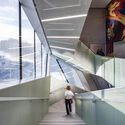
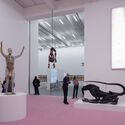
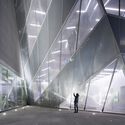
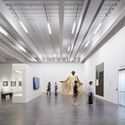
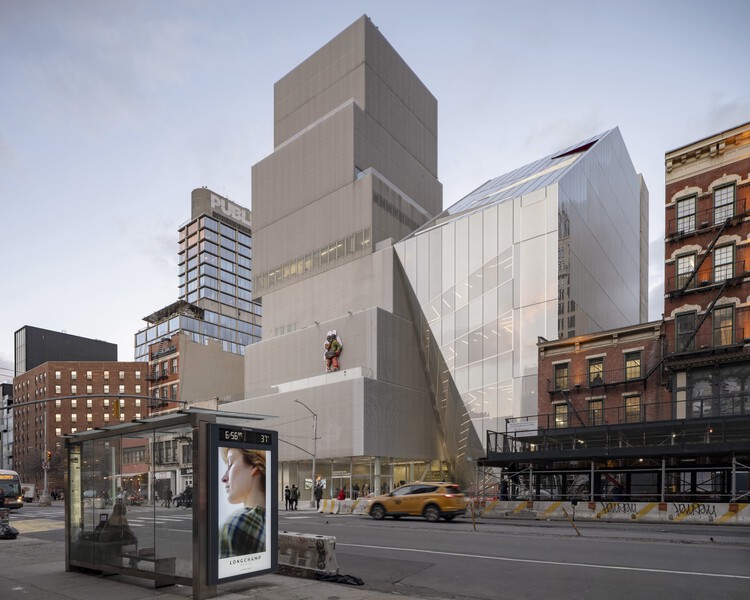
When the New Museum's original SANAA-designed building, a stack of shifted opaque boxes wrapped in a metal mesh skin, opened in 2007, it already seemed destined for some form of expansion to relieve the vertical pressure created by its constrained circulation and limited footprint. In March, the museum unveiled its long-anticipated addition, designed by OMA's Shohei Shigematsu and Rem Koolhaas. The angular and slightly set-back companion building doubles the museum's exhibition capacity while reshaping the institution's relationship to the city and to the original SANAA structure by Kazuyo Sejima and Ryue Nishizawa.
At the building's press opening, Koolhaas described the project "not simply as an extension but as a complement or counterpart." Shigematsu later elaborated: "We thought about designing a pair composed of two distinct and yet highly connected buildings. One is more vertical and introverted. The other is more horizontal and extraverted."
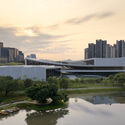
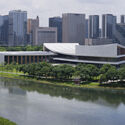
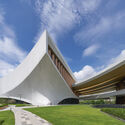
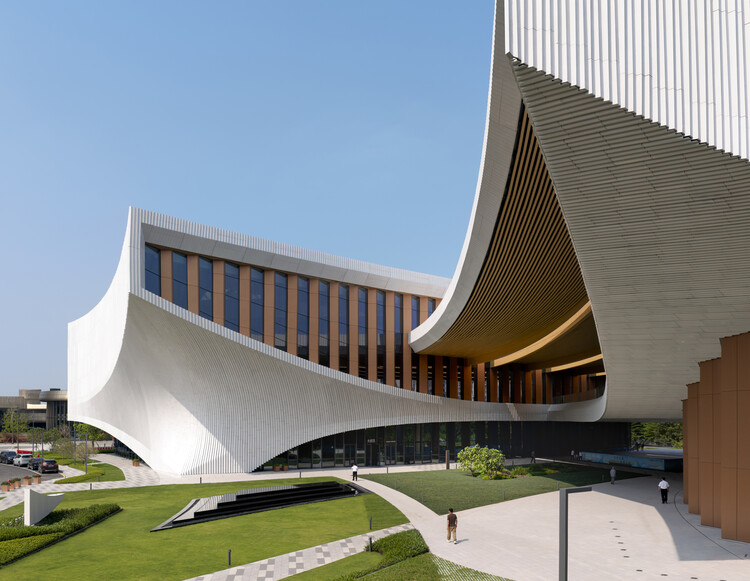
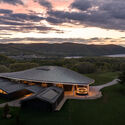
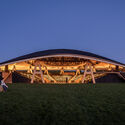
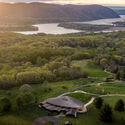
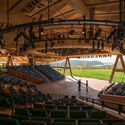
The Songshan Lake Exhibition and Performance Center, designed by ZHA in collaboration with the Beijing Institute of Architectural Design, is a new cultural and sports facility in Dongguan City, China. It's located in the city's High-Tech Industrial Development Zone, a technological innovation and science city established in 2001 as a hub for research, development, and high-tech manufacturing. Covering a total floor area of 45,000 square metres, the new cultural centre was designed to be a civic and cultural anchor for the Guangdong-Hong Kong-Macao Greater Bay Area (GBA). The construction of the riverside building started in 2021, and the complex was officially opened on March 30, 2026.
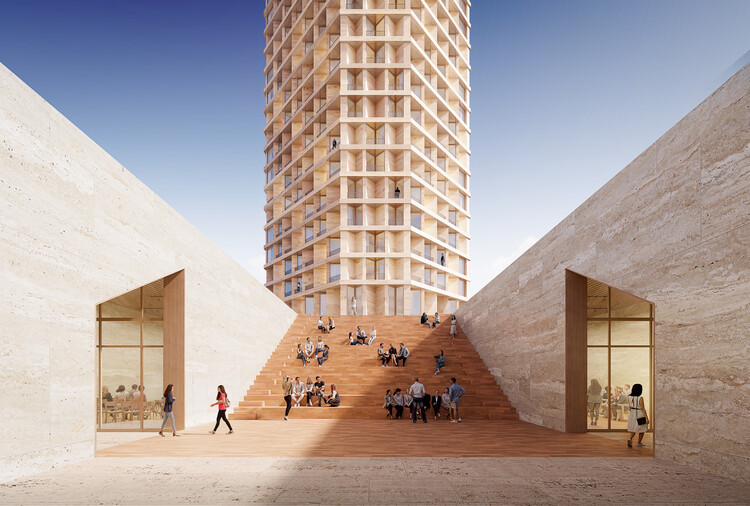
The Palace of Congresses renovation project. Terrace staircase render. Image Courtesy of Herzog & de Meuron
On June 3, 2026, Herzog & de Meuron was selected to revitalize the Palace of Congresses building in Tirana, Albania. The project was designed along with collaborators Julian Beqiri, Marsela Demaj, Michel Desvigne Paysagistes (MDP), ARUP, LDK, Gentian Shkurti, SUEB Industries sh.p.k., The Space Factory Ltd, MBBM, and KLAR sh.p.k. The Palace of Congresses (or Pallati i Kongreseve) was built during the People's Socialist Republic of Albania and opened in 1986 to host the Congresses of the Party of Labour of Albania and other official activities. The International Competition for the Redevelopment of the Palace of Congresses, carried out by the Albanian government, called for a comprehensive transformation of the building while preserving its historical identity. The project should address serious infrastructural issues and bring the Palace to contemporary standards in terms of technology, functionality, and quality of spaces.
BIG – Bjarke Ingels Group is nearing completion of the EVE Music Hall in Čepin, eastern Croatia, designed in collaboration with SIRRAH projekt and Theatre Projects. The 10,000 m² project contains a live music venue, congress facilities, exhibition spaces, a café, and rooftop event spaces. The venue is expected to host concerts, conferences, exhibitions, and cultural activities, accommodating nearly 4,000 guests indoors and up to 25,000 outdoors. The new cultural building marks the office's first project in Croatia and is expected to become its first completed music performance venue in early 2027.
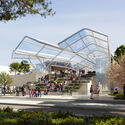
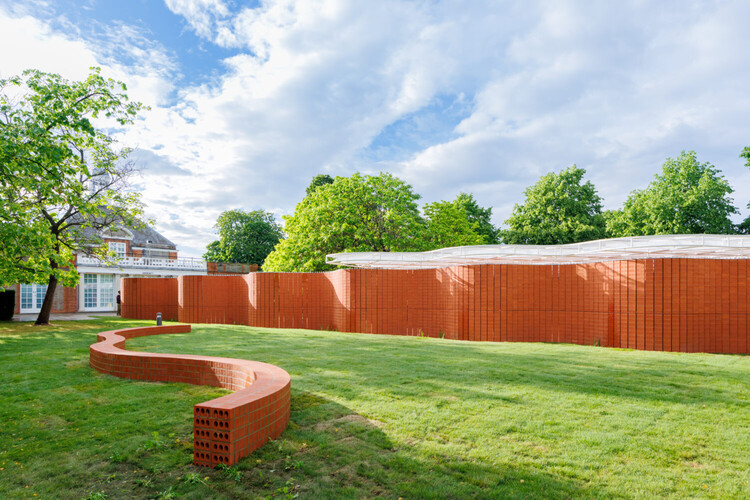
This week, architecture's cultural dimension took center stage through a series of new platforms, institutional developments, and public-facing projects that expand how the discipline is discussed, preserved, and experienced. From the announcement of participants for the inaugural Pan-African Biennale in Nairobi and the unveiling of Concéntrico Festival's urban interventions across Logroño, to the opening of La Biennale di Venezia's new archival headquarters at the Arsenale, architecture emerged as a vehicle for research, exchange, and collective reflection. Alongside these initiatives, projects such as the expansion of Crystal Bridges Museum in Arkansas and the opening of the 2026 Serpentine Pavilion demonstrate how cultural institutions continue to invest in new spaces for gathering and engagement. This week's selection spans Kenya, Spain, Albania, Saudi Arabia, Italy, Lebanon, the United Kingdom, and the United States, reflecting the diverse contexts in which cultural institutions, public events, and architectural initiatives continue to evolve.
The conversion of disused religious temples through cultural programs constitutes one of the most compelling adaptive reuse strategies in contemporary urban planning. This functional compatibility seems to be rooted in the specific characteristics of churches: their central naves offer large-scale, clear floor plans and monumental cross-sections that easily accommodate the volumetric requirements of museums, theaters, or community hubs. Furthermore, the acoustic properties inherent to their vaulted ceilings, combined with intentional natural lighting filtered through stained glass windows or domes, create the spatial conditions for activities ranging from the performing arts to the exhibition of cultural artifacts. By assuming a public and cultural role, these buildings not only avoid demolition or physical abandonment but also preserve their status as urban and identity landmarks within the city fabric, revitalizing their immediate surroundings without altering their historical significance.
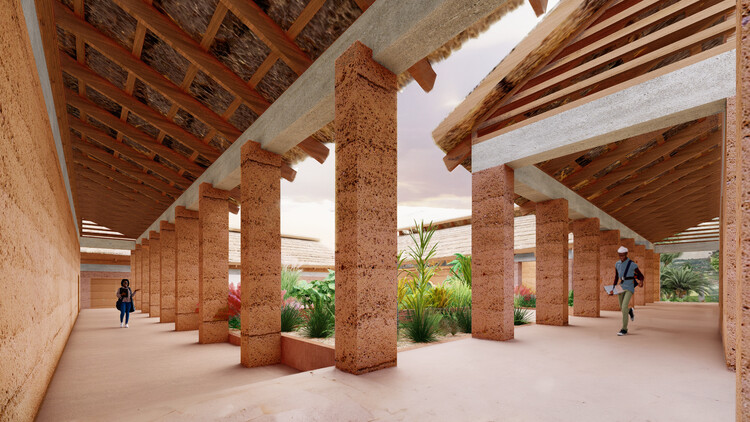
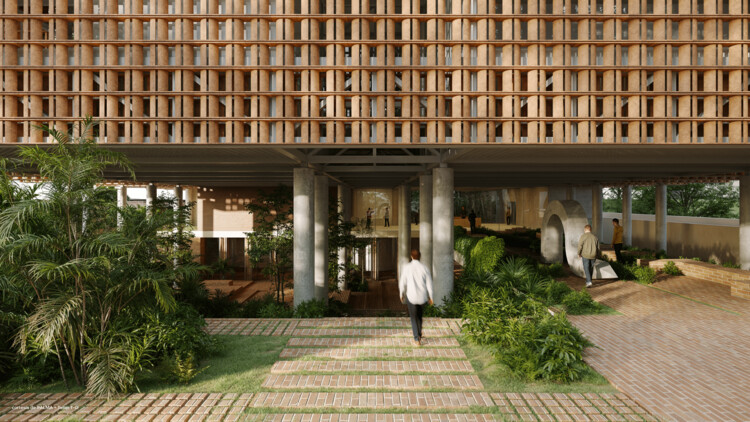
Designed by Studio NEiDA, The Falcon Cinema is a community and art centre located in Berekuso, Ghana, commissioned by film curator and Founding Director Jacqueline Nsiah. The cinema's mission is to create a home for cineastes to preserve Africa's cinematic legacy while hosting critical and creative thinking about contemporary filmmaking on the continent, designed and curated with a pan-African approach. The programme includes a 250-seat and a 150-seat screening room, a restaurant, an archive, communal spaces, an education hub, and an outdoor cinema. A second compound is planned for a future phase, to house living quarters for filmmakers in residence. Still in the design phase, the project started in 2024 and is expected to be completed in 2027.
Tsuyoshi Tane is a Japanese architect born in 1979 in Tokyo and based in Paris, where he founded ATTA – Atelier Tsuyoshi Tane Architects in 2006. Working across cultural, institutional, and landscape-related projects, Tane has developed an architectural approach that positions memory as a fundamental design driver. In his interview with Louisiana Channel, filmed in his Paris studio, Tane reflects on architecture as a discipline of observation and thought, arguing that meaningful design emerges from carefully reading the traces embedded within a site. For him, architecture is not produced on a blank slate but begins with an inquiry into what already exists, physically, culturally, and emotionally, beneath the surface of a place.
Following an international design competition launched in January 2026, the Museum of Contemporary Art of Panama (MAC Panamá) announced the selection of Mexican architects Palma + Taller TO to design its new building. The museum is described as "a new cultural infrastructure open to the city, conceived from the identity, climate, and landscape of Panama." The future museum headquarters will be located in the corregimiento of San Francisco, to consolidate the area as a hub of cultural activity. The selection criteria involved the relationship between the museum and the city, prioritizing proposals with integrated elements for community engagement and framing the building as a cultural infrastructure, enriching the contemporary urban environment of Panama City.
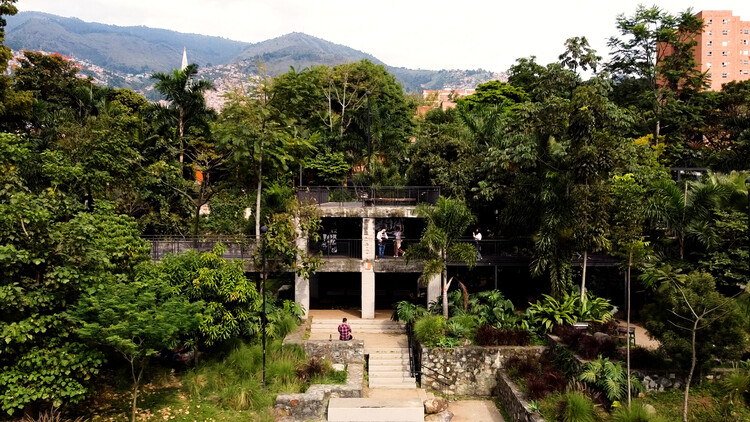
Parque Prado, Colombia, by Connatural Arquitectura en el Paisaje, Category 5 Winner of the UIA 2030 Award. Image Courtesy of International Union of Architects (UIA)
This week's stories reveal a growing focus on reconnecting design with physical reality, whether through construction, landscape, public space, or collective participation. From the curatorial direction of the upcoming Venice Architecture Biennale 2027 to internationally recognized projects addressing flood resilience, affordable housing, and ecological restoration, many of the week's discussions challenged architecture's increasing detachment from material, environmental, and social conditions. At the same time, major cultural interventions, temporary structures, and public forums explored how institutions and civic spaces can become more accessible, adaptable, and engaged with everyday urban life.
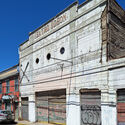
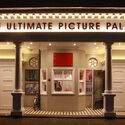
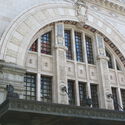
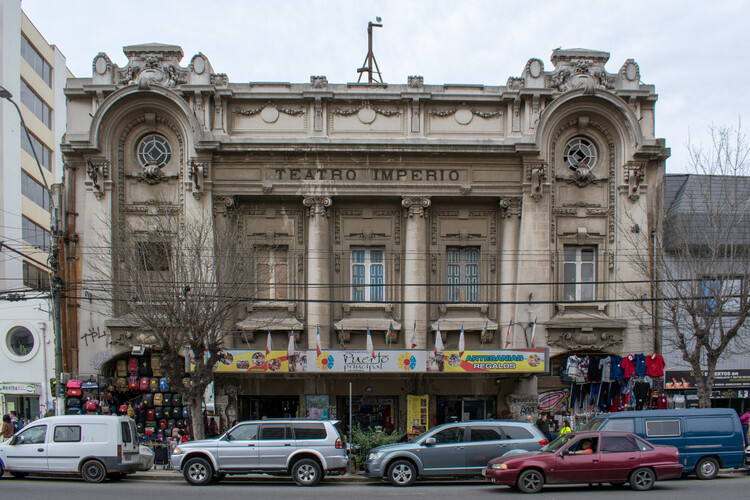
Between 2005 and 2021, French photographers Yves Marchand and Romain Meffre developed a long-term project titled Theaters. Recently exhibited at KYOTOGRAPHIE 2026, the work documents a phenomenon that continues to unfold gradually around the world: the decline of infrastructure originally designed for public entertainment in the early twentieth century. Theaters, cinemas, and performance venues that once accompanied the modernization of cities are increasingly being abandoned, repurposed, or "left suspended as hybrid ruins." This process is often associated with the growing individualization of cultural consumption, from the widespread adoption of television to the rise of the streaming industry, as well as the impact of the COVID-19 pandemic on cultural institutions. Below are three cases located in England, Chile, and Japan that illustrate different stages in this transformation, while also highlighting community-led efforts to preserve modern cultural heritage.
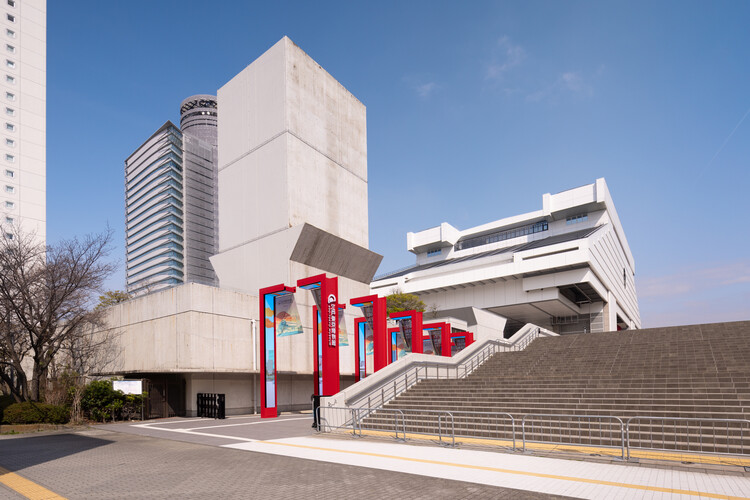
The Edo-Tokyo Museum has reopened to the public following a multi-year renovation, unveiling a series of scenographic interventions and installations designed by OMA under the direction of Shohei Shigematsu. Marking the firm's first public project in Japan, the commission forms part of the broader renewal of the museum's iconic building by Metabolist architectKiyonori Kikutake. Originally opened in 1993 as the first museum dedicated to the history of Tokyo, the institution traces the city's evolution from the Edo period to the present day, and the new interventions aim to strengthen its relationship with contemporary audiences while preserving the identity of Kikutake's architecture.
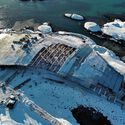
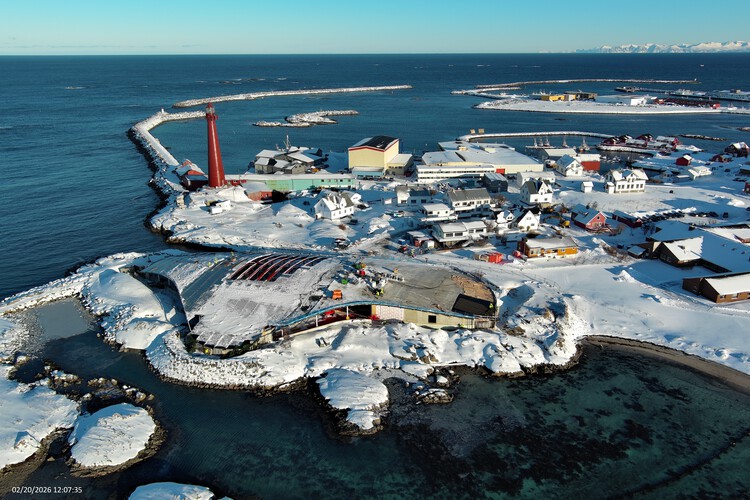
Located approximately 300 kilometers north of the Arctic Circle, on the island of Andøya in northern Norway, The Whale by Dorte Mandrup is currently under construction along the coastline of Andenes. The small settlement is situated near Bleiksdjupa, a deep-sea canyon that brings marine life close to shore and has contributed to the region's role as a whale-watching destination. Recent construction images show the building emerging from the rocky shoreline, maintaining a low profile that follows the contours of the site. The surrounding context, including the existing lighthouse and residential structures, situates the project within an active coastal environment.
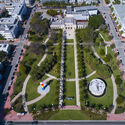
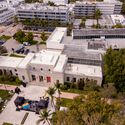
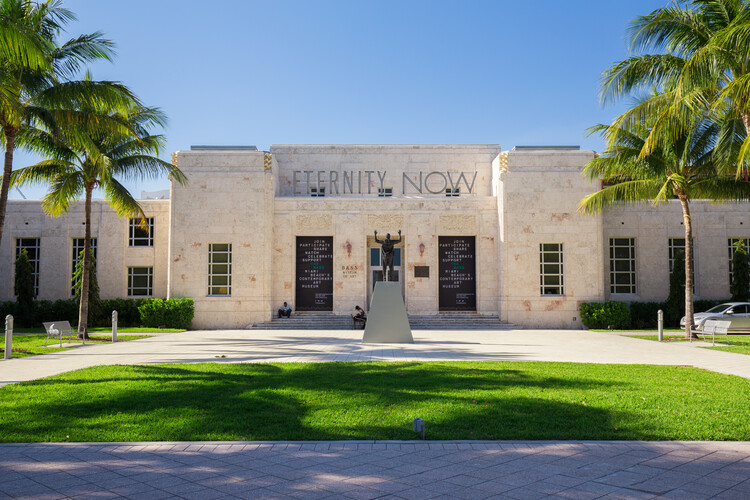
The Bass Museum of Art has appointed the Los Angeles-based architecture practice Johnston Marklee to lead the expansion of its campus in Collins Park, Miami Beach, advancing a long-term vision that integrates architecture, landscape, and contemporary art. Founded in 1964 following the donation of the John and Johanna Bass collection, the museum is housed within a 1930s Art Deco building originally designed by Russell Pancoast as the Miami Beach Public Library and Art Center. Over time, the institution has evolved through architectural interventions, most notably the campus framework introduced by Arata Isozaki, which establishes a dialogue between the historic fabric and contemporary additions.