1. ArchDaily
  2. Fireplaces

Fireplaces: The Latest Architecture and News

Shaping Spaces: The History and Impact of Fireplaces in Architecture

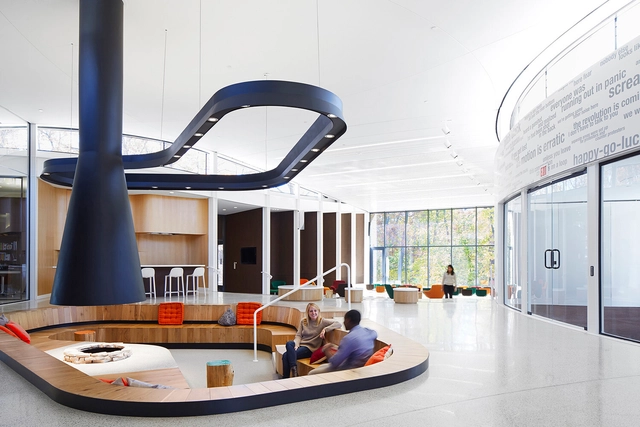
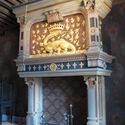
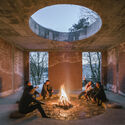
Fireplaces have profoundly shaped architectural design, influencing how spaces are organized, experienced, and perceived. More than merely functional elements, they represent symbols of power, community, comfort, and culture, tracing humanity's evolving relationship with the built environment. From the primitive hearths that characterized early human settlements to the sophisticated ecological designs of contemporary architecture, fireplaces have reflected broader cultural, social, and technological changes, serving as enduring focal points in the spatial narrative of architecture. Scholars have frequently explored the intimate relationship between architecture and fire. Luis Fernández-Galiano, in his seminal work "Fire and Memory: On Architecture and Energy" argues that architecture fundamentally mediates the relationship between humanity and energy. By understanding how these structures have shaped spaces, symbolized cultural values, and driven technological innovation, we gain deeper insight into architecture's complex interplay between form, function, and meaning.

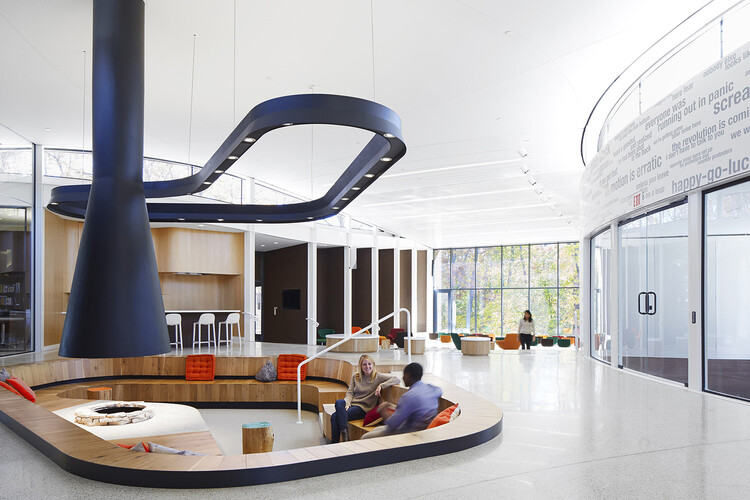
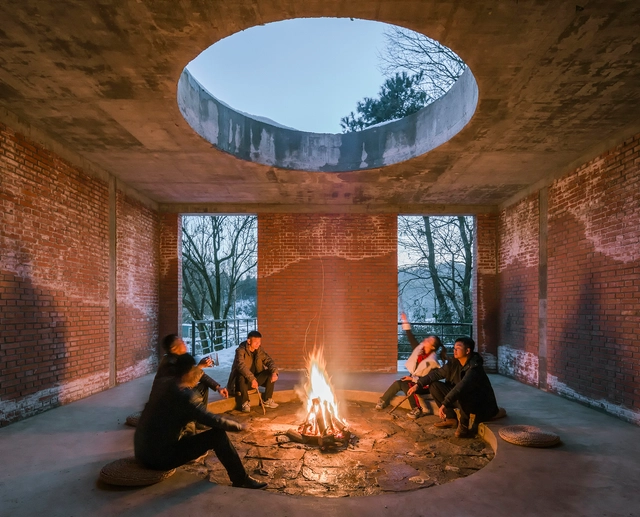
Shaping Spaces: The History and Impact of Fireplaces in Architecture - Imagen 1 de 4Shaping Spaces: The History and Impact of Fireplaces in Architecture - Imagen 2 de 4Shaping Spaces: The History and Impact of Fireplaces in Architecture - Imagen 3 de 4Shaping Spaces: The History and Impact of Fireplaces in Architecture - Imagen 4 de 4Shaping Spaces: The History and Impact of Fireplaces in Architecture - More Images+ 21

What Are Ecological Fireplaces and How Do They Work?

Subscriber Access | 
What Are Ecological Fireplaces and How Do They Work? - Featured Image
Apartamento LR / nmdarq. Image: © nmdarq

Bringing fire indoors is something many people want during winter. In addition to warming the environment, fire creates a unique sensation that goes back to the beginnings of human habitation, leading us to a certain emotional comfort. Before, a chimney and a stock of firewood were needed to guarantee this, nowadays there are ecological fireplaces, which can be built-in or portable: a great choice for those who live in apartments or do not like the smoke generated by the fire.

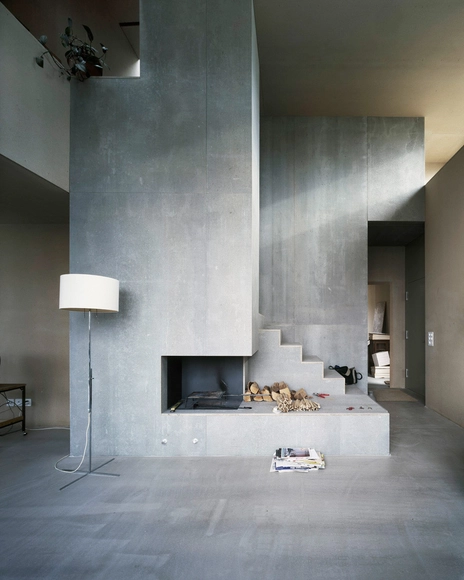
What Are Ecological Fireplaces and How Do They Work? - Image 1 of 4What Are Ecological Fireplaces and How Do They Work? - Image 2 of 4What Are Ecological Fireplaces and How Do They Work? - Image 3 of 4What Are Ecological Fireplaces and How Do They Work? - Image 4 of 4What Are Ecological Fireplaces and How Do They Work? - More Images

Fire and Architecture: How Fire Shapes the Design of Buildings

Subscriber Access | 

Fire is an important consideration in the design of buildings. From material assemblies, to room layouts, to egress, and fire suppression systems, fire is a powerful force shaping the spaces we inhabit. This video talks about some of those factors while the host, Stewart Hicks, builds a campfire at a cabin in Northern Michigan. Over the course of choosing logs, building, lighting, and enjoying the fire, he breaks down how the construction of buildings relates to principles of constructing a good campfire. He covers theories by Gottfried Sempter, the evolution of fire in the home, considerations in wood frame construction, Bernoulli’s Principle, fire suppression systems, and much more. Grab a seat, bring ingredients for making s’mores, and enjoy some fun fire facts.

Incorporating Fire in External Projects: Tips and Examples for Fireplaces

Subscriber Access | 

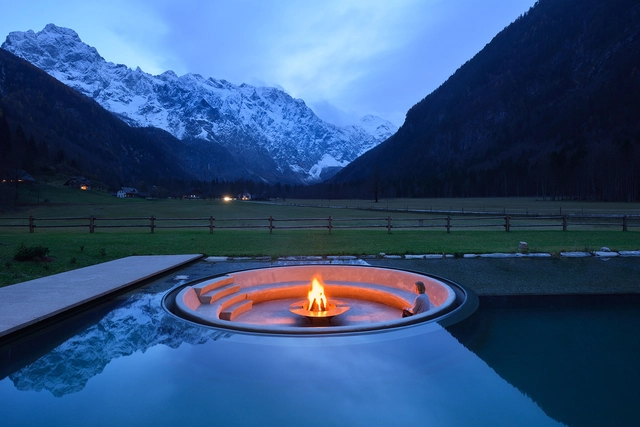
Incorporating Fire in External Projects: Tips and Examples for Fireplaces - Image 1 of 4Incorporating Fire in External Projects: Tips and Examples for Fireplaces - Image 2 of 4Incorporating Fire in External Projects: Tips and Examples for Fireplaces - Image 3 of 4Incorporating Fire in External Projects: Tips and Examples for Fireplaces - Image 4 of 4Incorporating Fire in External Projects: Tips and Examples for Fireplaces - More Images+ 12

Yuval Noah Harari points out that, around 300 thousand years ago, Homo erectus, Neanderthals, and ancestors of Homo sapiens already used fire daily. According to the author of the international bestseller “Sapiens,” fire created the first significant gap between man and other animals. "By domesticating fire, humans gained control of an obedient and potentially limitless force." Some scholars even believe that there is a direct relationship between the advent of the habit of cooking food (possibly due to the domestication of fire) and the shortening of the intestinal tract and growth of the human brain, which allowed human beings to develop and create everything we now have.

Gather Around ArchDaily's 12 Most Welcoming Fireplaces on Pinterest

Along with the holidays often comes many nights sitting fireside with good company. As Frank Lloyd Wright said, ”the hearth is the psychological center of the home.” This is why we have decided to start a new Pinterest board entirely dedicated to the hearth. Take a look after the break. Happy pinning!